







Should wool fillings smell strongly of sheep?
 1 answers
 0 comments
Hi, we've got a mattress from another brand which has a wool filling. It stank of sheep when we first got it. 3 months later it still does! And so do we until we've changed our of our pyjamas and showered! If anything the smell has gotten worse recently. We use a waterproof mattress protector etc.
We're planning to return this mattress under its lengthy money back guarantee, and are considering our next move, including one of your mattresses. Hence the question really. I was a bit surprised at the smell, given other wool items we own (suit, merino base layers, socks etc) don't smell strongly.
Any advice you can give would be welcome.
Simon.

Hi Simon,
Thank you for your question. Wool is a soft fibre that is used in the comfort layers of mattresses to provide a cushioning feel. Wool wicks away heat and moisture quicker than any other fibre. The smell emanating from your mattress is likely due to the lanolin in the wool, which is sometimes described as having a farmyard scent. Different batches of wool will have different concentrations of lanolin, which makes some mattresses smell stronger than others. This smell will dissipate over time; however, some people are more sensitive to it than others and can still smell it years later. Any mattress that contains natural fibres, such as wool and horsehair, will have aromas that some people either like or don't mind, whilst others will find them offensive. We would recommend stripping the bedding from the mattress each morning and opening the windows to allow the air to circulate. By completely airing the mattress daily, the smell will dissipate more quickly.
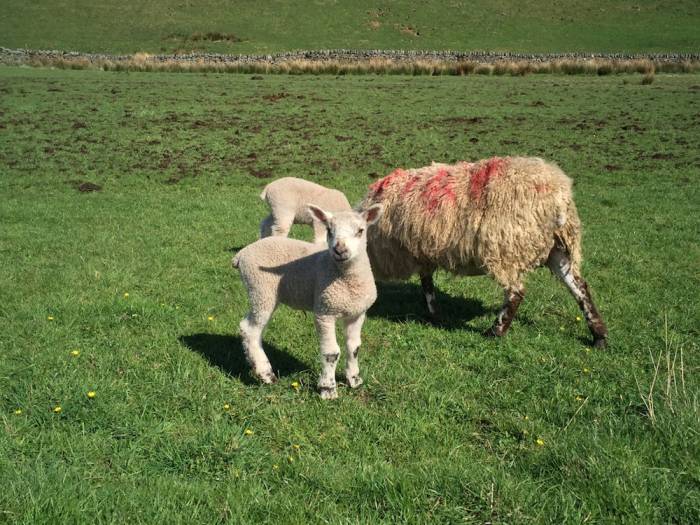
The only process the wool goes through before either being hand teased or made into a mattress pad is boiling at a high temperature to remove any debris and bacteria. When wool is used to make garments, it can go through many processes. The natural wool is not only dyed to provide an array of colours but can also be chemically treated. These treatments primarily focus on making wool machine-washable and shrink-resistant by altering the wool fibre's surface. Common methods include chlorination, resin application, enzymatic treatments, and plasma treatments, all of which can strip the lanolin from the wool.
I hope this helps and if you would like any further information, please do not hesitate to contact the office on 0161 437 4419.
Kind Regards
Michaela

Dreaming of the perfect nights sleep?
Newsletter
Enter your email to join our newsletter. We’ll send you occasional news and mattress expertise.