







Mattress Tips
February 2026Making Sure You Don't Regret Your Mattress Purchase
At John Ryan By Design, we’ve spent 25+ years manufacturing mattresses in the UK, and we’ve heard every mattress-buying horror story imaginable. People who spent £1,500 on a “luxury” mattress without knowing what’s actually inside it. Couples who bought a mattress that was too soft for one partner and too firm for the other. Customers who discovered, after 3 years, that their “10-year guarantee” mattress had developed permanent body impressions that weren’t covered.
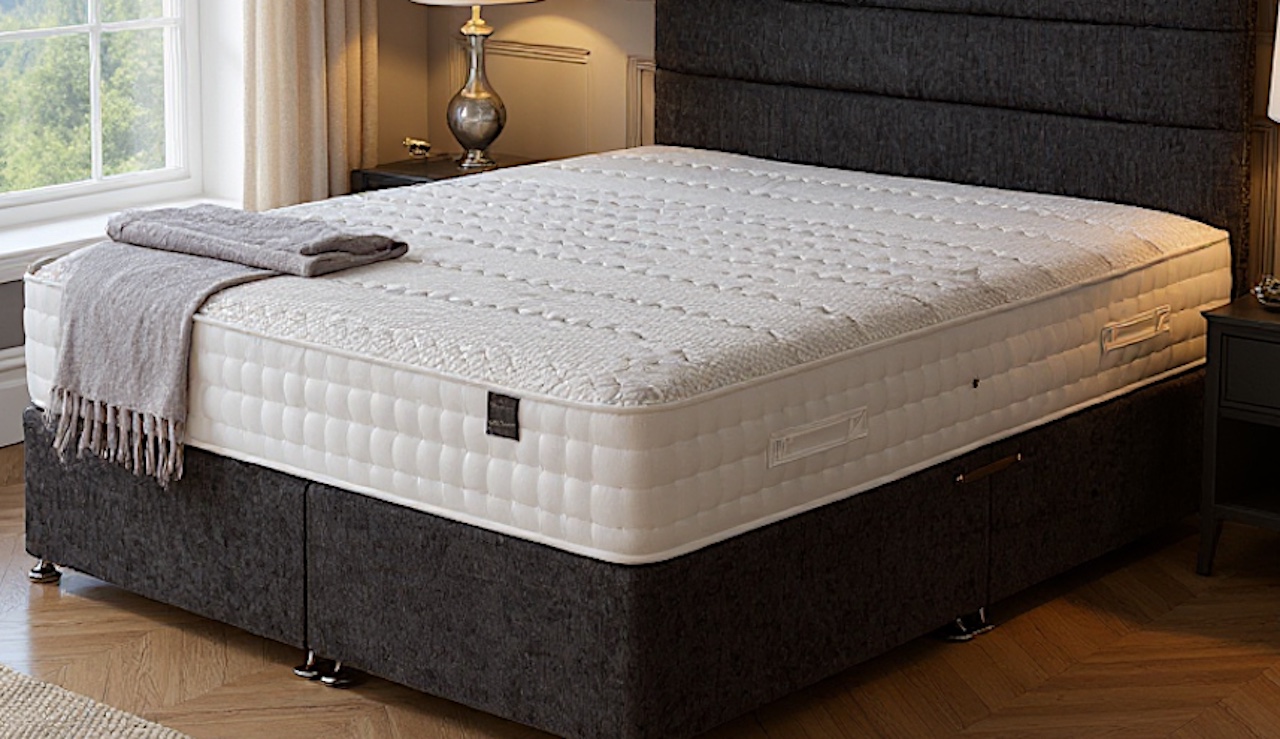
The common thread under the guarantee? People made decisions without proper information.
They relied on showroom salespeople who knew less about mattresses than they pretended to know, or they bought online based on marketing claims rather than actual specifications, or they guessed what might be comfortable and hoped for the best.
This guide explains exactly what you need to know before buying a mattress, why understanding GSM (grams per square metre) is essential, and how our small team of bed geeks can help you avoid becoming another regret statistic.
Why do so many people regret their mattress purchase?
When Hillarys asked tHillary’sho why they regretted their mattress purchase, the overwhelming response was simple: “It’s too uncomfortable.”
But “uncomfortable” covers a multitude of specific problems. Let’s break down what people actually mean:
| Comfort Problem | What This Really Means | Why It Happens |
|---|---|---|
| Too soft/saggy | You sink in excessively, your spine misaligns, difficult to move | Spring tension too weak for body weight, insufficient upholstery GSM |
| Too firm | Pressure builds on the shoulders and hips, waking with aches | Spring tension too strong for body weight, inadequate cushioning layers |
| Rolls together | Both partners gravitate toward the sagging centre valley | Continuous coil springs or weak pocket springs, one-sided construction |
| Too hot | Overheating during sleep, waking up sweaty | Memory Foam heat retention, synthetic materials, and inadequate airflow |
| Partner disturbance | Waking when the partner moves or gets up | Poor motion isolation from continuous springs or thin upholstery |
| Body impressions | Permanent indentations where you sleep | Low upholstery GSM, synthetic materials compress permanently |
Here’s the thing: every single one of these problems is predictable and preventable with proper information. The “too soft” problem occurs when the spring gauge doesn’t match the body weight. The “rolls together” issue occurs with certain spring types. The “too hot” complaint is inevitable with memory Foam unless you understand material properties.
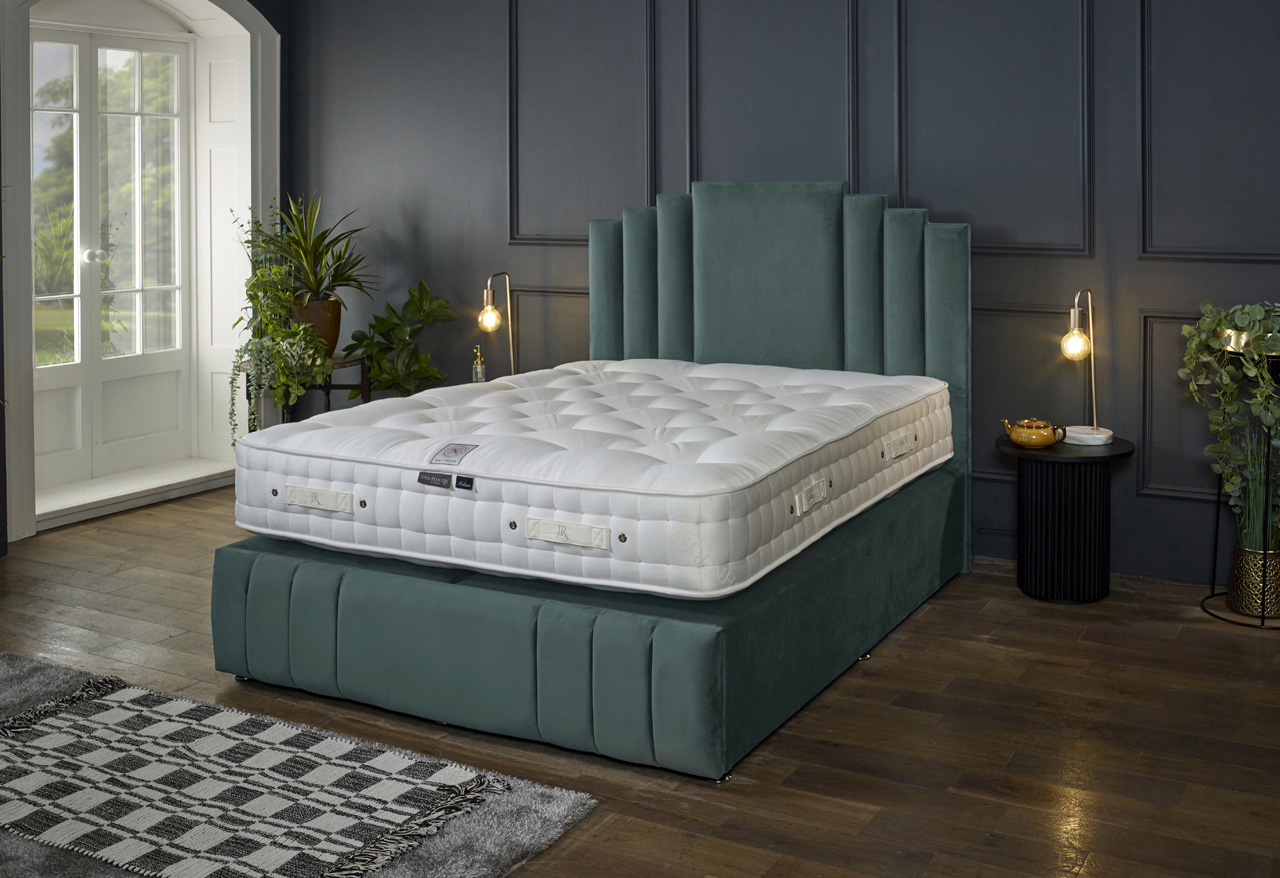
The problem isn’t that mattresses are fundamentally difficult to buy. The problem is that the information you need to make an informed decision isn’t readily available from most retailers.
The impulse buying trap and recommendation pitfalls
The Hillarys poll revealed that people largely blamed two factors for their poor mattress choices: impulse buying and overreliance on recommendations.
A) Impulse happens because mattresses seem simple
It’s just a thing you lie on, right? How complicated can it be? So you pop into a bed shop, lie on a few mattresses for 10 minutes each, and pick whichever feels nice. Three years later, you’re waking up with back pain because the spring tension that felt comfortable for 10 minutes wasn’t appropriate for 2,920 nights of actual use.
B) Friend recommendations fail because comfort is personal
Your mate who weighs 12 stone and sleeps on his back might absolutely love his medium-tension mattress. But you weigh 18 stone and sleep on your side, which means that the same mattress will bottom out under your weight and create pressure points at your shoulders and hips. What’s perfect for one person can be completely wrong for another.
This is where showroom salespeople should help… except most of them can’t.
Why high street salespeople can’t give you the information you need
Walk into any high street bed retailer—Dreams, Bensons for Beds, even John Lewis—and ask the salesperson these questions:
- “What’s the GSM breakdown of the upholstery layers in this mattress?”
- “Is this using calico-encased or spunbond pocket springs?”
- “What spring gauge do I need for someone who weighs 17 stone and sleeps on their side?”
- “Why is this mattress one-sided when it costs £1,200?”
- “What percentage of the ‘Wool blend’ comfort layer is actually Wool versus polyester?”
In almost every case, they won’t be able to answer.
Not because they’re incompetent, but because they’re not trained on this information. They’re trained on sales techniques, finance options, and how to overcome objections. They’re taught to guide you toward whichever models have the best commission rates or current promotions.
Most high street salespeople are generalists covering multiple product categories—beds, sofas, dining tables, wardrobes. They might know beds reasonably well, but they don’t specialise in the engineering details of mattress construction. They can’t explain why Horsetail provides superior compression resistance compared to polyester, because they’ve never been taught the material science behind upholstery fibres.
Luxury brand boutiques aren’t much better.
Vispring salespeople can tell you about heritage and craftsmanship, but they can’t tell you the GSM breakdown of any model because Vispring doesn’t disclose it. They’ll confidently say “this is 100% natural materials” without being able to explain which natural materials, in what quantities, or why it matters.
The information gap isn’t malicious. It’s structural. High street retail doesn’t prioritise mattress education. The business model is volume sales, not custom specification matching.
Our bed geeks know mattresses inside and out (literally)
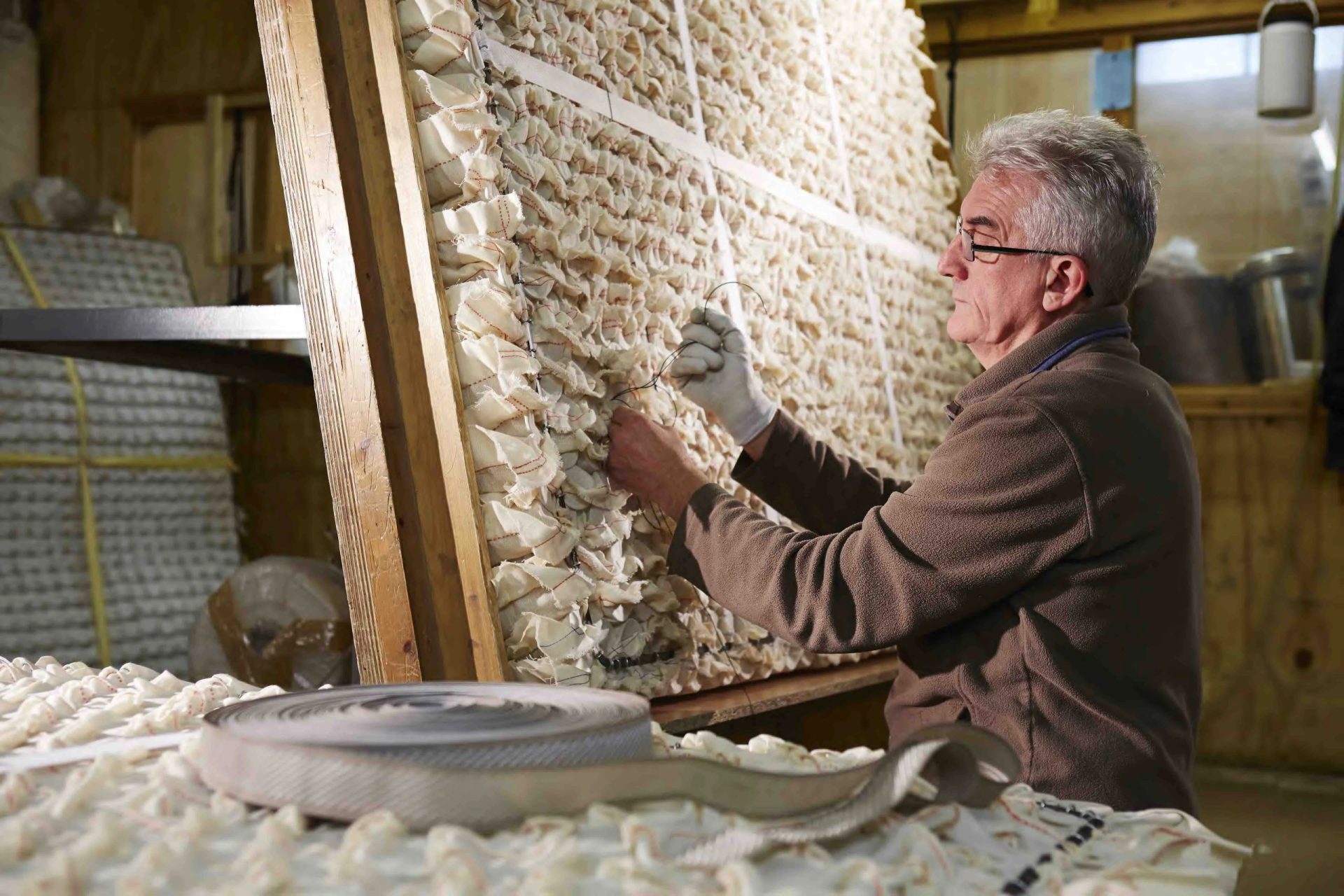
At John Ryan By Design, we don’t have a showroom. We don’t pay retail rents or commission to sales staff. What we do have is a small, friendly team of genuine bed and sleep geeks who’ve spent years (in some cases decades) manufacturing, testing, and obsessing over mattress specifications.
Our team knows:
- Exactly what’s inside every mattress we make because we’re the ones building them
- How different materials behave over time, because we track customer feedback over 10, 15, and even 20-year lifespans
- Which spring gauges match which body weights, because we’ve tested this extensively with real customers
- Why calico springs outperform spunbond because we’ve manufactured both and seen the durability differences
- What GSM levelsdo you need for your sleeping position and weight, because we have the actual data from thousands of customer experiences
When you ring us at 0161 437 4419, you’re not speaking to a commission-driven salesperson reading from a script.
You’re speaking to someone who genuinely loves mattresses (yes, we’re aware that sounds a bit odd), who can discuss the thermal properties of mohair versus Wool, who understands why two-sided construction matters for longevity, and who will actually tell you if a less expensive model would suit your needs better than a premium one.

We spend proper time fact-finding with each customer:
- What’s your weight and your partner’s weight? (This determines spring gauge requirements)
- What’s your primary sleeping position? (Back/side/stomach all need different support profiles)
- Do you overheat at night? (Natural fibres versus memory Foam, upholstery density considerations)
- What’s your current mattress, and what do you like/dislike about it? (Establishes baseline preferences)
- What’s your bed base type? (Sprung divan, solid platform, or slatted—this affectsthe feel significantly)
- Do you have any specific sleep issues? (Back pain, pressure points, partner disturbance, etc.)
This isn’t a sales pitch disguised as a consultation. It’s actual fact-finding to work out which specifications you genuinely need.
Sometimes we recommend a £1,050 Origins mattress. Sometimes we recommend a £2,860 Artisan Bespoke. Sometimes we explain why you’d be wasting money on premium natural fibres if synthetic blends would serve your needs perfectly well.
Our 5-star Trustpilot rating isn’t the result of aggressive marketing or sales tactics. It’s from customers who appreciate being treated like intelligent adults capable of understanding mattress specifications when they’re explained properly.
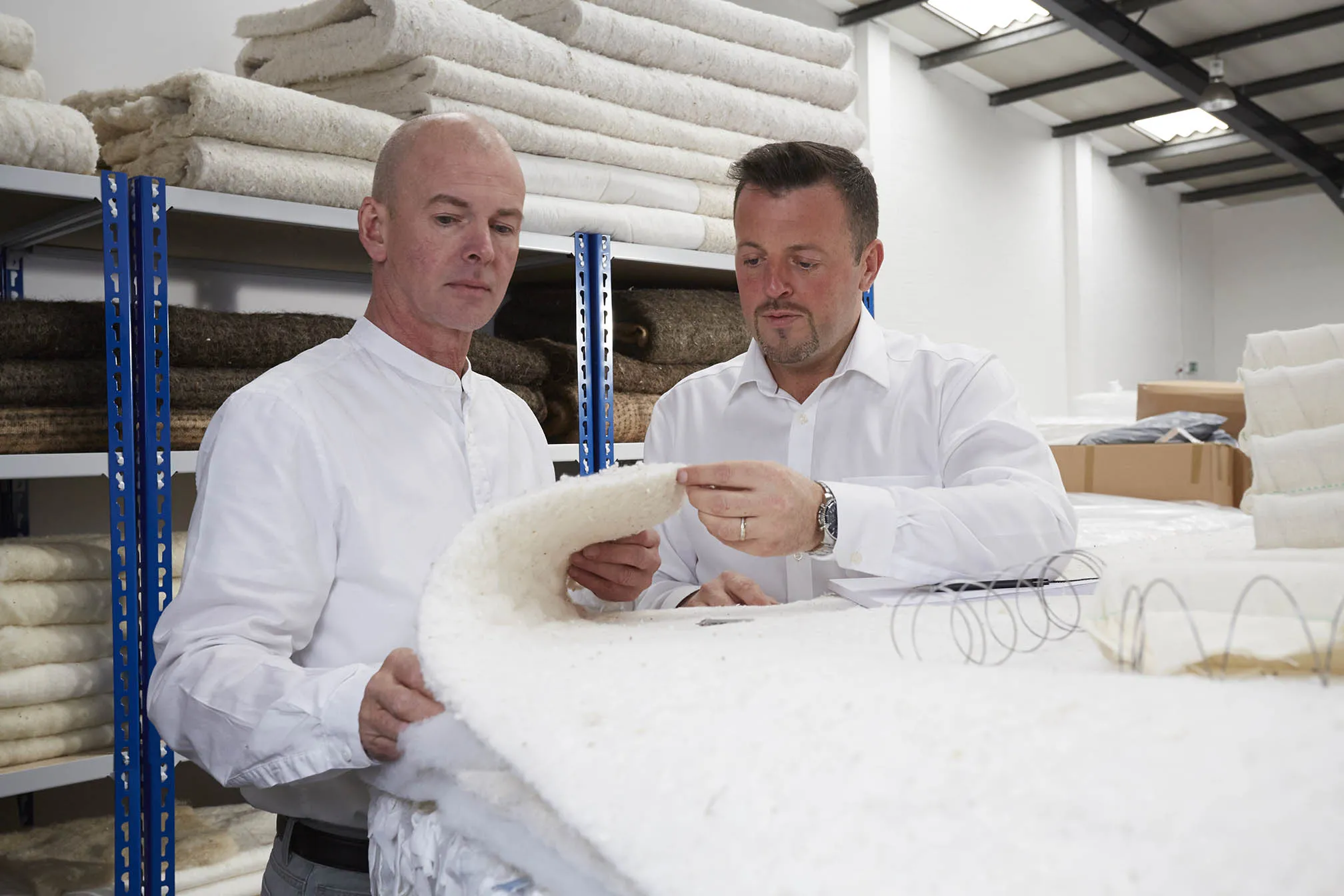
Why understanding GSM is essential.
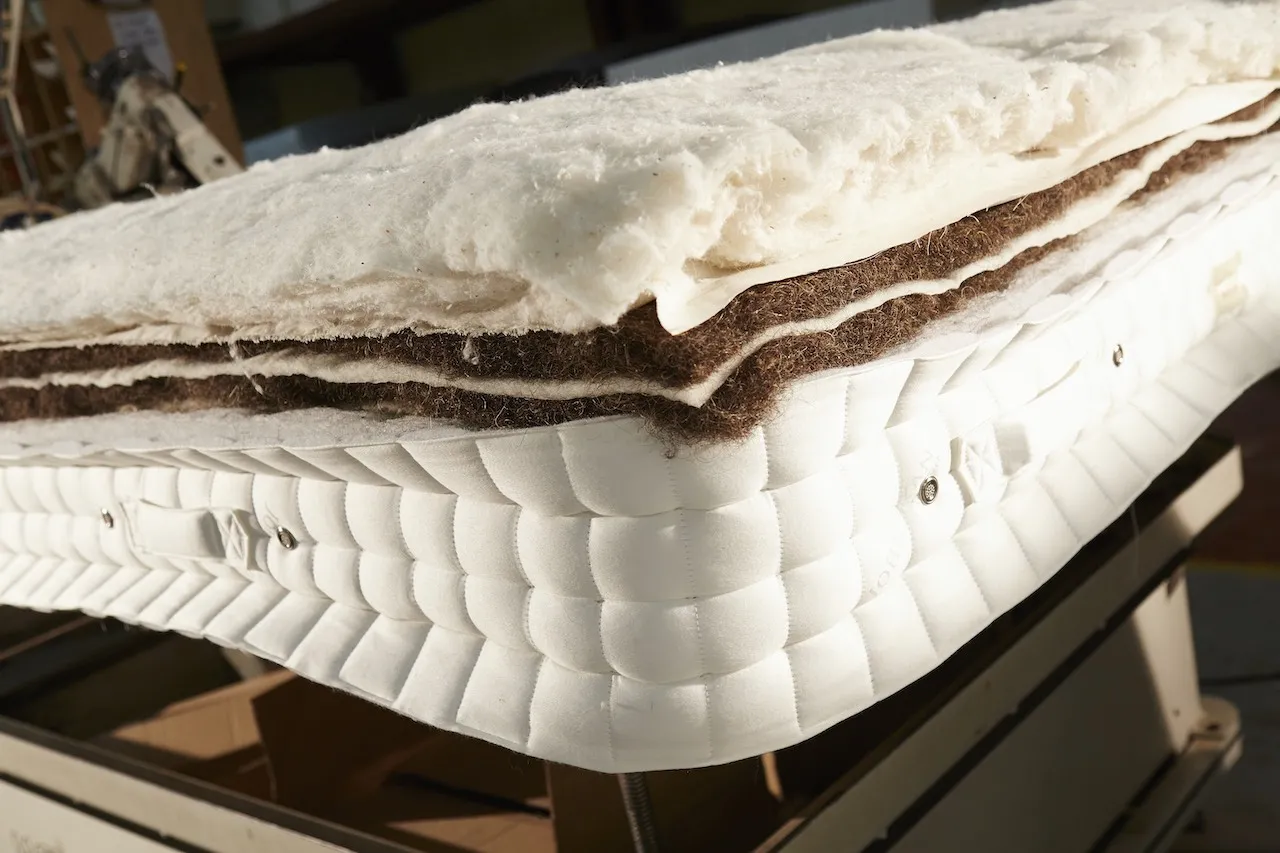
GSM stands for “grams per square metre,” and it measures the weight of upholstery materials in a mattress. This is the single most important specification that mattress retailers refuse to tell you.
Here’s why GSM matters so much: when you sleep on a mattress, your body weight compresses the upholstery layers. Over months and years, these layers gradually thin out. The higher the starting GSM, the more material there is to compress, which means the mattress maintains comfort for longer before the upholstery becomes too thin and you start feeling the springs beneath.
Think of it like tyre tread depth. A new tyre has 8mm of tread. As you drive, the tread wears down. At 3mm, the tyre still works but performs noticeably worse. At 1.6mm, it’s legally worn out. GSM is the mattress equivalent of tread depth—it’s the amount of material available to wear before comfort degrades.
Real-world GSM examples that expose the problem
Let’s compare three mattresses at similar price points to show why GSM disclosure matters:
| Mattress | Price (King) | GSM Disclosed? | What You’re Actually Getting |
|---|---|---|---|
| High street “luxury” model | £1,200 | ❌ No (“plush comfort layers”) | An estimated 1,200-1,500 GSM total. Likely 60% polyester blend marketed as “natural” |
| Online Foam brand | £899 | ❌ No (“premium Foam layers”) | No upholstery GSM applicable (solid Foam construction). Heat retention issues are common |
| John Ryan Artisan Naturals | £1,295 | ✅ Complete breakdown | 3,950 GSM total: 1,200 GSM Wool, 1,500 GSM mohair, 1,250 GSM rebound polyester. 85% natural fibres |
The high-street “luxury” mattress at £1,200 likely has a total upholstery weight of 1,200-1,500 GSM. We can’t know for certain because they won’t tell you. But based on thickness, material descriptions, and industry-standard construction, that’s the realistic range. After 5-6 years of compression, perhaps 500-700 GSM remains in high-wear areas. The mattress becomes uncomfortable, and you’re back shopping for a replacement.
Our Artisan Naturals from £1,295 contains 3,950 GSM total upholstery—disclosed in full, layer by layer. After 5-6 years of compression, perhaps 2,500-2,800 GSM remains. The mattress still has more material than the high street mattress had when brand new. It continues to provide comfortable support for another 6-8 years, giving you a total lifespan of 15 years.
The price difference is £95. The lifespan difference is 6-8 years. The value difference is enormous.

Why the GSM breakdown by layer matters even more
Total GSM is important, but the breakdown by layer provides even more insight. Here’s what a proper GSM specification looks like for our Artisan Bespoke 004:
- 1,200 GSM British fleecewool-cotton blend (top and bottom)
- 200 GSM soft Bamboo (top and bottom)
- 1,200 GSM pure Horsetail (top and bottom)
- 1,000 GSM bonded British fleece Wool and Cotton (centre insulator)
- Total: 3,600 GSM, 100% natural fibres
This breakdown tells you:
- What materials are actually inside (not vague “comfort layers” or “luxury fillings”)
- How much of each material (1,200 GSM Horsetail is substantial; 200 GSM would be token)
- Where materials are positioned (top/bottom layers versus centre insulator layers serve different purposes.
- Whether claims are substantive (calling it “natural” is meaningful at 100%; less so at 30%)
Most retailers provide none of this information. Vispring, at price points of £ 3,000-£13,000+, discloses zero GSM across its entire range. Dreams won’t tell you. M&S won’t tell you. John Lewis won’t tell you. They use vague terms like “sumptuous natural fillings” or “luxury comfort layers” that sound impressive but reveal nothing about actual specifications.
Why? Because if they disclosed GSM, you could compare their £1,500 mattress with 1,500 GSM against our £1,295 mattress with 3,950 GSM and realise you’re being overcharged for under-specified construction.
The seven most common mattress-buying mistakes (and how to avoid them)
Based on 25+ years of customer conversations, these are the mistakes that lead to regret:
Mistake #1: Assuming “firmer is better for your back”
This myth persists despite overwhelming evidence to the contrary. Firmness needs to match your body weight and sleeping position. A 12-stone back sleeper might need medium-firm support. That same firmness level would be too soft for a 20-stone person (causing them to bottom out) and too firm for a 9-stone person (creating pressure points).

What to do instead: Match spring gauge (wire thickness) to body weight. We use:
- 1.2mm gauge (soft): Up to 10 stone
- 1.4mm gauge (medium): 10-16 stone
- 1.6mm gauge (firm): 16-20 stone
- 1.9mm gauge (extra firm): 20+ stone
If a retailer can’t tell you the spring gauge, they can’t properly match support to your weight. It’s guesswork.
Mistake #2: Trusting a 10-minute showroom test
Lying on a mattress for 10 minutes in a brightly lit showroom whilst wearing street clothes tells you almost nothing about how you’ll sleep on it for 2,920 nights over eight years. You can’t assess temperature regulation, partner motion transfer, or long-term comfort retention in 10 minutes.

What to do instead: If buying in a showroom (which we don’t have), spend at least 15 minutes per mattress in your actual sleeping position. But more importantly, only buy from retailers offering proper trial periods. Our 60-day money-back guarantee lets you actually test the mattress in your own bedroom, with your own bedding, sleeping in your normal patterns. If it’s not right, we’ll collect it for free and refund you in full. No quibbling, no restocking fees.
Mistake #3: Not asking about specifications before buying
If you walked into a car dealership and they refused to tell you the engine size, fuel economy, or safety rating, you’d walk straight back out. Yet people regularly spend £1,000+ on mattresses without knowing:
- GSM of upholstery layers
- Spring gauge/tension
- Whether construction is one-sided or two-sided
- Actual percentages of “natural blend” materials
- Expected lifespan based on construction

What to do instead: Ask these specific questions before buying. If the retailer can’t or won’t answer, that’s a red flag. You’re being asked to spend significant money on something where the seller won’t disclose what you’re actually getting. Walk away.
Mistake #4: Accepting one-sided construction at premium prices
The mattress industry shifted from two-sided to one-sided construction about 15-20 years ago. They marketed it as “no-turn convenience” when the real reason was planned obsolescence. A one-sided mattress concentrates all wear on a single surface, reducing its lifespan by approximately 40-50% compared to a two-sided equivalent.
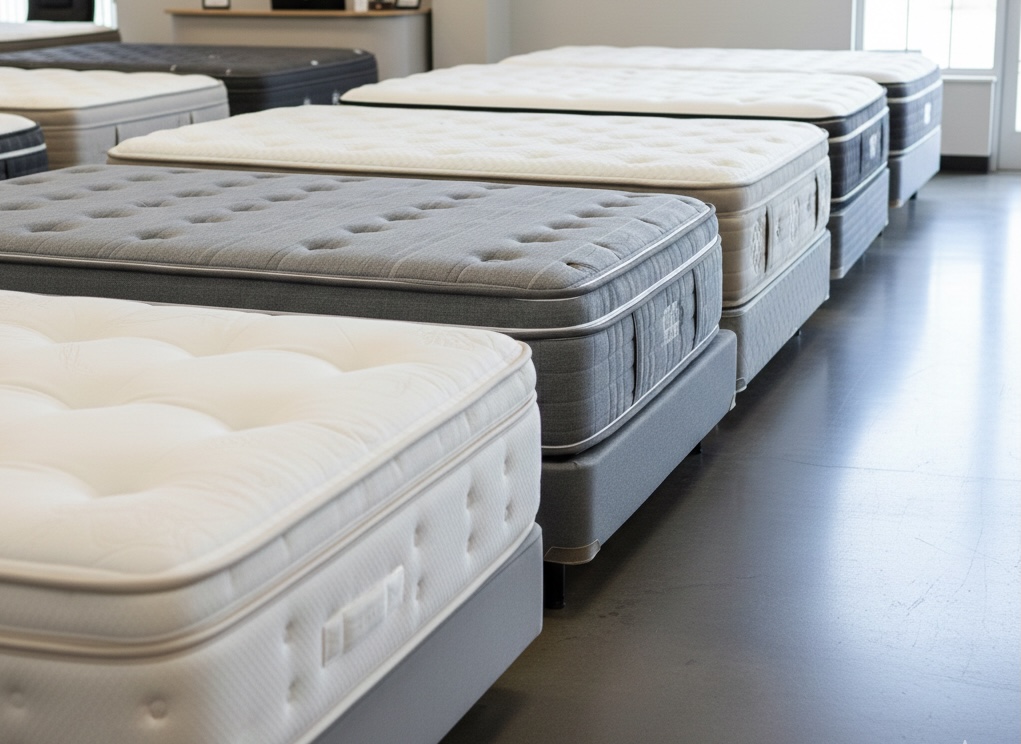
What to do instead: At £700+, insist on two-sided construction. The “inconvenience” of flipping and rotating your mattress monthly (about 60 seconds) is vastly outweighed by the doubling of its useful lifespan. All our mattresses, except the entry-level Origins Comfort 1000, are two-sided because we think selling one-sided construction at £1,000+ is taking the mickey.
Mistake #5: Buying memory Foam without understanding heat retention
Memory Foam mattresses feel wonderful in showrooms. The body-contouring sensation is genuinely lovely… for about 10 minutes. What showrooms don’t tell you is that dense memory Foam traps body heat. Visco-elastic Foam (the proper name for memory Foam) is specifically designed to soften with heat. Your body heat softens it, and it retains that heat because its dense cell structure restricts airflow.
For warm sleepers, this is miserable. You wake up overheated, throw off covers, get too cold, pull covers back on, repeat all night.
What to do instead: If you overheat at night, avoid memory forever. Natural fibres (Wool, mohair, Cotton) wick moisture away from your body and allow airflow through the mattress structure. You’ll sleep at a more consistent temperature throughout the night. If you love the pressure-relieving properties of memory Foam but hate the heat, considerLatexx instead—it offers similar contouring with far better temperature regulation.
Mistake #6: Buying a “compromise” mattress for couples with different needs
If one partner weighs 12 stone and the other weighs 18 stone, a single spring tension won’t properly support both. The lighter person will find it too firm (pressure points at shoulders/hips), whilst the heavier person will find it too soft (sinking too far, spine misalignment). Neither person gets proper support, which isn’t a compromise. It’s just bad for both of you.

What to do instead: Use dual-tension zip-and-link mattresses. Two separate mattresses, each with an appropriate spring gauge for that person’s weight, are zipped together to create a standard King or Super King size. You get the benefits of sleeping together without the compromise of wrong support. Yes, there’s a small ridge down the middle. In practice, most couples find it’s barely noticeable after a few nights, and proper support is worth the trade-off.
Mistake #7: Assuming “the most expensive is always better”
Premium pricing doesn’t guarantee premium specifications. You’re often paying for brand heritage, retail overheads, or marketing budgets rather than actual materials. A £2,500 mattress from a luxury brand might have a total upholstery weight of 2,000 GSM, whilst our £1,295 Artisan Naturals mattress has a total upholstery weight of 3,950 GSM. You’re paying £1,205 more for significantly worse specifications.

What to do instead: Compare actual specifications, not prices or brand names. Ask for GSM breakdowns, spring gauges, material compositions, and construction methods. Judge value based on what’s physically inside the mattress, not the logo on the label or the square footage of the showroom.
Why our 60-day trial period actually matters (and why many “trials” don’t)
Lots of mattress companies now offer trial periods. But there’s a world of difference between a genuine trial designed to ensure you’re happy and a token gesture designed to look good in marketing.
Our 60-day Love It or Return It guarantee works like this:
- You sleep on the mattress for up to 60 nights in your own home
- If you’re not completely satisfied for any reason, ring us before day 60
- We arrange free collection (you don’t arrange or pay for anything)
- We provide a full refund within 14 days of collection
- No restocking fees, no quibbling, no “but you’ve used it” arguments
The purpose is simple: we want you to have the mattress that’s genuinely right for you. If we’ve mismatched the specification to your needs, or if your sleep preferences are different from what you expected, or if circumstances change during the trial, we’d rather collect it and refund you than have you sleeping on something that’s not quite right.

We’re confident enough in our specification-matching process and our mattress quality that about 95% of customers keep their mattresses past the trial period. But what about the 5% who exchange or return? They’re not “losses”—they’re customers we’ve helped avoid the 29% regret statistic.
Beware “trial periods” with catches.
Some mattress brands offer “100-night trials” that sound generous but have concerning fine print:
- “You must try it for 30 nights minimum”: This prevents youfrom returning it if you immediately realise it’s wrong
- “Return shipping costs apply”: £100-200 to return a King mattress makes the “trial” expensive to use
- “Restocking fee”: Charging you to process the return effectively penalises using the trial
- “Exchange only, no refunds”: Traps you with that company, even if none of their range suits you
- “Mattress must be undamaged”: Sleeping on it for 100 nights inevitably marks it, giving them grounds to refuse
Read the trial period terms and conditions before buying. If there are fees, restrictions, or catches, it’s not really a trial—it’s marketing pretending to be consumer protection.
Your bed base matters more than you think.k
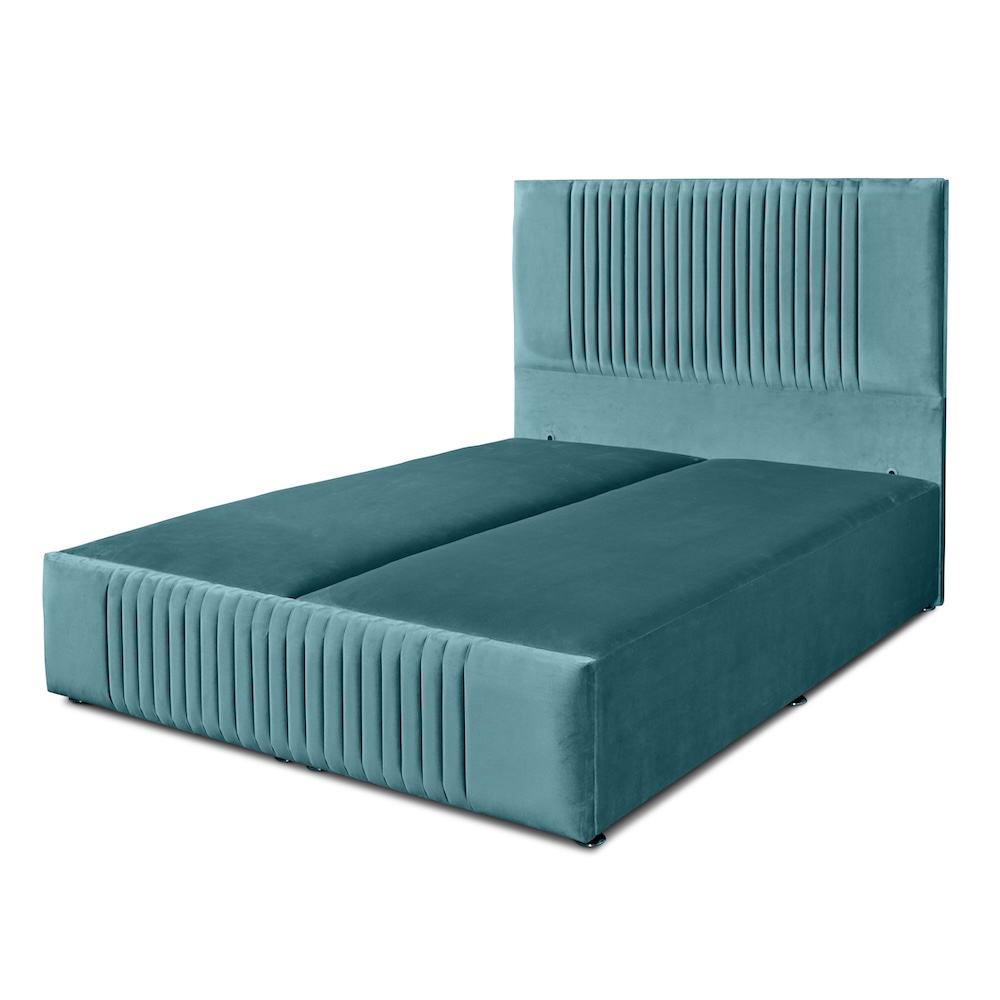
Here’s something most mattress retailers won’t tell you: the same mattress can feel completely different on different bases. A mattress on a solid platform will feel noticeably firmer than the same mattress on a sprung divan base.
Think of it like shoes and the ground. Running trainers feel cushioned and supportive on pavement. Those same trainers feel firmer and less comfortable on a wooden floor, and softer (perhaps too soft) on thick carpet. The surface beneath changes how the cushioning performs.
Base types and how they affect feel
| Base Type | How It Feels | Best For |
|---|---|---|
| Solid platform | Firmest feel. The mattress does all the work with no give from beneath | People who prefer very firm support or have orthopaedic needs |
| Slatted base (rigid) | Firmer feel (similar to platform). Slats don’t flex, so minimal difference | Budget option for firm support, ventilation is better than a solid platform |
| Slatted base (sprung) | Balanced feel. Slats flex slightly, working with mattress springs | Most versatile option, extends mattress lifespan through flexing |
| Sprung divan | Softest/most cushioned feel. Springs in the base add to the mattress springs. | People wanting plush, luxurious feel. Best for pressure point relief |
If you’re keeping your existing base, please tell us what type it is when you’re choosing a mattress. We can recommend appropriate spring gauges and upholstery GSM to account for how your base will affect the feel. What feels perfect on a sprung divan might feel too firm on a solid platform.
If you’re replacing both mattress and base together, we can specify the combination to give you exactly the support profile you need. This is another advantage of speaking to bed geeks rather than showroom salespeople—we understand how the system works as a whole, not just how to sell you the highest-priced mattress.
Our most popular mattresses (and why customers rate them 5 stars)
Based on customer feedback and Trustpilot reviews, these three models consistently receive praise for helping people avoid mattress regret:
Origins Pocket 1500: Transparent specifications at accessible pricing (£1,050 King)
The Origins Pocket 1500 is where most of our customers start, as it offers two-sided construction and full specification transparency at a price point below that of most high-street “luxury” models.
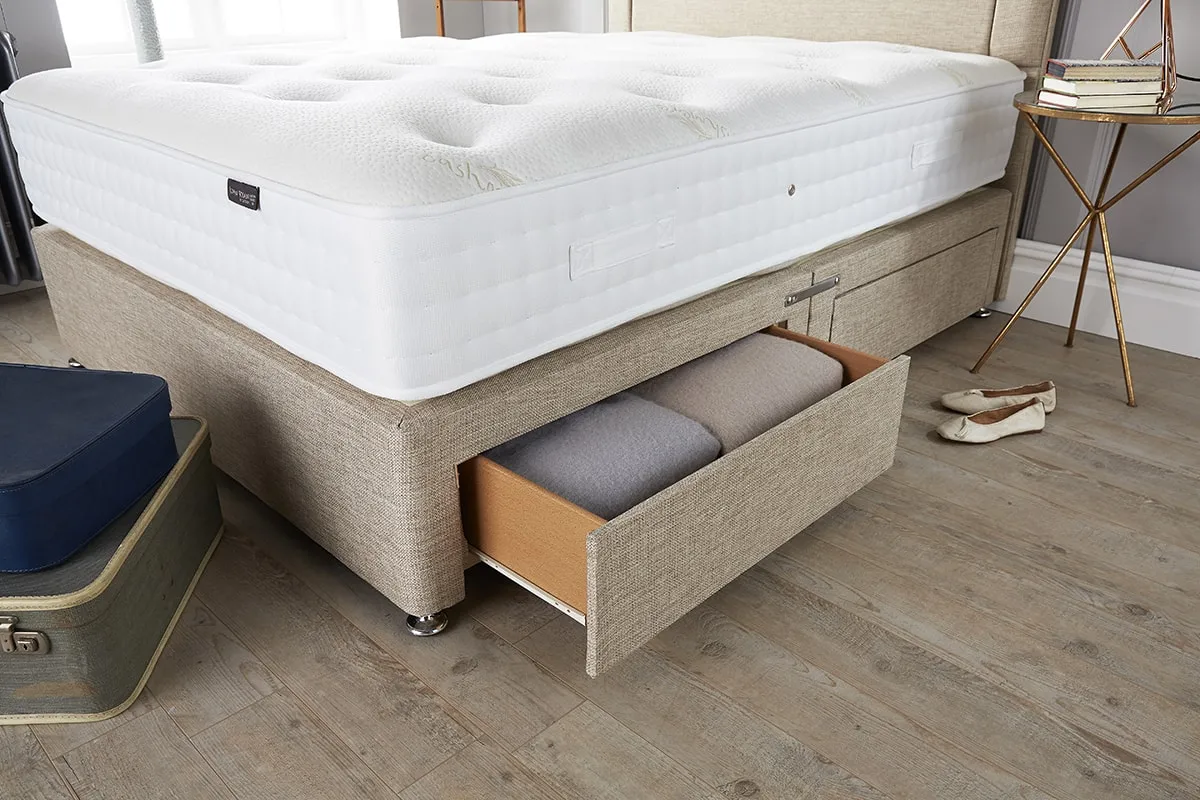
Complete specifications:
- 1,500 spunbond pocket springs (1.4mm medium gauge standard, 1.6mm firm available)
- 300 GSM Wool comfort layer
- 750 GSM very soft polyester pad
- 500 GSM polyester pad
- Total: 1,550 GSM upholstery
- Two-sided, fully turnable construction
- Hand-tufted for durability
- 2-year guarantee
- Made in our Yorkshire workshop
Price: £1,050 for a King size
Why customers love it: “Finally, a mattress company that tells you exactly what’s inside! We spent months looking at £700-900 mattresses from Dreams and M&S, where they wouldn’t disclose anything beyond spring counts. The John Ryan team spent 20 minutes on the phone understanding our weights and sleeping positions, then recommended the Origins with firm springs. It’s been three years now, and it still feels as supportive as it did on day one. Knowing it’s two-sided means we’re confident it’ll last another 7-8 years easily.” – Sarah M., Lead.s
Who this suits:
- Couples where both partners weigh 10-16 stone
- Anyone replacing high street mattresses and wanting actual specifications
- People seeking long-term value (10-12 year lifespan)
- Customers who appreciate transparency and honest pricing
Artisan Naturals: 85% natural fibres without the Vispring pricing (£2,180 King)
The Artisan Naturals bridges the gap between synthetic-heavy budget mattresses and eye-wateringly expensive luxury brands that hide specifications.
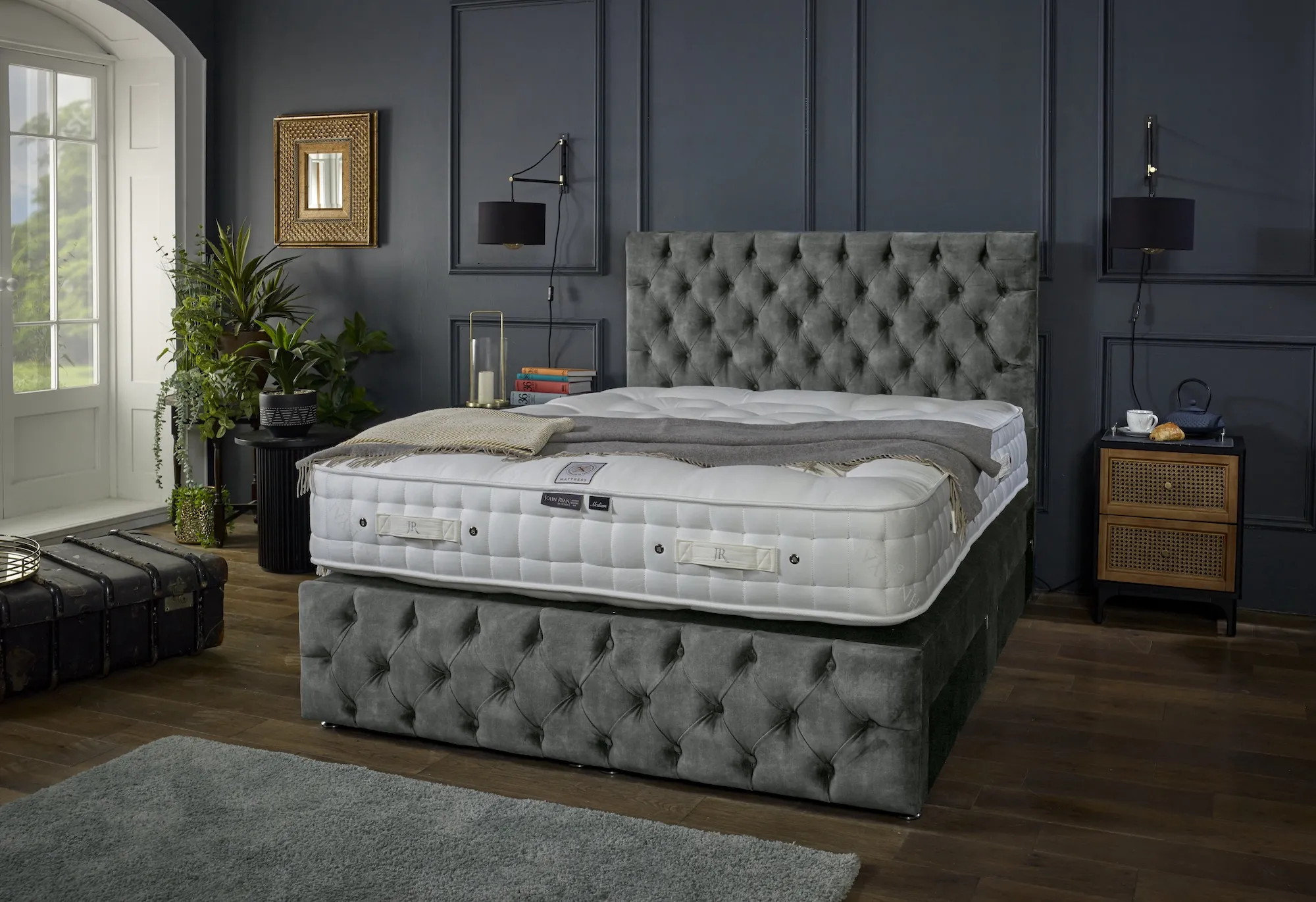
Complete specifications:
- 1,600 calico pocket springs (1.28mm medium gauge, 1.4mm and 1.6mm available)
- 1,200 GSM British fleece Wool and Cotton blend
- 1,250 GSM rebound polyester (for structure and support)
- 1,500 GSM pure mohair (exceptional temperature regulation)
- Total: 3,950 GSM upholstery
- 85% natural fibre content (3,357 GSM natural, 593 GSM synthetic)
- Two-sided, fully turnable construction
- Hand side-stitched for edge support
- 10-year guarantee
Price: £2,180 for a King size
Why customers love it: “We were seriously looking at Vispring mattresses at £3,000-4,000 because we wanted natural materials and quality construction. But Vispring wouldn’t tell us the GSM breakdown or spring gauges—just ‘luxury natural fillings’ which means nothing. The Artisan Naturals has 3,950 GSM, with the exact breakdown disclosed: 85% natural fibres and mohair, which regulates temperature brilliantly. My husband used to overheat on our old memory Foam; now he sleeps through comfortably. We saved £2,000+ and got better specifications. Win-win.” – Jennifer K., Manchester
Who this suits:
- Warm sleepers who overheat on memory Foam or synthetic materials
- Anyone wanting premium natural fibres without luxury brand pricing
- Couples where one or both partners weigh up to 16 stone
- People with chemical sensitivities prefer natural materials
- Customers seeking a 12-15 year lifespan with proper maintenance
Artisan Bespoke 004: 100% natural construction at Vispring-beating value (£2,860 King)
The Artisan Bespoke 004 represents the pinnacle of value in UK mattresses—100% natural construction with specifications matching Vispring’s £4,675 Regal Superb.
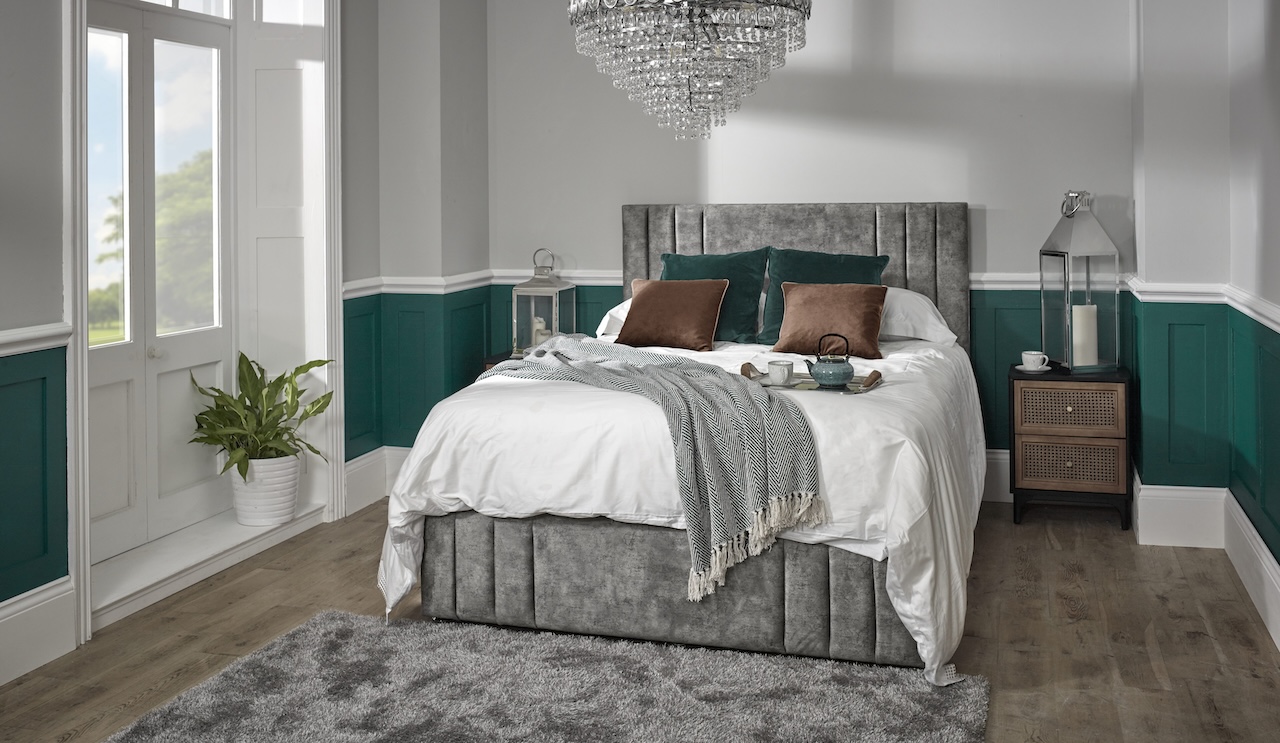
Complete specifications:
- 1,600 calico pocket springs (1.28mm medium gauge, custom gauges available)
- 1,200 GSM British fleece Wool/Cotton blend
- 200 GSM soft Bamboo
- 1,200 GSM pure Horsetail
- 1,000 GSM bonded British fleece Wool and Cotton
- Total: 3,600 GSM upholstery
- 100% natural fibres (zero synthetic materials)
- Two-sided, fully turnable construction
- Hand side-stitched for edge support
- 10-year guarantee
Price: £2,860 fora King size
Why customers love it: “I’m a light sleeper who wakes at the slightest movement. My wife gets up twice a night, and on our previous mattress (a £1,200 one-sided model from a well-known brand), I’d wake every time. The Artisan Bespoke’s calico pocket springs isolate motion brilliantly—I genuinely don’t notice her getting up anymore. The Horsetail provides firm support without creating pressure points at my shoulders, and being 100% natural means no weird chemical smell or overheating. After 18 months, it’s as comfortable as day one. These bed geeks know their stuff.” – David P., Birmingham.
Who this suits:
- Anyone wanting Vispring quality without Vispring pricing (saves £1,815+ vs comparable models)
- Environmentally conscious buyerwantng fully biodegradable materials
- People with severe chemical sensitivities require zero synthetic materials
- Couples needing excellent motion isolation
- Customers seeking maximum longevity (15-18 years with proper care)
Making a smart mattress decision: your action plan
You’ve read this far, which means you’re serious about avoiding the 29% regret statistic. Here’s your practical action plan:
Before you start shopping:
- Measure your bed base and bedroom doorways. King size is 150 cm × 200 cm; Super King is 180 cm × 200 cm. Will it fit?
- Identify what you disliked about your current mattress. Too soft? Too hot? Sags in the middle? This tells us what to avoid
- Know your weight and sleeping position. This determines spring gauge and upholstery GSM requirements
- Check your base type. Solid platform? Sprung divan? Slatted base? This affects mattress recommendations
- Set a realistic budget. Consider cost-per-night over expected lifespan, not just upfront price
When shopping (whether from us or elsewhere):
- Ask for complete specifications. GSM breakdown, spring gauge, one-sided or two-sided, material percentages
- Get it in writing. If they say “luxury natural fillings,” ask what that means specifically
- Read trial period terms carefully. Hidden fees? Minimum trial periods? Exchange-only policies?
- Verify guarantee coverage. What’s actually covered? Body impressions? Spring failure? For how long?
- Ask about manufacturing. Where is it made? Can you visit the workshop? Who’s actually building it?
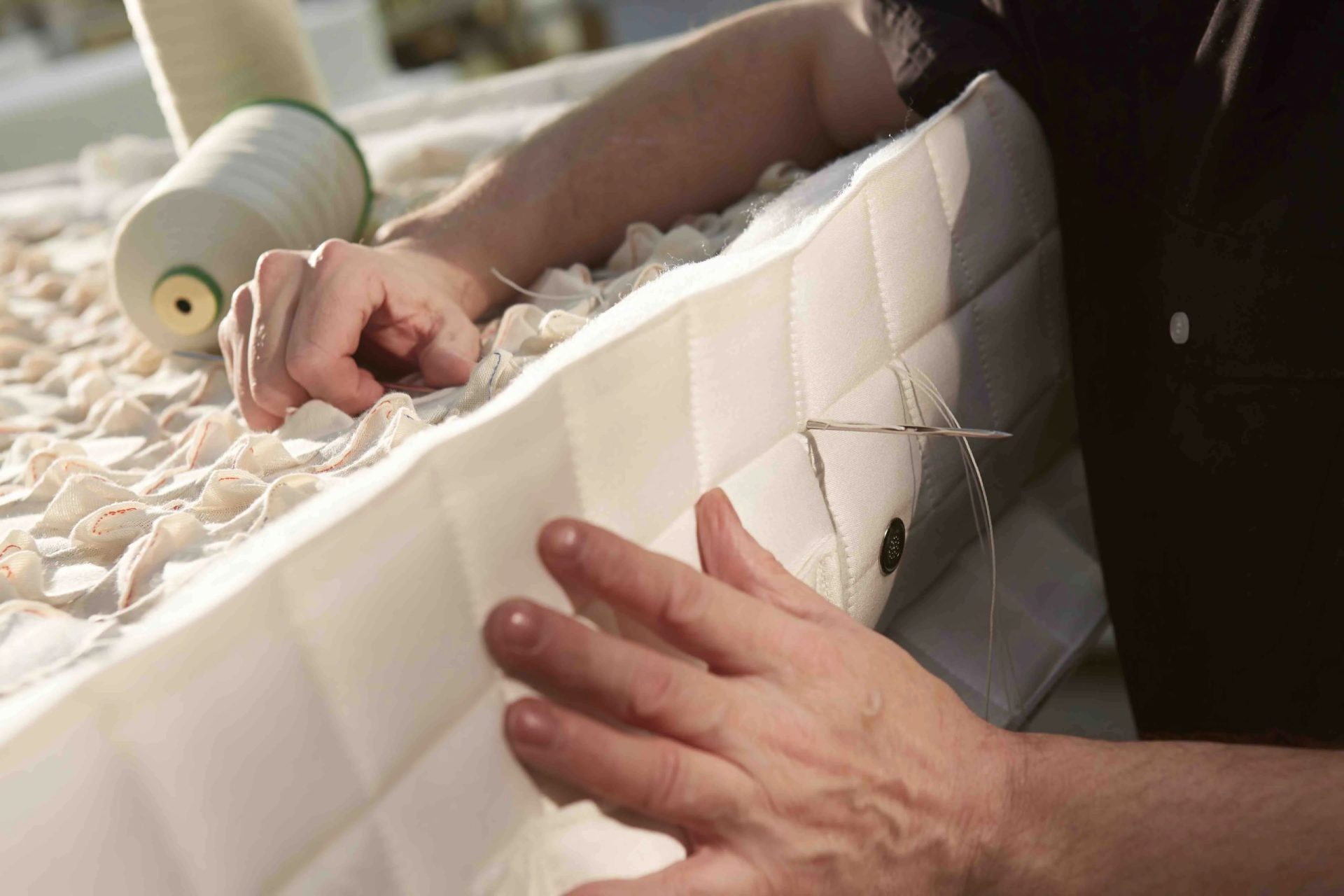
When buying from John Ryan By Design, specifically:
- Ring us on 0161 437 4419. Our bed geeks will ask the questions listed in “Before Shopping” to understand your needs
- Be honest about your budget. We’ll recommend the best specifications within your range, not push you higher
- Ask as many questions as you need. No question is too basic or too technical—we love talking about this stuff
- Use the full 60-day trial period. Sleep on it for at least 4 weeks before deciding (it takes 2-3 weeks to adjust)
- Follow our turning and rotation instructions. Two-sided mattresses need monthly flipping and rotation for even wear
Most importantly: trust your own experience over marketing claims. If a mattress is genuinely right for you, you’ll know within 4-6 weeks. If something doesn’t feel right, don’t convince yourself to tolerate it—that’s how you become part of the 29%.
The difference between guessing and knowing
Mattress regret isn’t random. It’s not bad luck or personal preference; it’s just being unpredictable. It’s the inevitable result of making major purchases without proper information.
When you walk into a high street bed sho,p and the salesperson can’t tell you the GSM breakdown, spring gauge, or material percentages, you’re being asked to guess. When you buy a mattress online based on marketing claims about “cloud-like comfort” and “revolutionary support” without actual specifications, you’re gambling.
The solution isn’t complicated: work with people who actually know mattresses and will tell you what’s inside them.
Our small team of bed geeks has spent decades manufacturing, testing, and obsessing over mattress specifications. We know that a 1.6mm spring gauge suits body weights of 16-20 stone. We know that 3,950 GSM upholstery provides approximately 12-15 years of comfort retention. We know that Horsetail provides superior compression resistance to polyester. We know this because we’ve built thousands of mattresses and tracked their performance over real-world lifespans.
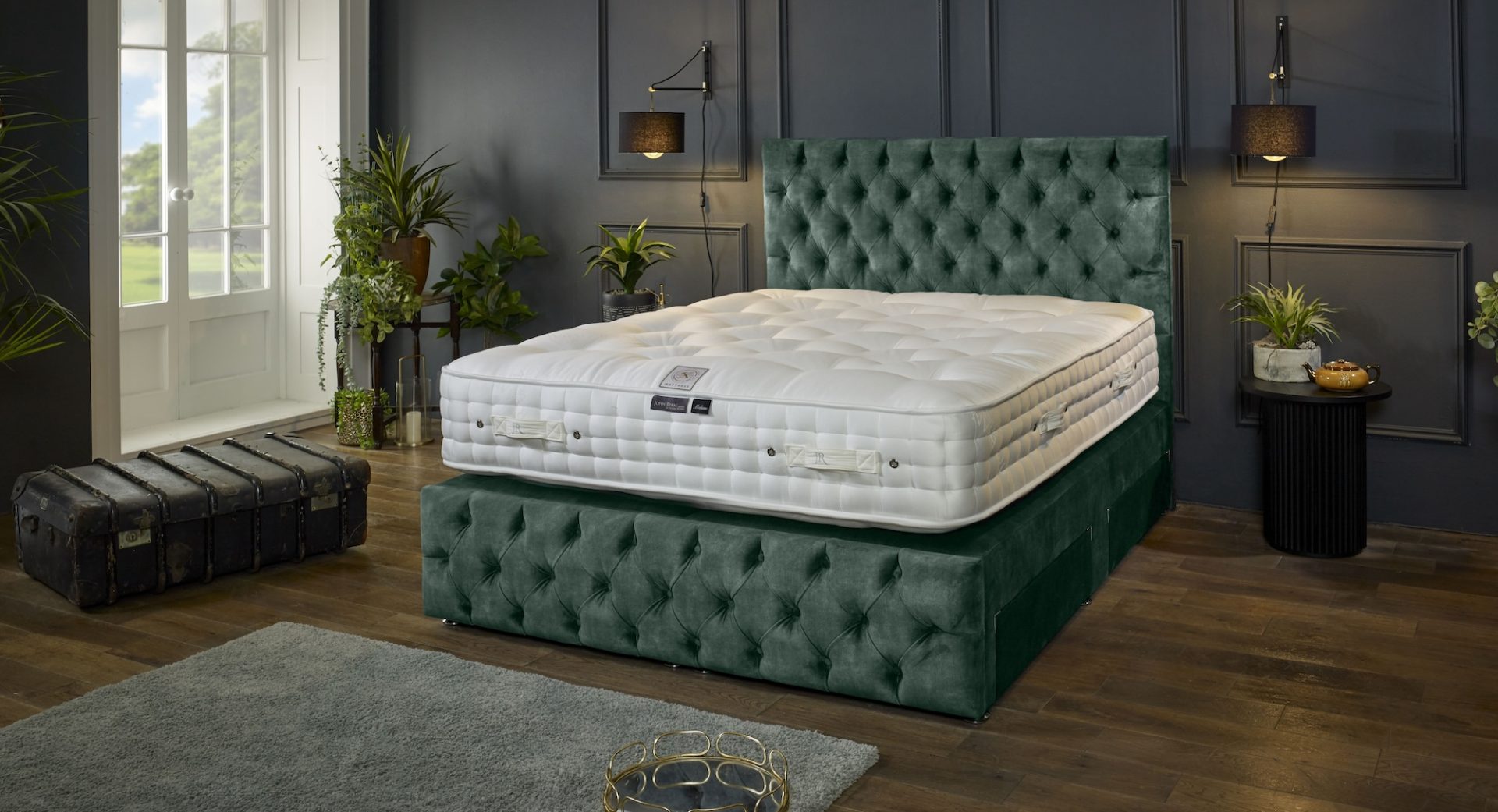
We don’t have flashy showrooms or commission-driven sales teams. What we have is genuine expertise, transparent specifications, fair pricing, and a 60-day guarantee that lets you actually test whether we’ve matched you correctly.
If you’re ready to avoid the regret statistic and make an informed decision based on actual specifications rather than marketing waffle, ring us on 0161 437 4419. We’ll spend as much time as you need understanding your requirements, explain the specifications in plain English, and recommend the mattress that genuinely suits your needs—even if it’s not the most expensive one.
You spend a third of your life sleeping. Don’t spend it on a mattress you regret buying. Get the information you need, make a smart decision, and sleep properly for the next 10-15 years.

Dreaming of the perfect nights sleep?
Ask us a question
There are over 6000 questions and answers submitted by you on all questions about mattresses and bed problems. Enter a keyword such as Vi Spring, John Lewis beds, bad back or Memory Foam and see if your question has already been answered.
If you can’t find an answer in knowledge hub, ask a new question. We aim to respond to all questions within one working day.
Newsletter
Enter your email to join our newsletter. We’ll send you occasional news and mattress expertise.