







Sleep & Well Being
March 2026Best Mattress for Shoulder Pain UK: A Guide from the Makers
If you are waking up with a stiff or aching shoulder, or if you are lying awake trying to find a comfortable position because the pressure on your shoulder is building, the cause is usually straightforward: the comfort layers between you and the springs are not soft or deep enough to allow your shoulder to settle properly during the night.

We have been making mattresses here in Manchester for over 25 years, and the advice in this guide comes from thousands of conversations with customers who have presented with exactly this problem. In the vast majority of cases, it is solvable without surgery, physiotherapy, or expensive medical intervention. The fix is getting the right mattress for your weight and sleeping position.
Jump to:
- Why does sleeping cause shoulder pain?
- The pivoting problem: what is actually happening to your shoulder
- How sleeping position affects shoulder pain
- Why a firm mattress is almost certainly making it worse
- Spring tension and why it matters, separately from comfort
- Why natural fibre upholstery makes a difference
- Can a topper help with shoulder pain?
- Specific shoulder conditions and what they mean for your mattress
- Your pillow matters too
- Our mattress recommendations for shoulder pain
- Frequently asked questions
Why does sleeping cause shoulder pain?
The shoulder is a complex joint with a large range of movement, which makes it vulnerable to pressure in a way that simpler joints are not. When you sleep on your side, the weight of your torso bears down through the shoulder joint onto whatever surface is beneath it. If that surface does not give way appropriately to allow the shoulder to decompress, the joint is compressed throughout the night, the surrounding muscles and tendons are kept under tension, and you wake up sore.

The shoulder is the pressure point most sensitive to an overly firm comfort layer, more so than the hip. This is because the shoulder is narrower and protrudes further from the body than the hip, meaning the contact area is smaller, and the pressure is more concentrated. A hip can sometimes tolerate a slightly too-firm surface without serious discomfort. The shoulder rarely can.
This is also why shoulder pain often develops after a change of mattress, particularly after moving to a firmer model. We see this pattern constantly in our forum, where customers have been advised by retailers to buy a firmer mattress for back support, only to find they now have shoulder pain that was not present before.
“It sounds as if the mattress upholstery layers are too firm and not providing enough sink for you during the night.” Our advice to a side sleeper with acute shoulder pain.
The pivoting problem: what is actually happening to your shoulder
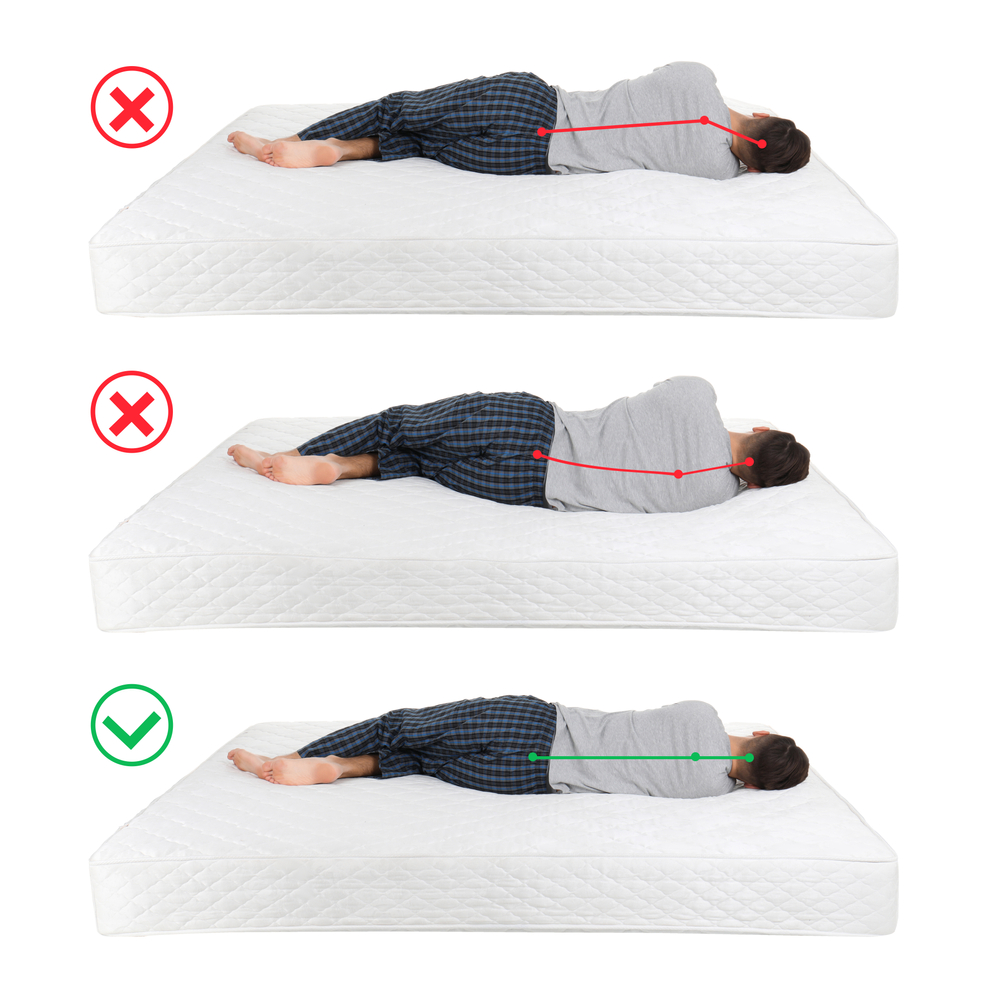
When the comfort layer of a mattress is too firm to allow the shoulder to sink into it, the body pivots on the shoulder instead. Rather than the shoulder settling into the surface and the spine remaining in a straight line, the shoulder acts as a fulcrum. The upper body tilts slightly, the spine bows toward the mattress, and the hip is pulled upward and out of alignment.
The result is that you are not just putting pressure on the shoulder. You are simultaneously straining the lower back and creating a chain of misalignment that runs from the shoulder through the thoracic spine and into the lumbar region. This is why customers who come to us with shoulder pain very often also have lower back discomfort, and why neck and upper back pain can accompany what started as purely a shoulder issue.
Fixing the comfort layer resolves all of these problems simultaneously. When the shoulder can settle into the mattress correctly, the spine lies straight, the hip sits level, and the entire musculoskeletal chain is no longer under strain.
“If the upholstery is too firm you pivot on your shoulder and hip which puts pressure on your lower back and sometimes your neck as well.” From our forum advice on neck and upper back pain.
How sleeping position affects shoulder pain
Side sleeping is the position most likely to cause or worsen shoulder pain, simply because the shoulder bears the full lateral weight of the upper body. This does not mean you need to change the way you sleep. It means your mattress needs to be correctly built for a side sleeper at your bodyweight.
If you always sleep on the same side, that shoulder is under pressure for several hours every night. Over time, even a mattress that is marginally too firm in its comfort layers will cause discomfort to accumulate. If your shoulder pain is on one specific side and you consistently sleep on that side, this is almost certainly the mechanism at work. Alternating sides where possible is worth trying, though the real fix is always the mattress.
Back sleeping removes direct pressure from both shoulders and distributes body weight evenly across the widest surface area. If your shoulder pain is severe enough that side sleeping is currently too painful, back sleeping with a pillow that keeps your neck in a neutral position is a useful interim measure while you address the mattress. The pillow matters more for back sleepers than for side sleepers because the head needs to be properly supported without pushing it forward or letting it drop back.

Stomach sleeping is the worst position for shoulder pain. It requires the neck to be rotated to one side for hours at a time, which compresses the cervical spine and the shoulder on the side you are facing, while also putting the entire shoulder girdle into an awkward position. If you are a stomach sleeper with shoulder pain, transitioning to side or back sleeping will make a noticeable difference even before you change your mattress.

Why a firm mattress is almost certainly making it worse
If you have shoulder pain and you have asked anyone for advice about it, the chances are high that you have been told to try a firmer mattress. This is incorrect advice for the vast majority of people with shoulder pain, and it is advice we spend a significant amount of time correcting.
A firm comfort layer does not yield to the shoulder. It pushes back against it. The shoulder cannot decompress, the joint and surrounding soft tissue remain under pressure for the entire night, and the pain worsens over time rather than improving.
The firm-mattress advice originates from the back-pain world, where it was once believed that hard surfaces better support the spine. That belief has since been disproved by clinical research, and it never applied to shoulder pressure pain in the first place.
We see this pattern repeatedly in our forum. A customer develops back pain, buys a firmer mattress on the advice of a retailer or chiropractor, and then contacts us because they now have shoulder pain in addition to the original problem.
“Your shoulder and hip pain tells us that the mattress is too firm for you and causing pressure pains. As a side sleeper, you need cushioning for your shoulders and hips to sink into.” Our advice on a firm memory foam mattress causing shoulder and hip pain.
The solution is not to swing to the opposite extreme and buy the softest mattress available. A comfort layer that is too soft will allow the shoulder to sink so deeply that the spine bows downward toward the mattress, which creates a different set of problems. The aim is a comfort layer that is appropriately compliant for your bodyweight, soft enough to allow the shoulder to settle without the spine losing its neutral alignment.
Spring tension and why it matters, separately from comfort
Most people, when they think about mattress selection, conflate firmness with spring tension. They are not the same thing, and understanding the difference is important for resolving shoulder pain.
The spring tension is the resistance of the springs beneath the comfort layers. It should be matched to your bodyweight. Too firm a spring for your weight means you do not compress into the mattress at all, and regardless of how good the comfort layers are, the overall effect is of sleeping on a hard surface. Too soft a spring means you compress through all the layers and end up effectively lying in a hammock with no genuine support.
The comfort layer feel is a separate variable. It is determined by the upholstery materials above the springs, their depth, and their density. A correctly tensioned spring unit with a generous, soft-to-medium natural fibre comfort layer is what a side sleeper with shoulder pain needs. Getting the spring tension wrong for your weight makes the comfort layer largely irrelevant, because the overall feel of the mattress will be wrong regardless of what sits on top.
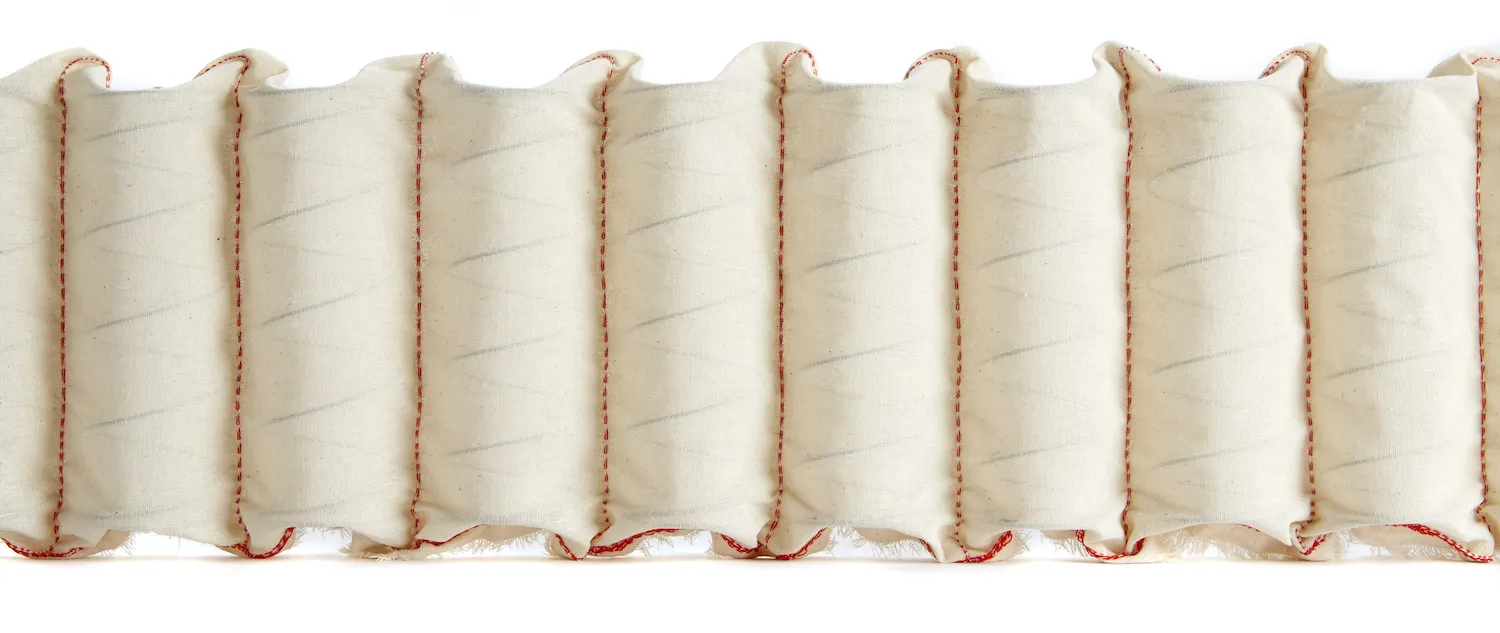
This is why we always ask customers for their weight before making any recommendation. It is not an intrusive question. It is the only basis on which we can give you advice that will actually work. Call us on 0161 437 4419, and it will be the first thing we ask. Our guide to bodyweight and spring tension covers the mechanics in more detail.
Why natural fibre upholstery makes a difference
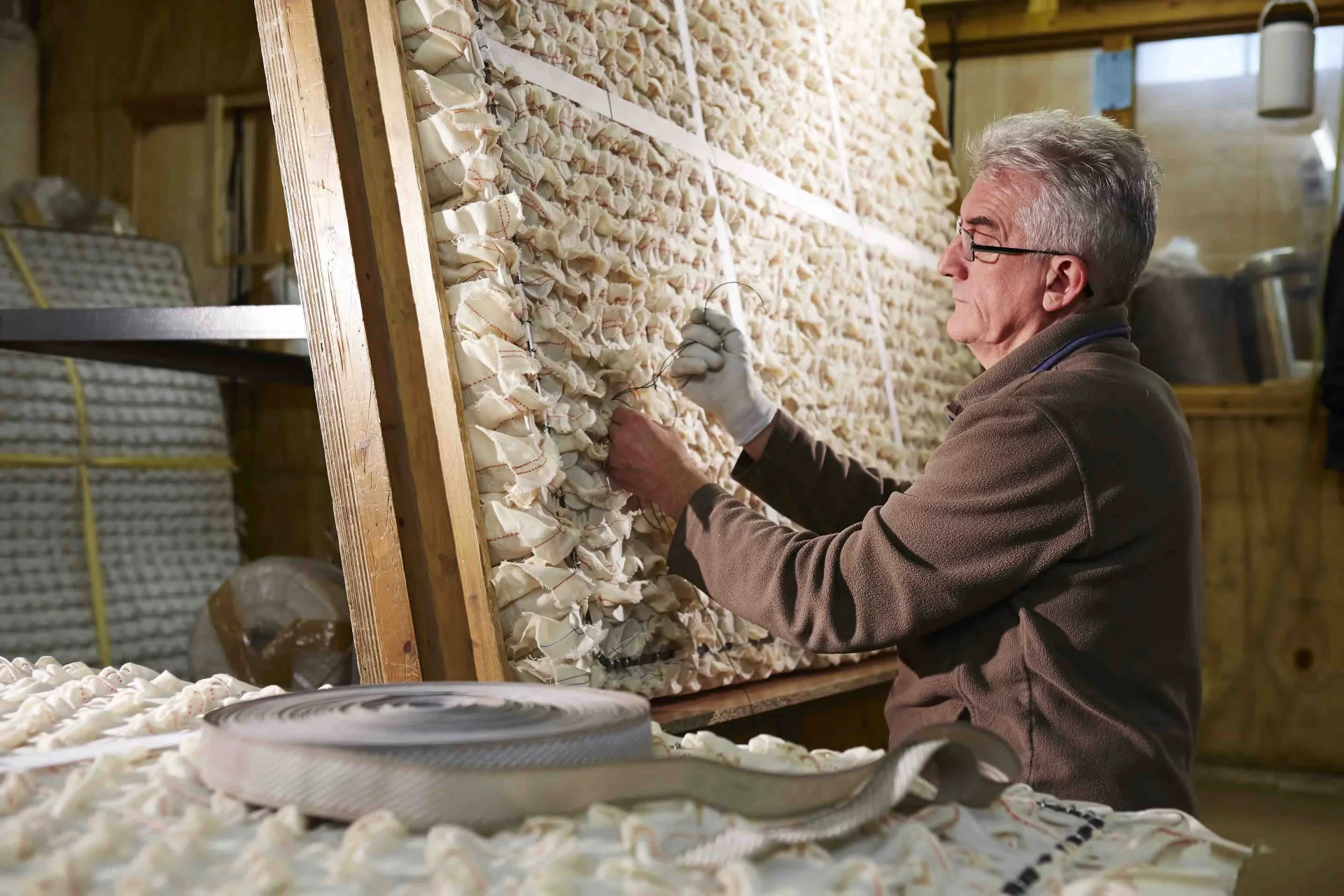
The comfort layer of a mattress is what sits between your body and the spring unit. In a quality handmade mattress, this is built from natural fibres: Wool, Cotton, Horsehair, Horsetail, and similar materials. In a mass-market mattress, it is typically a thin layer of synthetic foam.
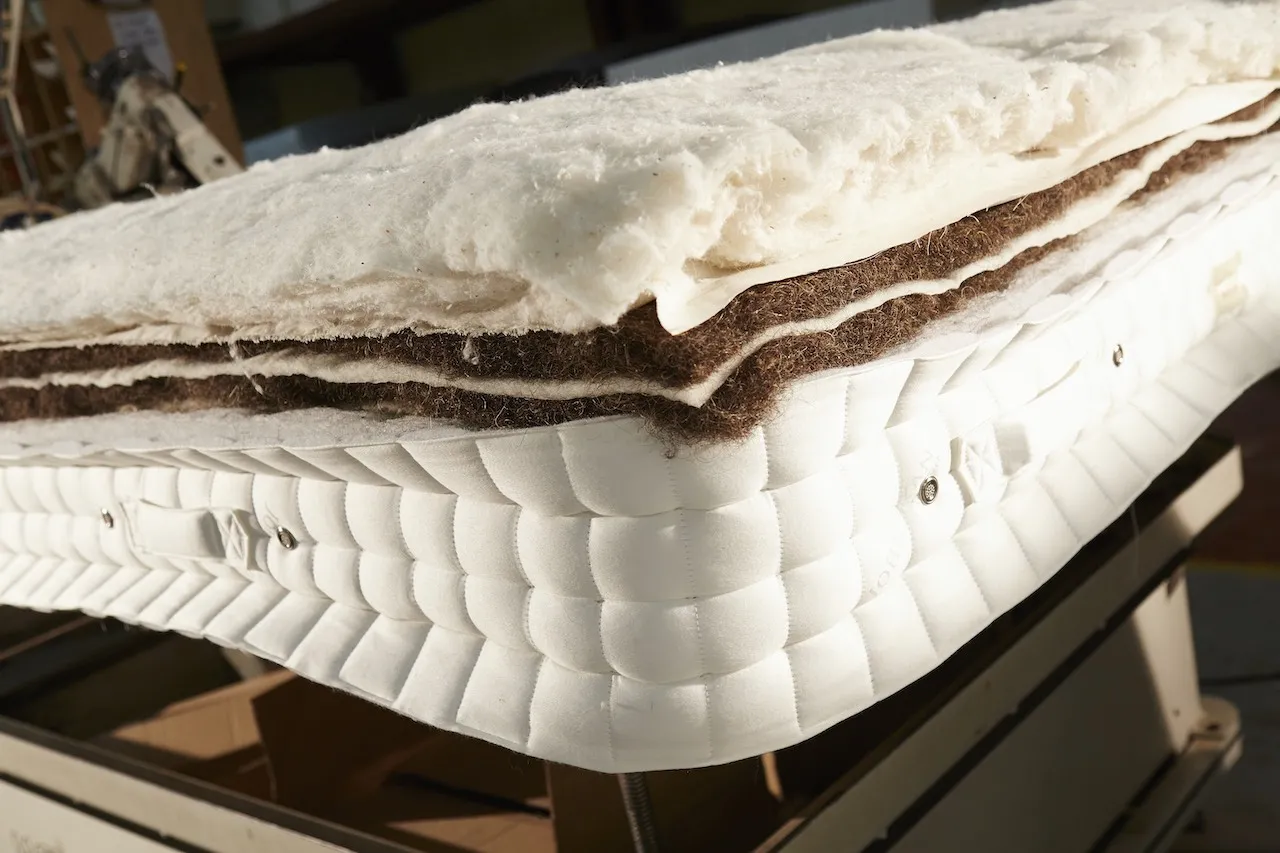
For shoulder pain, the resilience of natural fibres is particularly relevant. Wool has a natural crimp that provides cushioning under pressure and then returns to its original shape. It does not flatten over time the way synthetic foam does.
A natural fibre comfort layer at 3,000 GSM on the day you buy the mattress will still provide meaningful cushioning five years later. A thin synthetic foam comfort layer that starts at 2cm may provide almost nothing within two years.
This is why shoulder pain sometimes develops gradually in a mattress that was once comfortable. The comfort layers have compressed and the mattress is now effectively firmer than when it was new. If your shoulder pain has built up slowly over months or years and your mattress is more than seven or eight years old, this compression is likely a major contributing factor.
At John Ryan, we publish the GSM weight of every upholstery layer in every mattress we make. This lets you verify exactly how much material is between you and the springs. Most of the major retailers do not publish these figures because the numbers would reveal how little upholstery their mattresses actually contain. Our GSM guide explains what these figures mean and how to use them when comparing mattresses.
“Sore hips and shoulders are a sign of a mattress that is too firm in the comfort layers. Comfort layers are the fibres placed on top of the pocket spring support system that provides the true feel of the mattress.” From our forum advice to a side sleeper with hip and shoulder pain.
Can a topper help with shoulder pain?
A topper can make a meaningful difference if your mattress is fundamentally sound but has lost surface comfort over time, or if the upholstery feel is marginally too firm but the spring tension is correct for your weight. It is not a solution for a mattress that is structurally wrong throughout, one with broken springs, visible sagging, or a spring tension that was never appropriate for your bodyweight.
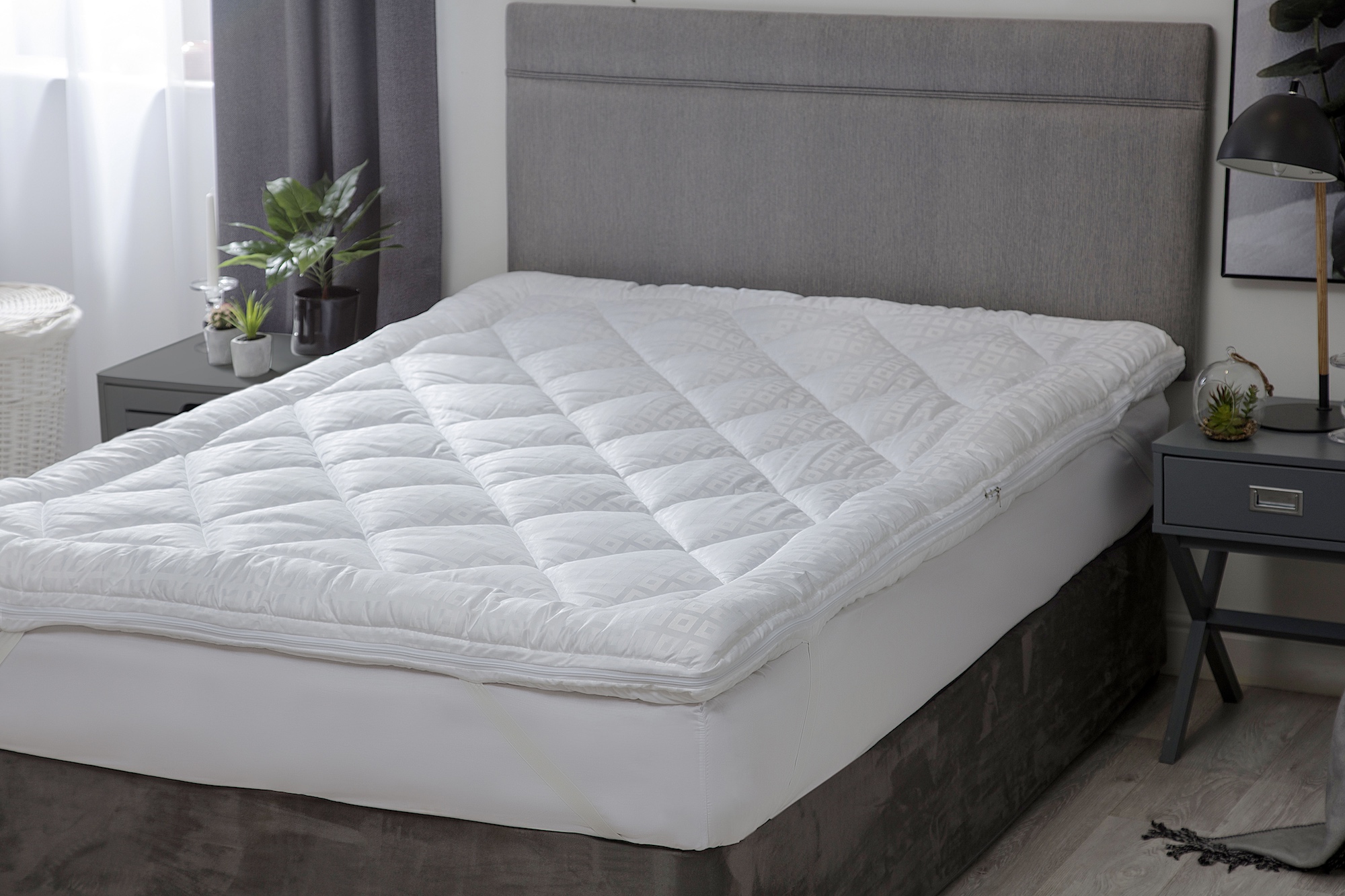
For shoulder pain specifically, the topper needs to be deep enough to have an effect at the pressure point. A 2.5cm synthetic foam topper will not provide meaningful cushioning for the shoulder. A 5cm natural Wool or Cotton topper, or a natural latex topper of the same depth, will provide a genuine additional comfort layer. Our luxury mattress toppers are worth considering if your underlying mattress is otherwise performing well.
Be cautious about adding a very deep or very soft topper to a mattress that already has inadequate spring tension for your weight. A topper that allows you to sink too deeply into the surface can cause the spine to bow and worsen lower back pain, even as it relieves the shoulder pressure. The two things need to be in balance.
Specific shoulder conditions and what they mean for your mattress choice
Rotator cuff injury or tendinopathy
Rotator cuff issues cause pain and weakness around the top and outer side of the shoulder, often worsening at night because lying still allows inflammation to build and gravity is no longer helping to decompress the joint. For rotator cuff injuries, the priority is removing direct pressure from the affected shoulder. Sleeping on the unaffected side with a pillow between your knees is the recommended position. If you must sleep on the affected side, the comfort layer of the mattress needs to be generous enough to allow meaningful decompression at the shoulder.

Frozen shoulder (adhesive capsulitis)
Frozen shoulder is notoriously painful at night, often worse than during the day, because the inflammation peaks and the joint stiffens when movement stops. The mattress priority here is minimising contact pressure on the affected shoulder. Back sleeping with a small pillow under the affected arm to keep it slightly elevated is often recommended clinically. When the condition is at its most acute, no sleeping position is entirely comfortable, but a deep natural fibre comfort layer at least removes one source of aggravation from the equation.
Shoulder impingement
Impingement syndrome involves tendons in the shoulder catching against the bone during movement, causing pain, particularly when lifting the arm. At night, lying on the affected shoulder further compresses the already irritated tendons. The same principle applies as for other shoulder conditions: the mattress comfort layer needs to allow the shoulder to settle without the springs pushing back against the joint.
Osteoarthritis of the shoulder
Shoulder arthritis is less common than hip or knee arthritis, but becomes more prevalent with age. The joint cartilage breaks down over time, making the joint stiff and painful, particularly in the morning after a night of immobility. For shoulder arthritis, ease of movement matters alongside pressure relief. Natural fibre upholstery and natural latex both provide an immediate, responsive surface that makes turning over far easier than the slow-recovery surface of a memory foam mattress. For arthritic joints that are already stiff, having to fight the mattress to change position compounds the problem significantly.
Your pillow matters too
For shoulder pain sufferers, the pillow is not a secondary consideration. The wrong pillow height places the neck in lateral flexion throughout the night, which pulls on the muscles and tendons connecting the neck to the shoulder and adds a separate source of tension to one that is already inflamed.

Side sleepers need a pillow that is high enough to fill the gap between the shoulder and the head, keeping the neck in a straight, neutral line with the spine. The correct height depends on shoulder width: people with broader shoulders need a higher pillow.
If you are using a pillow that is too thin, your head drops toward the mattress, your neck bends downward, and the entire shoulder-and-neck complex is working against its natural alignment. If the pillow is too thick, your head is pushed upward, and the neck bends in the other direction.
Back sleepers need a flatter pillow that supports the neck’s natural curve without pushing the head forward. The pillow should not push the chin toward the chest.
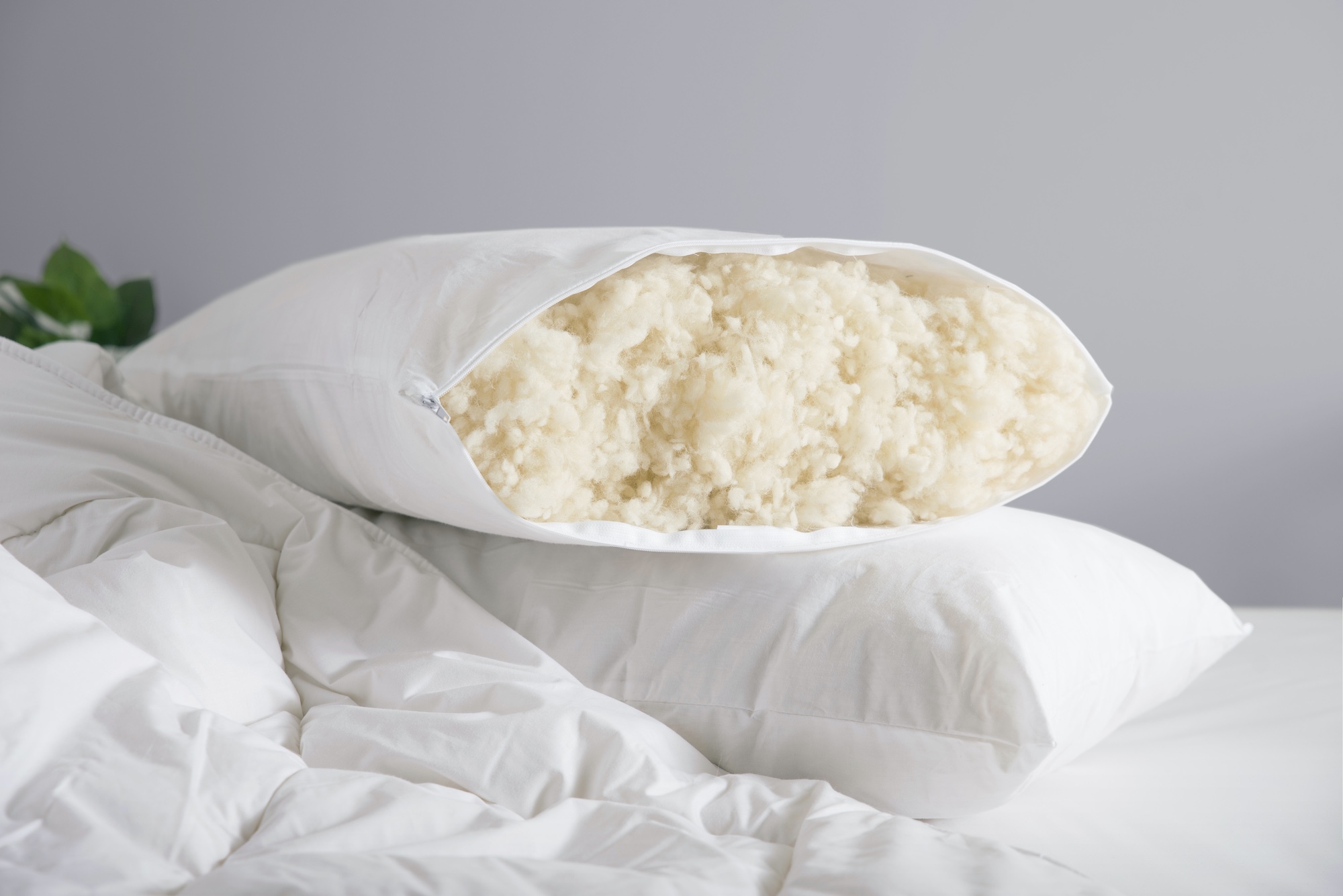
Getting the mattress and pillow right simultaneously produces noticeably better results than addressing only one. If you would like advice on which pillow works best with a specific mattress for a side sleeper, we are happy to discuss this when you call.
Our mattress recommendations for shoulder pain
The right model depends on your bodyweight and sleeping position. These are the mattresses we most commonly recommend to customers calling specifically about shoulder pain. All prices are for a king-size.
Origins Pocket 1500
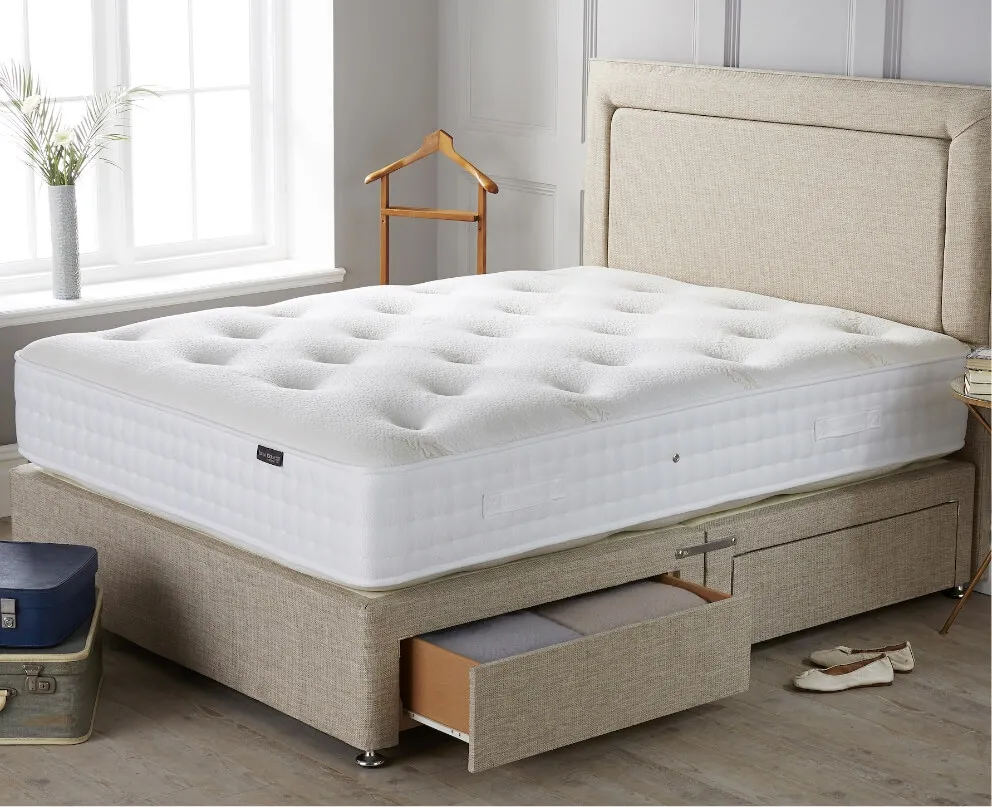
For customers at a tighter budget who are coming from a synthetic foam or firm mattress, the Origins Pocket 1500 at £1,050 in a king size represents a meaningful improvement at a reasonable price.
It has a medium comfort feel with a 1,500-count pocket spring unit, and the upholstery layers provide considerably more cushioning than the firm foam mattresses that typically cause shoulder pain in the first place. It is not a natural fibre mattress, but it is a well-built entry-level pocket spring model with a comfort layer that is appropriate for most side sleepers up to around 14 stone. View the Origins Pocket 1500.
Artisan 1500
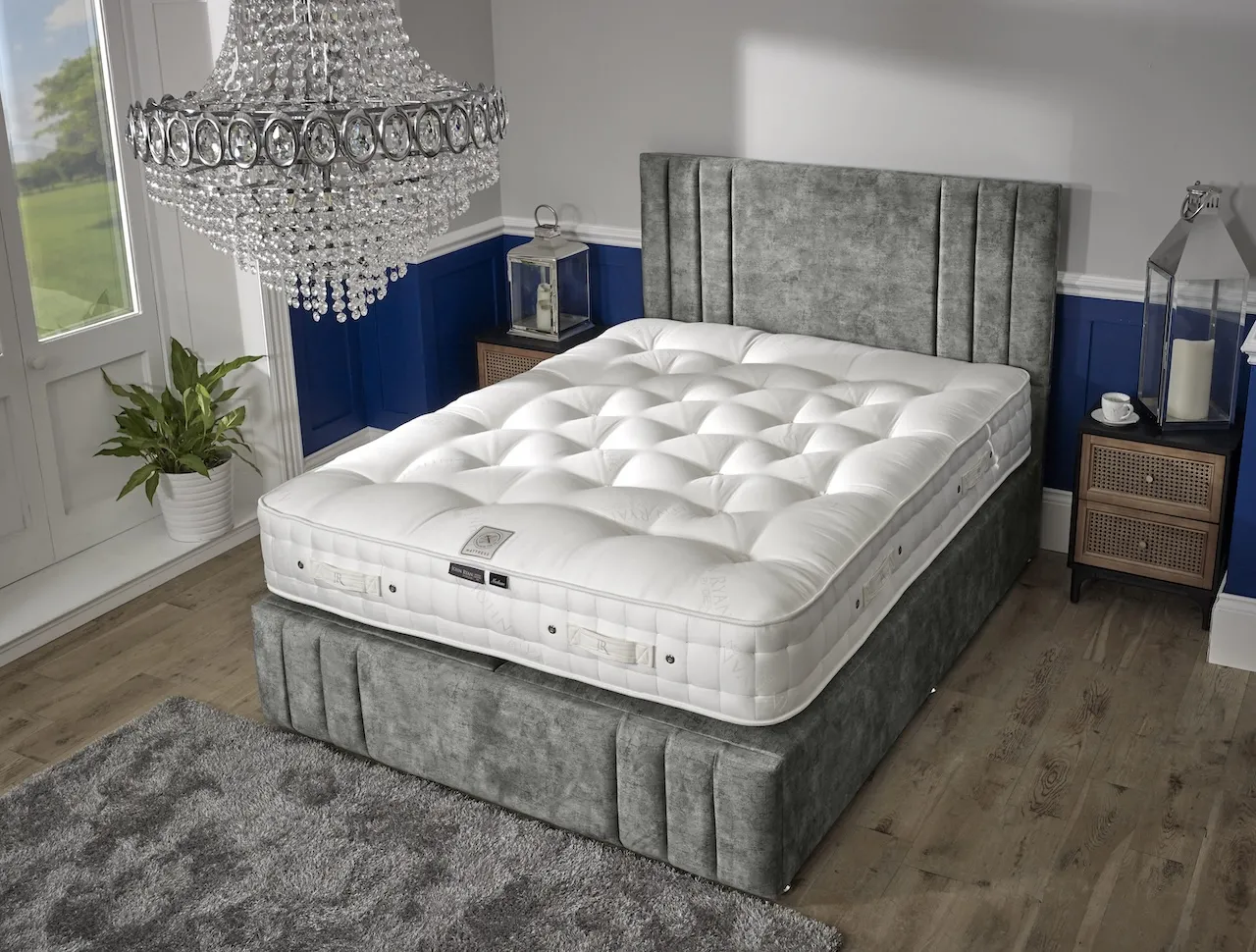
The Artisan 1500 is our entry point into the Artisan range and a significant step up in upholstery depth. At £1,755 in a king-size, it features hand-stitched calico pocket springs and a natural-fibre comfort layer that provides substantially better pressure-point cushioning than the Origins tier. It is two-sided, meaning you can rotate and flip it to maintain the comfort layers evenly over time, which matters considerably for shoulder pressure relief as the mattress ages.
We recommend this model to side sleepers weighing approximately 10-15 stone who want a genuine natural-fibre solution. View the Artisan 1500.
Artisan Naturals
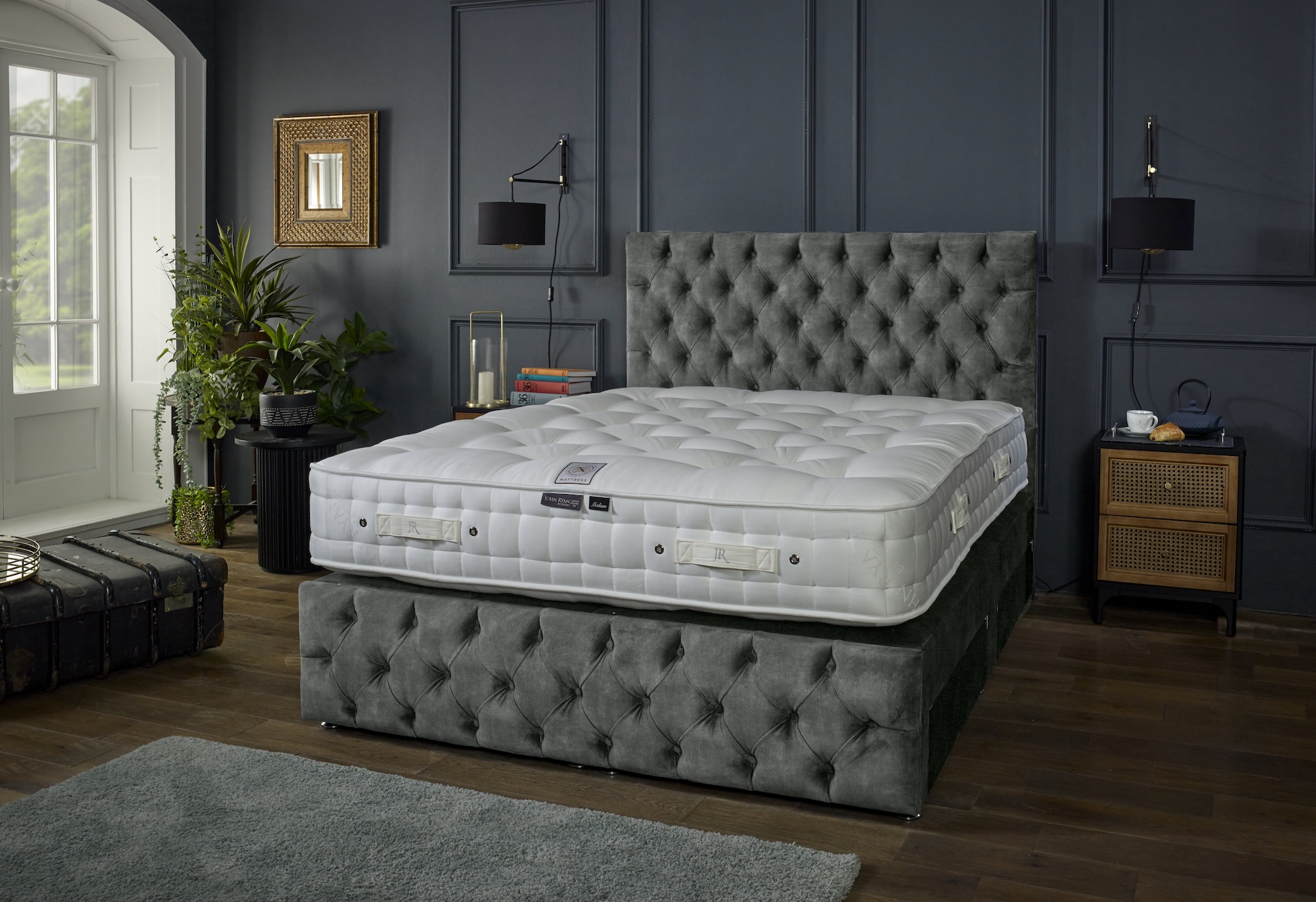
The Artisan Naturals is the model we most consistently recommend to side sleepers with shoulder pain who are buying at the higher end of quality. It contains deep layers of natural Wool, Cotton, Horsehair, and Horsetail upholstery over a hand-stitched calico pocket spring unit, with a substantial and resilient comfort layer that absorbs shoulder pressure directly.
Two-sided, hand-tufted, and available across a full range of spring tensions to match your bodyweight. King size from £2,180. View the Artisan Naturals.
Artisan Latex
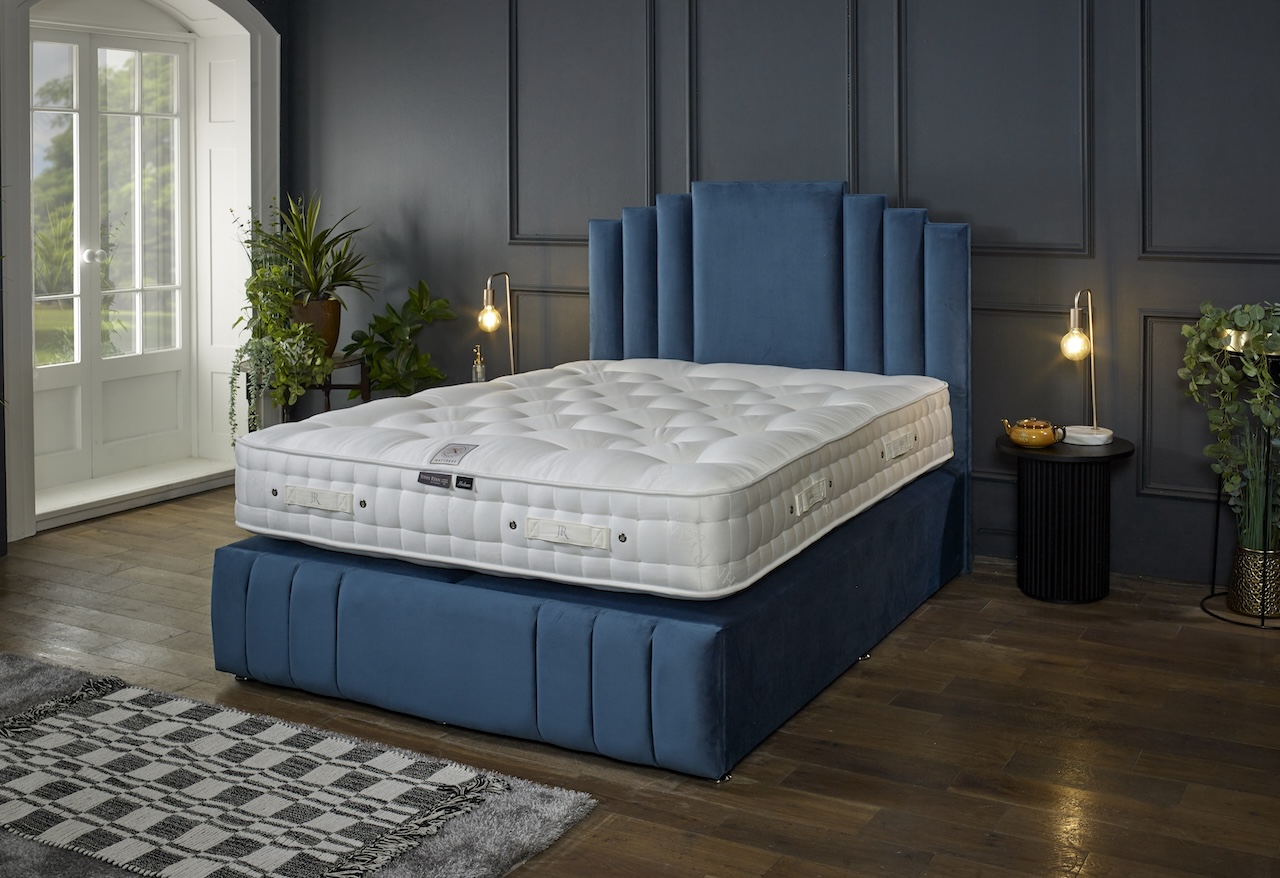
For people with shoulder arthritis, rotator cuff injuries, or frozen shoulder, the Artisan Latex is worth considering alongside the Artisan Naturals. The Talalay latex comfort layer provides progressive, buoyant cushioning that responds immediately to pressure and is particularly effective for joint conditions where ease of movement matters as much as static pressure relief.
When shoulder stiffness is significant enough that turning over in bed is painful in itself, the immediate rebound of latex makes a noticeable difference compared to a slow-recovery foam surface. King size from £2,250. View the Artisan Latex.
| Model | Best for | Comfort feel | King size price |
|---|---|---|---|
| Origins Pocket 1500 | Budget-conscious, moving from foam, up to ~14 stone | Medium | £1,050 |
| Artisan 1500 | Side sleepers wanting natural fibre, mid-budget | Medium | £1,755 |
| Artisan Naturals | Side sleepers, shoulder pain focus, premium natural fibre | Medium | £2,180 |
| Artisan Latex | Shoulder arthritis, rotator cuff, ease of movement | Medium to firm | £2,250 |
If you are unsure which model and tension is right for your weight and sleeping position, call us on 0161 437 4419. We do not have a showroom, so the conversation before you order is the way we make sure we get it right.
Frequently asked questions
What is the best mattress for shoulder pain?
For most people with shoulder pain, particularly side sleepers, the best mattress is a pocket spring model with deep natural fibre upholstery and a spring tension matched to your bodyweight. The comfort layers need to be soft enough to allow the shoulder to settle into the surface without the springs pushing back against the joint. A medium-to-soft-medium upholstery feel is appropriate for most side sleepers with shoulder pain. Avoid very firm mattresses, which prevent the shoulder from decompressing and directly worsen pressure pain.
Can my mattress cause shoulder pain?
Yes, very directly. A mattress with comfort layers that are too firm does not allow the shoulder to decompress during sleep, keeping the joint and surrounding tendons and muscles under pressure for hours each night. A mattress that has aged and lost its comfort layers has the same effect, even if it was appropriate when new. This is one of the most common causes of shoulder pain we encounter, and it is fully addressable by choosing the right mattress.
Should I sleep on my painful shoulder or the other side?
For most shoulder conditions, sleeping on the unaffected side is preferable, as it removes direct pressure from the painful joint. A pillow between your knees helps keep the pelvis level and prevents the spine from rotating in a way that can refer tension back up to the shoulder. Back sleeping is also effective as it removes direct pressure from both shoulders simultaneously. If you must sleep on the affected side, the comfort layer of your mattress needs to be generous enough to genuinely decompress the joint.
Is a soft or firm mattress better for shoulder pain?
Neither extreme. A firm surface prevents the shoulder from sinking in and causes direct pressure pain. A very soft surface allows the shoulder to sink so deeply that spinal alignment is lost and lower back pain develops alongside the shoulder issue. A medium to soft-medium comfort feel, with spring tension correctly matched to your bodyweight, is appropriate for the majority of side sleepers with shoulder pain.
Why does my shoulder hurt more at night than during the day?
During the day, movement helps to maintain blood flow to the joint and prevents inflammation from building up in one place. At night, lying still in one position for several hours concentrates pressure on the shoulder and restricts local circulation. For conditions such as frozen shoulder, rotator cuff tendinopathy, and impingement, the inflammatory response also tends to peak at night, making the pain feel more intense than it would during the day. A mattress that removes rather than adds pressure to the joint makes a significant difference to how the pain presents overnight.
How do I know if my pillow is making my shoulder pain worse?
If you wake with neck stiffness alongside shoulder pain, and the neck stiffness is on the same side as the shoulder problem, the pillow height is likely a contributing factor. A side sleeper whose pillow is too thin will have their head dropping toward the mattress overnight, placing the neck in lateral flexion and pulling on the muscles connecting the neck to the shoulder. Try rolling a towel to a height roughly equal to your shoulder width and placing it inside your pillowcase as a test. If the neck stiffness improves, a higher pillow is needed.
Will shoulder pain improve on its own if I change my mattress?
For pressure-related shoulder pain with no underlying structural damage, yes, a correctly chosen mattress typically produces noticeable improvement within a few weeks. For shoulder conditions such as rotator cuff tears, significant impingement, or advanced arthritis, a better mattress will reduce the overnight aggravation of the condition significantly, but will not resolve the underlying issue. If your shoulder pain is severe, persistent through the day, accompanied by weakness or loss of range of movement, or does not improve after changing your mattress, consult your GP or a physiotherapist.

Dreaming of the perfect nights sleep?
Ask us a question
There are over 6000 questions and answers submitted by you on all questions about mattresses and bed problems. Enter a keyword such as Vi Spring, John Lewis beds, bad back or Memory Foam and see if your question has already been answered.
If you can’t find an answer in knowledge hub, ask a new question. We aim to respond to all questions within one working day.
Newsletter
Enter your email to join our newsletter. We’ll send you occasional news and mattress expertise.