







Mattress sizes & weights, Mattress Construction
October 2025Is a Small Double Mattress Right for You?
When it comes to choosing the perfect mattress, size matters more than you might think.
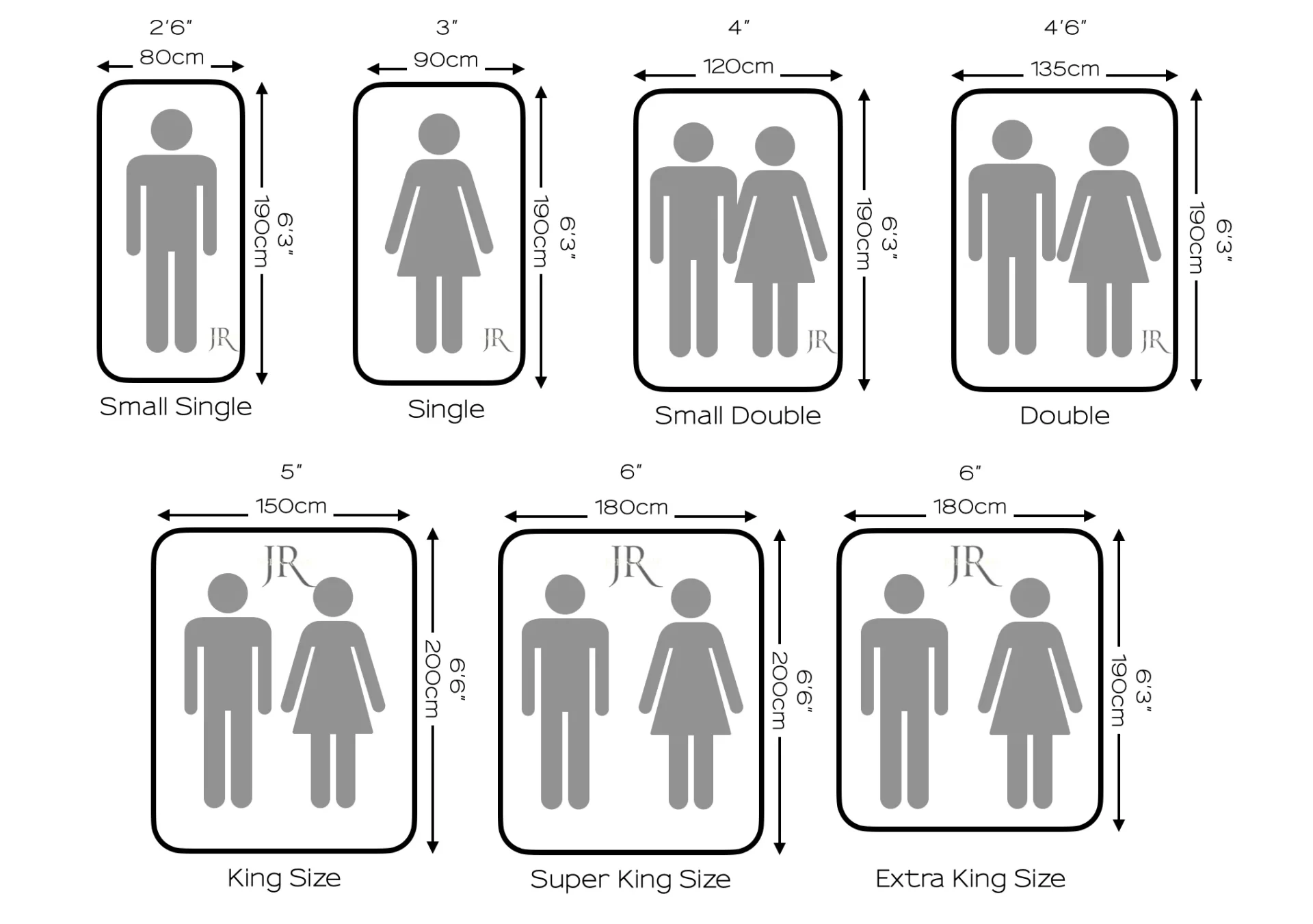
The small double mattress, measuring 120cm wide by 190cm long (or 4 feet by 6 feet 3 inches in imperial measurements), represents a wonderfully versatile middle ground that many people overlook. Often referred to as a queen size or three-quarter bed in the UK, this size has steadily grown in popularity, and for good reason. But is it the right choice for your sleeping needs? Let’s explore everything you need to know about small double mattresses so you can make an informed decision that will improve your sleep quality for years to come.
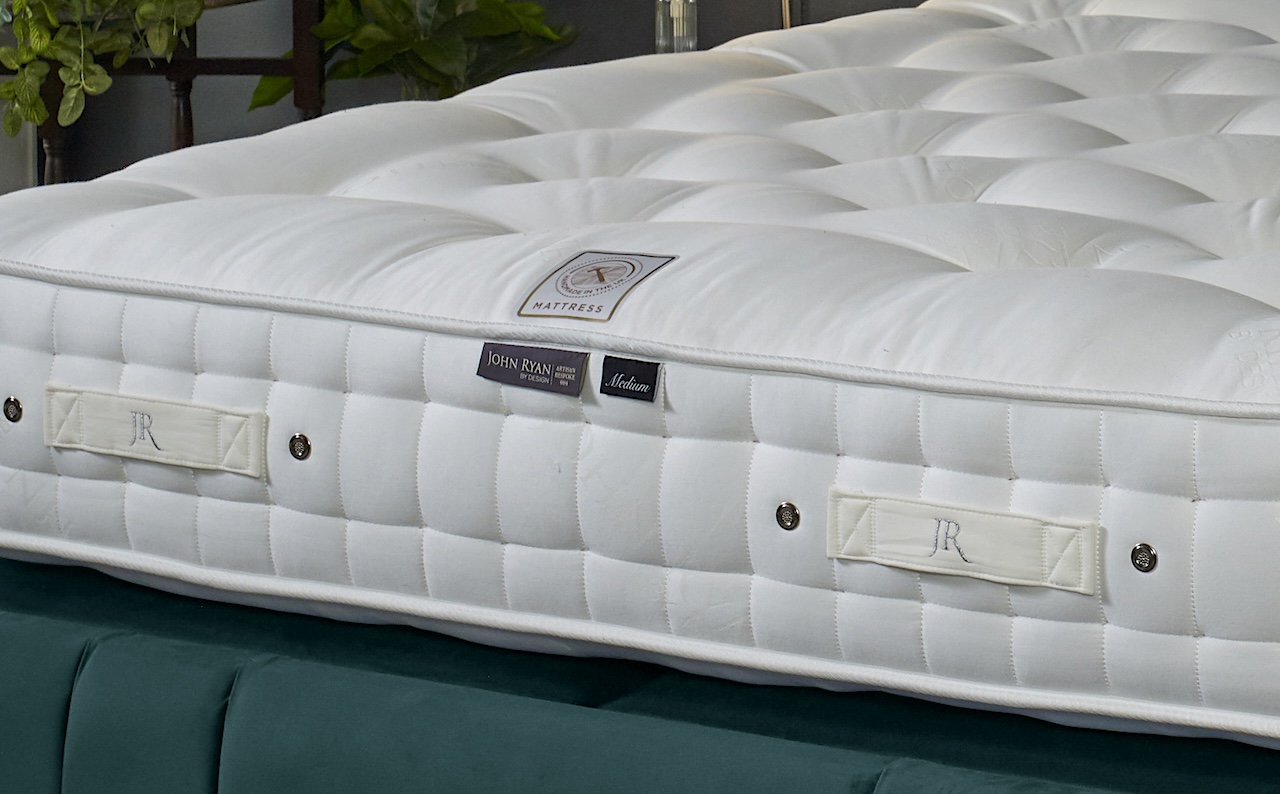
Understanding Small Double Mattress Dimensions
The small double mattress occupies an interesting space in the mattress size hierarchy. It’s 30cm wider than a standard single mattress (which measures 90cm wide), giving you substantially more room to stretch out, yet it’s 15cm narrower than a standard double mattress (which measures 135cm wide).
This 15cm difference might not sound like much on paper, but in practical terms, particularly in a smaller bedroom, it can be the difference between a room that feels spacious and one that feels cramped. The length remains the same as both single and double mattresses at 190cm, which is perfectly adequate for most sleepers, though taller individuals over 6 feet might occasionally find their feet dangling off the edge.
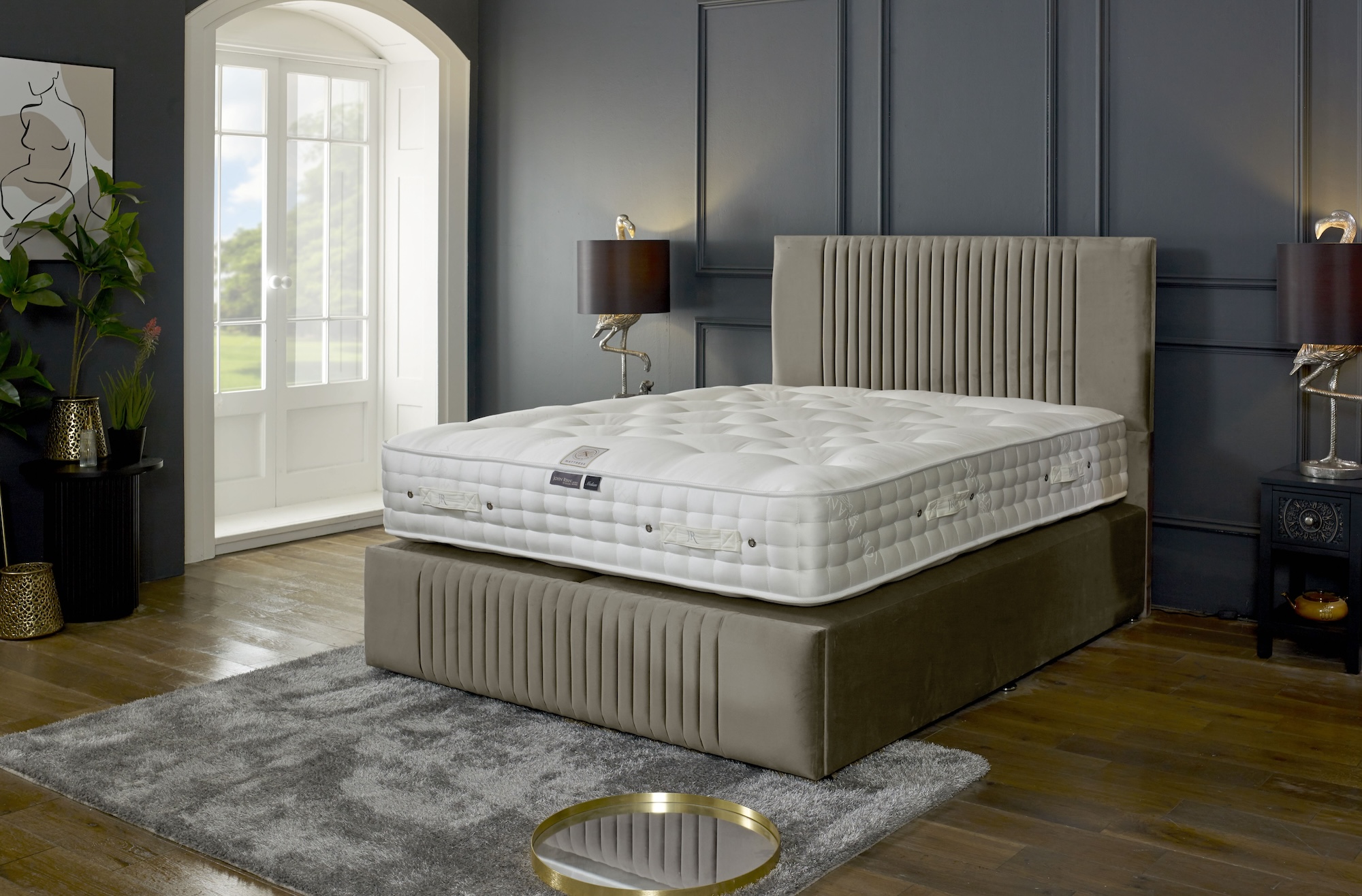
What makes small double beds and mattresses particularly clever is their ability to provide genuine sleeping comfort without dominating your bedroom space. In our experience at John Ryan By Design, we’ve found that many people underestimate just how much difference that extra 15cm of space savings can make to the overall feel and functionality of a room. You’re not just buying a mattress; you’re investing in how your entire bedroom functions, and that extra floor space can accommodate a larger wardrobe, a reading chair, or simply create more breathing room in what might otherwise feel like a cramped space.
Who Should Consider Small Double Mattresses?
Small double mattresses serve several distinct groups of sleepers exceptionally well.
Single Sleepers
If you’re a single sleeper who finds a standard single mattress too restrictive but doesn’t need the full width of a double, this size is absolutely ideal. Many people who sleep alone appreciate having the extra room to spread out, change sleeping positions throughout the night, or simply enjoy that feeling of space without their mattress overwhelming their bedroom.

Sharing a bed with a pet
It’s also worth noting that if you’re someone who shares your bed with a pet, the small double provides enough room for both of you without the need to invest in a full double mattress.

Teenagers
Teenagers and young adults represent another key demographic for whom small double mattresses make perfect sense. As children grow and transition from their first beds, a small double offers them more sleeping space whilst still fitting comfortably in typically smaller bedrooms. It feels more grown-up than a single bed, which matters enormously to teenagers, yet it doesn’t monopolise floor space that they’ll want for desks, storage, and socialising with friends. We’ve seen countless parents opt for small doubles for their teenagers’ rooms, and it’s a decision that serves them well throughout the teenage years and often beyond, particularly if the room later transitions into a guest bedroom.
Are small doubles suitable for couples?
For couples, the suitability of a small double mattress rather depends on your circumstances and preferences. If you have a particularly small bedroom, enjoy sleeping close together, or are furnishing a flat where space is at a premium, a small double can work. However, we must be honest here. Two adults on a small double mattress means each person has approximately 60cm of width, which is slightly less space than a baby has in a cot. For occasional use in a guest room, or for shorter-term sleeping arrangements, this can be perfectly adequate.

But for long-term use as a couple’s primary mattress, most sleepers will find a standard double or kingsize far more comfortable. We always advocate for choosing the largest bed that your bedroom and budget can accommodate, as quality sleep is worth the investment.
Guest rooms are perhaps where small double mattresses truly shine. They offer visiting friends or family considerably more comfort than a single bed, they can accommodate a couple at a push for a night or two, yet they don’t overwhelm what is often one of the smaller bedrooms in a house. When you consider that guest rooms also typically need to accommodate storage for linens, perhaps a small desk or dressing table, and leave enough floor space for guests to move around comfortably, the space efficiency of a small double becomes immediately apparent.
Types of Mattresses for Small Double Beds
When it comes to selecting mattresses for small double beds, you have all the same options available as you would with any other mattress size. However, the quality of the mattress construction becomes particularly important when space is at a premium, as you want to ensure you’re getting the absolute best sleep possible from the space you have. Let’s explore the main options, and we’ll be characteristically honest about the pros and cons of each.
Small Double Pocket Sprung Mattresses
In our view at John Ryan By Design, pocket sprung mattresses represent the gold standard in mattress construction, and this holds true regardless of size. Small double pocket sprung mattresses use individual springs that are each encased in their own fabric pocket, typically made from either synthetic material or calico (with calico being the superior option found in higher-end mattresses). Each spring works independently to support your body, which means that the mattress can respond precisely to your movements and body weight distribution throughout the night.
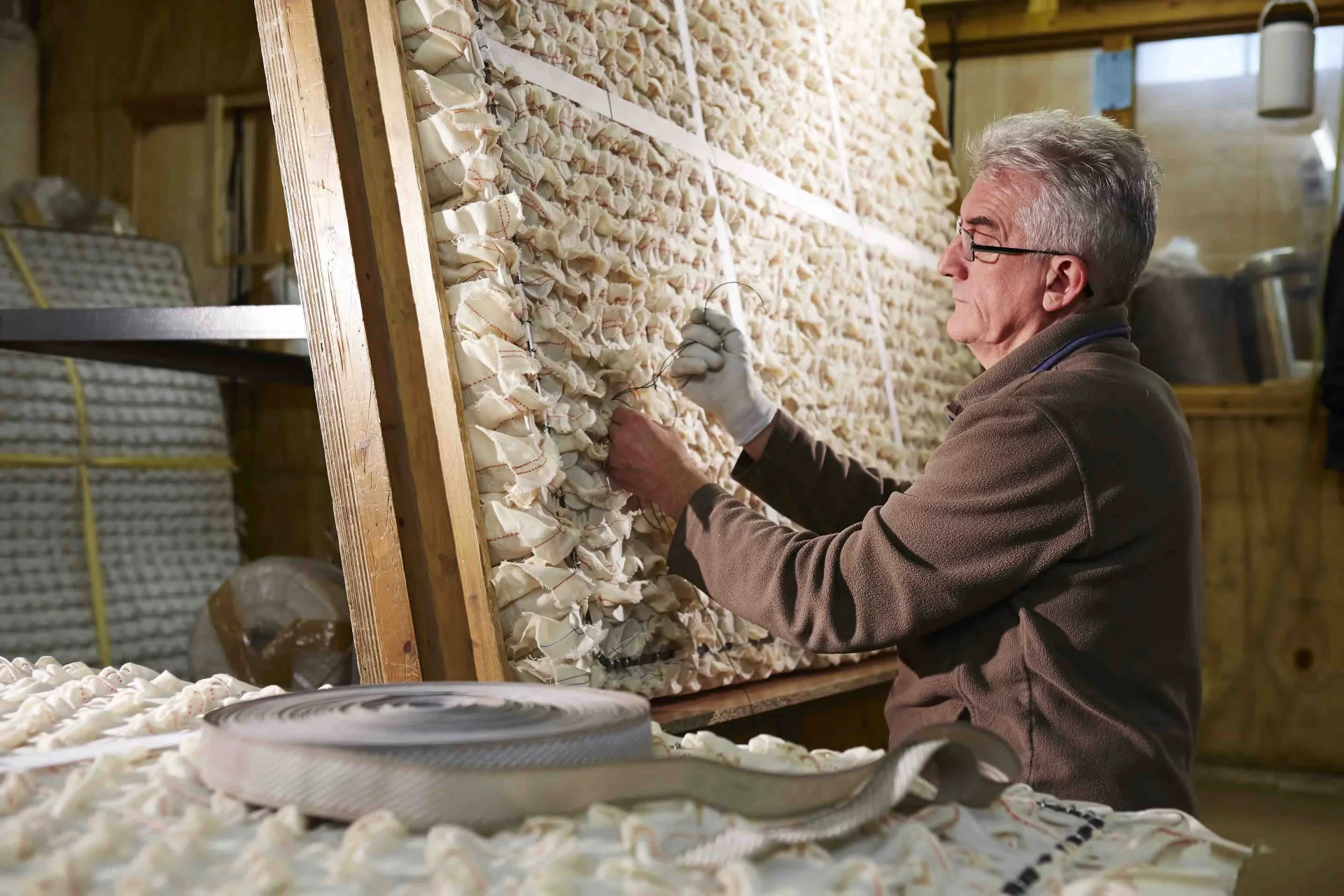
The advantages of choosing a pocket sprung construction for your small double are numerous.
Firstly, if you’re sharing the bed, pocket springs dramatically reduce motion transfer. When one person moves, the other isn’t disturbed, because the springs aren’t all connected together like in cheaper open coil mattresses.
Secondly, pocket springs allow for tailored spring tensions that can be matched to your body weight. This is particularly crucial because, as we explain in our pocket spring mattress guide, the tension of the spring unit should be selected based on your weight, not simply on whether you want a soft, medium, or firm feel in the comfort layers.
How many springs in a small double mattress?
For a small double mattress, you should be looking for a minimum of around 800 pocket springs (the exact number will be proportionally less than a kingsize, which should have at least 1000 springs). The quality of upholstery is equally important. We would always recommend looking for mattresses with at least 3000 GSM (grams per square metre) of predominantly natural fibres such as wool, cotton, and horsehair. Natural fibres breathe far better than synthetic materials, which means they help regulate your body temperature throughout the night, wicking moisture away and allowing air to circulate freely. This is particularly important in a smaller bedroom where air circulation might be more restricted.
You should also ensure that any pocket sprung mattress you’re considering is two-sided and turnable. This is absolutely crucial for longevity.
A two-sided mattress that can be turned monthly will last significantly longer than a one-sided model because you’re distributing the wear across both sides. This regular turning prevents the development of dips and body impressions that plague non-turnable mattresses. For more detail on choosing quality pocket sprung mattresses, we’d recommend reading our guide on choosing the best pocket sprung mattress.
Small Double Memory Foam Mattresses
Memory foam mattresses have become enormously popular in recent years, particularly with the rise of bed-in-a-box brands. These small double memory foam mattresses use heat-reactive synthetic foam that moulds to your body shape as it warms up from your body heat. The sensation is one of slowly sinking into the mattress, which some people absolutely love. However, we must be forthright about memory foam’s limitations, as there are significant drawbacks that many retailers won’t be honest about.
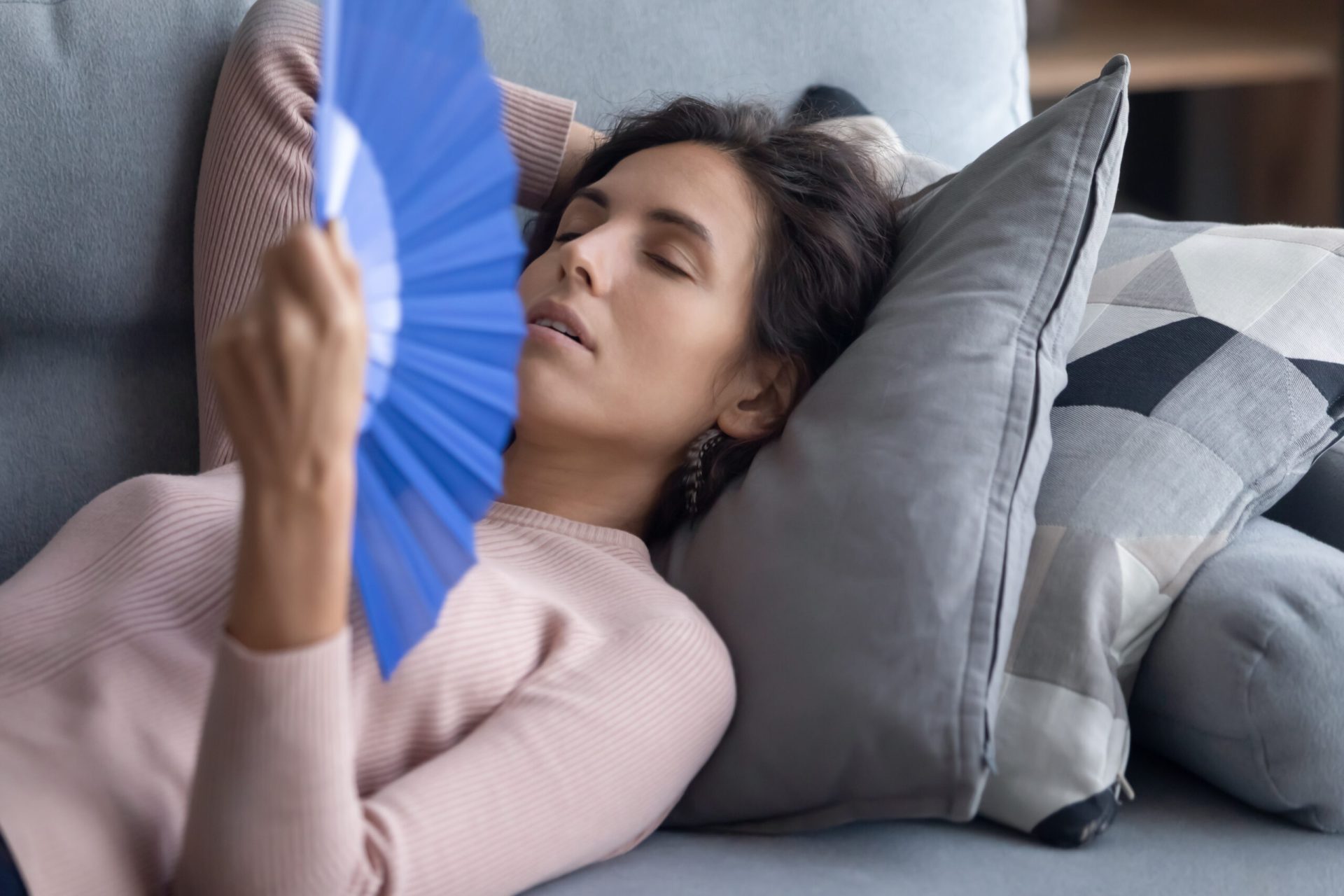
The first major issue with memory foam is heat retention. Memory foam works by responding to your body heat, which means it inherently traps and holds warmth. For hot sleepers, this can become genuinely uncomfortable, particularly during summer months. The foam needs heat to soften and mould, which creates a feedback loop of heat retention that can leave you waking up sweaty and uncomfortable. Natural fibre mattresses, by contrast, actively wick moisture away and allow air to circulate freely, keeping you cooler throughout the night.
Secondly, virtually all memory foam mattresses are one-sided by necessity. The memory foam layer sits atop a firm support foam layer, and turning the mattress would put the support layer on top, rendering it useless. This means you cannot turn a memory foam mattress to distribute wear, which significantly reduces its lifespan. The industry-accepted amount of settlement in a memory foam mattress is 2 to 3cm, which is far higher than what we’d accept in a quality pocket sprung mattress. If you’re spending money on a new mattress, why would you accept a construction method that’s designed with such limited durability? We cover this in much more detail in our memory foam mattress guide.
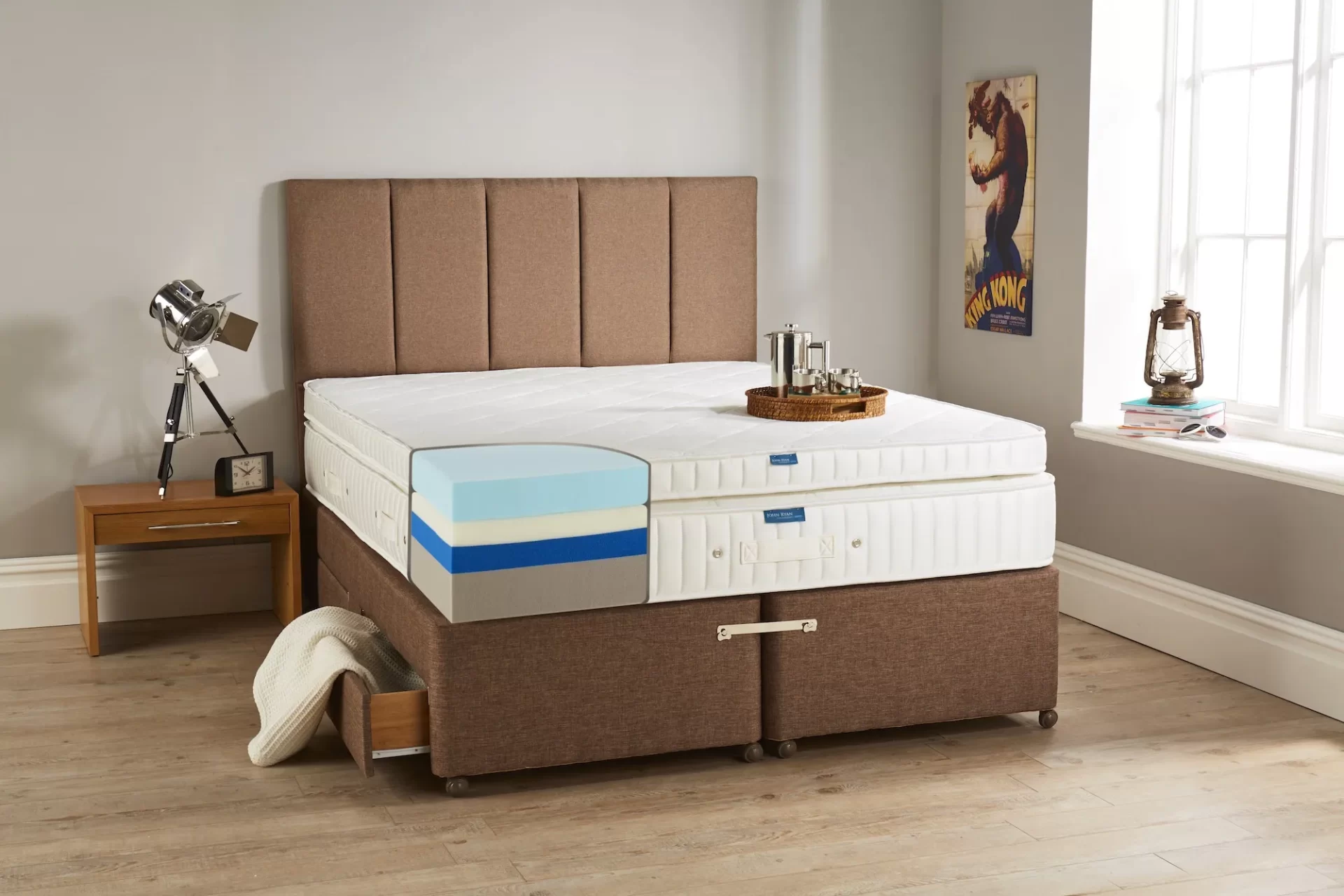
If you’re considering a memory foam option, we’d strongly recommend looking at it only as a budget choice (under £400), and even then, you’d be better served by an entry-level pocket sprung mattress with synthetic fibres. The one exception might be 100% natural latex, which responds to pressure rather than heat, rebounds far more quickly, and breathes considerably better than memory foam. However, true natural latex is a different material entirely and shouldn’t be confused with memory foam or “synthetic latex.”
Choosing Between Natural and Man-Made Fibres
Beyond the spring system itself, the upholstery layers of your mattress play an enormous role in your comfort and the mattress’s longevity. At John Ryan By Design, we’re passionate advocates for natural fibre upholstery, and we’d like to explain why this matters, particularly for small double mattresses where you want to maximise the quality of your sleep experience within a more compact space.
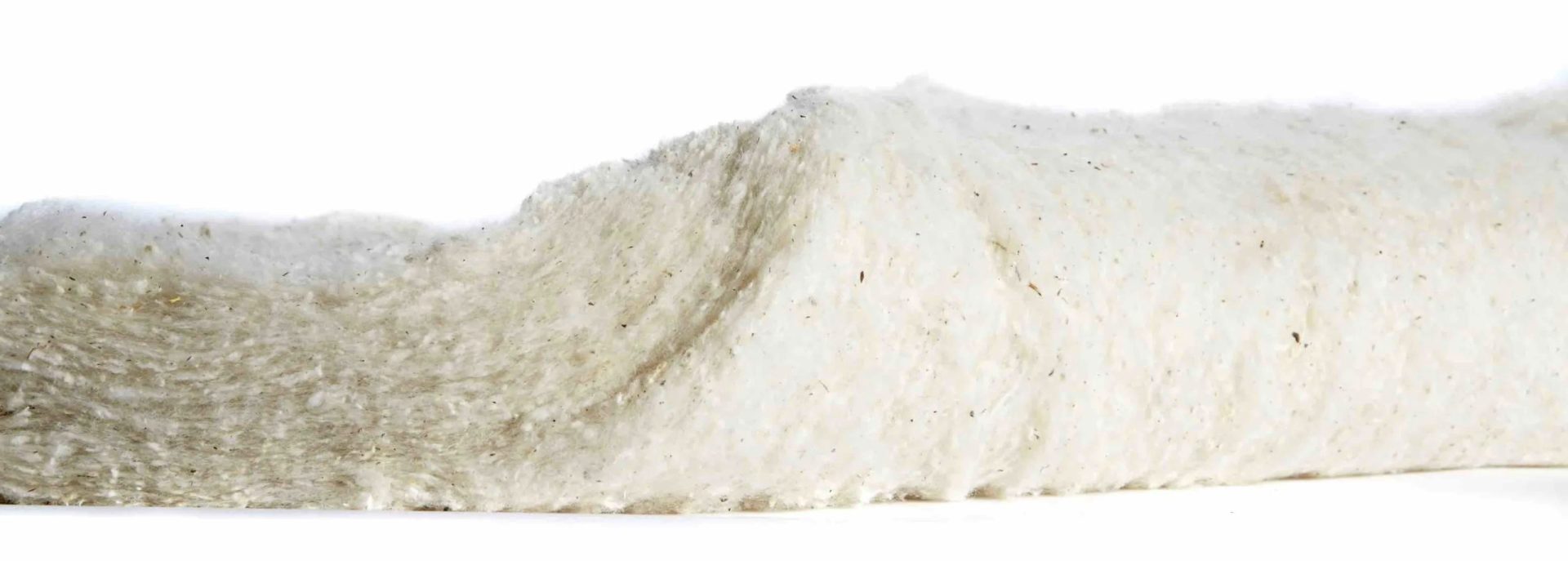
Natural fibres such as wool, cotton, cashmere, and horsehair offer several distinct advantages. They’re naturally breathable, which means air can circulate freely through the mattress layers. This circulation helps regulate your body temperature, keeping you cooler in summer and warmer in winter.
They’re also naturally moisture-wicking, drawing perspiration away from your body throughout the night. An average adult loses approximately half a pint of moisture through perspiration every night, and natural fibres handle this far more effectively than synthetic materials.
Natural fibres also have inherently longer lifespans than synthetic alternatives. Wool, for example, has a natural crimp that allows it to compress and then spring back to its original form repeatedly without losing its loft. Horsehair, found in our highest-end mattresses, is incredibly resilient and can last for decades. These natural materials develop a comfortable “bedded-in” feel over time without collapsing or compressing excessively. You can explore more about the benefits of natural fibres in our article about how pocket sprung mattresses can help with pain.
That said, we also offer pocket sprung mattresses with man-made fibres for those working with tighter budgets. These mattresses still benefit from the superior support of pocket springs, but use polyester and similar synthetic materials in the comfort layers. Whilst these don’t offer the same breathability or longevity as natural fibres, they’re still a considerable step up from pure foam mattresses, and they’re easier to care for. The key is understanding what you’re getting for your money and setting realistic expectations about the mattress’s lifespan.
Space Considerations and Room Planning
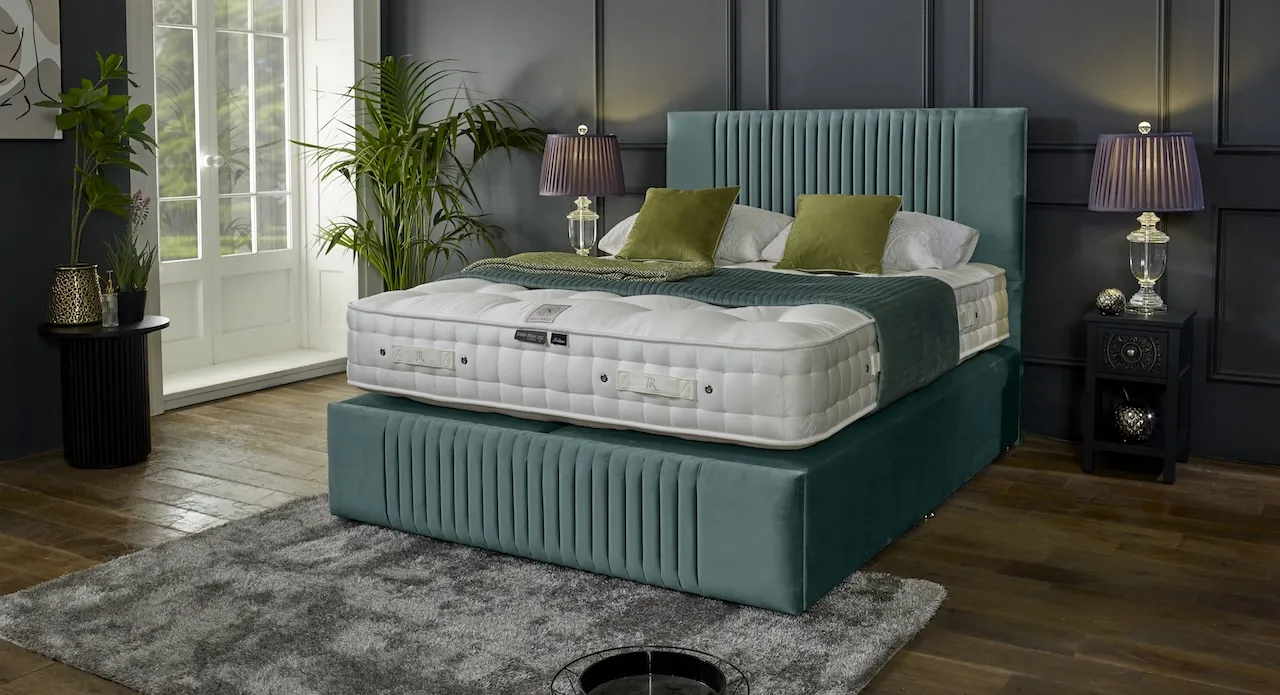
One of the primary reasons people choose small double beds and mattresses is, naturally, space. However, it’s important to think beyond just the mattress dimensions and consider the overall footprint of your bed frame as well. The actual mattress measures 120cm by 190cm, but your bed frame will almost certainly be larger. Traditional wooden or metal bed frames add several centimetres to these dimensions due to their construction, particularly at the headboard and footboard. Upholstered bed frames, especially those with substantial padded headboards or sleigh designs, can add even more.
When planning your room layout, you need to account not just for the bed’s footprint, but also for adequate space to move around it comfortably. As a general rule, you want at least 60cm of clearance on the sides where you’ll be getting in and out of bed, though 75cm is more comfortable if your room allows it.
You’ll also need space for other essential bedroom furniture such as wardrobes, bedside tables, and perhaps a chest of drawers. This is where that 15cm width saving compared to a standard double really makes a difference. Those extra 15 centimetres might not seem like much, but they can be the difference between a bedroom that feels pleasantly spacious and one that feels cluttered.
It’s also worth considering room proportions. A massive bed in a tiny bedroom can look out of place and make the room feel even smaller than it is, whilst a bed that’s too small in a large room can look lost. There’s sometimes talk of a 1:3 ratio between bed and bedroom looking most balanced, but this is difficult to achieve in practice. The more practical consideration is ensuring you have adequate space for movement, storage, and other furniture whilst the bed still feels like the focal point of the room.
Don’t forget to measure access routes before purchasing your mattress.
- Will it fit up your staircase?
- Through doorways?
- Around tight corners?
This is particularly relevant if you live in an older property with narrow staircases or if you’re furnishing an upstairs flat. If access is restricted, you might need to consider a zip-and-link mattress, which can be split into two sections for easier manoeuvring, then zipped together once in the room.
Understanding Mattress Firmness and Support
There’s an enormous amount of confusion in the mattress industry about firmness versus support, and it’s crucial to understand the difference when choosing your small double mattress. Support comes from the spring unit (or foam core in the case of foam mattresses) and should be selected based on your body weight.
The springs need to have the right tension to support your weight properly without either being so firm that they can’t compress, or so soft that they bottom out. This is why at John Ryan By Design, we offer different spring tensions and take the time to help customers understand which tension suits their weight.
Firmness, on the other hand, is about the comfort layers on top of the springs. This is where personal preference comes into play. Some people prefer a softer, more cushioned feel where they sink into the comfort layers slightly, whilst others prefer a firmer surface that offers more initial resistance. Importantly, your sleeping position influences which firmness level will be most comfortable for you. Side sleepers generally need softer comfort layers to accommodate the pressure points at shoulders and hips, whilst back sleepers often prefer medium comfort layers, and stomach sleepers typically find firmer surfaces more comfortable.
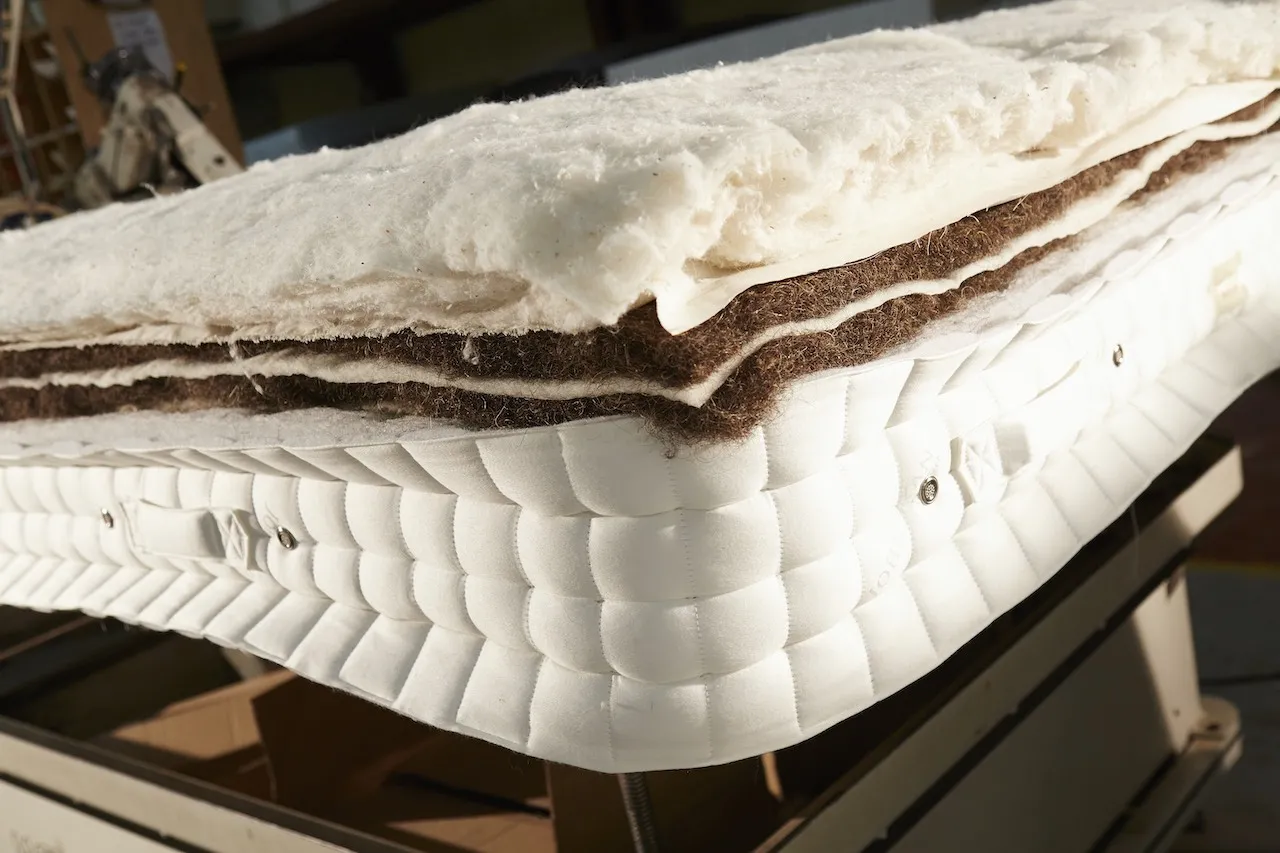
The critical thing to understand is that a firm mattress isn’t necessarily more supportive than a soft one. A mattress that’s too firm for your body weight will prevent the spring unit from working properly because your body won’t be heavy enough to compress the springs. You’ll essentially be sleeping on top of the mattress rather than being properly supported by it.
Conversely, a mattress with springs that are too soft for your weight will compress completely, offering inadequate support. Getting the spring tension right for your body weight, then choosing comfort layers that suit your sleeping position and personal preference, is the path to finding the perfect mattress. We go into considerable depth on this topic in our mattress sizes guide, which also covers the specifications and suitability of different bed sizes.
Maintenance and Longevity
The lifespan of your small double mattress depends enormously on its construction quality and how well you care for it. A properly constructed pocket sprung mattress with natural fibres and a two-sided turnable design can easily last 10 to 15 years or even longer with proper care.
In contrast, one-sided memory foam mattresses often show significant signs of wear within just a few years, with body impressions and loss of support being common complaints.
The single most important thing you can do to extend your mattress’s life is to turn it regularly. For a two-sided mattress, you should turn it once a month, alternating between flipping it over and rotating it head to toe. This distributes wear evenly across the entire mattress and prevents the development of body-shaped dips.
Turning a mattress might seem like a chore, but it takes just a few minutes and will add years to your mattress’s useful life. We cannot stress enough how important this is. The mattresses we see that have lasted 20 years or more are invariably ones that have been turned regularly.
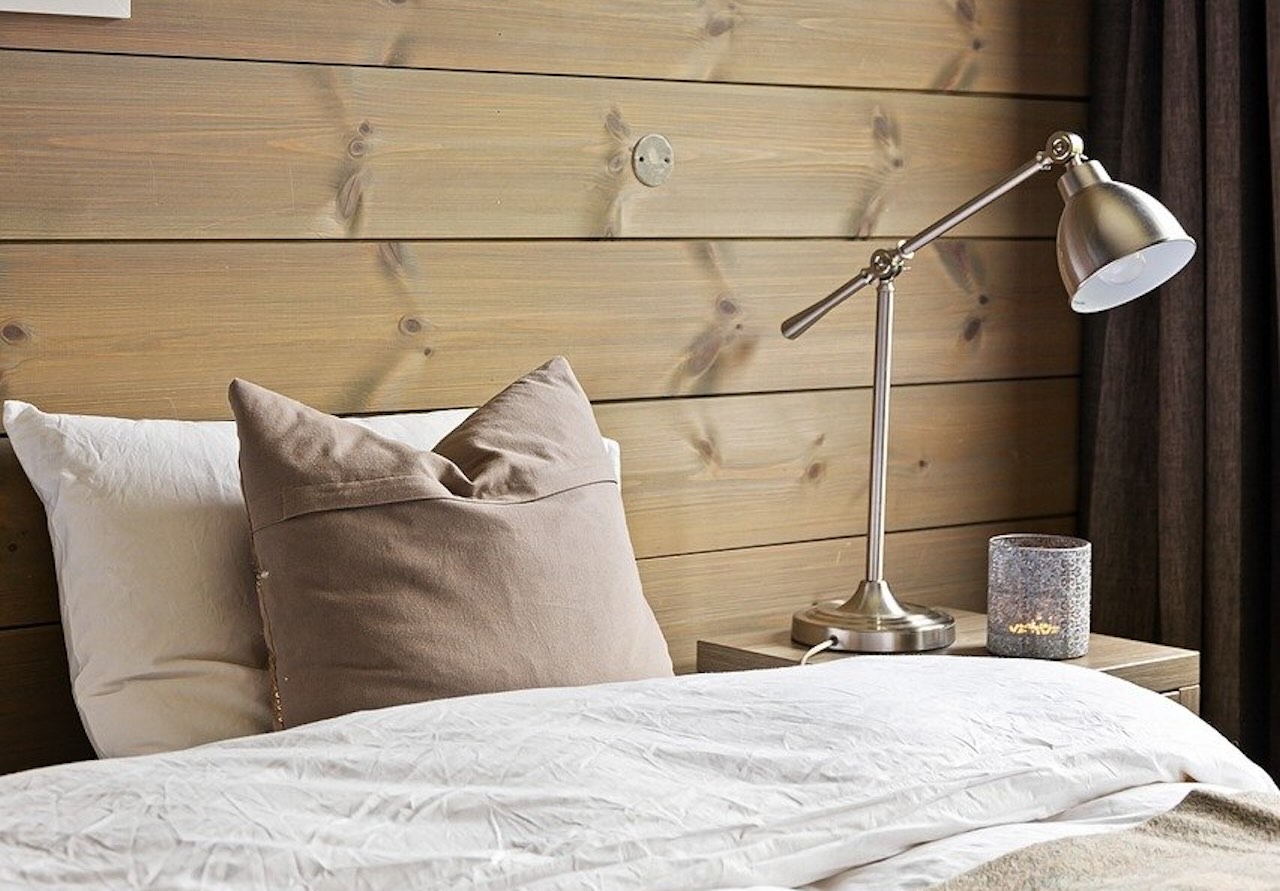
Using a mattress protector is also essential. This provides a washable barrier between your body and the mattress, protecting it from sweat, skin cells, and accidents. We’d recommend a quilted polycotton mattress protector that can be machine washed regularly. Some people confuse mattress protectors with mattress toppers, but they serve different purposes. A protector is thin and washable, designed purely to protect the mattress, whilst a topper is a thick comfort layer that sits on top of the mattress. You can read more about the distinction in our mattress protector guide.
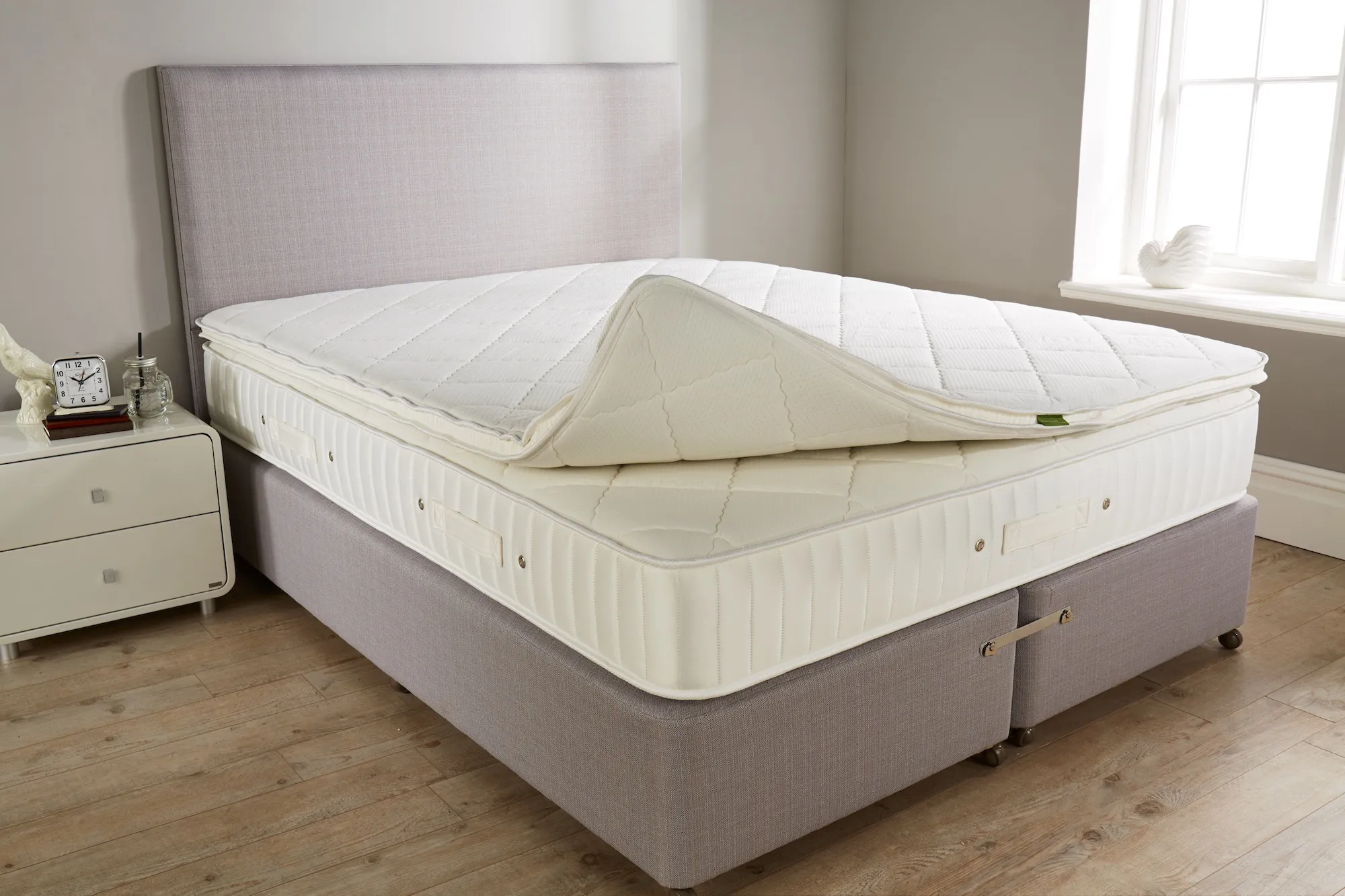
Your bed base matters too. A small double mattress should sit on a supportive base with slats spaced no more than 3 inches apart. If your slats are further apart, you should consider boarding over them with a thin sheet of plywood or MDF to provide consistent support. A poor-quality base can cause even the best mattress to fail prematurely, so it’s worth investing in a proper divan base or ensuring your bed frame’s slats are appropriate.
Making the Final Decision
So, is a small double mattress right for you? The answer depends on your specific circumstances. If you’re a single sleeper looking for more space than a single bed provides, particularly if you’re furnishing a smaller bedroom, a small double makes excellent sense. For teenagers and young adults, it offers a perfect balance of space efficiency and comfort. For guest rooms, it’s often the ideal compromise, providing comfortable sleeping for one person luxuriously or two people adequately for short stays.
For couples, we’d generally recommend considering a standard double at minimum, and preferably a king-size if your room and budget allow.
The most important thing is to do your research, understand what you’re buying, and set realistic expectations based on the construction quality and materials used. A mattress is one of the most important purchases you’ll make for your health and well-being. You spend approximately a third of your life sleeping, and quality sleep affects everything from your mood and productivity to your long-term health.
If you have questions about whether a small double mattress is suitable for your needs, or if you’d like advice on choosing between different models and construction types, our team at John Ryan By Design are always happy to help. You can reach us on 0161 437 4419, and we’ll provide honest, expert guidance based on decades of experience in mattress manufacturing and sleep science.

Dreaming of the perfect nights sleep?

Ask us a question
There are over 6000 questions and answers submitted by you on all questions about mattresses and bed problems. Enter a keyword such as Vi Spring, John Lewis beds, bad back or Memory Foam and see if your question has already been answered.
If you can’t find an answer in knowledge hub, ask a new question. We aim to respond to all questions within one working day.
Newsletter
Enter your email to join our newsletter. We’ll send you occasional news and mattress expertise.