







Mattress Construction
March 2026Pocket Spring vs Memory Foam: An Honest Comparison from the Makers
If you have come here looking for a balanced “both have pros and cons” article, this is not quite that. It is an honest comparison from people who know both materials well and have made a clear decision about which one to build with, and spoiler alert, it’s not memory foam!
Jump to:
- What is a pocket spring mattress?
- What is a memory foam mattress?
- The full comparison
- Which is better for your sleeping position?
- Memory Foam and heat: the problem that does not go away
- Lifespan: what the industry does not tell you
- Memory Foam and the Environment
- Movement and turning in bed
- Back pain, hip pain, and shoulder pain
- What about hybrid mattresses?
- Who might still choose memory foam?
- Our pocket spring mattress recommendations
- Frequently asked questions
What is a pocket spring mattress?
A pocket spring mattress contains hundreds or thousands of individual coil springs, each housed in its own fabric pocket. Because each spring operates independently, it responds to the weight and shape of whatever part of your body is directly above it, rather than the whole spring unit moving as one piece. This independent action allows the mattress to contour to the body’s natural curves, provide different levels of support across different zones, and reduce motion transfer between two people sleeping on the same bed.
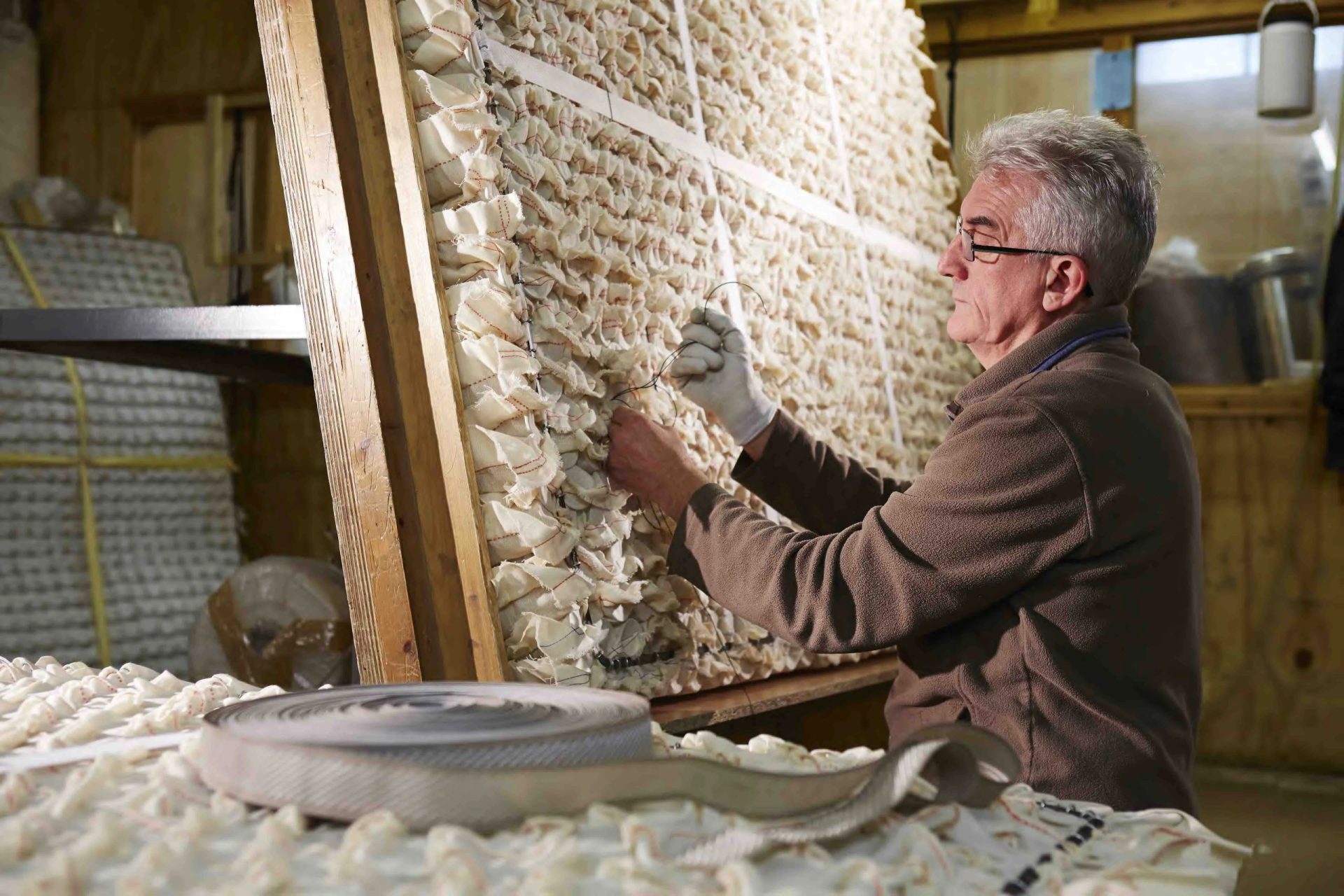
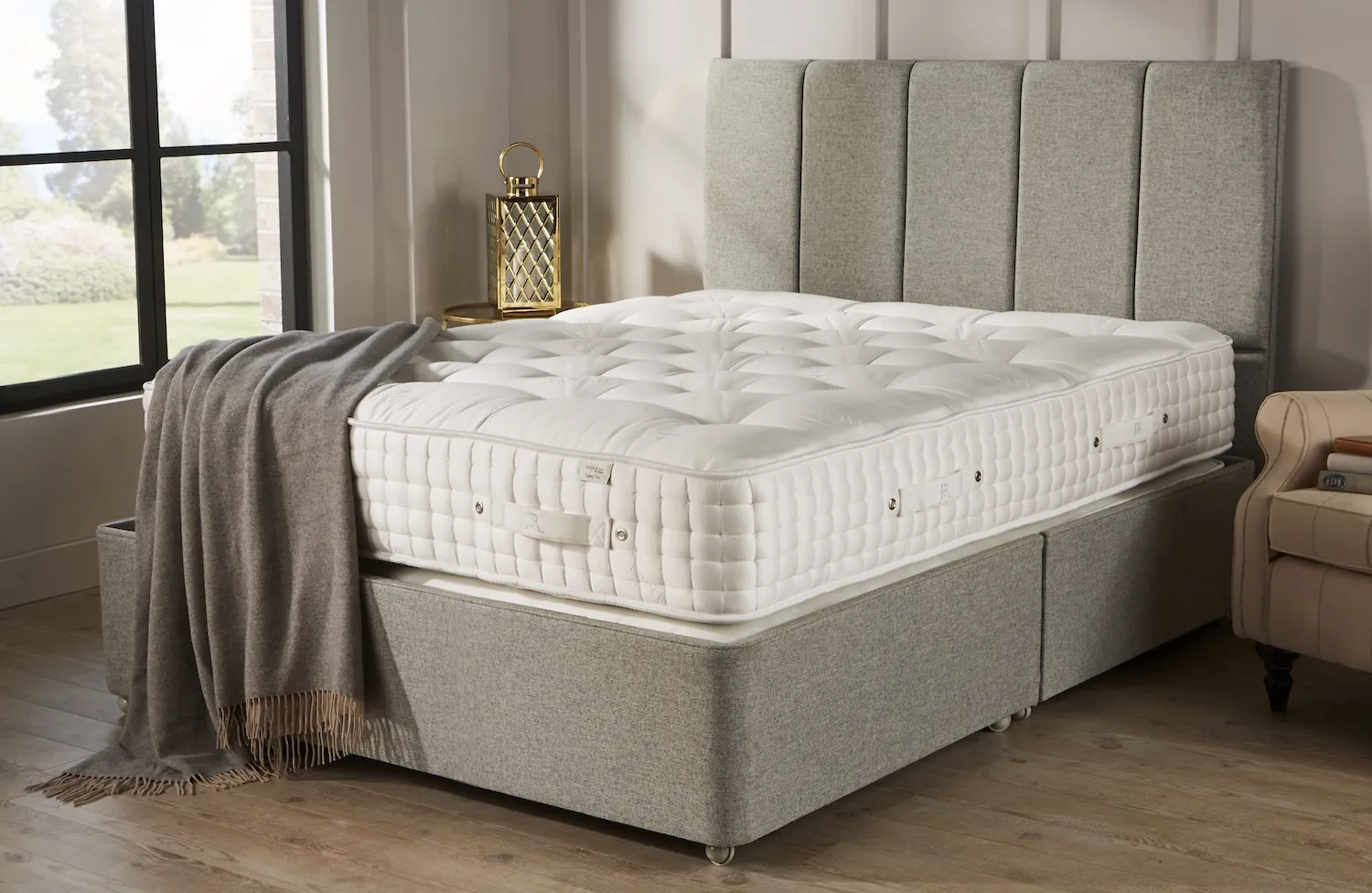
Above the spring unit sit the comfort layers, which in a quality mattress are built from natural fibres: Wool, Cotton, Horsehair, Horsetail, Latex, and similar materials. These layers provide cushioning to absorb pressure at the shoulder, hip, and lower back. The spring unit provides the structural support. The two work together, and getting both right for your bodyweight is what determines whether a pocket spring mattress actually helps you sleep well.
The spring tension in a pocket spring mattress should be matched to your bodyweight, not chosen on a vague preference for firm or soft. This is the single most important piece of information in the entire guide and the point that most mattress retailers either do not know or do not mention, because it requires them to ask questions rather than just sell you whatever is in stock.
A word on spring counts: the number of springs in a mattress is frequently used as a quality indicator, and while it is not meaningless, it is not the whole story. A king-size mattress with 1,500 well-gauged calico-encased pocket springs will outperform one with 3,000 spun-bond springs of inferior wire gauge. What matters is the quality of the individual spring, the material it is encased in, and whether the tension is matched to your weight. Higher spring counts are generally better within the same quality tier, but chasing the biggest number without understanding what sits beneath it is a common and expensive mistake.
What is a memory foam mattress?
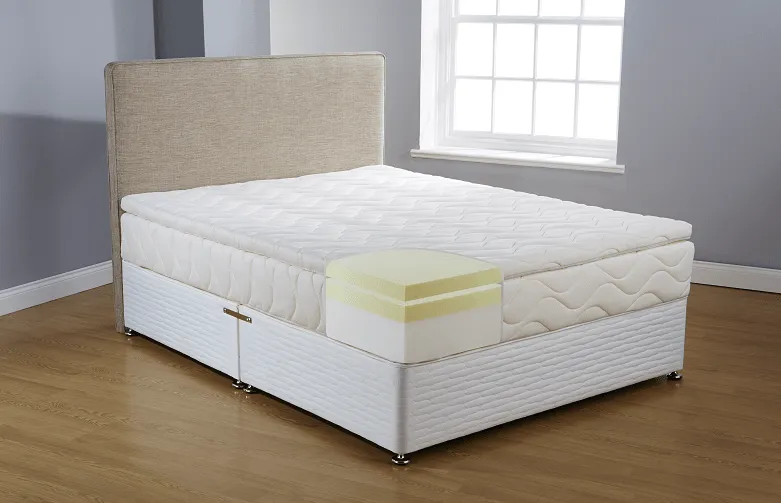
Memory Foam is a viscoelastic polyurethane Foam, meaning it responds to both pressure and heat. When you lie on it, your body heat softens the material, and it slowly moulds around you. The characteristic feel is a gradual sink followed by a slow return to shape when you move. It was originally developed by NASA for aircraft seating in the 1960s, used in hospitals for pressure ulcer prevention, and entered the consumer mattress market in the 1990s.
A memory Foam mattress is almost always one-sided and cannot be flipped. It typically uses a dense base Foam for structural support with one or more memory Foam layers on top as the comfort element. The entire construction is synthetic, petroleum-derived, and non-recyclable. When it reaches the end of its useful life, it goes to landfill.
The full comparison
| Feature | Pocket spring with natural fibres | Memory Foam |
|---|---|---|
| Materials | Steel springs, natural Wool, Cotton, Horsehair, Horsetail, Latex | Polyurethane Foam (petroleum-derived, synthetic) |
| Heat retention | Natural fibres breathe and wick moisture. Springs allow air circulation | Retains body heat by design. Requires warmth to activate. Hot sleepers consistently report problems |
| Responsiveness | Instant. Springs and natural fibres respond immediately when you move | Slow. The material holds your body shape for several seconds after you move |
| Ease of movement | Easy. The responsive surface allows natural turning | Restricted. Many sleepers describe feeling held in place, particularly at night |
| Lifespan (realistic) | A two-sided natural fibre mattress: 10 to 20 years with regular rotation | 5 to 8 years before meaningful degradation of the comfort layer. Often marketed as 10 years |
| Recyclability | Springs can be recovered. Natural fibres are biodegradable | Not recyclable. All components go to the landfill at the end of life |
| Off-gassing | None | Chemical smell on unboxing, sometimes lasting weeks. Linked to VOC emissions from Foam manufacture |
| Back pain | Spring tension matched to bodyweight provides genuine spinal support | Adequate for some back sleepers. Can cause problems for side sleepers and lighter individuals, where the Foam is too firm to allow pressure relief |
| Pressure relief | Generous natural fibre comfort layers absorb shoulder and hip pressure | Conforms to body shape, but slow response means pressure builds before relief occurs |
| Customisation | Spring tension matched to bodyweight. Different tensions available for couples | Fixed density throughout. No personalisation available |
| Turnable | Quality two-sided models can be rotated and flipped for even wear | One-sided. Cannot be flipped. All wear accumulates on one surface |
| Edge support | Hand side stitching on quality models provides strong, consistent edge support across the full sleeping surface | Edges can soften and compress over time, reducing the usable sleeping area |
| Noise | Quality calico pocket springs are silent. Cheaper open-coil systems can creak, but pocket springs do not | Completely silent |
| Allergies | Natural fibres such as Wool can be a concern for those with specific allergies. Plant-fibre models, such as the Artisan Latex, are available for those with Wool sensitivities | Dense foam structure resists dust mites. However, the synthetic materials and off-gassing may cause issues for those with chemical sensitivities |
| Environmental impact | Natural, renewable materials. Biodegradable fibres. Springs recyclable | Petroleum-derived. Non-recyclable. Contributes to landfill at the end of life |
| Cost per night | A £2,000 mattress lasting 15 years: approximately 37p per night | A £1,000 mattress lasting 6 years: approximately 46p per night |
Which is better for your sleeping position?
Sleeping position is one of the most important and most consistently overlooked variables when choosing between these two mattress types. The right choice depends not just on how you sleep, but on your bodyweight too.
Side sleepers need a comfort layer that allows the shoulder and hip to decompress without the spine bowing out of alignment. A deep natural fibre comfort layer over a correctly tensioned pocket spring achieves this well. Memory Foam can also provide pressure relief for side sleepers, but only if the density is appropriate for your weight. Lighter side sleepers in particular often find memory Foam too firm to sink into properly, leaving the shoulder and hip under continuous pressure. Our hip pain and shoulder pain guides cover this in detail.

Back sleepers typically do well on a pocket spring mattress. The spring unit distributes weight evenly from head to heel, and the natural fibre comfort layers provide cushioning at the lumbar region without allowing the spine to sag. Memory Foam can work for average-weight back sleepers but offers no mechanism for adjusting support to bodyweight.

Front sleepers need a firmer comfort layer to prevent the hips from sinking and the lower back from arching. A pocket spring mattress with a firm-feel upholstery layer, tensioned to your weight, is a better choice than memory Foam for stomach sleeping, where the slow-moulding quality of the Foam can hold the pelvis in an extended, uncomfortable position throughout the night.

Combination sleepers who regularly switch positions during the night are particularly poorly served by memory Foam, because the material’s slow recovery means you are pushing up out of a body-shaped impression every time you move. A responsive pocket-spring surface with natural-fibre upholstery makes changing position effortless.
Couples where one partner moves frequently will also find that a pocket spring mattress causes significantly less disruption, because the individual spring action absorbs movement locally rather than transmitting it across the whole surface.

| Sleeping position | Better choice | Why |
|---|---|---|
| Side sleeper | Pocket spring with soft-medium natural fibre comfort | Immediate pressure relief at the shoulder and hip without the heat or slow response of foam |
| Back sleeper | Pocket spring with medium natural fibre comfort | Even weight distribution and adjustable spring tension for spinal support |
| Front sleeper | Pocket spring with firmer upholstery | Prevents hip sinkage and lumbar arching that Foam’s slow moulding can worsen |
| Combination sleeper | Pocket spring | Instant responsiveness makes position changes effortless throughout the night |
| Couples, different weights | Pocket spring with split tensions | Each side can be tensioned independently. Memory foam offers no equivalent |
Memory Foam and heat: the problem that does not go away
Memory Foam requires body heat to activate. That is not a design flaw; it is the fundamental mechanism by which the material works. The Foam softens around you as your body heat builds up in the material, creating the characteristic moulding sensation. The consequence is that you are sleeping on a surface that accumulates and retains your body heat throughout the night.
This is why overheating is the most consistent complaint about memory Foam mattresses, and it is a complaint that no amount of gel infusion, open-cell technology, or phase-change cover fully resolves. These modifications reduce the problem at the margins. They do not change the fundamental property of a dense synthetic Foam, which stores heat rather than releases it.
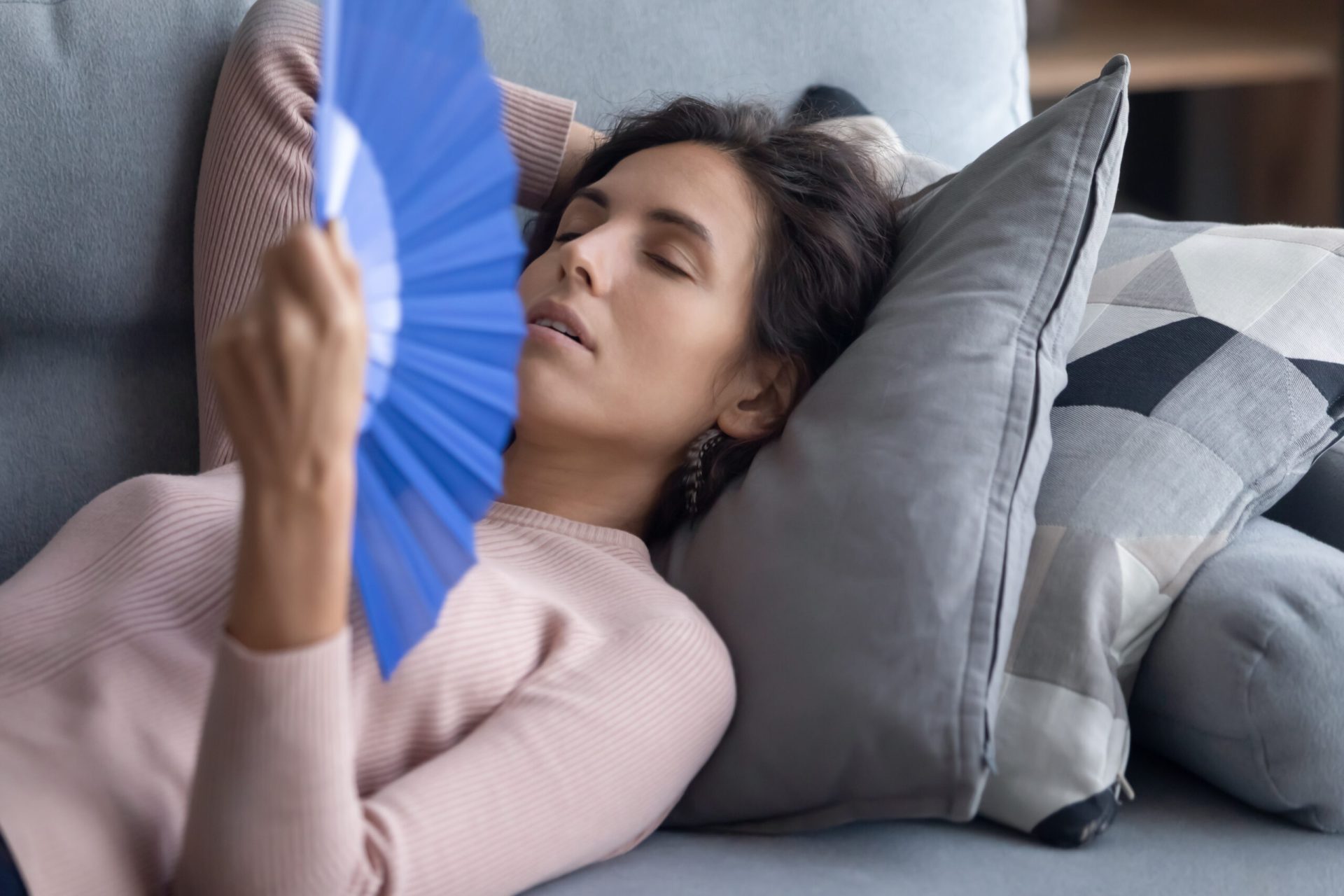
Natural-fibre pocket-spring mattresses work in the opposite direction. Wool fibres have a natural crimp structure that creates air pockets within the material, which allows moisture to pass through and heat to dissipate. Horsehair has a hollow structure that promotes ventilation. The spring unit itself creates air channels throughout the mattress. The result is a sleeping surface that actively moderates temperature rather than accumulating it.
This is not a marginal difference for hot sleepers. We hear from customers regularly who describe their memory Foam mattress as the primary cause of disturbed sleep, night sweats, and feeling unrested in the morning. The solution in almost every case is to remove the Foam, not to add cooling technology on top of it.
Lifespan: what the industry does not tell you
Memory Foam mattresses are frequently marketed with 10-year guarantees. The guarantee covers structural defects, which in practice means it covers the base Foam collapsing. It does not cover the gradual degradation of the comfort layers, which are what you actually sleep on and determine how the mattress feels.
Memory Foam comfort layers lose their ability to recover their original shape over time. The cells in the Foam break down through the repeated compression and release of nightly use.
Within five to seven years, a memory Foam comfort layer typically provides noticeably less cushioning than it did when new. We’ve even heard from consumers whose memory foam mattresses have lasted a mere 3 years before indentations and settling make them unusable, as they get stuck in the same ‘hollow’ each night.
The mattress in this instance has not broken in any way the manufacturer would acknowledge, but it feels significantly different and is no longer doing the job it was bought to do. As the foam compresses beyond the point of no return.

A quality two-sided pocket-spring mattress with natural-fibre upholstery behaves differently. Natural fibre comfort layers compress initially and then stabilise. Wool, Horsehair, and Horsetail are resilient materials that do not break down at the cellular level the way synthetic Foam does. Regular rotation and flipping distribute wear evenly across both sleeping surfaces, considerably extending the effective life. A well-made two-sided natural fibre mattress should continue to perform well for 12 to 20 years with proper care, compared to five to eight years for most memory Foam models.
To get the most from a pocket spring mattress, rotate it head-to-toe every three months and flip it every six months on a two-sided model. A good mattress protector extends the life of the upholstery layers. These steps take minutes and add years. A memory foam mattress should be rotated every three to four months, but cannot be flipped, meaning all the wear accumulates on a single surface, regardless of how diligently you turn it.
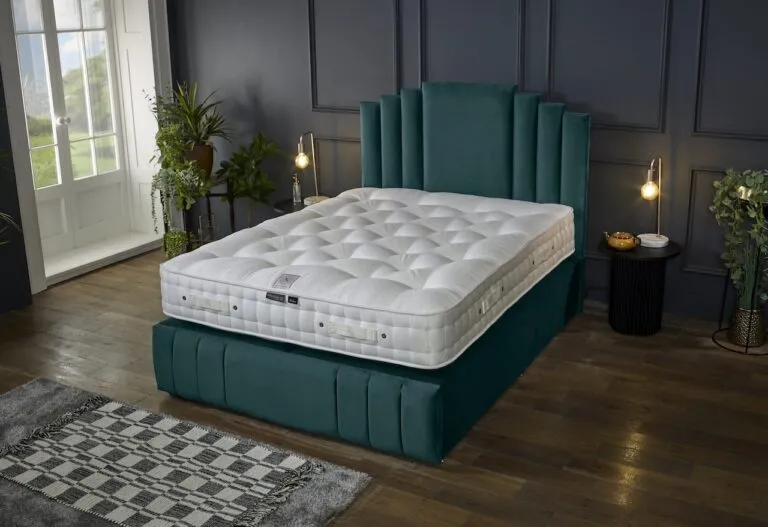
When you calculate the cost per night across a realistic lifespan, a quality pocket spring mattress is typically cheaper than a memory foam mattress, not more expensive, despite the higher purchase price. A £2,000 mattress lasting 15 years costs approximately 37 pence per night. A £1,000 memory Foam mattress that lasts six years costs approximately 46 pence per night, and you face the disruption and expense of replacing it far sooner.
Memory Foam and the Environment
Memory Foam is made from polyurethane, a petroleum-derived synthetic polymer. Every stage of its production, from the extraction of the raw petroleum to the chemical processes that create the Foam, has a meaningful environmental cost. And at the end of its life, a memory Foam mattress cannot be recycled. The Foam and the synthetic cover materials go to landfill, where they sit for decades before breaking down into microplastics.
This is not a niche concern. The UK disposes of approximately seven million mattresses every year, and a significant proportion of those are synthetic Foam models. The scale of the landfill problem is substantial and growing as the bed-in-a-box Foam mattress market has expanded.
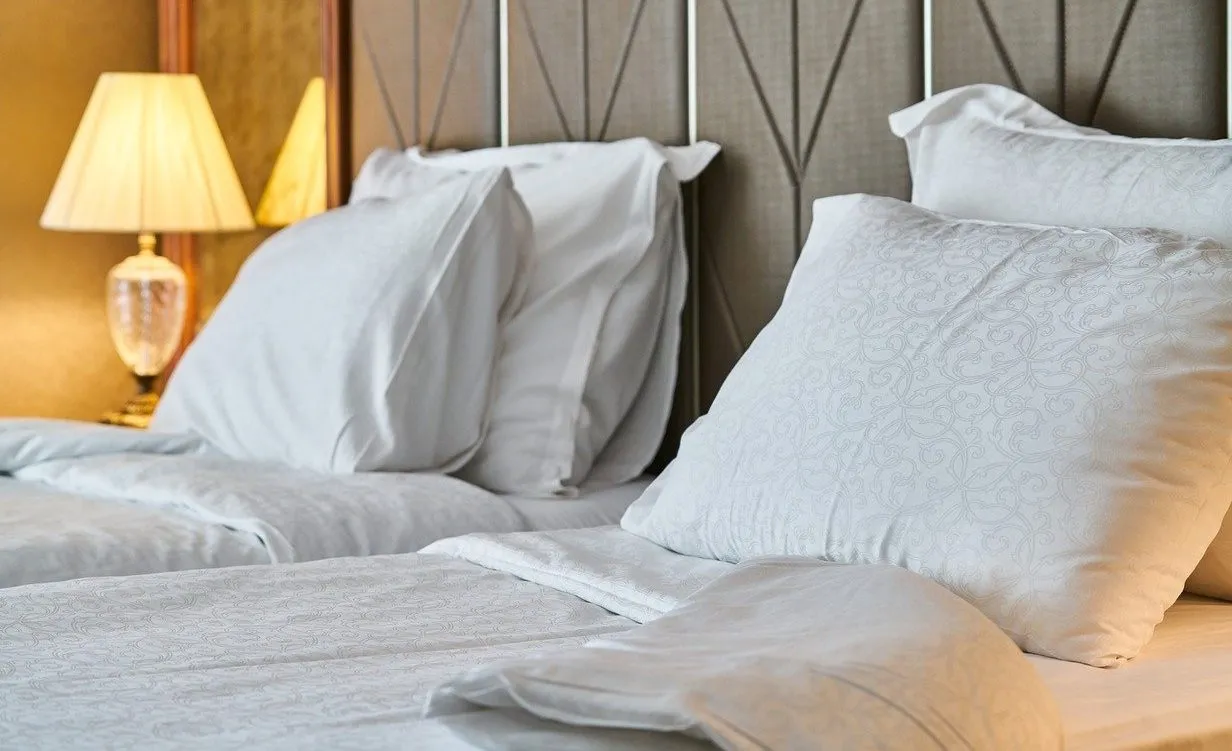
The components of a quality pocket spring mattress can be separated and recovered. Springs are recyclable steel. Natural fibres are biodegradable. Some specialist mattress recycling services can process the entire mattress. This is not a perfect situation, but it is meaningfully better than a product whose only end-of-life destination is a hole in the ground.
Movement and turning in bed
Memory Foam holds the impression of your body for several seconds after you move. This is the same property that makes it feel conforming and pressure-relieving. It is also the property that makes it physically harder to turn over in bed at night.
For most people, this is a minor inconvenience. For people with hip discomfort, shoulder pain, arthritis, or any condition that makes movement during sleep important, it is a genuine problem. Turning over on memory Foam requires you to push up out of the impression the Foam has created around you, which adds effort and resistance to a movement that should be effortless.
Natural Latex and natural fibre pocket spring mattresses both provide an immediate, buoyant response that makes turning over as easy as the movement itself requires.
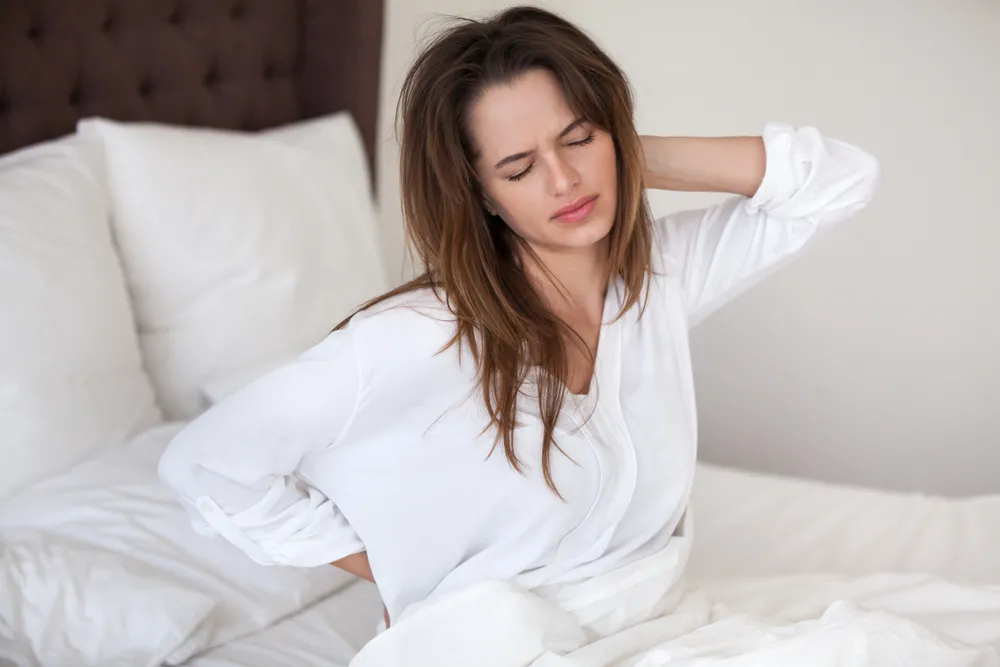
We hear from customers with arthritis, rotator cuff injuries, and hip conditions who describe memory Foam as making their night significantly worse because of the physical effort of moving positions. Removing the Foam invariably helps. This is not a theoretical distinction. It is a practical, nightly reality for anyone whose sleep involves regular position changes.
Back pain, hip pain, and shoulder pain
Memory Foam is frequently recommended for back and joint pain, as well as pressure-point issues. The rationale is that the moulding quality distributes weight evenly and reduces localised pressure. This reasoning is not entirely wrong, but it misses the most important variable: whether the mattress is appropriate for your bodyweight.
Memory Foam mattresses come in a single density. One size fits all.
There is no equivalent to the spring tension of a quality pocket spring mattress. A lighter person lying on a firm memory Foam mattress does not apply enough weight to compress the material properly, and the Foam effectively behaves like a firm surface that does not yield at pressure points. A heavier person on a soft memory Foam mattress may compress too deeply, losing spinal support. Neither outcome is addressed by the Foam itself, because there is no mechanism for adjustment.

A pocket spring mattress with spring tension matched to your bodyweight, combined with a generous natural fibre comfort layer, addresses pressure point pain through two distinct and adjustable mechanisms. Our guides to mattresses for hip pain and for shoulder pain cover the mechanics in detail. The core principle in both is the same: correct spring tension plus adequate natural fibre upholstery is a more effective and more durable solution than Foam alone.
What about hybrid mattresses?
Hybrid mattresses, combining pocket springs with memory Foam or gel Foam comfort layers, are heavily marketed as the best of both worlds. They are genuinely better than all-foam mattresses in terms of breathability and support, because the spring unit improves airflow and provides better spinal support than a Foam base layer. But they retain the fundamental problems of the Foam comfort layer: heat retention, slow response, and degradation over time.
There is one hybrid construction that we do think highly of: pocket springs combined with natural Talalay Latex.
Natural Latex is not the same material as memory Foam. It is a plant-derived, immediately responsive material that provides excellent pressure relief without the heat retention or slow recovery properties of memory Foam. Our Artisan Latex uses this construction, and we consider it a genuine upgrade rather than a marketing exercise.
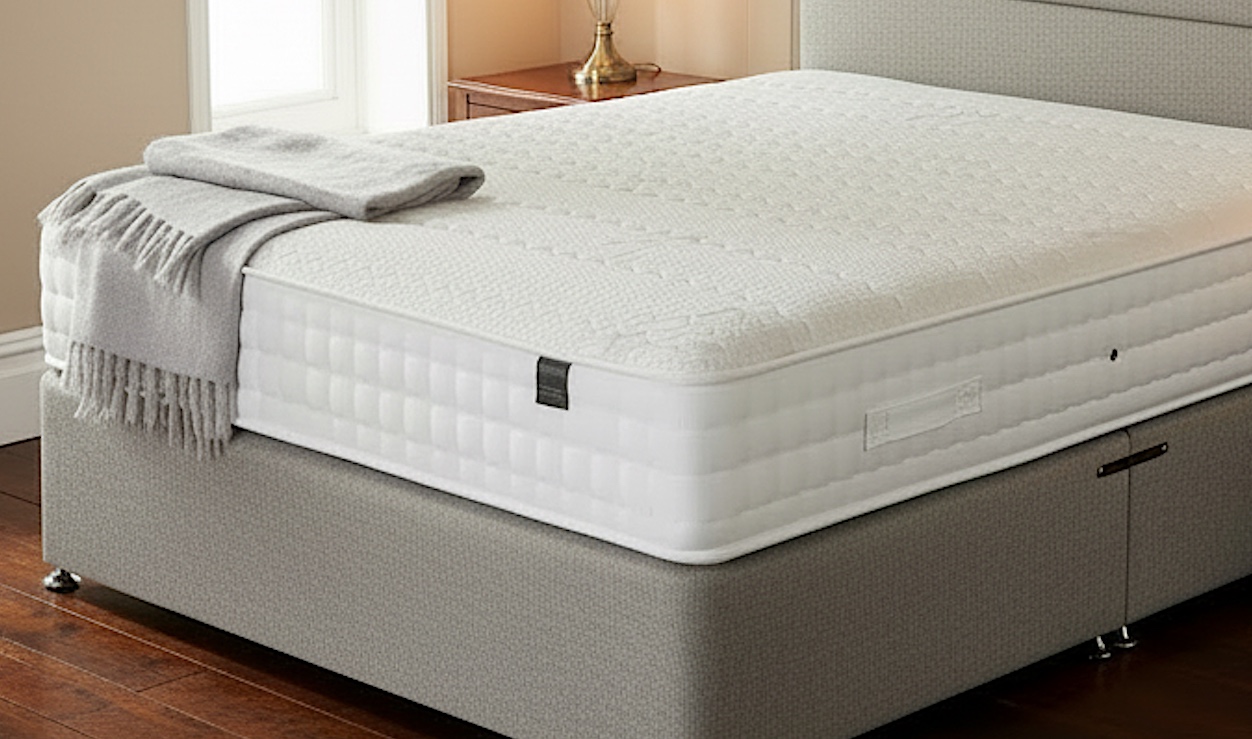
The pocket spring mattress with natural fibre upholstery is itself the original hybrid, combining engineered spring support with natural material comfort layers. This construction has been the standard method of quality British mattress-making for well over a century, and it outperforms the modern foam-and-spring hybrid on every measure that matters over a ten-year ownership period.
Who might still choose memory foam?
We will not pretend memory Foam has no use case. There are situations where it may be a reasonable choice.
If your budget is genuinely tight and you are choosing between a very cheap pocket spring mattress and a reasonably dense memory Foam mattress, the Foam may provide better initial pressure relief, since cheap pocket spring mattresses with thin synthetic fillings are not significantly better than Foam in practice. The argument for natural fibre pocket spring mattresses applies most strongly when the pocket spring mattress is high-quality, not the cheapest version of the type.

If you have a Latex allergy and sensitivities to natural fibres, including Wool, a synthetic Foam mattress removes those materials from the equation. However, this is a relatively narrow situation, and there are natural fibre alternatives that do not use Wool. Our Artisan Latex, for example, is entirely plant-based and Wool-free.
If you sleep very cold, the heat-retentive properties of memory Foam, which are a problem for most people, may actually be a benefit. Cold sleepers in poorly insulated bedrooms sometimes find Foam mattresses genuinely warmer and more comfortable on that basis alone.
Outside of these specific situations, a quality pocket spring mattress with natural fibre upholstery is the better choice in almost every material respect.
Our pocket spring mattress recommendations
These three models represent three distinct points on the price-and-specification spectrum. All prices are king size, as listed in our November 2025 price list.
Origins Latex Comfort
The Origins Latex Comfort is our recommended entry point for anyone moving away from memory Foam. It uses 6cm of 100% natural Talalay Latex over a choice of 1,500 or 2,000 pocket spring units. The Latex provides immediate, pressure-relieving cushioning that feels nothing like the slow-sink of memory Foam, combined with genuine airflow and temperature regulation that Foam cannot match. At £1,520 for a king size, it represents excellent value for anyone who has been sleeping on memory Foam and wants a meaningfully different, better experience without committing to the full Artisan price point.
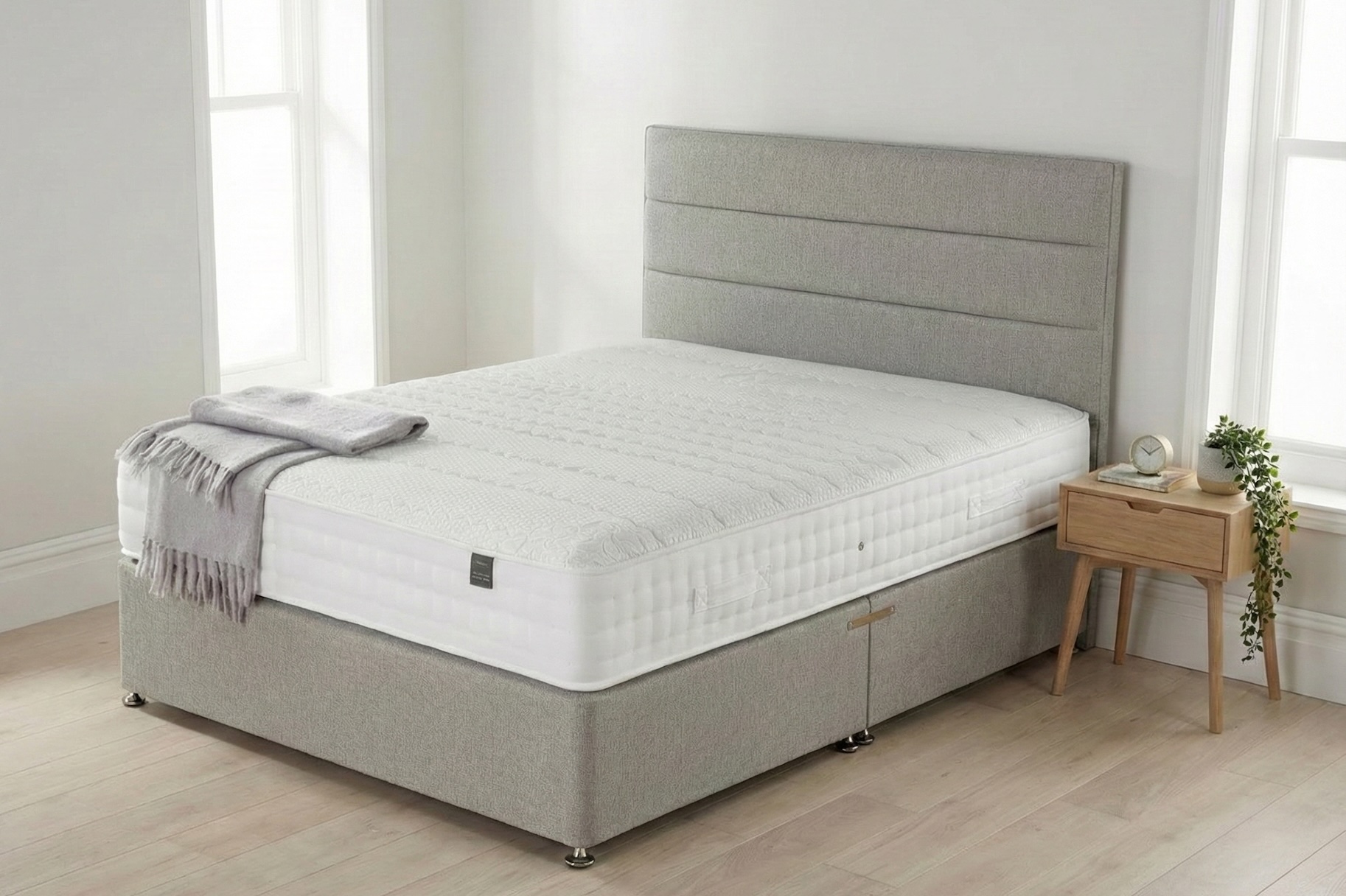
It is the model we most often recommend to customers who specifically say they want to move away from Foam, particularly those who have been sleeping hot or waking with shoulder or hip pressure. View the Origins Latex Comfort.
Artisan Naturals
The Artisan Naturals is our most consistently recommended model across all customer enquiries, and it is the clearest demonstration of what a quality handmade natural-fibre pocket-spring mattress delivers over a memory-foam alternative. It is built with deep layers of natural Wool, Cotton, Horsehair, and Horsetail upholstery over a hand-stitched calico pocket spring unit available in a full range of tensions to match your bodyweight. The upholstery provides substantial, resilient cushioning at the pressure points. The springs provide genuine, weight-appropriate spinal support.
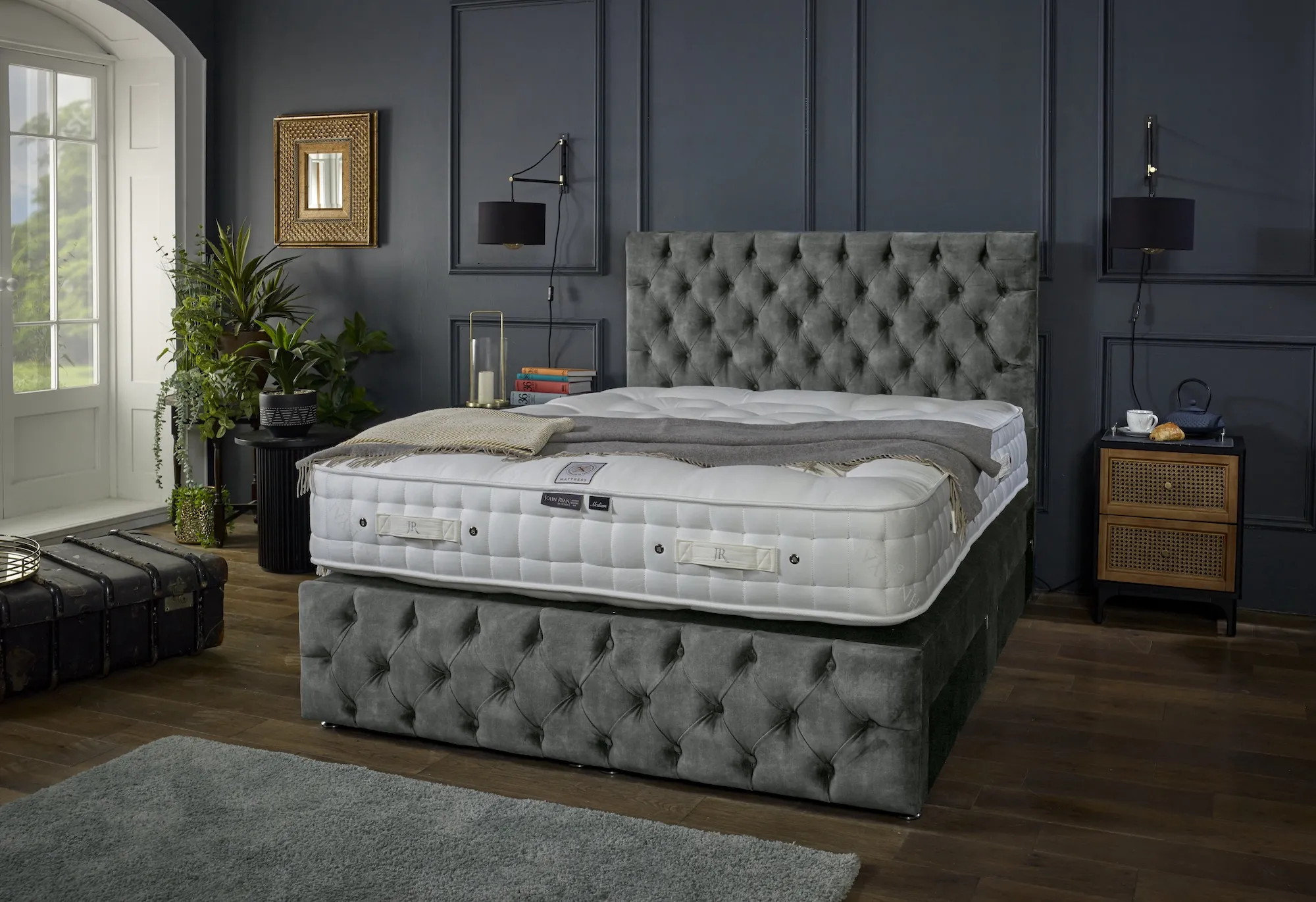
It is two-sided and hand-tufted. You can rotate and flip it to distribute wear evenly across both surfaces, which is why it lasts significantly longer than any one-sided Foam mattress regardless of Foam quality. King size from £2,180. View the Artisan Naturals.
Artisan Latex
The Artisan Latex is our premium natural Latex pocket spring mattress. It contains 3,150 GSM of 100% natural plant-based fillings, including 200 GSM Bamboo, 1,500 GSM Rebound Cotton, 3cm of graphite-free Talalay Latex, 450 GSM Organic Flax, and 1,000 GSM Coir Coconut fibre as an insulator, over a 1,500-count calico-encased pocket spring unit. The cover is a chemical-free Damask using plant-based fire retardancy, making it fully vegan.
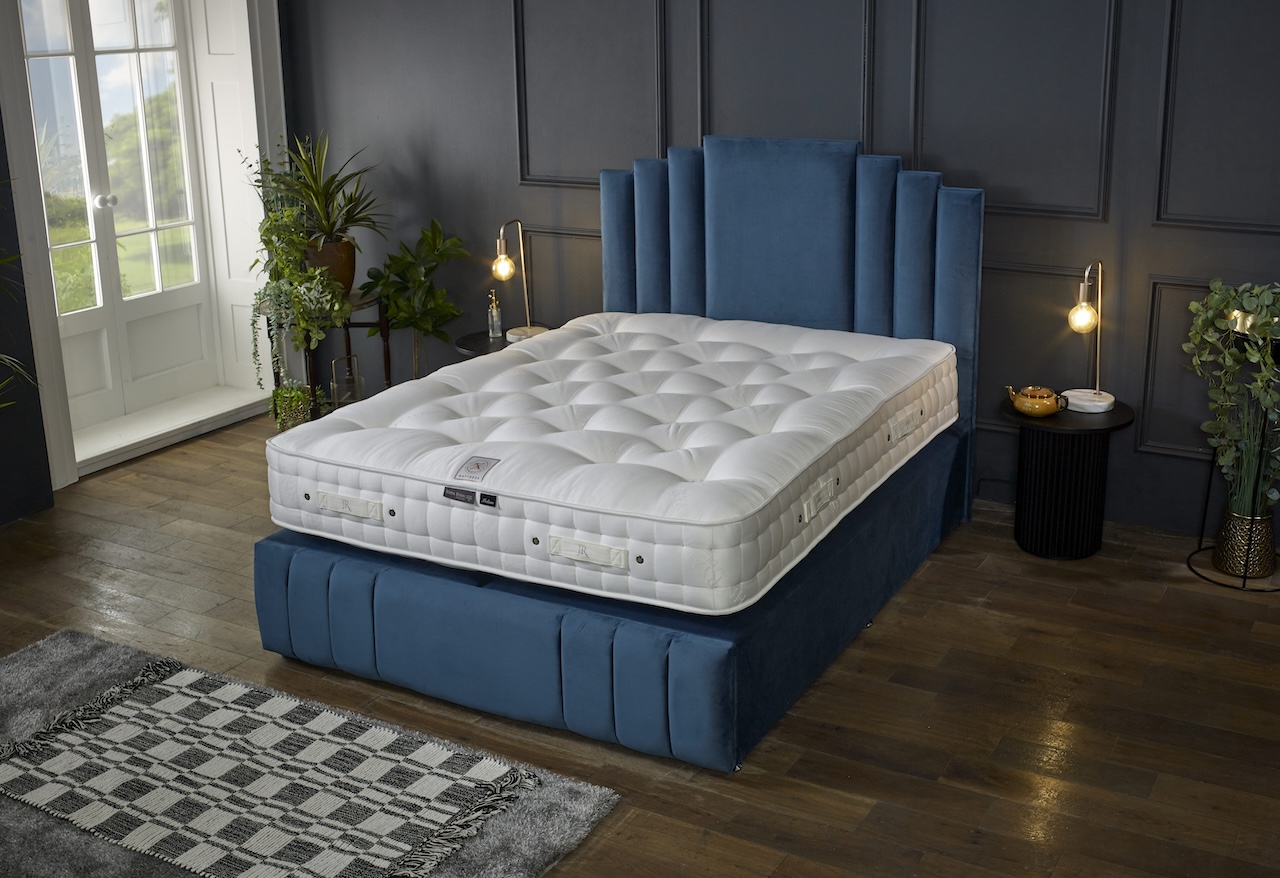
The Talalay Latex comfort layer provides the most responsive and buoyant pressure relief of any model in our range, making it particularly effective for people with hip arthritis, shoulder conditions, or any situation where ease of movement during sleep matters. It is the natural answer to the question “what if I want the pressure relief of memory Foam without the heat, the chemicals, or the environmental damage?” King size from £2,250. View the Artisan Latex.
| Model | Best for | Comfort type | King size price |
|---|---|---|---|
| Origins Latex Comfort | Moving from memory Foam, hot sleepers, side sleepers | 100% natural Talalay Latex, 6cm | £1,520 |
| Artisan Naturals | Natural fibre, long-term investment, most sleeper types | Wool, Cotton, Horsehair, Horsetail | £2,180 |
| Artisan Latex | Pressure relief, joint conditions, vegan, plant-based | Natural Talalay Latex plus natural plant fibres | £2,250 |
If you would like advice on which model and spring tension is right for your weight and sleeping position, call us on 0161 437 4419. Getting the spring tension right for your bodyweight is what makes the difference between a mattress that feels good and one that genuinely solves the problem. It is a conversation we are happy to have before you order anything.
Frequently asked questions
Is a pocket spring mattress better than memory Foam?
For most people, yes. A quality pocket spring mattress with natural fibre upholstery and spring tension matched to your bodyweight outperforms memory Foam on heat regulation, longevity, ease of movement, environmental impact, and long-term value. Memory Foam has a role in specific situations, but as a general recommendation for most sleepers, a well-made pocket spring mattress is the better choice.
Which is better for side sleepers, pocket spring or memory foam?
A pocket spring mattress with a soft-to-medium natural fibre comfort layer is the better choice for most side sleepers. It provides immediate pressure relief at the shoulder and hip without the heat retention or slow response of memory foam. Lighter side sleepers in particular often find memory foam too firm to compress properly at the pressure points, leaving them in discomfort. The spring tension should be matched to your bodyweight to ensure the comfort layers can do their job correctly.
Are pocket spring mattresses good for couples?
Yes, particularly if you and your partner have different bodyweights. Pocket springs operate independently, which reduces motion transfer significantly compared to all-foam mattresses. More importantly, a quality pocket spring mattress can be built with different spring tensions on each side, matched individually to each partner’s weight. Memory foam offers no equivalent. Our zip-and-link guide covers the options for couples with genuinely different requirements in full.
Why does memory Foam get so hot?
Memory Foam requires body heat to activate, which means it accumulates and retains your warmth throughout the night rather than releasing it. The dense, closed-cell structure of the Foam prevents the airflow that natural fibres and spring units allow. Gel infusions and open-cell modifications reduce this problem at the margins but do not fundamentally alter the material’s heat-retentive nature. Natural fibre pocket spring mattresses actively regulate temperature through the moisture-wicking and breathable properties of Wool, Horsehair, and similar materials.
How long does a memory foam mattress actually last?
The honest answer is five to eight years before meaningful degradation of the comfort layer, despite being marketed with 10-year guarantees. The guarantee typically covers structural defects in the base Foam rather than the progressive softening and loss of recovery in the comfort layers, which is what you actually notice. A quality two-sided natural-fibre pocket-spring mattress lasts 12 to 20 years with regular rotation and care.
Do pocket spring mattresses make noise?
Quality calico-encased pocket springs are completely silent, because each spring moves independently within its own fabric pocket and never contacts the springs around it. The creaking noise associated with older spring mattresses comes from open-coil or continuous-coil systems where the springs are interconnected. A well-made pocket spring mattress should be as silent as a memory foam mattress throughout its life.
Can memory Foam be recycled?
No. Memory Foam is a petroleum-derived polyurethane Foam and is not currently recyclable in any mainstream sense. At the end of its life, it goes to landfill. The UK disposes of approximately 7 million mattresses every year, and synthetic Foam mattresses account for a significant proportion of that total. Natural fibre pocket spring mattresses are meaningfully better on this measure: the springs are recyclable steel and the natural fibres are biodegradable.
Is memory Foam good for back pain?
Memory Foam can help some people with back pain, particularly average-weight back sleepers who compress the Foam enough for it to mould around the lumbar region. However, memory Foam offers no mechanism for matching spring resistance to bodyweight, which means lighter individuals often find it behaves as a firm, unyielding surface rather than a pressure-relieving one. A pocket spring mattress with spring tension specifically matched to your weight provides more reliable and adjustable spinal support for a broader range of body types.
What is the difference between memory Foam and Latex?
Memory Foam is a synthetic petroleum-derived Foam that responds slowly to pressure and heat, retaining body warmth and holding the shape of your body for several seconds after you move. Natural Latex is a plant-derived material tapped from rubber trees that responds immediately to pressure with a buoyant, springy feel and releases heat rather than retaining it. The two materials feel very different to sleep on. Latex is the natural, responsive, and breathable alternative to memory Foam that most people are actually looking for when they are drawn to the pressure-relief concept.
Can I put a mattress topper on a pocket spring mattress?
Yes. A natural fibre or natural latex topper on a pocket spring mattress is a good combination, either to add surface comfort to a mattress that is firm in its upholstery, or to extend the life of a mattress that has lost some surface cushioning over time. We do not recommend adding a memory foam topper to a pocket spring mattress, as it reintroduces the heat retention and slow response that make foam uncomfortable in the first place. Our luxury mattress toppers are worth looking at if this is relevant to your situation.
Why does John Ryan not sell memory foam mattresses?
Because we do not think they serve our customers as well as natural fibre pocket spring mattresses, and we are not willing to sell something we would not recommend. Memory Foam overheats, degrades faster than its guarantees suggest, cannot be recycled, and provides a fixed density that cannot be matched to the individual sleeper’s bodyweight. Every customer who has come to us after sleeping on memory Foam for several years and moved to a natural fibre pocket spring mattress has told us the difference was significant. We would rather build something that lasts and works than something that sells easily.

Dreaming of the perfect nights sleep?
Ask us a question
There are over 6000 questions and answers submitted by you on all questions about mattresses and bed problems. Enter a keyword such as Vi Spring, John Lewis beds, bad back or Memory Foam and see if your question has already been answered.
If you can’t find an answer in knowledge hub, ask a new question. We aim to respond to all questions within one working day.
Newsletter
Enter your email to join our newsletter. We’ll send you occasional news and mattress expertise.