







Springs
March 2026What is a mattress Spring Insulator layer?
When you start comparing mattresses properly, you quickly discover that headline figures like spring count and mattress depth only tell part of the story. The detail that separates a genuinely well-made mattress from one that simply looks good on paper is often found in a layer most shoppers have never heard of: the spring insulator. Understanding what it is, what it does, and what it should be made from is one of the most useful tools you can have when shortlisting your next mattress.
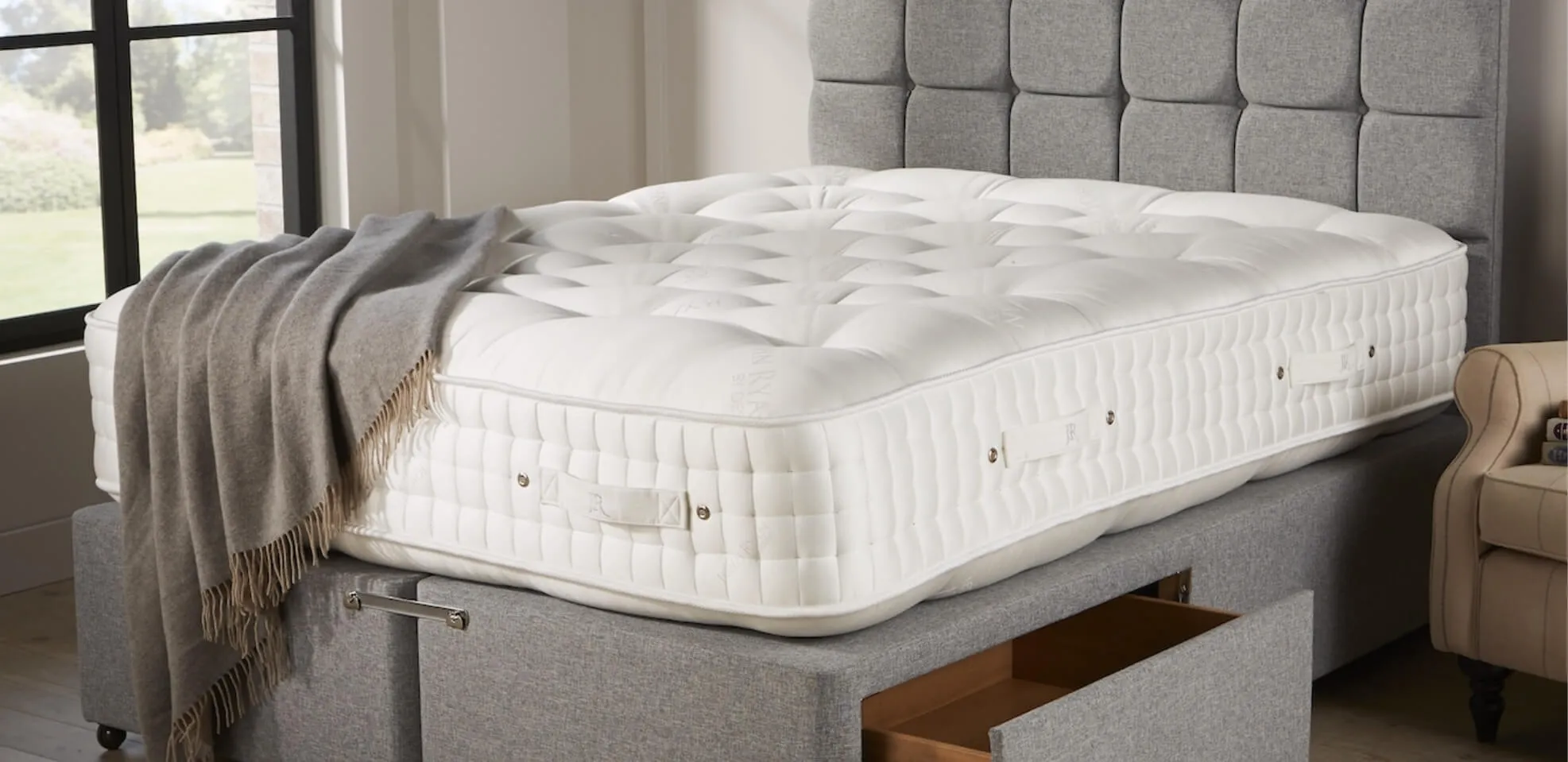
This guide explains the spring insulator layer in full: how it works, which natural fibres perform best in this role, what cheaper mattresses use instead, and why it has such a direct bearing on the long-term comfort and longevity of your bed. We also walk through two of our own mattresses, the Artisan 1500 and the Artisan Bespoke 004, so you can see exactly how a quality insulator layer looks in practice, with the full GSM specification to back it up.
What is a mattress spring insulator?
A mattress spring insulator is a layer of material positioned directly on top of the pocket spring unit, sitting between the spring support layer and the softer upholstery comfort layers above it. Its job is to bridge those two very different zones of the mattress, acting as a physical and structural buffer that prevents the finer comfort fibres from migrating downwards into the gaps between the springs. Without it, the upholstery above has nowhere stable to sit, and the results become apparent surprisingly quickly in the form of lumps, uneven surfaces, and premature compression.
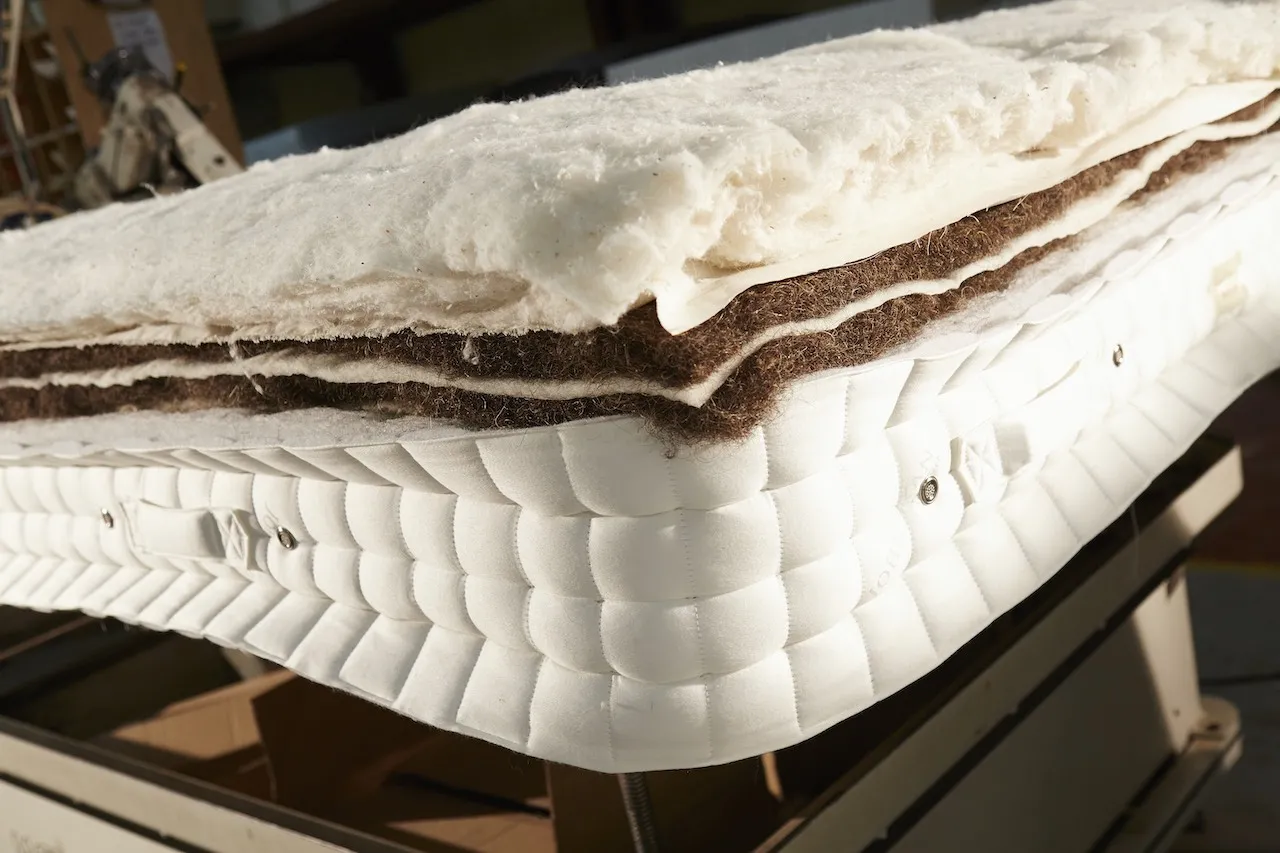
The insulator also softens the transition between the firm, mechanical response of the springs and the yielding comfort of the fibres above. A good insulator contributes to the overall feel of the mattress in ways that are difficult to isolate but immediately noticeable when it is absent or poorly specified. Think of it as the foundation layer of the entire comfort system: get it right and everything above performs better and lasts longer.
The insulator is usually a Foam layer in cheaper, entry-level mattresses or a coarse natural fibre in higher-quality models. The difference in long-term performance between those two approaches is considerable, and understanding it is key to making a genuinely informed mattress purchase.
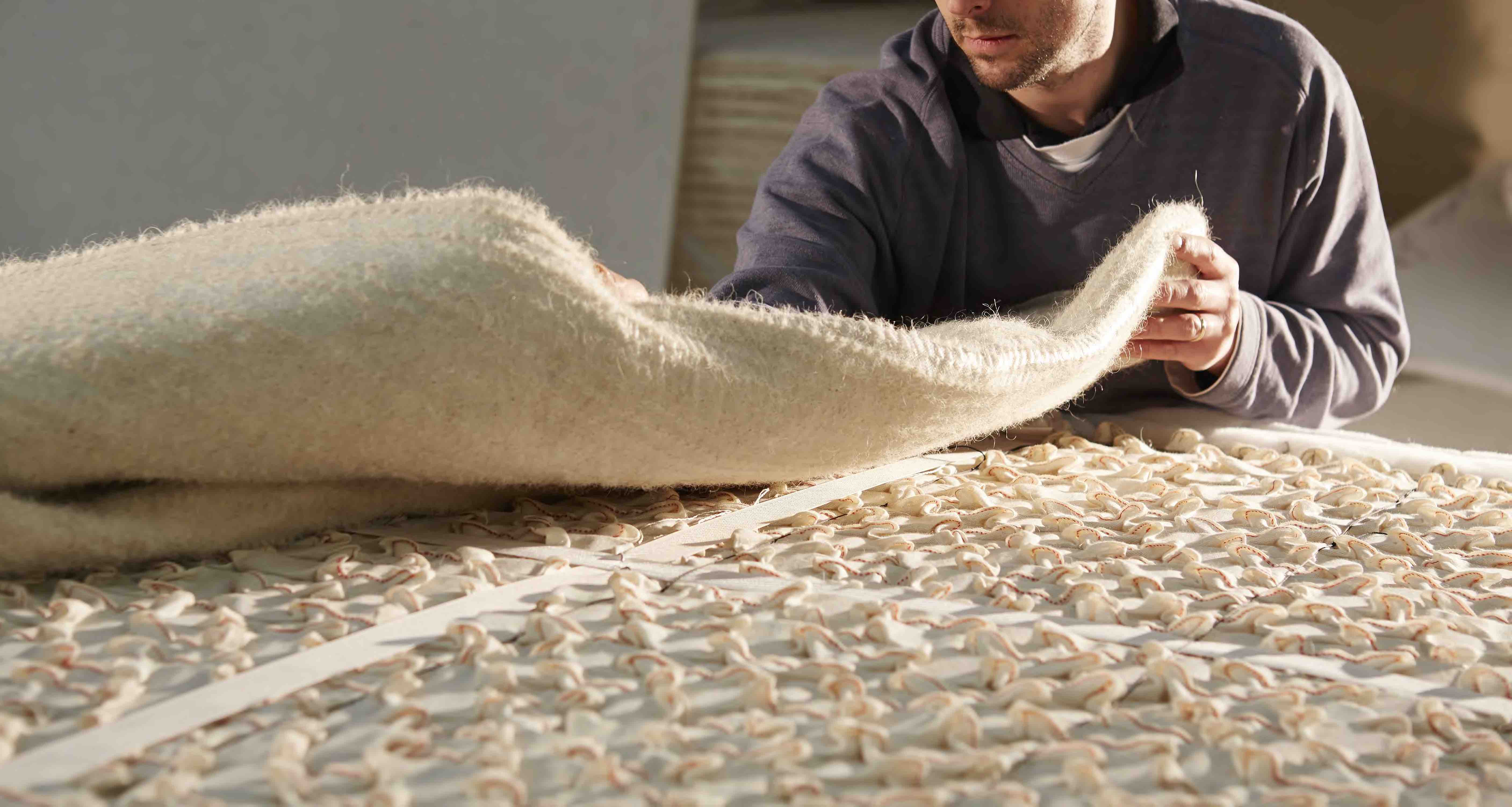
Why the insulator matters more than most retailers admit
Most mattress retailers, when asked about construction, will talk about spring count, mattress depth, and the headline comfort fibres. The insulator layer is rarely mentioned proactively, and there is a reason for that: a cheap Foam insulator costs a fraction of what a quality natural fibre insulator costs, and a retailer who is not being transparent about their specification has little incentive to draw your attention to where they have made savings.
The consequences of a poor insulator are not always immediately visible when you first lie on a mattress in a showroom. A thin Foam pad feels perfectly adequate underfoot. But over months and years of regular use, a Foam insulator compresses, loses its integrity, and allows the comfort fibres above it to shift and settle unevenly. What felt consistent on day one develops into a mattress with irregular firmness, compressed zones, and the kind of body impressions that prompt people to start mattress shopping again far sooner than they should.
A natural fibre insulator behaves entirely differently. Fibres such as Coir, Mohair, Hemp, and coarse Cashmere have inherent resilience that allows them to compress under load and recover overnight. They maintain their structure across years of use. They also breathe, which means the spring unit below and the comfort layers above can both ventilate properly, keeping the mattress cooler and more hygienic over its lifetime.
What fibres make the best spring insulators?
The most effective natural fibre insulators all share a common characteristic: they are coarser and denser than the comfort fibres above them, which gives them the structural rigidity needed to hold the upholstery in place while still allowing the mattress to breathe and respond naturally. Here are the key ones to look for, and what each brings to the insulator role.
Coarse Cashmere
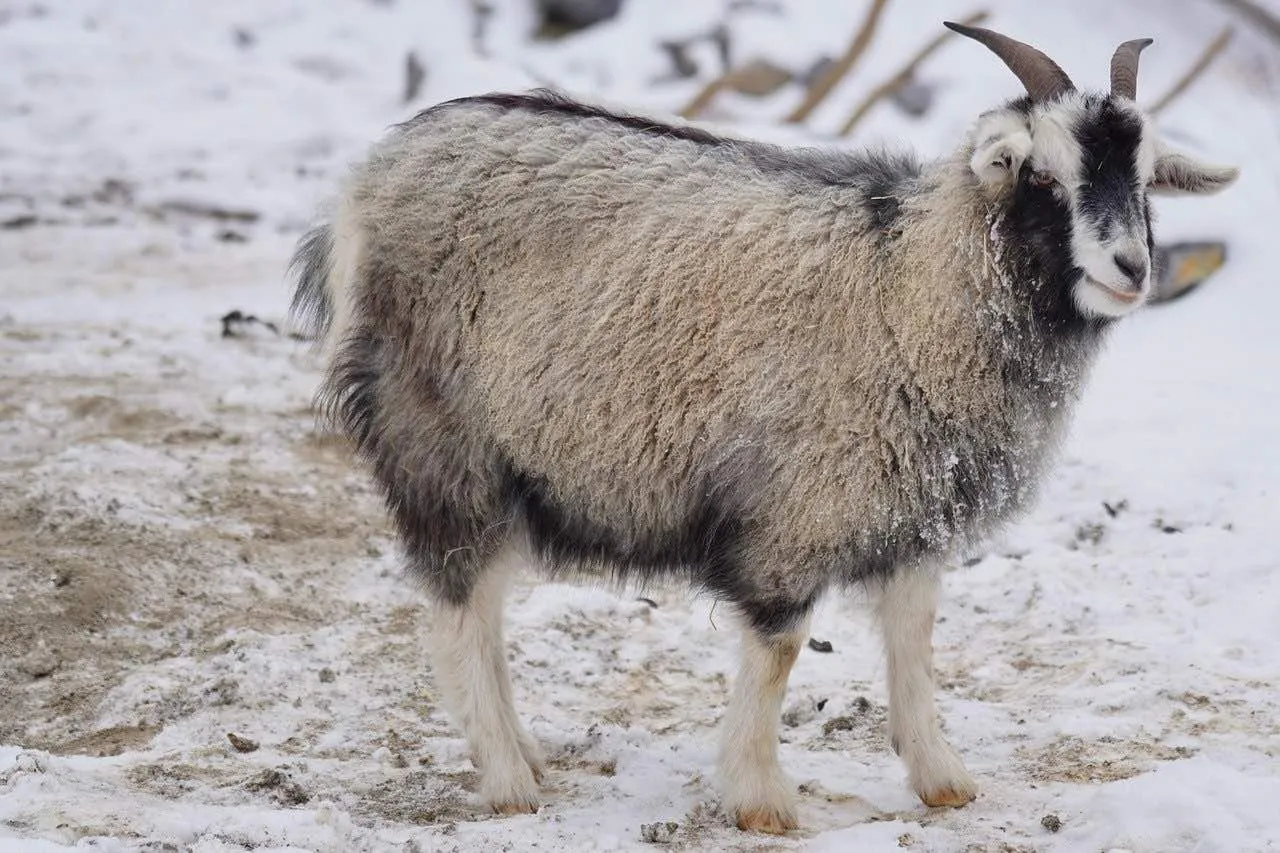
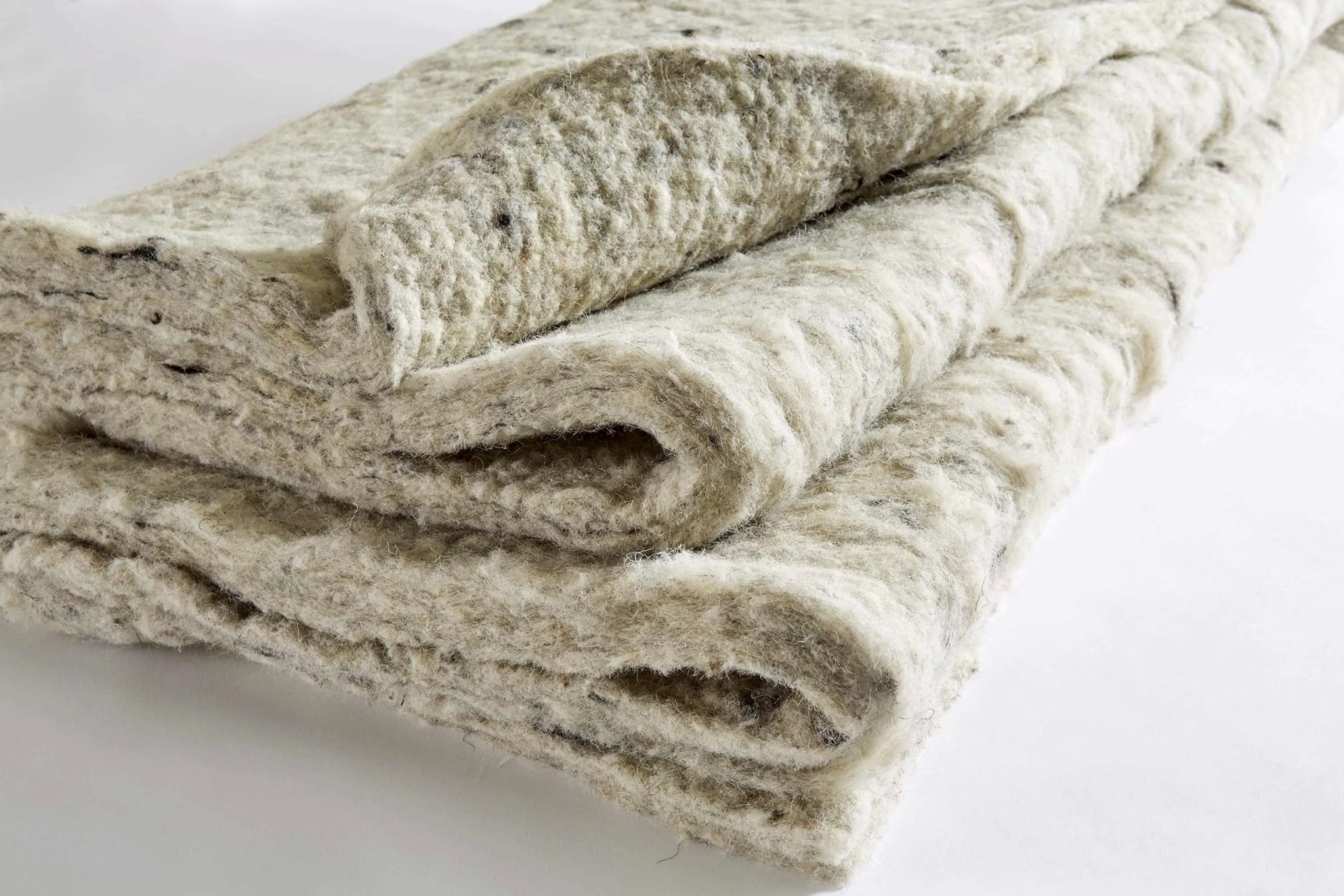
Coarse Cashmere is one of the finest natural insulators used in premium mattress construction, and it is the material we use in our Artisan 1500. It is important to distinguish between the soft Cashmere used in comfort layers and the coarser grade used in insulator applications. Coarse Cashmere has a structural density that makes it exceptionally effective at holding the comfort fibres above it in position. At the same time, its natural elasticity means it recovers its loft overnight rather than slowly compressing to a flat pad over time. It also breathes exceptionally well, contributing to temperature regulation across the full mattress depth.
Coir (Coconut Fibre)
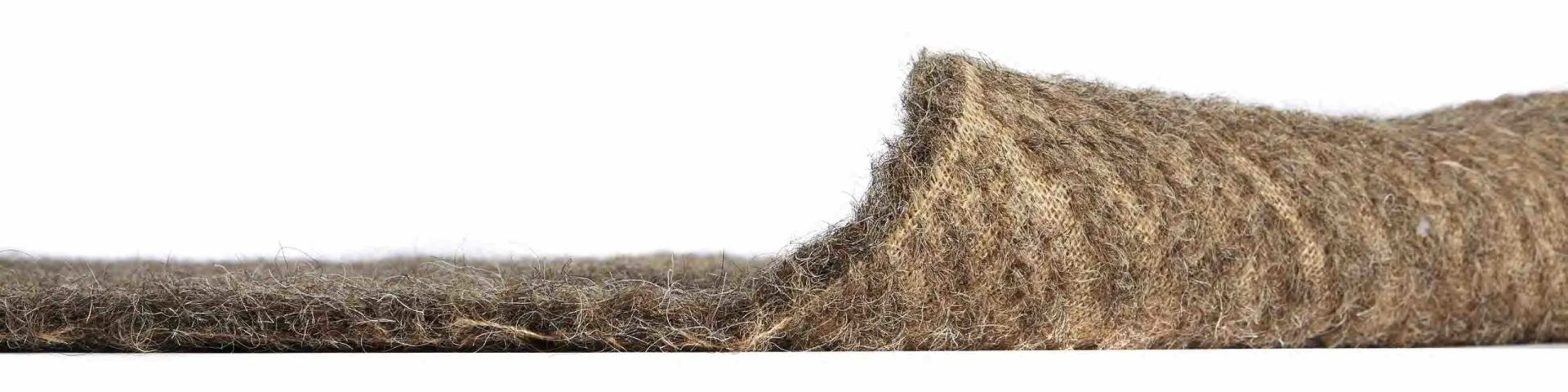
Coir is the outer fibre derived from the husk of ripe coconuts, and it has been used in mattress construction for well over a century for good reason. Its high lignin content makes it extraordinarily tough and resistant to compression, while its fibrous, open structure allows air to circulate freely. Coir has a natural spring-like quality similar to Horsehair, meaning it pushes back against load rather than simply compressing under it. We use Coir as the insulator layer in our Artisan Latex and Artisan Bespoke 003 models, alongside Hemp, which also makes it ideal for vegan mattress constructions.

Mohair
Mohair, derived from the fleece of Angora goats, is a long, lustrous fibre with considerable natural strength. In an insulator role, it provides a resilient, breathable barrier that holds its form well under sustained pressure. Its natural crimp gives it a springy character that resists the kind of flat compression that cheaper insulators are prone to over time. Mohair in the insulator position also adds a subtle warmth-regulating quality to the mattress, drawing moisture away from the comfort layers above.
Hemp and Flax
Hemp and Flax are plant-based fibres that have found increasing use in premium mattress construction, particularly where a fully natural or vegan specification is required. Both are dense, breathable, and highly resistant to deterioration over time. Hemp, in particular, has a natural stiffness that makes it well-suited to the structural demands of an insulator layer, holding the upholstery above it firmly in place without the use of any synthetic binders or foams.

Wool (in softer mattress constructions)
In softer mattresses, Wool can be used as an insulator material where the specification calls for a gentler transition between the springs and the comfort layers. Wool’s natural crimp and elasticity allow it to compress and recover, and its breathability is unmatched among natural fibres. It is worth noting that Wool in the insulator position is a different grade and weight from the finer Wool used in the comfort layers above it, chosen for its structural properties rather than its tactile softness.
What cheap insulators look like, and why you should avoid them
At the lower end of the market, Foam is the default insulator material. A thin layer of polyurethane or rebound Foam is placed directly on top of the spring unit, and from a manufacturing perspective, it is fast, cheap, and consistent. From a sleep quality perspective, it is considerably less impressive. Foam insulators have no natural breathability, which means the spring unit beneath and the fibres above are partially sealed from one another, trapping warmth and reducing the mattress’s ability to ventilate itself overnight.
Recycled grey fibre, which you will sometimes find listed in entry-level mattress specifications, is worth a specific mention because it sounds neutral but is actually a warning sign. It is typically a blend of waste synthetic fibres compressed into a pad, with minimal resilience and poor breathability. It will compress quickly and unevenly, and it provides none of the structural support that a quality natural fibre insulator offers to the comfort layers above it.
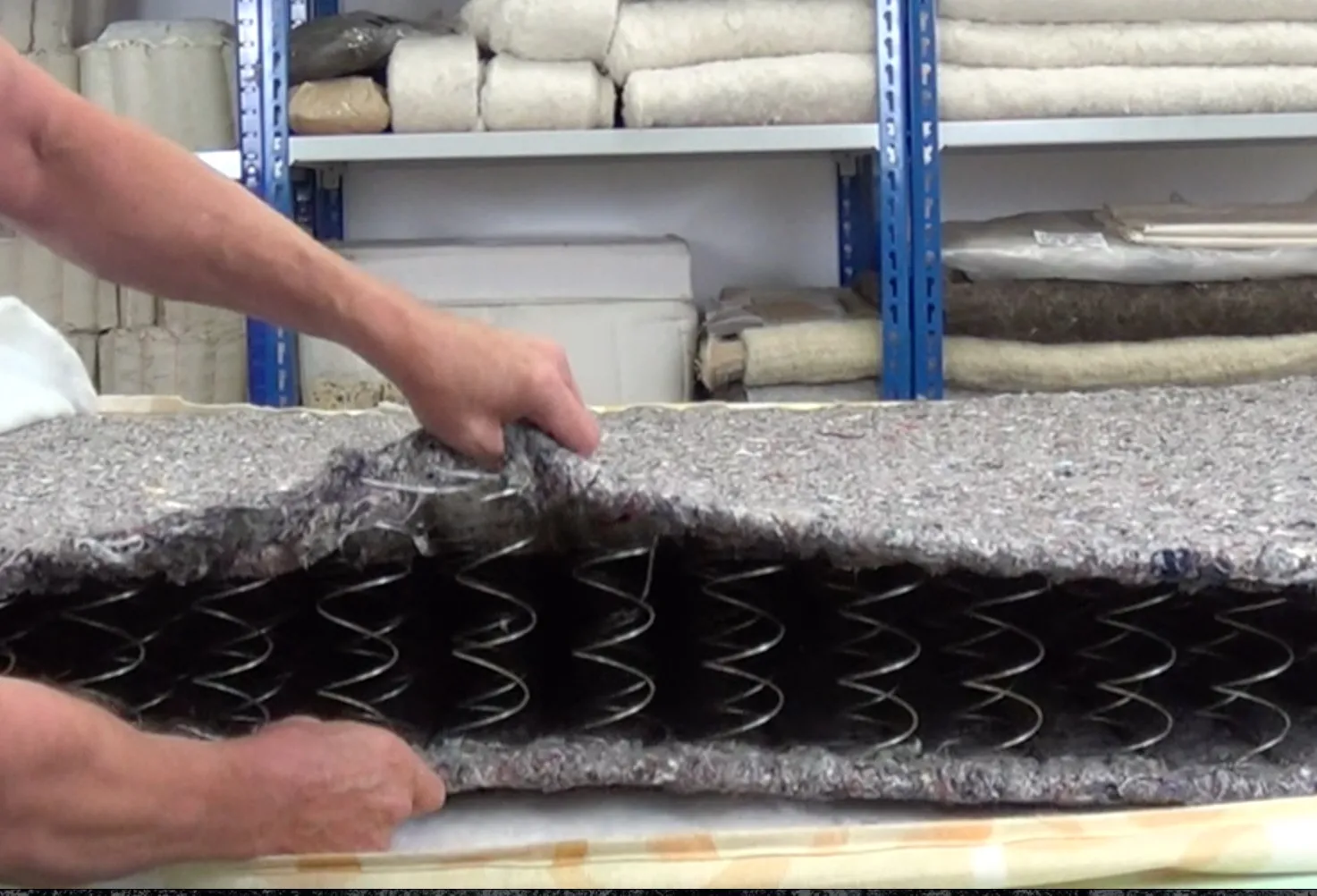
Any honest mattress retailer should be able to tell you what the insulator in their mattress is made of and provide its full GSM weight. If they cannot answer that question, or if they look puzzled by it, that tells you something important about the transparency of their specification and the likely quality of the components they have chosen. We publish every layer of every mattress we make, including the insulator, in full GSM detail, because we believe you deserve to know exactly what you are buying before you spend a penny.
The insulator layer and fibre migration: what actually goes wrong
To understand why the insulator matters so much in practice, it helps to think about what happens inside a mattress over time when it is absent or poorly specified. A pocket spring unit has gaps between each spring. Those gaps, viewed directly from above, are perfectly capable of accepting fine fibres from the comfort layers above if nothing prevents their migration downwards.
Over weeks and months, as body weight and movement increase, the finer comfort fibres, particularly Wool and fine Cotton, will gradually work their way into those gaps if the insulator layer is insufficient. The result is a mattresswiths uneven, lumpy areas corresponding to gaps in the spring formation. The comfort fibres have not disappeared; they have simply redistributed themselves into a less useful position. No amount of turning or rotating will correct this once it has happened, which is why getting the insulator right from day one is so important for the mattress’s long-term performance.
A quality natural fibre insulator, correctly specified and with sufficient GSM weight, sits firmly across the top of the spring unit and provides a consistent, stable surface for the comfort layers to compress against. The finer fibres above it remain in place, compressing and recovering as intended, maintaining the mattress’s even surface and consistent feel throughout its full lifespan.
Two mattresses that get the insulator layer right
Rather than leaving this as a purely theoretical discussion, we want to show you exactly what a properly specified insulator layer looks like in practice. Both of the mattresses below use natural fibre insulators whose specification we publish in full, and both are two-sided, meaning you turn them regularly. Both sleep surfaces benefit from the same quality of construction.
Artisan 1500
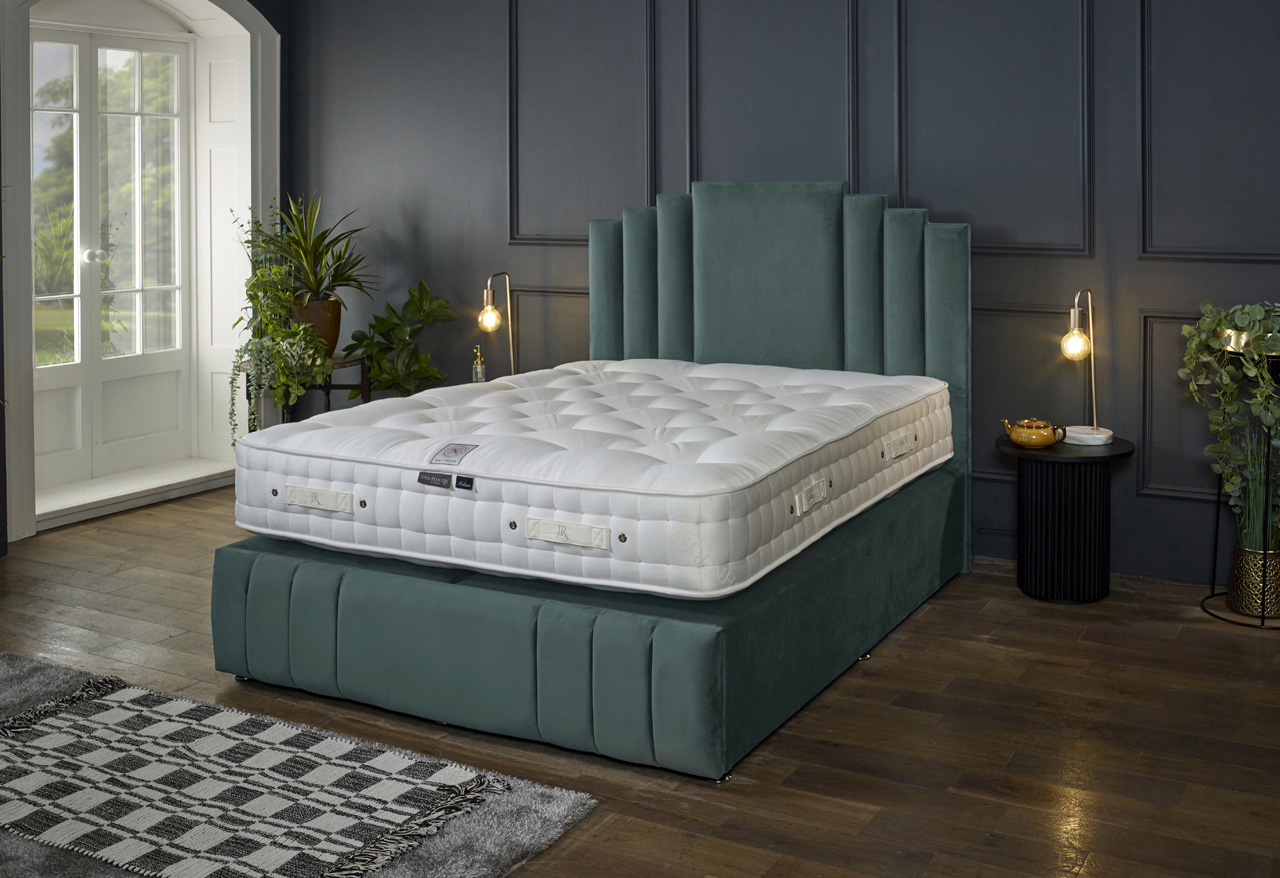
The Artisan 1500 uses a 1,200gsm Coarse Cashmere Hair Pad as its insulator, sitting directly on top of 1,500 spun-bond pocket springs. This is the layer that many mattresses at similar and even higher price points simply do not include at this specification. The Cashmere insulator provides a firm, breathable, resilient bridge between the spring unit and the upholstery layers above, holding everything in position and allowing the comfort fibres to do their job properly throughout the life of the mattress.
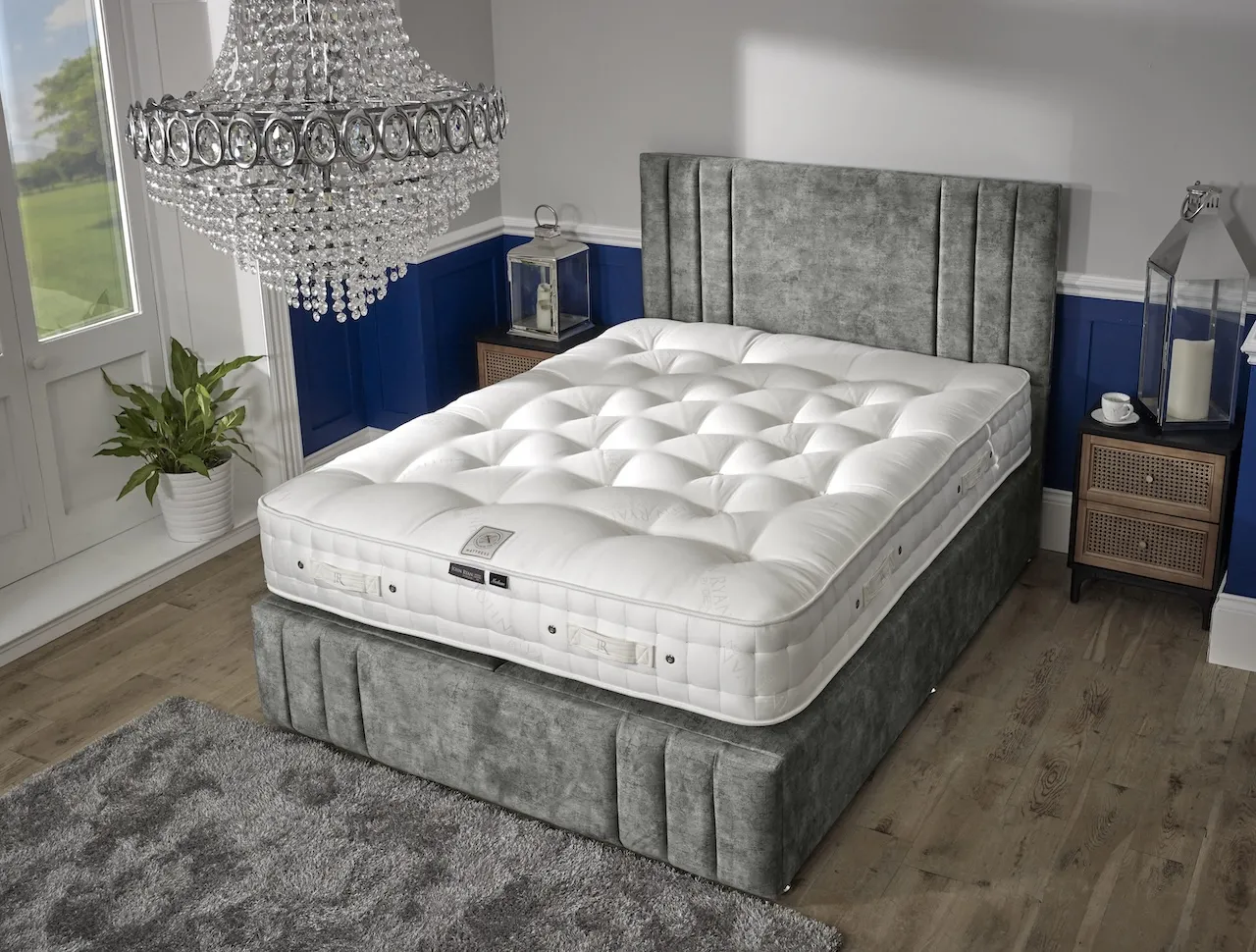
The full upholstery specification of the Artisan 1500 builds upward from that Cashmere insulator through 500gsm of Wool at the sleep surface, supported by two layers of 600gsm rebound polycotton blend and two layers of 700gsm polyester, giving a total upholstery GSM of 4,300gsm across a mattress depth of 27 to 30cm. The 1,200 gsm Cashmere insulator accounts for nearly a third of the total upholstery weight, underscoring the structural importance we place on this layer.
| Layer | Material | GSM |
|---|---|---|
| Sleep surface | British Wool | 500gsm |
| Comfort layer | Rebound polycotton blend (x2) | 1,200gsm |
| Comfort layer | Polyester (x2) | 1,400gsm |
| Insulator | Coarse Cashmere Hair Pad | 1,200gsm |
| Spring unit | 1,500 spun-bond pocket springs | — |
| Total upholstery GSM | 4,300gsm |
At £1,755 for a king-size, the Artisan 1500 sits at a price point where most manufacturers have long since replaced natural fibre insulators with Foam alternatives. The Cashmere insulator here is not a premium add-on; it is a structural decision that directly affects how this mattress performs and how long it lasts.
Artisan Bespoke 004
The Artisan Bespoke 004 takes the insulator principle further, combining it with fully calico-encased pocket springs and a complete natural fibre upholstery stack. The spring unit uses 1,600 calico-encased pocket springs at 49mm and 1.4mm gauge, hand-stitched throughout with no glue at any point in the construction. Directly above those springs, 1,000gsm of bonded British Fleece Wool and Cotton forms the insulator layer, providing a dense, breathable, resilient bridge into the comfort layers above.
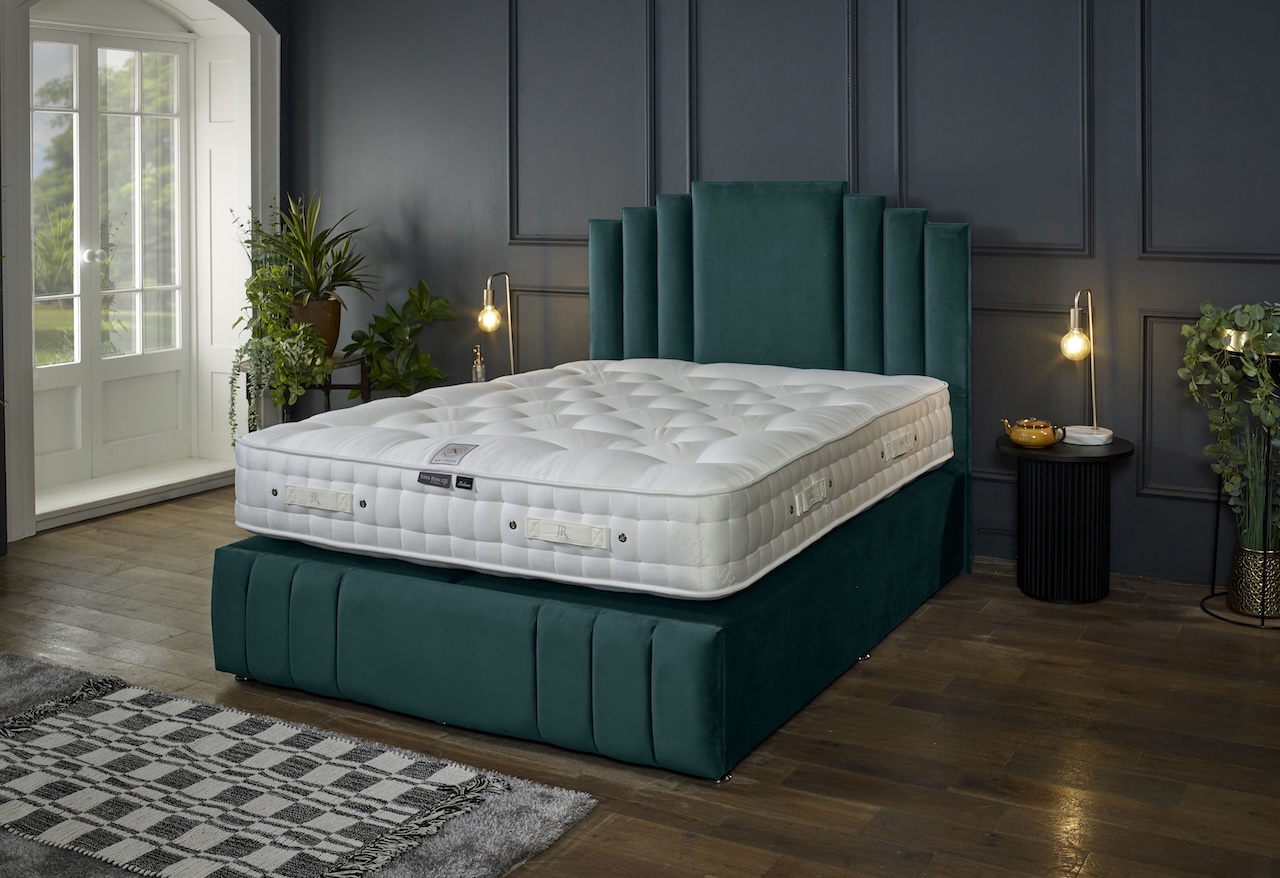
The upholstery above that insulator builds through 1,200gsm of pure Horsetail, a hairproof cambric cover, 200gsm of soft Bamboo, and 1,200gsm of blended British Fleece Wool and Cotton at the sleep surface, giving a total upholstery GSM of 3,600gsm across a mattress depth of 27 to 30cm. Pure Horsetail is one of the most resilient natural fibres used in mattress construction, with an extraordinary ability to retain its loft and return to its original form after loading, making it one of the most durable comfort fibres you will find in any mattress at any price point.
| Layer | Material | GSM |
|---|---|---|
| Sleep surface | Blended British Fleece Wool and Cotton | 1,200gsm |
| Comfort layer | Soft Bamboo | 200gsm |
| Comfort layer | Hairproof cambric cover | — |
| Comfort layer | Pure Horsetail | 1,200gsm |
| Insulator | Bonded British Fleece Wool and Cotton | 1,000gsm |
| Spring unit | 1,600 Calico encased pocket springs [49mm / 1.4mm] | — |
| Total upholstery GSM | 3,600gsm |
At £2,860 for a king-size, the Artisan Bespoke 004 is a mattress that competes directly with luxury brands charging considerably more for considerably less specification. The 1,000 gsm Wool and Cotton insulator, working in combination with the calico spring unit beneath it, creates a mattress construction where every layer does exactly the job it is supposed to, specified at a weight that makes a genuine difference over the lifetime of the mattress.
How to check the insulator layer when mattress shopping
Armed with an understanding of what the insulator layer is and why it matters, you are now in a position to ask the right questions when you are comparing mattresses. The most important question is straightforward: what is the spring insulator made from, and what is its GSM weight? A manufacturer confident in their specification should be able to answer both parts of that question immediately.
If the retailer cannot tell you what the insulator is made from, that is a meaningful signal. It suggests either that the insulator is a Foam or synthetic pad they would rather not draw attention to, or that the mattress has been designed without meaningful attention to this layer at all. Walk away from any retailer who cannot give you the full layer-by-layer specification of the mattress they are asking you to spend significant money on.

It is also worth asking specifically whether the insulator is a single-material natural fibre or a recycled synthetic blend. Some retailers use deliberately vague terms. “Fibre insulator” or “natural padding layer” can cover a multitude of sins, from quality Coir or Cashmere through to recycled grey fibre waste. The GSM weight is your best guide: a quality natural fibre insulator should weigh at least 800 gsm, and anything below 500 gsm in this position is unlikely to provide meaningful structural support to the comfort layers above it.
Frequently asked questions about mattress spring insulators
What does a spring insulator do in a mattress?
A spring insulator sits directly on top of the pocket spring unit and acts as a structural bridge between the springs below and the upholstery comfort layers above. Its primary function is to prevent finer fibres from migrating into the gaps between the springs, which would cause lumping and uneven surfaces over time. It also softens the transition between the firm, mechanical response of the springs and the yielding comfort of the fibres above, and contributes to the mattress’s e overall breathability. A well-specified insulator is one of the most important factors in determining how long a mattress maintains its comfort and even surface across its working life.
What is the best material for a spring insulator?
The best natural fibre insulators include Coarse Cashmere, Coir (Coconut fibre), Mohair, Hemp, and Flax, with Wool also used in softer mattress constructions. All of these materials share the key properties needed in an insulator role: structural density sufficient to hold the upholstery above in place, natural breathability to maintain airflow through the mattress, and long-term resilience that resists permanent compression over years of use. Foam is the standard insulator material in cheaper mattresses, and while it serves a functional purpose initially, it lacks the breathability and long-term recovery of natural fibre alternatives.
How can I tell if a mattress has a good spring insulator?
Ask the retailer directly: what is the spring insulator made from, and what is its GSM weight? A quality insulator will be a named natural fibre, and its GSM should be clearly stated. A GSM below 500gsm in this position is unlikely to provide the structural support needed for long-term performance. If the retailer cannot answer the question or describes the insulator only in vague terms like “natural padding”, that is a strong indicator that this layer has not been given serious attention in the mattress design. Any retailer who publishes their full layer-by-layer GSM specification is demonstrating the kind of transparency that correlates with genuinely well-made mattresses.
What happens if there is no spring insulator?
Without a spring insulator, the comfort fibres above the spring unit have no stable surface to rest against. They will gradually migrate into the gaps between the springs under repeated loading oduringregular sleep. The result is a mattress that develops lumpy, uneven areas that do not resolve with turning or rotation. This is one of the most common causes of premature mattress failure, and it is entirely preventable by using a properly specified insulator layer from the outset.
Does a thicker insulator mean a better mattress?
A heavier GSM insulator is generally a positive indicator, but the material matters as much as the weight. A 1,200gsm Coarse Cashmere insulator, as used in our Artisan 1500, is an exceptional component. A 1,200gsm recycled synthetic fibre insulator would be considerably less impressive. The combination of material quality and GSM weight together is the meaningful measure: look for a named natural fibre at a GSM of at least 800gsm for a genuinely well-specified insulator layer.
Why do budget mattresses use Foam as an insulator?
Foam is significantly cheaper to source and faster to work with in volume manufacturing than natural fibre insulators. A thin rebound Foam pad can be cut, placed, and compressed into a mattress construction in a fraction of the time it takes to handle and position a natural fibre layer. For a manufacturer producing thousands of units a week, that difference in production speed translates directly into cost savings. The compromise is in long-term performance, breathability, and maintaining an even sleep surface over the life of the mattress. It is one of the clearest examples in mattress construction of how the cost savings you cannot see directly affect the quality of sleep you experience over time.
Is the spring insulator the same as a mattress topper?
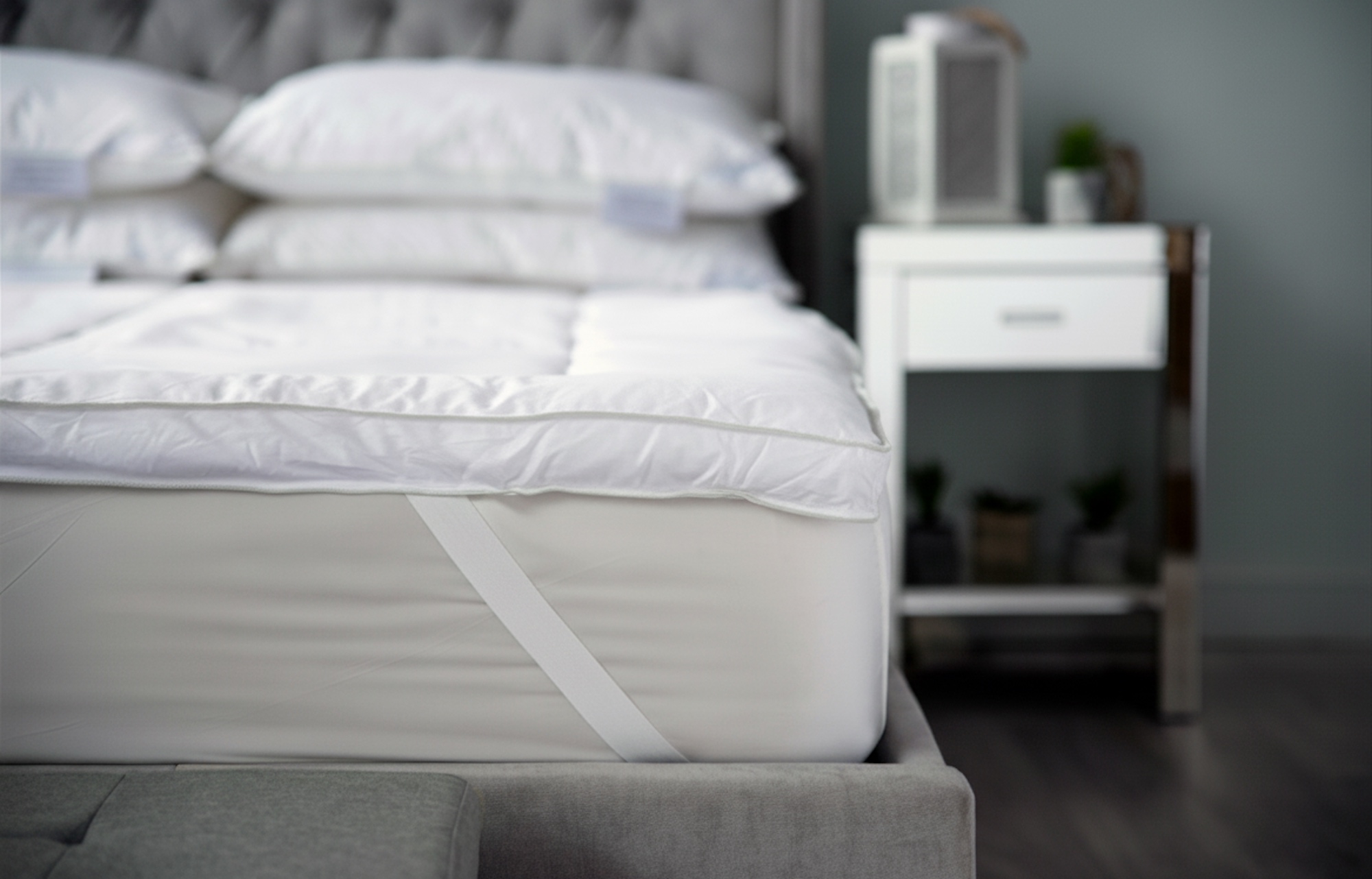
No, they are entirely different things. A mattress topper sits on top of the finished mattress as an additional comfort layer and can be removed and replaced independently. The spring insulator is an internal component built into the mattress during manufacture, sitting between the spring unit and the comfort upholstery layers. You cannot add or change a spring insulator after a mattress has been made. It is a fixed structural element of the mattress design, which is why it is so important to understand what material and GSM weight is being used before you buy.
Summary
Mattress spring insulators are a sign of a quality well-designed mattress. By being able to identify this layer or lack thereof, you can help accurately compare mattresses. A quality mattress will always far exceed and outlast a cheaper alternative. So by spotting the components of a quality mattress, you can avoid getting stuck with a poor bed purchase!
If you need more mattress advice why not give our small friendly team a call on 0161 437 4419.

Dreaming of the perfect nights sleep?
Ask us a question
There are over 6000 questions and answers submitted by you on all questions about mattresses and bed problems. Enter a keyword such as Vi Spring, John Lewis beds, bad back or Memory Foam and see if your question has already been answered.
If you can’t find an answer in knowledge hub, ask a new question. We aim to respond to all questions within one working day.
Newsletter
Enter your email to join our newsletter. We’ll send you occasional news and mattress expertise.