






Why do my pocket spring mattresses keep sagging and causing me back ache
 1 answers
 0 comments
I have had two pocket sprung mattress in the last 6 years and both have started to sag around the lower back area. The first one had actually developed a fault in the pocket spring and John Lewis refunded us as 3 years. We are now on the second mattress, which we paid 1000 a very good make and bed shop in Sheffield and the same is happening, sagging where my lower back is. The bed engineer that came out said the sag was visible but was within the tolerance allowed for that make. He also said that even in some of the high end £5000 beds the tolleranace can be 15cm. Please can you advise if there are any pocket sprung or any coil mattresses that will not sag after two or three threes years. I weigh around 8 stone 7 so it can’t be due to excessive load. Any help would be really welcome

Hi Jenny,
Thank you for your question. All mattresses settle where you lie the most and this is not usually a fault, but signs that the upholstery fibres are behaving as they should. When a mattress is made, all the upholstery fibres are completely flat and level with the piping. Adding the piping and the tufts compacts the fibres and creates the domed area. As you sleep and move around on the mattress, the upholstery layers soften and flatten out. Adding a mattress topper will slow down the rate of settlement as it this then that takes the impact of you sleeping and moving around rather than the upholstery fibres.
As we are creatures of habit, we tend to sleep in the same position on the mattress, the upholstery layers in this area settle but leave the surrounding upholstery layers like new. This looks like the mattress has sagged or that there are raised areas on the surface of the mattress, especially in the larger sizes like kingsize and super kingsize where no one sleeps in the middle. By turning the mattress over regularly and utilising the whole of the sleep surface, ie if you are in bed on your own, then sleep in the middle or if you are reading or watching TV in bed on your own, then sit in the middle, this will help to even out the settlement of the upholstery layers. The upholstery fibres should eventually be flat and level with the piping once again but this can take a few years.
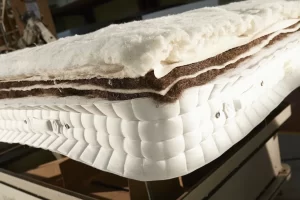
Foam type mattresses, particularly those made from latex, are designed with unique properties that allow them to maintain their shape and provide support for an extended period of time. Unlike traditional mattresses, which may develop noticeable body impressions relatively quickly, latex mattresses have a resilience that helps them resist indentations for quite some time. This means they can adapt to your body's contours while still returning to their original form when not in use.
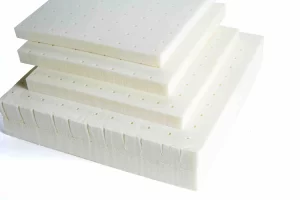
Additionally, latex mattresses are well-known for their pressure-relieving qualities. They distribute your body weight evenly across the surface, which can alleviate pressure points and reduce discomfort during sleep. This supportive nature not only enhances your comfort but can also contribute to better spinal alignment, which is essential for a restful night’s sleep. Given these characteristics, a latex mattress may be a more suitable option for you, especially if you are concerned about settling and body impressions over time.
I hope this helps and if you would like any further information, please do not hesitate to contact the office on 0161 437 4419.
Kind Regards
Michaela

Dreaming of the perfect nights sleep?
Newsletter
Enter your email to join our newsletter. We’ll send you occasional news and mattress expertise.