






Does mattress protector go above or below the topper?
 1 answers
 0 comments
Hi
We purchased your Artisan Luxury Superking mattress before Christmas & are delighted with it. We have added a Microfibre topper (excellent)from Soak & Sleep but cannot make out where we put the existing mattress protector that we have. Over or under the topper?
Regards Anne

Thanks for your question on mattress protectors, and very pleased to hear you are enjoying the Artisan Luxury.
The mattress protector will need to encase the surface that your body is in direct contact with. This is to simply protect it the same way as if you were sleeping directly on the mattress. As such, your mattress protector will need to go over the top of the mattress topper. The mattress protector is always the last item to add before your bedding, so that it acts as a bridge between the mattress covers and the mattress itself.
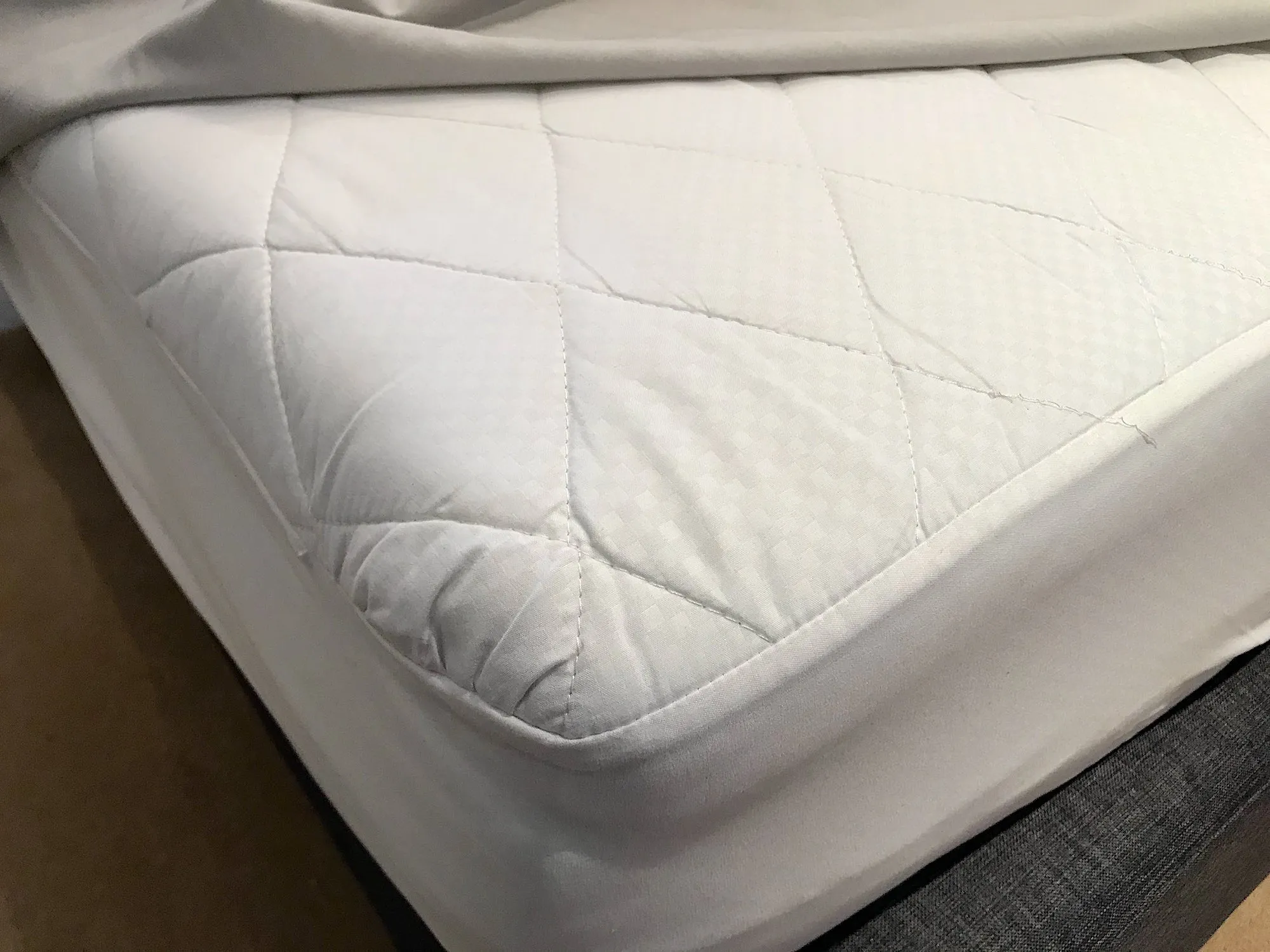
The correct layering order from mattress up
To be completely clear for anyone else reading this, the order from the base of the bed upward is as follows.
First, the mattress itself sitting on its base. Second, the mattress topper placed directly on top of the mattress. Third, the mattress protector placed over the topper, encasing both the mattress and the topper together. Fourth, your fitted sheet and bedding on top of that.
The reason the protector goes over the topper rather than between the mattress and topper is straightforward. The protector is there to create a washable barrier between you and whatever you are sleeping on. If you slide it between the mattress and the topper, it is protecting the mattress from the topper rather than protecting either from the sleeper. The surface in direct contact with your body needs the protection, and that surface is the top of the topper.
Why the protector is essential even when you have a topper
The reason why mattress protectors are so essential is that they protect the surface against sweat, spills and other fluids that would otherwise reach and stain the topper and mattress beneath. A mattress protector can be machine-washed regularly with your bed linen. A natural latex or natural fibre topper typically cannot be washed because the agitation of a washing machine would disturb the fillings or damage the latex structure. If the topper becomes contaminated without a protector in place, it is very difficult to clean and may need replacing entirely.
A cotton mattress protector also improves the breathability of the bed surface. If you have a natural fibre mattress such as the Artisan Luxury, putting a 100% polyester protector over it partially defeats the breathability advantage those natural fibres provide. A cotton or polycotton protector allows air to circulate freely and moisture to wick away in the way the natural fibre layers beneath are designed to do. Our cotton mattress protectors are the natural companion to any natural fibre mattress from our range.
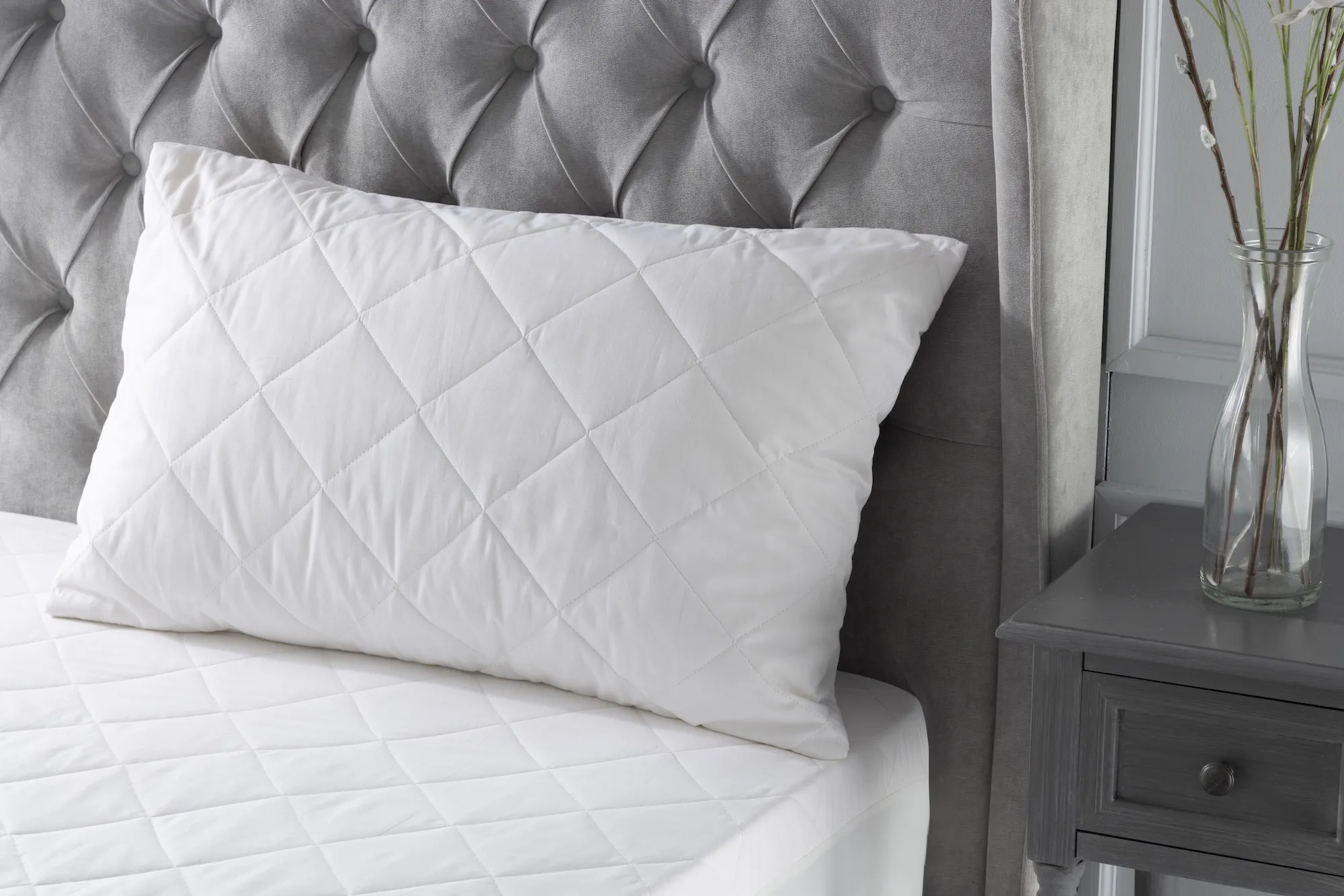
Does the protector affect how the topper feels?
A good quality cotton mattress protector is thin and close-fitting. It will not meaningfully change the feel of the topper beneath it. If you notice the bed feeling slightly more resistant after fitting the protector, this is normal and settles within a few nights as the protector relaxes against the surface. A protector that feels noticeably thick or padded is better described as a light topper in its own right, and will add softness to the sleeping surface in the same way a microfibre topper would.
What about a bed warmer or electric blanket: where does that go?
This is a related question we often receive. If you use a bed warmer or electric underblanket alongside a topper and protector, the order changes slightly. The electric blanket or bed warmer sits on top of the mattress protector, not beneath it. So the order from mattress up becomes: mattress, topper, protector, bed warmer, then your fitted sheet and bedding. The protector still goes over the topper. The bed warmer goes over the protector because it needs to be removable for safety and maintenance, and because placing a protector over an electric heating element is not advisable.
Washing and caring for your mattress protector
Wash your mattress protector with your regular bed linen, typically every one to two weeks. Most cotton protectors can be washed at 60 degrees, which is hot enough to kill dust mites and bacteria. Check the care label on your specific protector to confirm the correct temperature. Allow it to dry fully before refitting, as a damp protector can encourage mould in the layers beneath it.
Please follow the link here for some more tips on mattress maintenance and care. Our full guide to mattress toppers and protectors explains the difference between the two in detail and covers when each is needed.

Quick reference: the most common questions
Does the protector go over or under the topper? Over the topper, always.
Do I need a protector if I already have a topper? Yes. The topper needs protecting just as much as the mattress does, and it is considerably harder to clean if it becomes stained or contaminated.
Can I put the protector between the mattress and the topper? You can, but it defeats the purpose. The protector should cover whatever surface is in direct contact with you as the sleeper.
What type of protector works best with a natural fibre mattress? A cotton or polycotton protector. Avoid 100% polyester as it reduces breathability and partially negates the benefits of the natural fibres beneath.
Whereas a mattress protector goes over the mattress and topper providing a protective barrier against damage and nocturnal fluids. We're also very happy to hear how much you're getting on with your purchases.
If you have any further questions please do not hesitate to call us on 0161 437 4419. Our office opening times are here.
Kind regards, Lee

Dreaming of the perfect nights sleep?

Newsletter
Enter your email to join our newsletter. We’ll send you occasional news and mattress expertise.