







Mattress Construction
July 2025A-Z of All Natural Fibres for Mattresses and Beds: The Complete Guide
Dreaming of the perfect nights sleep?
L – Latex (Natural)
Benefits: Natural latex provides excellent support whilst conforming to body contours. It’s naturally antibacterial, dust mite resistant, and highly durable. Latex offers consistent support and bounce-back properties whilst maintaining breathability.
Drawbacks: Can feel too firm or too bouncy for some sleepers. May have a distinctive smell initially and can be quite heavy.
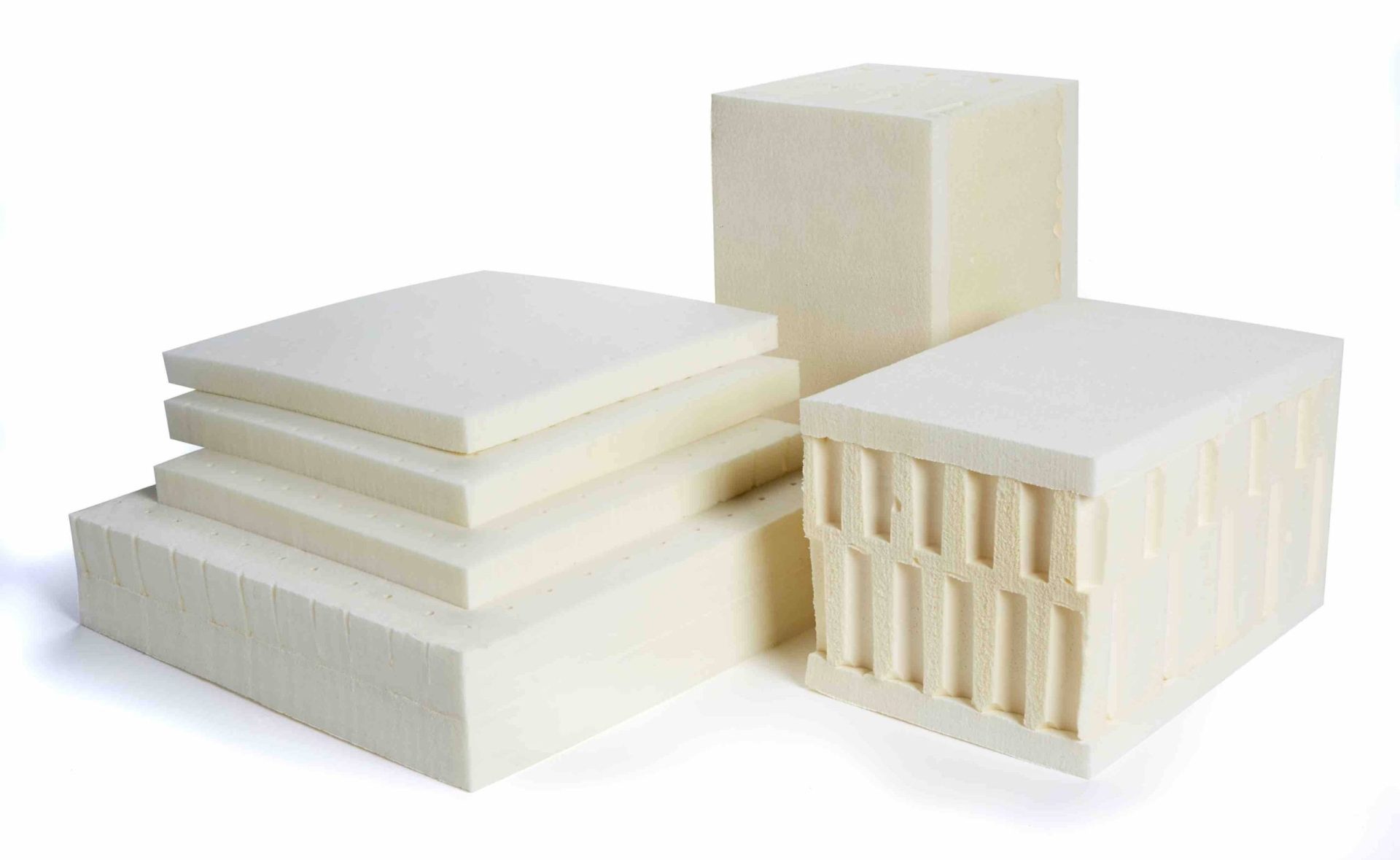
Cost: High – Quality natural latex commands premium pricing.
Rarity: Moderately Rare – Requires specific climate conditions for rubber tree cultivation.
History: Natural latex comes from the sap of rubber trees (Hevea brasiliensis), originally found in the Amazon rainforest. The Mayans and Aztecs used rubber for balls and waterproofing. Commercial latex production began in the early 20th century, with Sri Lanka and Malaysia becoming major producers.
M – Mohair
Benefits: Mohair provides excellent insulation with remarkable durability. It has natural lustre and is resistant to stretching and wrinkling. Mohair’s smooth surface scales make it particularly comfortable against the skin whilst offering superior breathability.
Drawbacks: Can be expensive and may feel too warm for hot sleepers in thick layers.
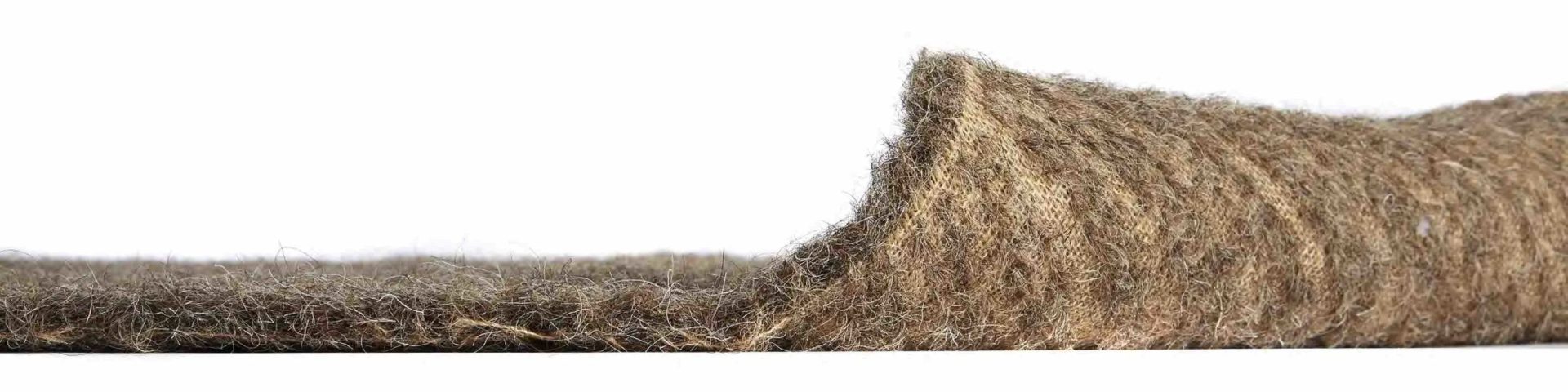
Cost: High – Premium fibre commanding luxury pricing.
Rarity: Rare – Limited to specific goat breeds and regions.
History: Mohair comes from Angora goats, originally from the Angora region of Turkey (now Ankara). The name derives from the Arabic ‘mukhayyar’, meaning ‘choice’ or ‘select’. Mohair has been prized since biblical times, with references found in ancient texts describing its exceptional qualities.
P – Palm Fibre
Benefits: Often called ‘vegetable horsehair’, palm fibre offers similar elasticity and support properties to animal hair. It’s completely plant-based, making it suitable for vegans whilst providing excellent breathability and resilience.
Drawbacks: Less commonly available and can be difficult to source consistently.
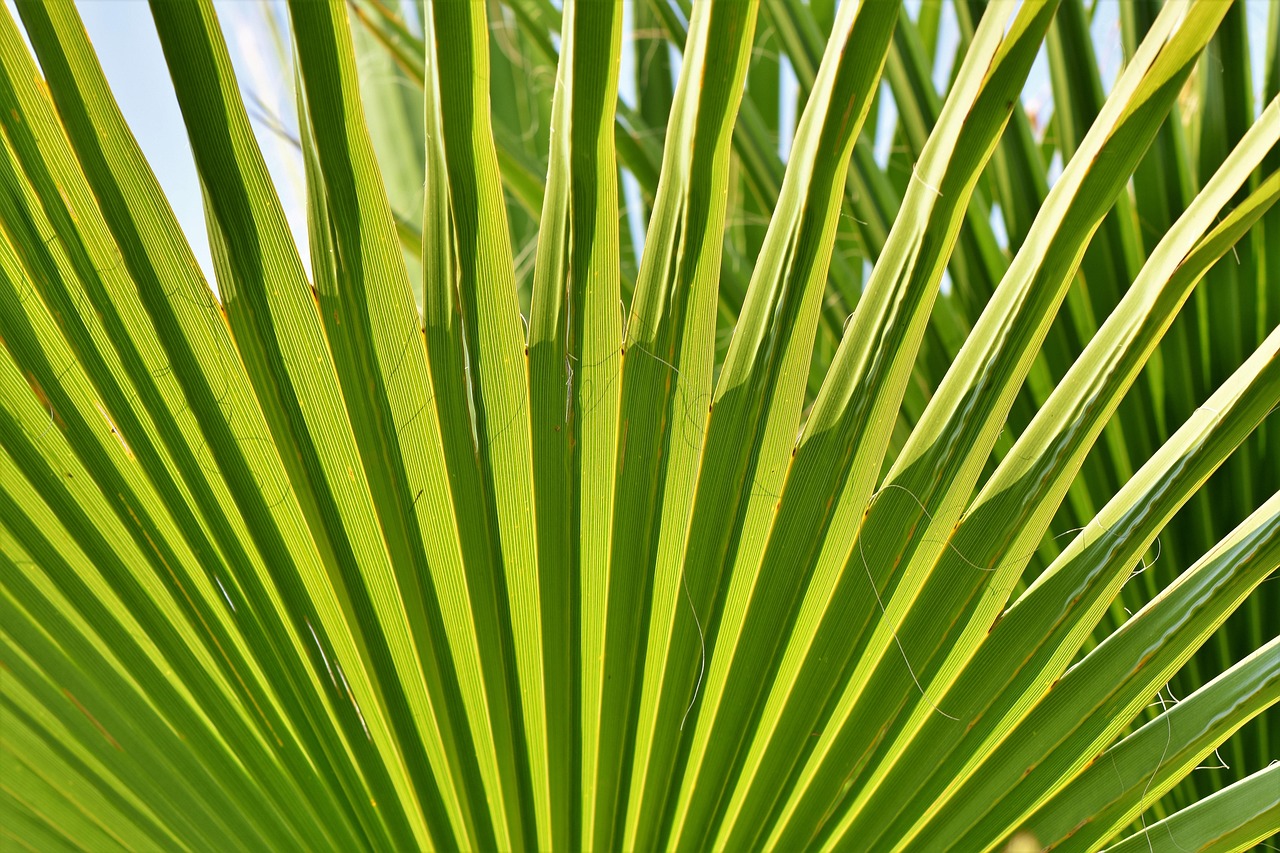
Cost: Medium – More expensive than basic plant fibres due to rarity.
Rarity: Rare – Limited processing facilities and availability.
History: Palm fibre is extracted from the leaves of dwarf palm trees, primarily in Mediterranean regions. It has been used for centuries in traditional upholstery, particularly in Spain and North Africa, where craftsmen developed techniques to process the tough leaf fibres into usable material.
S – Silk
Benefits: Silk provides natural temperature regulation, keeping sleepers cool in summer and warm in winter. It’s incredibly smooth and lustrous, naturally hypoallergenic, and resistant to dust mites. Silk also has excellent moisture-wicking properties.
Drawbacks: Delicate and can be prone to damage from moisture or rough handling. May be too slippery for some applications.
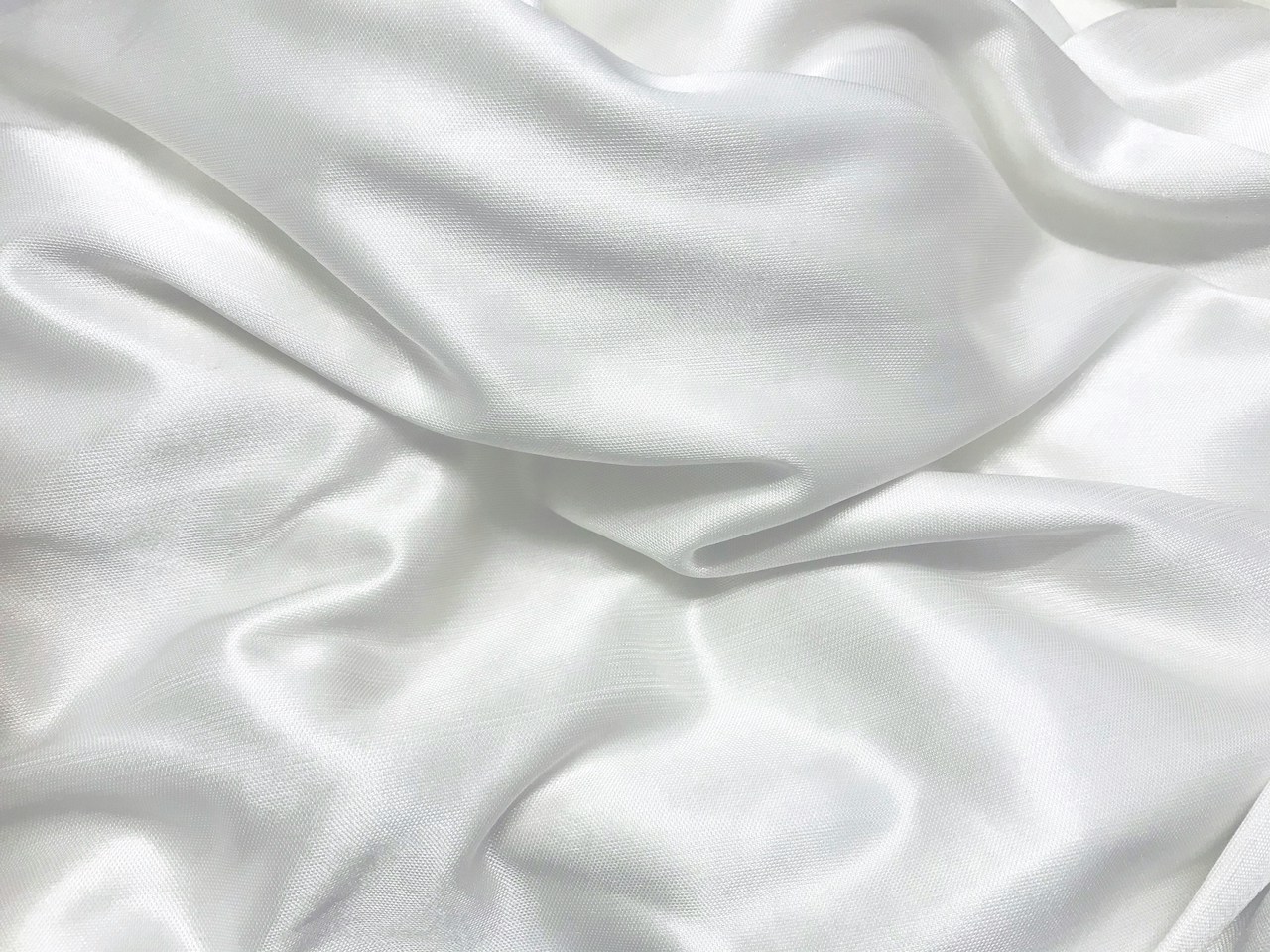
Cost: Very High – One of the most expensive natural fibres.
Rarity: Rare – Requires complex cultivation and processing.
History: Silk production began in China around 2700 BC, where it remained a closely guarded secret for over 2,000 years. Legend credits Empress Leizu with discovering silk when a cocoon fell into her tea, revealing the long, lustrous fibres. A single cocoon can yield 600-900 metres of silk thread.
V – Vicuña
Benefits: Considered the finest animal fibre in the world, vicuña offers unmatched softness and warmth. It’s incredibly lightweight yet provides excellent insulation. The fibre is naturally water-repellent and has a unique texture that’s both soft and resilient.
Drawbacks: Extraordinarily expensive and extremely limited in availability. So precious that it’s rarely used in mattresses except for the most exclusive applications.
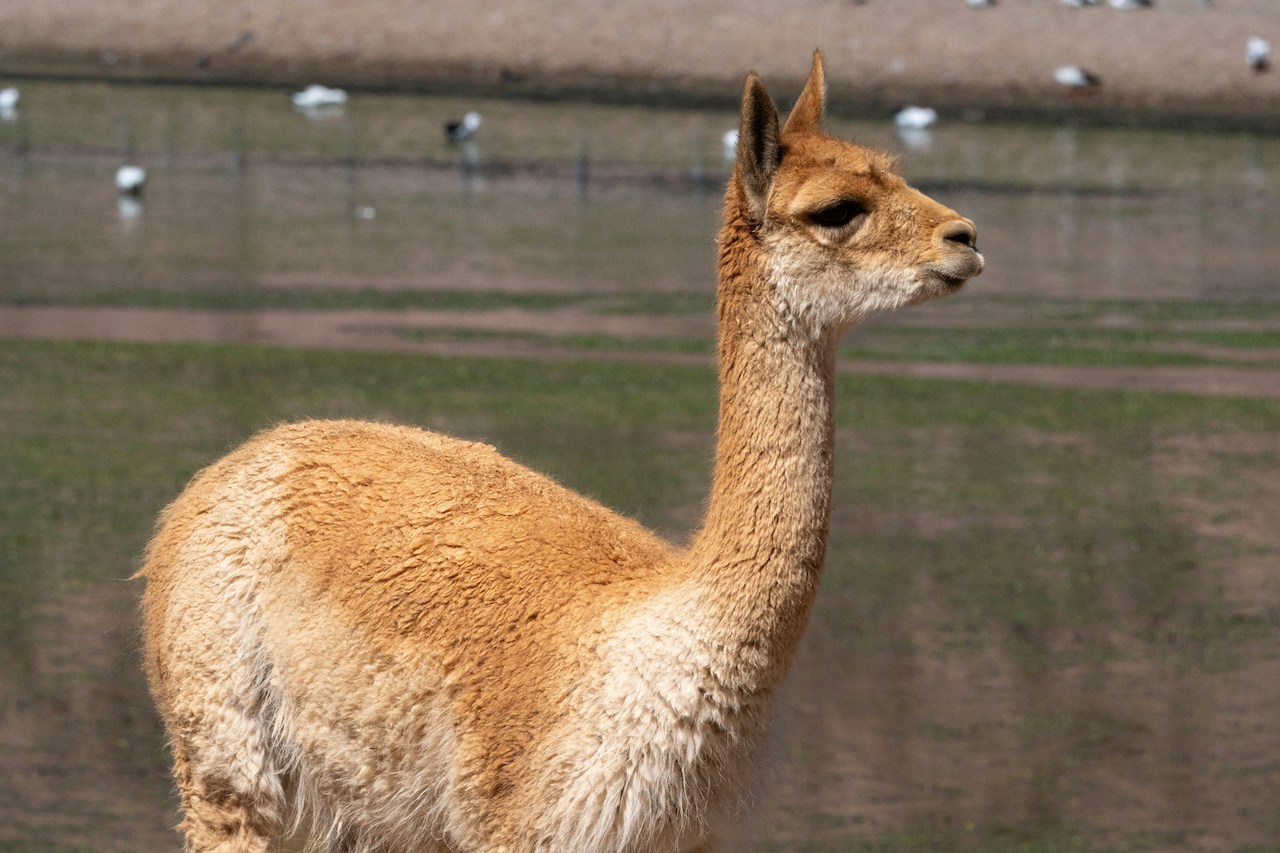
Cost: Extremely High – The most expensive natural fibre available.
Rarity: Extremely Rare – Vicuñas can only be sheared every three years and yield very small amounts of fibre.
History: Native to the Peruvian Andes, vicuñas were considered sacred by the Incas, who called them the “daughters of the wind”. Only royalty could wear vicuña cloth. These animals live at altitudes above 3,500 metres and were nearly extinct until conservation efforts began in the 1960s.
W – Wool
Benefits: Wool is incredibly versatile, providing both comfort and support properties. It’s naturally fire-resistant, temperature-regulating, and moisture-wicking. Wool is also naturally antimicrobial and dust mite resistant, making it ideal for allergy sufferers.
Drawbacks: Quality can vary significantly depending on source and processing. Lower grades may feel scratchy or lose loft over time.
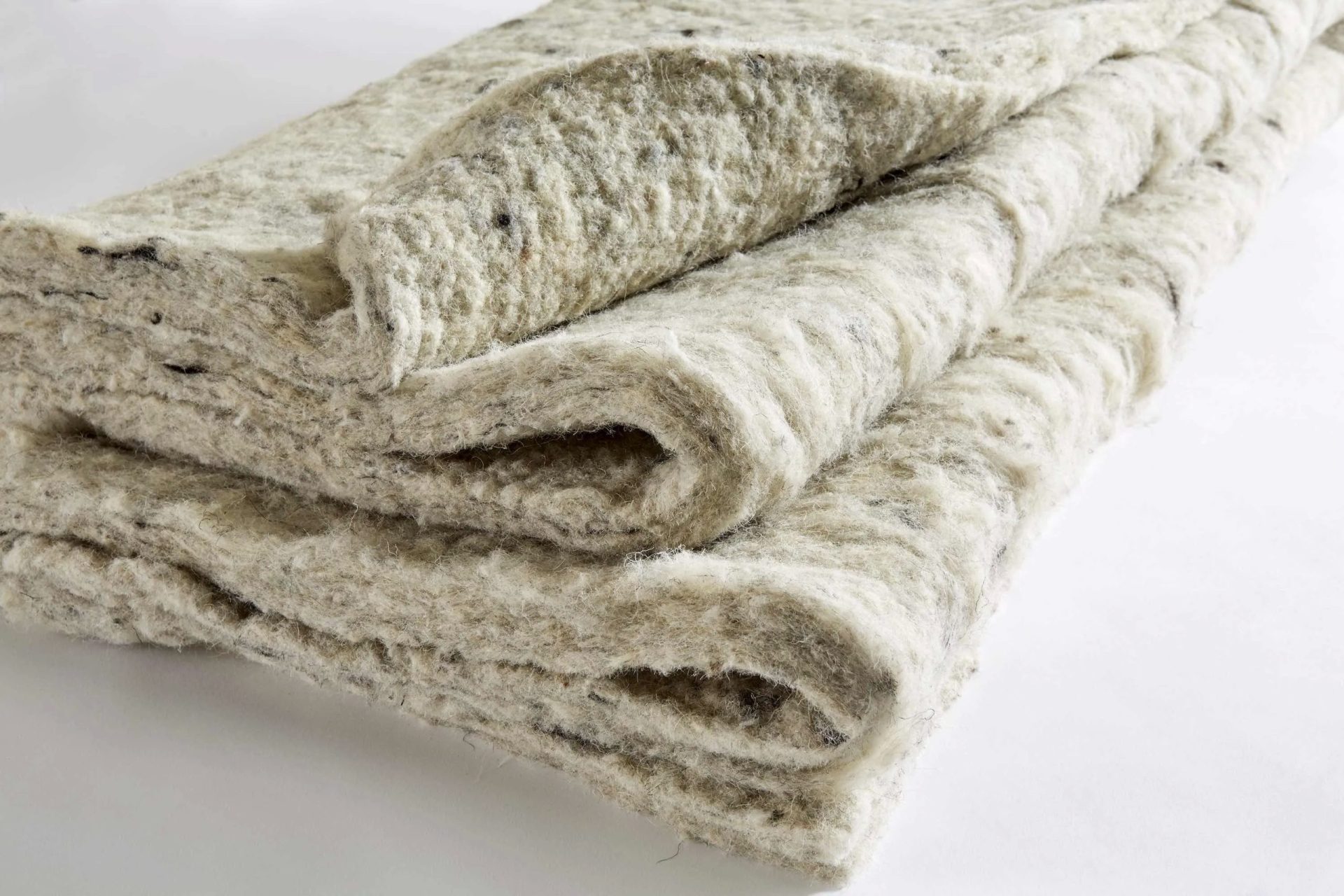
Cost: Low to High – Varies dramatically based on source and quality.
Rarity: Very Common – Readily available in various grades.
History: Wool has been used for over 10,000 years, with early evidence found in Turkey and Iran. Different sheep breeds produce wool with varying characteristics, from the fine merino wool of Spain to the hardy wool of British hill sheep. Wool’s natural crimp traps air, providing excellent insulation properties.
Understanding Natural Fibre Quality
When evaluating natural fibre mattresses, it’s crucial to understand that the GSM (grams per square metre) weight and positioning of fibres within the mattress significantly impacts performance. Many retailers use vague descriptions like “contains silk, cashmere and wool” when these luxury fibres may represent only 1-3% of the total filling.
At John Ryan By Design, we believe in complete transparency. Our mattresses specify exact GSM weights for each layer, ensuring you know precisely what you’re purchasing. For instance, our Artisan Naturals contains 1500GSM of pure mohair as an insulating layer, whilst our Artisan Luxury features 1200GSM of pure horsehair for optimal support.
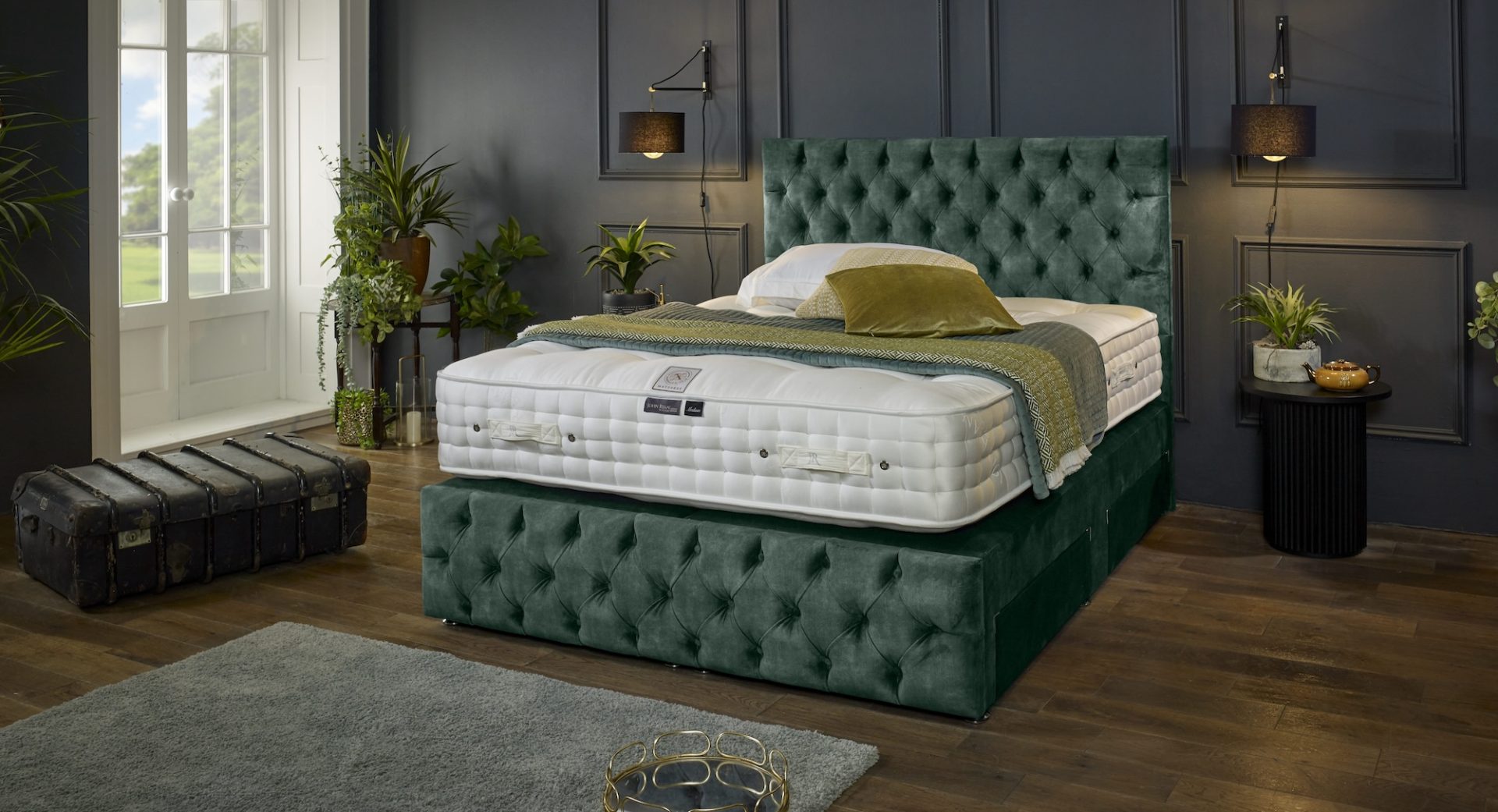
The art of natural fibre mattress construction lies in understanding how different fibres complement each other. Soft fibres like alpaca and cashmere excel in comfort layers, whilst firmer materials like horsehair and coir provide essential support. This layered approach, known as “gradual suspension”, ensures optimal comfort and longevity.
The Environmental Advantage
Natural fibres offer significant environmental benefits compared to synthetic alternatives. They’re biodegradable, renewable, and often by-products of other industries (such as coir from coconut processing). Many natural fibres also improve with age, becoming more comfortable whilst maintaining their structural integrity.
Furthermore, natural fibre mattresses can often be refurbished at the end of their lifespan, with some traditional mattress makers able to replace fillings and covers, extending the product’s life indefinitely. This contrasts sharply with synthetic mattresses that typically end up in landfill.
Choosing the Right Natural Fibre Mattress
When selecting a natural fibre mattress, consider your sleeping preferences, body weight, and any specific requirements such as temperature regulation or allergy considerations. Heavier sleepers may benefit from mattresses with more horsehair or coir for enhanced support, whilst those who sleep hot might prefer bamboo or silk for superior breathability.
The key is finding the right combination of fibres that work together to provide your ideal sleep experience. This is where expert guidance becomes invaluable, as the interaction between different natural fibres can significantly impact the mattress’s performance and longevity.
Are you ready for the perfect nights sleep?
View our extensive range of handmade mattresses
Experience Natural Luxury with John Ryan By Design
At John Ryan By Design, we’ve perfected the art of natural fibre mattress construction through years of expertise and craftsmanship. Our three flagship natural fibre mattresses represent the pinnacle of sleep comfort and quality. Take a look below at our three most popular natural fibre handmade mattresses:
1) Artisan Naturals
Our most popular model features 85% natural fibres with a substantial 3,950GSM of premium fillings:
- 1200GSM Blended British Fleece Wool & Cotton top comfort layer
- 1250GSM Rebound Polycotton for support and resilience
- 1500GSM Pure Mohair insulating layer
- 1600 Calico encased pocket springs for tailored support
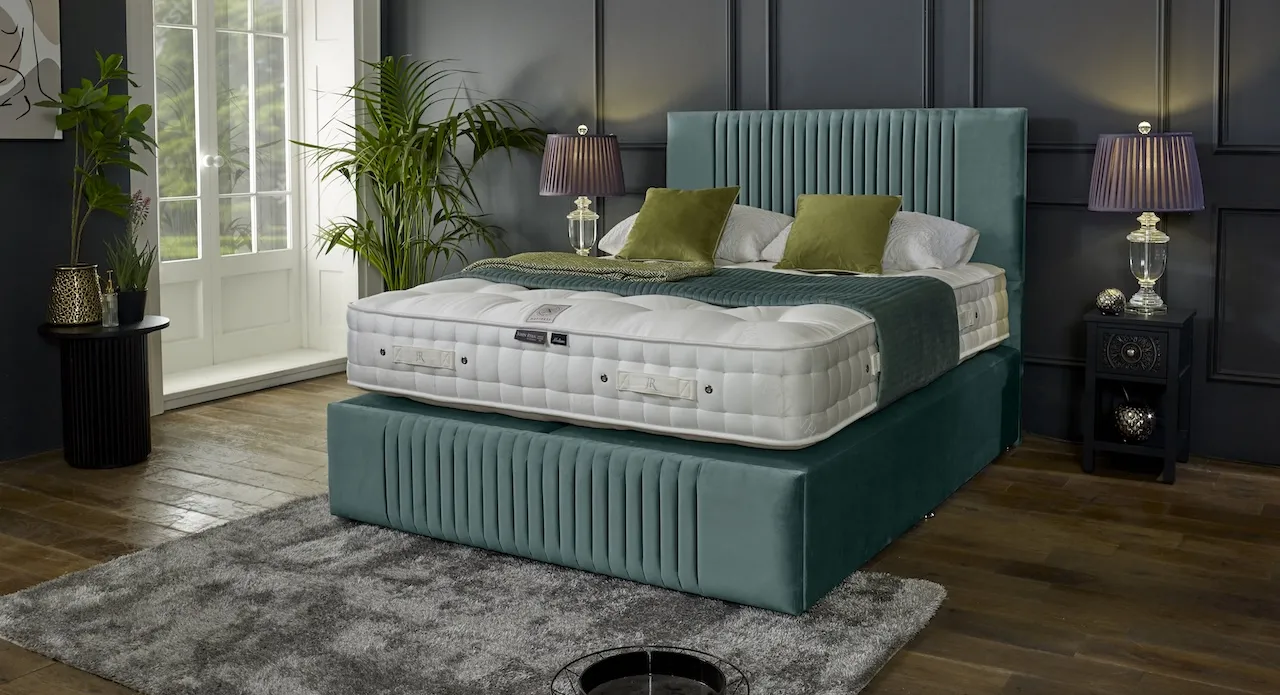
The Artisan Naturals offers a medium feel with excellent breathability and temperature regulation, making it ideal for most sleepers seeking natural comfort at an accessible price point.
2) Artisan Luxury
Our softest model provides an ultra-deep sink sensation with 4,600GSM of 100% natural fibres:
- 1200GSM British Fleece Wool & Cotton blend
- 1200GSM Pure Horsehair acting like millions of tiny springs
- 500GSM Pure Wool cushioning layer
- 1200GSM Pure Horsetail for enhanced support
- 500GSM Additional Pure Wool layer
- 1476 Calico encased pocket springs
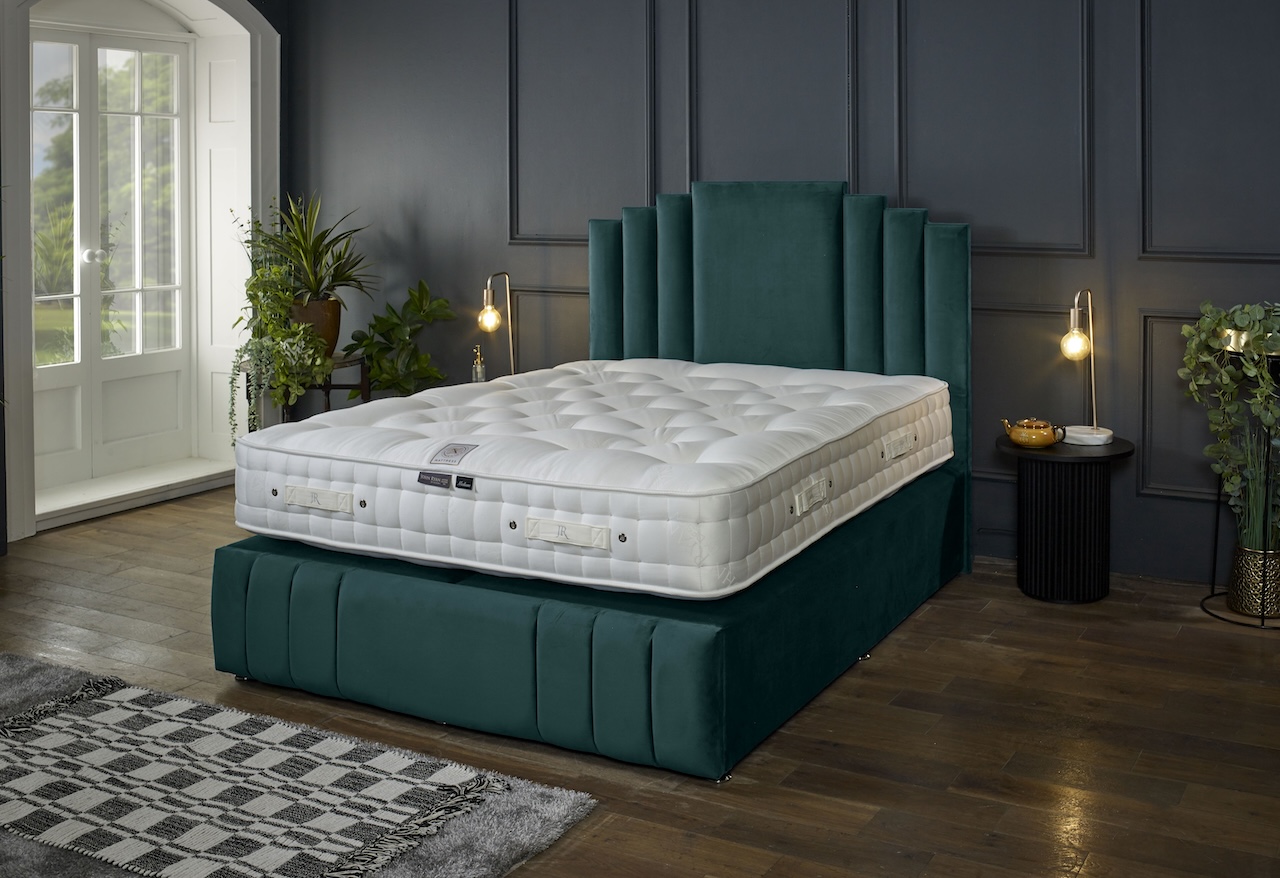 https://johnryanbydesign.co.uk/product/artisan-luxury/
This sophisticated arrangement creates our softest upholstery feel whilst maintaining excellent support through the horsehair and horsetail layers.
3) Artisan Bespoke
Our firmest model offers the ultimate in natural luxury with 5,100GSM of 100% natural fibres:
- 500GSM British Wool top layer
- 1200GSM Blended British Fleece Wool & Cotton
- 1200GSM Pure Horsetail for firm support
- 1200GSM Pure Horsehair secondary spring system
- 1000GSM White Cashmere insulator layer
- 1600 Hand-nested Calico encased pocket springs
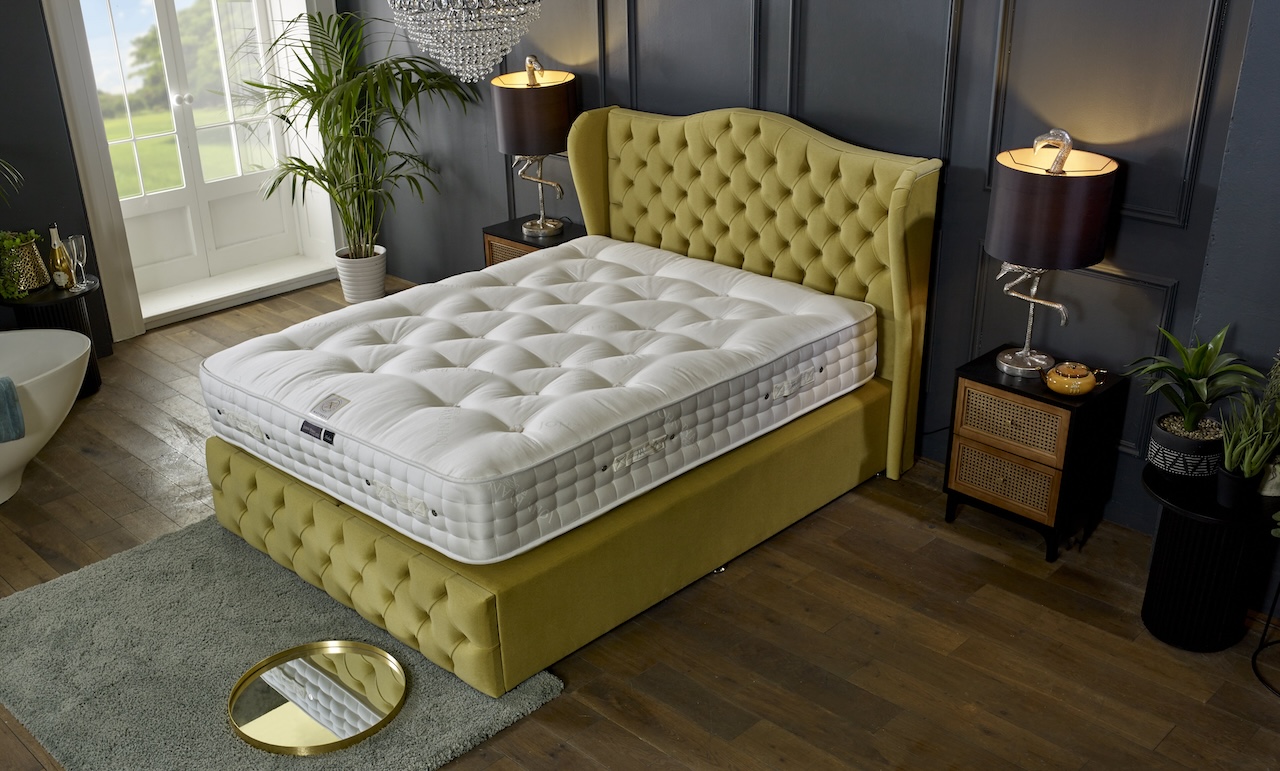
The Artisan Bespoke represents the pinnacle of mattress craftsmanship, offering firm support with the added luxury of cashmere insulation.
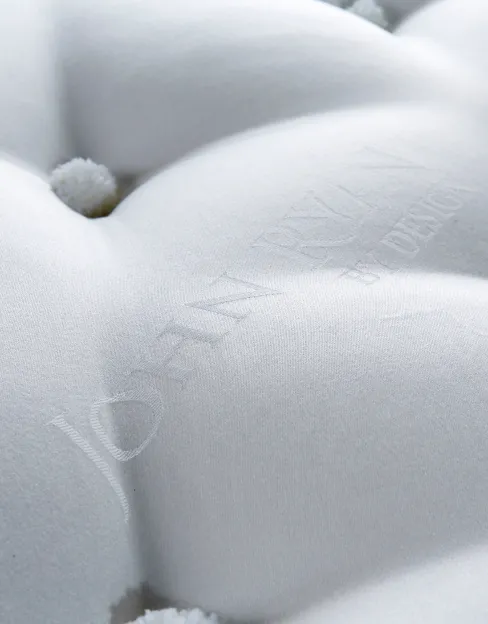
We are the mattress geeks
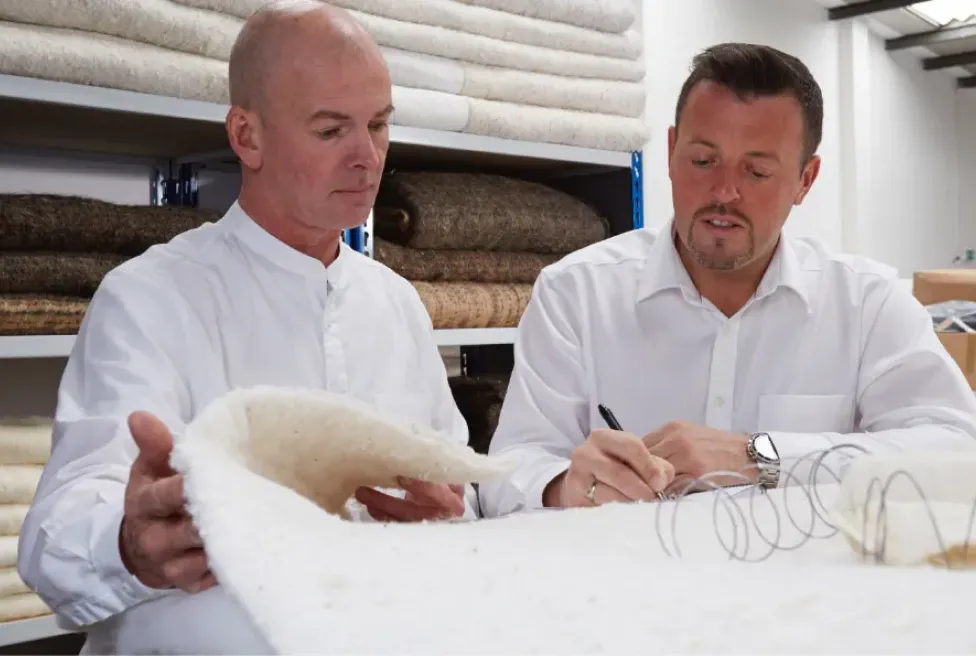
Who are John Ryan By Design?:We are unashamed ‘Mattress Nerds’ and have been for the last 25 years.
Mattress manufacturing and all the quirky detail, to us, is fascinating, and we liken ourselves to ‘train-spotters’ If new products come on the market, we endeavour to find out if they are a credible improvement on what we have already or if they are just marketing tricks.
We have applied decades of industry expertise to create our own range of high-end affordable luxury mattresses. We challenge you to find the same quality and price point anywhere else!
Each mattress features chemical-free covers using natural plant-based fire retardancy protection, genuine hand side stitching, and is handcrafted by our skilled artisans in Yorkshire. With our 60-day love it or return it guarantee and 10-year warranty, you can experience the transformative power of natural fibres with complete confidence.
When you choose a John Ryan By Design natural fibre mattress, you’re not just investing in superior sleep comfort you’re supporting traditional British craftsmanship, sustainable practices, and materials that have provided exceptional rest for generations. Experience the difference that genuine natural fibres can make to your sleep quality and overall wellbeing. Why not call us at 0161 437 4419 to discuss your sleep requirements and discover how the right mattress can transform your rest?
Don’t you deserve a mattress tailored just for you?
Dreaming of the perfect nights sleep?
Ask us a question
There are over 6000 questions and answers submitted by you on all questions about mattresses and bed problems. Enter a keyword such as Vi Spring, John Lewis beds, bad back or Memory Foam and see if your question has already been answered.
If you can’t find an answer in knowledge hub, ask a new question. We aim to respond to all questions within one working day.
Newsletter
Enter your email to join our newsletter. We’ll send you occasional news and mattress expertise.