







Mattress Construction
July 2025A-Z of Synthetic or Manmade Fibres for Mattresses and Beds: The Complete Guide
When it comes to understanding mattress construction, synthetic and man-made fibres play a crucial role in providing affordable, consistent comfort and support. At John Ryan By Design, we believe in complete transparency about all materials used in mattress making, whether natural or synthetic. This comprehensive guide explores every synthetic fibre used in quality mattress construction, from basic polyester to advanced memory foam technologies.
Synthetic fibres offer distinct advantages including consistency, affordability, and specific performance characteristics that can be engineered for particular applications. Whilst we champion natural fibres for their superior breathability and longevity, we recognise that high-quality synthetic materials have their place in mattress construction, particularly when used skilfully in combination with natural fibres or as cost-effective alternatives.
A – Acrylic
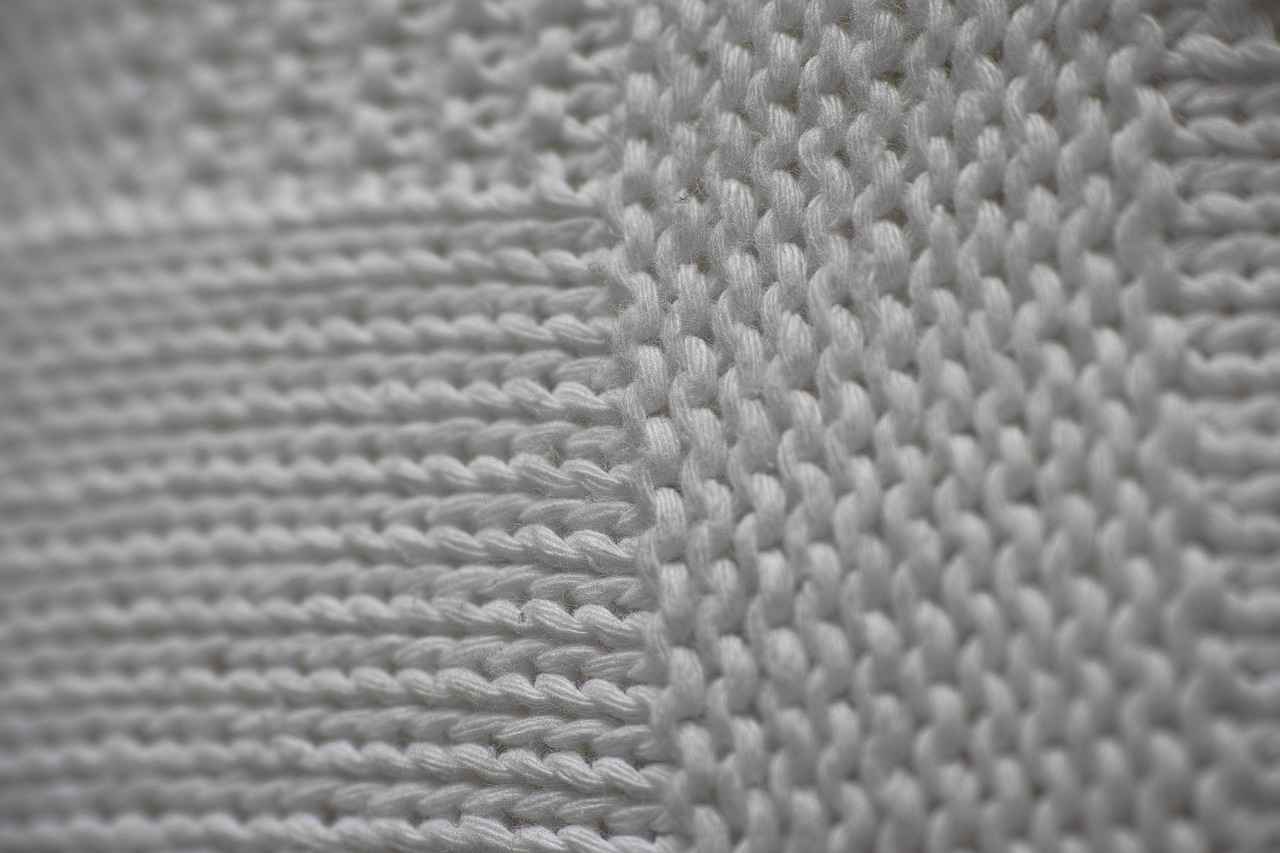
Benefits: Acrylic provides wool-like properties at a lower cost, offering good insulation and softness. It’s lightweight, resistant to moths and chemicals, and maintains its shape well. Acrylic can be engineered to mimic the feel of natural fibres whilst being more affordable.
Drawbacks: Less breathable than natural fibres and can retain heat. May pill or develop static electricity over time. Not as durable as natural alternatives.
Cost: Low to Medium – Significantly cheaper than natural wool but more expensive than basic polyester.
Rarity: Common – Widely available and manufactured globally.
History: Developed in the 1940s as a synthetic alternative to wool, acrylic was first produced commercially by DuPont. The fibre revolutionised affordable textiles by providing wool-like properties without the cost or care requirements of natural wool.
E – Elastane (Spandex/Lycra)
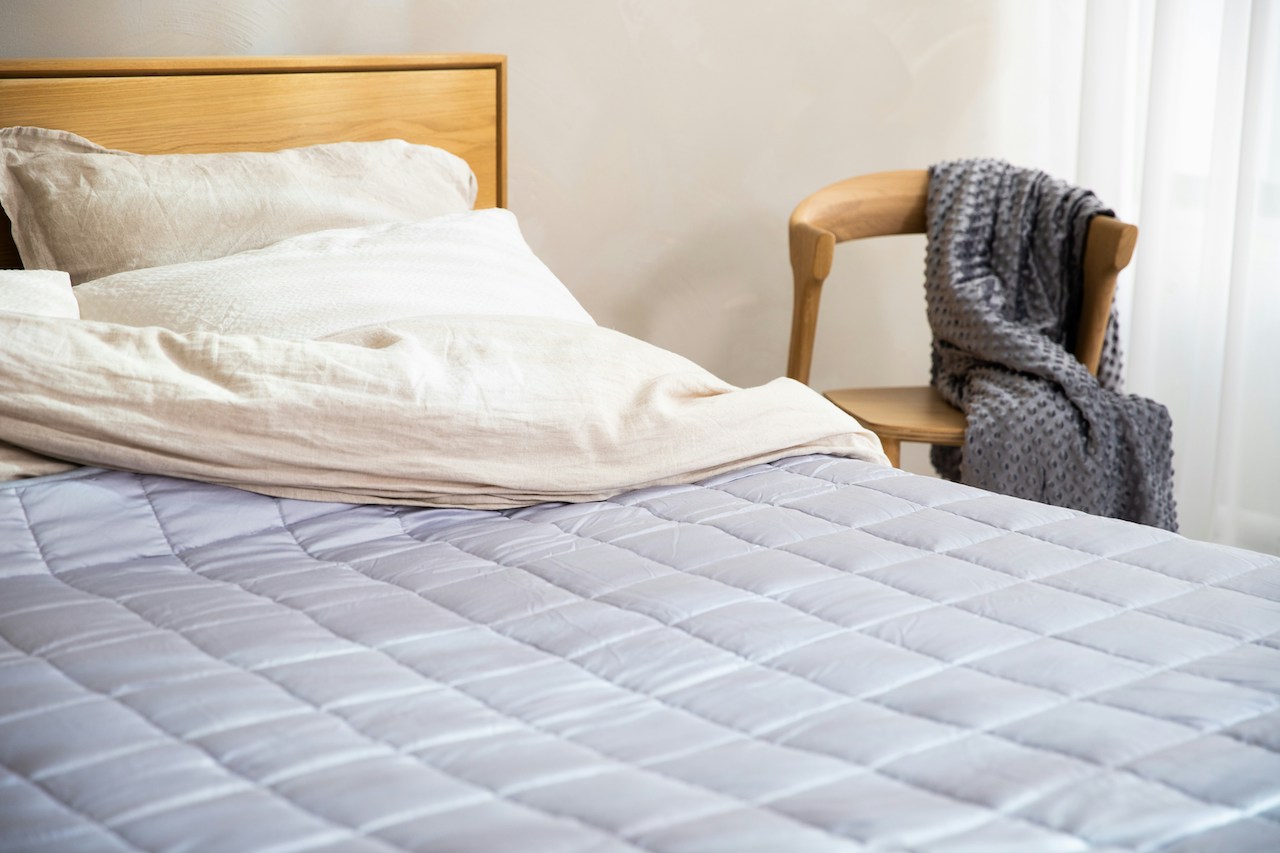
Benefits: Exceptional stretch and recovery properties, allowing mattress covers to fit snugly whilst accommodating movement. Provides flexibility and maintains shape after repeated stretching.
Drawbacks: Can degrade over time when exposed to heat, chlorine, or excessive stretching. Not typically used in large quantities in mattress construction.
Cost: Medium to High – More expensive than basic synthetics due to complex manufacturing.
Rarity: Common – Widely used in small percentages in fabric blends.
History: Invented by DuPont chemist Joseph Shivers in 1958, originally for women’s garments. The name “spandex” is an anagram of “expands”. It revolutionised stretchable fabrics and is now essential in many textile applications.
F – Foam (Polyurethane)
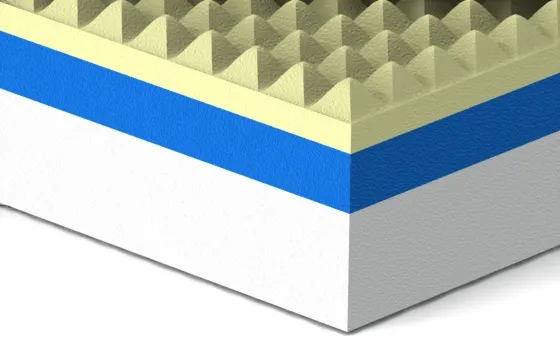
Benefits: Foam provides consistent support and can be manufactured to specific densities and firmness levels. Cost-effective, lightweight, and doesn’t attract dust mites. Can be engineered for specific performance characteristics.
Drawbacks: Can off-gas chemicals, may retain heat, and typically less durable than natural alternatives. Lower-quality foams can break down quickly and lose support.
Cost: Low to Medium – Very cost-effective for basic densities, more expensive for high-grade formulations.
Rarity: Very Common – The most widely used synthetic material in mattress construction.
History: Developed by Otto Bayer and colleagues in Germany in 1937, polyurethane foam became commercially available in the 1950s. It transformed the bedding industry by providing consistent, affordable support materials.
I – iGel (Gel-Infused Foam)
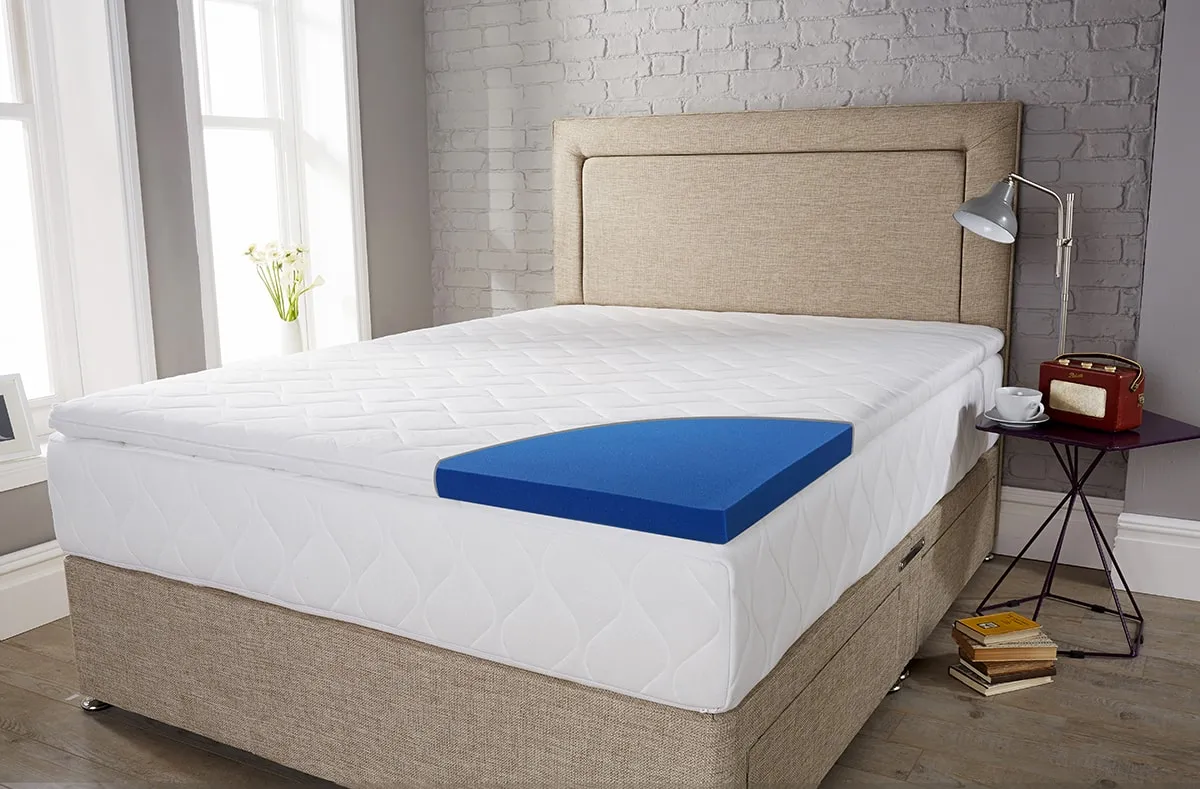
Benefits: iGel combines viscoelastic memory foam with gel microbeads designed to regulate temperature through heat absorption and dissipation. Provides pressure relief whilst claiming to sleep cooler than traditional memory foam. Offers responsive support that bounces back faster than standard memory foam.
Drawbacks: Despite marketing claims about cooling properties, many users report overheating and heat retention issues. Still fundamentally a memory foam derivative that requires body heat to function, which can lead to uncomfortable sleeping temperatures. May cause heat rashes in sensitive sleepers. Less breathable than natural fibres.
Cost: Medium to High – Premium pricing due to proprietary gel technology.
Rarity: Moderately Rare – Specific to certain brands and retailers, primarily Bensons for Beds in the UK.
History: iGel technology was developed as a “next generation” memory foam alternative, incorporating gel microbeads or crystals into viscoelastic foam. The gel components are designed to conduct heat away from the body more effectively than traditional memory foam, though real-world performance often falls short of marketing claims.
L – Latex (Synthetic)
Benefits: Provides similar support characteristics to 100% natural latex but at a lower cost. Offers good bounce and pressure relief, with consistent performance. Can be manufactured to precise specifications.
Drawbacks: Far less breathable than natural latex and may off-gas initially smelling unatural. Not as durable as natural latex, can crumble quickly and the antimicrobial properties of the natural version.
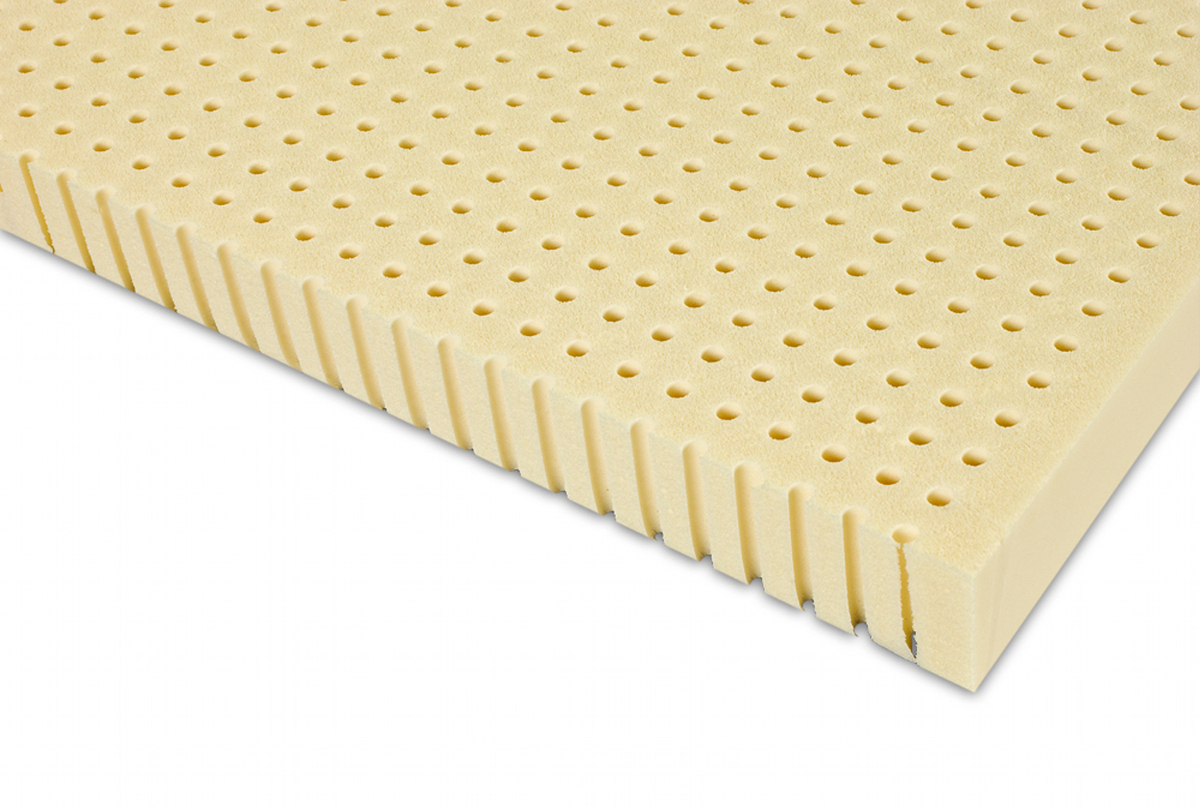
Cost: Medium – More affordable than natural latex but pricier than basic foams.
Rarity: Common – Widely available as an alternative to natural latex.
History: Synthetic latex was developed during World War II when natural latex supplies were disrupted. Styrene-butadiene rubber (SBR) became the primary synthetic alternative, offering similar properties to natural latex at a lower cost.
M – Memory Foam (Viscoelastic)
Benefits: Conforms closely to body shape, providing excellent pressure relief. Reduces motion transfer between sleep partners. Can provide targeted support for pressure points.
Drawbacks: Retains heat significantly and can become an inferno for warmer sleepers, can feel “stuck” when changing positions, and typically has poor edge support. May off-gas chemicals significantly and is far less durable than pocket springs lasting 2-5 years at a maximum before failing.
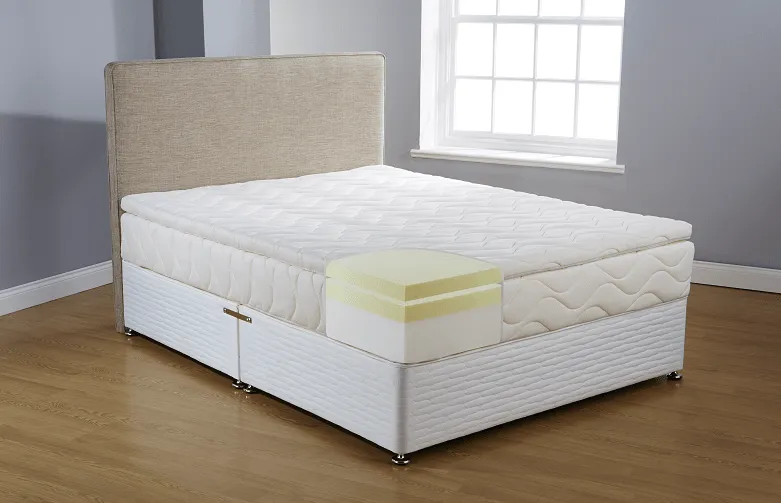
Cost: Low to High – Wide range depending on density and quality.
Rarity: Very Common – Widely used in modern mattress construction.
History: Originally developed by NASA in the 1960s for aircraft seats to improve crash protection. Memory foam was first used in medical applications before becoming popular in mattresses during the 1990s.
Dreaming of the perfect nights sleep?
M – Microfibre
Benefits: Extremely fine synthetic fibres that can be engineered to be softer than natural fibres. Hypoallergenic, lightweight, and can wick moisture effectively. Easy to clean and maintain.
Drawbacks: Can feel less luxurious than natural fibres and may generate static electricity causing the fibres to stick together or adhere to your pjamas or clothes. Some qualities can pill or flatten over time leaving shiney or flat marks.

Cost: Low to Medium – Generally affordable but varies with quality.
Rarity: Very Common – Widely used in bedding and mattress covers.
History: Developed in the 1970s, microfibre was created by splitting synthetic fibres to create ultra-fine strands. Originally used for cleaning cloths, it quickly found applications in textiles and bedding.
N – Nylon (Polyamide)
Benefits: Exceptional strength and durability, often used in mattress covers and edge reinforcement. Resistant to abrasion and maintains shape well. Lightweight yet strong.
Drawbacks: Can feel less comfortable against skin compared to natural fibres. May retain odours and generate static electricity.
Cost: Medium – More expensive than polyester but reasonable for its durability.
Rarity: Common – Widely used in technical applications within mattresses.
History: First synthesised by Wallace Carothers at DuPont in 1935, nylon was the world’s first fully synthetic fibre. It was initially marketed as a silk substitute and revolutionised the textile industry.
P – Polyester
Benefits: Highly versatile, cost-effective, and can be engineered for various applications from soft comfort layers to firm support. Doesn’t attract dust mites, is lightweight, and maintains shape well. Can be recycled.
Drawbacks: Less breathable than natural fibres, can retain heat, and may feel less luxurious. Lower grades can compress and lose loft over time.

Cost: Very Low to Medium – The most economical synthetic fibre option.
Rarity: Extremely Common – The most widely used synthetic fibre in mattress construction.
History: First developed by British chemists in 1941, polyester became commercially available in the 1950s. It quickly became the world’s most produced synthetic fibre due to its versatility and low cost.
P – Polypropylene
Benefits: Excellent moisture-wicking properties, lightweight, and resistant to staining. Naturally hydrophobic, making it ideal for moisture management in mattress construction.
Drawbacks: Can feel less soft than other synthetics and may have a plastic-like texture. Limited stretch and recovery properties.
Cost: Low – Very economical synthetic option.
Rarity: Moderately Common – Used in specific applications within mattresses.
History: Discovered accidentally by Giulio Natta in 1954, polypropylene became commercially viable in the 1960s. Its moisture-resistant properties made it valuable in various applications including textiles.
R – Rayon (Viscose)
Benefits: Made from natural cellulose but processed synthetically, offering a silk-like feel at lower cost. Good drape and absorbency, with a smooth texture. More breathable than pure synthetics.
Drawbacks: Can lose strength when wet and may shrink or wrinkle. Less durable than pure synthetics or natural fibres.

Cost: Low to Medium – More expensive than polyester but cheaper than silk.
Rarity: Common – Widely used in mattress covers and comfort layers.
History: First produced in 1884 by French chemist Count Hilaire de Chardonnet, rayon was the first manufactured fibre. It was initially called “artificial silk” and provided an affordable alternative to natural silk.
T – Tencel (Lyocell)
Benefits: Made from sustainably sourced wood pulp, offering natural moisture-wicking and temperature regulation. Softer than cotton, naturally antibacterial, and biodegradable despite being manufactured.
Drawbacks: More expensive than basic synthetics and can be sensitive to heat during processing. May wrinkle more easily than pure synthetics.
Cost: Medium to High – Premium pricing due to sustainable production methods.
Rarity: Moderately Common – Increasingly popular in premium bedding.
History: Developed in the 1970s and refined in the 1980s, Tencel represents a new generation of eco-friendly manufactured fibres. The closed-loop production process recycles water and solvents, making it environmentally responsible.
Understanding Synthetic Fibre Quality
The quality of synthetic fibres varies dramatically based on manufacturing standards, density, and intended application. At John Ryan By Design, we use only the finest man-made fibres available, carefully selected for their performance characteristics and durability. When we specify “750GSM Very soft Polyester” in our Origins range, you can be confident that this represents premium-grade material, not basic commodity polyester.
The key to successful synthetic fibre usage lies in understanding how different materials work together. For instance, blending a small amount of natural wool with polyester can significantly improve breathability whilst maintaining cost-effectiveness. This is why our Origins Pocket 1500 features a strategic combination of both synthetic and natural fibres.
The Role of Synthetic Fibres in Modern Mattress Construction
Synthetic fibres serve several crucial functions in mattress construction. They provide consistent performance, predictable behaviour, and cost-effective solutions for specific requirements. High-grade polyester, for example, can offer excellent support properties when used as an insulator layer, whilst microfibre covers can provide smooth, hypoallergenic sleep surfaces.
However, it’s crucial to understand that not all synthetic fibres are created equal. Premium synthetic materials undergo rigorous testing and quality control, ensuring they meet strict standards for durability, safety, and performance. This contrasts sharply with commodity-grade synthetics that may off-gas, break down quickly, or provide poor sleep experiences.
Are you ready for the perfect nights sleep?
View our extensive range of handmade mattresses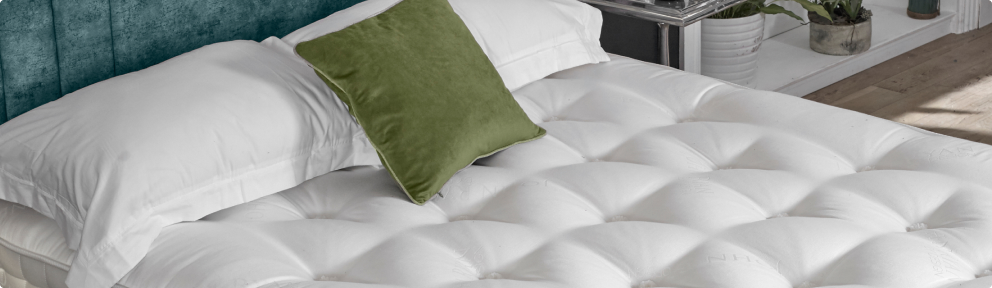
Synthetic vs Natural: Finding the Right Balance
Whilst we champion natural fibres for their superior breathability and longevity, we recognise that skilfully used synthetic materials can provide excellent value and performance. The key lies in transparency about what you’re purchasing and understanding how different materials contribute to your sleep experience.
Many manufacturers use vague descriptions like “luxury fibres” or “premium comfort layers” without specifying exact materials and quantities. At John Ryan By Design, we believe you deserve to know precisely what you’re sleeping on, whether it’s 1200GSM of pure horsehair or 750GSM of soft polyester.
Summary: Exceptional Value with John Ryan By Design Origins Range
Our Origins range represents the perfect marriage of quality craftsmanship and accessible pricing, utilising the finest man-made fibres available combined with carefully selected natural materials. Each mattress is handcrafted in Yorkshire by our skilled artisans, ensuring consistent quality and attention to detail.
Origins Pocket 1500
Our best-selling model offers exceptional value with a sophisticated fibre arrangement:
- 300GSM Wool and silk blend top comfort layer for luxury feel
- 750GSM Premium soft polyester for substantial cushioning
- 500GSM Polyester support layer for structure
- One-inch HD foam insulator for spring protection
- 1500 spun bond pocket springs with medium tension
This thoughtful combination provides medium comfort with excellent support, suitable for the broadest range of sleepers. The strategic use of natural wool in the top layer ensures breathability whilst premium polyester layers provide consistent support and value.
Origins Reflex 1000
Our firmest Origins model delivers targeted support with carefully engineered layers:
- 750GSM Premium soft polyester primary comfort layer
- One-inch foam support layer for durability
- 270GSM Polyester buffer layer for balanced feel
- 1000 pocket springs with medium-firm tension
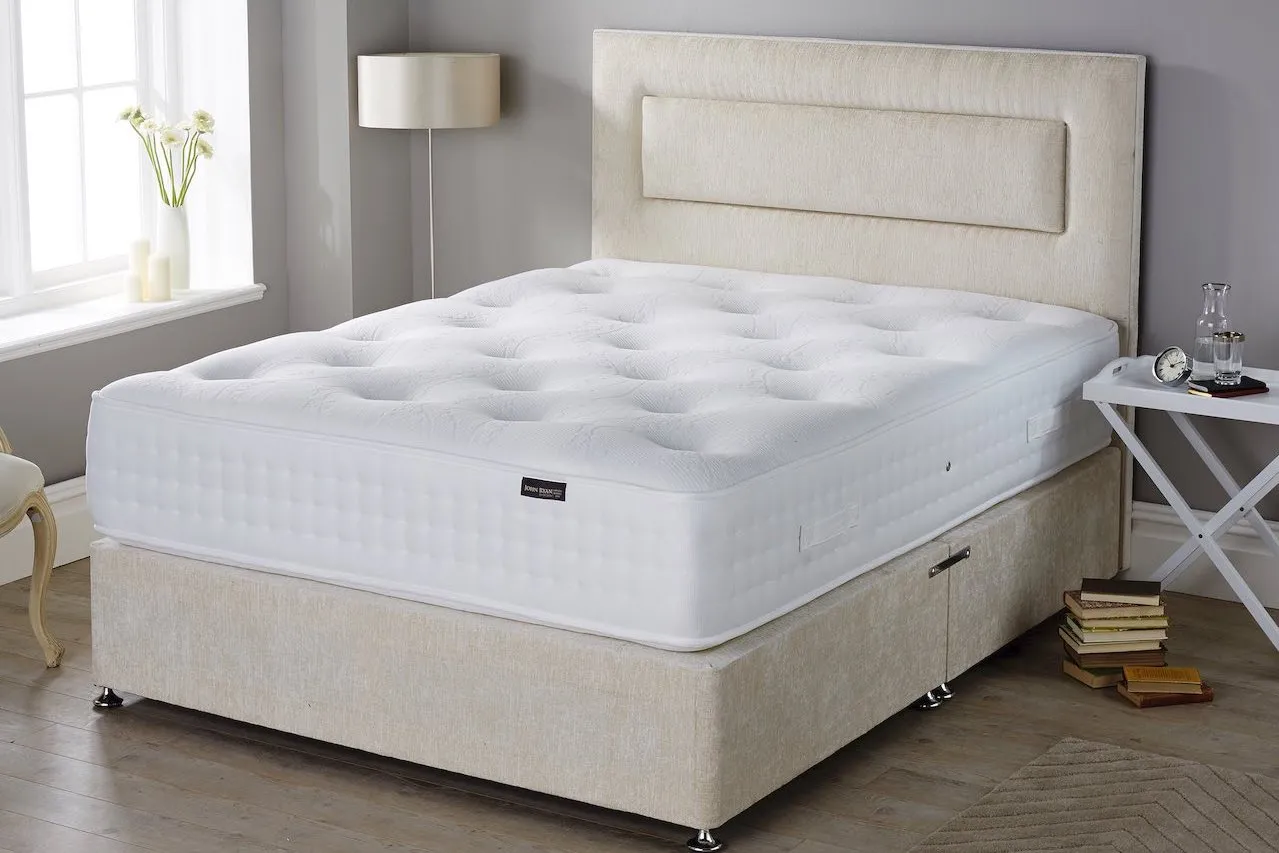
The Origins Reflex provides excellent support for those who prefer a firmer sleep surface, with synthetic fibres engineered to maintain their structure and support properties over many years of use.
Origins Pocket Latex 1500
Our hybrid model combines traditional spring support with modern latex comfort:
- 300GSM Wool and silk blend for luxury top layer
- 3cm Talalay latex layers for progressive comfort
- One-inch HD foam insulator for spring protection
- 1500 spun bond pocket springs with medium tension
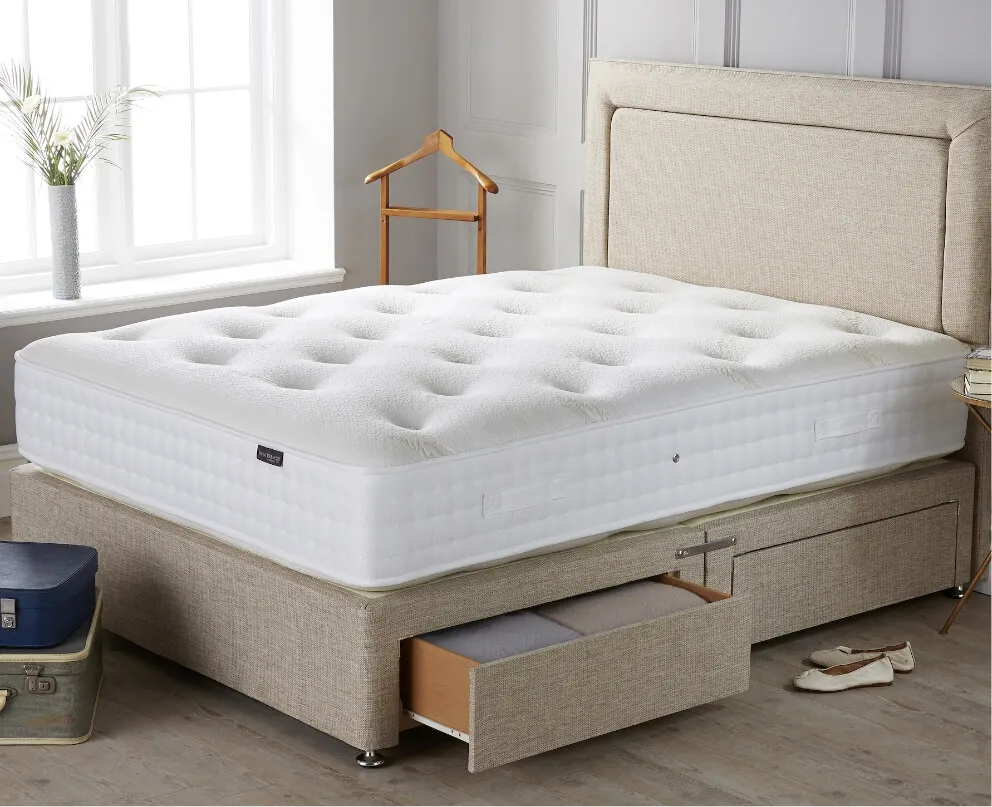
This innovative combination offers the best of both worlds: the consistent support of quality springs with the pressure-relieving properties of latex, topped with natural fibres for enhanced comfort.
Each Origins mattress features chemical-free covers using natural plant-based fire retardancy protection, machine-stitched handles for easy turning, and comes with our comprehensive guarantee. With lead times of just 4 weeks and our 60-day love it or return it guarantee, you can experience the perfect balance of quality and value with complete confidence.
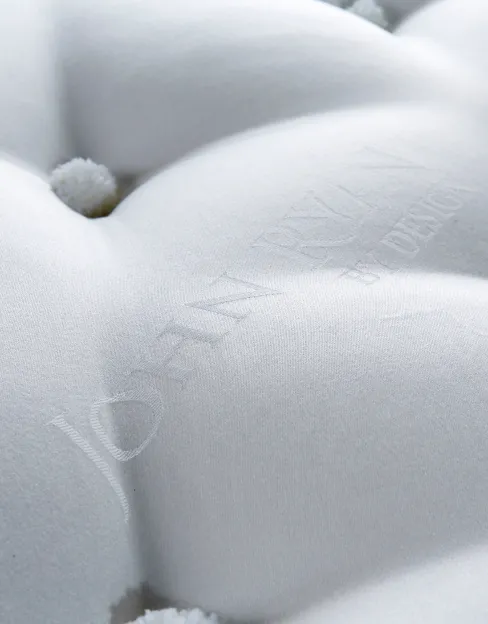
We are the mattress geeks
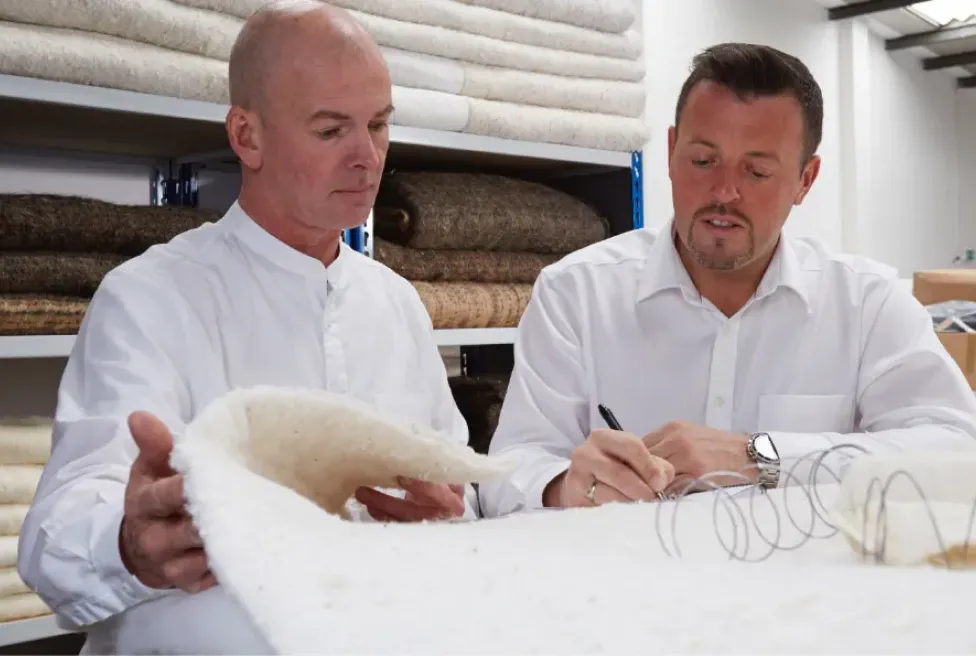
Who are John Ryan By Design?:We are unashamed ‘Mattress Nerds’ and have been for the last 25 years.
Mattress manufacturing and all the quirky detail, to us, is fascinating, and we liken ourselves to ‘train-spotters’ If new products come on the market, we endeavour to find out if they are a credible improvement on what we have already or if they are just marketing tricks.
We have applied decades of industry expertise to create our own range of high-end affordable luxury mattresses. We challenge you to find the same quality and price point anywhere else!
When you choose a John Ryan By Design Origins mattress, you’re investing in honest craftsmanship, transparent specifications, and materials carefully selected for their performance and value. Our Origins range proves that exceptional quality doesn’t require premium pricing it simply requires expertise, integrity, and a commitment to your sleep comfort.
Don’t you deserve a mattress tailored just for you?
Dreaming of the perfect nights sleep?
Ask us a question
There are over 6000 questions and answers submitted by you on all questions about mattresses and bed problems. Enter a keyword such as Vi Spring, John Lewis beds, bad back or Memory Foam and see if your question has already been answered.
If you can’t find an answer in knowledge hub, ask a new question. We aim to respond to all questions within one working day.
Newsletter
Enter your email to join our newsletter. We’ll send you occasional news and mattress expertise.