






Bed in a Box Problems: When to Fix It, When to Replace It
2026: If you’ve bought a mattress that arrived rolled up in a box, whether that’s Emma, Simba, Nectar, Eve, Ikea or one of the dozens of newer brands doing the same thing, you’ll know the appeal. It’s cheap, it’s quick, and a courier can carry it up a flight of stairs on their own. What nobody tells you when you order one is how often something goes wrong once it’s out of the box, or how hard it can be to tell whether that’s a genuine fault or just part of how these mattresses behave. This guide walks through the common problems, how to tell a fixable issue from a real one, and what your options are either way.
Why Boxed Mattresses Behave the Way They Do
A rolled mattress is compressed under huge pressure to get it small enough to ship in a box, then it’s expected to spring back to its full shape once you cut it open.
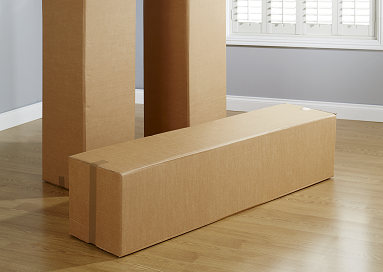
Most of the time that works reasonably well. The trouble is that the compression itself puts real strain on the materials inside, and a mattress that’s been sat compressed in a warehouse or a delivery van for weeks rather than days is under a lot more strain than one shipped quickly. That’s before you even factor in how the mattress is used once it’s on your bed.
The Problems People Actually Run Into
It hasn’t expanded properly
Most boxed mattresses take somewhere between 24 hours and a week to fully expand, and manufacturers usually give a figure in that range. If yours still looks noticeably thinner in places, feels uneven under your hand, or has a visible dip where it was folded in the box, it may simply need more time. It’s also worth checking you haven’t laid it the wrong way up, since the comfort layers sit on one side only and a mattress lying upside down will never feel right no matter how long you leave it.
There’s a persistent smell
New foam mattresses release a smell as the materials off-gas, and it’s a normal, expected part of the process for the first few days. Open a window, let it air, and it usually fades within a week or so. A smell that’s still strong after several weeks, or one that brings on headaches or irritates your eyes, is a different matter and worth raising with the retailer directly rather than assuming it will simply pass.
It’s sagging in the middle or where you sleep
This is the complaint we hear about most often on our own forum, and it comes in two quite different forms. Early sagging, within the first few months, usually points to the mattress not having expanded properly in the first place, or to the base underneath it. Foam and hybrid mattresses need a completely flat, solid surface, and slats spaced more than about 7cm apart will let the foam sink into the gaps over time, which most manufacturers explicitly exclude from their warranty. Genuine sagging after a year or two of normal use is a different problem entirely, and it’s usually the foam itself breaking down under repeated pressure, which no amount of airing or repositioning will fix.
You’ve missed the return window
Most retailers only allow returns within a set number of days from delivery, and several require the original packaging to arrange collection. If you’ve kept a mattress in the box for a few weeks before getting round to unpacking it, or thrown the packaging away once it looked fine, you can end up stuck with a mattress that isn’t right and no way to send it back. It’s worth reading the returns terms before you buy rather than after something’s gone wrong, since the “risk-free trial” many of these brands advertise is often narrower than it sounds.
Is It Fixable, or Does It Need Replacing?
A mattress that’s simply slow to expand, still smells after a few days, or feels a bit different from the photos usually just needs time and the right base underneath it. A board over a slatted base, or swapping to a solid platform top, solves a surprising number of “faulty mattress” complaints that were actually a base problem all along.
Genuine structural sagging is a different story. If you press your hand into the dip and it doesn’t spring back, or you can see a permanent body-shaped hollow when the mattress is empty, the foam has compressed and that’s not reversible. A mattress topper can mask this for a while and add a bit of comfort back, but it won’t restore proper support underneath, and if you’re waking up with new aches that weren’t there before, it’s worth treating that as a genuine sign to replace rather than patch.
What Customers Commonly Ask Us About Each Brand
The table below is a quick summary of the pattern of questions we see most often about each brand’s boxed mattresses on our own forum, not a claim that every mattress from that brand has the issue. Individual experiences vary a great deal, and the full review for each brand goes into far more depth than a single row can.
| Brand | What people most often ask us about | Full review |
|---|---|---|
| Emma | How the mattress feels after the first year or so compared to when it arrived, and whether the firmness has settled more than expected | Read our Emma review |
| Simba | The hybrid spring and foam layers, and questions about the springs becoming noticeable through the top of the mattress over time | Read our Simba review |
| Nectar | Heat retention, a common trait of memory foam generally rather than something unique to this brand | Read our Nectar review |
| Eve | Sagging in the areas people sleep most, and a plastic smell that some customers tell us has taken longer than expected to clear | Read our Eve review |
| Ikea | Sizing confusion, since Ikea uses European measurements. Their “king” is 160cm wide rather than the UK standard 150cm, which catches people out when it comes to bedding and frames | Read our Ikea review |
For Therapur and Flaxby, the questions we see are less about the boxed delivery itself and more about how the specification compares to what’s on the label, both are covered fully in their own reviews linked above.
Why a Traditionally Built Mattress Behaves Differently
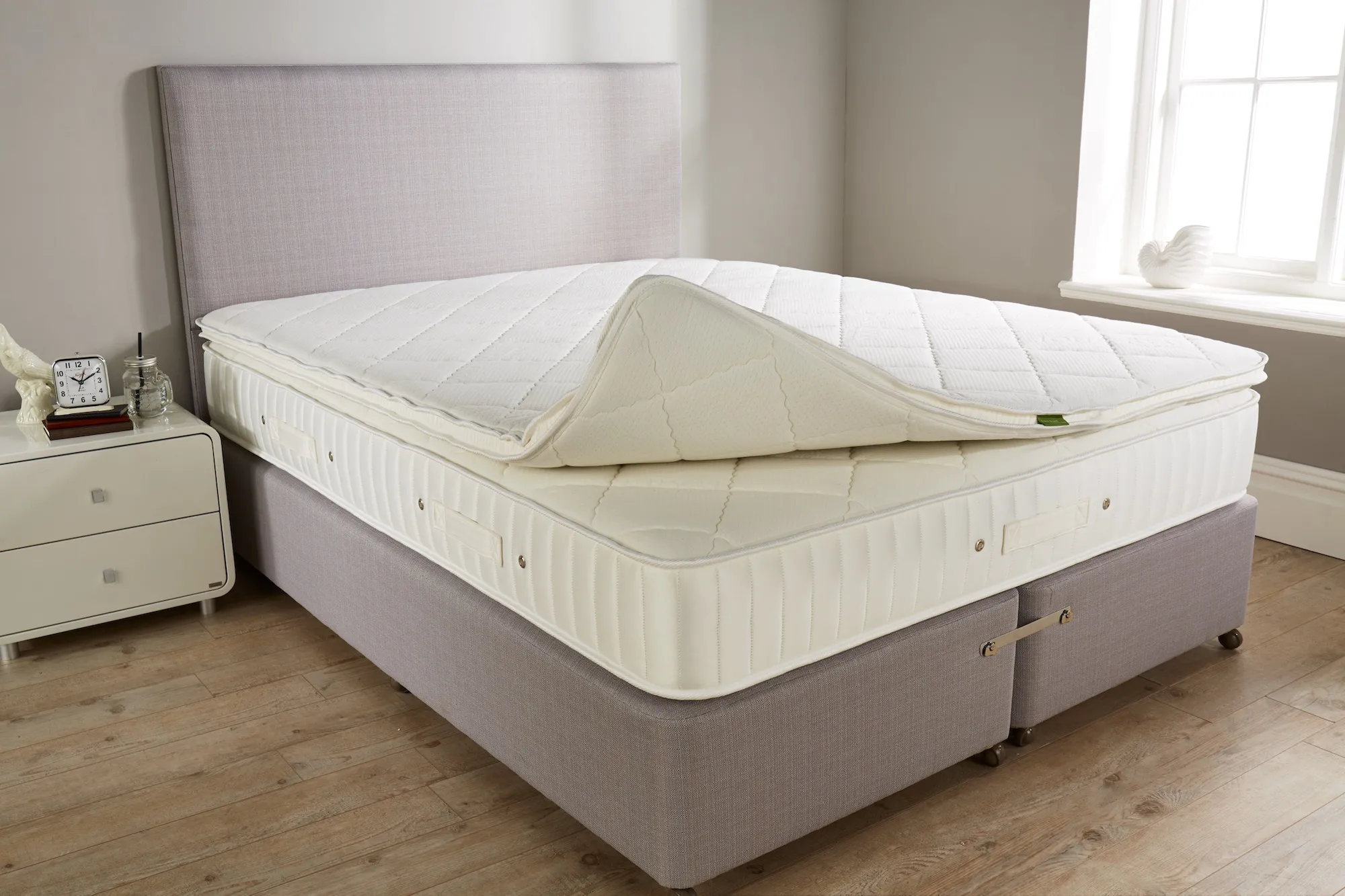
None of this is really the fault of any one brand, it comes down to how a compressed mattress is built compared with a traditional one. A rolled mattress has to be engineered to survive being squashed to a fraction of its size and then spring back again, which limits the materials and construction methods that can be used. A hand made, two sided pocket spring mattress is never compressed at any point, so the springs sit at the tension they were built to from the day it’s made rather than a tension they’ve had to recover into.
That difference shows up in a few practical ways. The spring unit in a mattress that’s never been compressed keeps its edge support properly, rather than the edge collapsing where the compression has weakened it most. Natural fillings such as Wool and Cotton breathe in a way synthetic foam doesn’t, which is part of why heat retention comes up so often in boxed mattress reviews and comparatively rarely in reviews of natural fibre mattresses. A two sided mattress can also be turned and rotated to spread wear across both surfaces, which simply isn’t possible on the one sided foam construction most boxed mattresses use, so the mattress you’re sleeping on in year one is doing all the work right through to year ten rather than sharing it with a second side.
None of that means a boxed mattress is a bad purchase for everyone, the convenience and price point suit some households well. It does mean the sagging, heat and edge support issues that come up again and again in boxed mattress reviews are largely a consequence of the compression itself, not a flaw specific to any one brand.
Other Brands Worth Checking
Alongside the five covered in the table above, we’ve also written full breakdowns of Therapur mattresses, Flaxby mattresses and the Travelodge Sleepezee Dreamer, covering what they’re actually made from and where customers most commonly run into questions.
If You’re Ready to Replace It
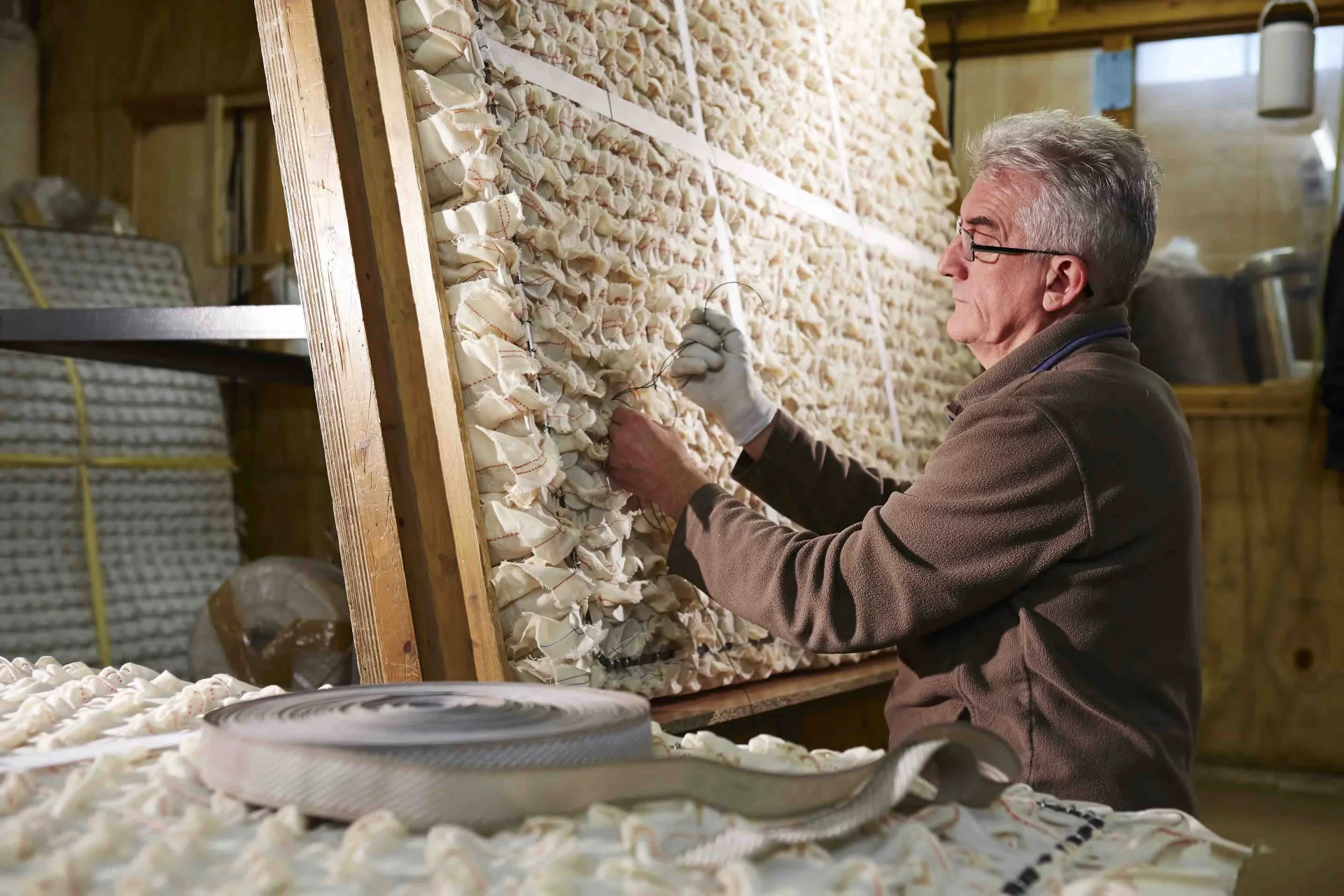
The problems above are largely a consequence of how boxed mattresses are built and shipped in the first place, foam compressed hard enough to fit through a letterbox gap doesn’t behave the same way a traditionally built mattress does. A two sided, hand made mattress with a proper pocket spring unit is never compressed or rolled, which is part of why it doesn’t develop the same expansion or sagging issues, and why it can be turned and rotated for years rather than replaced every few. If you’re weighing up whether to go through the returns process or start looking at something built differently, our guide to choosing a mattress is a sensible place to start.
Frequently Asked Questions
How long should a bed in a box take to expand fully?
Most manufacturers state somewhere between 24 hours and a week, though hybrid mattresses with a spring layer sometimes need longer than an all foam one. If it’s still visibly uneven after two weeks, that’s past the point where you should assume it just needs more time.
Why does my new mattress smell so strong?
It’s off-gassing, a normal release of odour from new foam and adhesives, and it happens across almost every boxed mattress brand. Airing the room for a few days usually clears it. A smell that persists for weeks, or causes headaches, is worth raising with the retailer directly.
Can a sagging bed in a box be fixed?
It depends on the cause. If the base underneath has gaps the mattress is sinking into, changing the base often solves it completely. If the foam itself has compressed and lost its spring, that’s permanent, and a topper will only mask the problem rather than fix it.
Will my boxed mattress warranty cover sagging?
Usually only up to a point, and most warranties specifically exclude sagging caused by an unsuitable base, such as slats spaced too far apart. Check your specific manufacturer’s terms, since the acceptable depth of sag and the base requirements both vary between brands.
Summary
Most bed in a box problems are teething issues that settle down within the first couple of weeks, a bit more time to expand, a bit more airing to clear the smell, or a board over a slatted base to stop early sagging. Genuine structural sagging after months or years of normal use is a different matter, and no amount of waiting will fix foam that’s already broken down. If you’re at that point and weighing up what to replace it with, our brand reviews above and our guide to choosing a mattress are both worth a read before you buy again.
Our small team is always happy to talk through what you’re dealing with, call us on 0161 437 4419 for honest advice.

Dreaming of the perfect nights sleep?

Ask us a question
There are over 6000 questions and answers submitted by you on all questions about mattresses and bed problems. Enter a keyword such as Vi Spring, John Lewis beds, bad back or Memory Foam and see if your question has already been answered.
If you can’t find an answer in knowledge hub, ask a new question. We aim to respond to all questions within one working day.
Newsletter
Enter your email to join our newsletter. We’ll send you occasional news and mattress expertise.