






Ensure your mattress never gives you restless nights again
May 2026Best Mattress for Each Sleeping Position
The three main sleeping positions are side, back, and front. Each places different load and pressure on distinct areas of your body, which is why the same mattress can feel perfect for one person and deeply uncomfortable for another sleeping alongside them. Body weight is also a factor, but position comes first.
How Mattresses Affect Different Sleeping Positions
A mattress that does not suit your sleeping position creates pressure points where it should not, fails to support the spine where it matters most, and gradually leads to problems that go far beyond the occasional stiff neck. We regularly speak to customers who have been managing lower back, hip, or shoulder pain for months or years before realising their mattress was the root cause.
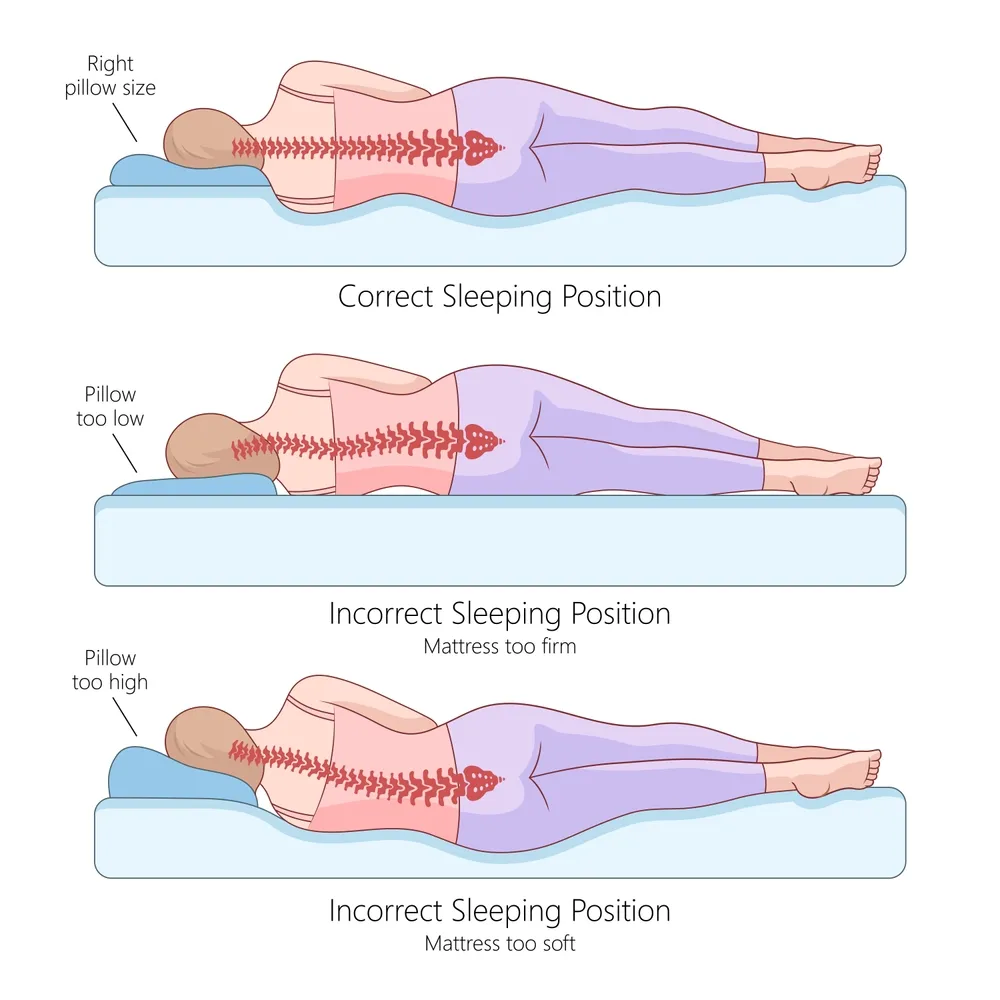
The key principle is spinal alignment. In any sleeping position, the aim is to keep your spine in as close to its natural neutral curve as possible throughout the night. A mattress that is too firm will push against your body’s natural shape and force your spine out of alignment. A mattress that is too soft will allow your heavier body parts to sink too far, causing the same misalignment from the opposite direction.
Different sleeping positions apply pressure to different areas. Side sleepers load their shoulders and hips. Back sleepers load their lower back and lumbar region. Front sleepers load their lower spine and neck. Understanding this is the starting point for choosing correctly.
Spring Tension and Body Weight: Getting the Foundation Right
Before discussing sleeping positions at all, there is one variable that sits underneath every other decision you will make about a mattress: spring tension. Choose the wrong tension for your body weight and no amount of quality upholstery or high spring count will give you a comfortable, supported night’s sleep. This is where most mattress buying goes wrong, and it is one of the reasons so many people replace a mattress after two or three years and feel no improvement.
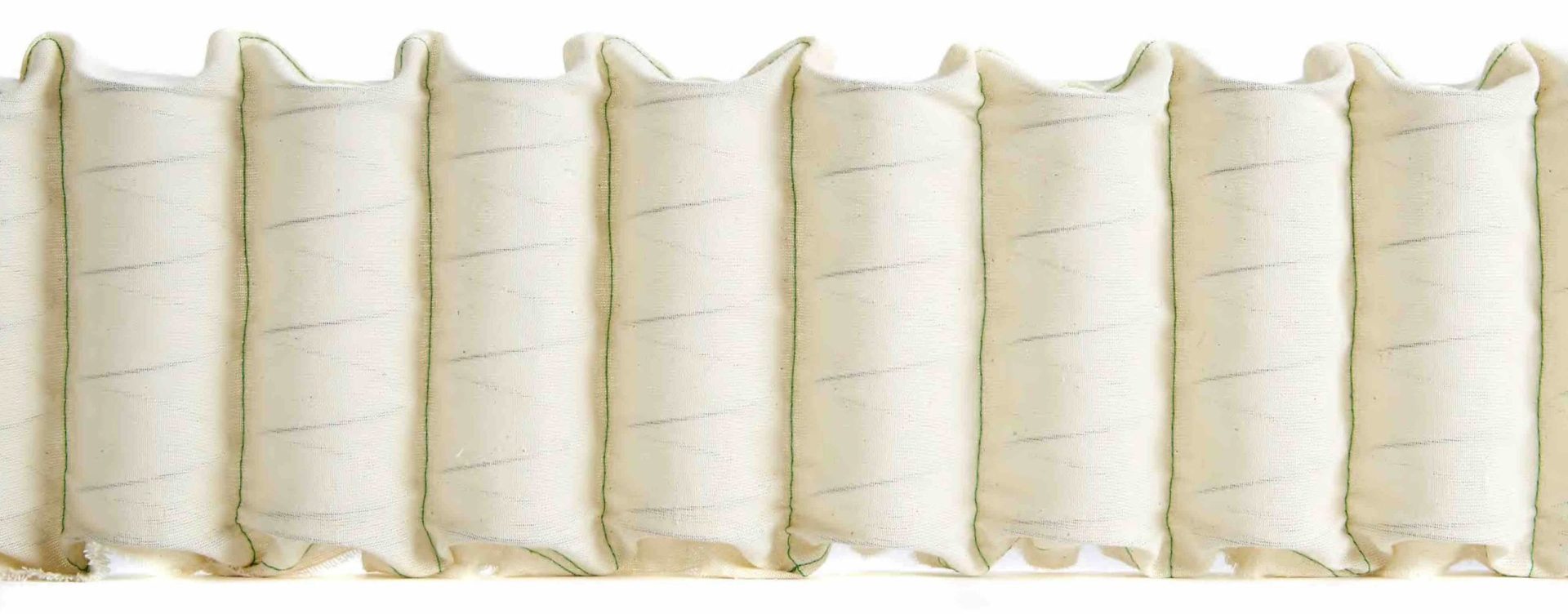
Spring tension refers to the thickness of the wire used to make each individual spring. A thicker wire gauge creates a stiffer spring that resists compression more strongly. A thinner gauge compresses more readily under load. The practical consequence is straightforward: a person weighing 10 stone needs a spring that will compress sufficiently under their body weight to allow the comfort layer above it to do its job. A person weighing 18 stone needs a spring that will resist compression firmly enough to prevent them sinking through the comfort layer and losing support entirely.
Most high-street retailers do not publish spring gauge data, and the majority sell a single tension option described as “medium” that is calibrated for an average body weight somewhere around 12 to 14 stone. If you fall outside that range in either direction, you are buying a mattress that is already mismatched to your body before you have slept a single night on it.
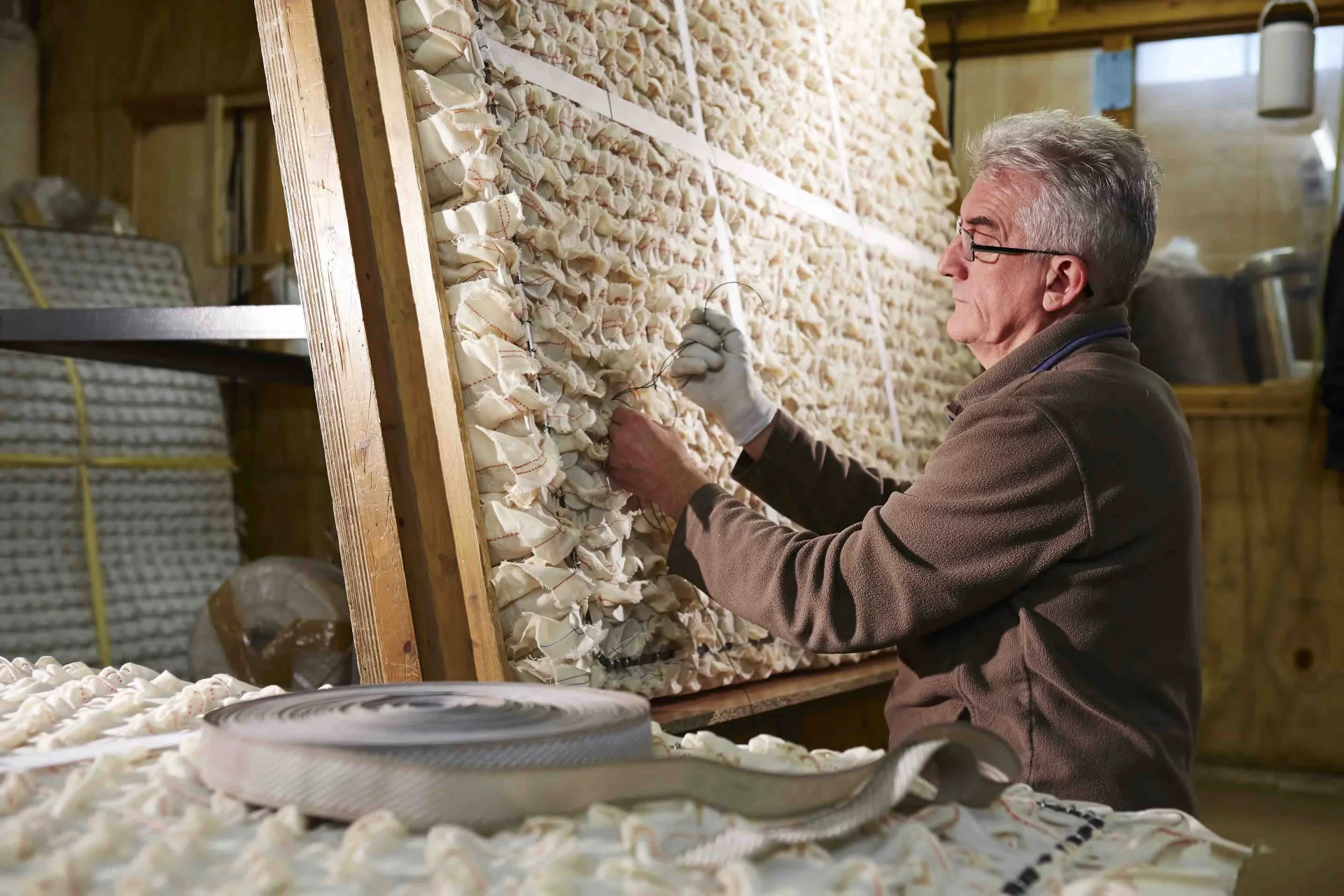
At John Ryan, spring tension is selected at the point of order on all Artisan and Origins models. The table below is a guide to which tension suits which body weight. Where you sleep as a couple, each person’s weight should be considered for their side of the bed. A zip and link arrangement allows each half to be specified with a different tension if the weight difference between you and your partner is significant.
Spring Tension Guide by Body Weight
| Body Weight | Recommended Spring Tension | Wire Gauge | What This Means in Practice |
|---|---|---|---|
| Up to 10 stone (64kg) | Soft | 1.2mm | A lighter body needs a more responsive spring to compress sufficiently. A medium or firm tension will feel too unyielding and create pressure at the shoulder and hip for side sleepers. |
| 10 to 14 stone (64 to 89kg) | Medium | 1.4mm | The range most mattresses are built for. A medium tension provides the right balance of give and support for average body weights in most sleeping positions. |
| 14 to 18 stone (89 to 114kg) | Firm | 1.4mm to 1.6mm | A heavier body will compress a medium tension spring more than intended, pushing through the comfort layer and losing the support the mattress was designed to provide. Firm tension maintains the correct relationship between body weight and spring resistance. |
| 18 stone and above (114kg+) | Extra Firm | 1.6mm+ | At this weight, standard firm springs can still compress excessively over time. Extra firm tension ensures the spring unit maintains its integrity and continues to support the spine correctly throughout the mattress’s lifespan. |
A note on couples: the table above applies to each individual sleeper, not the combined weight of both people. If you weigh 11 stone and your partner weighs 16 stone, the ideal solution is a zip and link mattress with a medium tension on your side and a firm tension on theirs. Ordering a single mattress and trying to find a compromise tension that suits neither person perfectly is the most common mistake couples make when buying together.
Spring tension and sleeping position interact directly. Side sleepers are particularly sensitive to tension choice because the shoulder and hip are narrow contact points that need the spring to compress locally and allow those points to drop. A side sleeper using a tension that is too firm for their weight will feel the spring pushing back against their shoulder rather than yielding to it. This is the most frequent cause of the shoulder and hip pain side sleepers report after switching to a mattress that felt fine in a showroom but became uncomfortable within weeks of sleeping on it every night.
If you are unsure which tension is right for you, our team is available on 0161 437 4419 and will ask you two or three straightforward questions about your weight and sleeping position before making a specific recommendation. It is a conversation that takes five minutes and removes the biggest single variable from the decision.
Best Mattress for Side Sleepers
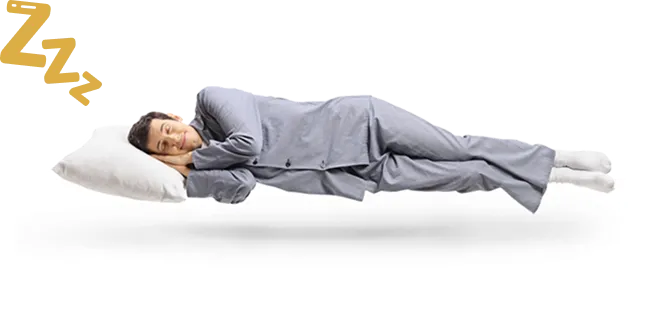
Side sleeping is the most common position in the UK, with research consistently suggesting that between 40% and 50% of people prefer it. It is a good position for many people, offering benefits for digestion and airway openness, and it is generally recommended for pregnant women. However, side sleeping also places the most direct load on the mattress through two narrow contact points: the shoulder and the hip.
When those two points cannot sink sufficiently into the mattress, the spine bows laterally and the body is held at an angle rather than lying in its natural alignment. Over time this causes the shoulder pain, hip soreness, and numbness in the arms or legs that many side sleepers accept as normal. It is not normal. It is a mattress problem.

The shoulder is the critical contact point for side sleepers. It needs to be able to drop into the mattress far enough for the spine to remain level, without the rest of the body following it down. This requires a comfort layer that is responsive enough to compress under localised pressure while the spring unit beneath provides the underlying support.
Best Firmness for Side Sleepers
Soft to medium is the right range for most side sleepers. This gives the shoulder and hip the give they need to sink in and relieve pressure while the spring unit maintains the overall support that keeps the spine level. A medium feel is suitable for the majority of side sleepers, particularly those of average build. Lighter side sleepers, or those with particularly pronounced hip curves, may find a soft feel more comfortable.
A firm mattress is rarely the right choice for a side sleeper. The resistance at the shoulder prevents it from dropping, the spine angles upwards from the shoulder towards the hip, and the pressure concentrated on those two bony contact points becomes uncomfortable relatively quickly. If you are a side sleeper who has always slept on a firm mattress because you were told it was better for your back, it is worth reconsidering.
One important caveat: heavier side sleepers sometimes find that a medium feels too soft once they are in it, as greater body weight compresses the comfort layers more quickly. In those cases, a firm-feeling medium, or a mattress with a denser comfort layer, may be more appropriate. Our team can advise on this directly if you call us on 0161 437 4419.
Recommended Mattresses for Side Sleepers
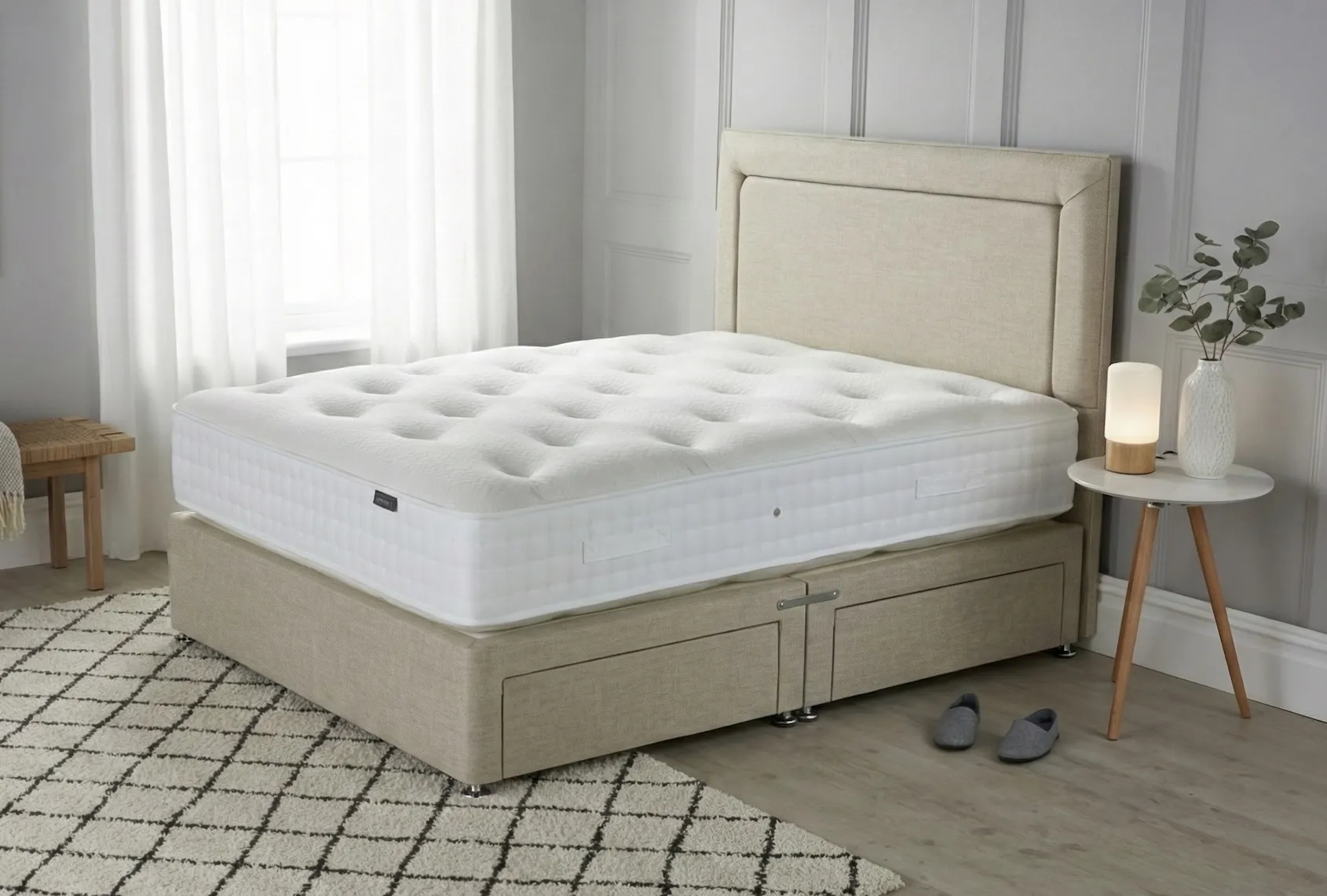
All of the mattresses below use individually pocketed calico-encased springs, which means each spring responds independently to the shape of your body. This is particularly valuable for side sleepers because it allows the spring unit to contour around the shoulder and hip rather than pushing back against them uniformly. None of them contain memory foam, which is a separate topic covered in our memory foam guide.
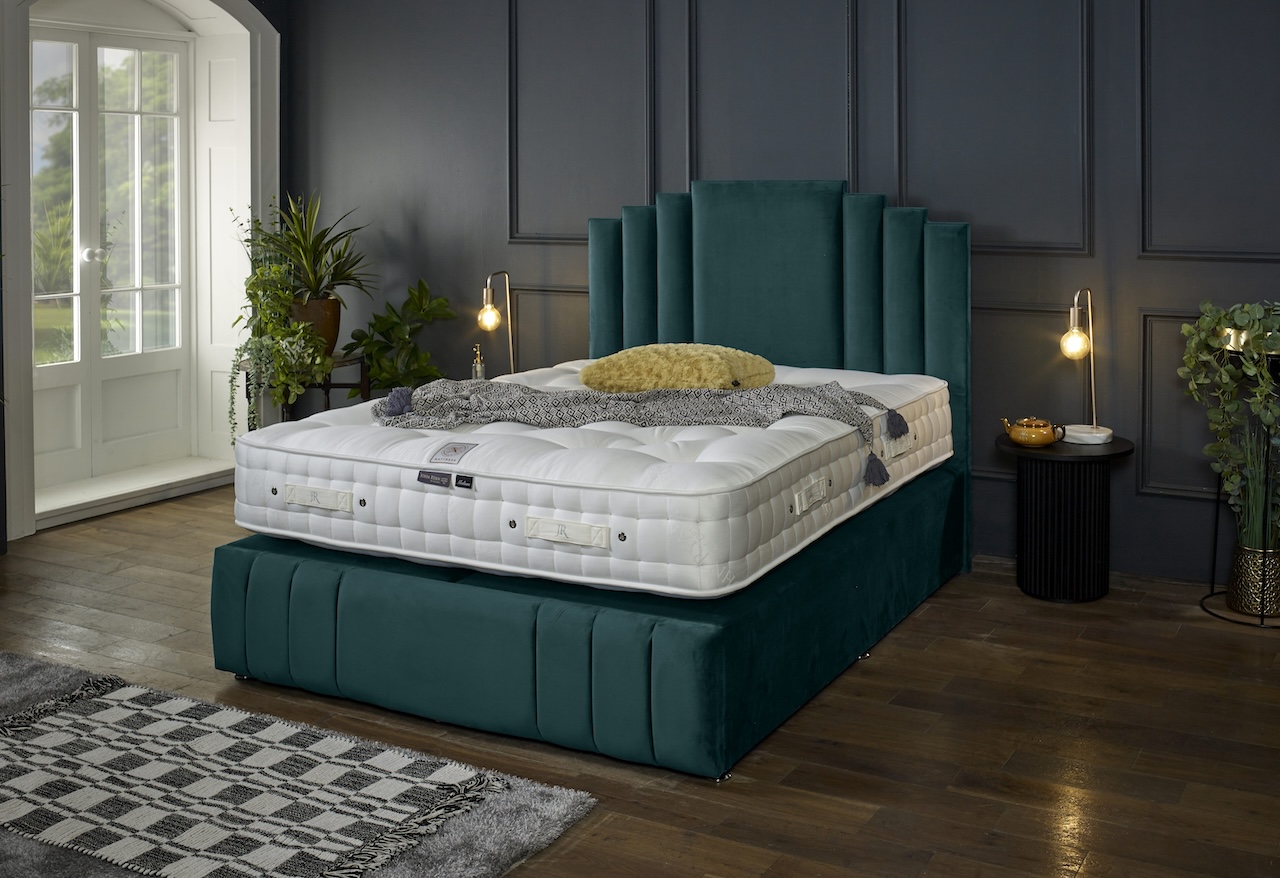
Artisan Luxury (King Size: £2,955) — Soft feel
The Artisan Luxury is our softest Artisan-range mattress and is built specifically for those who need genuine give at the shoulder and hip. It uses 4,600GSM of natural fibres across multiple layers including Horsehair, Wool, and Horsetail, sitting over 1,476 calico-encased pocket springs. The result is a mattress that responds immediately to body shape rather than requiring a break-in period. It is our first recommendation for side sleepers of lighter to average body weight who want the most pressure-relieving feel available.
 https://johnryanbydesign.co.uk/product/artisan-luxury/
Artisan Naturals (King Size: £2,180) — Medium feel
The Artisan Naturals is the most popular mattress in our range and is consistently the one our advisors recommend to side sleepers as a starting point. It uses 3,950GSM of natural fibres including Mohair and Wool over 1,600 calico-encased pocket springs. The medium feel places it in the ideal range for most side sleepers: enough give to relieve shoulder and hip pressure, enough support to hold the spine level. It is also available with a soft or firm spring option if your weight or personal preference pushes you towards either end of the medium range.
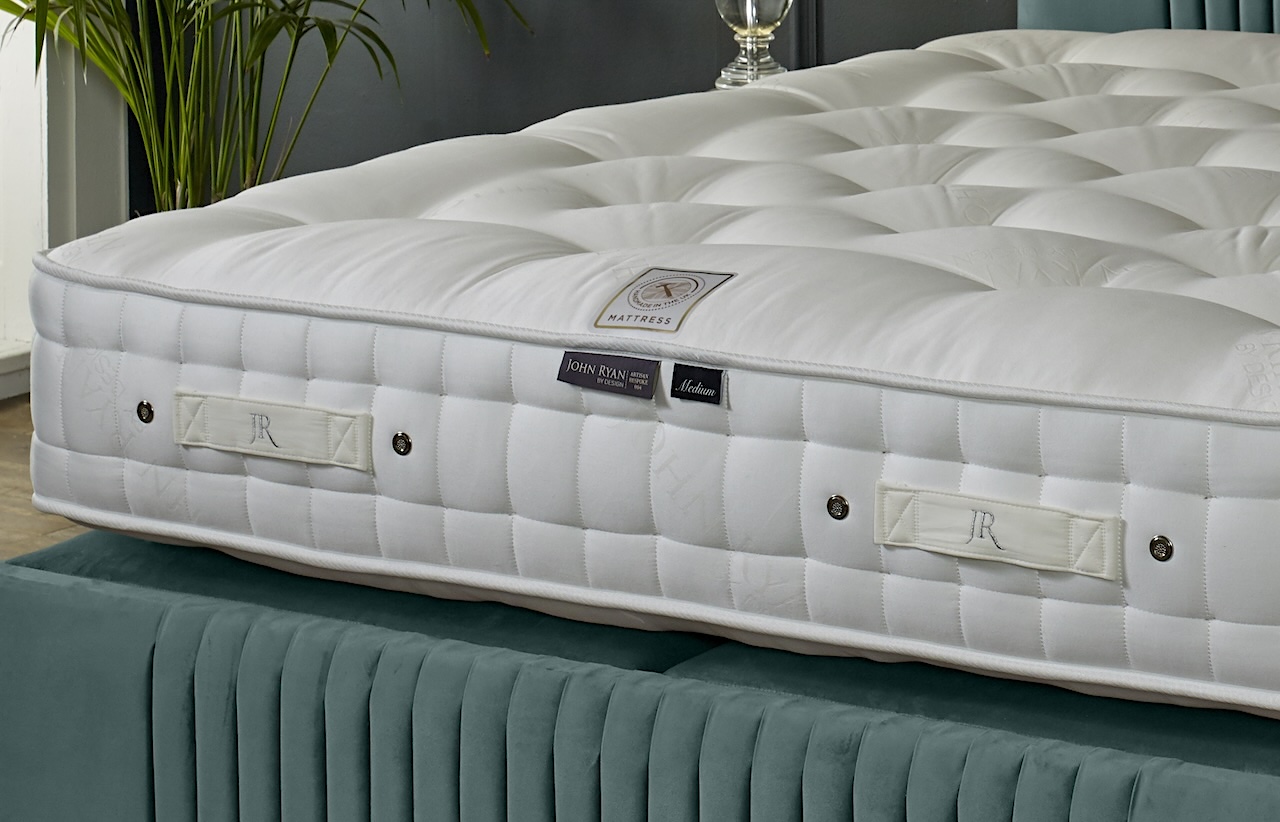
Origins Natural Comfort (King Size: £1,300) — Medium feel
If your budget does not stretch to the Artisan range, the Origins Natural Comfort is the most relevant alternative for side sleepers. It contains real natural fibres including British Wool, Cotton, Cashmere, and Silk over 1,000 pocket springs, and its medium feel makes it a solid choice for side sleeping at a lower price point. It will not have the same depth of comfort layer as the Artisan Naturals, but it is a genuinely capable mattress for the money.
Best Pillow For Side Sleepers
Your sleeping experience wouldn’t be complete without a comfortable and supportive pillow. The best pillow for side sleepers will need to provide the right amount of height. This is to ensure that the neck stays in line with the pillow. A pillow that’s too soft will inevitably lead to the head dipping. Anything too high will tend to bend your neck, which will lead to all manner of neck, shoulder, and back problems.
Any medium or firm pillow is recommended for side sleepers. You may also need a deeper pillow, especially if you have big shoulders.
Best Mattress for Back Sleepers
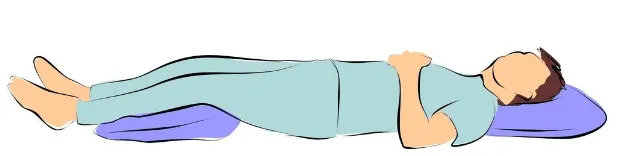
Back sleeping is often cited as the most naturally aligned sleeping position because the spine lies in a roughly neutral position along its full length. This is true up to a point. The condition is that the mattress beneath you supports the lumbar curve rather than allowing it to sag, and that your head and neck are not propped at an angle that creates tension in the upper spine.
The lumbar region, the lower back just above the hips, is the area most at risk for back sleepers. It is the section of the spine that curves inward naturally and which, if left unsupported by a mattress that is too soft, will gradually sag into the mattress and cause the lower back to arch. Back sleepers who wake with lower back pain are almost always sleeping on a mattress that is too soft for their body weight.

Best Firmness for Back Sleepers
Medium to firm is the recommended range for back sleepers. The lumbar region needs the mattress to push back against it gently, maintaining the natural inward curve rather than allowing it to collapse. At the same time, the mattress still needs some give at the shoulder blades and the back of the heels, which are the secondary contact points for a back sleeper.
A very firm mattress, particularly one with minimal comfort layer, can actually create a gap at the lumbar region for back sleepers of lighter or average build, because the shoulder blades and hips rest on the surface while the lower back floats above it. This is the opposite problem to a mattress that is too soft, but the result is the same: the spine is not supported in its natural position.
Body weight matters more for back sleepers than for any other position. A heavier back sleeper will compress the comfort layers more, requiring a firmer mattress to prevent the lumbar region from sinking. A lighter back sleeper may find a medium-firm mattress perfectly adequate.
Recommended Mattresses for Back Sleepers
Artisan 1500 (King Size: £1,755) — Firm feel
The Artisan 1500 is our entry-level handmade mattress and is built with a firm feel that suits back sleepers well, particularly those of average to heavier build. It uses 4,300GSM of layered fibres including Cashmere Hair and Wool over 1,500 spun bond pocket springs. Despite the firm feel, the comfort layer is substantial enough to prevent the mattress from feeling board-like under the shoulder blades. It is an honest, well-built mattress at a competitive price.
Artisan Naturals (King Size: £2,180) — Medium feel
For back sleepers of lighter to average build, the Artisan Naturals in its medium spring option is a strong choice. The medium feel provides enough push-back at the lumbar region to support the lower back without creating the bridging problem described above. The 1,600 calico-encased pocket springs are individually responsive, which means they adapt to the full length of the body rather than applying uniform resistance. Lighter back sleepers in particular tend to find this more comfortable than a firm mattress.
Artisan Bespoke 004 (King Size: £2,860) — Medium feel
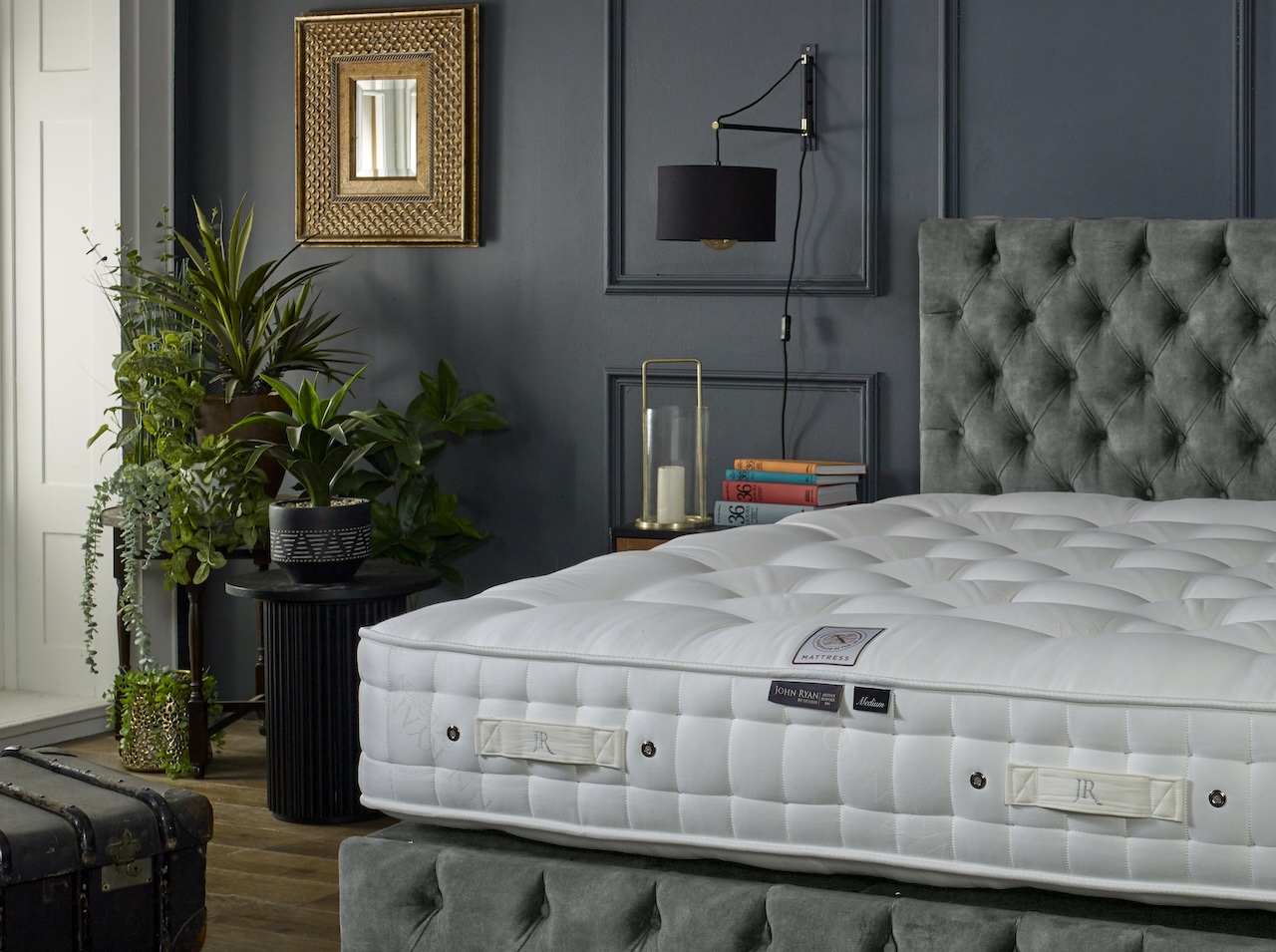
The Artisan Bespoke 004 sits between the Artisan Naturals and the upper Bespoke range and offers a medium feel with a higher GSM total and a different spring geometry. It uses 3,600GSM of natural fibres including Horsetail and Wool over 1,600 calico-encased pocket springs with a slightly smaller spring diameter. Back sleepers who need very precise lumbar support often find this mattress particularly well suited, as the tighter spring geometry responds more precisely to the contours of the lower back.
Best Mattress Type For Back Sleepers
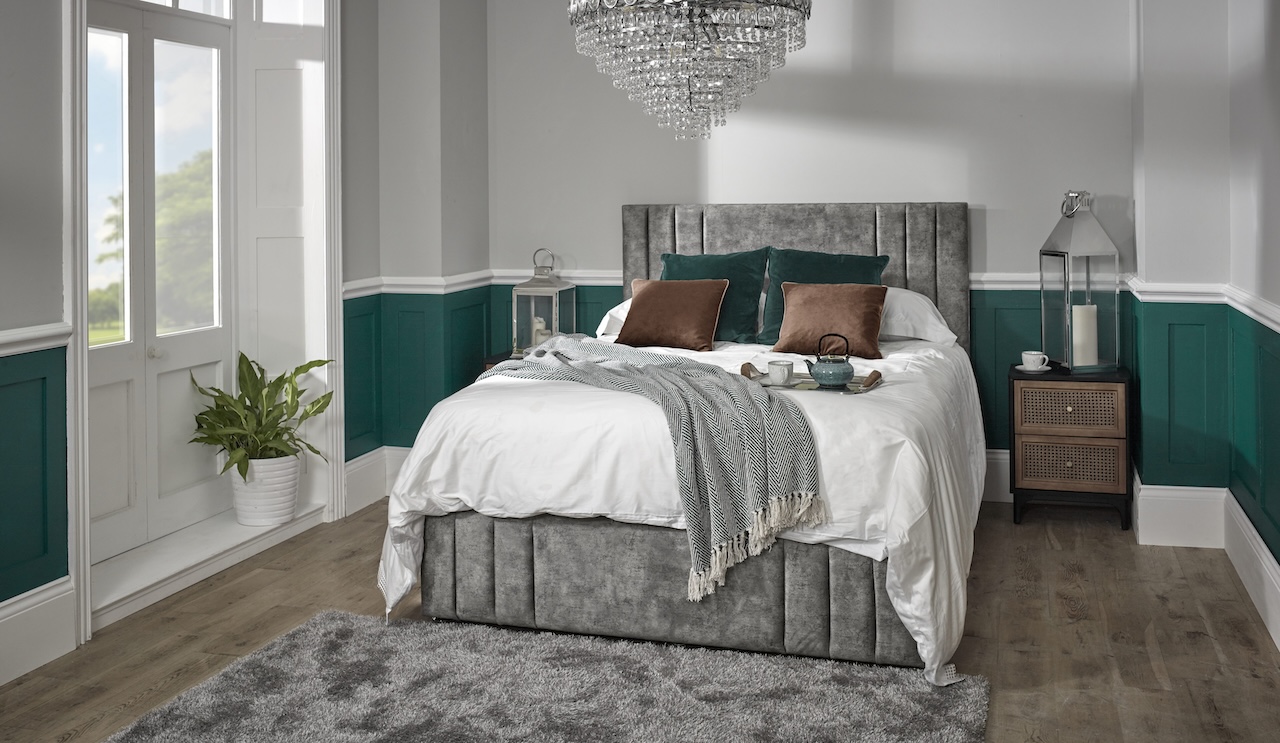
Once again, the most highly recommended mattress type for back sleepers is a pocket-sprung mattress. They contain individual springs that are cushioned in their own pockets of material (with filling) to provide support across the body and suitable comfort for back sleepers. They also distribute weight evenly and are sturdy enough to prevent ‘roll together’ (which refers to what happens when you and your sleeping partner roll into the middle of the bed and meet each other).

Best Mattress for Front Sleepers
Front sleeping is the most challenging position to accommodate well, and we will be straightforward about that. Sleeping on your stomach naturally places the lower spine into extension, which means the lumbar curve is being pushed further inward rather than supported in its neutral position. Over time this can contribute to lower back problems, and it places considerable rotational stress on the neck because the head must turn to one side.
That said, a significant number of people sleep on their front and are not going to change, which means the priority is to choose a mattress that minimises the problems the position creates rather than eliminates them entirely.

The key risk for front sleepers is the torso and hips sinking into a soft mattress and pushing the lower back into an exaggerated arch. A mattress that prevents this sinking while still providing enough cushioning at the sternum, knees, and face is what is needed.
Best Firmness for Front Sleepers
Medium to firm is the appropriate range for front sleepers. The mattress needs enough resistance to prevent the abdomen and hips from sinking in, which is what creates the problematic lumbar arch. However, if the mattress is excessively firm, there is insufficient cushioning at the ribcage and sternum, which can cause a different kind of discomfort, particularly for women.
A medium feel with a firm spring unit tends to work well for many front sleepers of average build. The comfort layer provides enough cushioning to make the surface comfortable without allowing the core of the body to sink. Heavier front sleepers should lean towards firm, as their greater body weight will compress the comfort layer more significantly.
Recommended Mattresses for Front Sleepers
Artisan 1500 (King Size: £1,755) — Firm feel
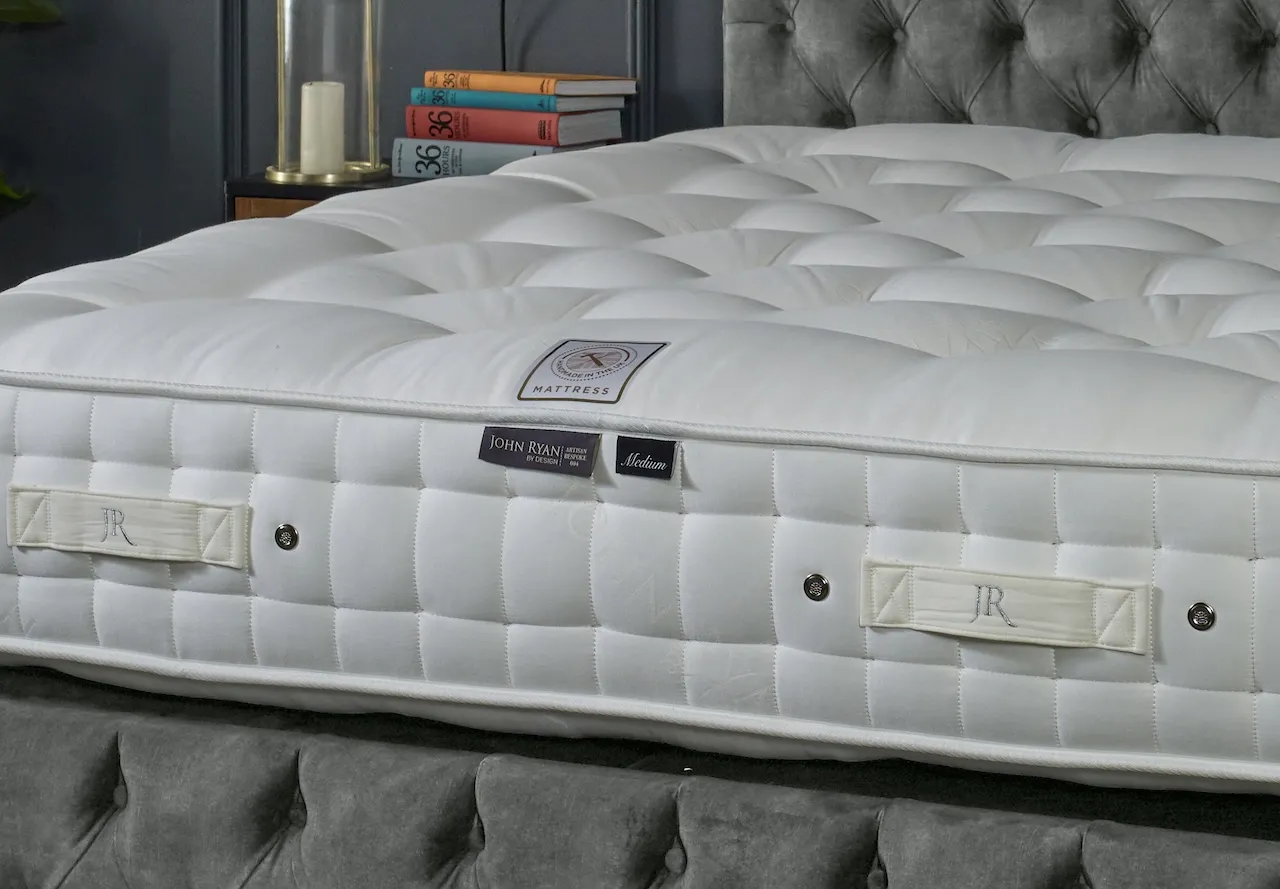
For front sleepers who prefer or need a firm feel, the Artisan 1500 is the appropriate starting point. The firm spring option and substantial comfort layer prevent the hip and abdomen from sinking, which is the most important outcome for a front sleeper. It is also the most affordable handmade option in the range, making it a sensible choice if you are buying primarily on the basis of sleeping position needs rather than luxury specification.
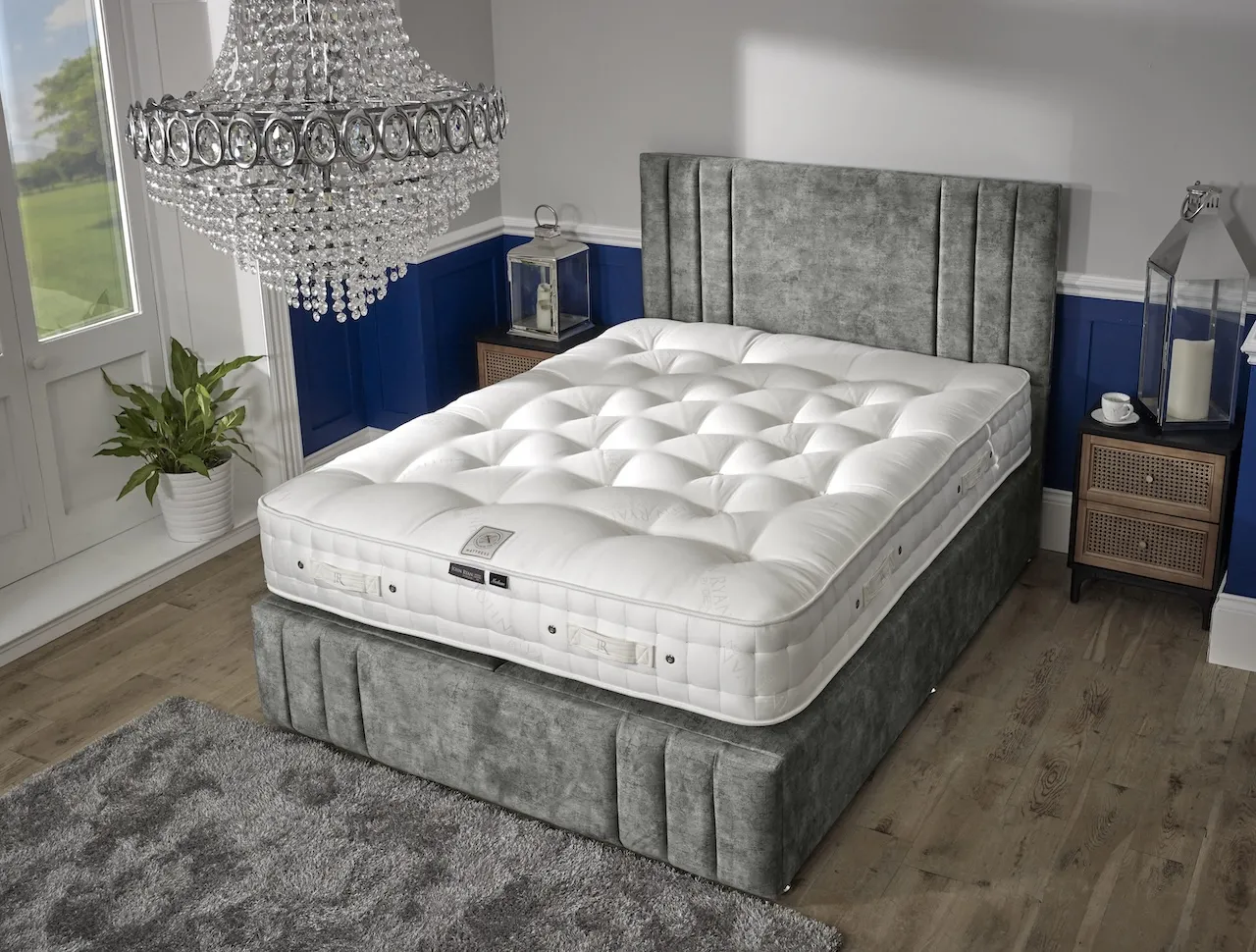
Artisan Naturals (King Size: £2,180) — Medium feel
The Artisan Naturals ordered with a firm spring option sits at the firmer end of its medium feel range and is well suited to front sleepers of lighter to average build. The Mohair comfort layer is responsive rather than conforming, meaning it provides immediate cushioning without the deep sink that would be counterproductive for front sleeping. It is a more comfortable surface than the Artisan 1500 for those who find a firm feel too unforgiving at the ribcage.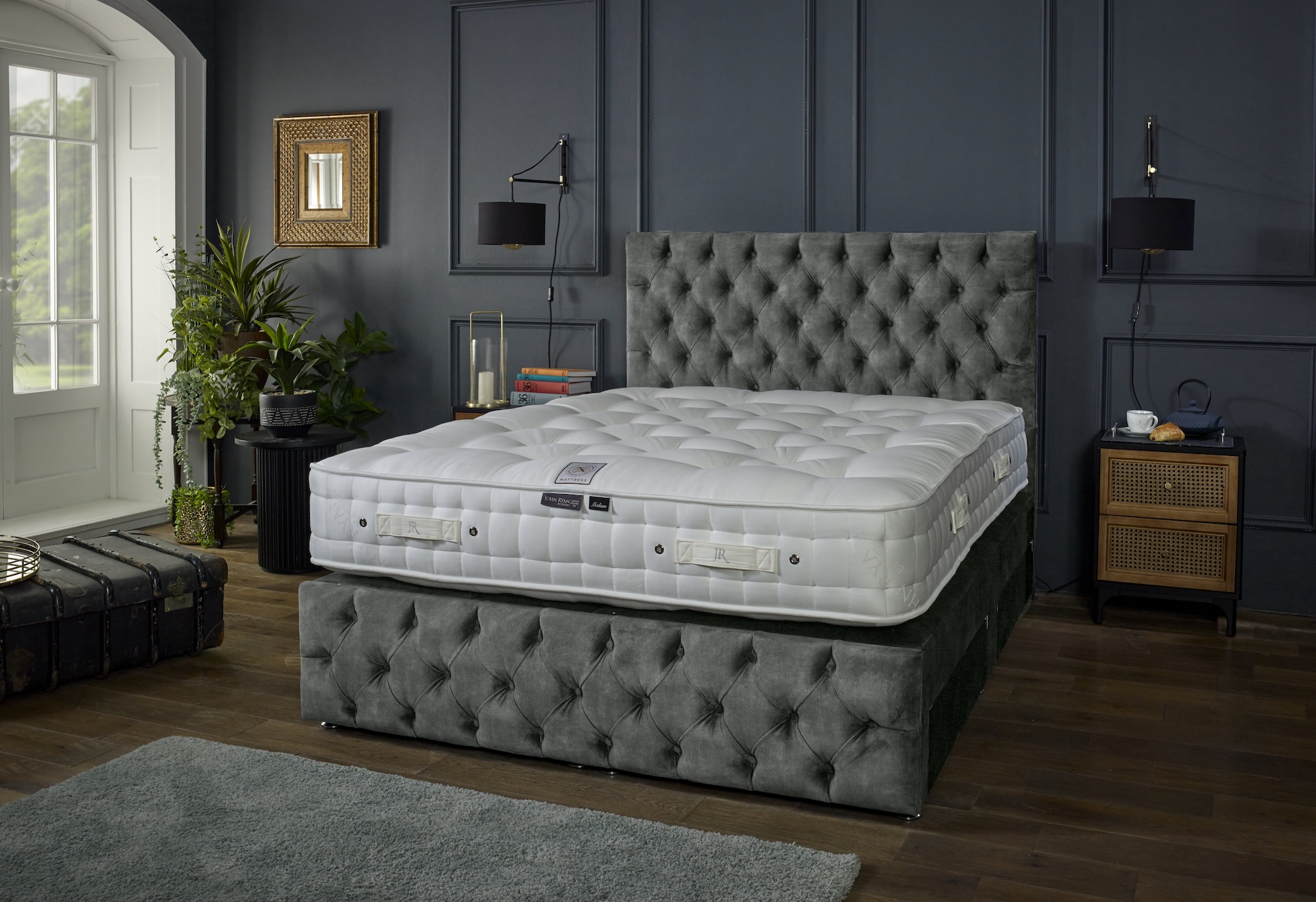
Artisan Tailored Pocket 2000 (King Size: £1,915) — Medium feel
The Artisan Tailored Pocket 2000 uses a double-tier spun bond pocket spring system of 2,000 springs alongside 3,950GSM of natural fibres including Mohair. Available in medium or firm, it offers a slightly different feel to the Naturals because of the higher spring count and the double-tier geometry. Front sleepers who have found the Naturals marginally too soft sometimes prefer this mattress for its slightly crisper response.
Couples with Different Sleeping Positions
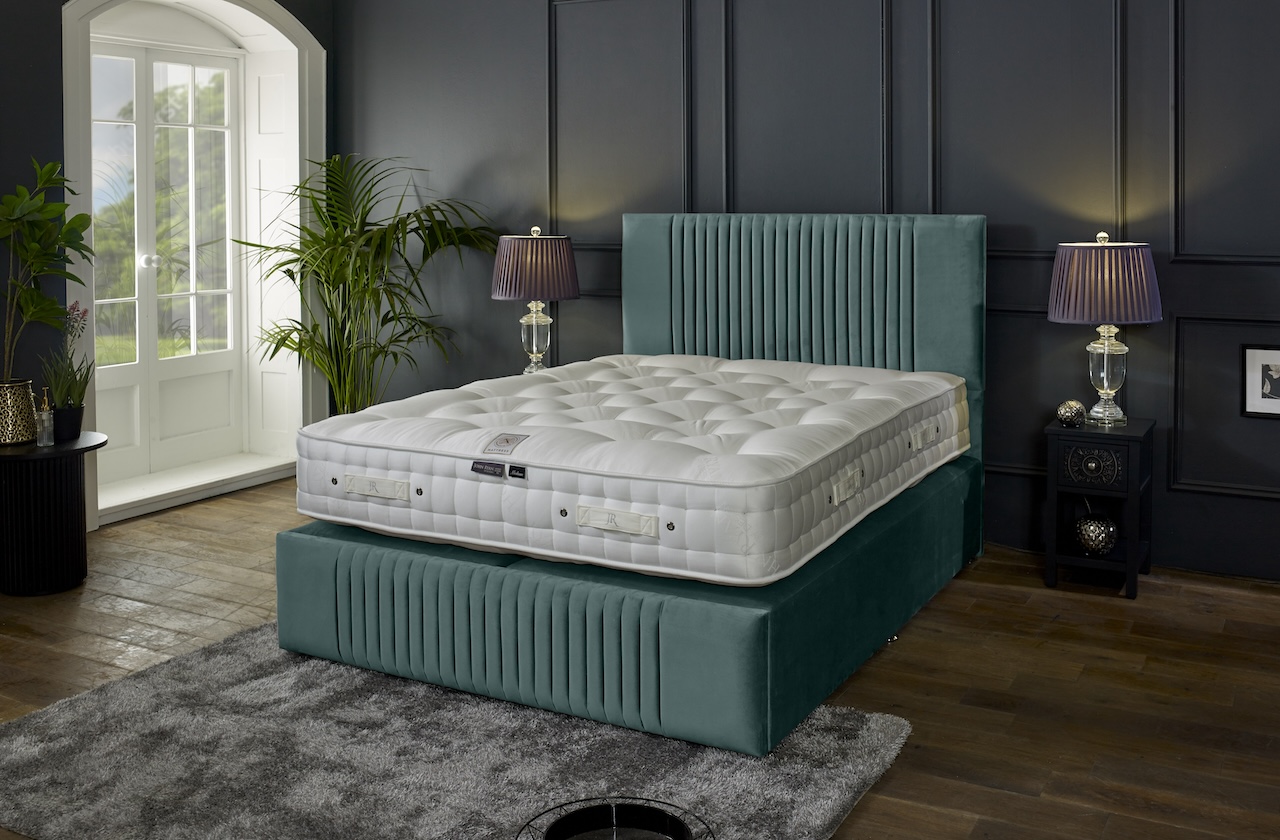
A genuinely common situation is a couple where one person is a side sleeper who prefers a softer feel and the other is a back sleeper who needs more support. In most cases, a medium feel with a good quality natural fibre comfort layer will work reasonably well for both, because the comfort layer provides enough give for the side sleeper while the spring unit maintains enough support for the back sleeper.
Where the gap in requirements is significant, for example, a lightweight side sleeper alongside a heavier back sleeper, a zip and link mattress allows each side to be specified independently. Every Artisan and Origins mattress can be made as a zip and link. This is often a better solution than trying to find a single compromise feel that neither person is quite happy with.
Our team is available on 0161 437 4419 to discuss your specific combination of sleeping positions, weights, and preferences. This is a conversation that takes ten minutes and usually leads to a much clearer recommendation than any guide can provide on its own.
Our Mattress Recommendations at a Glance
| Sleeping Position | Recommended Feel | Mattress | King Size Price |
|---|---|---|---|
| Side sleeper (lighter build) | Soft | Artisan Luxury | £2,955 |
| Side sleeper (average build) | Medium | Artisan Naturals | £2,180 |
| Side sleeper (budget) | Medium | Origins Natural Comfort | £1,300 |
| Back sleeper (heavier build) | Firm | Artisan 1500 | £1,755 |
| Back sleeper (lighter to average) | Medium | Artisan Naturals | £2,180 |
| Back sleeper (precise lumbar support) | Medium | Artisan Bespoke 004 | £2,860 |
| Front sleeper (firmer preference) | Firm | Artisan 1500 | £1,755 |
| Front sleeper (average build) | Medium/Firm | Artisan Naturals | £2,180 |
| Front sleeper (high spring count) | Medium/Firm | Artisan Tailored Pocket 2000 | £1,915 |
All prices are for king size. Every mattress in the table is handmade here in Manchester using natural fibres and calico or spun bond pocket springs. None contain memory foam or chemical fire retardants. Full layer specifications including GSM weights for every mattress are published on the individual product pages.
Frequently Asked Questions
What is the best mattress for side sleepers in the UK?
The best mattress for a side sleeper is one with a soft to medium feel that allows the shoulder and hip to sink sufficiently into the comfort layer while the spring unit maintains spinal alignment. For most side sleepers, a medium feel pocket spring mattress with a natural fibre comfort layer is the most practical recommendation. The Artisan Naturals at £2,180 king size is our most widely recommended mattress for side sleepers of average build. For lighter side sleepers, the Artisan Luxury at £2,955 king size provides a softer surface that reduces shoulder and hip pressure further.
What is the best mattress for back sleepers?
Back sleepers need a medium to firm mattress that supports the lumbar curve without allowing the lower back to sag. The specific firmness depends significantly on body weight: heavier back sleepers tend to need a firmer mattress, while lighter back sleepers are often more comfortable on a medium. The Artisan Naturals in a medium spring option suits most back sleepers of average build, while the Artisan 1500 in firm is better suited to heavier back sleepers or those with a strong preference for a firmer surface.
Can a mattress cause shoulder pain for side sleepers?
Yes. A mattress that is too firm for a side sleeper will not allow the shoulder to drop sufficiently, creating concentrated pressure on that contact point and forcing the spine to angle laterally. This is one of the most common causes of shoulder pain that clients report when they contact us. Switching from a firm to a medium or soft feel almost always resolves this problem, sometimes within days of sleeping on the new mattress.
What mattress firmness is best for front sleepers?
Medium to firm. Front sleepers need enough resistance in the mattress to prevent the abdomen and hips from sinking, which would push the lower spine into an exaggerated arch. A mattress that is too soft is the main risk for front sleepers. A medium feel with a firm spring option, or an outright firm mattress, both work well depending on build and individual preference.
Is a medium or firm mattress better for back pain?
This depends on your sleeping position and body weight rather than the pain itself. Side sleepers with back pain are more likely to need a medium feel to allow the shoulder and hip to decompress. Back sleepers with lower back pain are more likely to need a medium to firm feel to support the lumbar region. We cover this in more depth in our guide to mattresses for back pain.
Can I have different firmnesses on each side of the bed?
Yes. All John Ryan Artisan and Origins mattresses can be made as a zip and link, which means each half of the bed can be specified with a different firmness. This is the most practical solution for couples where one person is a side sleeper needing a softer feel and the other is a back or front sleeper who needs more support. Zip and link pricing is shown on each individual mattress page.
Do I need a different mattress if I change sleeping position during the night?
Most people who consider themselves combination sleepers, moving between side and back during the night, tend to have a dominant position they spend the majority of their sleep in. A medium feel mattress is usually the best starting point for combination sleepers because it avoids the extremes. If you are unsure which position you spend the most time in, our team at 0161 437 4419 can help you work through this before you buy.
You can also read our dedicated guides for more information on each sleeping position: Side Sleeper Mattress Advice, Back Sleeper Mattress Advice, and Front Sleeper Mattress Advice.
Dreaming of the perfect nights sleep?
Ask us a question
There are over 6000 questions and answers submitted by you on all questions about mattresses and bed problems. Enter a keyword such as Vi Spring, John Lewis beds, bad back or Memory Foam and see if your question has already been answered.
If you can’t find an answer in knowledge hub, ask a new question. We aim to respond to all questions within one working day.
Newsletter
Enter your email to join our newsletter. We’ll send you occasional news and mattress expertise.