






Sleep & Well Being
January 2023Is it Better to Sleep Without a Pillow?
Sleeping without a pillow generates considerable debate online, with advocates claiming transformative health benefits whilst critics warn of potential harm. The reality is that whether pillowless sleeping works for you depends almost entirely on your sleeping position, and for the majority of people (particularly side sleepers), abandoning your pillow creates more problems than it solves.
In this article, we’ll cut through the contradictory advice and provide you with straightforward guidance based on decades of experience helping customers achieve better sleep. Whether you’re a side sleeper, back sleeper, or stomach sleeper, we’ll help you determine if sleeping without a pillow makes practical sense for your circumstances, or if you’d be better served by simply choosing a more appropriate pillow for your needs.

Is It Better to Sleep Without a Pillow?
For most people, sleeping with a properly chosen pillow is better than sleeping without one. The answer depends entirely on your sleeping position and body structure. Stomach sleepers may benefit from going pillowless or using a very thin pillow, as this helps keep their spine aligned. Back sleepers typically need a thin to medium pillow to support the natural curve of their neck. Side sleepers should almost never sleep without a pillow, as the gap between their head and mattress needs filling to prevent neck strain and spinal misalignment.
Is Sleeping Without a Pillow Bad?
Sleeping without a pillow isn’t inherently bad, but it’s inappropriate for most sleeping positions. Side sleepers who abandon their pillow risk serious neck strain, shoulder pain, and spinal misalignment because their head has no support across the gap to the mattress. Back sleepers without pillows may experience their head tilting backwards, which can strain neck muscles and potentially worsen snoring. Only stomach sleepers and some back sleepers with specific body structures benefit from pillowless sleep, as it helps maintain a neutral spine position.
Is It Good to Sleep Without a Pillow?
Sleeping without a pillow is good if you’re a stomach sleeper or if you experience neck pain from pillows that are too thick for your sleeping position. For stomach sleepers, going pillowless prevents the neck from being forced into an unnatural upward angle that strains the cervical spine. Some back sleepers with very flat back curves may also find pillowless sleeping comfortable. However, this represents a small minority of sleepers. For the vast majority, particularly side sleepers, sleeping without a pillow creates more problems than it solves.
What Happens When You Sleep Without a Pillow?
When you sleep without a pillow, your head, neck, and spine positioning changes dramatically based on your sleeping position. Stomach sleepers may find their neck reaches a more neutral position. Back sleepers’ heads may tilt backwards, potentially opening airways but also straining neck muscles. Side sleepers experience the most dramatic negative effect: their head drops towards the mattress unsupported, forcing the neck into a severe lateral bend that strains muscles, compresses nerves, and misaligns the entire spine. Over time, consistently poor neck positioning can lead to chronic pain, headaches, and sleep quality deterioration.
Possible Benefits of Sleeping Without a Pillow
One of the main benefits that gets attributed to sleeping without a pillow is that it could help to reduce neck pain and headaches, particularly for stomach sleepers.
We’ve all had a morning when we’ve woken up with an extremely stiff and sore neck. It remains so for at least a few days, and we brush it off as “I slept on it funny”. This could be partly true… if you sleep with a pillow. When you sleep with a pillow, your head and neck are slightly elevated, which can put strain on the muscles and joints in your neck.
Over time, this can lead to pain and discomfort, particularly if you are a side sleeper. Sleeping without a pillow may help reduce this strain and alleviate neck pain, as it allows the neck to maintain a neutral position rather than being angled by a pillow. Additionally, using a pillow that is too thick or too thin can also strain the neck, so it’s always worth trying out various pillow types to determine which is most comfortable for you, even if you do use one.
Additionally, sleeping without a pillow is sometimes said to be beneficial for people who snore or have sleep apnea, as it helps them keep their airway open.
Sleeping on your back with a pillow elevated can cause the tongue and soft palate to collapse into the back of the throat. This can constrict the airway and potentially lead to snoring or sleep apnea. Sleeping without a pillow might help reduce this collapse and keep the airway open, which can reduce the severity or frequency of snoring. As mentioned above, the size of the pillow also plays a part; if it is too thick, it can cause the head to be positioned at an angle that can block the airway. Therefore, it could be worth trialling pillowless sleep if you are looking to reduce the risk of these sleep disorders.
Another (less known) benefit that’s ascribed to sleeping without a pillow is that it could help to reduce wrinkles and acne.
When you sleep with a pillow, your face is pressed against it for several hours each night. However, what you may not realise is that this could cause acne to develop, as the oils and bacteria from your skin can transfer onto the pillow and then back onto your skin! Skin on the face is generally more delicate than the skin on other areas of the body.
When the face is compressed against a pillow, wrinkles and fine lines can form: especially in areas that are most exposed to pressure such as the forehead, cheeks, and around the eyes. Sleeping without a pillow could help to reduce this problem. To avoid the friction of the skin against a pillow, it’s worth considering switching to silk bedding and mattress covers which prevent the skin from becoming compressed and creased during sleep.

Possible Drawbacks of Sleeping Without a Pillow
Although some argue in favour of the many possible benefits of sleeping without a pillow, it can also have some drawbacks.
One of the main arguments against sleeping without a pillow is that it can lead to discomfort and poor sleep quality.
When you sleep without a pillow, your head and neck may not be supported properly, which can lead to strain and pain in the neck and around the shoulders (due to your neck muscles having to work harder to provide the support). You may find yourself waking up to a very stiff neck or even a headache, which is very much the same complaint that those in favour of sleeping without a pillow would claim that it prevents! Such lingering discomfort can make it difficult to get comfortable and fall asleep, eventually leading to poorer sleep quality.
This leads on to another argument against sleeping without a pillow, which is that it can lead to bad posture.
Sleeping without a pillow can cause your spine to be misaligned, which can lead to bad posture and back pain. This can be particularly problematic for people who already have back problems or those who tend to sleep on their side (again, mirroring a complaint that those who favour pillowless sleep may have about sleeping with one!). Pillows are designed to help keep your spine in a straight and relaxed position, reducing pressure on your back, neck and joints. Having no pillow under your head can cause your spine to fall out of alignment, resulting in an unnatural sleeping position.
To reduce neck pain, the spine must be taken into consideration as well. A neutral spine is one in which the natural spinal curves are in alignment and not being forced into an unnatural position.
Who Should Never Sleep Without a Pillow?
Certain sleepers should avoid going pillowless regardless of trends or anecdotal benefits they’ve read about online. Understanding your body type and sleeping position helps you make informed decisions rather than following blanket advice that doesn’t apply to your circumstances.
Side sleepers should never sleep without a pillow. When you sleep on your side, the distance between your head and the mattress creates a gap that must be filled to maintain spinal alignment. Without a pillow, your head drops downward, forcing your neck into a lateral bend that strains muscles and ligaments throughout the night. This misalignment doesn’t just affect your neck; it travels down your entire spine, potentially causing shoulder pain, upper back tension, and even lower back discomfort.

I’ve spoken with countless customers over the years who’ve tried pillowless sleeping after reading about it online, only to develop persistent neck pain within days. Side sleeping represents roughly 60% of sleepers, making this the most critical group to warn against pillowless sleep.
People with existing neck conditions, cervical spine issues, or chronic shoulder pain should avoid sleeping without a pillow unless explicitly advised by a physiotherapist or osteopath familiar with their specific condition. Your pillow provides crucial support that reduces strain on already compromised structures. Removing that support rarely improves matters and typically exacerbates existing problems.

Those with sleep apnea or breathing difficulties should consult their sleep specialist before removing their pillow. Whilst some claim pillowless sleeping improves airway positioning, this varies enormously based on individual anatomy. For many people with sleep apnea, proper pillow positioning helps keep the airways open, and removing the pillow can worsen breathing during sleep.
Pregnant women should maintain pillow support, particularly in later stages when additional support becomes essential for comfort and proper positioning. The physical changes during pregnancy affect sleep positioning significantly, and proper pillow support helps accommodate these changes safely.

Anyone recovering from neck or shoulder injuries should continue using appropriate pillow support as directed by their healthcare provider. The healing process requires proper positioning, and prematurely abandoning pillow support can delay recovery or cause further injury.
The Sleeping Position Reality Check: What Actually Works
After twenty years in the bed industry and countless conversations with customers, I can tell you with confidence that sleeping position determines whether pillowless sleep makes any sense whatsoever. The internet loves to present pillowless sleeping as universally beneficial or universally harmful, but reality is far more nuanced.
Stomach sleepers represent the only group where pillowless sleeping consistently makes practical sense. When you sleep on your stomach, any pillow forces your neck to rotate significantly to one side whilst simultaneously pushing your head upward. This combination creates considerable strain on your cervical spine. A thick pillow turns this into an extremely unnatural position that can lead to chronic neck pain and headaches.

For stomach sleepers, going pillowless or using an extremely thin pillow (we’re talking less than 2 inches) allows the neck to remain in a more neutral position. However, I’d actually recommend stomach sleepers work on changing their sleeping position entirely, as stomach sleeping creates lower back strain regardless of pillow choice.
Back sleepers fall into two distinct categories. Those with a naturally flat or minimal cervical curve may find that a thin pillow or no pillow works reasonably well. However, most back sleepers possess a moderate cervical curve that requires support. Without any pillow, your head tilts backward, forcing your neck muscles to work throughout the night to prevent this excessive extension. You’ll likely wake with neck stiffness and potentially worsen any snoring issues because the head position can partially obstruct airways. A thin to medium pillow that supports the natural curve without pushing your chin toward your chest represents the ideal solution for most back sleepers.
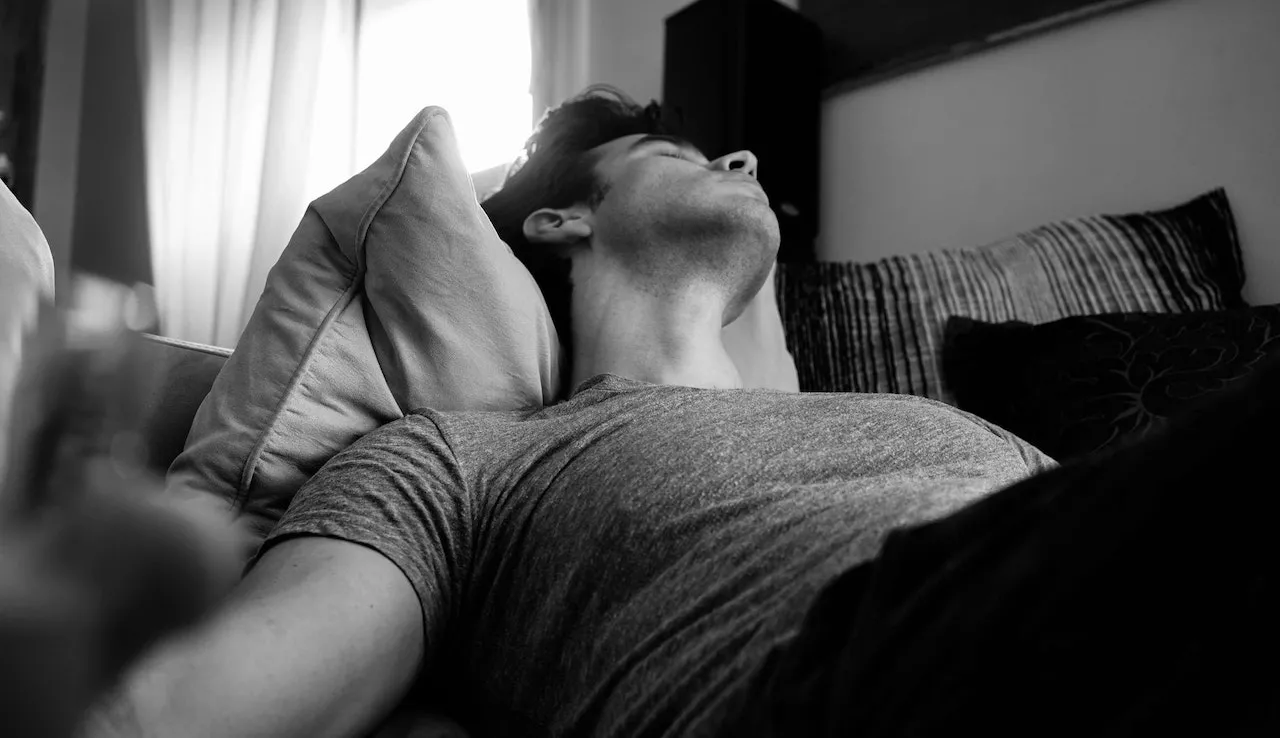
Side sleepers need to abandon any notion of sleeping without a pillow. I can’t emphasise this enough because I regularly speak to customers who’ve hurt themselves trying this after reading misleading online advice. When you lie on your side, the distance from your shoulder to your head measures anywhere from 4 to 7 inches depending on your shoulder width and head size.
That gap must be filled with appropriate support to keep your spine aligned. Without a pillow, your head simply drops toward the mattress, creating a severe lateral bend in your neck that strains every muscle, ligament, and nerve structure from your skull to your mid-back. If you’re a side sleeper experiencing neck pain, the solution isn’t removing your pillow; it’s finding a pillow with the correct loft (height) for your shoulder width and head size.
One customer from Birmingham contacted me after spending three weeks trying to sleep without a pillow because he’d watched a video claiming it would cure his neck pain. He was a side sleeper who’d previously used an extremely flat pillow (which was already too thin for his needs). Going pillowless had left him with such severe neck pain that he struggled to turn his head while driving. We got him correctly set up with a pillow that matched his shoulder width, and within a week, he rang back to say the difference was transformational. Sometimes the answer isn’t doing less; it’s doing things properly in the first place.
Thinking about going Pillowless?
Switching your sleeping habits can be difficult, and going pillowless would certainly be a big change to make.
Before we get into the various steps you can take to trial pillowless sleep, it is worth noting that sleeping without a pillow may not be suitable for everyone. It is especially important for people with certain medical conditions such as chronic neck pain, spinal injuries, or snoring to first consult a healthcare professional before making any changes to their sleep routine (even if someone, like an excessive snorer, might think that it would have benefits).
If you do wish to try out not using a pillow for sleeping, then consider these steps below:
- Gradually reduce the thickness of your pillow – By gradually reducing the thickness over time, your body will slowly adjust to the change.
- Start by sleeping on your back – This can be less stressful on your neck and spine than sleeping on your side or stomach.
- Invest in a supportive mattress – A good mattress will reduce your dependence on a pillow. For example, something from our Origins 1500 mattress or our Artisan Natural mattress ranges would provide ample support for most troublesome backs.
- Stretch before going to sleep – Spend a few minutes stretching your neck, shoulders, and back before bed. Relaxing your muscles can prepare your body for pillowless sleep.
- Be patient – It can take time for your body to adjust to sleeping without a pillow. Give yourself time to adjust and be patient with the process!
Better Alternatives to Going Pillowless
Before you abandon your pillow entirely, consider whether you’re actually trying to solve a problem that a better pillow choice would address more effectively. Most people who consider going pillowless are actually responding to pillow-related discomfort rather than genuinely benefiting from no support at all.
If you’re waking with neck pain, your pillow loft (height) probably doesn’t match your sleeping position and shoulder width. Side sleepers need pillows of approximately 4 to 6 inches in loft depending on shoulder width. Back sleepers typically need 3 to 4 inches. Stomach sleepers need less than 2 inches or no pillow at all. Rather than going pillowless, invest in a pillow with appropriate loft for your sleeping position. This addresses the root cause of your discomfort without creating the spinal alignment issues that pillowless sleeping can cause.
If you find your pillow too firm and unyielding, the problem isn’t that you need no pillow; you need a pillow with different fill material. Natural materials like down, feather, or wool provide adjustable support that moulds to your head shape whilst still offering necessary support. Latex and memory foam pillows can feel restrictive and overly firm for some sleepers. Experiment with different materials before abandoning pillow support entirely.
Consider pillow protectors and regular replacement. If your issue involves allergies, overheating, or general discomfort, your pillow may simply be old and compressed, filled with dust mites, or retaining too much heat. A quality pillow protector and replacing pillows every 18 to 24 months addresses hygiene and comfort issues without requiring you to sleep without support.
For stomach sleepers considering going pillowless, try an extremely thin pillow first (around 1 inch loft). This provides minimal support whilst preventing your face from being pressed directly against the mattress surface. Some stomach sleepers find this compromise more comfortable than going completely pillowless whilst still maintaining better neck positioning than a standard pillow would allow.
Our Professional Opinion on Sleeping Without a Pillow
After decades in the bedding industry and thousands of conversations with customers about their sleep quality, I can provide you with straightforward guidance that cuts through the contradictory information you’ll find online about sleeping without a pillow.
For stomach sleepers, going pillowless or using a skinny pillow makes practical sense and often improves neck positioning. However, stomach sleeping itself creates lower back strain, so I’d actually recommend working toward changing this sleep position entirely rather than optimising for it. If you’re committed to stomach sleeping, then yes, consider abandoning your pillow or switching to one with a loft of under 2 inches.
For back sleepers, the answer depends on your individual spinal curve. Most back sleepers benefit from a thin to medium pillow that supports their natural cervical curve. A small minority with very flat back curves may find sleeping without a pillow comfortable. If you’re a back sleeper curious about trying pillowless sleep, pay attention to whether your head tilts backwards when you lie down without a pillow. If it does, you need some support. If your head reaches a neutral position, you might be one of the rare back sleepers who can sleep comfortably without a pillow.
For side sleepers, sleeping without a pillow is not only inappropriate but also potentially harmful. I cannot emphasise this enough because I regularly speak to customers who’ve injured themselves trying this after reading misleading advice online. The gap between your head and mattress when side sleeping must be filled with appropriate support to maintain spinal alignment. Going pillowless as a side sleeper can lead to neck strain, shoulder pain, and spinal misalignment. If you’re a side sleeper experiencing discomfort, the solution is finding a pillow with the correct loft for your shoulder width, not abandoning pillow support altogether.
The broader issue I’d raise is that most people considering pillowless sleep are actually trying to solve problems that proper pillow selection would address more effectively. If your neck hurts, your pillow likely has incorrect loft for your sleeping position or contains materials that don’t suit your needs. Rather than going pillowless, invest time in finding a pillow that correctly supports your sleeping position. This addresses the root cause without creating new problems.
If you’re experiencing persistent neck pain, back pain, or poor sleep quality, your mattress deserves attention before you start experimenting with pillowless sleeping. An unsupportive or inappropriate mattress creates far more significant problems than your pillow choice ever could. Our team can help you determine whether your sleep issues are caused by your mattress, your pillow, or both, and guide you toward solutions that address your specific circumstances rather than following trends that may not be applicable to you.
For personalised advice about your sleep setup, call us on 0161 437 4419. We’ll ask about your sleeping position, body type, and specific concerns to provide guidance that actually applies to your situation rather than generic advice that ignores individual differences.
</2>
Dreaming of the perfect nights sleep?
Ask us a question
There are over 6000 questions and answers submitted by you on all questions about mattresses and bed problems. Enter a keyword such as Vi Spring, John Lewis beds, bad back or Memory Foam and see if your question has already been answered.
If you can’t find an answer in knowledge hub, ask a new question. We aim to respond to all questions within one working day.
Newsletter
Enter your email to join our newsletter. We’ll send you occasional news and mattress expertise.