






Sleep & Well Being
October 2026Why Do I Keep Waking Up at Night? 12 Common Causes and How to Fix Them
We’ll be straight with you from the start. We’re mattress makers, not doctors, and many reasons people wake up at night have nothing to do with their bed. In this guide, we’ll walk you through the twelve most common causes, how to tell which one is yours, and when it’s time to stop reading guides and see your GP. If you’re waking up each night frustrated, these tips may help you narrow down which issue it could be, or when to seek further help.
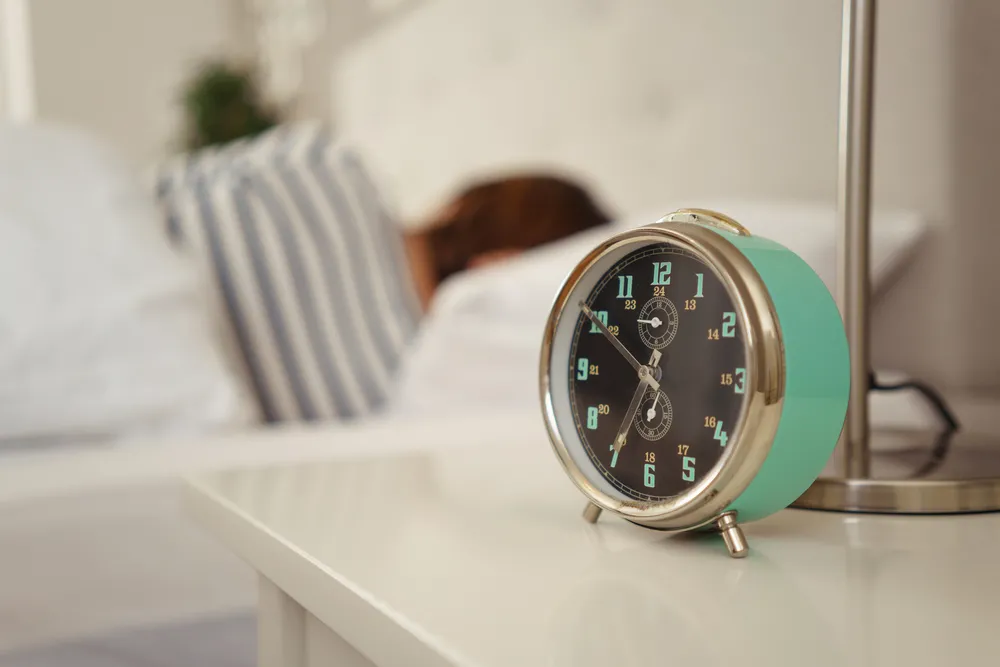
Waking up in the night in short
Waking a few times a night briefly is normal, and most of us don’t remember it. It becomes a problem when you regularly wake up and lie awake, or when you feel tired and groggy the next day (struggling to concentrate or feeling irritable).
The most common causes are being too hot, stress, alcohol, needing the loo, a partner who moves or snores, and an uncomfortable bed. When you wake and how you feel are your best clues. If changing your habits hasn’t helped after a few weeks, or you snore loudly and gasp in your sleep, speak to your GP.
What this guide covers
- Is it normal to wake up in the night?
- What the time you wake up tells you
- 12 reasons you keep waking up at night
- What to do when you can’t get back to sleep
- Is your bed the problem?
- When to see your GP
- Waking up at night FAQs
Is it normal to wake up in the night?
Yes, up to a point. You don’t sleep in one long, even stretch. You move through cycles of light sleep, deep sleep and dreaming (REM) sleep, each lasting roughly 90 minutes, and most people go through four to six of them a night.
At the end of each cycle, you come close to the surface. Often you’ll stir, turn over and drift straight back off without remembering a thing. Your sleep also changes as you get older, and average total sleep time drops from about eight hours at 15 to under six hours at 80.
So when does it become a problem? Well, the NHS describes insomnia as regularly having problems sleeping, which includes waking up several times during the night, waking early and not being able to get back to sleep, or still feeling tired after you wake up.
If that sounds like most of your nights, read on. There’s more on how your sleep is built in our guide to REM, light and deep sleep.
What the time you wake up tells you
When you wake, and how you feel when you do, can point you towards the cause. Here’s how we’d read the most common patterns.
| If you wake up… | Look at first |
|---|---|
| Hot, sweaty or kicking the duvet off | Temperature, your mattress and your bedding |
| Stiff, achy or numb, and turning a lot | Your mattress |
| In the early hours, wide awake and thinking | Stress and worry |
| In the second half of the night after a drink | Alcohol |
| Needing the loo, more than once | Night time weeing |
| When your partner moves, gets up or snores | Your partner |
| Gasping, choking or with a headache in the morning | Snoring and sleep apnoea |
| Stuffy, sneezy or itchy | Allergies and dust mites |
As a rule of thumb, most of your deep sleep comes in the first half of the night, and your sleep gets lighter as morning gets closer. If you’re waking between 3am and 5am, we’d first look at what nudges a lighter sleeper awake: a drink earlier in the evening, a bladder that needs emptying, the heating clicking on, early light, or a worry that has decided to turn up. If you’re waking within a couple of hours of going to bed, we’d look at your bedroom, your bedding and what you ate or drank late. It isn’t an exact science, but it shortens the list nicely.
12 reasons you keep waking up at night
These are the causes we hear about most, starting with the ones you can usually fix yourself. We can help with some of them. Some are firmly a job for your GP, and we’ll tell you which.
1. You’re too hot (or too cold)
This is the big one in our experience, and the one we hear about most on the phone. Your body temperature needs to drop for you to fall asleep and stay asleep, and if your bedroom or your bed traps heat, you’ll wake up sticky and restless.

The Sleep Charity recommends a bedroom of around 16 to 18°C, and warns that hot, cold or draughty rooms can seriously affect your sleep. Check your heating schedule too, because if it clicks on before you’re up, it can wake you in your lightest sleep.
Then look at what you’re lying on and under. Memory foam holds your body heat against you, and so do polyester fillings, polyester sheets and synthetic duvets.
We hear from so many customers who buy very fancy printed duvet covers and sheets from high street homeware shops without checking what they’re made of. Covers and duvets that are 100% polyester hold the most heat and breathe the least, and our phone lines blew up during the 2026 heatwave with people whose beds suddenly felt like infernos. It was the bedding. Check the care label before you buy, and look for Cotton or Wool.
Natural fibres such as Wool, Cotton and Horsetail breathe and wick moisture away, which is why we’d always point hot sleepers towards them. We think bedding is the most overlooked cause of overheating at night.
Our Artisan Bespoke 004 is a good example, with 1,200gsm of pure Horsetail, 2,200gsm of British fleece Wool and Cotton, 200gsm of Bamboo and no synthetic components at all.
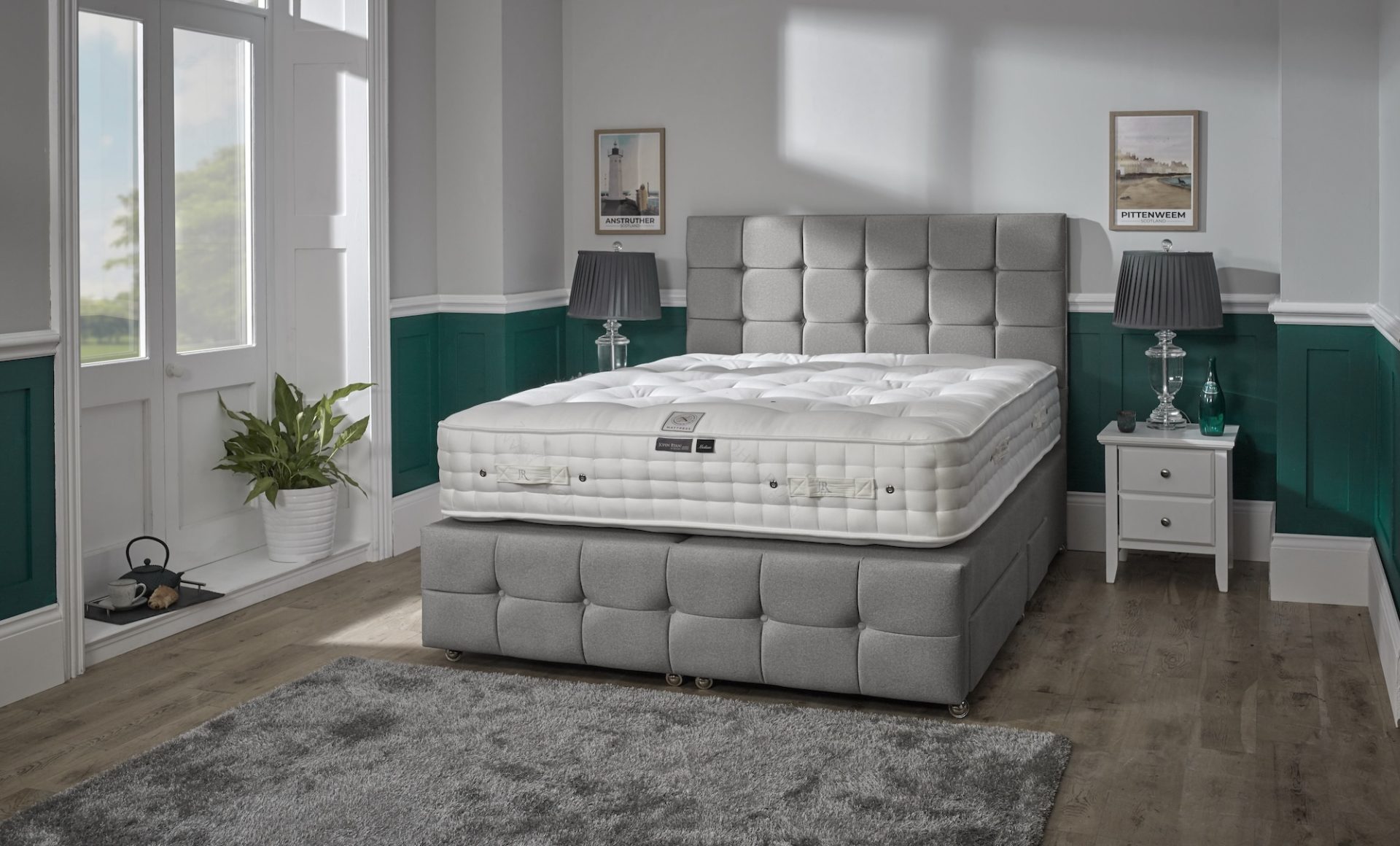
If it’s the cold that wakes you, the fix is just as practical. Cold feet, a thin duvet and a draughty room all pull you out of sleep, so check your duvet weight suits the season before you blame anything else. Wool is a good all-rounder here, because it keeps you warm in winter without smothering you in summer.
Our Wool 100% Natural Duvet is £240 in king size for the lightweight and £285 for the medium. You’ll find more ideas in our tips for hot sleepers, how to cool down at night and five hacks for a cool night’s sleep. We explain why the fibres make such a difference in why natural fibres are ideal for hot sleepers.
2. Your mattress is uncomfortable
The NHS lists uncomfortable beds among the most common causes of insomnia, and it’s the one we know best. A mattress that’s too firm for you pushes back on your hips and shoulders, so you wake up to turn over. One that’s too soft, or has dipped, lets you sink out of line and wakes you with aches.

The tell tale signs are waking up stiff or with numb arms, aches that ease once you’ve been up and about, and sleeping better in a hotel than at home. If you’re tossing and turning to get comfortable, your mattress isn’t supporting you properly.
Most of the time, it comes down to spring tension, and that depends on your body weight. It’s the first thing we ask you about on the phone. Thicker wire makes a firmer spring, so the gauge of the pocket spring matters far more than most people expect, and it isn’t the same thing as how firm the mattress feels when you press on it.
Here’s a good example. A customer rang us having bought a firm mattress because she liked a more supportive feel. She was 60kg, and a 1.9mm gauge pocket spring was simply too strong for her. What she needed was a softer 1.4mm spring. Once we paired that with firmer upholstery, she still had the firm feel she liked, and her sleep problem was fixed almost instantly.
To put that in context, on our spring tension chart 1.4mm is Medium and suits anyone up to 16 stone (101kg), while 1.9mm is Extra Firm, which is built for sleepers of 20 stone and over. You can see where you’d sit below, and our Artisan Bespoke 004 has 1,600 calico encased pocket springs at 1.4mm.
| Spring Tension | Wire Gauge | Bodyweight Range | Compression Rate |
|---|---|---|---|
| Soft | 1.2mm | Bespoke consultation required | 15-20% ideal compression |
| Medium | 1.4mm | Up to 16 stone (101kg) | 18-22% ideal compression |
| Firm | 1.6mm | 16+ stone (101kg+) | 20-25% ideal compression |
| Extra Firm (Bariatric) | 1.9mm | 20+ stone (127kg+) | 22-28% ideal compression |
That’s why we treat firm upholstery and a firm spring as two separate choices. You can have a firm feel and a softer spring, and for lighter sleepers that’s often the combination that works.
It’s worth checking your pillow too. One that’s too high or too low pushes your neck out of line and can wake you with aches in the early hours.
Our guide to why your body weight is the key to pain free sleep explains how to get the tension right, and our three reasons your mattress is keeping you awake goes into the other ways a bed can wake you up.
3. Your partner is waking you up
You might be sleeping perfectly well, apart from the person next to you. Every time they turn over, get up for the loo or start snoring, you’re back awake. If you’ve got different bedtimes, it’s even worse.

Pocket springs help a lot here, because each spring moves on its own, so you feel far less of your partner’s movement than on an open coil or a dipped mattress.
If you’re two very different sizes, a zip and link bed is often the answer. It’s two separate mattresses zipped together, so each of you gets your own spring tension. We made one for a 17 stone rugby player in Leeds and his 10 stone boyfriend, and they can finally sleep well together without disturbing each other.
Our Artisan Naturals can be made half medium, half firm at no extra cost, at £2,180 in king size, or as a zip and link king for £3,035.
We’ve written a whole guide on how to stop your partner waking you up, from separate duvets to bigger beds. Don’t overlook bed size, either. A standard UK king is 150cm wide, which gives each of you 75cm, and that’s narrower than a single bed. A super king at 180cm gives you 90cm each. If you’re two adults squeezed into a double, a bigger bed alone could be your answer.
If it’s the dog, the cat or a small child arriving at 3am, a bigger bed gives everyone more room, though a firm word about the bedroom door might help too.
4. You had a drink before bed
A nightcap might help you drop off, but it’s a poor trade. Alcohol tends to give you deeper sleep in the first half of the night and much more broken sleep in the second, as your body clears it.
A review of 20 sleep studies, with the Director of the Edinburgh Sleep Centre among its authors, found exactly that: sleep was deeper to begin with, then disrupted. Alcohol also makes you need the loo and can make snoring worse. If you’re regularly waking at 2am or 3am after a glass or two, try a couple of weeks without and see what changes.
5. Caffeine and late meals
Caffeine hangs around in your body far longer than most people realise. The NHS advice is to avoid tea and coffee for at least six hours before bed, along with alcohol and smoking, and not to eat a big meal late at night.
Watch out for the hidden caffeine, too, in cola, energy drinks, some painkillers and even chocolate. We looked at whether a bedtime cuppa is a good idea in is hot chocolate before bed sleep friendly (the answer might surprise you).

6. You need the loo
Getting up to wee in the night has its own name, nocturia, and it becomes more common as you get older. An NHS patient leaflet notes that it’s common for older people to get up twice a night, but that more frequent trips may point to a problem that can be treated.
Try not to drink large amounts in the evening, and cut back on tea, coffee and alcohol later in the day. If you’re getting up more than that, or it’s new for you, mention it to your GP. It’s an everyday conversation for them, so don’t be embarrassed.
7. Stress and worry
Stress, anxiety and low mood are among the most common causes of insomnia, and they love the early hours. You wake up, your brain grabs the first worry it can find, and suddenly you’re planning next week’s shopping at 3am.

A simple trick is to keep a notebook by the bed and write the worry down, so your brain knows it’s been dealt with until morning. Giving yourself an hour to wind down before bed helps too, which we cover in our guide to sleep hygiene.
We’ve gathered more ideas in our tips for sleep anxiety. If worry is keeping you awake most nights, please talk to your GP. The NHS often recommends cognitive behavioural therapy for insomnia, and it can make a real difference.
8. Light, noise and your phone
Street lights, early summer sunrises, a partner’s phone lighting up, the bin lorry at 5am. Your sleep is lighter in the second half of the night, so it doesn’t take much to wake you.

The NHS advice is to make sure your bedroom is dark and quiet, with thick curtains, blinds, an eye mask or ear plugs. And when you do wake, don’t pick up your phone. The bright screen and the endless scrolling will wake you up properly, and we’ve all been there!
If you can’t escape the noise, a steady background sound can help mask it. We’ve rounded up the best sleep sounds, from white noise to pink noise.
9. Snoring, gasping and sleep apnoea
If you snore loudly, or your partner says you stop breathing, snort or choke in your sleep, you might have sleep apnoea. The NHS lists waking up a lot as one of its main symptoms, along with feeling very tired during the day and headaches when you wake.
This one isn’t something a mattress or a guide can fix, and we’d never suggest otherwise. Sleep apnoea can be serious if it isn’t diagnosed and treated, so see your GP, and take your partner along if they’ve noticed the symptoms.
Once you’ve been diagnosed, our guide to sleeping better with sleep apnoea covers the practical side, including why the right mattress support matters if you wear a CPAP machine or a mouth guard at night.
10. Allergies and dust mites
A blocked nose, sneezing or itchy eyes will wake you as surely as an alarm. Hay fever is often worse at night, and dust mites live happily in old mattresses, pillows and duvets.
Busy lives mean bedroom hygiene is often the first thing to slip, and it makes more difference than you’d think. As a rule, we recommend fresh bedding once a week and a vacuum of the mattress surface every week too. If you find yourself sneezing a lot, airing your bedroom each day can make all the difference.
Our guides on hay fever at night and dust mites in mattresses go into the details.
11. Pain, restless legs and other health conditions
Long term pain, arthritis, restless legs syndrome and an overactive thyroid can all break up your sleep, and so can many common medicines, including some antidepressants, blood pressure tablets, steroids and asthma medication.
If restless legs are the problem, our guide on how to sleep with restless leg syndrome has practical tips alongside your GP’s advice.
If you think a medicine might be waking you, don’t stop taking it. Speak to your pharmacist or GP first.
If pain is what wakes you, notice where it is. Aches in your hips and shoulders when you sleep on your side often point to a mattress that’s too firm for your weight (see cause 2), while a back that aches until you’ve been up for a while often points to one that’s too soft or has dipped. Those are worth ruling out before you decide it’s something else. Our guide to the best sleeping positions for back pain is a good place to start.
12. Hormones and the menopause
Night sweats and hot flushes are among the most common symptoms of the menopause, and they’re a common reason a bed that used to feel fine suddenly feels far too hot. Hormone changes can also leave you waking more often for no obvious reason.
Your GP can talk you through treatment options. On the bed side of things, bedding is where we’d start. A 100% polyester duvet and cover are the worst combination for a hot flush, because they hold on to the heat and the damp, so check the labels and switch to Cotton and Wool. Layers help too, because you can kick one off without being left cold, and a cooler bedroom makes a real difference.
We’ve covered this in detail in our guide to mattresses for the menopause.
What to do when you can’t get back to sleep
So you’re awake, and you’re not dropping back off. What now? Here’s what we’d try, in this order.
- Don’t check the time. Clock watching starts the “if I fall asleep now, I’ll get four hours” maths, and that never helps anyone.
- Leave your phone where it is, and keep the lights low if you have to get up.
- If you’re hot, throw back the duvet or stick a foot out. Cooling your feet and hands helps your body cool down.
- Write down whatever’s going round your head, then put the notebook away.
- If you’ve been lying awake a while and you’re getting frustrated, get up, go somewhere calm and do something dull until you feel sleepy. This is a key part of the cognitive behavioural therapy the NHS recommends.
- Get up at your usual time in the morning, however badly you slept. The NHS advises against sleeping in after a bad night, and against daytime naps, so stick to your regular hours. If you really can’t get through the day, keep it to a short power nap.
Most of this comes down to taking the pressure off. The harder you try to force sleep, the more awake you feel, so treat a bad night as a one off and keep to your normal routine the next day.
Is your bed the problem?
A new mattress can’t fix every night of broken sleep, and we won’t sell you one if it isn’t the problem. We’d rather you came back to us when you really need one. What we can tell you is how to spot when it is.
If you’re waking with aches that ease once you’re up, rolling into your partner, feeling every turn they make, waking up hot, or sleeping better away from home, your mattress is a likely suspect. So is any mattress with visible dips, or one that’s more than a few years old and one sided. Our 10 tell tale signs you need a new mattress will help you decide.
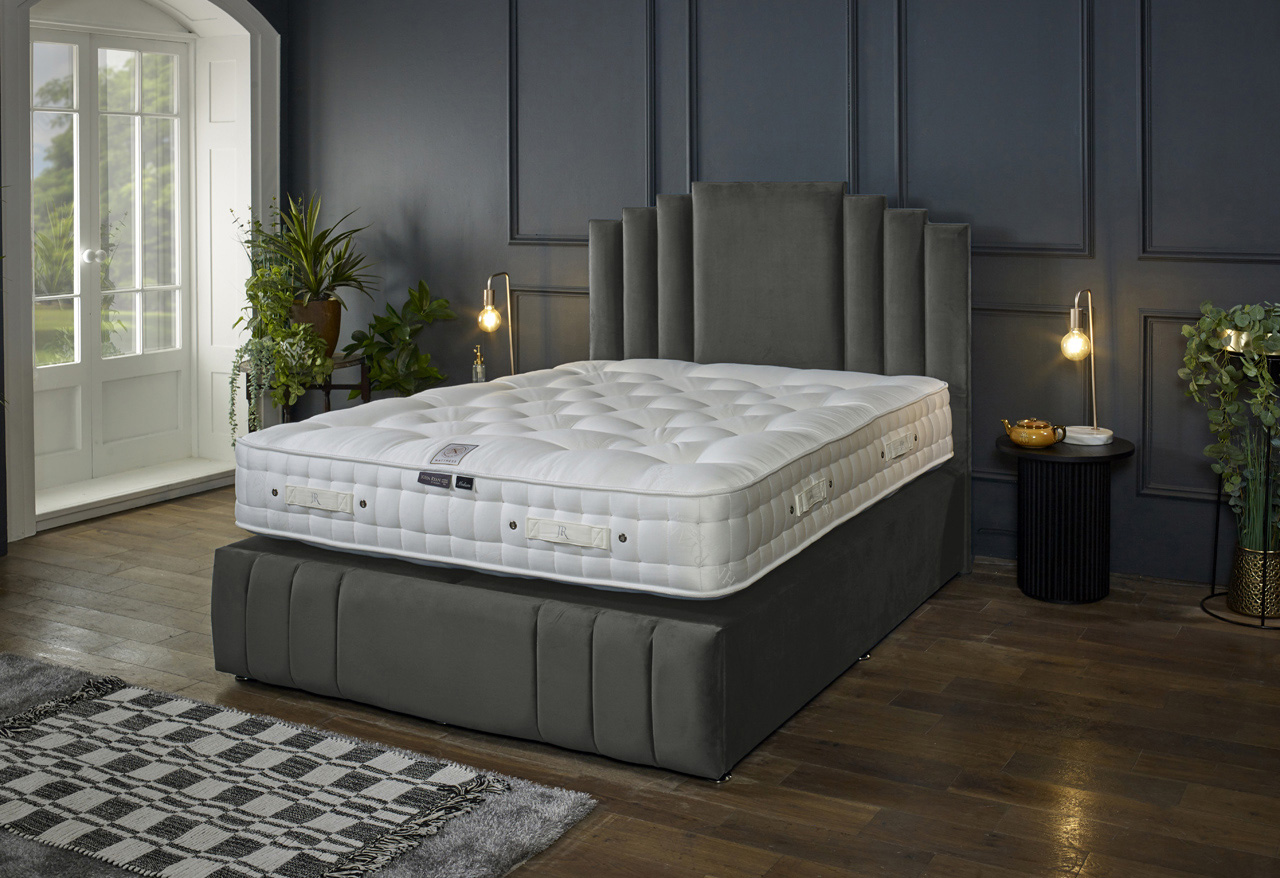
Sleeping better away from home comes with a catch, though. Ryan, who designs our mattresses, has become a proper bed snob, and he lifts the covers on every bed he sleeps in. Even some of the nicer hotels he’s stayed in use entry-level beds with polyester toppers, and he reckons the covers coming off is the real test of a quality night’s sleep. The Dorchester and the Savoy have the very best mattresses, but they’re obviously very expensive. Boutique B&Bs usually have the very best beds for the money, whereas 5 star chain hotels tend to use commercial bedding and cheaper mattresses.
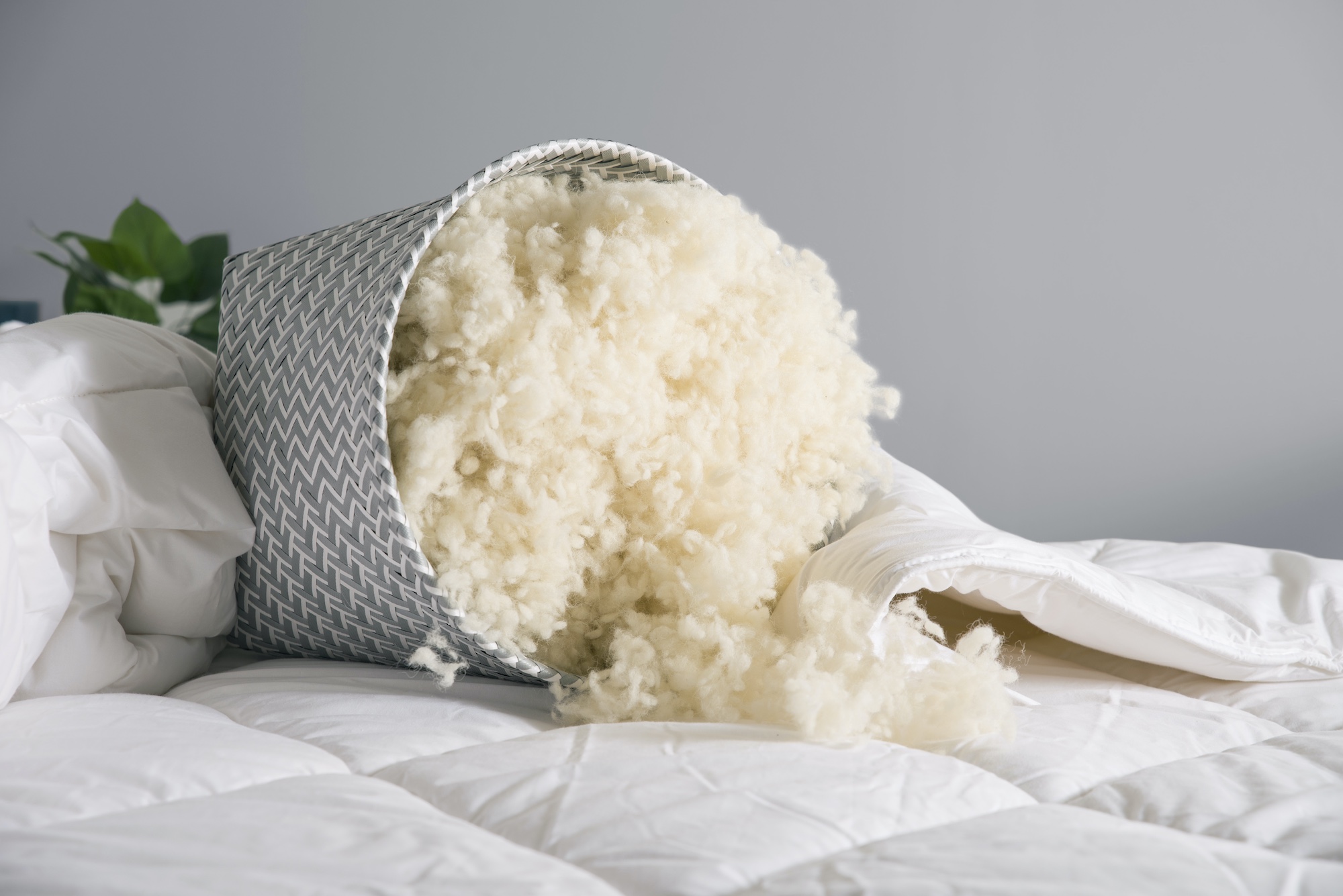
Be wary of anything sold as a cure for broken sleep. “Cooling” gel foams, “sleep technology” and “orthopaedic” labels don’t mean much without a specification behind them, and a cooling cover sat on top of polyester fillings won’t keep you cool for long.
We see this one a lot. A customer bought an expensive mattress from a leading memory foam brand after the sales rep explained how cooling the cover was, without being totally upfront about how hot foam gets. It was a big, expensive mistake. Once they moved to a Horsehair and Wool mattress they slept far cooler, and the expensive foam bed now lives in their guest room for unsuspecting visitors.
If it were our money, we’d look for pocket springs at the right tension for your weight and as much Wool and Cotton in the fillings as your budget allows. Our Origins Naturals Comfort is two sided, with 500gsm of British Wool and 1,000 pocket springs, at £1,300 in king size. For hot sleepers, the Artisan Bespoke 004 is 100% natural fibre, with 1,600 calico encased pocket springs and 3,600gsm of Wool, Cotton, Bamboo and Horsetail, at £2,860 in king size.
Our mattresses come with our 60 day Love It or Return It guarantee (made to measure sizes excepted), so you can find out in your own bed. Give it a few weeks, though, because your body needs time to adjust to any new mattress.
When to see your GP
Most broken sleep improves with the changes in this guide. But the NHS advises seeing your GP if changing your sleeping habits hasn’t worked, if you’ve had trouble sleeping for months, or if it’s affecting your daily life in a way that makes it hard to cope.
See your GP sooner if you snore loudly and stop breathing or gasp in your sleep, if you’re getting up to wee more than you used to, or if pain or night sweats are waking you. A two week sleep diary of when you went to bed, when you woke, what you drank and how you felt will help your GP see the pattern.
GPs now rarely prescribe sleeping pills for insomnia. Cognitive behavioural therapy is more likely, and it tackles the habits and thoughts that keep you awake.
Waking up at night FAQs
Why do I keep waking up at night?
The most common reasons are being too hot, stress or worry, alcohol, needing the loo, a partner who moves or snores, light or noise, and an uncomfortable mattress. Health conditions such as sleep apnoea, pain and the menopause can also be the cause, so see your GP if it carries on.
Why do I wake up at 3am every night?
Your sleep is lighter in the second half of the night, so you’re easier to wake. Alcohol wearing off, worries, needing the loo, heating coming on and early light are common triggers at that time.
Is it normal to wake up multiple times a night?
Waking briefly between sleep cycles is normal, and you often won’t remember it. It’s worth looking into if you regularly wake and lie awake, can’t get back to sleep, or feel tired during the day.
Why do I wake up in the middle of the night and can’t get back to sleep?
Stress and worry are the most common reasons, followed by checking the time or your phone, being too hot, and alcohol. If you can’t get back to sleep, keep the lights low, avoid screens and get up for a while if you’re getting frustrated.
Can a mattress make you wake up at night?
Yes. The NHS lists uncomfortable beds as a common cause of insomnia. A mattress with the wrong spring tension for your weight, dips, or fillings that trap heat can wake you up to turn over, cool down or ease aches.
Why do I wake up hot in the night?
Common reasons are a bedroom above 16 to 18°C, heating that comes on overnight, a memory foam or polyester filled mattress, synthetic bedding, alcohol and the menopause. Natural fibre bedding and mattresses breathe far better.
Does alcohol make you wake up in the night?
It often does. Alcohol can help you fall asleep, but your sleep tends to become lighter and more broken in the second half of the night as your body clears it. It can also make you need the loo and snore more.
When should I see a GP about waking up at night?
See your GP if changing your sleep habits hasn’t helped, you’ve had problems for months, or it’s affecting your daily life. Go sooner if you snore loudly and stop breathing or gasp in your sleep.
Can polyester bedding make me wake up hot?
Yes. Duvets, covers and sheets that are 100% polyester hold the most heat and breathe the least, so they’re a common reason people wake up sweaty. Cotton and Wool bedding breathes far better.
Our final thoughts on waking up at night
Waking up at night is rarely down to one thing, so work through the likely causes one at a time, starting with the ones you can change tonight. Cool the room, skip the late drink, put the phone away, and if you’re waking with aches or overheating, take a hard look at your mattress and bedding.
If you think your bed might be part of the problem, give our small, friendly team a call on 0161 437 4419 or drop us a message below. We’ll tell you honestly whether a new mattress is likely to help, and if it isn’t, we’ll say so.

Dreaming of the perfect nights sleep?
Ask us a question
There are over 6000 questions and answers submitted by you on all questions about mattresses and bed problems. Enter a keyword such as Vi Spring, John Lewis beds, bad back or Memory Foam and see if your question has already been answered.
If you can’t find an answer in knowledge hub, ask a new question. We aim to respond to all questions within one working day.
Newsletter
Enter your email to join our newsletter. We’ll send you occasional news and mattress expertise.