







Mattress Tips
March 2026Things to Think About When Choosing a Natural Fibre Mattress
Choosing a natural fibre mattress is one of the best decisions you can make for your sleep, but it is also one of the easiest decisions to get wrong. The market is full of mattresses described as “natural” that contain little more than a trace of natural material, enough to justify the marketing, not enough to make any real difference to how you sleep. After 25 years of making mattresses here in Manchester, we have seen every version of this, and we want to help you cut through it.
This guide explains what natural fibre mattresses actually are, which fibres do which jobs, how to verify whether you are genuinely getting what you pay for, and how to match a natural fibre specification to your own sleep requirements. Whether you are just starting your research or have already narrowed it down to a shortlist, the information here will help you make a purchase you can be confident in.
Contents
- What is a natural fibre mattress?
- Animal fibres: Wool, Horsehair, Horsetail, Cashmere, Alpaca, Silk, Mohair
- Plant fibres: Cotton, Bamboo, Coir, Organic Flax, Latex
- The GSM of mattress fillings: why the weight matters
- Where fibres are sourced and why it matters
- How will natural fibres feel?
- The real benefits of natural fibre mattresses
- Natural fibre vs synthetic: an honest comparison
- Are natural fibre mattresses good for hot sleepers?
- Natural fibre mattresses and allergies
- Fire retardants: what natural mattresses do differently
- How long do natural fibre mattresses last?
- Our natural fibre range at a glance
- Frequently asked questions
What is a natural fibre mattress?
A natural fibre mattress is a mattress whose upholstery layers, the comfort layers that sit above the spring unit, are made from materials that come directly from nature rather than being manufactured from synthetic or petroleum-based compounds.
In practice, this means fibres sourced from animals (Wool, Horsehair, Horsetail, Cashmere, Alpaca, Silk, Mohair) or from plants (Cotton, Bamboo, Coir, Organic Flax, Latex from rubber trees).
The word “natural” is used loosely in the mattress industry, so it is worth being specific about what you are looking for. A mattress with a single 200 GSM layer of Wool tucked beneath three layers of polyester is not, in any meaningful sense, a natural fibre mattress. It is a synthetic mattress with a natural element added for marketing purposes. A genuinely natural fibre mattress will have natural materials as the dominant or sole upholstery content, and a reputable manufacturer will be able to tell you the exact GSM weight of every layer.
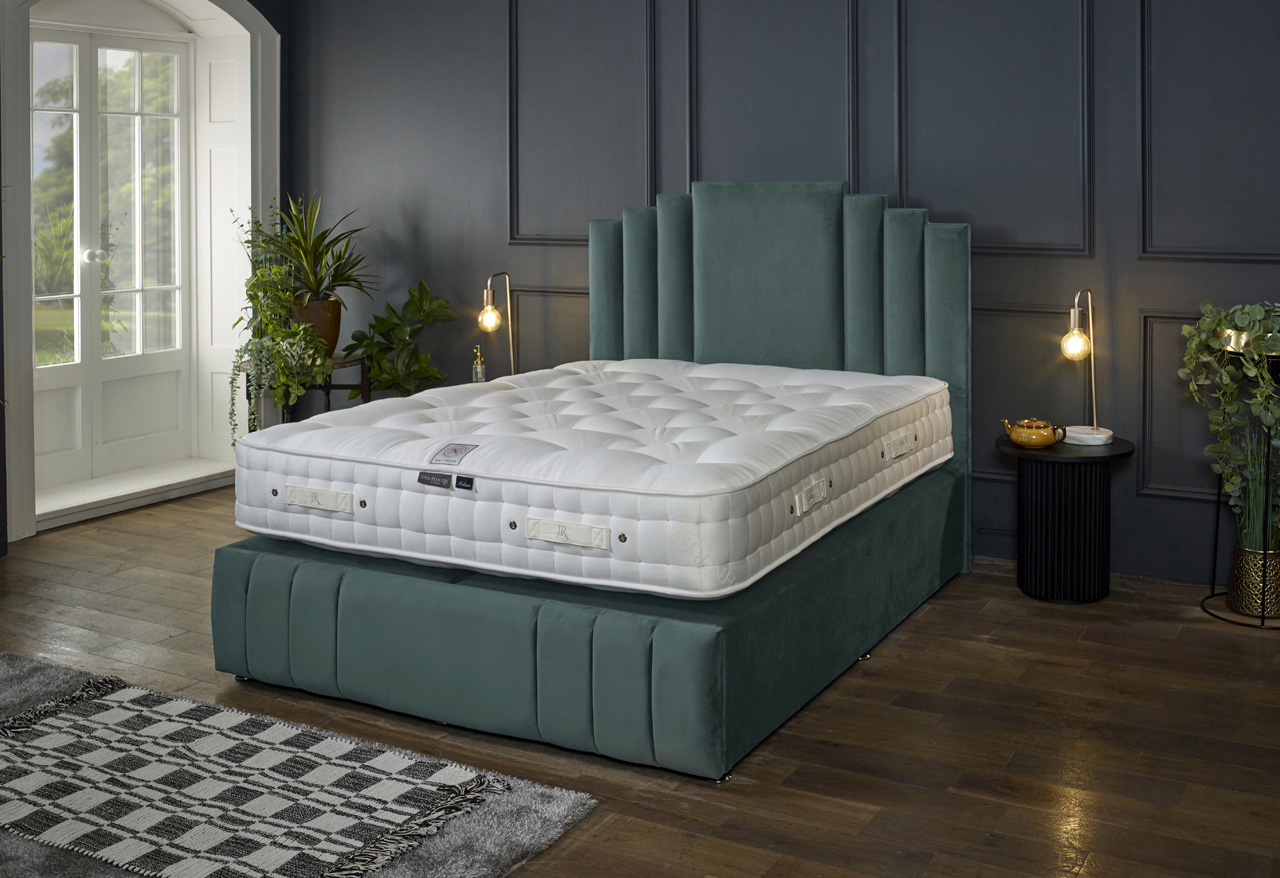
If you are thinking about choosing a natural fibre mattress, then there are a few things you need to know to make the best bed buying purchase decision.
Animal fibres: what each one does
Animal fibres are the traditional backbone of premium mattress upholstery and have been used in high-quality British bedding for centuries. Each has distinct properties that make it suited to particular roles within a mattress’s layer structure.
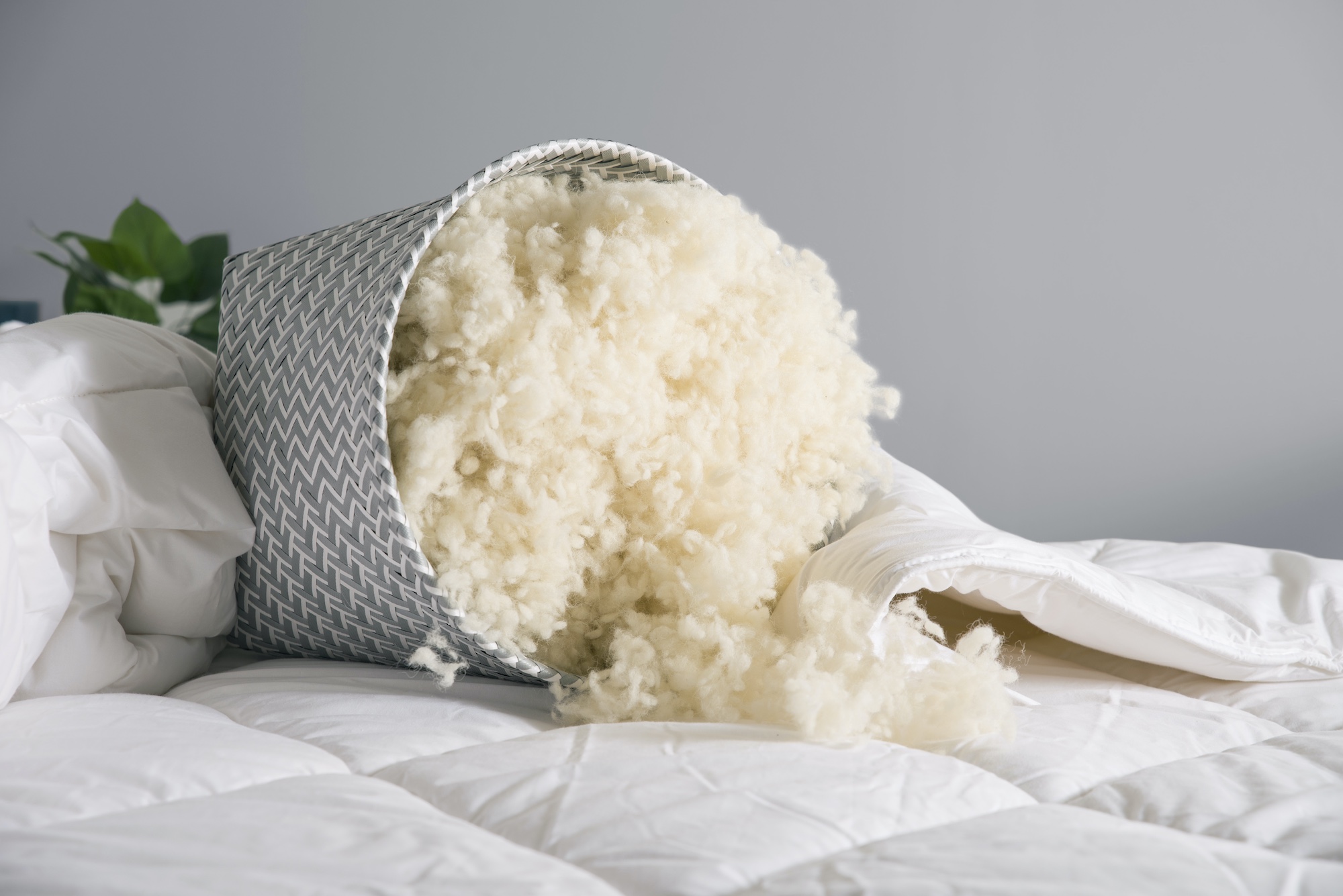
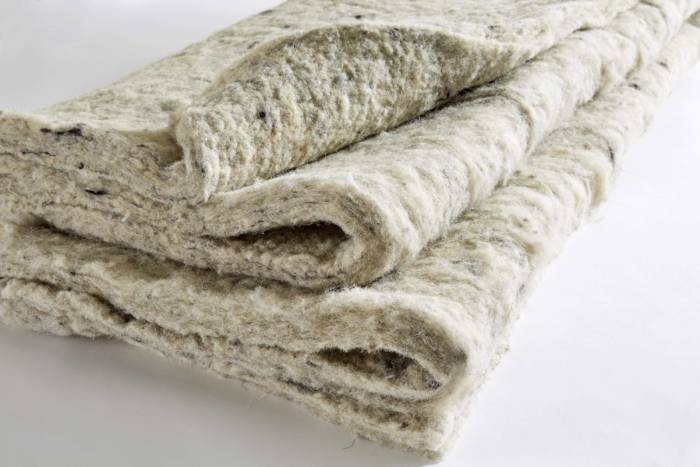
Wool is the most widely used natural fibre in UK mattresses. It is inherently resilient, meaning it bounces back after compression rather than packing down permanently, which is why Wool-filled mattresses tend to hold their feel longer than polyester alternatives. Wool is also naturally fire-retardant, charring and self-extinguishing rather than burning, which means a Wool-upholstered mattress can meet UK fire safety standards without chemical flame retardants. British fleece Wool, such as the Swaledale Wool used in our Legacy Two, offers particularly high resilience and long fibre staple length, making it an exceptionally durable upholstery component.
Horsehair is one of the most resilient natural fibres available for use in mattresses. The long, coarse fibres create a highly breathable, open-structured layer that does not compress easily, making it a preferred material in firmer comfort layers. Horsehair in mattress upholstery typically comes from the mane and tail of horses, and the processing is relatively straightforward compared to finer animal fibres. It has a distinctly supportive feel and is often used in combination with Wool to create the traditional firmness profile associated with high-quality British pocket spring mattresses.
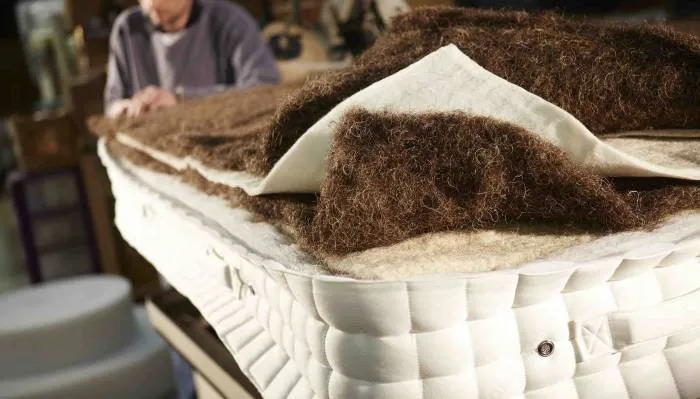
Horsetail is a finer, longer fibre than Horsehair and is considered a step above it in quality and performance. It has exceptional spring-back properties, extremely high breathability, and a more refined feel under the hand. Premium Horsetail, such as the Moosburger Austrian variety used by Vispring in their top-tier models, is harvested with particular care to preserve fibre length. Our own Artisan range uses pure Horsetail in several models, including the Artisan Bespoke 004 (1,200 GSM pure Horsetail) and the Artisan Luxury (1,200 GSM pure Horsetail alongside 1,200 GSM Horsehair).
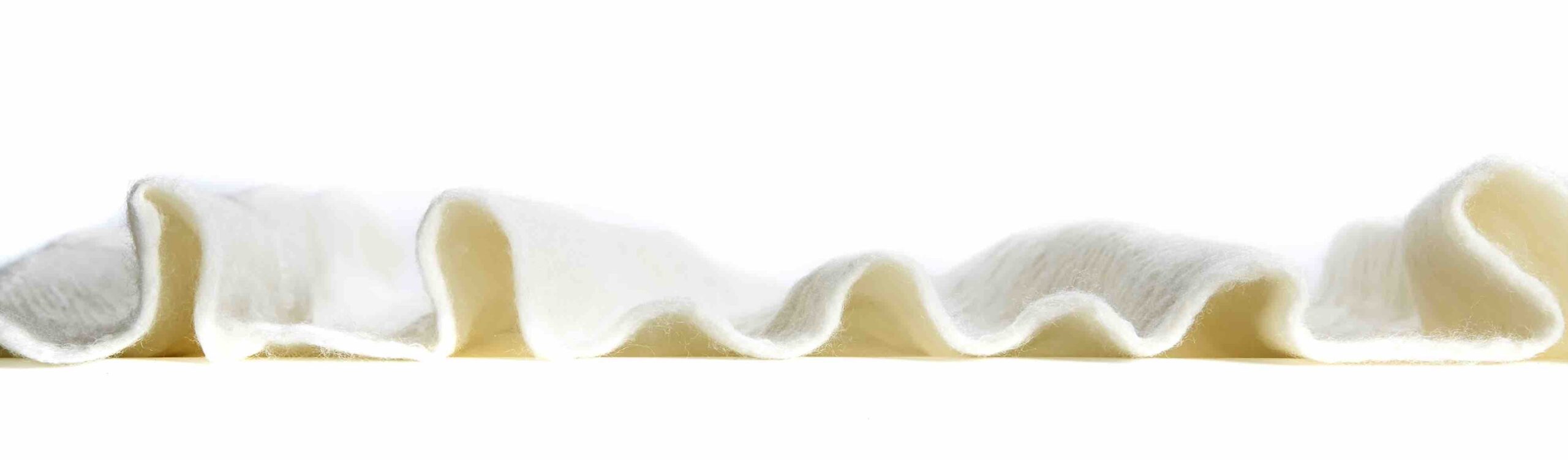
Cashmere is the fine undercoat of cashmere goats, typically sourced from Mongolia or China. In mattress upholstery, it is most commonly used as a soft insulating layer: the layer between the spring unit and the upper comfort layers, where its exceptional thermal regulation and softness contribute to the overall comfort. It is an expensive fibre and is used in relatively modest GSM weights even in premium mattresses.
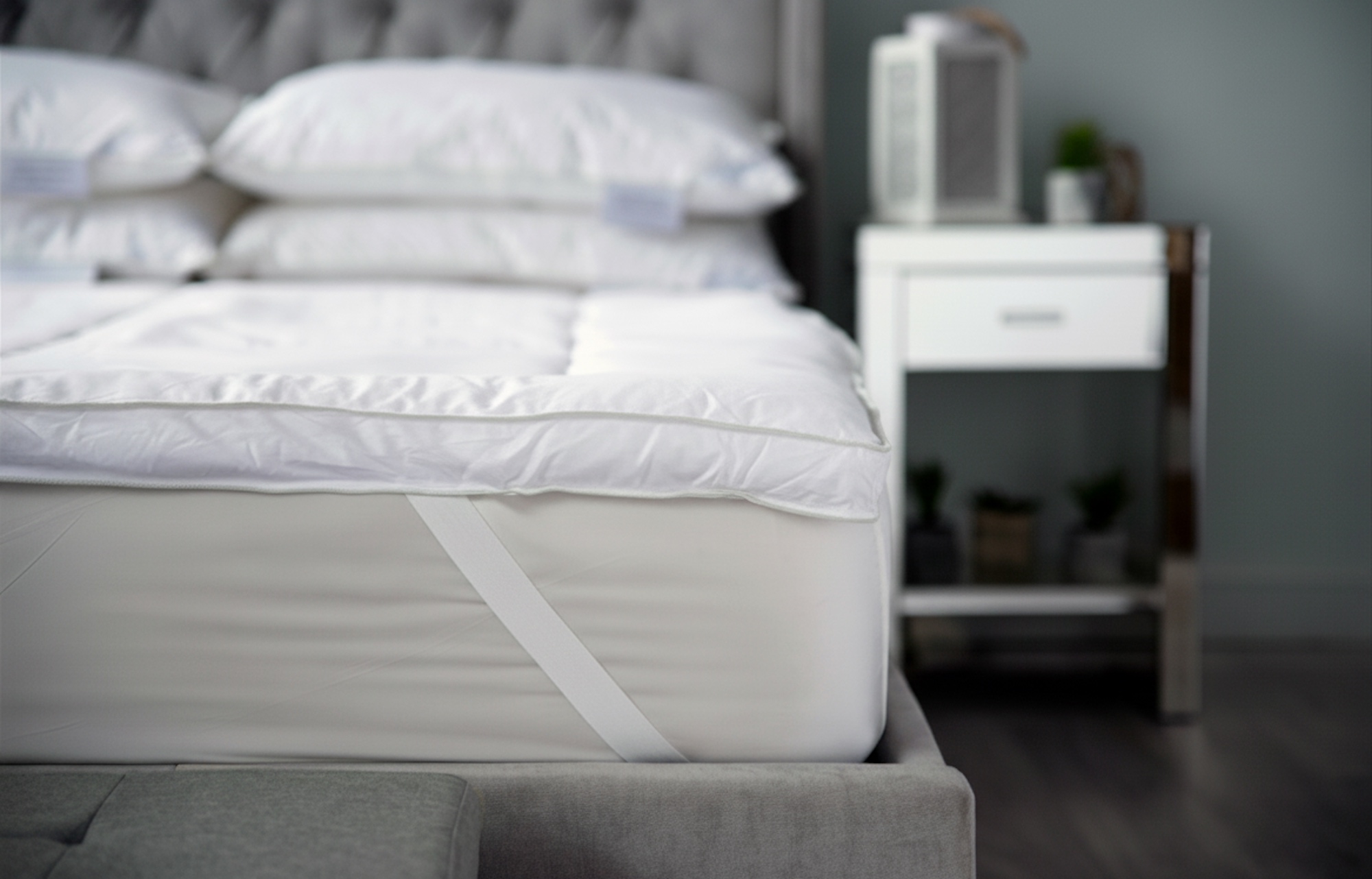
Alpaca is one of the world’s finest animal fibres. Softer than Wool and with a distinctive hollow fibre structure that provides outstanding thermal regulation, Alpaca is used in the upper comfort layers of our most premium models. The Legacy Two uses 1,000 GSM of British Alpaca, and the Artisan Sublime uses 1,200 GSM. UK Alpacas are typically sheared once a year by specialist teams, which helps keep supply limited and fibre quality consistently high.
Silk and Mohair are used in smaller quantities, typically as components of blended comfort layers where their specific properties: Silk’s natural temperature regulation and softness, Mohair’s springiness and lustre, contribute to an overall comfort profile rather than acting as primary structural layers.
Plant fibres: the ethical alternative
Plant fibres have become increasingly important in premium mattress construction, both as standalone materials and in combination with animal fibres. They are the right choice for vegan sleepers, and several plant fibres offer technical performance properties that animal fibres cannot match.
Cotton is the most widely used plant fibre in mattresses. Pure Cotton upholstery is highly breathable, soft, and moisture-wicking. It compresses more readily than Wool or Horsehair over time, which is why it is often used in combination with more resilient fibres rather than as a sole upholstery material. British Cotton weaving has a long heritage, and the quality of UK-processed Cotton remains among the best available.
Bamboo is a fast-growing grass whose processed fibres have excellent moisture-wicking and temperature-regulating properties. In mattress upholstery, it is typically used as a soft top layer or in combination with other fibres, where its high-wicking properties help manage overnight moisture. Our Artisan Bespoke 004 includes 200 GSM soft Bamboo, and the Artisan Sublime uses 800 GSM Bamboo as part of its multi-layer plant-based construction.
Coir is the fibre extracted from coconut husks. It is one of the firmest natural fibres used in mattresses. Iisss is typically found in the lower support layers of a natural fibre build,ld where it adds structural firmness and durability. It is inherently moisture-resistant and highly durable.
Organic Flax is derived from the flax plant and processed into a soft, breathable fibre. It is used in several of our premium Artisan models and is notable for being both biodegradable and produced with minimal chemical input when organically certified. The Legacy Two uses 1,000 GSM Organic Flax as part of its entirely British natural fibre specification.
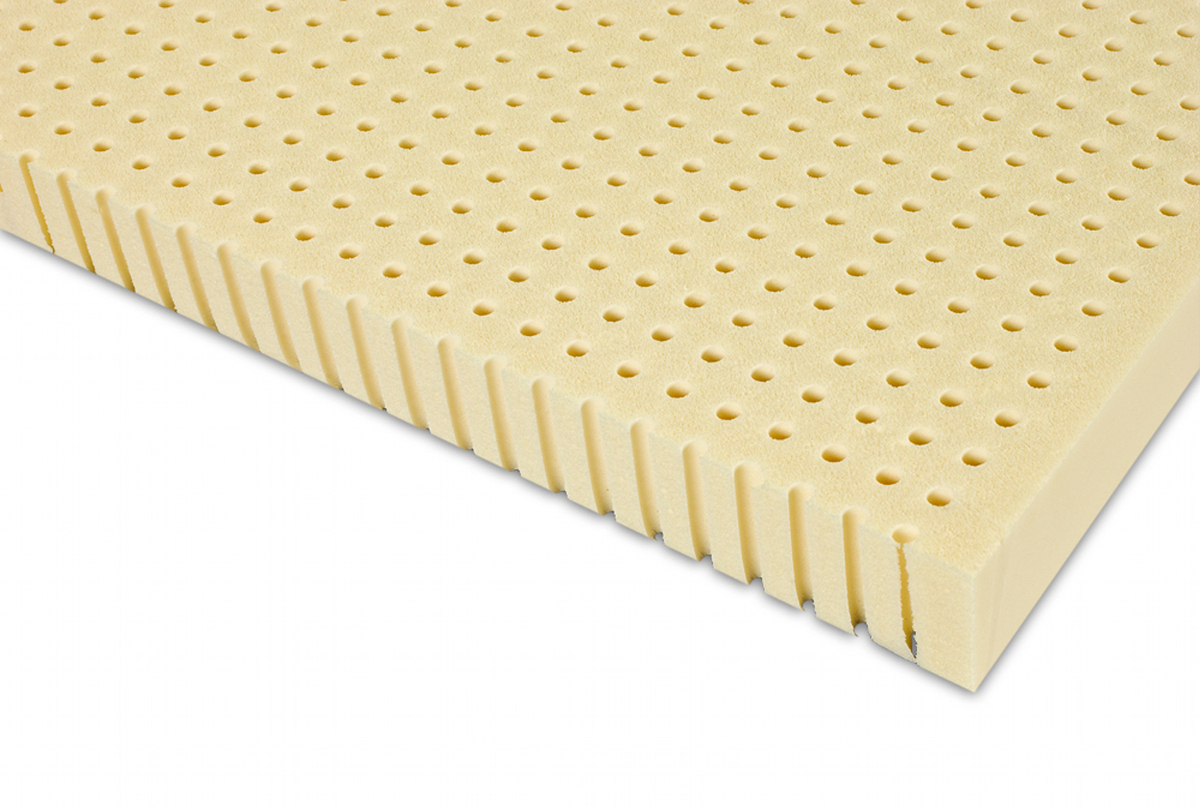
Natural Latex (from rubber trees) sits at the boundary between plant fibre and processed material. Talalay Latex, as used in our Artisan Latex model, provides excellent pressure relief, high responsiveness, and natural breathability. It is the preferred material for vegan sleepers who want the pressure-relief properties typically associated with Foam but without petroleum-derived ingredients.
The GSM of mattress fillings: why the weight matters
When it comes to mattress upholstery, many combinations and types can be created from an array of natural fibres, each with a different feel.
The GSM (Grams per Square Metre) refers to the weight of a particular layer of fibre within the mattress.
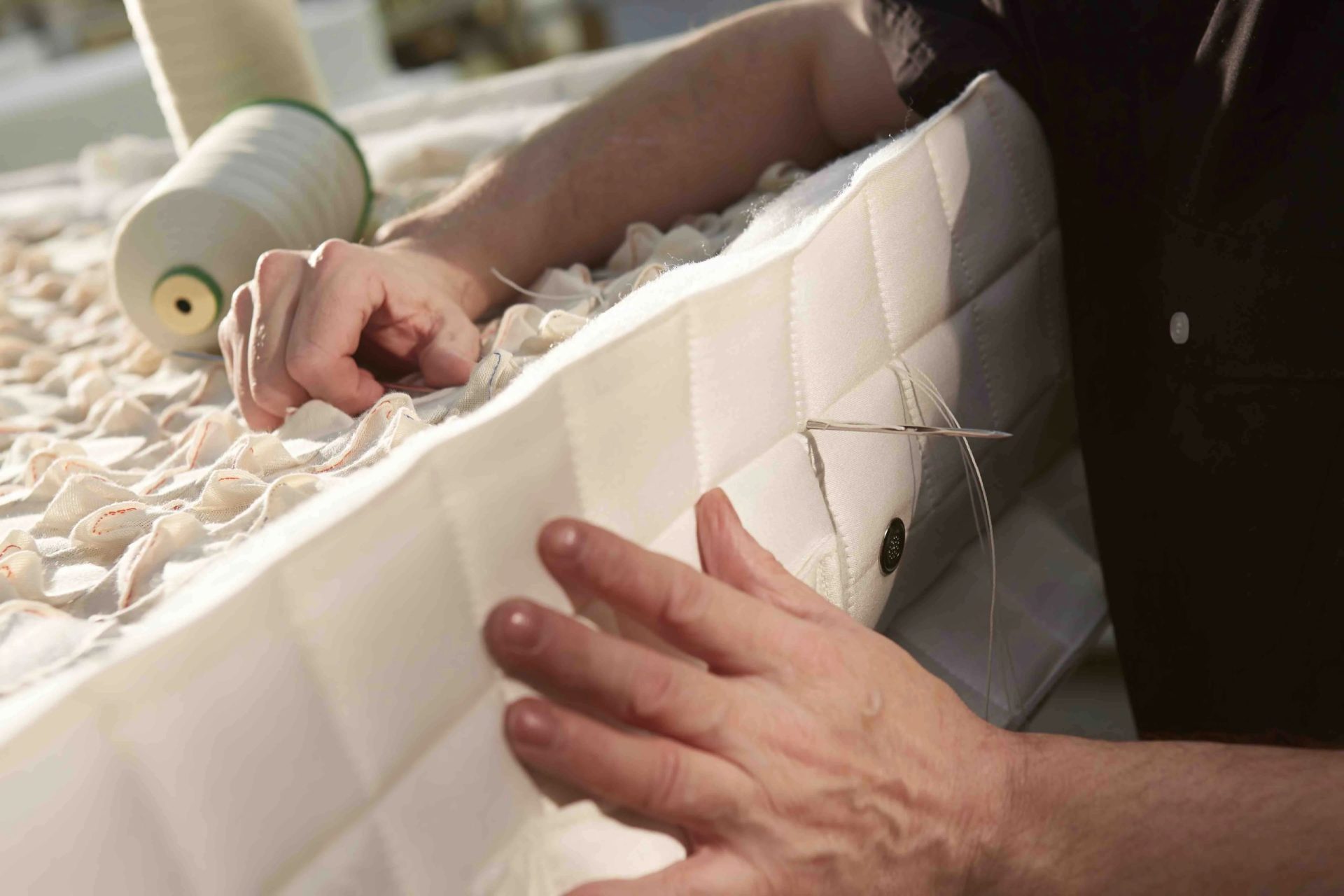
All these natural materials are layered, hopefully by hand, as all our mattresses are, on top of the mattress spring unit, with the top layers being referred to as the comfort layers. You will see plenty of fancy descriptions as you search online and in stores for your mattress, all trying to describe in the most verbose detail the fine upholstery elements of a particular mattress. However, without the GSM, these long descriptions can be misleading.
For example, a description could say: the mattress contains generous layers of sumptuously soft natural fillings, including Cotton, Lambswool, and Silk. This sounds impressive, but it does not tell you how much of the natural fillings are actually included in the mattress. As far as you know, “generous layers” could mean you are getting a kilo or an ounce for your money. What is also concerning is that retailers will often use mixed fibres, sometimes blending them with polyester, so they can claim the mattress contains natural fibre.
You should always be able to see the exact breakdown, like the example table below.
| John Ryan By Design Artisan Naturals | Vi Spring Regal Superb | |
|---|---|---|
| 1 | 1200gsm Blended British Fleece Wool and Cotton. | 900gsm Blended real Shetland Isle Fleece Wool and Cotton |
| 2 | Hairproof Cambric Cover | Hairproof Cambric Cover |
| 3 | 1250gsm Rebound Poly Cotton | 1200gsm long stranded Horsetail blended with British Fleece Wool |
| 4 | 1500gsm 100% Pure Mohair | 1000gsm Bonded British Fleece Wool and Cotton |
| 5 | 1600 Calico encased Pocket Springs [ 49mm ] [1.28mm ] | 1720 Calico encased Pocket Springs [48mm ] [1.28mm ] |
| Total GSM | 3950gsm | 3100gsm |
This is why knowing the GSM of the fillings in the mattress is hugely important. This will allow you to determine the actual weight of any particular upholstery component and assess the real quality of the natural-fibre mattress you are considering. Once you know this figure, you are better equipped to understand whether the amount is significant enough to provide lasting comfort or just a trace of that fibre included for sales purposes. You can see in this comparison article the GSM ranges you should expect in a high-quality natural fibre mattress.
As a practical guide, a single natural-fibre layer below 500 GSM is unlikely to make a meaningful contribution to the mattress’s feel or longevity. Total natural upholstery below 1,500 GSM across all layers should prompt questions about whether the mattress genuinely delivers the benefits associated with natural fibre construction.
A genuinely premium natural-fibre mattress typically has a total upholstery weight of 3,500 GSM or more. Our Artisan Naturals, for example, has a total of 3,950 GSM, and the Artisan Luxury has 4,600 GSM.
Where fibres are sourced and why it matters
We believe that knowing exactly where your fibres have been sourced from is an important part of your mattress research, especially when looking at the high-end mattress market. British woven fabrics have always been of the highest quality, and there is a resurgence in locally sourced fibres, such as Swaledale Wool. They are renowned for their durability and comfort, which far surpass those of cheaper alternatives. It is no wonder that there has been a distinct movement in the industry back towards traditional British-made fabrics.
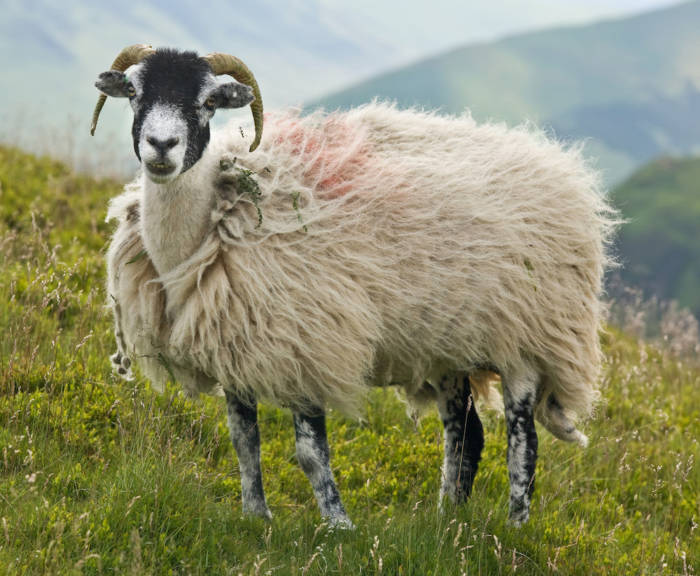
Take our John Ryan Legacy mattress, built with materials and upholstery entirely sourced in the UK. Every piece of material used can be traced back to its origin, from its layers of 100% natural British fibres to the flawless Wool fabric woven in true heritage style.
We believe a mattress should capture the essence of Britain’s fabric-weaving and upholstery-manufacturing heritage and celebrate the weavers and Cotton spinners who produce the highest levels of durability and comfort using 100% natural fibres. This is what you deserve in a mattress, and it is what you should look for if you are seeking the ultimate in natural-fibre mattresses.
How will the fibres feel?
You should always think about how a mattress will feel, because after all, you want to know it is the right feel for you. Every sleeper needs to be perfectly comforted and supported. This is where seeking expert advice and avoiding high-street salespeople working on commission can genuinely help.
Natural fibre mattresses can cater to any preference because the materials can be used individually, combined, or interchanged to produce the ideal feel for a particular sleeper. Our expert team can help guide you to find the right mattress, and you do not need to visit a store. We even have the UK’s first 100% plant-based, natural-fibre vegan mattress, which you can read more about here.
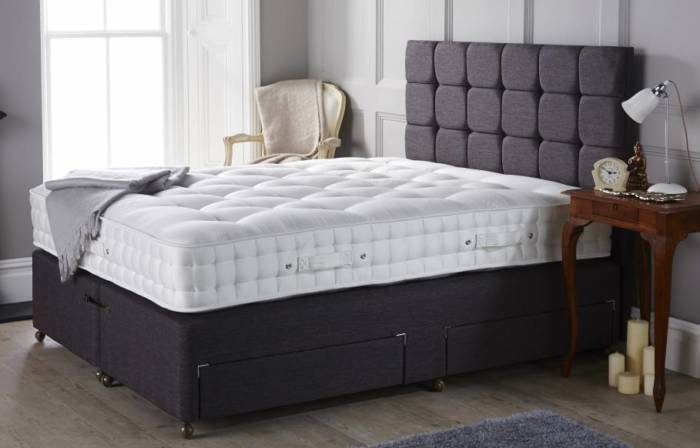
The comfort layers on top of the mattress spring unit will always give you a better sense of the overall perceived firmness. The different upholstery layers you choose for the spring unit will change how soft, medium, or firm the mattress feels. For example, layers of deep soft British fleece Wool and Cotton on the Artisan Luxury produce a sumptuously soft feel. Whereas Horsehair layered with Wool in the comfort layers of the Artisan Bespoke provides a firmer feel.
Take our Artisan Sublime mattress, carefully crafted to provide the ultimate in breathable, natural layers, topped with a medium-soft comfort layer. It uses Natural Organic Plant fibre along with soft Alpaca to perfectly complement twin layers of vanadium-coated Calico pocket springs and natural fibres. This combination creates an incredibly luxurious medium-feel sleep experience.
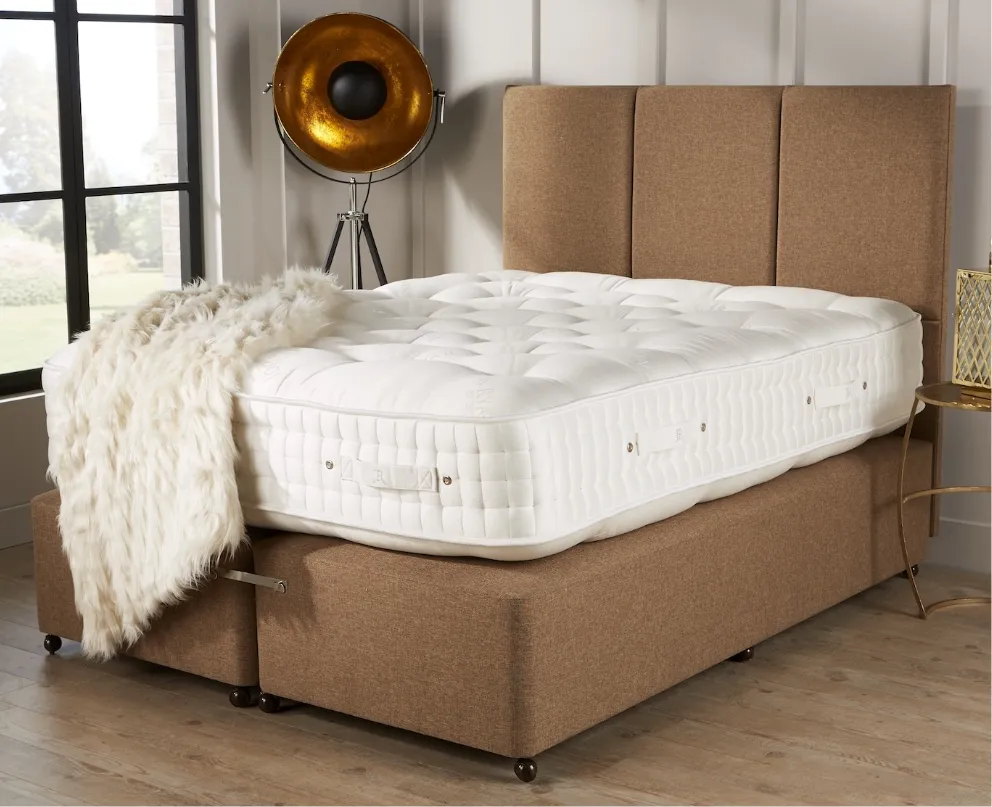
This is one of the most breathable and forgiving mattresses around, and one of the only Natural Plant-Based mattresses in the world. Using natural plant fibres such as Coir, Organic Flax, and Bamboo, along with Alpaca and Horsetail, to produce an exquisite medium-snug soft feel. If you are looking for the best of the best, then the Artisan Sublime firmly beats off competition from mattresses twice its price.
| Upholstery Layer | Fibre Type | How it will feel? | Price Point |
|---|---|---|---|
| Polyester | Synthetic | Soft | Cheap |
| White Fibre | Synthetic | Soft/Medium | Cheap |
| Recycled Fibre / Eco Fibre | Synthetic | Medium | Cheap |
| Memory Foam | Synthetic | Medium/Firm | Mid Price |
| Igel / Hybrid Foam | Synthetic | Medium/Firm | Mid Price |
| Polycotton | Synthetic/Natural Blend | Soft/Medium | Mid Price |
| Linen | Synthetic/Natural Blend | Medium | Mid Price |
| Wool (Pure) | Natural | Soft/Medium | High-End |
| Cotton (Pure) | Natural | Soft | High-End |
| Silk | Natural | Soft | Expensive |
| Horsehair | Natural | Medium | High-End |
| Mohair | Natural | Medium/Firm | High-End |
| Hemp | Natural | Medium | High-End |
| Latex (100% Natural) | Natural | Medium/Firm | High-End |
| Coir | Natural | Firm | High-End |
| Flax | Natural | Firm | High-End |
| Coarse Cashmere | Natural | Firm | High-End |
| Bamboo | Natural | Super Soft | Expensive / Exclusive |
| Horsetail | Natural | Firm | Expensive / Exclusive |
| Alpaca | Natural | Soft | Expensive / Exclusive |
| Cashmere (Pure) | Natural | Soft | Expensive / Exclusive |
| Vicuna | Natural | Super Soft | Expensive / Exclusive |
The real benefits of natural fibre mattresses
The benefits of natural fibre mattresses are well-documented and genuinely meaningful, but they are also somewhat overstated by the marketing surrounding them. Here is an honest account of what you can actually expect.
Temperature regulation is the most cited benefit, and it is real. Animal fibres, particularly Wool and Alpaca, have a hollow fibre structure that traps air and wicks moisture away from the body. This means natural fibre mattresses respond actively to changes in your body temperature through the night, rather than simply retaining heat as Foam does. The result is a sleeping environment that stays more consistently comfortable, particularly for those who tend to sleep warm. This is not marketing language: the physics of natural-fibre moisture-wicking is straightforward and well understood.
Durability and resilience are the second major advantage, and they are the ones most directly connected to value for money. Natural fibres, particularly Wool, Horsehair, and Horsetail, do not compress and stay compressed the way polyester does. Their structure allows them to spring back after being loaded, which is why a properly constructed natural fibre mattress will hold its comfort feel considerably longer than a synthetic equivalent at the same price point. This is the substantive reason why natural fibre mattresses with published GSM specifications are worth the higher initial price: the cost per night of sleep over a 10 to 15-year lifespan is often lower than that of cheaper synthetic mattresses that need replacing in five years. years
Chemical-free construction is a benefit that is increasingly relevant to consumers. Natural fibres, particularly Wool, are inherently fire-resistant and can meet UK fire safety standards (BS 7177) without chemical flame retardant treatment. This means a well-constructed natural fibre mattress can be free of the VOC off-gassing that is common with synthetic Foam mattresses, which use chemical treatments to achieve the same fire resistance that natural materials provide by default.
Environmental credentials are genuine but nuanced. Natural fibre mattresses do have a lower embodied carbon footprint than petroleum-based Foam equivalents at the point of manufacture. More significantly, research published in the journal Resources, Conservation and Recycling has shown that at the end of life, natural fibre mattresses can reduce greenhouse gas emissions by up to 90% compared to sending a Foam mattress to landfill, provided the natural fibre components are composted or recycled, and the springs are reclaimed. The long lifespan of a well-made natural fibre mattress also means fewer replacements over time, which compounds the environmental advantage.
Natural fibre vs synthetic: an honest comparison
The honest comparison between natural fibre and synthetic mattresses is not straightforwardly “natural is better.” It depends on what you are comparing, at what price point, and for which sleeper. Here is what the data and our manufacturing experience actually say.
At equivalent total upholstery weights, natural fibres outperform polyester on temperature regulation, long-term resilience, and breathability. Polyester fibres pack down faster and retain heat more readily. For most sleepers, this means the natural fibre mattress maintains its feel longer and creates a more comfortable overnight temperature environment.
Where synthetic materials have an advantage is cost. Polyester can be manufactured at scale cheaply and consistently, which is why it dominates lower-price-point mattresses. For a budget under £600, a well-specified synthetic mattress from a reputable UK manufacturer is a more sensible purchase than a poorly specified natural-fibre mattress with insufficient GSM to deliver the benefits of natural materials.
The category where the comparison is most misleading is the “natural” mattress that contains synthetic filler. Many mattresses described as natural fibre in retail contain 70 to 90% polyester with a thin layer of Wool or Cotton added for marketing purposes. The GSM breakdown is the only reliable way to determine whether a mattress described as natural actually delivers the performance of natural fibres. If a retailer cannot or will not provide layer-by-layer GSM figures, that absence of transparency is itself informative.
Are natural fibre mattresses good for hot sleepers?
Yes, and the mechanism is worth understanding rather than just taking on trust. Memory Foam mattresses trap heat because Foam is a poor thermal conductor and a poor moisture wicker. As you sleep, body heat and perspiration are retained close to the surface of the Foam, creating the familiar overheating problem that affects a significant proportion of memory Foam sleepers.
Natural fibres work differently. Wool, for example, can absorb up to 30% of its own weight in moisture vapour without feeling wet, and then release it slowly as the surrounding environment changes. This active moisture management keeps the microclimate around your skin drier and cooler than Foam can achieve. Alpaca and Horsehair both have hollow or semi-hollow fibre structures that actively move air through the upholstery layers, further contributing to the breathability of the sleep surface.
If you are a consistently warm sleeper, the fibre selection in the top comfort layer matters most. Models with Bamboo or Alpaca as the uppermost layer will typically feel coolest, followed by Wool and Cotton combinations. Horsehair and Horsetail in the upper layers produce a firmer feel and are highly breathable. Still, their thermal performance is better suited to those who sleep neutrally rather than to those who sleep very warm.
Natural fibre mattresses and allergies
This is an area where the marketing around natural fibre mattresses tends to overstate the case, and where an honest account is more useful.
The most common bedroom allergen is the house dust mite, which is found in all mattresses, natural or synthetic. However, research published in the journal Allergy (Schei, Hessen et al., 2002) found that spring mattresses, both natural-fibre and non-natural, had lower dust-mite allergen concentrations than Foam mattresses. The spring unit creates an open structure through which air can move, making the mattress environment less hospitable for mites than a dense Foam block.
Wool has natural antimicrobial properties and is inherently resistant to mould and mildew growth due to its moisture-wicking characteristics. Cotton, when organically certified, is free of pesticide residues that can cause reactions in chemically sensitive sleepers. Bamboo fibres are naturally antibacterial. For most allergy sufferers, a natural fibre mattress with a regularly laundered, tightly-woven protector will create a significantly better sleeping environment than a Foam alternative.
The exception is Wool allergy, which affects a small proportion of people. For those with confirmed Wool sensitivity, plant-based natural fibre alternatives, such as our Artisan Latex, or a Cotton and Bamboo-led specification, deliver the benefits of natural fibre construction without animal fibre content.
Fire retardants: what natural fibre mattresses do differently
All mattresses sold in the UK must meet the fire safety requirements set out in BS 7177. How manufacturers meet this standard varies significantly, and the difference between chemical and natural fire retardancy is one of the most important practical distinctions between synthetic and natural fibre mattresses.
Most synthetic Foam mattresses meet fire safety standards by treating the Foam with chemical flame retardants or by using chemically treated covers or barrier fabrics. These treatments can off-gas volatile organic compounds (VOCs) for weeks or months after manufacture, which is why some Foam mattresses have a noticeable chemical smell when new. The long-term health implications of sustained low-level VOC exposure during sleep are not well established. Still, they are a legitimate concern for consumers who spend six to eight hours a night in proximity to their mattresses.
Wool is inherently fire-resistant. It chars and self-extinguishes rather than melting and continuing to burn, which means a Wool-upholstered mattress can meet BS 7177 requirements through the properties of the material itself, without added chemical treatment. Our covers use plant-based fire retardants on viscose, which is a minimal intervention compared to the chemical treatment commonly used in Foam mattresses. If sleeping on a chemically treated surface is a concern for you, a natural fibre mattress with Wool upholstery is the most straightforward way to address it.
How long do natural fibre mattresses last?
A well-made natural-fibre pocket-spring mattress, properly cared for, will typically last between 10 and 20 years. The keyword is “well-made”: the combination of construction quality, upholstery weight, and whether the mattress is one-sided or two-sided determines the realistic lifespan far more than any single material choice.
Two-sided construction is one of the most underused advantages in the natural fibre mattress market. A two-sided mattress can be flipped as well as rotated, which means both sleep surfaces are used alternately over the mattress’s life. This halves the rate at which any single surface is loaded and compressed, effectively doubling the usable lifespan of the upholstery. All mattresses in our Artisan range are two-sided. Most mattresses sold by high-street retailers, including most so-called premium models, are one-sided, which is one of the primary reasons they underperform on longevity relative to their price.
The natural fibre content itself also contributes directly to longevity. Wool and Horsehair fibres spring back after compression in a way that polyester does not, maintaining their loft and feel over many years of use. The higher the GSM of natural fibre content, the greater the reservoir of resilience that keeps the mattress feeling consistent. A mattress with 4,000 GSM of natural upholstery will hold its feel considerably longer than one with 1,500 GSM, which is a meaningful part of the value calculation at higher price points.

Our natural fibre range at a glance
All mattresses in our Artisan range are made by hand here in Manchester, use calico-encased pocket springs, are two-sided and fully turnable, and come with full GSM layer breakdowns for every model. The following table sets out the key specifications across the range.
| Model | King Size Price | Total GSM | Key Fibres | Springs | Feel | Guarantee |
|---|---|---|---|---|---|---|
| Artisan Naturals | £2,180 | 3,950 GSM | Wool, Cotton, Mohair | 1,600 calico pocket springs | Medium | 10 years |
| Artisan Bespoke 004 | £2,860 | 3,600 GSM | Wool, Cotton, Bamboo, Horsetail | 1,600 calico pocket springs | Medium | 10 years |
| Artisan Luxury | £2,955 | 4,600 GSM | Wool, Cotton, Horsehair, Horsetail | 1,476 calico pocket springs | Soft | 10 years |
| Artisan Bespoke | £3,145 | 5,100 GSM | Wool, Cotton, Horsetail, Horsehair, Cashmere | 1,600 calico pocket springs | Firm | 10 years |
| Artisan Bespoke 002 | £3,375 | 3,600 GSM | Wool, Cotton, Bamboo, Horsetail (dual spring) | 2,508 dual-tier calico pocket springs | Medium | 10 years |
| Artisan Bespoke 003 | £4,725 | 5,600 GSM | Alpaca, Wool, Cotton, Bamboo, Horsetail, Coir (dual spring) | 2,508 dual-tier calico pocket springs | Firm | 10 years |
| Artisan Sublime | £5,160 | 5,400 GSM | Bamboo, Alpaca, Horsetail, Organic Flax, Coir (dual spring) | 2,508 dual-tier calico pocket springs | Medium | 10 years |
| Legacy Two | £5,550 | 5,400 GSM | British Alpaca, Swaledale Wool, Horsetail, Organic Flax (all British, dual spring) | 2,508 dual-tier calico pocket springs | Medium | 15 years |
All prices shown are for king-size (150 x 200 cm). Every model is available in all standard UK sizes, and most Artisan models are available as a zip-and-link pair for couples requiring split spring tensions. A 60-day trial period applies to every mattress.
If you are in the process of choosing a natural fibre mattress and you have any more questions, do not hesitate to get in touch with our expert team today on 0161 437 4419. We can help find the perfect layers of natural fibres to ensure you find the right mattress.
Frequently asked questions
What is the difference between a natural fibre mattress and an organic mattress?
A natural fibre mattress uses materials sourced from nature, including Wool, Cotton, Horsehair, and Alpaca, but these materials may not be organically certified. An organic mattress uses materials that are certified to recognised organic standards: GOTS (Global Organic Textile Standard) for fibres like Cotton and Wool, and GOLS (Global Organic Latex Standard) for Latex. Organic certification provides assurance that the materials were grown without synthetic pesticides or fertilisers and processed without harmful chemicals. For most consumers, the difference between a high-quality natural fibre mattress and an organically certified equivalent is minimal in terms of sleep performance. Still, organic certification provides additional reassurance for those with chemical sensitivities.
Are natural fibre mattresses good for people with allergies?
Generally, yes, with one exception. Natural fibre pocket spring mattresses typically have lower dust-mite allergen concentrations than Foam mattresses because the open spring structure allows air to move through the mattress. Wool is naturally antimicrobial and resistant to mould. Cotton and Bamboo are both hypoallergenic when free of chemical treatment. The exception is Wool allergy: those with confirmed sensitivity to lanolin (the natural wax in Wool) should choose plant-based natural fibre alternatives such as Cotton, Bamboo, Coir, and Latex.
How much should I expect to pay for a natural fibre mattress in the UK?
A genuinely well-specified natural fibre mattress starts at around £1,200-£1,500 for a king-size from a direct manufacturer with published GSM specifications. Below that price point, it is difficult to include sufficient natural-fibre upholstery to deliver the durability and temperature-regulation benefits associated with natural materials. Premium natural fibre mattresses with 4,000 GSM or more of upholstery, dual-layer springs, and fully British natural fibre content range from £2,500 to £5,500 for a king size. True luxury models from brands such as Vispring start at around £1,870 for a basic specification and rise well above £10,000 for their premium ranges.
Do natural fibre mattresses need to be turned?
Yes, and this is an important point. A two-sided natural fibre mattress should be flipped and rotated regularly: every three months in the first year, and twice a year thereafter, to distribute wear evenly across both sleep surfaces. One-sided natural fibre mattresses should be rotated (turned 180 degrees, not flipped) on the same schedule. Regular turning is one of the most significant factors in extending the lifespan of a natural fibre mattress, alongside the use of an appropriate slatted or sprung base.
What GSM should a natural fibre mattress have?
As a minimum, a mattress that genuinely deserves to be described as a natural fibre mattress should have a total upholstery weight of at least 2,000 GSM of natural content. Individual layers below 500 GSM are unlikely to contribute to the mattress’s feel or durability meaningfully. A high-quality natural fibre mattress will typically have a total upholstery GSM of 3,500 or more. If a manufacturer cannot or will not provide GSM figures for their mattresses, that is a significant warning sign, regardless of how the product is described in marketing copy.
Are natural fibre mattresses suitable for hot sleepers?
Yes. Natural fibres, particularly Wool, Alpaca, and Bamboo, actively manage body temperature and moisture in ways that synthetic Foam can’t. Wool can absorb significant moisture vapour without feeling wet, then release it slowly, keeping the sleeping environment cooler and drier. Memory Foam retains body heat and does not wick moisture, which is why overheating is one of the most commonly reported problems with Foam mattresses. For hot sleepers, a natural fibre mattress is the most effective long-term solution.
Can I get a natural fibre mattress if I am vegan?
Yes. Our Artisan Latex is the UK’s first 100% plant-based, natural-fibre, vegan mattress, combining Talalay Latex, Bamboo, Organic Flax, and Coir with a calico pocket spring unit. It delivers the temperature-regulation and durability benefits of natural-fibre construction without any animal-derived materials. For vegans who want a pocket spring mattress without Foam, it is the most complete option currently available in the UK.
Dreaming of the perfect nights sleep?
Ask us a question
There are over 6000 questions and answers submitted by you on all questions about mattresses and bed problems. Enter a keyword such as Vi Spring, John Lewis beds, bad back or Memory Foam and see if your question has already been answered.
If you can’t find an answer in knowledge hub, ask a new question. We aim to respond to all questions within one working day.
Newsletter
Enter your email to join our newsletter. We’ll send you occasional news and mattress expertise.