







Mattress Tips
March 20265 Ways to improve an old uncomfortable mattress

The good news is there are practical, effective things you can do right now to improve your sleep, whether your mattress is too firm, too soft, or simply ageing badly. This guide covers every option available to you, from a free five-minute fix to longer-term solutions that can genuinely transform your sleep. We’ll also be straight with you about when the tweaks stop working and it’s time to call it a day on your current mattress.
We’ve been making mattresses here in the UK for over 25 years. We hear from people in this exact situation every single week, and we know what works and what doesn’t.
How to tell if your mattress is actually the problem
Before reaching for a quick fix, it’s worth taking a moment to work out whether your mattress is genuinely the culprit. People often blame poor sleep on stress, diet, or screen time when in reality they’re sleeping on a mattress that has quietly collapsed beneath them over a period of years.
Some clear indicators that your mattress is contributing to the problem include: waking up with lower back, hip, or shoulder pain that eases off as the day progresses; noticing a visible dip or sag in the surface when the mattress is bare; feeling springs or ridges through the top layers; sleeping significantly better in hotels or at other people’s houses; or finding that you and your partner roll towards each other during the night. If any of these sound familiar, your mattress is working against you rather than for you.

That said, not every uncomfortable night points to a mattress that needs replacing. Sometimes the mattress itself is fundamentally sound but needs a small adjustment, the right support underneath it, or something added on top. The sections below address each scenario in turn.
1. Softening your mattress with a topper
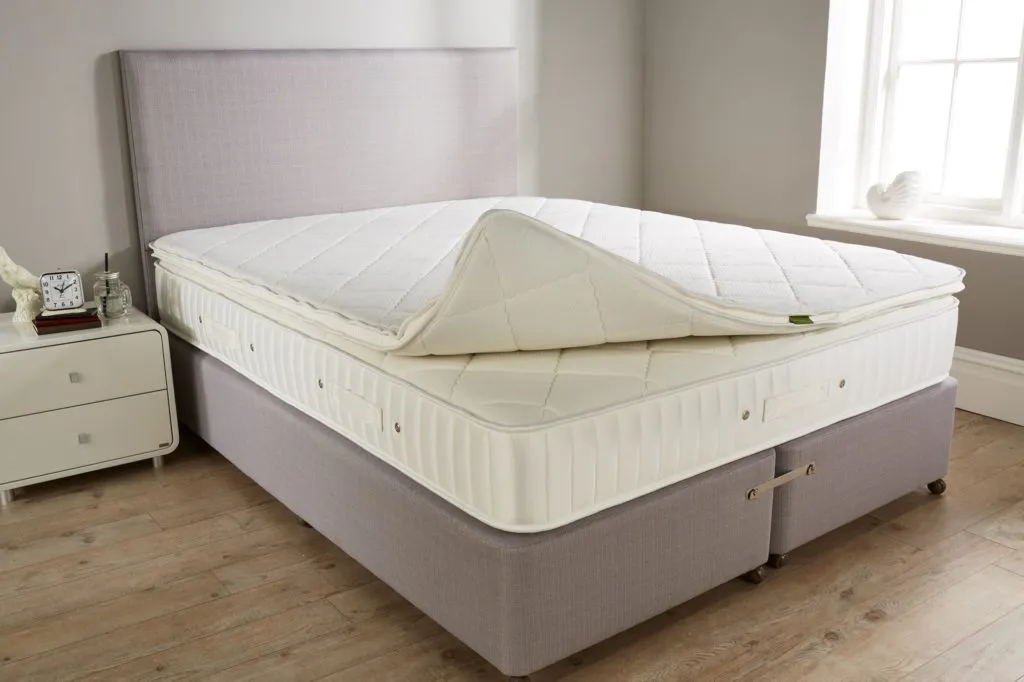
If you’re finding your mattress too firm, or worse, you can feel the spring unit through the upholstery, then adding a mattress topper is the single most effective way to improve comfort without replacing the mattress entirely. Toppers provide a deeper ‘comfort’ layer above the mattress, buffering the firmer support unit from your body and giving you a more forgiving sleep surface.
The type of topper you choose makes a real difference to the outcome. Natural fibre and Latex toppers are genuinely breathable, meaning they regulate temperature as you sleep rather than trapping heat around your body. Natural fibres like Wool and Silk wick moisture away from the body, which is particularly useful for anyone who sleeps warm. Synthetic options such as microfibre are significantly cheaper and will add cushioning, but they don’t breathe in the same way and tend to compress more quickly over time.
Our topper recommendations
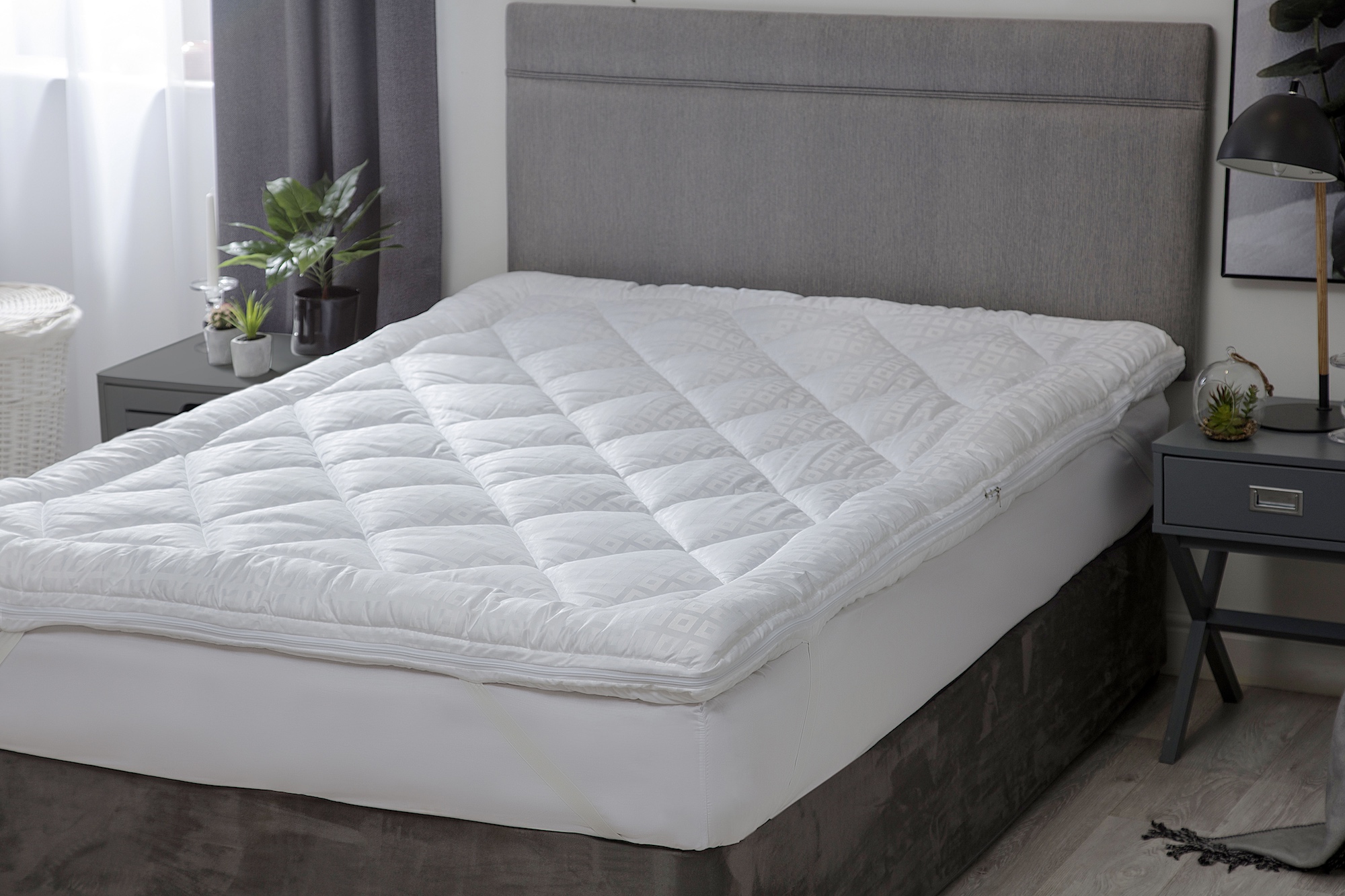
We offer three toppers to suit different budgets and needs. The Microfibre Topper (10cm) is our entry-level option at £110 for a king size, offering a generous depth of cushioning at an accessible price point. For those wanting a step up, the Hotel Quality Dual Layer Topper (9cm) at £145 for a king size combines two different densities for a more considered feel. At the top of the range, the Mulberry Silk Topper (6cm) at £240 for a king size is an exceptional choice for anyone who runs warm in bed, using the natural thermoregulating properties of Silk to create a genuinely cool and comfortable sleep surface.
What’s the cheapest way to soften your mattress?
If you’re not ready to spend on a topper just yet, there’s a completely free option worth trying first. Use a spare duvet underneath your bedsheets, placed directly on top of the mattress. It won’t stay as neatly in position as a proper topper, but it provides a meaningful additional comfort layer and costs nothing. This is a particularly useful trick if you’re staying somewhere with a firm mattress, whether at a friend’s house or in a hotel: simply ask for an extra duvet and fold it beneath your sheet. If this makes a notable difference to your sleep, it’s a good sign that a proper topper would serve you well longer term.

2. Firming up an old sagging mattress
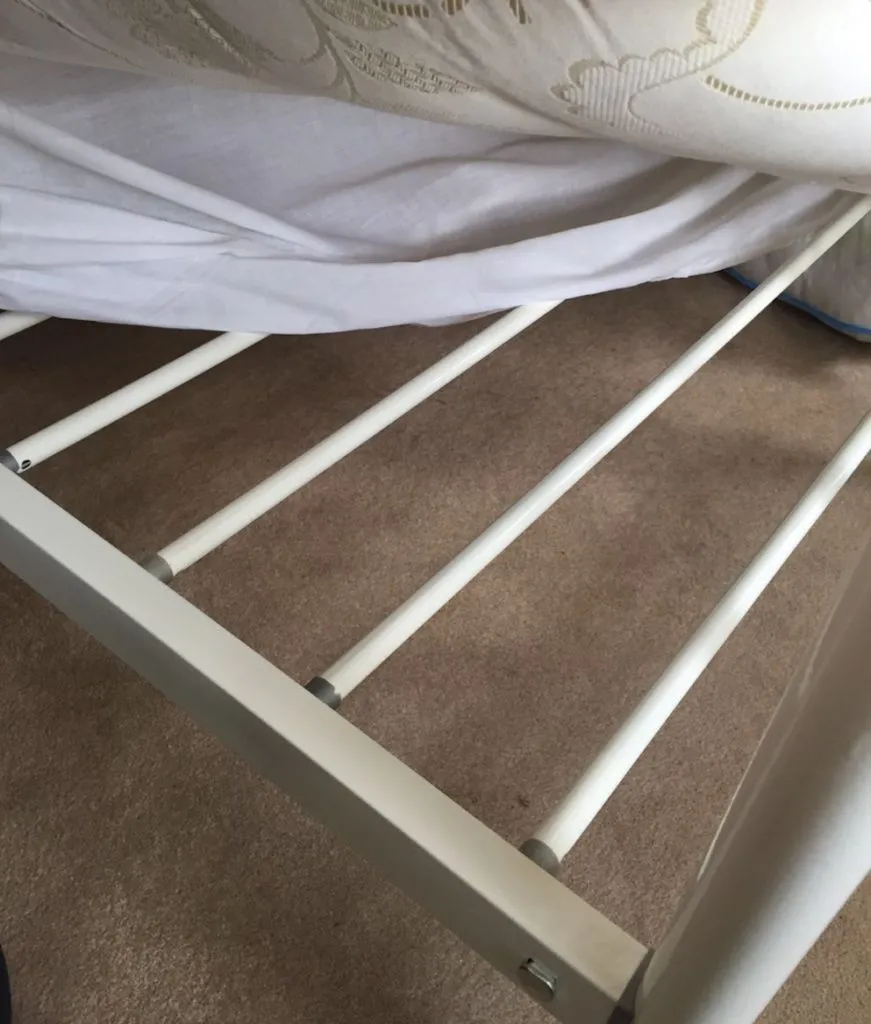
If your problem is the opposite, an old mattress that you sink too far into or that feels like it has lost its structure, the fix is different. Quite often, the issue isn’t just the mattress itself but also the interaction between the mattress and the base it sits on. Many mattresses are placed onto slatted bed frames, and over time, a mattress can start to mould itself down between the slats, especially if those slats are spaced too widely apart. This creates soft spots and dips that feel terrible to sleep on and accelerate the mattress’s deterioration.
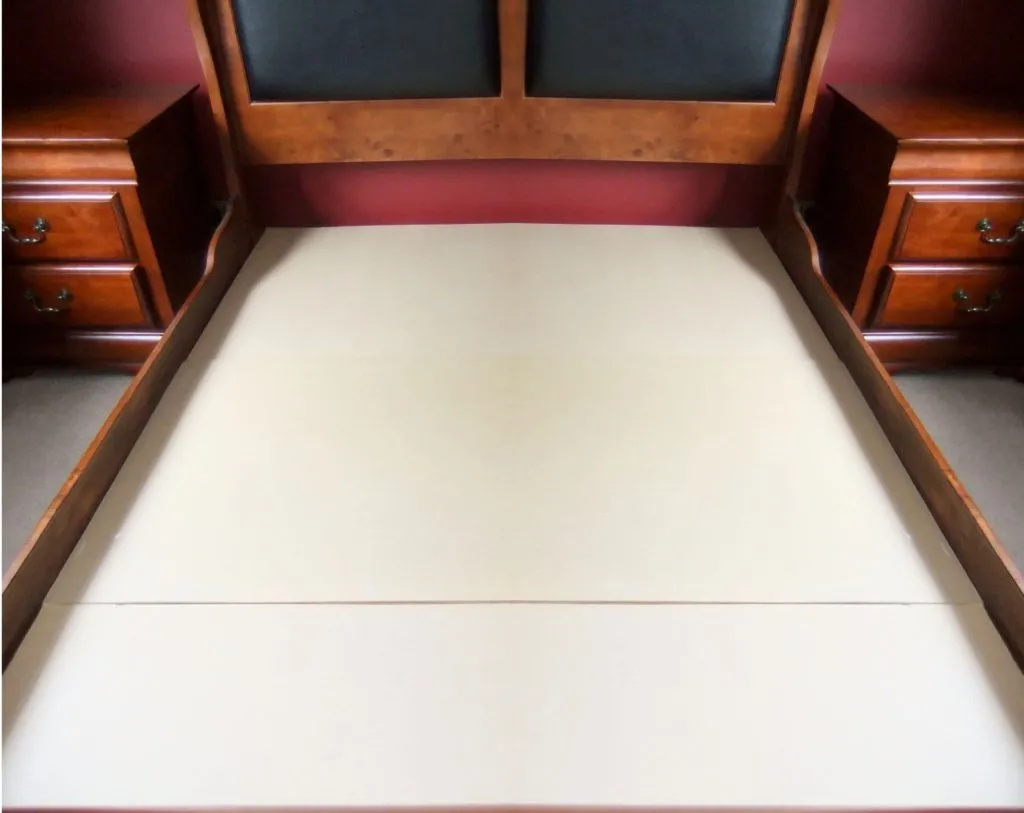
A very cost-effective fix is to add a layer of plywood or MDF on top of the slats, beneath the mattress. This creates a firm, even surface that prevents the mattress from sinking between gaps and can meaningfully restore support across the entire sleep surface. A sheet of plywood cut to size typically costs around £10 to £15 from a hardware store. It’s a small investment that can make a surprisingly significant difference, particularly if your slats are old, bowed, or spaced more than 7cm apart.
What if the mattress is on a divan base?
If your mattress sits on a sprung-edge divan, the base itself may be contributing to the soft feeling. You can check this by removing the mattress and pressing down directly onto the base: if it gives noticeably under your weight, the base is sprung. Adding a wooden board on top of a sprung divan base will considerably firm up the overall sleeping platform. It’s worth doing this test before concluding that the mattress is beyond saving, because a firm mattress sitting on a worn sprung base can feel far softer than it actually is.
3. Turn and rotate your mattress
This one surprises a lot of people, but if you have a two-sided mattress, turning it over and then rotating it so the foot end becomes the head end can feel almost like sleeping on a brand-new bed. A two-sided mattress should ideally be turned every two to three months to keep the fillings evenly distributed and prevent body impressions from forming on one side. If you’ve been sleeping on the same surface for years without turning, the difference after flipping can be remarkable.
To check whether your mattress is two-sided, look for a ‘no turn’ label or sticker. If there isn’t one, the mattress is almost certainly designed to be used on both sides. When you turn it, always rotate it in the same direction: head to foot, then flip. This way, every quarter of the mattress gets shared use.
If you’re stuck with a one-sided mattress such as an Eve, Casper, or Tempur model, you won’t be able to flip it, as there’s only one usable sleep surface. However, you can still rotate it 180 degrees, bringing the foot end to the head. Combined with a good topper, this can make a meaningful improvement to comfort, particularly if one end of the mattress has been bearing more weight over time.
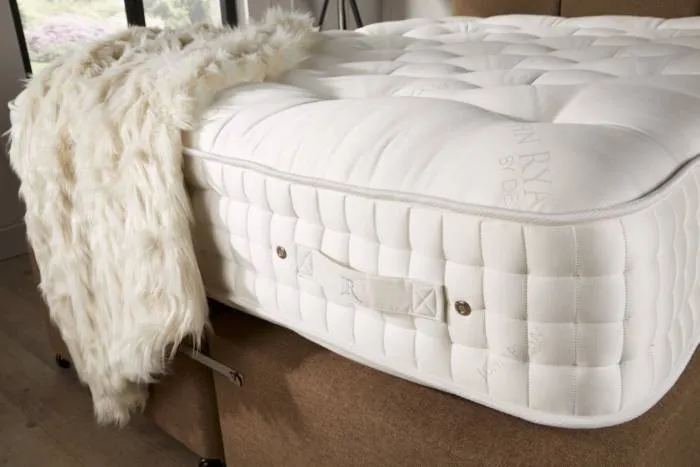
It’s worth noting here that all of our mattresses here at John Ryan are made as two-sided constructions. This is deliberate. A two-sided mattress lasts significantly longer, distributes wear more evenly, and gives you a genuinely different sleeping surface when you turn it. Many mass-market brands have moved to one-sided construction because it’s cheaper to produce, but it comes at a real cost to the mattress’s longevity and comfort.
4. Check your bed base is doing its job
This is one of the most overlooked causes of mattress discomfort. Your base is the foundation your mattress works from, and if that foundation is compromised, even a good mattress won’t perform as it should. It’s worth taking the mattress off completely and giving the base a proper inspection. Look for broken, bowed, or missing slats. Check whether the spacing between slats is no greater than 7cm, as anything wider allows the mattress to sag into the gaps. On a divan, check that the base hasn’t developed soft spots or areas of compression in the top panel.
Replacing a broken slat costs almost nothing and takes five minutes, but it can dramatically change how firm and supportive your mattress feels. It’s a surprisingly common cause of premature mattress softening that goes undiagnosed because people never think to look underneath.
If your bed frame is old or low-quality, it may also be worth considering whether a new base would extend the life of your existing mattress and improve your sleep in the meantime. A good platform top divan base provides a rock-solid, even surface and is genuinely one of the best investments you can make for any mattress.
5. Bedding and pillows matter more than you think
Sometimes what’s causing discomfort isn’t the mattress itself but the environment around it. The wrong pillow is one of the most common contributors to waking up with neck pain or shoulder tension. Your pillow needs to keep your head and neck aligned with your spine, which means the depth and firmness of the pillow should be matched to your sleeping position. Side sleepers typically need a firmer, deeper pillow to bridge the gap between head and shoulder. Back sleepers do better with a medium depth pillow that supports the natural curve of the neck. Stomach sleepers need very little height at all.
The quality of your bedding also plays a role. Natural fibre bedding regulates temperature far more effectively than synthetic alternatives, which matters because overheating is one of the leading causes of broken sleep. Our Wool duvets start from £240 for a king size (lightweight) and £285 for a medium weight, and the difference in sleep quality between a breathable Wool or Duck Down duvet and a synthetic one is genuinely significant, particularly if you’ve ever found yourself waking up hot in the night. A good Cotton mattress protector at £55 for a king size is also worth fitting regardless of your mattress’s condition: it protects against moisture ingress, keeps the mattress fresher for longer, and adds a thin layer of quilted cushioning.

The temperature of your room matters too. Memory foam mattresses in particular become significantly firmer in a cold room, because the foam responds to heat and can feel almost rigid when the temperature drops. If you have a foam mattress and your bedroom is cold, try warming the room slightly before bed or using a hot water bottle under the duvet for ten minutes before you get in.
When the tweaks stop working: signs it’s time for a new mattress
There’s only so much you can do with an old mattress, and it’s worth being honest with yourself about when you’ve reached that limit. If you’ve tried the steps above and are still waking up uncomfortable, the issue is almost certainly structural: the mattress has broken down internally and no surface-level adjustment will fix that.
Some clear signs that a replacement is genuinely necessary include: a visible and permanent dip or sag of more than 3cm in the sleep surface; being able to feel or hear the spring unit through the top layers; waking up with consistent body pain that isn’t present when you sleep elsewhere; noticing that your allergies are worse at night or on waking, which can be a sign of significant dust mite buildup in an aged mattress; or simply having had the mattress for more than eight to ten years. A well-made, two-sided mattress with proper natural fibre upholstery can last fifteen years or more with correct care, but a cheaper one-sided mattress may struggle beyond five or six.
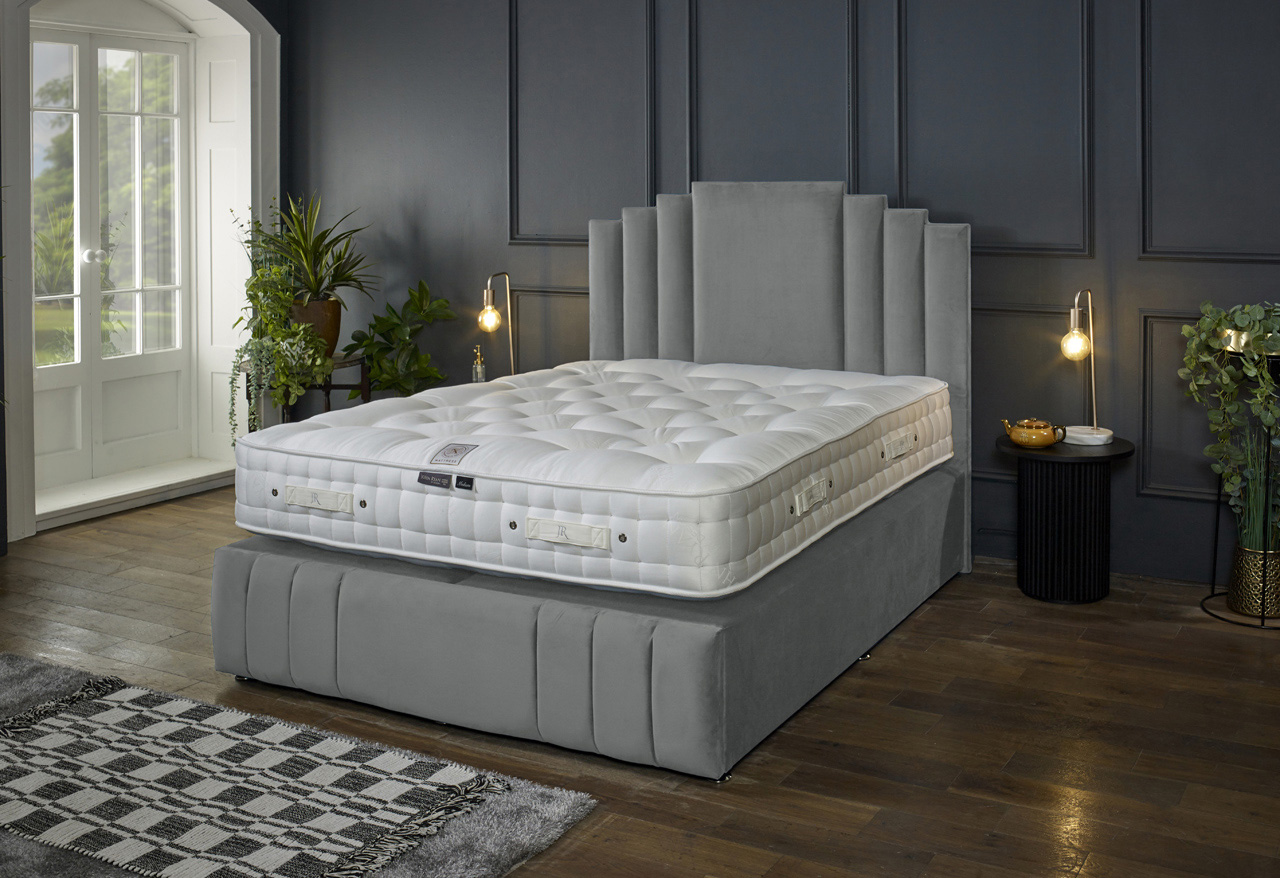
It’s also worth reflecting on whether your life has changed in ways that mean the mattress that suited you when you bought it simply no longer works for your body. Changes in weight, a new sleep partner, a health condition, pregnancy, or developing back problems all change what you need from a mattress. A mattress that felt perfect four years ago may be genuinely wrong for you now through no fault of its own.
How to choose the right replacement mattress
If your mattress has come to the end of its life, doing your research properly before buying will make a significant difference to how long the new one lasts and how well it suits you. Rushing to the nearest retailer and picking whatever is on offer is how people end up back in the same situation in a few years. Getting the right mattress comes down to three things done in the right order.

1. Choose your spring tension based on your bodyweight, not your preference
The pocket spring tension in a mattress is always dictated by your weight, not by whether you prefer a soft or firm feel. This step is the most commonly misunderstood aspect of buying a mattress. If the spring tension is wrong for your weight, the mattress will never feel truly right, regardless of how good the upholstery is. Choose the spring tension first, then move to comfort preference second.
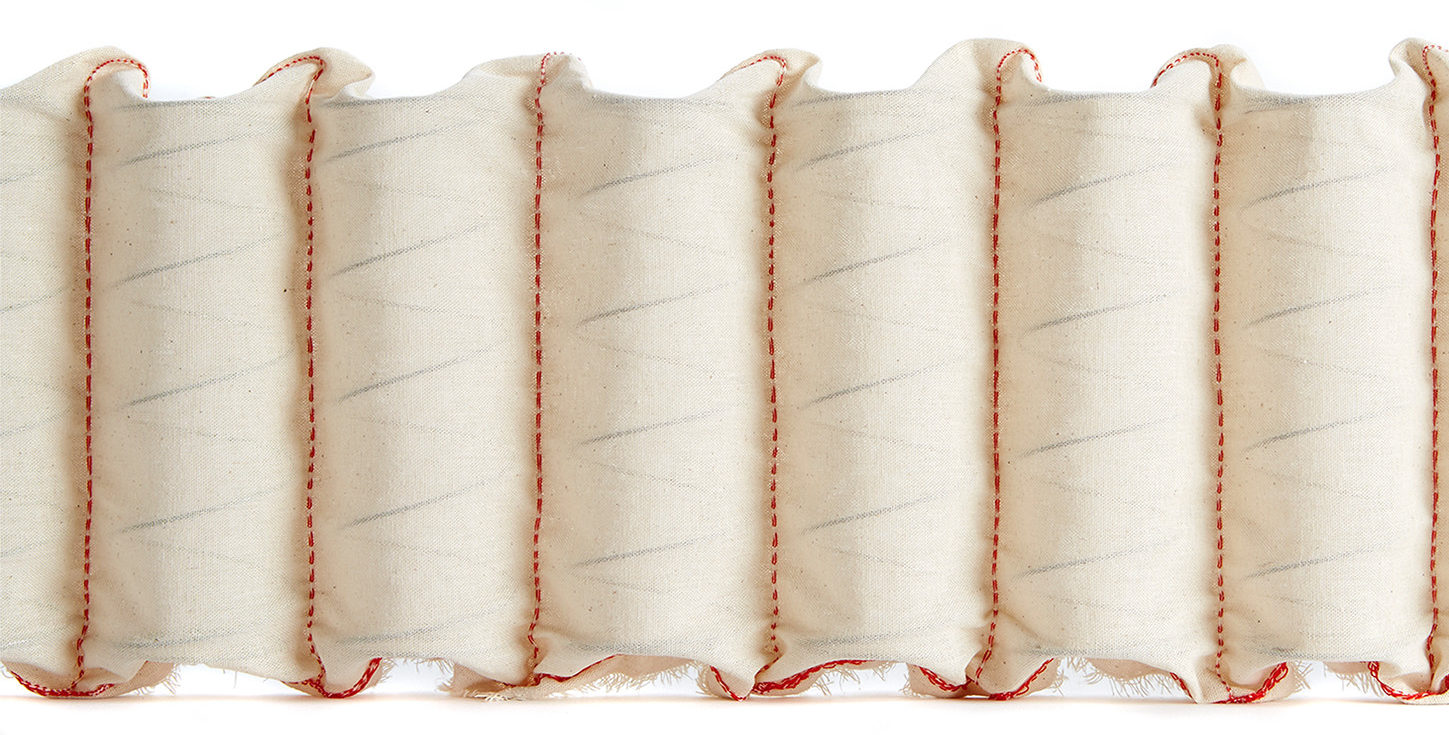
| Spring Tension | Wire diameter (Gauge) | Weight Range |
|---|---|---|
| Soft | 1.2mm | Bespoke Tension (Please Call) |
| Medium | 1.4mm | Upto 16 stone |
| Firm | 1.6mm | 16 stone plus |
| Extra Firm / Orthopaedic | 1.9mm | 20 stone plus |
2. Choose your upholstery to match your comfort preference
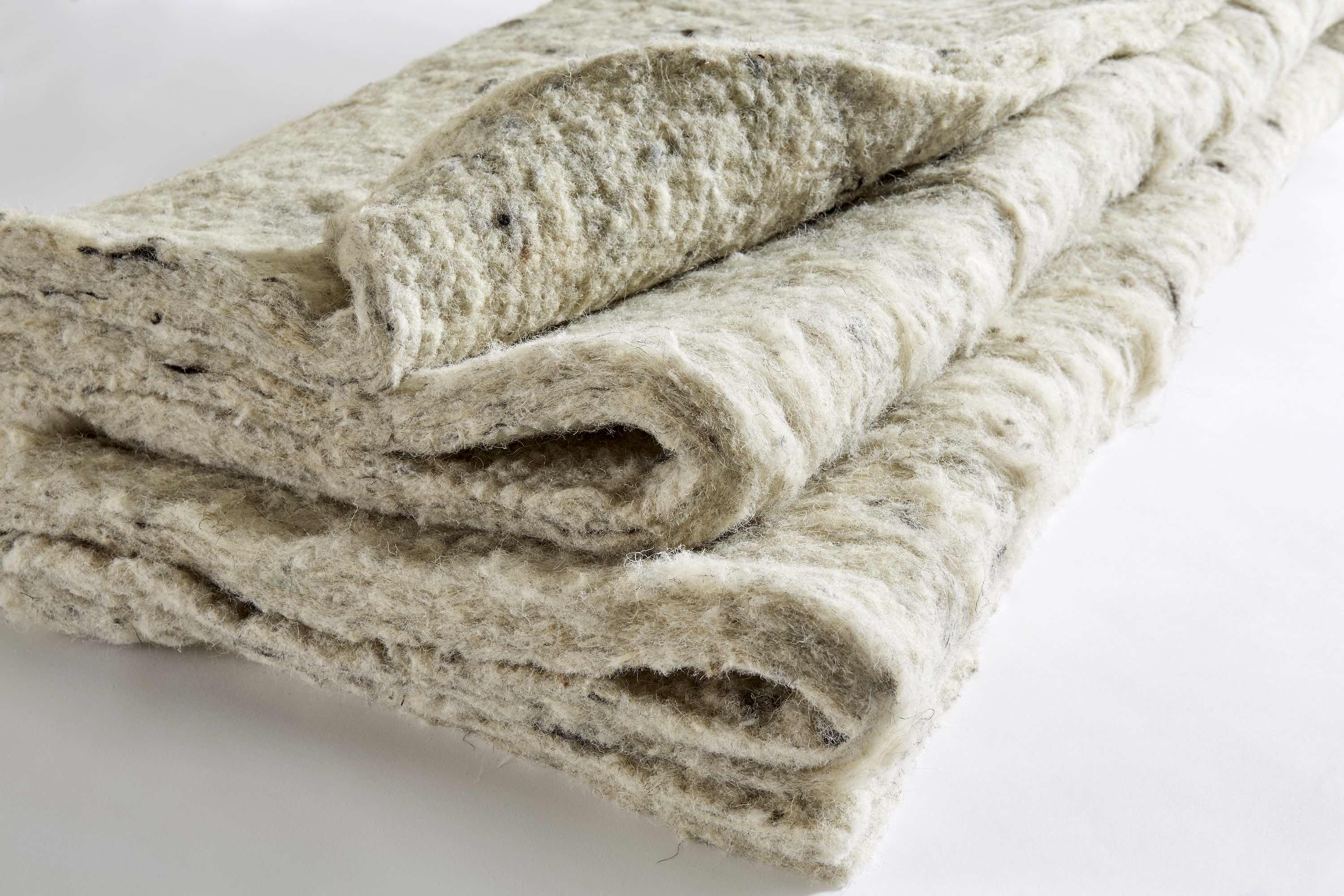
Once you have the correct spring tension sorted, this is where your personal preference for a soft, medium, or firm feel comes into play. The upholstery layers above the spring unit, often called comfort layers, are what create the feel of the mattress. Firmer natural fibres like Horsehair and Coir create a more resilient, denser surface. Softer fibres like Wool, Alpaca, and Cashmere create a more yielding, enveloping feel. Knowing the composition and GSM weight of each layer is the only reliable way to compare mattresses properly, which is why we publish the composition and GSM weight of every layer of every mattress we make.
| Upholstery Layer | Fibre Type | How it will feel? | Price Point |
|---|---|---|---|
| Polyester | Synthetic | Soft | Cheap |
| White Fibre | Synthetic | Soft/Medium | Cheap |
| Recycled Fibre / Eco Fibre | Synthetic | Medium | Cheap |
| Memory Foam | Synthetic | Medium/Firm | Mid Price |
| Igel / Hybrid Foam | Synthetic | Medium/Firm | Mid Price |
| Polycotton | Synthetic/Natural Blend | Soft/Medium | Mid Price |
| Linen | Synthetic/Natural Blend | Medium | Mid Price |
| Wool (Pure) | Natural | Soft/Medium | High-End |
| Cotton (Pure) | Natural | Soft | High-End |
| Silk | Natural | Soft | Expensive |
| Horsehair | Natural | Medium | High-End |
| Mohair | Natural | Medium/Firm | High-End |
| Hemp | Natural | Medium | High-End |
| Latex (100% Natural) | Natural | Medium/Firm | High-End |
| Coir | Natural | Firm | High-End |
| Flax | Natural | Firm | High-End |
| Coarse Cashmere | Natural | Firm | High-End |
| Bamboo | Natural | Super Soft | Expensive / Exclusive |
| Horsetail | Natural | Firm | Expensive / Exclusive |
| Alpaca | Natural | Soft | Expensive / Exclusive |
| Cashmere (Pure) | Natural | Soft | Expensive / Exclusive |
| Vicuna | Natural | Super Soft | Expensive / Exclusive |
3. Pay attention to construction quality and the guarantee
This is the step most people skip, and it’s often the one that costs them the most. Mattress detailing is the hidden indicator of build quality: the type of side stitching, whether the mattress has hand-tufted or machine-tufted construction, the cover fabric, and, critically, whether it is a one- or two-sided build.
Two-sided mattresses last significantly longer and give you the option to turn them over, which a one-sided mattress can never offer. Always read the guarantee terms carefully, too. A full guarantee is very different from a proportional warranty that diminishes in value each year. You can read more about mattress guarantees and what to watch out for here.
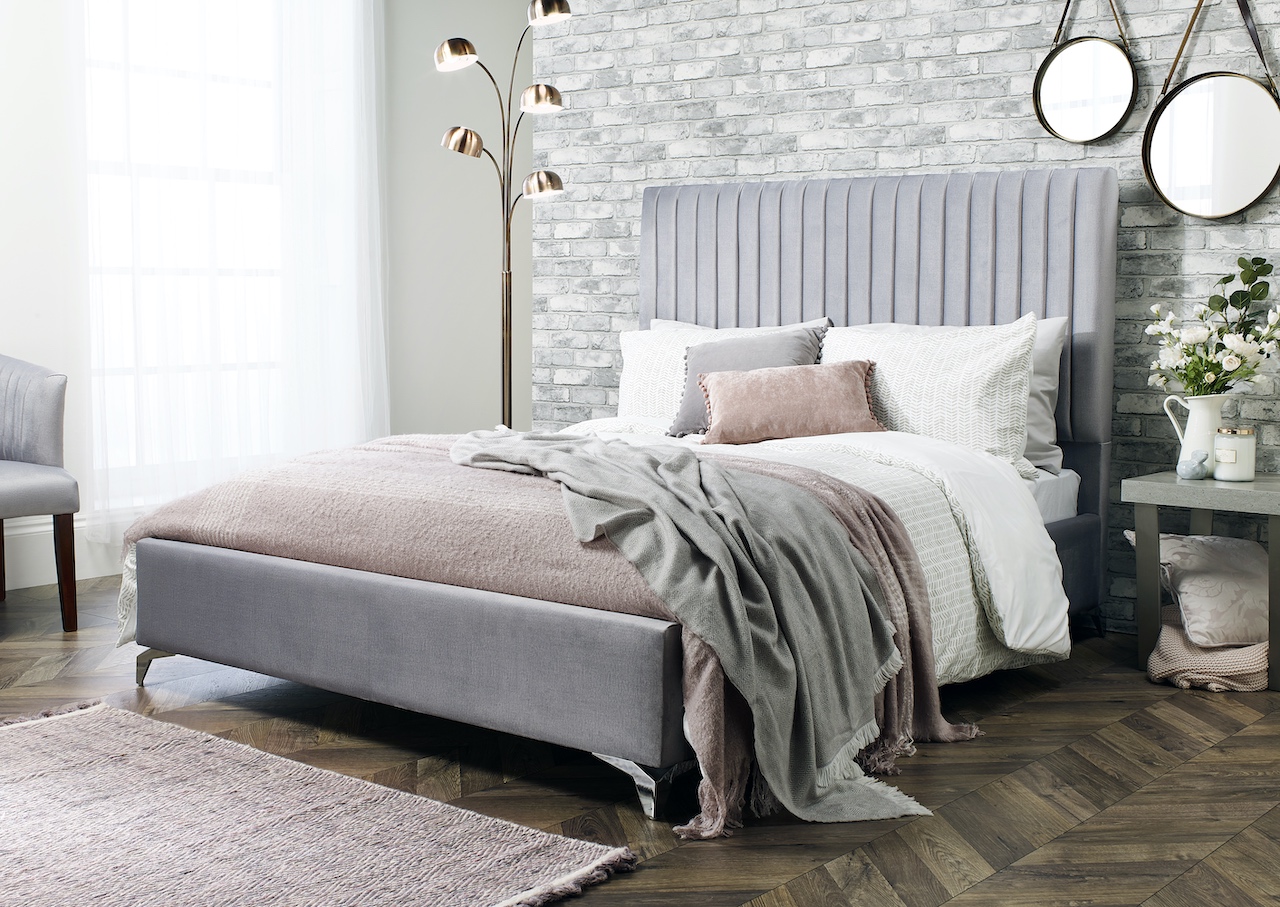
Our recommended mattresses if you’re starting fresh
For anyone replacing an entry-level mattress on a considered budget, the Origins Comfort at £890 for a king size is an excellent starting point: a proper pocket sprung mattress with natural fibre upholstery, two-sided construction, and far more longevity than anything you’d find at a comparable price on the high street.
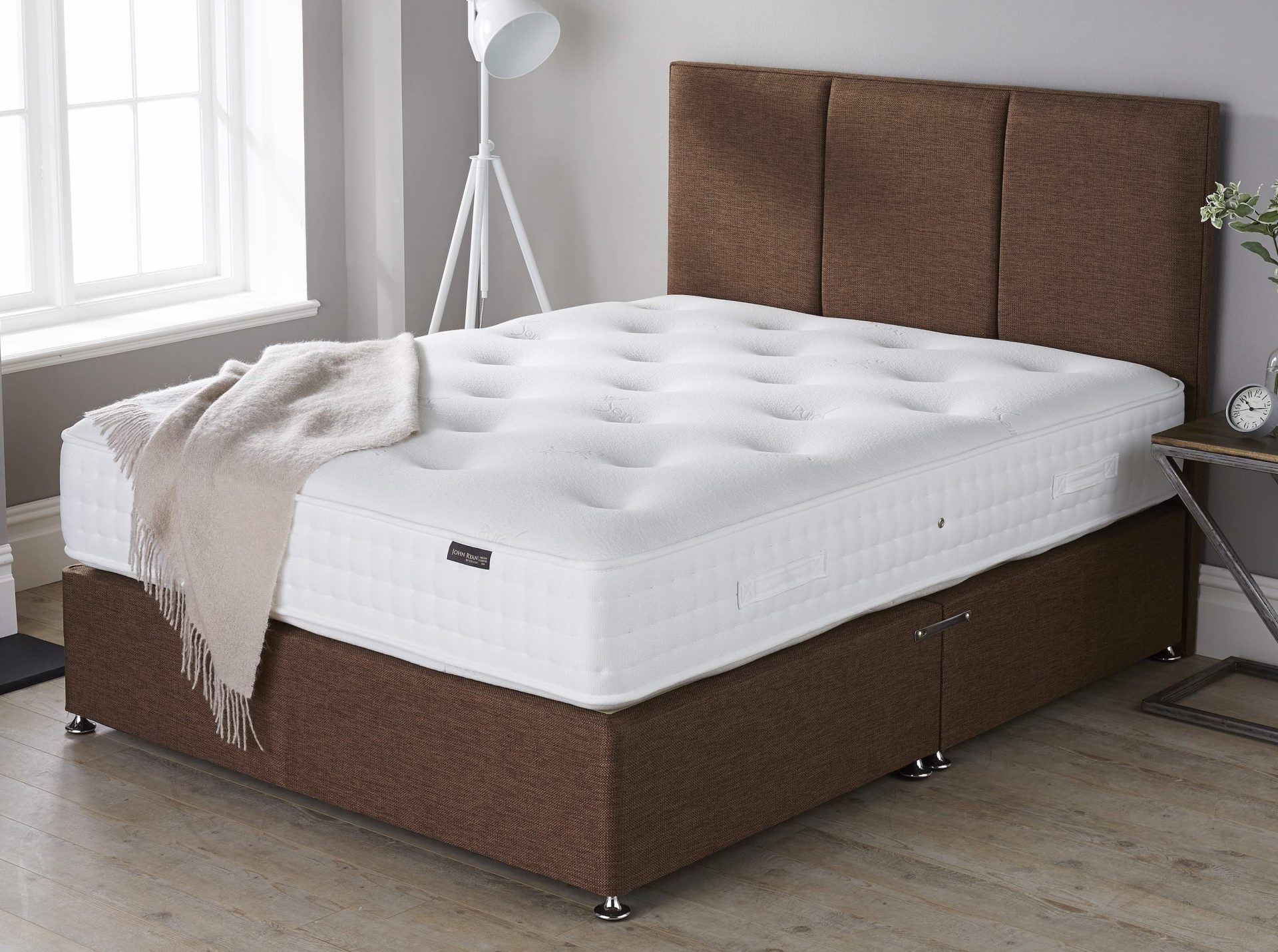
If you’re ready to invest properly and want a mattress that will last a decade or more with the kind of specification you won’t find from mainstream retailers, the Artisan Naturals at £2,180 for a king size is where natural fibre upholstery really comes into its own. It features multiple layers of Wool, Cotton, and Horsehair with full GSM disclosure, hand-tufted construction, and a proper two-sided build.
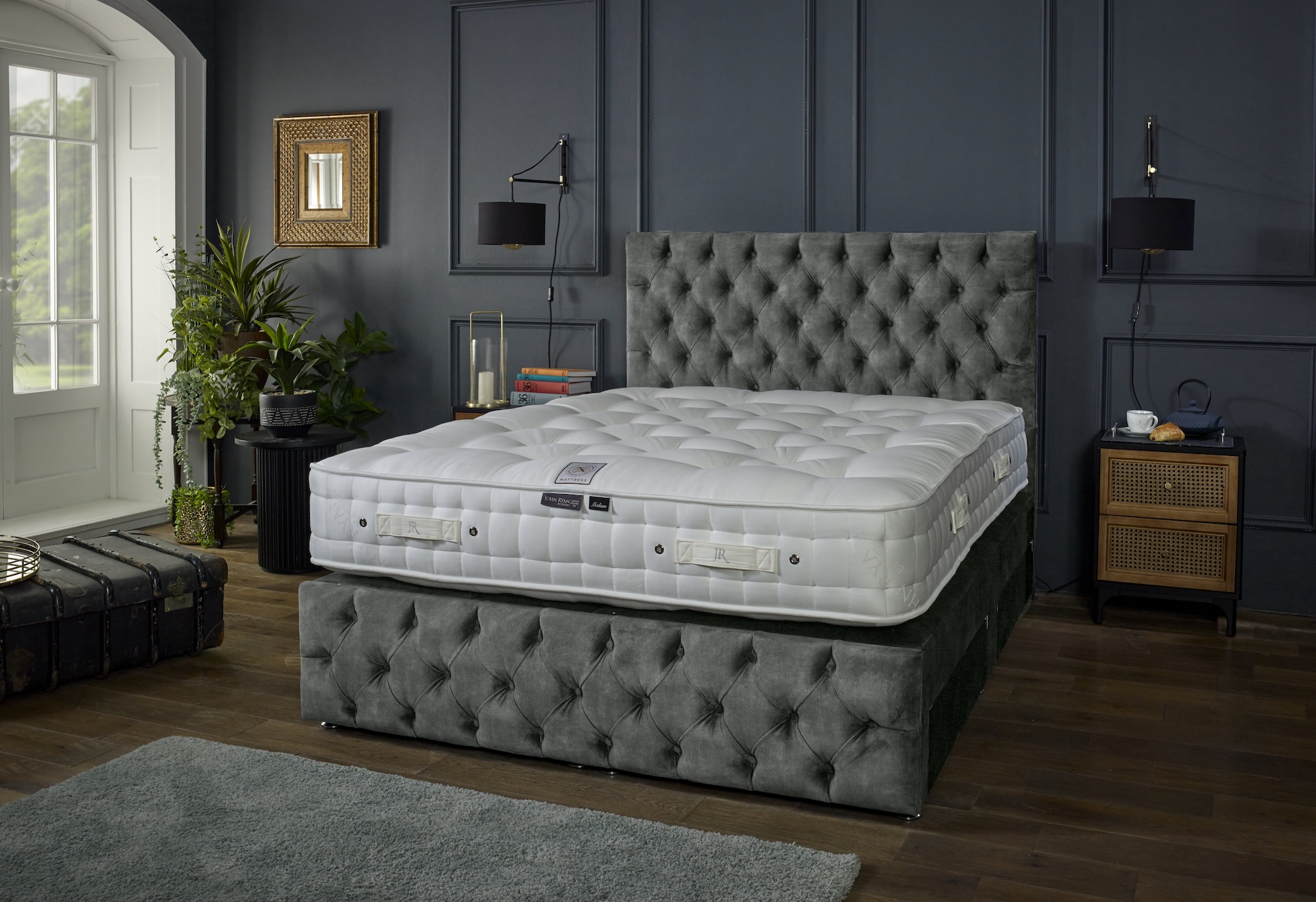
For those in between, the Artisan 1500 at £1,755 for a king size offers a compelling combination of a high-quality spring unit and meaningful natural fibre upholstery depth at a price that still represents exceptional value against comparable specification from premium retailers.
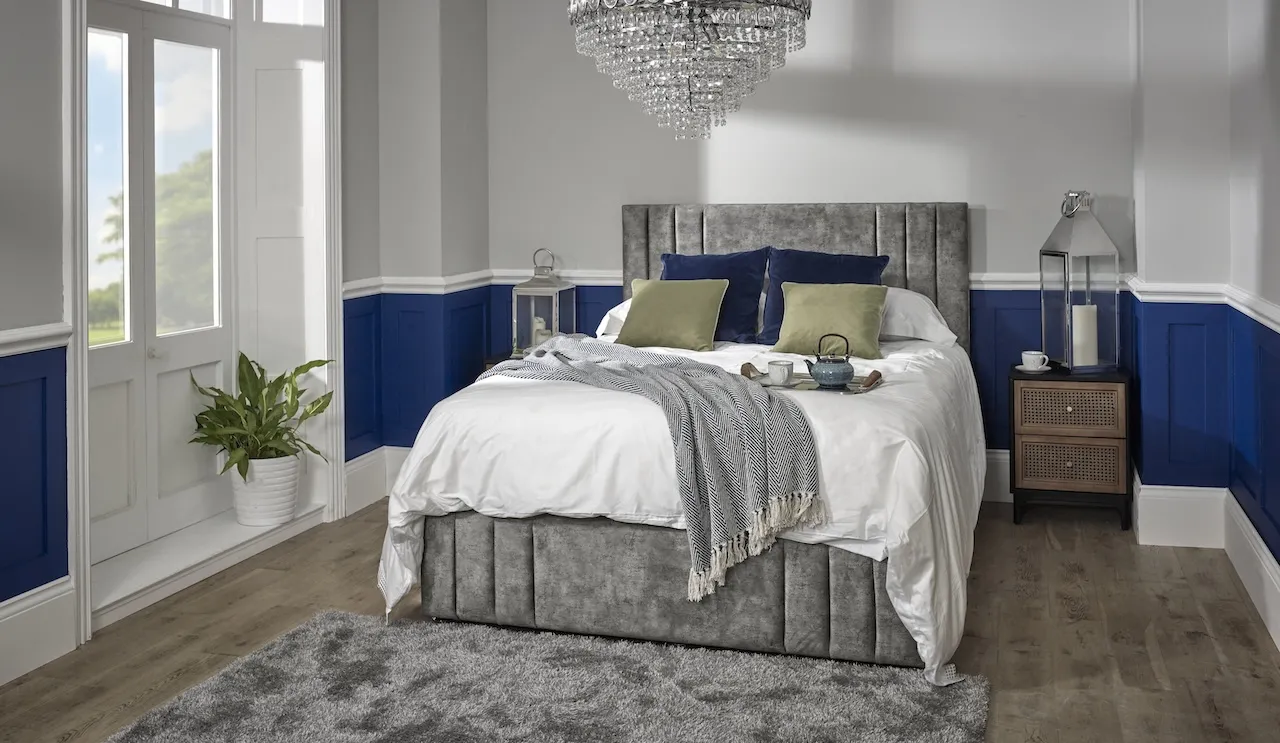
All of our mattresses come with a 60-day comfort guarantee, and our team are available to help you choose the right spring tension and upholstery combination for your specific weight, sleep position, and preference before you buy.
Frequently asked questions
Can you fix an uncomfortable mattress without buying anything?
Yes, in some cases. If your mattress is two-sided and hasn’t been turned recently, flipping and rotating it costs nothing and can make a dramatic difference. Boarding over a slatted base with a sheet of plywood from a hardware store costs between £10 and £15. Using a spare duvet underneath your bedsheets is a completely free way to add a temporary comfort layer. These options won’t fix a mattress that has genuinely broken down structurally, but they are always worth trying first.
How long should a mattress last?
A well-made, two-sided mattress with natural fibre upholstery, turned and rotated regularly, can last fifteen years or more. A cheaper, one-sided foam or synthetic mattress may only last five to seven years before the support structure begins to degrade. The biggest factor is whether the mattress is two-sided: turning distributes wear evenly and dramatically extends the usable life of the mattress.
Is a mattress topper as good as a new mattress?
A topper can significantly improve comfort on a mattress that is fundamentally sound but too firm, or one that has lost a small amount of its upholstery depth over time. It cannot restore a mattress that has sagging springs, structural damage, or severe body impressions. Think of a topper as a way of fine-tuning a mattress, rather than rescuing one that has genuinely had its day.
Why does my back hurt in the morning but feel better later in the day?
Back pain that is present on waking and then eases as the day goes on is a common sign of poor mattress support. While you sleep, your spine should be held in a neutral, supported position. If the mattress is too soft, too firm for your weight, or has sagged unevenly, it can create strain on muscles and joints during the night. The discomfort then releases as you move around and your muscles warm up during the day. This pattern is a fairly reliable indicator that your sleep surface is the issue.
Can the wrong pillow make my mattress feel uncomfortable?
Yes, more often than people realise. If your pillow is too high, too low, or doesn’t match your sleeping position, it can create neck and shoulder tension that makes the entire bed feel uncomfortable regardless of what the mattress is doing. Side sleepers typically need a deeper, firmer pillow. Back sleepers do better with a medium depth option that supports the natural curve of the neck. It’s worth addressing pillow height alongside any mattress adjustments.
How often should a two-sided mattress be turned?
We recommend turning a two-sided mattress every two to three months for the first year, and then every three to four months thereafter. Always turn and rotate at the same time: flip the mattress and then spin it so the head end becomes the foot end. This ensures all four quarters of the mattress see equal use over time.
What’s the difference between rotating and turning a mattress?
Rotating means spinning the mattress 180 degrees on the same surface, so the head end becomes the foot end. Turning means physically flipping the mattress over so the bottom becomes the top. One-sided mattresses can only be rotated. Two-sided mattresses should be both rotated and turned, which is why two-sided construction offers such a significant advantage in terms of longevity and even wear.
Want tailored mattress advice just for you?
Our small team of experts know absolutely everything there is to know about beds and mattresses. Whether it’s getting more out of your current mattress or finding the perfect replacement, we’re here to help. We have no showroom and no commission to chase, so our only interest is pointing you in the right direction.
If you’re not a fan of the phone, leave us a message below and we’ll get back to you!

Dreaming of the perfect nights sleep?
Ask us a question
There are over 6000 questions and answers submitted by you on all questions about mattresses and bed problems. Enter a keyword such as Vi Spring, John Lewis beds, bad back or Memory Foam and see if your question has already been answered.
If you can’t find an answer in knowledge hub, ask a new question. We aim to respond to all questions within one working day.
Newsletter
Enter your email to join our newsletter. We’ll send you occasional news and mattress expertise.