






Tricks Of The Trade
September 2026Are Mattress Sale Prices Real? The CMA vs Emma Sleep Ruling
We’ve had our eye on fake sales and dubious mattress ‘everything must go’ tactics for over 2 decades now. We’ve seen it all. RRP that was only held in one shop of a mass mattress retailer for one week before the rest of the shops slashed the price by 55%, to the countdown timer for coupons, sales and one-time offers. We’ve always kept things much simpler here at John Ryan By Design; we may offer a discount to subscribers every now and then, but as for price fluctuations and constant sales, it’s just not our bag. We find them misleading and tiresome. It should be one price for all. But more recently there’s been some real feather-ruffling in the mattress world about similar sales tactics, and we’re here to tell you the facts.
What the CMA Actually Investigated
The Competition and Markets Authority opened an investigation into how online mattress retailers use “was, now” pricing, headline discount claims and countdown timers. Two brands were named directly: Simba Sleep and Emma Sleep.
Simba settled first. In August 2024, the company agreed to undertakings committing to two things: that any “was” price reflects a genuine previous selling price backed by real sales volume, and that countdown clocks don’t imply a false sense of urgency to buy immediately. That closed the CMA’s case against Simba.
Emma took a different path. The company resolved the CMA’s concerns about misleading countdown clocks and high-demand pricing in a consent order dated 22 May 2026, but refused to accept a further condition the CMA wanted applied to its reference pricing; the case went to a full High Court trial.
What the High Court Actually Ruled
The trial was held at the start of June 2026, and the judgment came down on 30 July 2026. Emma admitted to several specific, narrow breaches under the settlement reached in May, and the Court separately ruled on the CMA’s proposed fix for future pricing —two different things that coverage of this case has occasionally blurred together.
Under the May settlement, Emma admitted to the following, according to Lewis Silkin’s analysis of the case:
- using a struck-through reference price for a product that had never actually been sold at that price
- using a reference price that wasn’t the price charged immediately before the promotion started
- using a reference price while a lower bundled price was simultaneously available
- in specific instances, using a reference price where fewer than 1% of sales had ever actually happened at that higher figure
What the Court didn’t accept was the CMA’s proposed fix for future pricing. The CMA wanted a strict 1:2 ratio applied going forward, meaning Emma would have to sell one mattress at the higher reference price for every two sold at the discounted price before that reference price could be used again. The High Court rejected this fixed ratio outright, along with the CMA’s broader argument that a low sales volume at the reference price is, by itself, sufficient to render the price misleading, as reported by TLT in a summary of the judgment.
Why This Matters for What Comes Next
The practical effect is that the CMA’s own August 2024 guidance on mattress reference pricing, which had included that same 1:2 ratio as a benchmark, was temporarily withdrawn following the ruling. The Court has asked the CMA and Emma to work together on an alternative enforcement order that doesn’t rely on a fixed ratio, with further submissions expected if they can’t agree on one.
Emma’s admitted breaches stand, and the CMA has said this outcome is unlikely to dampen its enthusiasm for future reference pricing cases, per Fieldfisher’s coverage of the ruling. There is currently no single fixed number, no neat 1:2 rule, that reliably tells a shopper whether a “was” price is genuine. The test the Court is working towards is closer to a judgment about whether the reference price was ever real and recently charged, rather than a box-ticking exercise.
A Pattern Beyond Simba and Emma
Much of this scrutiny has come from mattress brands reporting on each other. Emma originally challenged Simba’s pricing to the Advertising Standards Authority, and the ASA upheld the complaint twice: once over a crossed-out price on Simba’s Hybrid Mattress range, and once over a new customer discount that wasn’t clearly compared against a genuine previous price, according to Lewis Silkin’s coverage of the ASA rulings against Simba.
The pattern hasn’t stopped there. In August 2026, the ASA upheld a complaint, brought by Simba this time, against Nectar Sleep over a “save up to 65%” claim that compared its prices to an unclear average of similar brands rather than its own genuine previous prices, as covered by Lewis Silkin’s report on the Nectar ruling. Most of the big online mattress retailers have now had a pricing claim challenged this way, with each brand watching the others closely enough to report them the moment a claim looks shaky.
How to Read a “Was, Now” Price Yourself
Given that the exact legal threshold is still being worked out, the more useful skill for a shopper is knowing what to look for directly, rather than waiting for a fixed rule to settle.
A genuine reference price should be one the retailer was actually charging shortly before the sale started, not a price invented for a single day so a bigger discount can be shown against it. If a “was” price has sat unchanged behind a permanent-looking clock for months, that’s worth treating with more scepticism than a price that clearly moved a few weeks ago.
Countdown timers that reset themselves or appear identical the next time you visit the same page are a reasonable sign that the urgency is manufactured rather than real. A genuine limited-time offer ends.
“High demand” or “low stock” messaging is worth the same scrutiny. If a product shows as nearly sold out every time you check over several days, that’s not conveying scarcity; it’s a permanent fixture of the page design.
Why John Ryan Doesn’t Run Sales
We’ve written before about why John Ryan doesn’t run mattress sales, and this whole episode is a fairly direct illustration of the reasoning. A price that only ever moves down for a “limited time” invites the obvious question: what is the real price? Our approach is simpler: the price on the page is the price, whether you buy today or in three months.
Our Origins Comfort 1000 starts at £890 in king size, and our Artisan Naturals, one of our best-selling ranges, is £2,180 in king size. Neither number changes depending on whether there’s a countdown clock running, because there isn’t one.
How Our Mattresses Differ From Emma
Price aside, a John Ryan mattress and an Emma mattress are built from fundamentally different materials. Emma mattresses are made entirely from synthetic foam: Airgocell foam, viscoelastic memory foam and cold foam, layered inside a fixed, one-sided construction that cannot be turned. The foam needs body heat to soften and mould, which is why it responds slowly to movement and retains heat overnight. Our mattresses use natural fibres and pocket springs instead, built two-sided so they can be turned monthly to even out wear, and they respond to pressure immediately rather than needing to warm up first.
Origins Comfort 1000
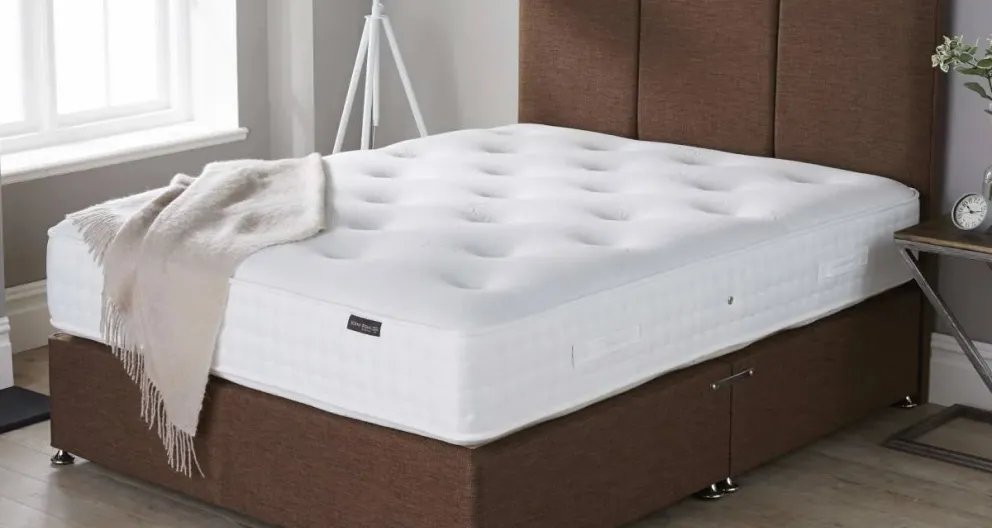
The Origins Comfort 1000 is our entry point and the closest natural-fibre comparison to the Emma Original in terms of price. It uses spun-bonded springs rather than foam, so the support layer responds to movement immediately rather than moulding around you first.
| Layer | Material |
|---|---|
| Top comfort layer | 750gsm very soft polyester |
| Support pad | 500gsm polyester pad |
| Insulator | One-inch foam insulator layer |
| Springs | 1000 spun bond pocket springs |
| Total upholstery | 1250gsm |
| Depth | 30 to 33cm |
| Feel | Soft |
| King size price | £890 |
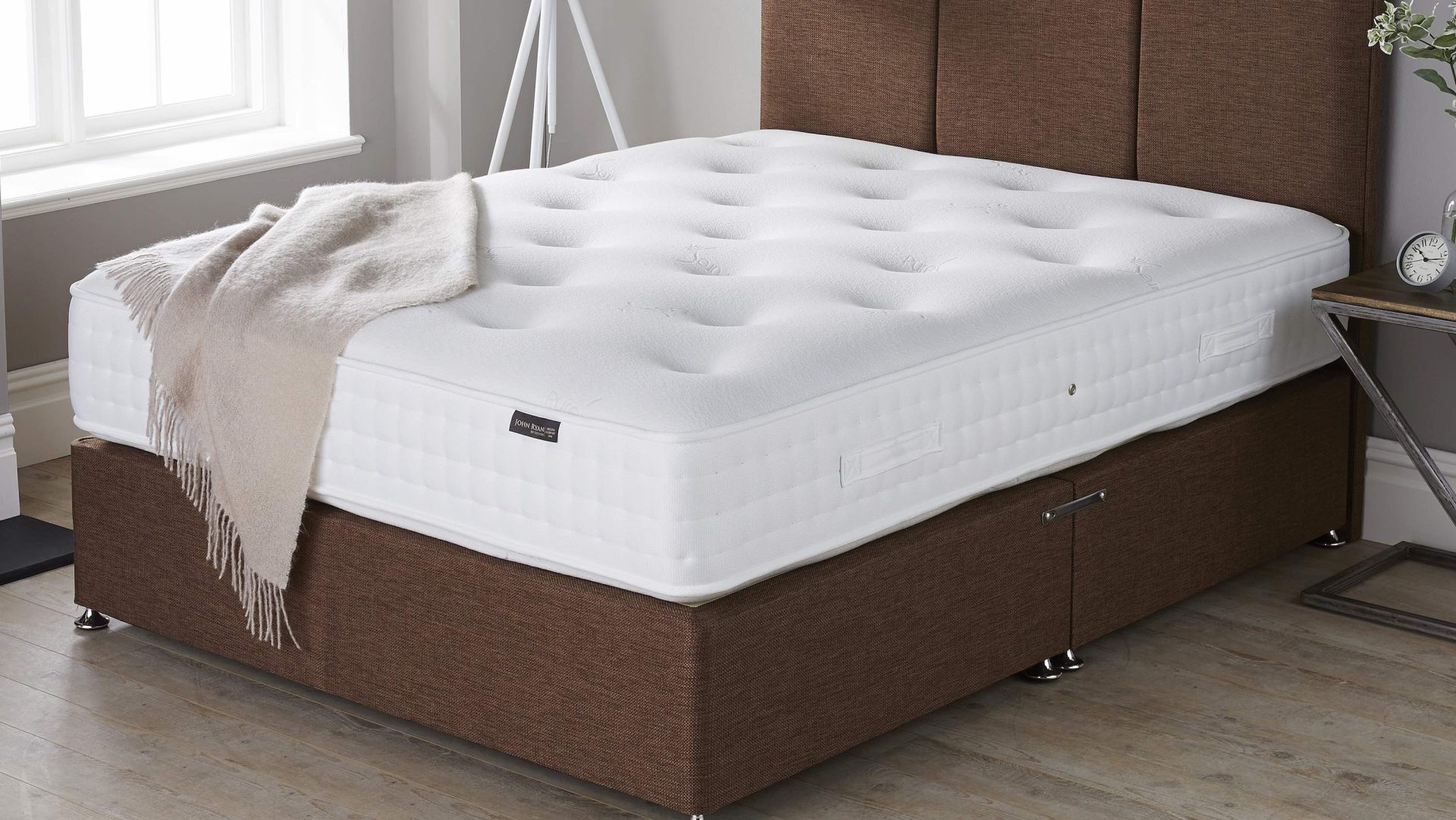
The mattress is two-sided, so it can be turned to spread wear across both surfaces rather than settling permanently on one side, as the one-sided foam mattress does.
Artisan Naturals
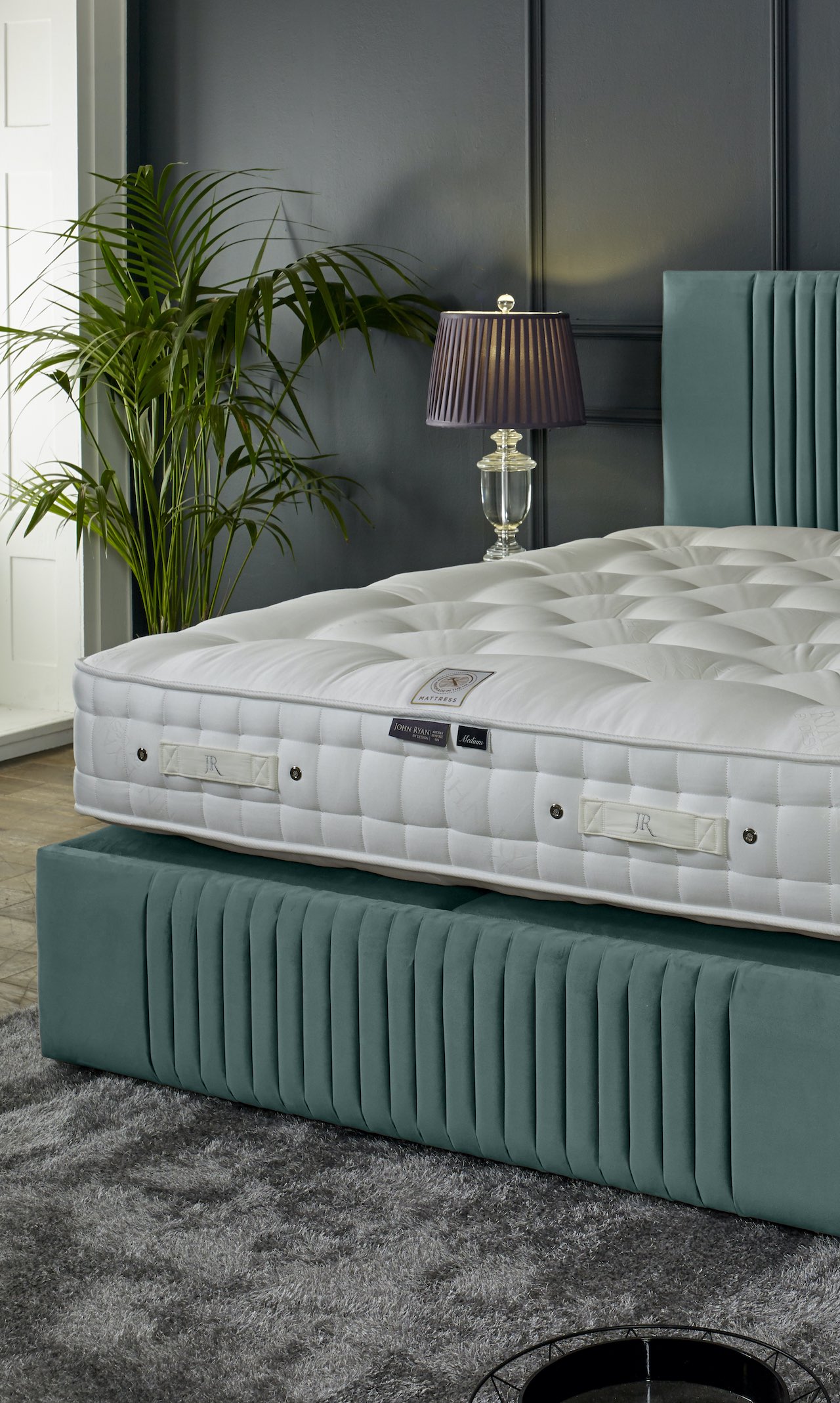
The Artisan Naturals sits closer to the Emmain price point, a Premium Hybrid in our most requested range for people moving away from heat-retaining materials. Built with 85% natural fibres, including British Wool and pure mohair, both of which breathe and wick moisture rather than trapping it.
| Layer | Material |
|---|---|
| Top comfort layer | 1200gsm blended British fleece Wool and Cotton |
| Cover | Hairproof cambric cover |
| Support layer | 1250gsm rebound poly Cotton |
| Upper support layer | 1500gsm 100% pure mohair |
| Springs | 1600 calico encased pocket springs, 49mm, 1.28mm gauge |
| Total upholstery | 3950gsm |
| Depth | 27 to 30cm |
| Feel | Medium |
| King size price | £2,180 |
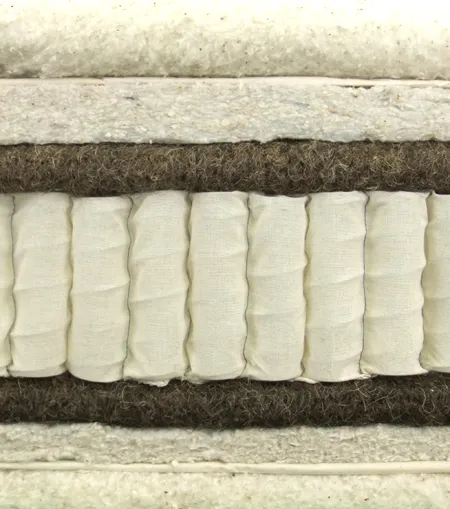
Wool alone can absorb close to a third of its own weight in moisture without feeling damp, which is why customers moving away from Emma for heat reasons tend to notice the difference on this range specifically. Being two-sided, it can also be turned monthly rather than settling permanently, as a one-sided foam mattress does.
Further Reading on Emma Specifically
If you’re weighing up an Emma mattress against something built differently, our full Emma mattress review covers the construction and specification side in detail. A number of readers have also written in about their own experiences with mattresses on our forum, including this thread on an Emabout mattress that didn’t live up to expectations, worth a read if you want first-hand accounts alongside the regulatory picture above.
Frequently Asked Questions
Did the CMA find Emma Sleep guilty of anything?
Emma admitted several specific breaches as part of a settlement reached in May 2026, including using reference prices that were not actually charged before a promotion started. In July, the High Court separately rejected a specific fixed 1:2 ratio the CMA wanted applied to Emma’s future pricing. The admitted breaches stand; the rejected ratio was a proposed future rule the Court declined to impose.
Is Simba Sleep still under investigation?
No. Simba settled with the CMA in August 2024 by agreeing to undertakings regarding reference pricing and non-misleading countdown clocks, thereby closing the case.
Does the ruling mean mattress discounts are now unregulated?
No. The Court rejected one specific proposed rule, a fixed 1:2 sales ratio. Misleading pricing remains in breach of consumer law, and the CMA has said this outcome is unlikely to reduce its focus on reference pricing cases goingin the future can I tell if a mattress “sale” price is genuine?
Check whether the higher price was one the retailer was actually charging recently, be wary of countdown timers that reset or reappear unchanged, and treat permanent “high demand” or “low stock” messaging as a design choice rather than real scarcity.
Summary
Two of the UK’s largest online mattress brands have been through formal CMA scrutiny over how they present discounts, and Emma’s case went all the way to the High Court. Emma’s admitted breaches stand. The legal test is currently more about whether a reference price was ever actually charged than about hitting a fixed sales ratio, and that’s likely to keep developing as the CMA and Emma work out an alternative enforcement order. Until that settles further, the most reliable check is the only shopper can do themselves: look to see whether the price and the urgency around it are actually real.
Our small team is happy to talk through anything in this guide or answer questions about our own pricing. Call on 0161 437 4419.
Sources
Lewis Silkin, UK Consumer Law Revolution: Reference Prices, Emma Sleep case update
TLT, CMA v Emma Sleep: High Court rejects the CMA’s fixed volume requirement for reference pricing
Fieldfisher, Emma Sleep ruling challenges CMA reference pricing approach
Lewis Silkin, Restless nights continue for Simba Sleep
Lewis Silkin, ASA pulls the covers back on Nectar Sleep’s “save up to 65%” ad

Dreaming of the perfect nights sleep?

Ask us a question
There are over 6000 questions and answers submitted by you on all questions about mattresses and bed problems. Enter a keyword such as Vi Spring, John Lewis beds, bad back or Memory Foam and see if your question has already been answered.
If you can’t find an answer in knowledge hub, ask a new question. We aim to respond to all questions within one working day.
Newsletter
Enter your email to join our newsletter. We’ll send you occasional news and mattress expertise.