







Mattress Upholstery
November 2025How to Choose Mattress Bedding: The Complete UK Guide to Natural Bedding Covers
Choosing the right bedding covers remains one of the most overlooked aspects of creating the perfect sleep environment, with many people unknowingly undermining their expensive mattress investment with incompatible or poor-quality bed linen.
After 25 years of crafting handmade mattresses in the UK and advising thousands of customers on their sleep needs, we’ve witnessed firsthand how the right natural bedding transforms not just comfort levels but the entire sleeping experience. The bedding market is awash with confusing terminology, misleading claims about thread counts, and synthetic alternatives masquerading as premium products.
This comprehensive guide cuts through the marketing noise to give you the practical knowledge you need to select bedding that genuinely enhances your sleep, particularly if you’re looking for the best UK natural bedding to complement a natural fibre mattress.
Why Natural Bedding Covers Matter for Natural Fibre Mattresses
Suppose you’ve invested in a natural fibre mattress constructed from materials like wool, horsehair, cashmere, bamboo or cotton. In that case, you’ve already recognised that natural materials offer superior breathability, temperature regulation and longevity compared to synthetic alternatives.
These natural fibres work by wicking moisture away from your body, allowing air to circulate freely through the mattress structure, and naturally regulating temperature without trapping heat. However, these considerable benefits can be significantly diminished if you then cover your natural mattress with synthetic bedding.
The Breathability Problem with Synthetic Sheets
Synthetic bedding materials like polyester sheets or microfibre duvet covers create a barrier effect that prevents your mattress from breathing properly. Polyester cannot wick moisture effectively, meaning perspiration becomes trapped between your body and the mattress surface rather than being drawn away and evaporated. This not only makes you feel clammy and uncomfortable during the night but can also lead to premature wear of your mattress as moisture builds up within the natural fibres.
Natural bedding for natural fibre mattresses creates a cohesive sleep system where every component works in harmony. When you pair natural cotton sheets with a wool and horsehair mattress, you’re allowing moisture to move freely through the entire system from your body, through the bed linen, through the mattress, and out into the room air. This moisture management isn’t just about comfort, it’s fundamental to the hygiene and longevity of your sleep environment.
Temperature Regulation Through the Night
The temperature-regulating properties of natural bedding covers are particularly important for hot sleepers or those experiencing night sweats. While synthetic sheets tend to trap heat and then suddenly release it, leaving you alternating between too hot and too cold, natural fibres like cotton and linen moderate temperature gradually throughout the night. Natural materials have evolved to provide comfort across varying temperatures, making them extraordinarily effective at maintaining a stable microclimate around your body regardless of room temperature fluctuations.
Understanding Thread Count: What Actually Matters
Thread count has become the primary marketing tool in the bedding industry, yet it’s one of the most misunderstood specifications. Understanding what thread count actually means, and more importantly what it doesn’t mean, helps you avoid overpaying for inferior products whilst identifying genuinely quality bed linen.
The Thread Count Sweet Spot
Thread count refers to the number of horizontal and vertical threads woven into one square inch of fabric. The common assumption is that higher numbers always equal better quality, but this simply isn’t true. The optimal range for breathable, durable cotton bedding sits between 300 and 500 threads per square inch. Beyond this range, sheets can become:
- Less breathable as fibres are packed too tightly
- More prone to pilling from excessive thread density
- Heavier and less comfortable against the skin
- More likely to use inferior short staple fibres to inflate thread counts artificially
A 400-thread-count sheet made from long-staple cotton in a quality weave will outperform a 1000-thread-count sheet made from short-staple cotton every single time.
The 500 thread count represents the premium end of the ideal range, delivering luxury without the diminishing returns you find with excessive thread counts.
What Matters More Than Thread Count
Several factors influence sheet quality far more significantly than thread count alone:
A) Fibre Length: Long staple cotton (Egyptian, Pima or Supima) creates smoother, stronger fabrics that pill less and soften beautifully with washing. Short staple cotton, regardless of thread count, will never achieve the same quality.
B) Weave Type: The weave fundamentally affects how fabric feels and performs. We’ll explore this in detail shortly, but understand that a 300 thread count percale can feel entirely different from a 300 thread count sateen despite identical thread counts.
C) Fabric Weight (GSM): Grams per square metre tells you how substantial the fabric feels. Lightweight sheets (100-150 GSM) feel crisp and cool, medium weight sheets (150-200 GSM) offer balanced comfort, whilst heavier sheets (200+ GSM) provide a more substantial, warming feel.
D) Cotton Quality: Not all cotton is created equal. Organic cotton grown without pesticides, long staple varieties, and cotton from specific regions all influence the final product quality in ways thread count cannot capture.
Choosing Between Percale and Sateen Weaves
The weave type of your bed linen affects comfort more immediately than any other single factor, yet many shoppers focus exclusively on thread count whilst ignoring this crucial specification. Understanding the fundamental differences between percale and sateen weaves allows you to select bedding that matches your personal preferences and sleeping style.
Percale Weave: Cool, Crisp Comfort
Percale uses a simple one thread over, one thread under weave pattern that creates a matte finish with a crisp, cool hand feel. Think of classic hotel bed linen or traditional cotton sheets, that’s typically percale. The weave structure allows maximum airflow through the fabric, making percale exceptionally breathable and ideal for:
- Hot sleepers who tend to overheat at night
- Summer bedding or year round use in warmer homes
- Those who prefer a fresh, crisp feeling against their skin
- Anyone who appreciates a traditional, understated aesthetic
Percale sheets feel slightly textured when new but soften beautifully with repeated washing, developing a lived in elegance whilst maintaining their crisp character. The matte finish means percale doesn’t show wrinkles as obviously as sateen, though it will still benefit from ironing if you prefer a particularly crisp appearance. Percale typically uses thread counts between 200 and 400, as higher counts can make the fabric feel stiff rather than crisp.
Sateen Weave: Smooth, Lustrous Luxury
Sateen uses a four threads over, one thread under weave pattern that creates more surface smoothness and a subtle sheen. This weave produces a softer, more fluid drape with a silky feel that many people find luxurious. Sateen suits:
- Those who sleep cooler and appreciate extra warmth
- Anyone who loves a smooth, soft feeling against their skin
- Sleepers who prefer bedding with visual lustre and elegance
- Winter bedding or year round use in cooler environments
The sateen weave makes the fabric slightly warmer than percale because the threads lie flatter against the skin, creating less airflow but more surface contact. This isn’t necessarily negative, it’s simply a characteristic to consider based on your thermal preferences. Sateen sheets feel immediately soft from the first use and continue to soften further with washing. The lustrous finish does show wrinkles more readily than percale, so sateen benefits more from ironing if you want a polished appearance. Sateen typically uses thread counts between 300 and 600, with the tighter weave supporting higher counts without becoming overly stiff.
Hybrid Approaches: Best of Both Worlds
Some innovative manufacturers are now creating hybrid weaves that capture benefits from both techniques. For instance, a fine sateen weave that maintains percale’s cooling properties whilst delivering sateen’s smoothness. These sophisticated constructions require precise manufacturing but can deliver exceptional results for those who want smooth comfort without excess warmth.
Natural Fibre Options for Bed Linen
The fibre composition of your bedding covers fundamentally determines performance, longevity and comfort. Natural fibres offer substantial advantages over synthetic alternatives, though different natural options suit different preferences and priorities. That is why we have been making natural fibre handmade mattresses for decades, as this upholstery choice simply can’t be beaten by man-made alternatives.
Pure Cotton: The Traditional Choice
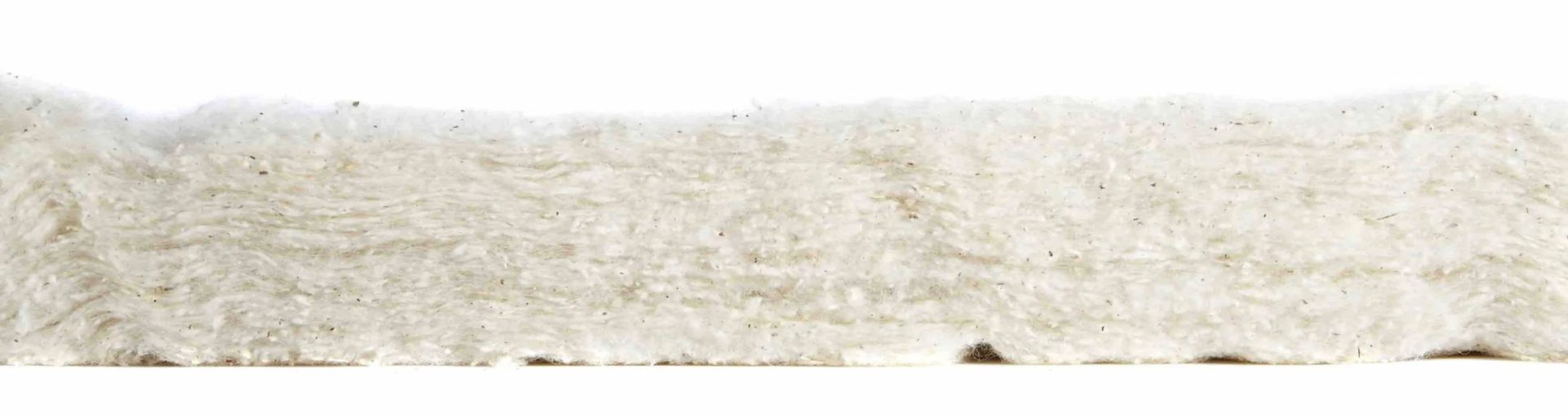
Cotton remains the most popular bedding fibre for excellent reasons. Natural cotton is breathable, soft, durable and improves with washing rather than deteriorating like synthetic alternatives. Cotton naturally wicks moisture away from your skin whilst allowing air to circulate freely, creating a comfortable microclimate throughout the night.
Long Staple Cotton Varieties:
- Egyptian cotton: Long fibres creating exceptionally smooth, durable fabrics
- Pima cotton: American grown long staple variety with similar qualities to Egyptian
- Supima cotton: Premium American Pima cotton meeting strict quality standards
Organic Cotton Benefits:
- Grown without pesticides or harmful chemicals
- Gentler on sensitive skin with no chemical residues
- More environmentally responsible production methods
- GOTS certification ensures organic integrity throughout processing
Pure cotton bedding requires more maintenance than blended alternatives, benefiting from ironing to achieve a crisp, polished appearance. For those who value natural materials and don’t mind the extra care, pure cotton delivers unmatched breathability and that classic natural bed linen feel.
Pima Cotton: Premium American Excellence
Pima cotton deserves particular attention as one of the finest cotton varieties available to UK consumers. Grown primarily in the southwestern United States, Pima cotton accounts for less than 5% of global cotton production, making it a genuinely premium material rather than just marketing terminology. The extra long staple fibres (often 35mm or longer compared to 25mm for standard cotton) create fabrics with distinctive characteristics that justify the higher price point.
Pima Cotton Characteristics:
- Exceptionally soft hand feel from the first use
- Superior strength and durability, lasting significantly longer than standard cotton
- Natural lustre giving fabrics a subtle sheen without treatments
- Minimal pilling even after years of use and washing
- Becomes softer with each wash whilst maintaining structural integrity
Pima cotton bed linen works particularly well for those who want pure natural fibres with a softer, more luxurious feel than standard cotton provides. The longer fibres create smoother yarns with fewer joins and interruptions, resulting in fabrics that feel almost silky whilst maintaining cotton’s breathability and moisture wicking properties. Whilst Pima cotton bedding commands premium prices, typically 30-50% more than standard long staple cotton, the combination of exceptional comfort, superior durability and timeless elegance makes it a worthwhile investment for those prioritising pure natural luxury.
Supima vs Standard Pima: Supima represents a trademarked certification for American Pima cotton meeting strict quality standards. All Supima cotton is Pima cotton, but not all Pima cotton carries the Supima certification. When shopping for premium cotton bedding, look for either designation as an assurance of genuine long staple American cotton rather than blended or mislabelled alternatives.
Silk: Ultimate Luxury for Sensitive Skin
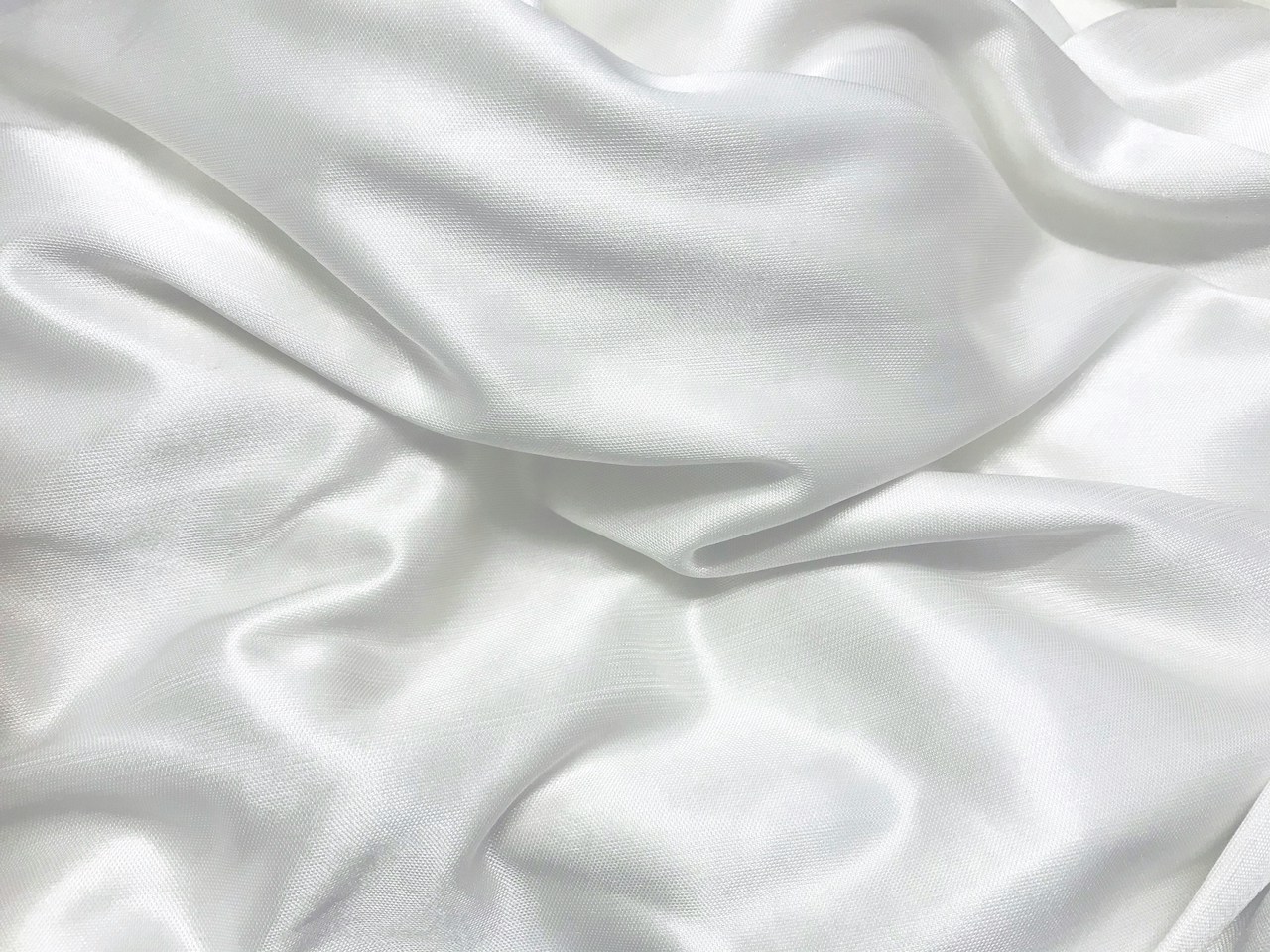
Silk bed linen represents the pinnacle of natural bedding luxury, prized for centuries for its incomparable smoothness and unique properties. Whilst silk sheets command substantial prices, often £300-600 for a complete set, they offer distinctive benefits that other natural fibres cannot replicate. Understanding silk’s characteristics helps you determine whether the investment aligns with your sleep needs and preferences.
Silk Bedding Properties:
- Extraordinarily smooth surface reduces friction on skin and hair
- Natural proteins in silk are beneficial for skin hydration
- Hypoallergenic and naturally resistant to dust mites
- Temperature regulating, staying cool in summer and warm in winter
- Luxurious drape and subtle sheen create elegant aesthetic
Hair and Skin Benefits: The smoothness of silk reduces the friction that causes hair breakage, split ends and morning bedhead. Many hairdressers recommend silk pillow cases particularly for those with long hair, textured hair or hair treatments requiring protection. For facial skin, silk’s reduced friction means less pulling and tugging throughout the night, potentially reducing sleep lines and wrinkles over time. The natural proteins in silk (sericin and fibroin) may also help skin retain moisture rather than absorbing it like cotton can.
Understanding Silk Weights: Silk bed linen is measured in momme weight (mm), with higher numbers indicating heavier, more durable silk. For bedding, 19-25 momme represents the ideal range, with 22 momme being particularly popular. Lower momme weights (below 19) feel insubstantial and may not withstand regular laundering, whilst higher weights (above 25) can feel stiff and lose silk’s characteristic fluidity.
Silk Types and Quality:
- Mulberry silk: Highest quality, produced by silkworms fed exclusively on mulberry leaves
- Charmeuse weave: Most common for bedding, with lustrous face and matte reverse
- Habotai silk: Lighter weight option, less common for bed linen
- Wild silk (tussah): More textured and less expensive, but rougher than cultivated silk
Practical Considerations: Silk requires delicate care compared to cotton or linen, typically needing hand washing or gentle machine cycles with silk specific detergent. Silk cannot tolerate high heat, strong detergents or rough handling without damage. The investment in silk bedding only makes sense if you’re prepared to provide the extra care required to maintain its properties. Additionally, whilst silk regulates temperature well, some people find it too slippery, particularly if they move around frequently during sleep.
Silk bedding suits those who prioritise ultimate luxury, have sensitive skin or hair concerns, and are prepared to invest both financially and in terms of maintenance time. For most UK households with natural fibre mattresses, cotton or linen provides more practical luxury with easier care requirements, but silk remains unmatched for those seeking the very finest natural bedding experience.
Cotton Rich Blends: Practical Luxury
Modern cotton rich blends (typically 60-70% cotton with 30-40% polyester) offer a compelling middle ground between pure natural fibres and easy care convenience. Quality blends, like our Origins Premium Blend at 67% cotton and 33% polyester, deliver the breathability and natural comfort of cotton whilst dramatically reducing maintenance requirements.
Advantages of Premium Cotton Blends:
- Substantially more breathable than pure polyester
- Wrinkle resistant, requiring little to no ironing
- Maintains softness and smoothness wash after wash
- More affordable than pure long staple cotton
- Ideal for busy households or those preferring low maintenance bedding
The key with blended bedding is the cotton percentage and overall quality. A 67% cotton blend performs very differently from a 50% cotton blend, with higher cotton content maintaining more of cotton’s beneficial properties. Premium blends also use quality polyester fibres rather than cheap alternatives, ensuring the blend enhances rather than compromises performance.
Linen: Natural Texture and Exceptional Breathability
Linen bed linen has experienced a resurgence in popularity, particularly among those who appreciate natural materials and relaxed aesthetics. Made from flax fibres, linen offers exceptional breathability and natural temperature regulation that exceeds even cotton’s impressive performance.
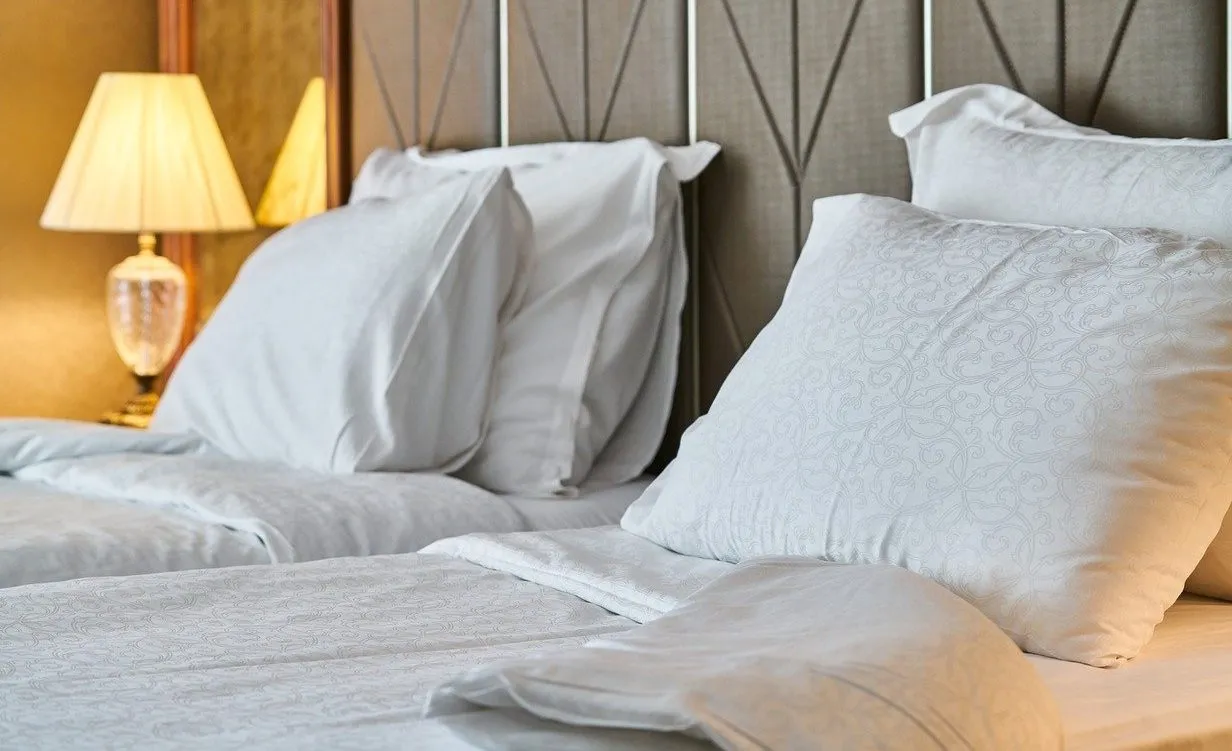
Linen Characteristics:
- Exceptionally breathable, ideal for hot sleepers
- Wicks moisture efficiently and dries quickly
- Natural texture prevents clinging to the skin
- Softens beautifully with washing whilst maintaining structure
- Naturally antibacterial and hypoallergenic
Linen starts somewhat crisp and textured but develops a wonderful lived in softness with repeated washing. The natural texture and tendency to wrinkle won’t suit everyone’s aesthetic preferences, but many find linen’s relaxed elegance appealing. Linen works particularly well for summer bedding or year round use for naturally warm sleepers.
Bamboo Fabrics: Silky Smooth Natural Alternative
Bamboo bed linen offers a plant based alternative to cotton with distinctly different characteristics. Bamboo fibres are processed into fabrics like bamboo lyocell or bamboo viscose, creating silky smooth sheets with excellent moisture wicking properties.
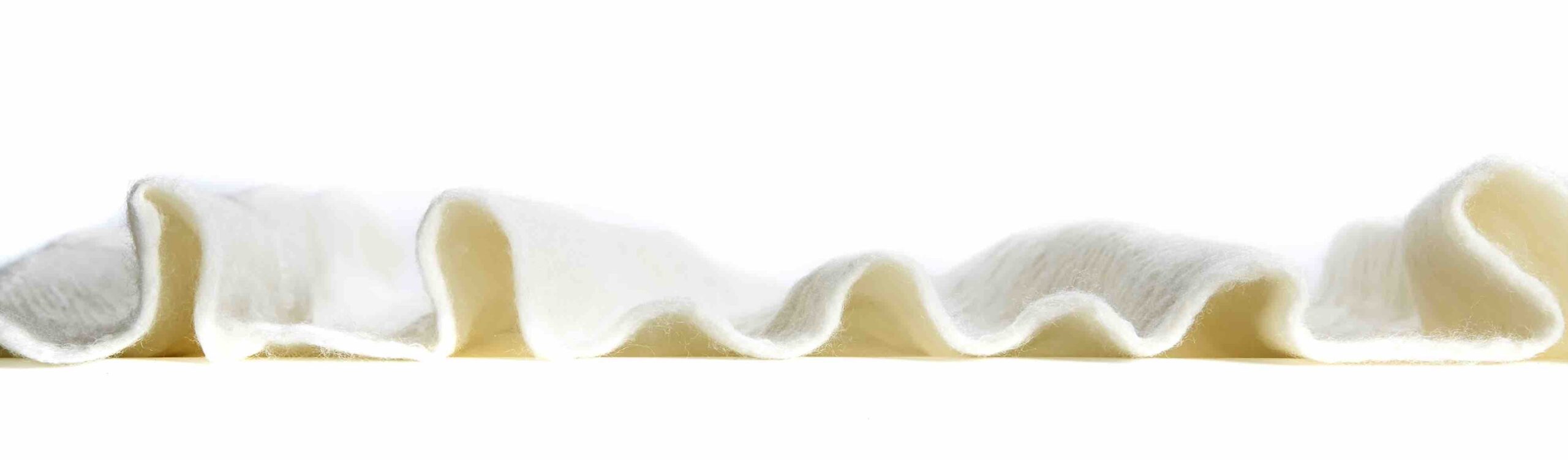
Bamboo Bedding Properties:
- Exceptionally smooth, almost silk like feel
- Naturally moisture wicking and quick drying
- Antibacterial properties reduce odours
- Cooler feeling against skin than cotton
- Beautiful drape and fluid movement
The environmental credentials of bamboo bedding depend heavily on processing methods, with closed loop lyocell production being significantly more sustainable than conventional viscose processing. Bamboo sheets require delicate care compared to cotton, making them better suited for those willing to invest extra attention in maintenance.
Fitted Sheets: Getting the Right Fit for Your Mattress
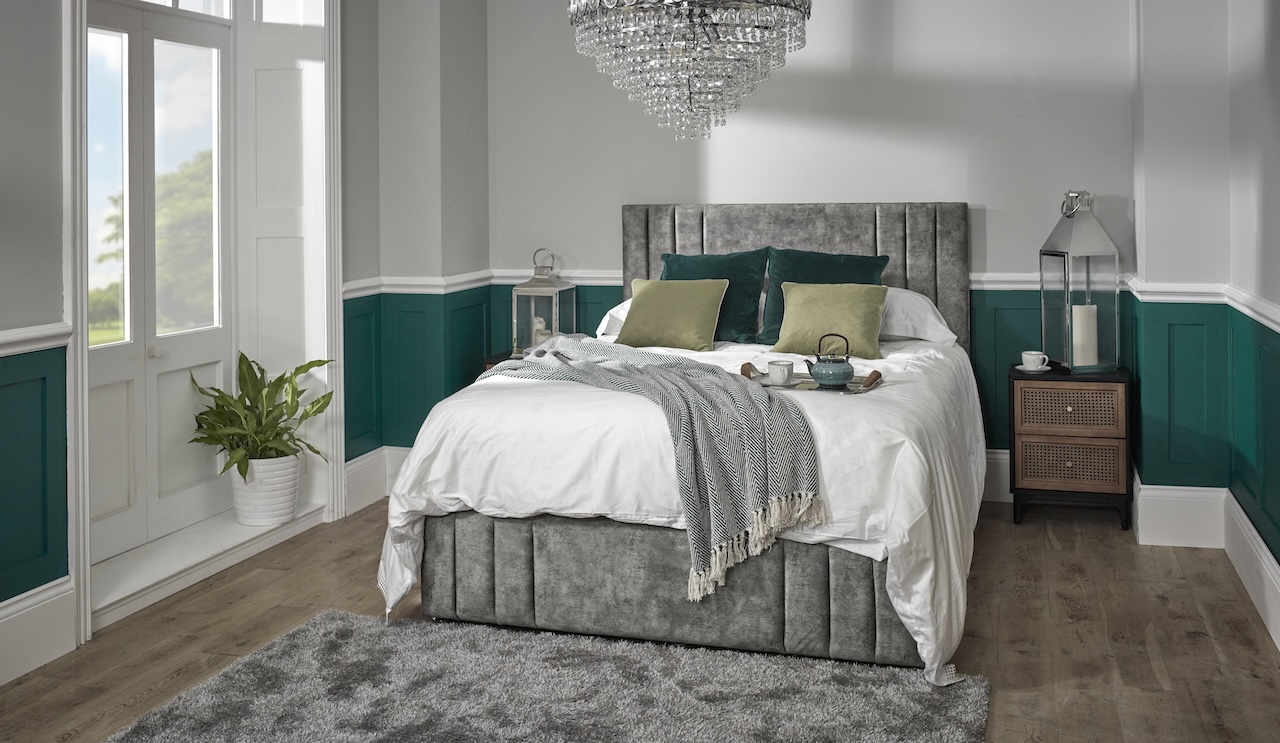
A poorly fitting fitted sheet undermines sleep comfort regardless of how premium the fabric might be. Modern natural fibre mattresses, particularly handmade pocket sprung models, can be substantially deeper than standard mattresses, requiring careful attention to fitted sheet specifications.
Measuring Your Mattress Depth
Before purchasing fitted sheets, measure your mattress depth accurately. Standard high street mattresses typically measure 20-25cm deep, but quality natural fibre mattresses often measure 28-35cm, depending on spring count and upholstery layers. Add an extra 2-3cm if you use a mattress topper or thick protector. Your fitted sheet needs to accommodate this full depth, plus have sufficient fabric to tuck securely under the mattress edges.
Pocket Depth Specifications
Quality fitted sheets specify their pocket depth, typically ranging from:
- Standard depth: Fits mattresses up to 30cm (suitable for most high street mattresses)
- Deep pocket: Fits mattresses up to 35cm (necessary for thicker natural fibre mattresses)
- Extra deep pocket: Fits mattresses up to 40cm (for the thickest mattresses or those with toppers)
Elasticated edges help sheets grip securely, but elastic quality varies considerably. Look for sheets with elastic running fully around the entire fitted sheet rather than just at the corners, as full elastic prevents the sheet pulling loose during the night. The elastic should be firm enough to create tension but not so tight it restricts the mattress or makes fitting difficult.
Common Fitting Problems and Solutions
Sheet Pops Off Corners: Usually indicates insufficient pocket depth or worn elastic. Replace with deeper pocket sheets or use sheet suspenders as a temporary solution.
Excess Fabric Bunching: The Sheet is too deep for your mattress. Either size down in pocket depth or tuck excess fabric under more securely. Excessive bunching creates uncomfortable lumps you’ll feel through the sheet.
Sheet Slides Around: Insufficient elasticity or the wrong size for the mattress dimensions. Ensure you’re using the correct size (single, double, king, etc.) and that the elastic is functioning properly.
Duvet Covers: Protection and Comfort for Your Duvet
Duvet covers serve the dual purpose of protecting your duvet investment whilst contributing to your overall sleep comfort and bedroom aesthetic. Quality duvet covers share many characteristics with fitted sheets but have some specific considerations.
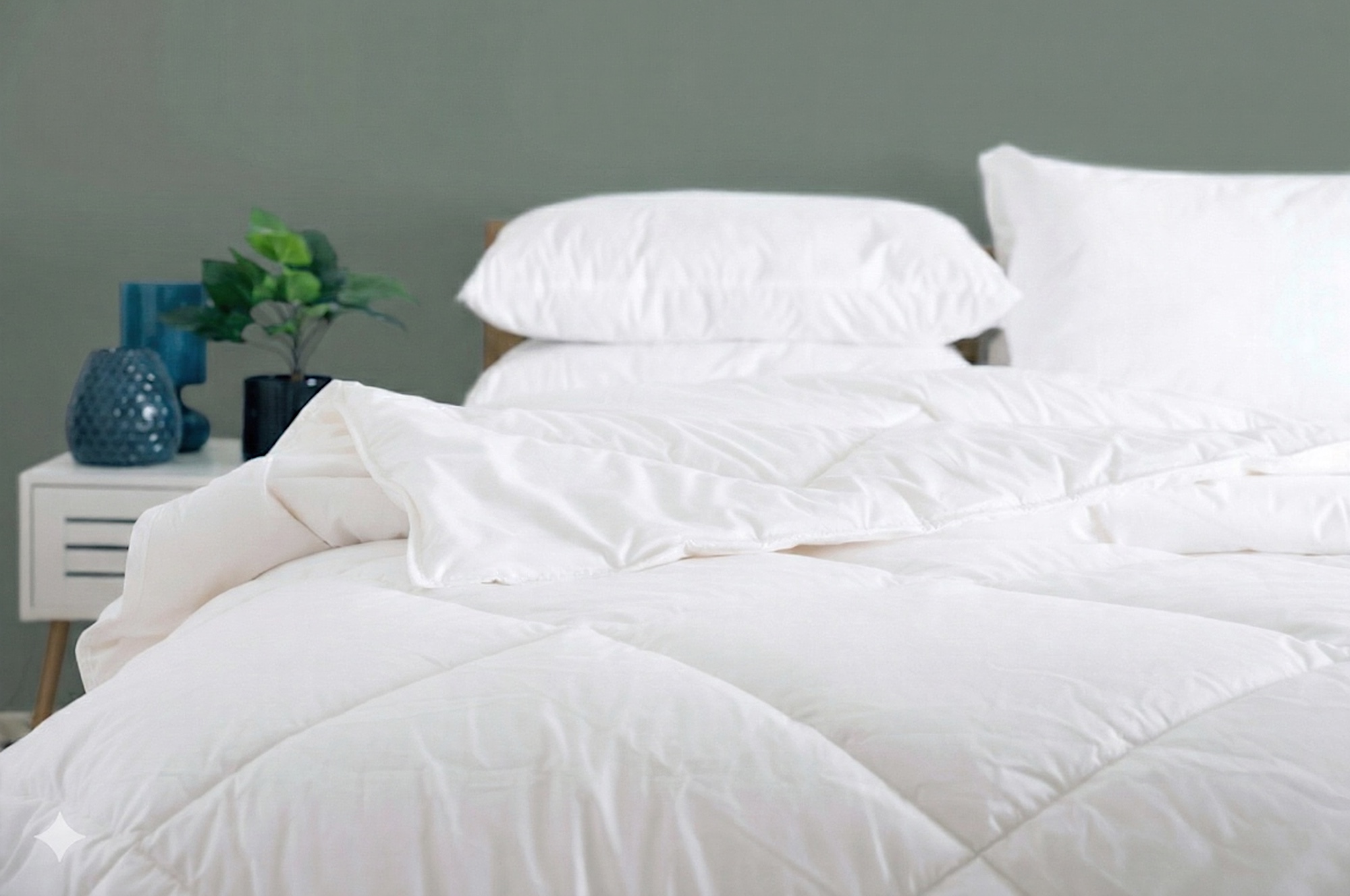
Construction Features That Matter
Corner Ties or Loops: These small fabric loops sewn into the duvet cover corners allow you to tie your duvet securely in place, preventing it shifting around inside the cover. This feature is essential for maintaining even coverage and preventing the frustration of duvets bunching at one end. Look for corner ties at all four corners, not just two.
Closure Types:
- Button closures: Traditional and secure but can be fiddly
- Envelope closures: Simple overlap opening requiring no fasteners
- Zip closures: Most secure and easiest to use
- Tie closures: Decorative but less secure than other options
Hand Holes: Some premium duvet covers include small openings on the top edge that allow you to reach inside and grab the duvet corners, making the notorious duvet changing struggle substantially easier. This seemingly small feature transforms what’s typically a frustrating task into a straightforward process.
Sizing Considerations
Duvet covers should match your duvet size but allow slight ease for the duvet to loft properly. Overly tight covers compress the filling and restrict the duvet’s ability to trap warm air effectively. A small amount of extra room (2-5cm in each dimension) is ideal.
Seasonal Duvet Cover Choices
Whilst your duvet filling determines warmth levels, the cover fabric affects comfort more than many people realise:
Summer duvet covers: Choose lighter fabrics (100-150 GSM) in breathable weaves like percale or linen. These allow maximum airflow and feel cool against skin.
Winter duvet covers: Medium weight fabrics (150-200 GSM) in sateen weaves provide a softer, warmer feel without adding excessive bulk. The slightly denser weave helps retain warmth from your duvet.
Year round options: A 114-150 GSM cotton or cotton blend in a hybrid weave offers versatility across seasons, particularly if you adjust duvet weight seasonally rather than cover weight.

Pillow Cases: The Often Overlooked Essential
Pillow cases make direct contact with your face and hair throughout the night, yet they’re frequently an afterthought in bedding purchases. The fabric quality, weave type and closure style all affect comfort, hygiene and longevity.
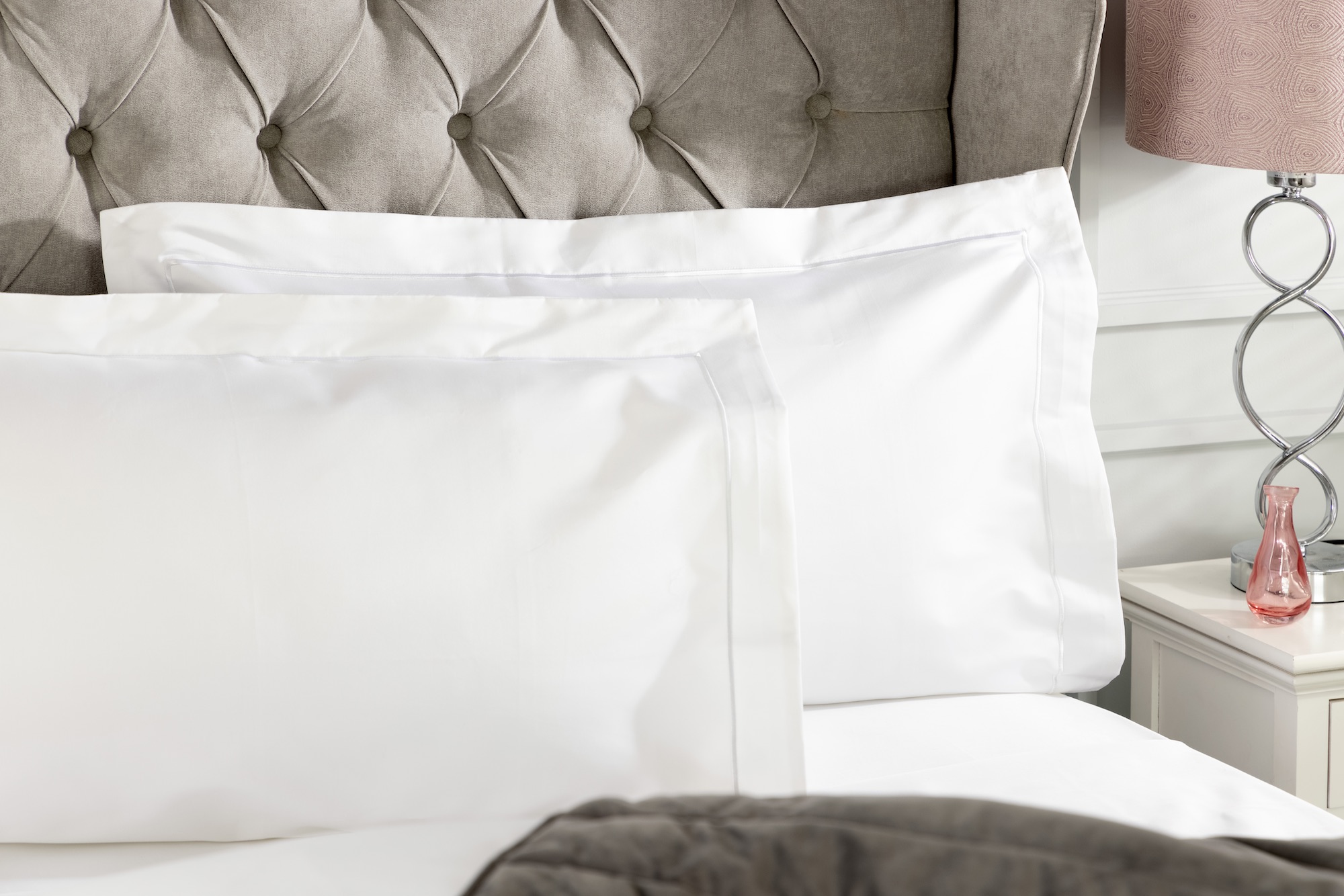
Standard vs Oxford vs Housewife Styles
Housewife pillow cases: Simple envelope style that fits snugly around the pillow with no decorative border. Practical and streamlined.
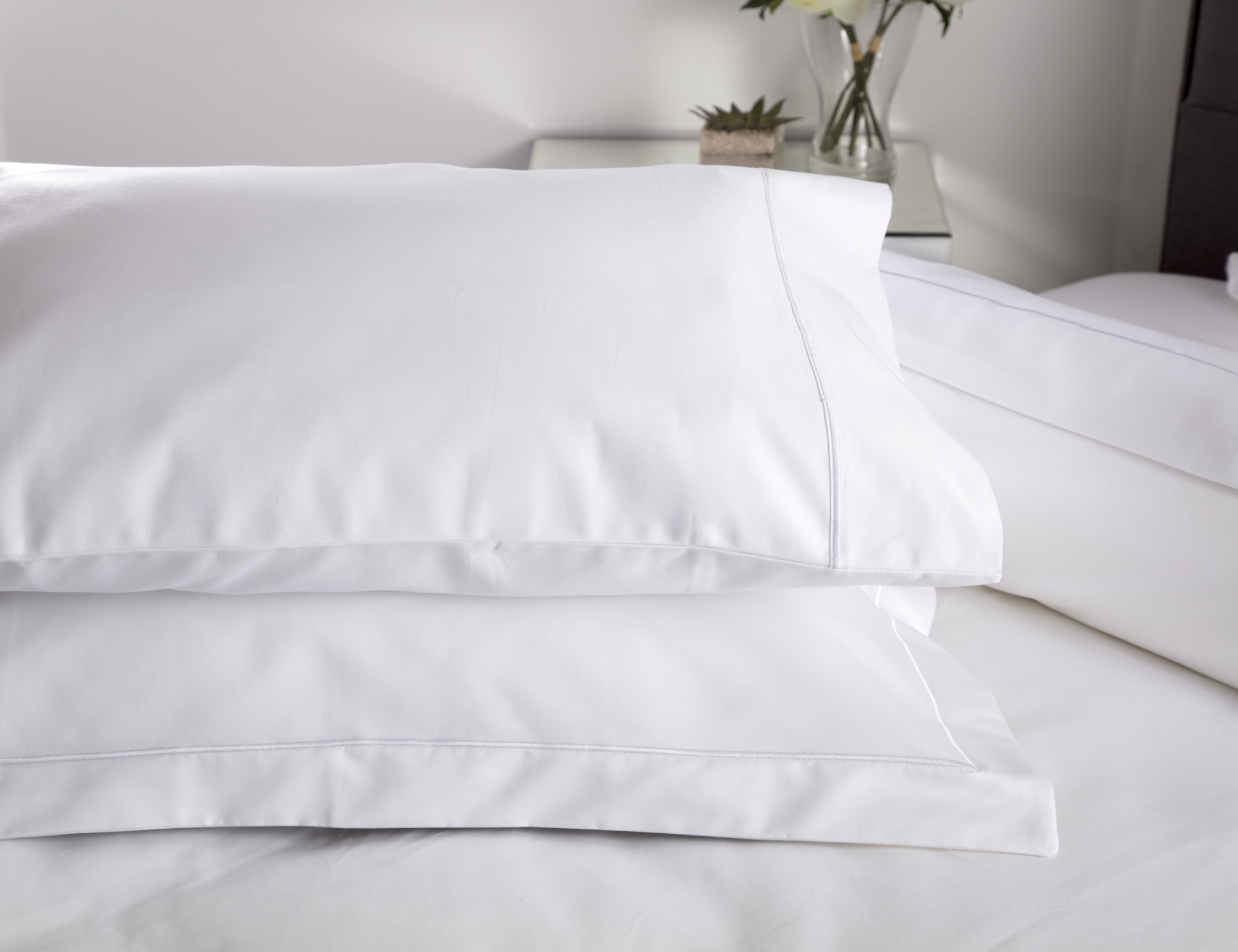
Oxford pillow cases: Feature a decorative fabric border (typically 5-7cm) around the pillow opening, creating a more formal, hotel style appearance. The border adds visual interest but doesn’t affect comfort.
Envelope closures: The pillow slides into a fabric flap that tucks in to hold it secure. No buttons or zips required, making envelope closures easy to use and comfortable with no hard fastenings.
Matching Pillow Cases to Your Sleep Style
Side sleepers whose face presses into the pillow throughout the night benefit from particularly soft, smooth pillow cases to prevent creasing and skin irritation. Sateen weaves or high quality percale work well.
Back sleepers with less facial contact can use any pillow case type comfortably, making this a good opportunity to choose based on aesthetic preferences or ease of care.
Hot sleepers should prioritise breathable fabrics like lightweight percale or linen that won’t trap heat around the head and face, which can disturb sleep and cause night sweats.
Hygiene Considerations
Pillow cases require more frequent washing than other bed linen because they collect facial oils, skincare products, hair products and dead skin cells. Having sufficient pillow cases to allow changing twice weekly whilst managing laundry cycles is ideal for maintaining skin health and sleep hygiene. Many dermatologists recommend changing pillow cases every 2-3 days for those with acne prone or sensitive skin.
Complete Bedding Sets: Value and Coordination
Complete bedding sets bundling fitted sheets, duvet covers and pillow cases together offer several advantages over purchasing pieces separately, though understanding what you’re getting ensures you receive genuine value.
What’s Typically Included
Standard bedding sets usually include:
- 1x fitted sheet with elasticated edges
- 1x duvet cover with corner ties and closure
- 2x pillow cases (double size and larger, single sets typically include 1)
Some premium sets also include:
- Flat sheet for those who prefer traditional bed making
- Additional pillow cases for rotation
- Matching pillowcases for decorative pillows
Advantages of Bedding Sets
Coordinated Aesthetic: All pieces are finished to matching standards in identical fabrics and colours, creating a cohesive, polished bedroom appearance without the guesswork of matching separate pieces.
Better Value: Sets typically cost less than purchasing components individually, offering genuine savings particularly on premium natural fibre bedding.
Simplified Shopping: One purchase decision rather than three separate choices reduces shopping fatigue and ensures all pieces share the same quality level and care requirements.
When to Buy Separately
Specific Depth Requirements: If your mattress requires unusually deep fitted sheets (over 35cm), you may need to purchase fitted sheets separately whilst buying duvet covers and pillow cases as a pair.
Different Refresh Cycles: Fitted sheets and pillow cases wear faster than duvet covers due to more frequent washing. Some households prefer buying extra fitted sheets and pillow cases whilst keeping duvet covers longer.
Personal Preferences: If you prefer different fabrics for different components (perhaps percale sheets but sateen duvet covers), buying separately allows this customisation.
Caring for Natural Bedding Covers
Natural bedding represents a worthwhile investment, and proper care ensures you enjoy its benefits for years whilst avoiding the premature replacement cycles common with synthetic alternatives.
Washing Frequency Guidelines
Fitted sheets and pillow cases: Weekly washing maintains hygiene and removes accumulated body oils, dead skin cells and dust. In hot weather or if you sweat heavily at night, twice weekly washing is beneficial.
Duvet covers: Fortnightly to monthly washing is typically sufficient as the duvet inside provides a barrier between your body and the cover. Wash more frequently if you don’t use a top sheet.
Flat sheets (if used): Weekly washing like fitted sheets, as they make direct contact with your body.
Washing Best Practices
Temperature Settings:
- Cotton and cotton blends: 40-60°C depending on soiling level
- Linen: 40-60°C (linen actually becomes softer with warmer washing)
- Bamboo: 30-40°C with gentle cycle
- Organic cotton: 40°C to preserve organic finishes
Detergent Choices:
- Use moderate amounts of quality detergent
- Avoid fabric softeners on natural fibres as they coat fibres and reduce absorbency
- Choose plant based or eco friendly detergents for organic bedding
- Add white vinegar to rinse cycle occasionally to remove detergent buildup
Machine Loading:
- Don’t overload the machine, bedding needs room to agitate and rinse properly
- Wash similar colours together to prevent dye transfer
- Turn duvet covers inside out and fasten closures to prevent tangling
- Wash bedding separately from clothing that sheds lint
Drying Methods
Line Drying: The most environmentally friendly option and excellent for natural fibres. Fresh air and sunlight provide natural bleaching and refreshing. Smooth sheets whilst hanging to reduce wrinkles.
Tumble Drying: Convenient and works well for cotton and cotton blends. Remove whilst slightly damp to reduce wrinkles and energy consumption. Use medium heat rather than high to prevent excess shrinkage.
Combination Approach: Tumble dry for 10-15 minutes to soften and remove wrinkles, then line dry to finish. This method combines convenience with energy efficiency.

Ironing and Presentation
When to Iron:
- Pure cotton percale: Benefits significantly from ironing for crisp hotel style appearance
- Cotton sateen: Iron if you prefer polished look, less essential than percale
- Cotton blends: Minimal ironing required, shake well when hanging and smooth by hand
- Linen: Optional, as linen’s natural texture is part of its aesthetic appeal
Ironing Tips:
- Iron while still slightly damp for easiest pressing and best results
- Use cotton or linen setting (typically the hottest) for pure natural fibres
- Use steam liberally to help remove stubborn wrinkles
- Iron duvet covers inside out to prevent shine on sateen finishes
Colour Choices and Bedroom Aesthetics
Whilst colour is primarily an aesthetic consideration, it does affect perceived comfort and practical maintenance in ways worth understanding.
Classic Whites and Creams
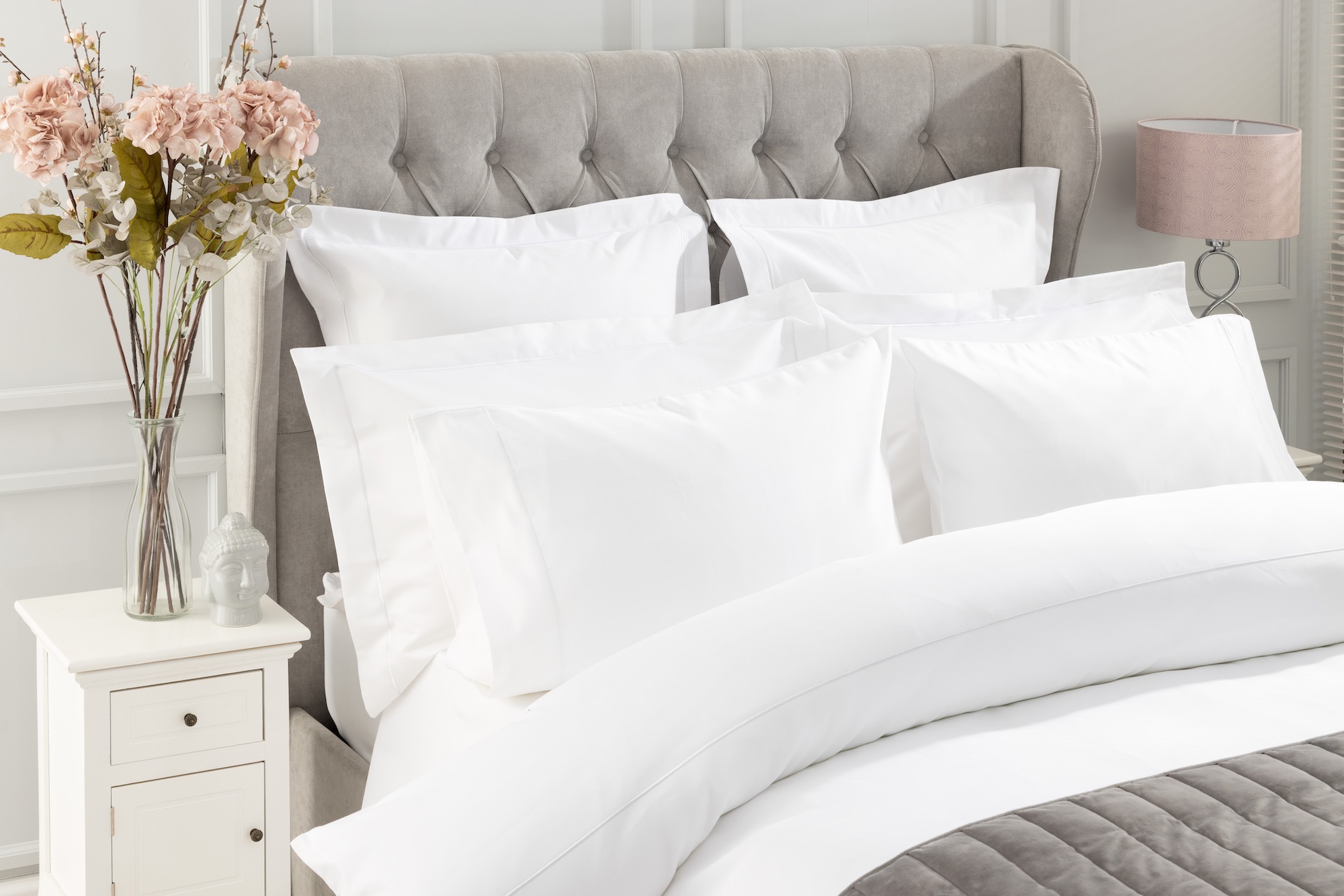
White and ivory bedding creates that classic hotel luxury feeling whilst offering practical advantages:
- Shows when washing is needed, encouraging better hygiene habits
- Can be washed at higher temperatures and bleached if necessary
- Creates light, airy feeling in the bedroom
- Coordinates effortlessly with any decor style
- Shows fabric quality more clearly than colours (quality has nowhere to hide)
The perceived coolness of white bedding can make rooms feel fresher in summer, though this is primarily psychological rather than affecting actual temperature.
Neutral Tones
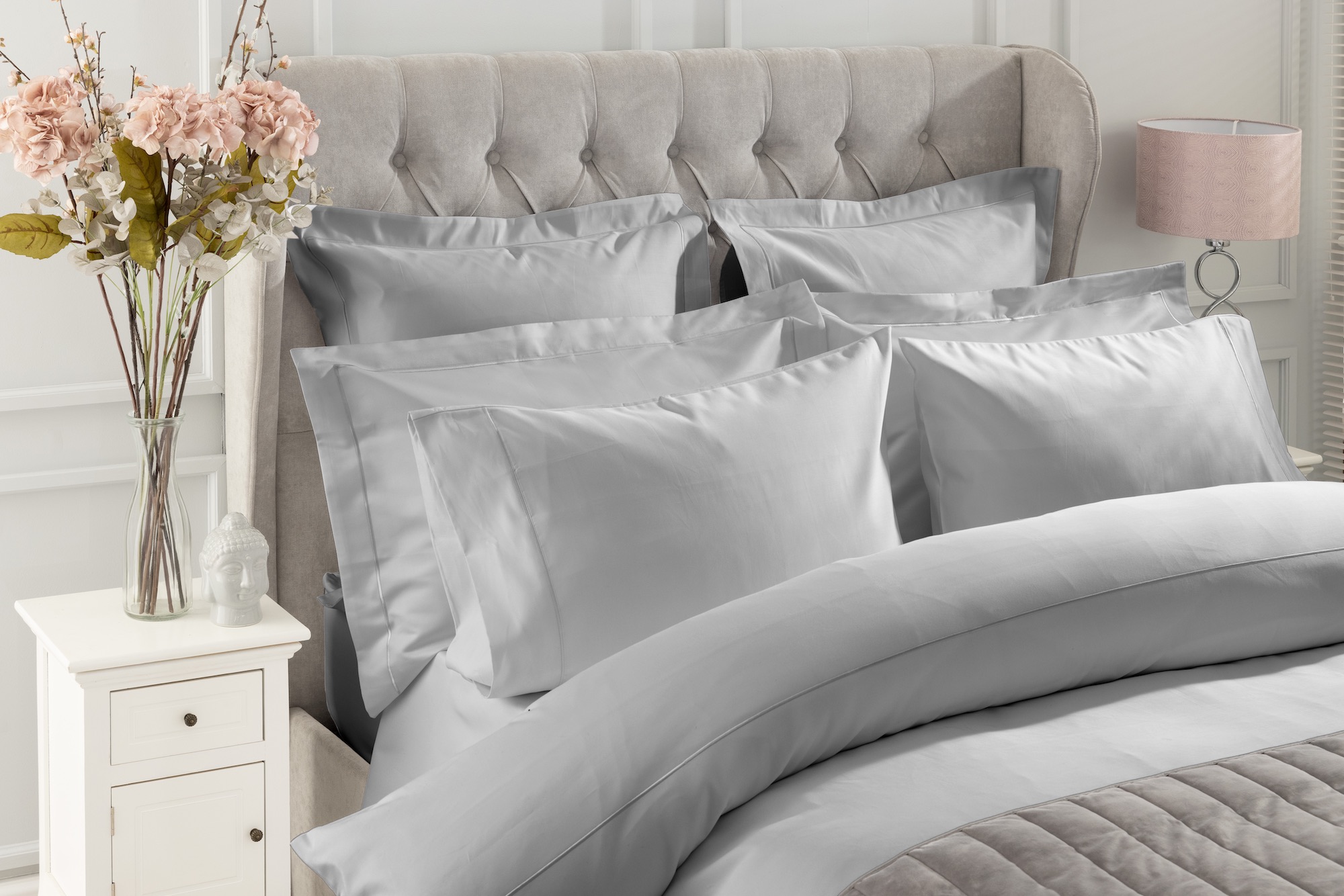
Colours like grey, platinum, taupe and stone offer sophistication whilst hiding stains and wear better than white:
- More forgiving with washing frequency
- Contemporary aesthetic appealing to modern tastes
- Shows less fading over time than darker colours
- Still coordinates widely with various bedroom styles
Deeper Colours and Patterns
Whilst beautiful, darker colours and patterns require consideration:
- Show fading more readily with repeated washing
- May require colour specific detergents to maintain vibrancy
- Can show pilling more obviously than light colours
- Patterns may clash with bedroom decor changes over time
For natural fibre bedding where longevity is a key benefit, lighter colours often prove more practical over the 5-10 year lifespan quality bedding provides.
Budget Considerations: Investing Wisely in Quality
Natural bedding covers represent a spectrum of prices, from budget-friendly options to substantial investments. Understanding where money is well spent versus where you’re paying for marketing rather than quality helps you invest wisely.
Where to Invest Your Budget
Fitted Sheets: These work hardest and require most frequent washing, so quality here pays dividends. A proper depth for your mattress and durable fabric prevent frustration and frequent replacement.
Pillow Cases: Direct facial contact makes quality important for skin health and comfort. Soft, smooth fabrics benefit your skin and hair throughout the night.
Durability Features: Good elastic, reinforced seams and quality fabric construction cost more initially but prevent premature failure.
Where You Can Save
Duvet Covers: These wash less frequently than sheets and experience less wear, making mid tier options perfectly serviceable for many households.
Decorative Elements: Oxford borders, special colours and designer patterns add cost without affecting performance or longevity.
Thread Count Excess: A 400 thread count sheet performs as well as an 800 thread count version at a fraction of the price.
Cost Per Use Calculations
Quality natural bedding used and washed properly can last 5-10 years:
- £120 bedding set lasting 7 years = £17 per year or £0.33 per week
- £40 budget set lasting 2 years = £20 per year or £0.38 per week
The premium option actually costs less per use whilst providing superior comfort throughout its lifespan. This calculation doesn’t even account for the improved sleep quality and comfort you experience every single night with better bedding.
The John Ryan by Design Origins Bedding Range
At John Ryan by Design, our 25 years of experience crafting natural fibre mattresses has taught us that bedding quality matters just as much as mattress quality for achieving the perfect sleep environment. That’s why we’ve developed our Origins Bedding Range using the same rigorous standards and material specifications we apply to our handmade mattresses.
Our Premium Blend 500 Thread Count Collection
Our Origins Premium Blend bedding represents years of textile expertise applied to create bed linen that balances natural comfort with modern practicality. Handcrafted in Yorkshire using premium materials and decades of manufacturing knowledge, this collection delivers:
Technical Specifications:
- 500 thread count in the optimal quality range
- 114 GSM lightweight, breathable fabric
- 67% cotton, 33% polyester premium blend
- Sophisticated sateen weave with percale characteristics
- Wrinkle resistant, requires minimal ironing
Practical Features:
- Deep fitted sheets accommodating mattresses up to 35cm depth
- Full elasticated edges for secure, lasting fit
- Corner hand holes in duvet covers for easy changing
- Envelope closure pillow cases
- Available in White, Ivory and Platinum
Complete Sets Include:
- 1x fitted sheet with elasticated edges
- 1x duvet cover with corner ties and hand holes
- 2x pillow cases with envelope closures (doubles and larger)
Why Our Bedding Complements Natural Fibre Mattresses
We understand that genuinely quality bedding isn’t just about marketing claims, it’s about substantial fabric weights, proper fibre specifications and construction quality that actually delivers the breathability, comfort and longevity that makes natural materials worthwhile. Our bedding has been carefully specified to work in harmony with natural fibre mattresses, creating cohesive sleep systems where each element enhances rather than undermines the others.
The 67% cotton content maintains the breathability that allows your natural fibre mattress to regulate temperature and wick moisture effectively, whilst the 33% polyester adds wrinkle resistance and easy care properties for busy modern lives. The 114 GSM weight provides substance without excess bulk, creating comfortable, breathable bed linen that works across seasons. The sophisticated hybrid weave delivers sateen smoothness with percale breathability, giving you truly the best of both worlds.
Our Commitment to Transparency
We provide complete transparency about the materials used, including exact GSM weights and fibre compositions, because we believe you deserve to know precisely what you’re investing in rather than relying on marketing buzzwords. This is the same standard we’ve always held ourselves to with our mattresses, and it’s the standard we’re now applying to our complete bedding range.
Making Your Final Decision
Choosing the best UK natural bedding for your natural fibre mattress involves balancing multiple factors: breathability to allow your mattress to perform properly, fabric quality that lasts years rather than months, weave types matching your thermal preferences, and practical care requirements fitting your lifestyle.
Key Decision Points
Prioritise Breathability: Natural or high cotton content fabrics allow your mattress to regulate temperature and wick moisture as designed.
Match Weave to Sleep Style: Hot sleepers choose percale, cold sleepers choose sateen, or select hybrid weaves offering balanced benefits.
Ensure Proper Fit: Measure your mattress depth and select fitted sheets with appropriate pocket depth to prevent frustrating fitting problems.
Consider Care Requirements: Pure cotton offers maximum natural benefits but requires ironing; quality blends provide excellent breathability with minimal maintenance.
Invest in Quality: Thread counts between 300-500, proper GSM weights, and durable construction prevent premature replacement and deliver better sleep comfort.
The Complete Sleep System
Your mattress works hard every night to support your body and regulate your temperature, and it deserves bedding that helps rather than hinders that crucial work. Quality natural bedding covers work with your natural fibre mattress to create an integrated system where moisture moves freely, temperature stays regulated and comfort remains consistent throughout the night.
Whether you’re outfitting a new natural fibre mattress or upgrading the bedding on your existing mattress, choosing genuinely breathable bed linen that complements your mattress investment transforms your sleep quality in ways that synthetic alternatives simply cannot match. Take the time to select sheets, duvet covers and pillow cases that match your personal needs whilst allowing your mattress to perform as designed. The difference in your sleep quality, your comfort levels and your mattress longevity will be immediately apparent and will continue paying dividends for years to come.
Ready to experience genuinely breathable, beautifully made bedding that works as hard as you do? Discover how the right natural bedding covers can transform your sleep experience and protect your mattress investment for years of blissful rest.

Dreaming of the perfect nights sleep?
Ask us a question
There are over 6000 questions and answers submitted by you on all questions about mattresses and bed problems. Enter a keyword such as Vi Spring, John Lewis beds, bad back or Memory Foam and see if your question has already been answered.
If you can’t find an answer in knowledge hub, ask a new question. We aim to respond to all questions within one working day.
Newsletter
Enter your email to join our newsletter. We’ll send you occasional news and mattress expertise.