







Mattress Tips
July 2025Shift Work Sleep Disorder Solutions: Guide for Better Sleep on Irregular Schedules
I can’t tell you how many NHS nurses, police officers, factory workers, and security guards have come to me absolutely desperate for sleep. They’ve tried everything: expensive memory foam mattresses that turned into furnaces during the day, blackout curtains that couldn’t block the noise, and sleeping pills that left them groggy during critical work hours.
Shift Work Sleep Disorder (SWSD) affects between 10-30% of shift workers (POST Parliament, 2025), but honestly, I believe every single shift worker struggles with sleep to some degree.
Here’s what we’ve learned over three decades of helping people sleep better: shift work isn’t just an inconvenience, it’s a fundamental assault on everything your body expects about sleep. However, with the right approach, you can create a sleep schedule that works for you and your work patterns
Understanding Shift Work Sleep Disorder
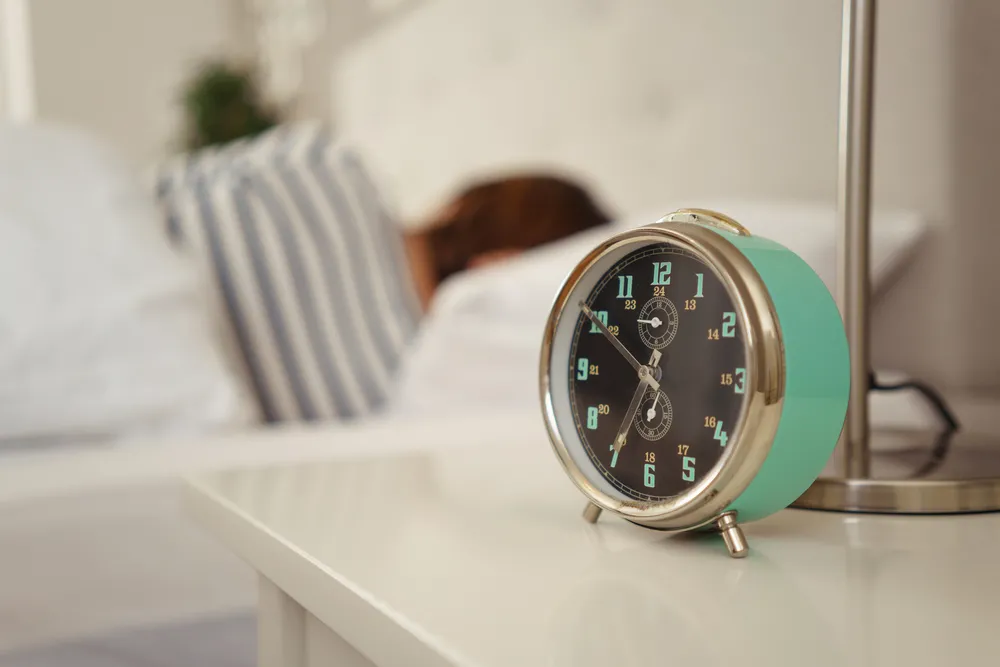
Let me tell you something that might surprise you. Shift Work Sleep Disorder is a circadian rhythm sleep disorder that occurs when your work schedule conflicts with your body’s natural sleep-wake cycle (PubMed, 2025)), but it’s not just about being tired. I’ve had customers call us completely frustrated that they haven’t had a proper night’s sleep in months.
One nurse from Manchester told me she’d been awake for 18 hours straight after a particularly brutal shift rotation, and when she finally got home, she lay in bed staring at the ceiling while her neighbours mowed their lawns and children played outside. That’s when I knew we had to do better for shift workers.
Recent research from the UK Biobank study examining over 10,000 night shift workers found that up to 48% of individuals with irregular work schedules experience significant sleep disruption (MDPI, 2025). But in my experience, that number is conservative. Nearly every shift worker I’ve met struggles with some form of sleep disruption.

Sleep Issues for NHS & Essential Workers
The statistics are sobering, but the human stories are what really matter. In the 2023 NHS Staff Survey, over 19% of respondents indicated they often or always felt that every working hour was tiring. Working night shifts carries a 25-30% higher risk of injury than day shifts (NHS Employers, 2025).
Many healthcare workers have told me about near-miss incidents when driving home after night shifts. Surveys show that more than half experience this (NHS Employers, 2025). One paramedic from Leeds described nodding off at traffic lights after a particularly brutal 12-hour shift.
Nearly 75% report effects on physical health or psychological well-being, with over two-thirds experiencing impacts on personal relationships (NHS Employers, 2025). I’ve seen marriages strained, friendships lost, and careers cut short because people couldn’t get the sleep they desperately needed.
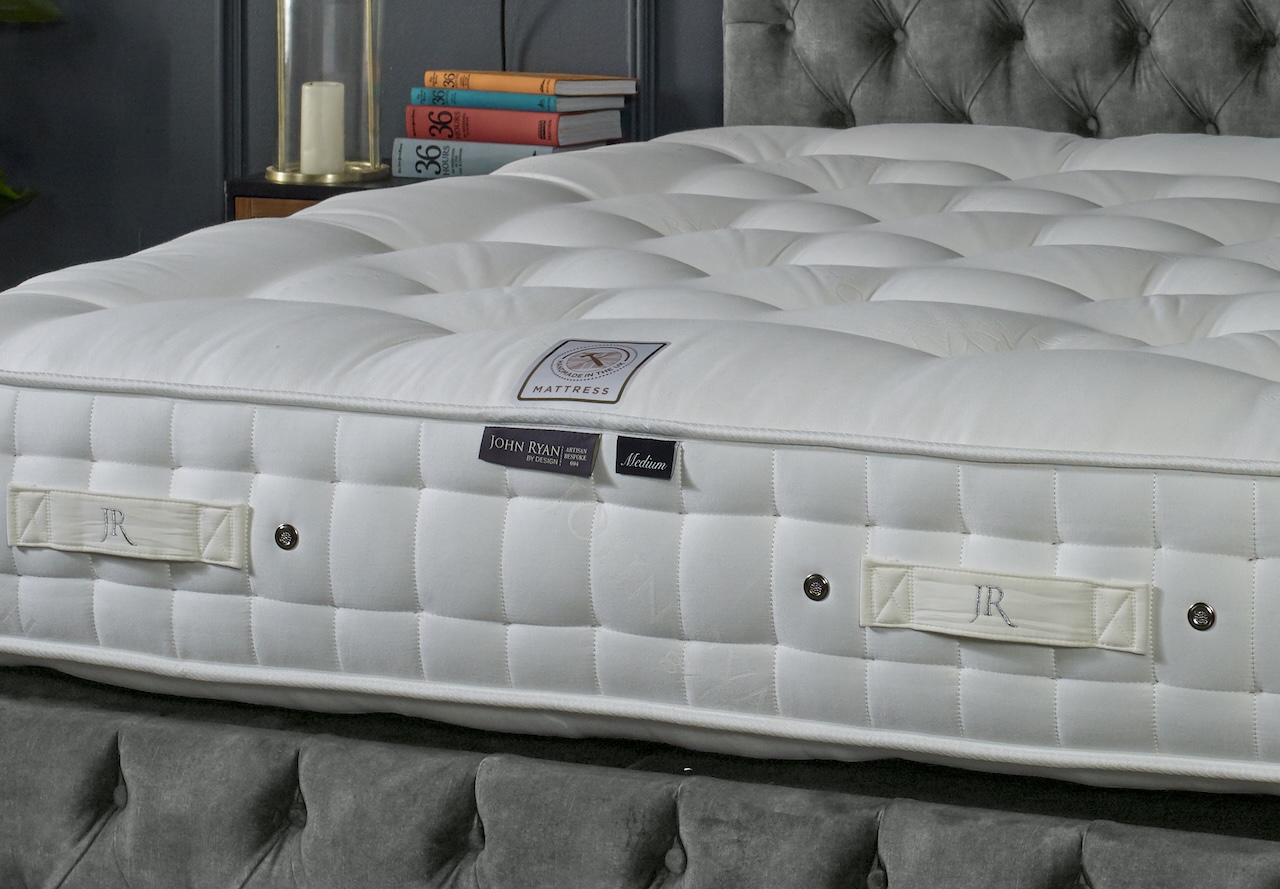
After 30 years of this work, I can spot a shift worker as soon as they call or email us. There’s a particular kind of exhaustion, a way of discussing their sleep issues with the team that speaks to bone-deep fatigue. Research consistently shows that shift workers with SWSD experience higher rates of absenteeism, increased accident risk, and greater susceptibility to cardiovascular disease, diabetes, and mood disorders (PMC Articles, 2017).
The Science Behind Why Shift Work Destroys Sleep
When I started this handmade mattress business, the industry barely understood the concept of circadian rhythms. While we now know much more about sleep patterns, most mattress shops and retailers still ignore this and recommend whatever mattress they are pushing that month, along with failing to ask basic questions about body weight, sleeping positions, or whether or not you’re a shift worker.
Your circadian rhythm is controlled by a master clock in your brain that responds primarily to light and darkness signals. It’s like having a Swiss watch inside your head that’s been calibrated over millions of years of evolution.
When you work night shifts, you’re essentially asking this perfectly calibrated system to run backwards. Melatonin, the hormone that promotes sleepiness, naturally peaks during the night hours when shift workers need to be alert (Cleveland Clinic, 2017). I’ve had customers describe feeling like they’re swimming upstream against their own biology when trying to fall asleep at night, resorting to sleep aids or simply waiting for sheer exhaustion to help them drift off. Not the best method for sleep hygiene, I can assure you!
Heat Retentive Mattresses Are the Enemy
Here’s something I learned early in my career that most mattress sales people miss entirely: body temperature naturally drops 1-2 degrees Celsius during the night to facilitate sleep onset. Shift workers trying to sleep during the day are fighting against their body’s natural temperature rhythm.
This is where I see the biggest mistakes. Traditional memory foam mattresses compound this problem by retaining body heat, making it even more difficult for shift workers to achieve the cooling necessary for quality daytime sleep. I can’t tell you how many shift workers have come to me complaining that their expensive memory foam mattress feels like sleeping on a radiator during the day.

Why Most Mattress Companies Get Shift Workers Wrong
After three decades in this industry, I can tell you that most mattress companies don’t understand the needs of shift workers. They offer the same generic advice to everyone: “Try our cooling gel layer” or “Our medium-firm feels good for most people.” It’s absolute rubbish when you’re dealing with the complex needs of someone working against their natural circadian rhythm.
Shift workers require superior temperature regulation, enhanced darkness accommodation, and materials that support sleep onset despite circadian misalignment. You can’t just slap some cooling gel on memory foam and call it a solution. You need a more tailored solution of breathable fibres to help combat sleeping at the wrong time of day for your body’s circadian rhythms.
Why Memory Foam is Your Enemy as a Shift Worker
I’ll be blunt about this because I’ve seen too many people suffer. Memory foam mattresses pose particular challenges for shift workers trying to get daytime sleep. The material’s heat-retentive properties work directly against the body’s need to cool down for sleep onset. When you’re already fighting against your natural circadian rhythm, sleeping on a surface that traps heat makes the challenge exponentially more difficult.
I had a nurse from Birmingham who spent £2,000 on a supposedly “cooling” memory foam mattress. She spoke to us at length about how she hadn’t slept in weeks and sounded tired and on edge during our chats. The memory foam’s slow response time made position changes difficult, and she was waking up multiple times during her precious daytime sleep windows.
Natural Fibres are your friend
Natural fibre mattresses offer distinct advantages for shift workers that directly address the physiological challenges of irregular sleep schedules. This isn’t marketing speak it means that natural breathable and high wicking fibres are going to help regulate your temperature in bed and thus allow you to sleep better than heat-retentive mattress options such as memory foam.
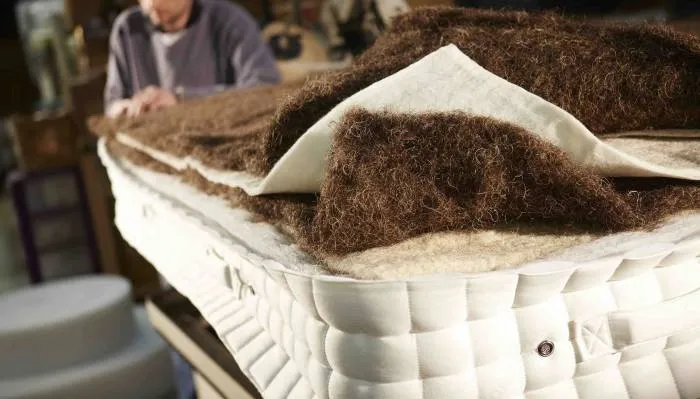
Wool’s natural temperature regulation properties become absolutely critical when you’re trying to sleep during warmer daylight hours. I’ve seen the difference it makes firsthand. Cotton’s breathability ensures continuous air circulation, preventing the stuffiness that develops in darkened bedrooms during daytime sleep periods.
Horsehair, used in our premium mattresses, creates a natural ventilation channel that is fully breathable, allowing for temperature regulation throughout extended sleep periods. When a paramedic from Manchester told me he could actually feel the difference in air quality sleeping on our Artisan range, I knew we’d cracked something important.
Mattresses for Shift Workers
Over three decades, I’ve identified specific mattresses from our range that consistently deliver for shift workers. These aren’t theoretical recommendations – they’re based on honest feedback from thousands of customers working irregular schedules.
A) Origins Pocket 1500: The Reliable Workhorse
The Origins Pocket 1500 is my go-to recommendation for shift workers who need reliable performance without breaking the bank. After 30 years, I’ve learned that sometimes the best solution is the one that works, night after night, year after year.
Key Specifications:
- Pocket Spring Count: 1500
- Upholstery Fillings: 1550gsm
- Zero Memory foam
- Comfort Level: Medium
- Spring Tensions Available: Medium (1.4mm), Firm (1.6mm)
- Why I Recommend It: Proven performance, excellent value, suits most shift workers
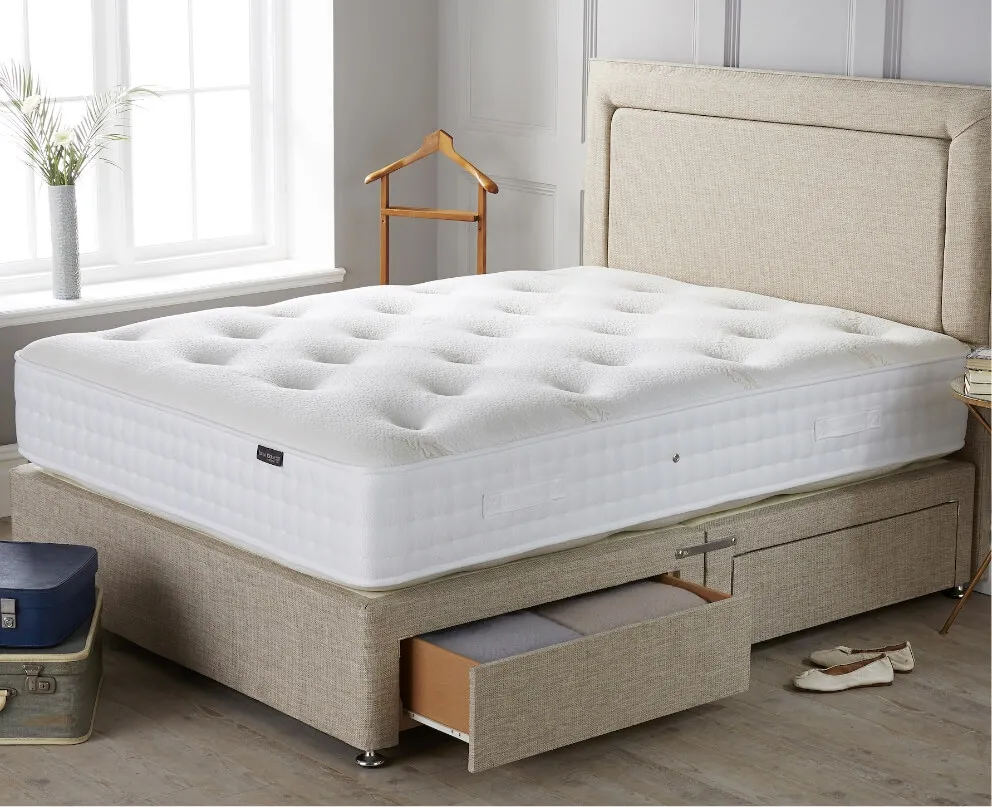
I’ve had police officers, factory workers, and hospital staff tell me this mattress changed their lives. The medium comfort level suits the majority of shift workers, while the 1500 pocket spring count provides the individualised support that adapts as you toss and turn during those challenging daytime sleep periods.
This mattress particularly excels for shift workers who rotate between different patterns. The balanced comfort level accommodates the position changes that inevitably come with schedule disruption. I’ve sold thousands of these to shift workers, and the feedback has been consistently positive.
B) Artisan Naturals: Favourite for Temperature Problems
The Artisan Naturals is where my passion for natural fibres really shines. With 85% natural fibre content, this mattress actively facilitates the cooling process essential for quality sleep onset, something I’ve seen make a dramatic difference for shift workers struggling with temperature regulation.
Key Specifications:
- Pocket Spring Count: 1600
- Upholstery Fillings: 3950gsm
- Natural Fibre Content: 85%
- Zero Memory Foam
- Comfort Level: Medium
- Why I Champion It: Superior temperature regulation, chemical-free construction, exceptional durability
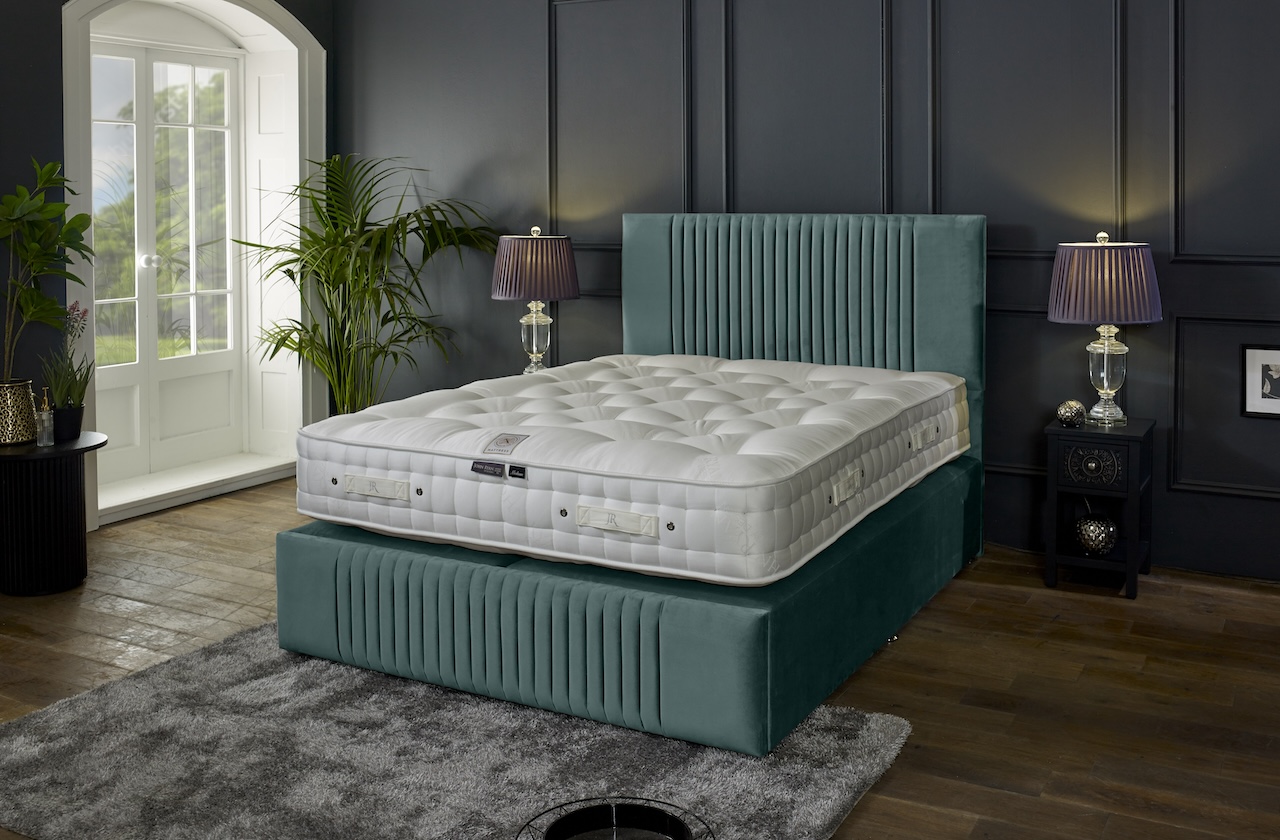
The wool and cotton composition creates a sleep surface that actually responds to your body’s temperature needs. The chemical-free construction eliminates those awful off-gassing smells that can be overwhelming when you’re trying to sleep in a darkened room during the day.
C) Artisan Bespoke: Those Who Need Serious Support
The Artisan Bespoke serves shift workers who need something more substantial. I often recommend this to firefighters, construction workers, and others in physically demanding roles who need enhanced spinal alignment during their recovery sleep.
Key Specifications:
- Pocket Spring Count: 1600
- Upholstery Fillings: 5100gsm
- Comfort Level: Firm
- Zero Memory Foam
- Construction: Hand side-stitched
- Best For: Heavier shift workers, those in physically demanding roles, back and stomach sleepers
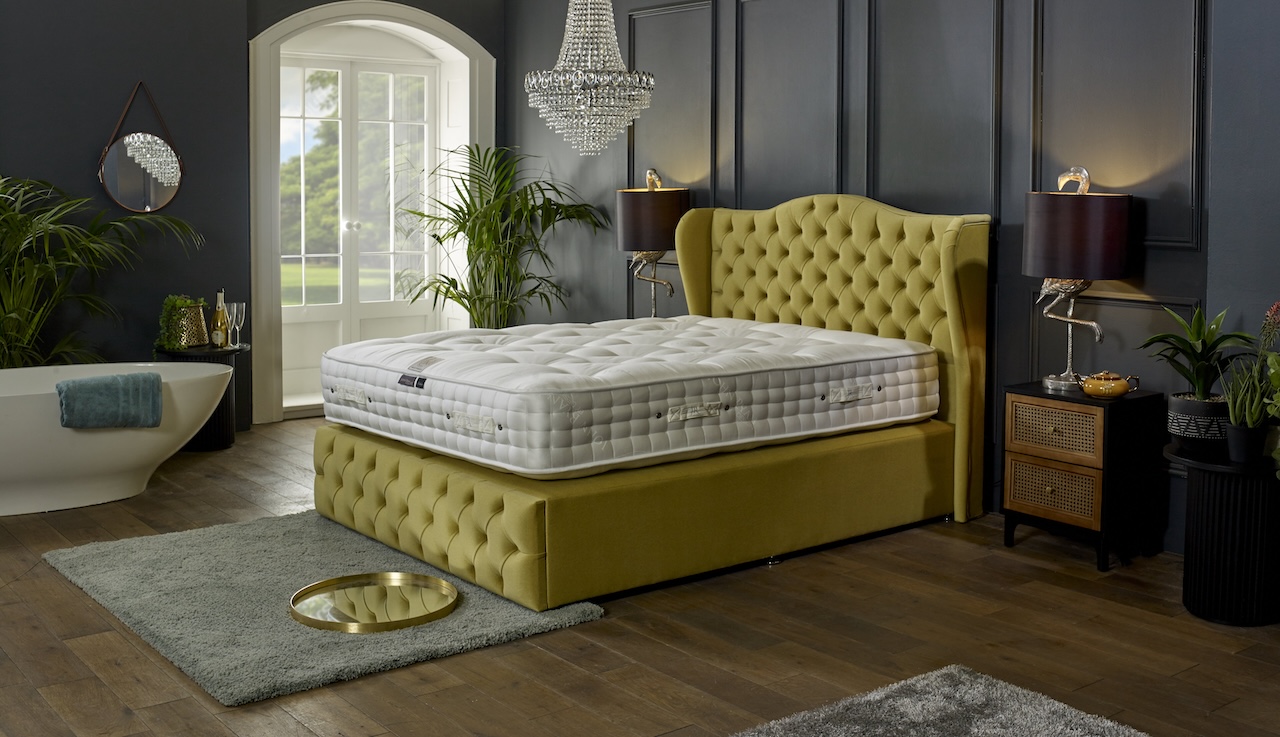
The increased upholstery content provides the durability essential for intensive use. I’ve had customers who sleep 10-12 hours straight between long shift stretches, and this mattress handles that kind of intensive use beautifully. The firm comfort level suits back and stomach sleepers – positions many shift workers adopt when they’re trying to maximise sleep quality during limited rest windows.
4) Artisan Latex: Recommended for Healthcare Workers
The Artisan Latex has become my special recommendation for healthcare workers and others in high-stress, physically demanding shift work. Natural latex provides superior pressure relief while maintaining responsiveness – crucial for the lighter sleep phases common in daytime rest.
Key Specifications:
- Construction: 100% Natural Latex over pocket springs
- Pocket Spring Count: 1500
- Comfort Level: Medium
- 100% Natural Breathable Latex
- Unique Benefits: Exceptional responsiveness, natural antimicrobial properties, superior pressure relief
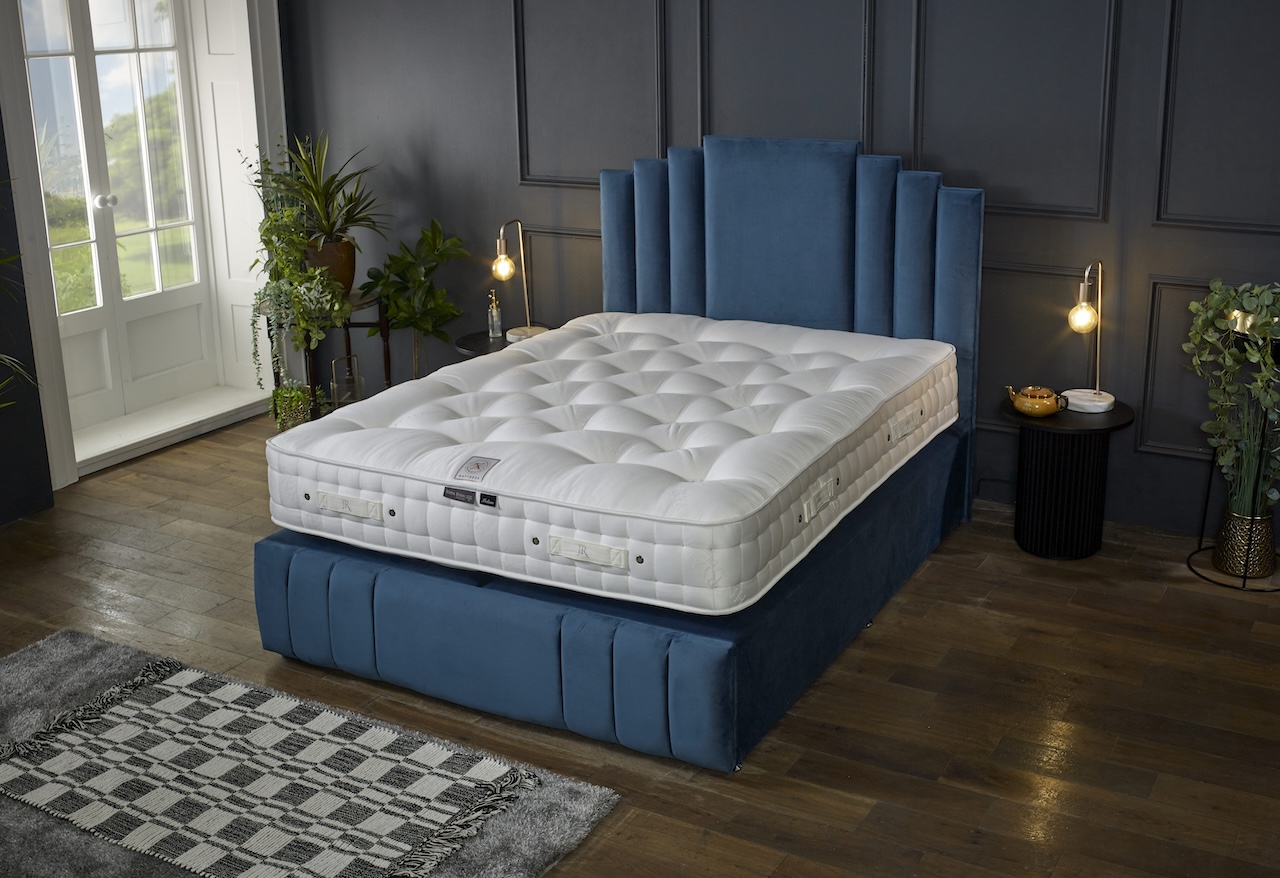
I particularly recommend this to nurses, doctors, and carers who are exposed to long periods of standing during their shifts. The breathable properties of latex create a responsive sleep environment, and the material’s natural resilience ensures consistent support regardless of how your sleep patterns vary. Great for sore shoulders, hips, or when you need to be hugged by your mattress without it turning into an inferno!
Creating the Perfect Shift Worker Sleep Environment
Creating an optimal sleep environment becomes critically important when working against natural circadian rhythms. Your bedroom must compensate for all the biological and environmental factors working against quality daytime sleep. You’re basically battling against daylight to get to sleep so you will need to take a few extra steps to ensure your bedroom is ready to help you fall asleep. This is what non-shift workers will not understand!
i) Light Management: More Than Just Blackout Curtains
Complete darkness is absolutely essential, but I’ve learned it goes far beyond just blackout curtains. Your sleep environment should eliminate all sources of illumination, including the little LED lights on electronics, light creeping under doors, and even the glow from a digital alarm clock.
I always tell shift workers to treat their bedroom like a cave. One security guard from Preston told me he’d never realised how much light pollution was in his bedroom until he started using blackout curtains, eye masks, and covering every single light source. Minimise blue light exposure for at least two hours before your intended sleep time. This is crucial for melatonin production.

ii) Temperature Control: What Actually Works
Maintain your sleep environment between 16-18°C (60-65°F) for optimal sleep onset (Cleveland Clinic, 2017). This often requires air conditioning or fans during warmer months. The combination of a naturally breathable mattress and proper room temperature creates the cooling conditions necessary for quality rest.
I’ve learned to recommend programmable thermostats to start cooling the bedroom 30-60 minutes before intended sleep time. This pre-cooling helps compensate for the body’s naturally elevated daytime temperature. Natural fibre cotton bedding is also preferred over heat-retentive polyester and synthetic bedding throws.
iii) Sound Management
Daytime sleep occurs during periods of peak environmental noise. I’ve heard from many a night-shift worker who told me about trying to sleep while children played outside and lawnmowers running next door. White noise machines, earplugs, or noise-cancelling headphones become essential tools.
I always advise shift workers to communicate their sleep schedule to household members and neighbours. A simple “Do Not Disturb” sign can prevent well-meaning deliveries from destroying precious sleep.
Let me explain how the different shift worker patterns may also affect your sleep.
1. Night Shift Workers & Sleep
Night shift workers should aim to maintain consistent sleep times even on days off – sleeping from approximately 9 AM to 5 PM. I’ve seen too many shift workers try to flip back to “normal” schedules on weekends, only to suffer from constant jet lag.
One police officer from Leeds tried to maintain a social life by switching to normal sleep schedules on his days off. He came to us for advice exhausted and frustrated because he was essentially giving himself jet lag twice a week. Once he committed to consistency, his sleep quality improved dramatically.
2. Rotating Shift Workers & Sleep
Rotating shift workers face the greatest challenges due to constantly changing sleep requirements (Frontiers in Psychiatry, 2023). When possible, I advise requesting forward-rotating schedules (day → evening → night) as these align better with natural circadian tendencies.
I’ve learned that strategic exposure to light during desired wake periods and darkness during intended sleep times can accelerate adjustment to new schedules. It’s not easy, but it’s manageable with the right approach.
3. Early Morning Shift Workers & Sleep
Early morning shift workers need to maintain consistent bedtimes around 8-9 PM, even when it conflicts with social activities. The key is prioritising sleep consistency over social convenience – something I learned from many failed attempts by customers to have it both ways.
Nutrition Timing
One surprising fact that most shift workers fail to recognise is that timing your meals can also help you sleep during the day when everyone else is wide awake. Strategic meal timing can help support circadian rhythm adjustment and improve sleep quality (Mattress Clarity, 2024). For non shift workers, eating your largest meal during your “daytime” and lighter meals during your “night” makes a real difference, so for shift workers, simply flip this round to eating your largest meal mid way through your night shift and lighter meals in the day.
Caffiene and Shift Workers
Strategic caffeine use can help maintain alertness during work hours but must be carefully timed (Cleveland Clinic, 2017). I always tell shift workers about the 6-hour rule: avoid caffeine within 6 hours of intended sleep time.
I’ve had too many customers tell me they were drinking coffee right up until the end of their shift, then wondering why they couldn’t fall asleep. For night shift workers planning to sleep at 8 AM, this means no caffeine after 2 AM.
Exercise
Regular exercise can help shift workers maintain better sleep quality and overall health, but timing is absolutely crucial (The Sleep Charity, 2024). Vigorous exercise within 4 hours of intended sleep time can interfere with sleep onset by raising core body temperature.
I always recommend scheduling exercise during “daytime” hours when you’re naturally more alert. Light stretching or gentle yoga can be beneficial before sleep.
When I Tell Customers to Seek Professional Help
Professional medical evaluation becomes important when shift work sleep problems persist despite implementing proper sleep hygiene and environmental modifications (RACGP, 2024).
Red flags to watch for include:
- Persistent insomnia lasting more than three months despite adequate sleep opportunities
- Excessive sleepiness that affects work performance or safety
- Mood changes, including depression or anxiety, related to sleep difficulties
- Physical health problems that may be related to sleep disruption
- Relationship problems caused by sleep schedule conflicts
Why Natural Fibres Are Worth Every Penny
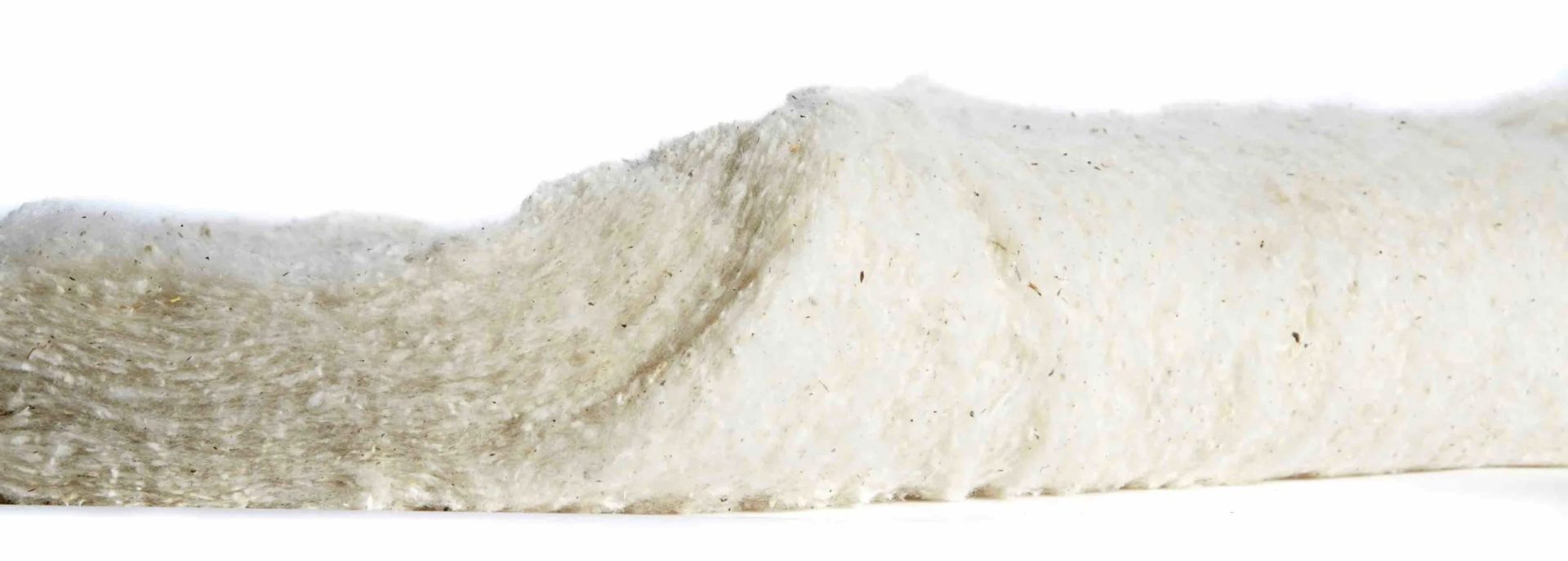
Natural fibre mattresses typically last 15-20 years with proper care, compared to 5-8 years for synthetic alternatives. When I explain this to customers, the maths becomes clear – quality natural fibre mattresses often cost less per year while providing superior performance.
I’ve had customers calculate savings from reduced sick days, improved work performance, and eliminated need for sleep aids. One security supervisor from Glasgow told me his Artisan Naturals mattress paid for itself within eight months through improved attendance and performance bonuses.
Summary
Shift work sleep disorder is a serious condition that requires comprehensive solutions addressing both your sleep environment and behavioural strategies. I’ve seen the transformation that occurs when someone finally gets the sleep they need – it’s not just about feeling better, it’s about reclaiming their life.
The mattresses I’ve recommended—particularly the Origins Pocket 1500 for reliable comfort and the Artisan Naturals for superior temperature regulation—address the specific challenges that shift workers face. These aren’t theoretical recommendations; they’re based on 30 years of real-world feedback from thousands of customers.
Remember that improving shift work sleep is a process requiring patience and consistency. The strategies in this guide work synergistically—your mattress provides the foundation, but environmental controls, timing strategies, and lifestyle modifications all contribute to your overall sleep success.
If you’re ready to take control of your shift work sleep challenges, I’m here to help. Our expert team can guide you to the ideal mattress for your specific needs and provide ongoing support for optimising your sleep environment.
Call us at 0161 437 4419 to discuss your shift work sleep requirements and discover how the right mattress can transform your rest.

Dreaming of the perfect nights sleep?
Ask us a question
There are over 6000 questions and answers submitted by you on all questions about mattresses and bed problems. Enter a keyword such as Vi Spring, John Lewis beds, bad back or Memory Foam and see if your question has already been answered.
If you can’t find an answer in knowledge hub, ask a new question. We aim to respond to all questions within one working day.
Newsletter
Enter your email to join our newsletter. We’ll send you occasional news and mattress expertise.