







Still Tired After 8 Hours of Sleep? What To Do About It
There aren’t many harder things than being tired. Arguably, it’s even worse when you thought you did the hard part and got much-needed shut-eye, but you still feel tired.
While it may initially sound far-fetched, still being tired after 8 hours of sleep is actually quite common. Factors such as poor sleep quality, stressful lifestyle choices, poor diet, lack of exercise, and underlying health issues can all be at the root of the problem. It may also be that you aren’t getting enough deep sleep or REM (Rapid Eye Movement) sleep, which is a vital part of the sleeping process and is responsible for most of the rest and recuperation.
If you find yourself regularly feeling tired, even after getting 8 hours of sleep, we can help to break down why it may be and what you can do about it.
How Much Sleep Should You Get?
While we all tend to hear that 7 hours of sleep or more a night is optimal, exactly how much sleep you need depends entirely on things like your age. Breaking it down:
- Teenagers (13-18 Year Olds): 8-10 hours
- Adults (18-64 Year Olds): 7-9 Hours
- Older Adults (65+ Year Olds): 7-8 Hours
Still Feeling Tired After 8 Hours of Sleep: Reasons
Poor Sleep Quality
Potentially the most common reason for still feeling tired even after 8 hours of sleep is poor sleep quality. Poor sleep quality makes you feel tired because it disrupts your brain’s restorative processes, preventing you from getting enough deep sleep, which leads to ‘sleep debt.’ This occurs when factors like stress, an irregular sleep routine, or environmental disturbances stop your brain and body from completing vital rest and recovery cycles, leaving you feeling drained, even after a full night’s sleep.
One of the other common causes of poor sleep quality is a poor-quality mattress. A poor quality mattress can lead to a lot of discomfort, tossing and turning, and physical aches and pains.
What Can You Do About It?
Over the next few points, we will discuss other ways to address poor sleep quality, but one effective way is by opting for a mattress that fits your needs, and opting for a mattress of exceptionally high quality, like one of our mattresses.
Improving sleep quality starts with investing in a mattress that’s properly built for your body and sleep preferences. Every John Ryan mattress is handmade in our Yorkshire workshop using premium natural fibres and pocket spring systems engineered for lasting comfort and support. Unlike mass-produced options, our mattresses use breathable materials like British wool, horsehair, and cashmere to regulate temperature, reduce motion transfer, and provide the right tension for each sleeper.
Here are some of our most popular models that consistently help customers to achieve deeper, more restorative rest:
Artisan Bespoke Luxury Mattress
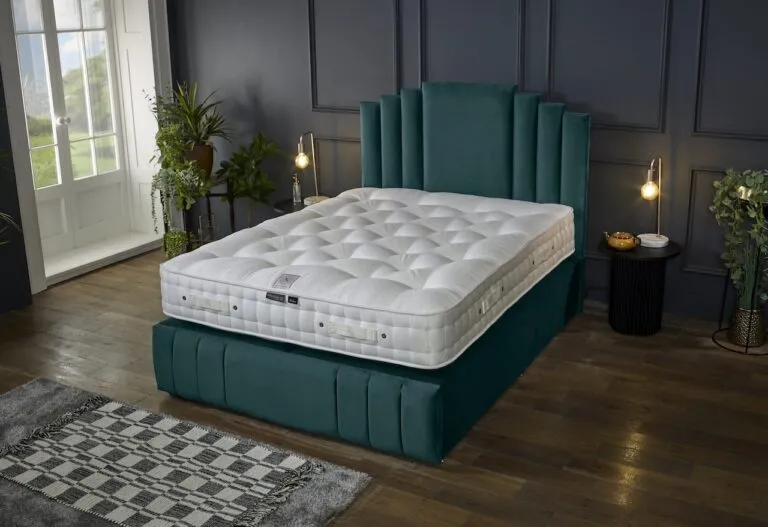
Crafted with 100% natural fillings, including horsetail, horsehair, and white cashmere, the Artisan Bespoke Luxury Mattress delivers a firm yet forgiving feel that promotes excellent spinal alignment and consistent support. The 1,600 calico-encased pocket springs respond individually to your body, helping to reduce pressure points and improve circulation throughout the night. Three rows of genuine hand side-stitching preserve edge stability, while the breathable, chemical-free cover keeps the sleep surface cool and comfortable in every season.
Artisan Bespoke 002
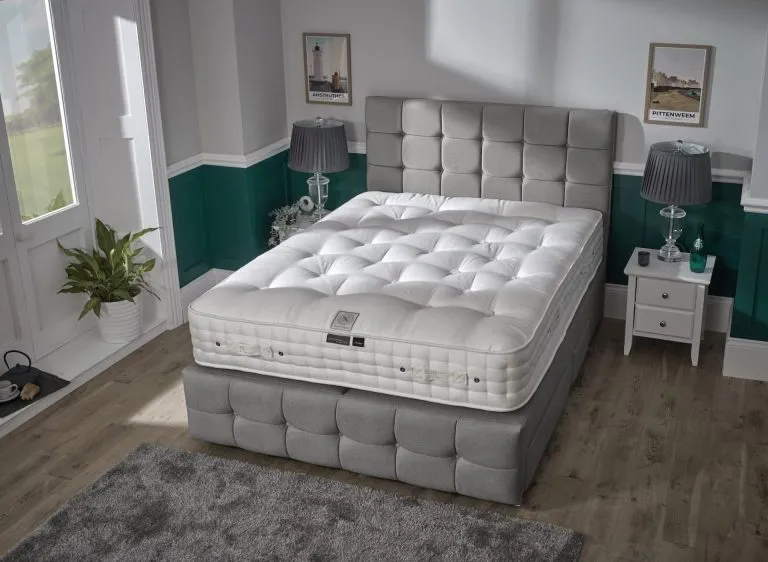
Designed for those seeking a medium feel with refined, responsive support, the Artisan Bespoke 002 combines layers of British wool, cotton, bamboo, and horsetail for a naturally balanced night’s sleep. Its dual-layer pocket spring system adapts intuitively to your movements, preventing discomfort and promoting uninterrupted sleep. The breathable natural fibres regulate temperature and wick away moisture, creating a consistently cool, fresh sleep environment that enhances relaxation and overall sleep quality.
Artisan Naturals
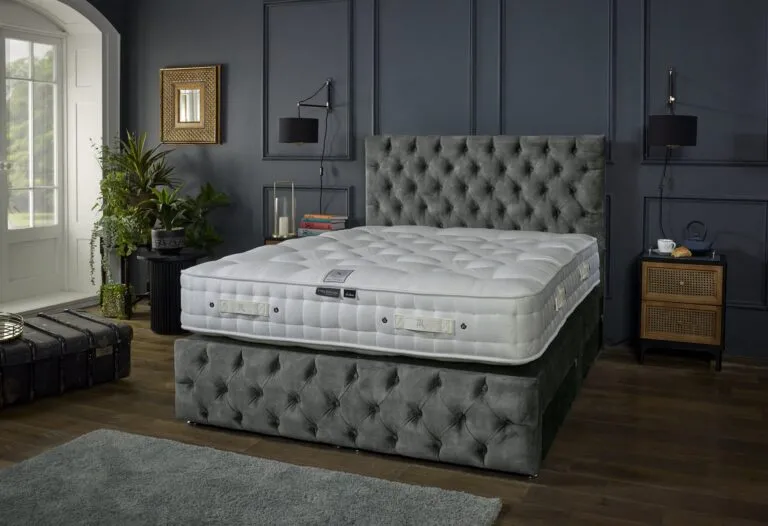
Our best-selling model, the Artisan Naturals, strikes the perfect balance between comfort, breathability, and long-term support. With 85% natural fibre content, including wool, cotton, and mohair, it contours gently to your body while maintaining airflow for a cooler, fresher night’s sleep. The 1,600 calico pocket springs distribute weight evenly to reduce strain on joints and muscles, helping you to wake up feeling refreshed and energised. Designed to be fully turnable, it offers consistent performance and durability for years of quality rest.
Artisan Bespoke 003
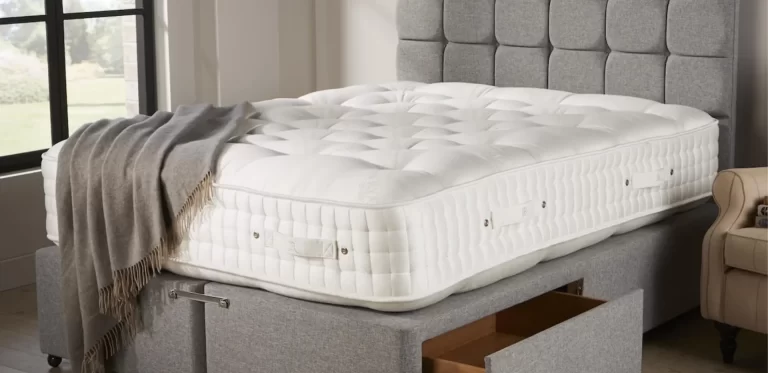
For those who prefer a softer, more indulgent feel, the Artisan Bespoke 003 offers deep comfort without compromising support. Layers of British wool, cotton, and fine cashmere gently contour to your body, reducing pressure build-up and easing muscle tension. Beneath, hand-nested calico pocket springs provide stable support and responsive cushioning. The result is a luxuriously soft sleep surface that promotes deeper, more restorative rest.
By investing in a well-made mattress that matches your sleeping style and body type, you’ll create the foundation for consistently better sleep and improved well-being over time.
Another way to address poor sleep quality is by establishing a ‘good sleep environment’, including ensuring the environment is dark and at an optimal temperature, and that there are no distractions present.
Stress
Stress is one of the most common causes of feeling tired, even after what should be a full night’s sleep. When you’re stressed, your body releases higher levels of cortisol and adrenaline: hormones that keep you alert and on edge. This makes it harder to drift into deep, restorative sleep. Even if you do fall asleep, your body may stay in a lighter, more restless state.
Over time, chronic stress can disrupt your natural sleep rhythm, leading to early waking, racing thoughts, or that familiar feeling of waking up unrefreshed.
What Can You Do About It?
To help break the cycle, try establishing a calming bedtime routine, keep your sleep schedule consistent, and ensure your bedroom environment promotes relaxation and comfort, including the right mattress support to help your body truly unwind.
Diet
Your diet plays a huge role in how rested you feel, even after a full night’s sleep. Consuming too much sugar, caffeine, or processed food, particularly close to bedtime, can disrupt your body’s natural sleep-wake cycle. These foods cause spikes and crashes in blood sugar levels, which can lead to restlessness during the night and low energy the next day. Likewise, skipping meals or not getting enough key nutrients like magnesium and B vitamins can also make you feel more fatigued.
A poor diet can also interfere with how your body produces serotonin and melatonin: the hormones that help regulate mood and sleep. Over time, this imbalance can leave you feeling sluggish, foggy, and less refreshed, even after you theoretically should have had enough rest.
What You Can Do About It?
Try to maintain a balanced diet with whole foods, fruits, and vegetables, and avoid heavy or sugary meals too close to bedtime. Reducing caffeine after midday can also make a noticeable difference.
Dehydration
Dehydration is a surprisingly common reason for feeling tired, even after a full night’s sleep. When your body lacks enough water, it affects blood flow and oxygen delivery to the brain, making you feel sluggish and unfocused. It can also lead to headaches, muscle fatigue, and a higher heart rate, all of which can make it harder to feel truly rested, no matter how long you’ve been in bed.
Even mild dehydration can interfere with sleep quality, causing dryness in the mouth and nasal passages, or nighttime cramping that disrupts your rest. Over time, this lack of hydration can leave you waking up groggy, heavy-headed, and far from refreshed.
What Can You Do About It?
Make sure you’re drinking enough water throughout the day (around six to eight glasses for most adults), and reduce your intake of dehydrating drinks like caffeine and alcohol. Keeping a glass of water by your bed can also help if you tend to wake up thirsty during the night.
Lack of Physical Activity
If you spend most of your day sitting down or not moving much, your body can struggle to switch between being awake and being ready for rest. Regular physical activity helps regulate your circadian rhythm (your body’s internal clock), making it easier to fall asleep and achieve deeper, more restorative rest. Without enough movement, you may find it harder to drift off, stay asleep, or feel energised when you wake.
A sedentary lifestyle can also reduce circulation and slow down metabolism, both of which contribute to that heavy, fatigued feeling even after what should be a full night’s sleep. Over time, this lack of activity can make you feel constantly tired and sluggish, even if you think you’re getting enough rest.
What Can You Do About It?
Aim for at least 30 minutes of light to moderate exercise most days, such as walking, stretching, or cycling. Try to move regularly throughout the day rather than sitting for long periods. Where possible, get outside exposure to natural light, as this helps regulate your sleep-wake cycle and boost overall energy levels.
Make Sure You Never Wake Up Tired With John Ryan By Design
At John Ryan By Design, we care about your sleep, and we want to do all we can to empower you to ensure you have a great night’s rest. No matter whether you are looking for a soft, firm, or medium mattress, we have got you covered. If you still feel tired after sleeping 8 hours, or if you just want to look for ways to optimise your sleep, we offer a brilliant range of mattresses to suit your needs, no matter what. Don’t let a poor-quality mattress affect your sleep quality, and contact us today.

Dreaming of the perfect nights sleep?
Ask us a question
There are over 6000 questions and answers submitted by you on all questions about mattresses and bed problems. Enter a keyword such as Vi Spring, John Lewis beds, bad back or Memory Foam and see if your question has already been answered.
If you can’t find an answer in knowledge hub, ask a new question. We aim to respond to all questions within one working day.
Newsletter
Enter your email to join our newsletter. We’ll send you occasional news and mattress expertise.