







Mattress Upholstery
November 2025What's the Best Natural Fibre Duvet and Pillows in the UK?
When customers purchase our Artisan natural fibre mattresses filled with wool, cashmere, silk, and horsehair, then smother them with synthetic duvets that trap heat and moisture, they’re essentially negating the breathability they’ve paid for. This comprehensive guide examines which natural fibre duvets and pillows genuinely deliver superior sleep quality, why synthetic alternatives fail so consistently, and what to look for when investing in bedding that will last years rather than months.
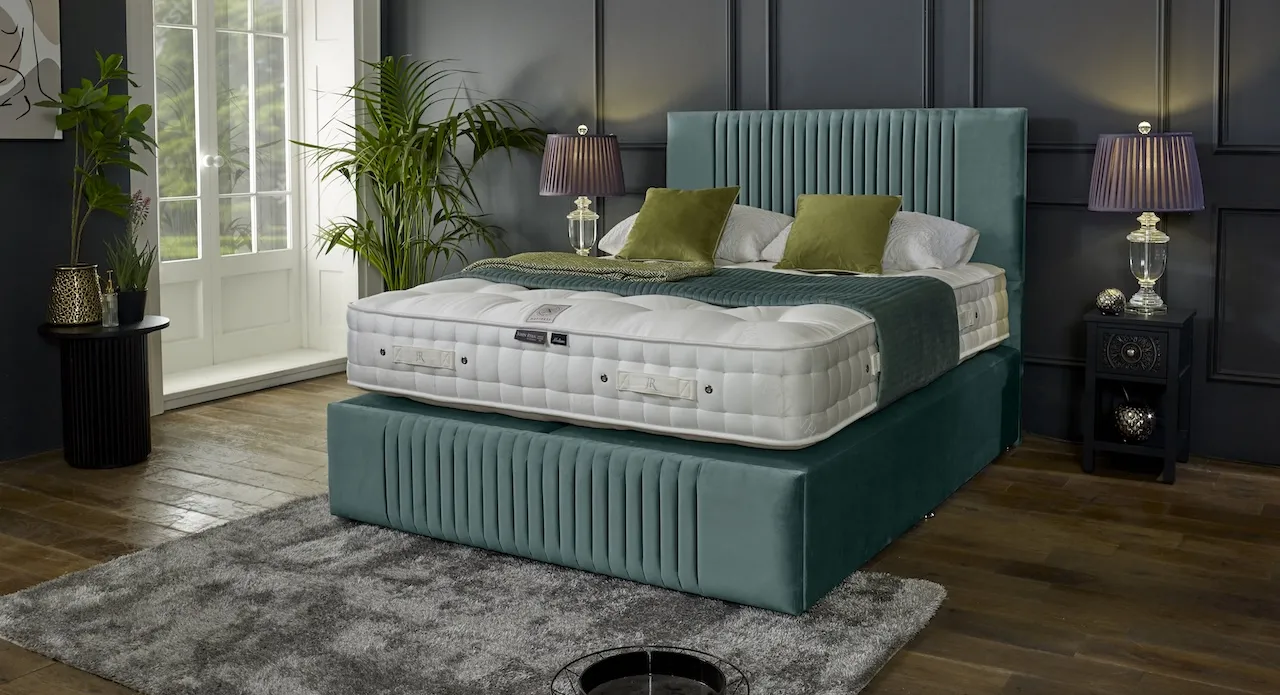
The Best Natural Fibre Pillows & Duvet
Let’s cut to the chase, we’ve built a reputation for building some of the best natural fibre mattresses and bedding in the world. So if you want to jump ahead to the very best of what we offer, then take a look at the below for our very best.
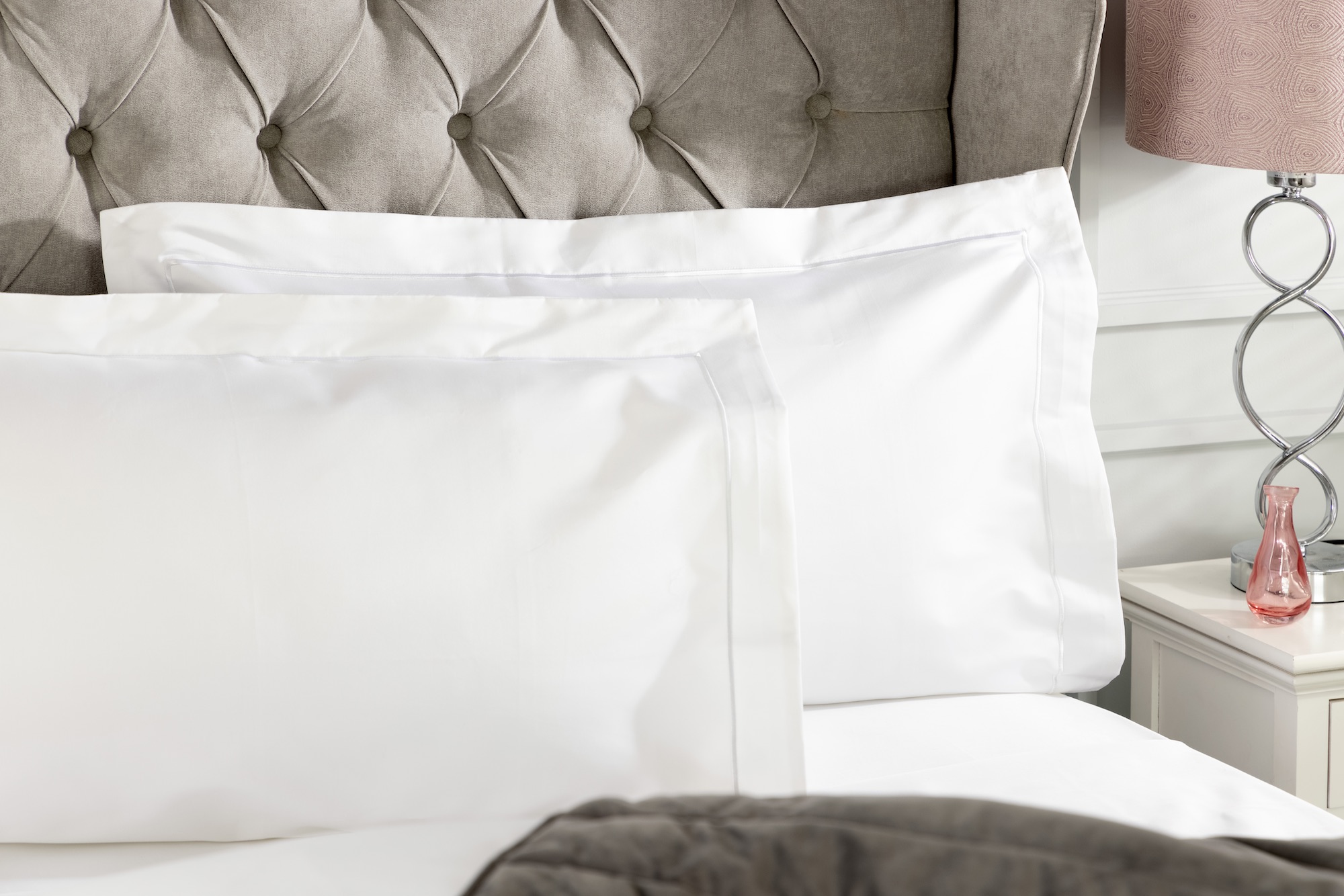
Understanding Natural Fibres vs Synthetic Materials
The bedding industry has convinced many consumers that synthetic duvets and pillows represent excellent value because they’re affordable and easy to wash. This thinking is fundamentally flawed.
How Natural Fibres Actually Work
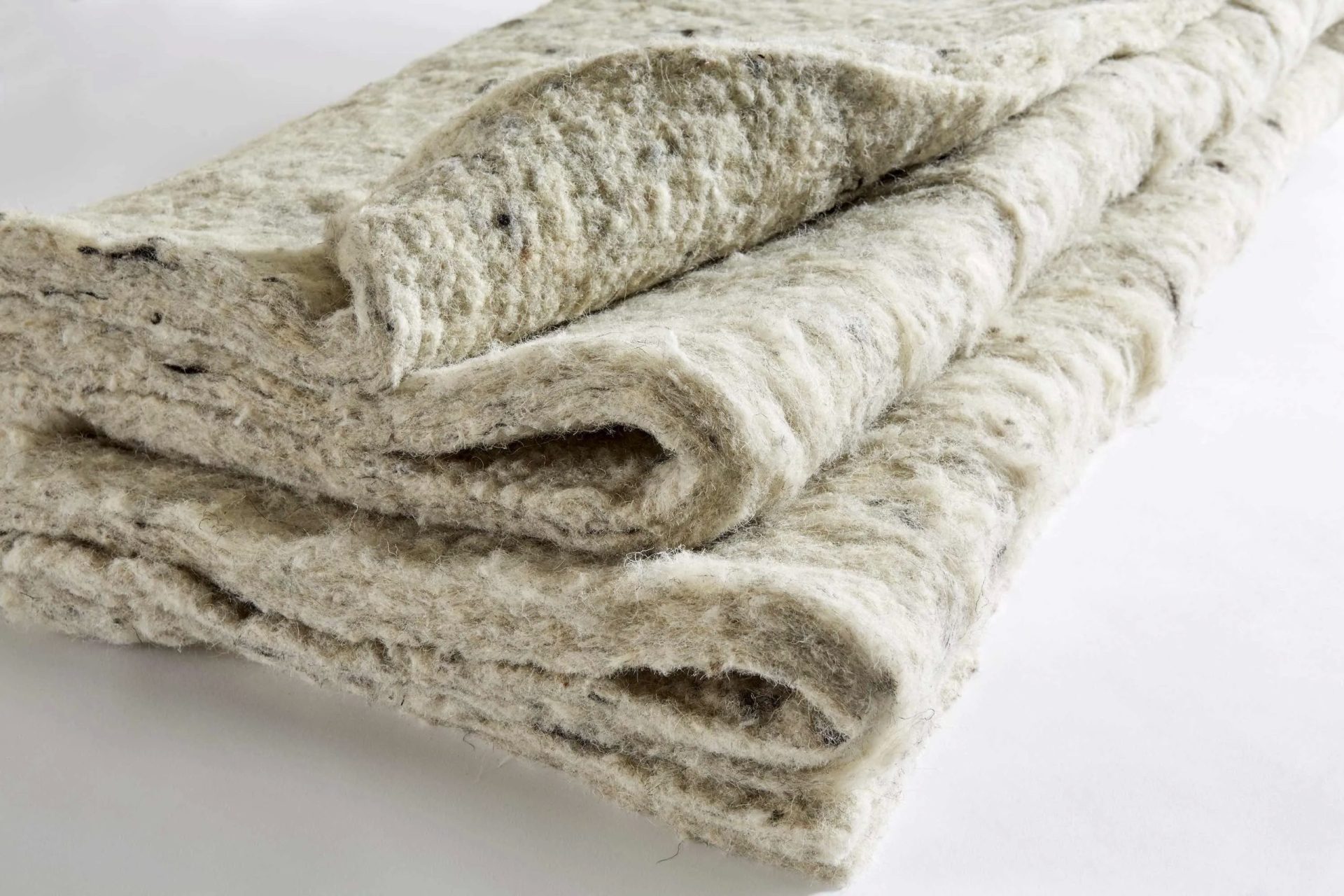
Natural fibres like British wool, duck down, and feather have evolved over millennia to regulate temperature, wick moisture, and provide resilient support. These aren’t marketing claims; they’re measurable properties confirmed by decades of research into how natural materials interact with the human body during sleep.
Synthetic bedding relies on polyester fibres derived from petroleum, manufactured to imitate natural materials at lower cost. Whilst production technology has improved significantly, synthetic fills cannot replicate the complex structure of natural fibres.
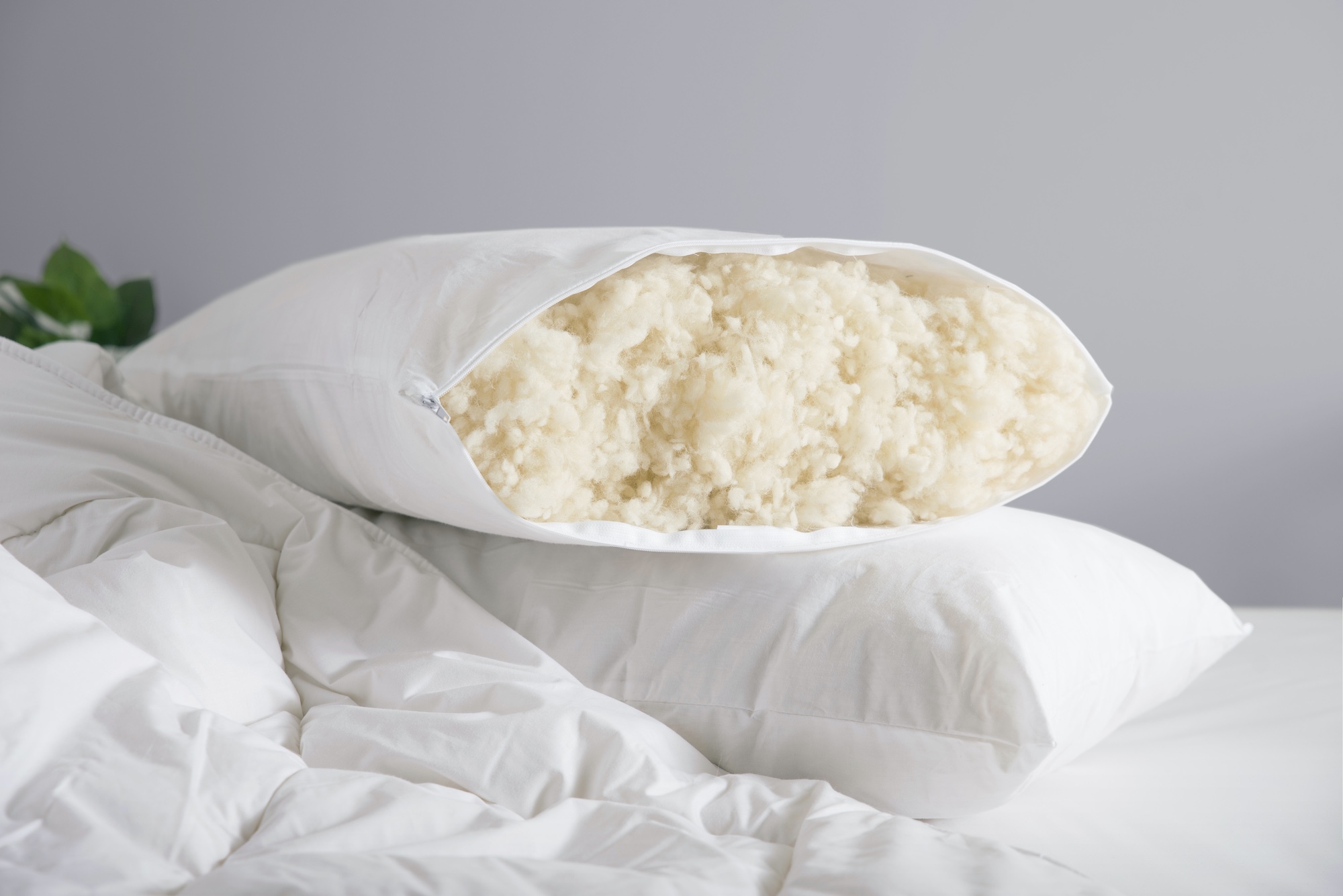
Wool fibres have a crimped structure creating tiny air pockets that trap warm air for insulation when cold, but release excess heat when warm, adapting dynamically throughout the night. Polyester simply insulates or fails to insulate; there’s no adaptive response to your body’s changing temperature needs.
The Durability Difference
The difference becomes apparent within weeks of use. Natural fibre duvets maintain their loft and performance characteristics for years, often decades with proper care. Synthetic duvets typically require replacement every two to three years as the polyester fibres compress and lose effectiveness, meaning you’ll purchase three or four synthetic duvets during the lifespan of one quality natural option.
The supposed cost savings evaporate when you factor in replacement frequency, and you’ve experienced inferior sleep quality throughout.
Why Synthetic Duvets and Pillows Need Replacing More Frequently
Synthetic fibres such as mattresses, sofas, cushions and throws all suffer from one main issue, longevity. They simply don’t last as long as natural fibres before they start to compress, fluff/pile or turn bobbly. Let us explain why.
A) Permanent Compression and Flat Spots
When you compress synthetic fibres night after night, they permanently deform. Unlike wool or down, which spring back to their original shape, polyester fibres develop permanent creases and flat spots. These compressed areas create cold spots where insulation fails, forcing you to increase heating or pile on additional blankets, defeating the purpose of having a duvet at all.
B) Washing Accelerates Deterioration
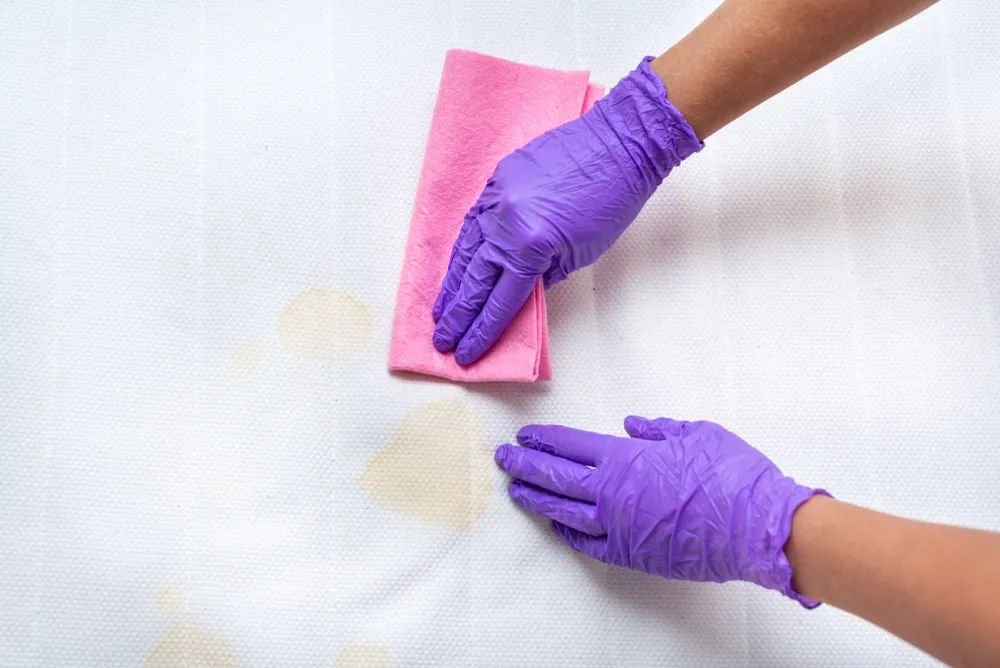
The washing process accelerates this deterioration. Each time you machine wash a synthetic duvet, the fibres tangle and clump, creating uneven distribution that worsens with every wash. Within a year or two, you’re left with a duvet where all the filling has migrated to the edges, leaving the centre area paper thin.
Many people accept this as normal and simply buy another cheap synthetic duvet, perpetuating a cycle of waste and poor sleep.
C) Natural Fibres Resist Compression
Natural fibres resist this compression through their inherent structure:
• Wool fibres are crimped and elastic, bouncing back after compression thousands of times
• Duck down clusters are three-dimensional structures that trap air in multiple directions, maintaining loft even after years of use
• Feathers provide structural support that prevents the collapse you see with synthetic alternatives
When properly maintained, natural fibre duvets and pillows can last 10 to 15 years, and quality wool products can potentially last a lifetime.
The Heat and Moisture Problem with Synthetic Bedding
Perhaps the most significant failure of synthetic bedding is how it handles heat and moisture. Your body releases approximately half a pint of moisture every night through perspiration and respiration. This moisture needs somewhere to go, and synthetic materials simply trap it against your skin.
Polyester doesn’t breathe or wick moisture, instead trapping heat and humidity, which often leads to night sweats and interrupted sleep as you wake feeling sticky and uncomfortable.
Dust Mites Thrive in Synthetic Bedding
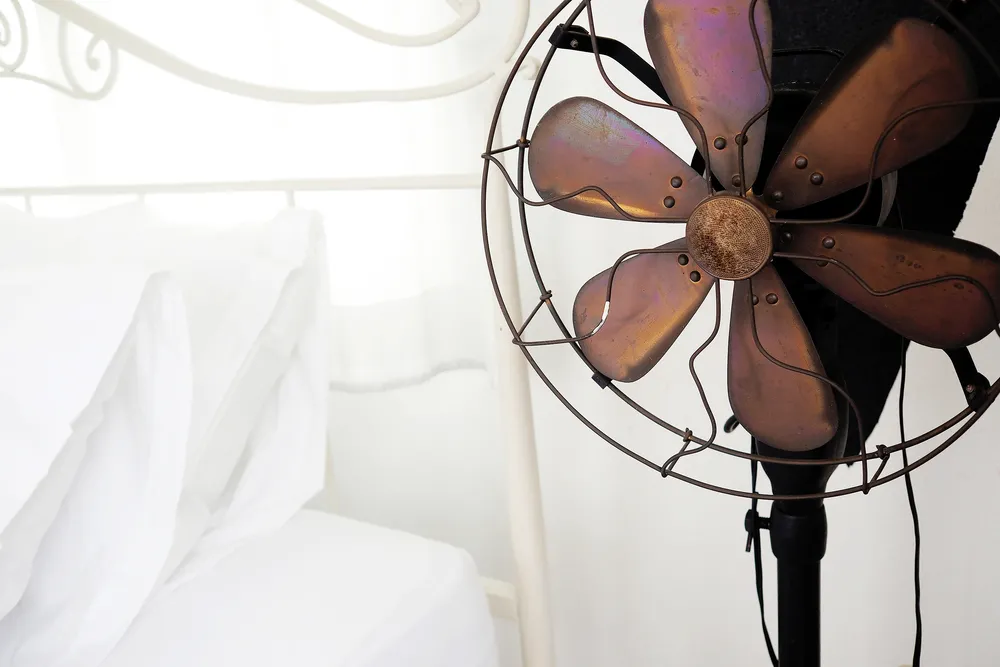
This trapped moisture creates the perfect breeding ground for dust mites, which require damp conditions to thrive. Studies have shown synthetic bedding can harbour more allergens because the casing weave is often looser and less breathable, resulting in damper conditions that allow mites to colonise your duvet and pillows.
For anyone with allergies or asthma, sleeping under synthetic bedding essentially guarantees you’re inhaling dust mite droppings throughout the night.

How Natural Fibres Manage Moisture
Natural fibres actively manage this moisture through wicking and evaporation:
• Wool can absorb up to 30% of its weight in moisture without feeling damp, then release that moisture into the air through natural evaporation
• The hollow structure of wool fibres creates capillary action that pulls moisture away from your skin, keeping you dry and comfortable
• Duck down and feather also permit moisture to escape, though less effectively than wool
• The result is a drier, more hygienic sleep environment where dust mites struggle to survive
Temperature Regulation Affects Sleep Quality
This temperature regulation matters enormously for sleep quality. Research shows that maintaining optimal body temperature throughout the night is crucial for entering and staying in deep sleep phases.
When synthetic bedding traps heat, your core temperature rises, triggering your body to wake you up to regulate temperature. Natural fibres prevent this by adapting to your changing temperature needs, allowing uninterrupted sleep cycles.

Environmental Impact: The Hidden Cost of Synthetic Bedding
i) Microplastic Pollution from Every Wash
Beyond personal comfort, synthetic bedding represents an environmental disaster that receives insufficient attention. Every time a synthetic duvet is washed, microplastics are released into water systems, with these microplastics being incredibly difficult to clean and representing an ever-growing environmental issue that affects marine life and ultimately enters the human food chain.
ii) Petroleum Dependence and Carbon Emissions
The production process for synthetic bedding relies on petroleum extraction and energy-intensive manufacturing that generates significant carbon emissions. Virgin polyester production means the extraction of fossil fuels from the earth, contributing to climate change and environmental degradation.
When synthetic duvets reach the end of their short lifespan, they’re not biodegradable. Synthetic bedding most likely ends up in a landfill, where it will persist for decades or centuries, unable to decompose because plastic simply doesn’t break down naturally.

iii) Natural Fibres Are Genuinely Sustainable
Natural fibre duvets and pillows offer genuinely sustainable alternatives:
• British wool is shorn annually from sheep, making it entirely renewable
• When a wool duvet eventually reaches the end of its useful life after many years, it biodegrades completely without leaving microplastics or petroleum residues
• Duck down and feather are collected as byproducts from birds raised for food, not specifically killed for bedding
• This responsible sourcing ensures natural fills represent efficient use of resources that would otherwise go to waste
The Complete Lifecycle Carbon Footprint
The carbon footprint difference is substantial when you consider the complete lifecycle. A locally sourced British wool duvet travels from Devon farms to you, covering perhaps 200 miles. Compare that to synthetic duvets manufactured in China or Pakistan from petroleum drilled in the Middle East, then shipped thousands of miles to UK retailers.
The wool duvet then lasts 15 to 20 years, whilst the synthetic requires replacement every two to three years, multiplying the environmental impact with each replacement purchase.
British Wool Duvets: Temperature Regulating Excellence
Our lightweight British wool duvet represents the pinnacle of natural temperature regulation for UK sleepers. We source certified wool directly from Devon farms, supporting British agriculture whilst dramatically reducing carbon footprint compared to imported alternatives.
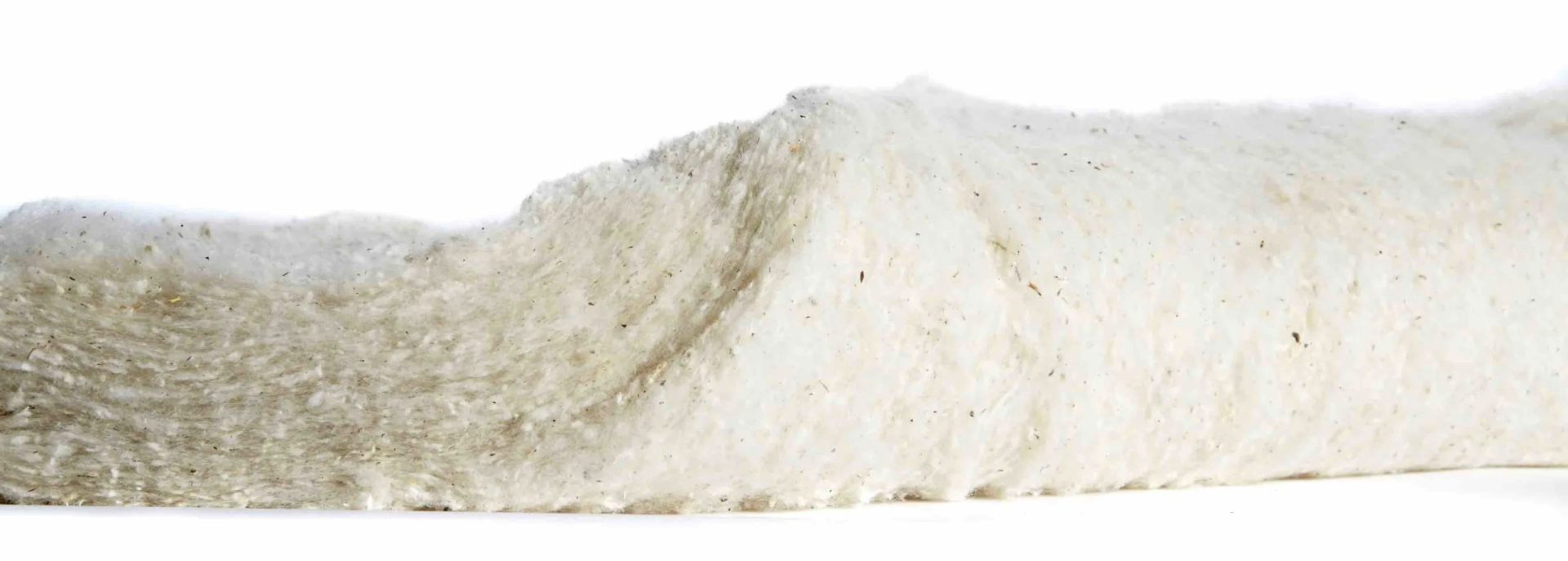
The wool undergoes minimal processing with no chemical bleaching or harsh treatments, maintaining the natural lanolin and beneficial properties evolution designed.
Superior Temperature and Moisture Management
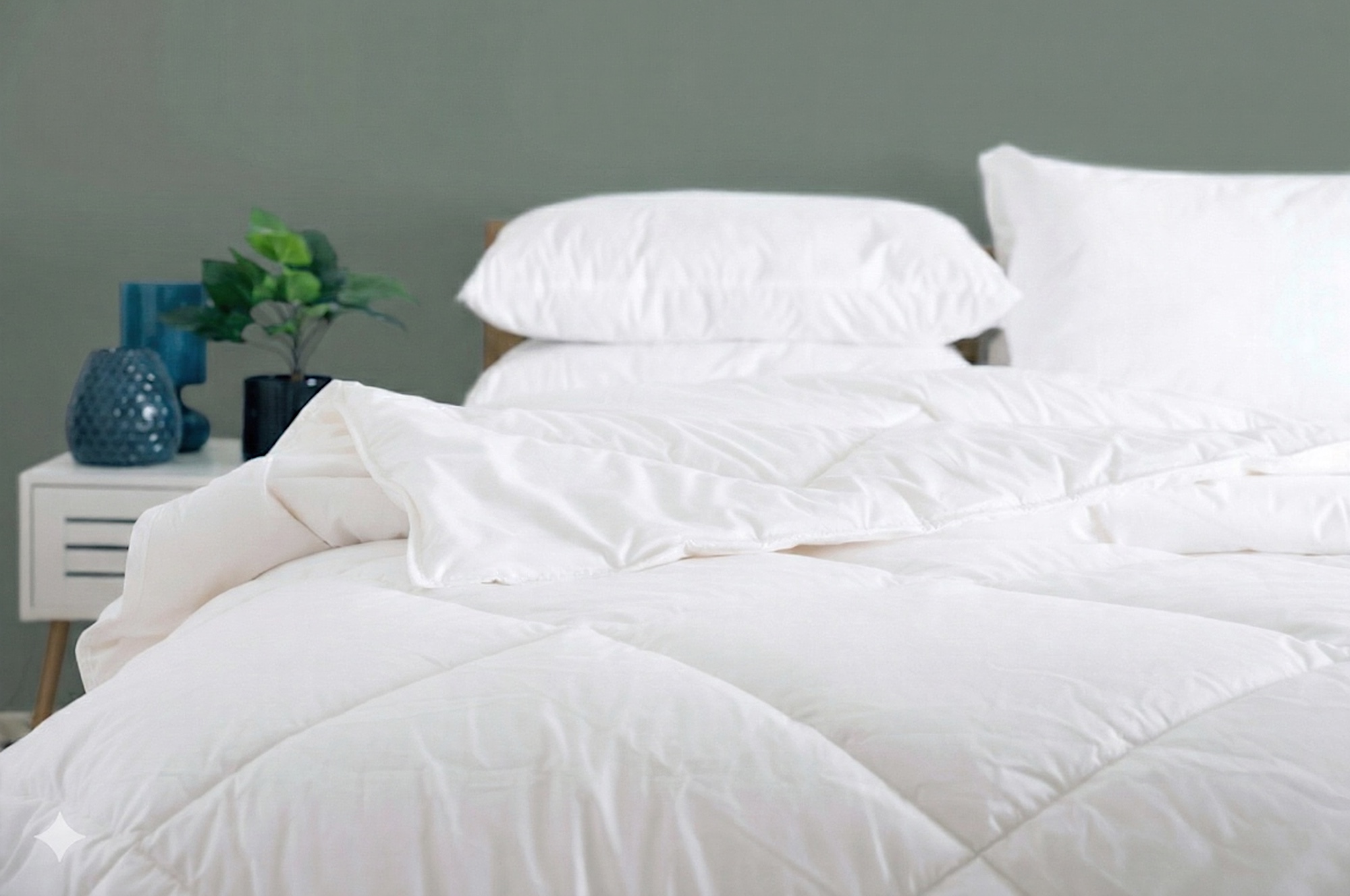
Wool’s moisture-wicking properties help with temperature regulation and ensure a damp-free sleep environment, making it dust mite resistant and hypoallergenic. For those experiencing night sweats, menopausal hot flushes, or simply sleeping in poorly ventilated modern homes, wool’s ability to absorb and release moisture whilst regulating temperature can genuinely transform sleep quality.
Studies show wool bedding can improve sleep by up to 25% through better temperature control and reduced disturbances.
Adaptive Tog Rating
The lightweight 4 to 7 tog rating adapts dynamically to conditions. On cooler nights, the crimped wool structure traps warm air for insulation. During warmer weather, excess heat escapes through the breathable fibres, preventing the suffocating feeling that synthetic duvets create.
Many customers find this single duvet sufficient year-round, particularly warm sleepers or those in well-insulated properties. Cooler sleepers can add a wool blanket during winter months or consider our medium-weight wool duvet for additional warmth.
Remarkably Simple Maintenance
Maintenance is remarkably simple. Wool is naturally self-cleaning; the keratin structure actively repels dirt and odours. Under normal use, you simply air your duvet regularly on fine days by hanging it outdoors or draping it over furniture near open windows.
Sunlight and fresh air naturally sanitise and refresh the fibres without energy-intensive washing. This stands in stark contrast to synthetic duvets requiring frequent machine washing that damages fibres and consumes energy whilst releasing microplastics into water systems.
Perfectly Specified Cotton Cover
The 230 thread count pure cotton cover is carefully specified to permit excellent airflow whilst keeping wool evenly distributed. Higher thread counts would reduce breathability, interfering with wool’s natural moisture-wicking properties.
The result is a completely natural sleep system where every element breathes and works synergistically with your body’s temperature regulation rather than fighting against it.
Duck Down and Feather Duvets: Classic Comfort with Genuine Warmth
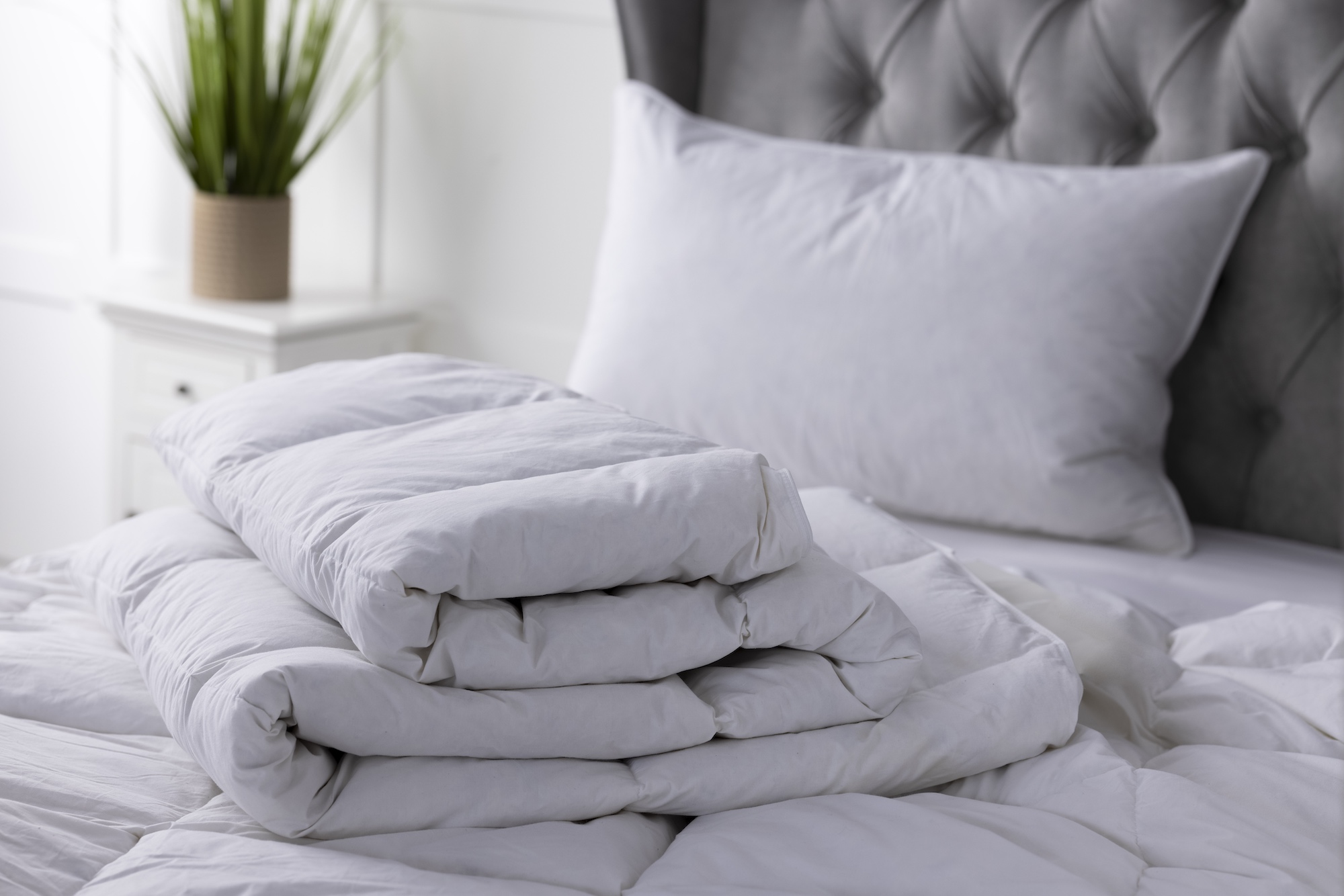
For those seeking traditional duvet luxury with substantial warmth, our duck down and feather duvet delivers the classic comfort discerning sleepers have enjoyed for generations. The carefully calibrated blend of 85% duck feather and 15% duck down isn’t arbitrary; this ratio provides optimal balance between supportive structure and insulating warmth.
Comforting Weight and Structure
The higher feather content creates that reassuring weight many people find comforting, providing a cocooned feeling that makes climbing into bed genuinely appealing. Feathers offer structural support and resilience that prevent the duvet from shifting or bunching.
The 15% down component adds exceptional insulating loft and cloud-like softness, creating air pockets that trap warmth efficiently. This combination moulds to your body in ways synthetic alternatives simply cannot replicate, adapting to your contours for personalised comfort.
Ideal Tog Rating for UK Climate
The 10.5 tog rating makes this duvet ideal for autumn and spring months, or year round use in moderate climates. It provides genuine warmth without the suffocating heat synthetic duvets create because natural down and feather permit air circulation.
The breathability means moisture escapes rather than accumulating, keeping you comfortable throughout the night. For those who prefer different warmth levels seasonally, our duvets can be paired using linking systems to create customised combinations.

Superior Construction Quality
Baffle box construction ensures even fill distribution without cold spots or shifting. Individual fabric chambers contain the down and feather, preventing migration that creates uneven coverage.
The 233 thread count cotton down proof cover strikes the perfect balance, tight enough to contain even the finest down clusters whilst maintaining breathability that synthetic covers lack. This construction quality matters enormously for longevity and performance.
Practical Machine Washability
Machine washability at 40 degrees makes practical maintenance achievable without expensive professional cleaning. Proper washing and thorough drying actually help maintain performance by removing body oils and dust while fluffing the fill.
With appropriate care, quality duck down and feather duvets last 10 to 15 years, making them an excellent value despite a higher initial cost compared to synthetic alternatives, which you’ll replace three or four times during that period.
Natural Fibre Pillows: Supporting Quality Sleep
Your pillow choice affects not just comfort but spinal alignment and overall sleep quality, yet this is an area where many people persist with unsuitable synthetic options simply out of habit. Natural fibre pillows offer superior breathability, support, and longevity compared to synthetic alternatives that compress into pancakes within months.
Wool Pillows: Firm and Resilient
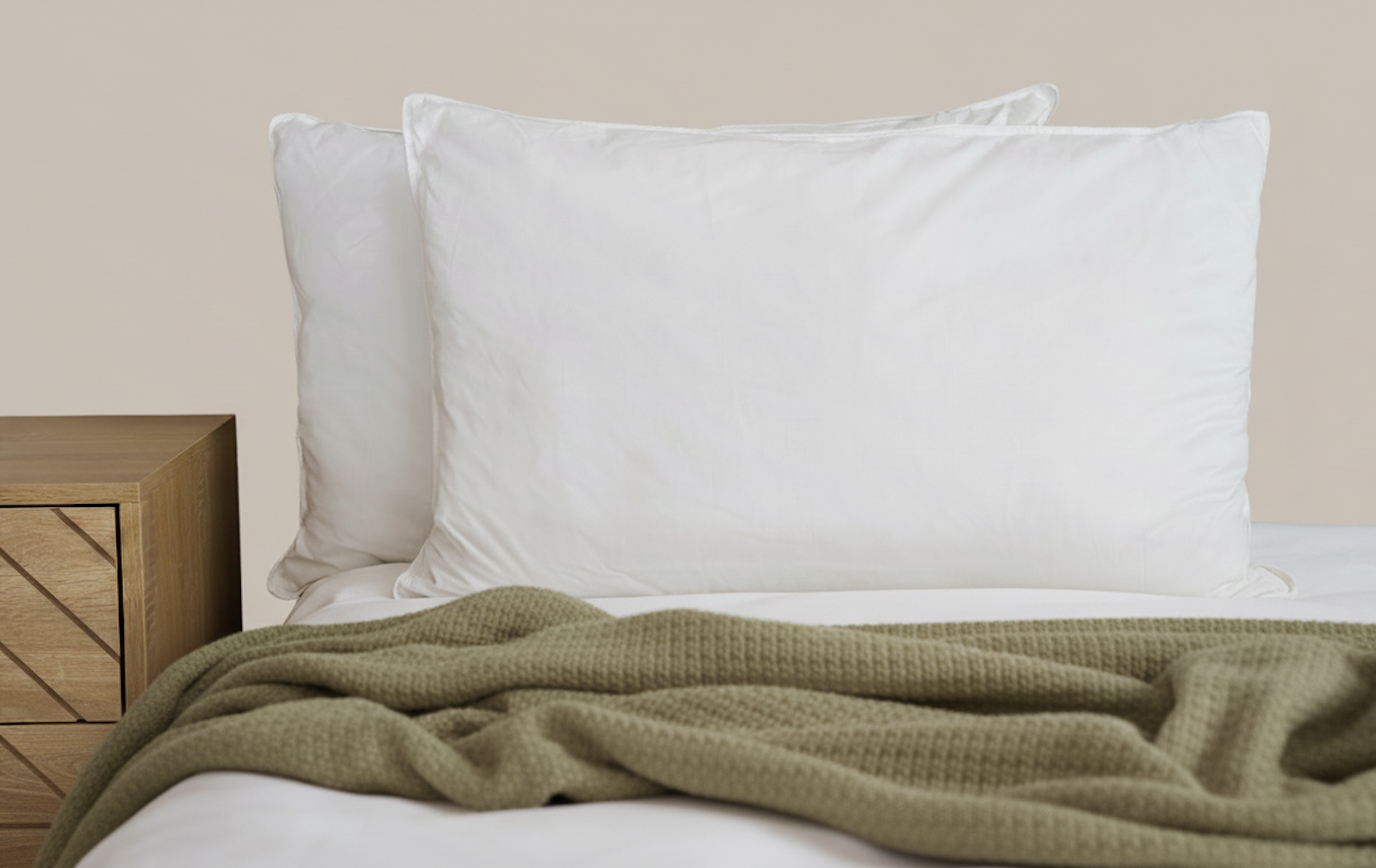
Wool-filled pillows provide firm, resilient support that maintains shape exceptionally well over the years of use. The natural spring of wool fibres means these pillows don’t flatten in the way synthetic fills do, offering consistent support night after night.
This makes wool pillows particularly suitable for side sleepers who need substantial loft to keep their spine aligned, or back sleepers requiring firm support under the neck. British wool pillows excel at temperature regulation, staying cool in summer and warm in winter without the heat trapping issues common with memory foam alternatives.
Feather and Down Pillows: Adjustable Luxury
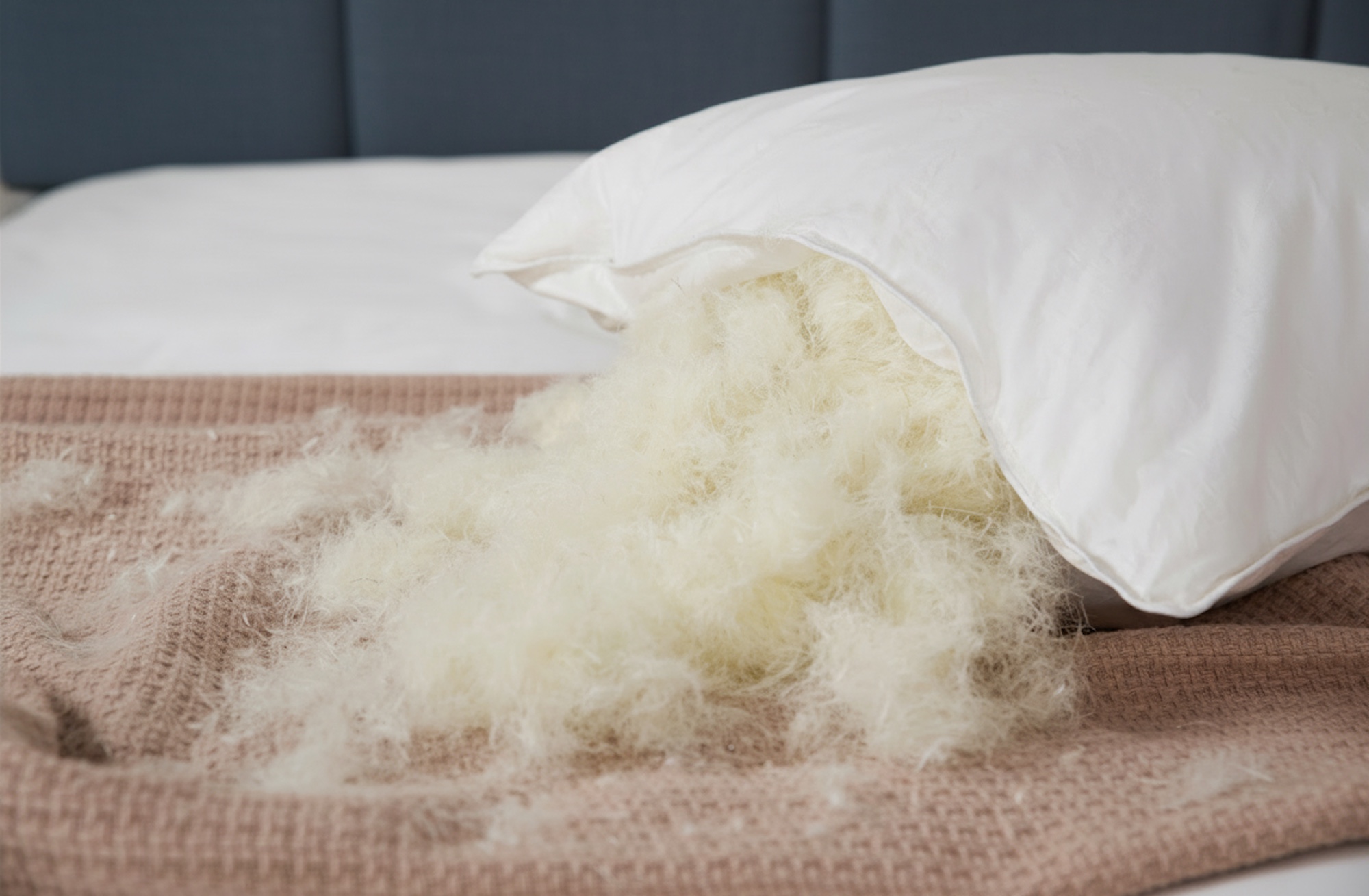
Feather and down pillows offer adjustability and luxurious softness for those preferring gentle cradling comfort. The ratio of feather to down determines support level:
• Higher feather content creates firmer support and more structure
• Higher down content creates softer, more compressible pillows
• Combination pillows with a feather core for structure surrounded by a down layer for comfort provide excellent balance
Matching Pillows to Sleep Position
When selecting feather and down pillows, consider your sleeping position carefully:
• Side sleepers typically need plumper, firmer pillows with higher feather content to fill the space between shoulder and head, maintaining neutral spine alignment
• Back sleepers suit medium loft pillows with balanced feather and down ratios
• Front sleepers require thinner, softer pillows to avoid neck strain caused by excessive elevation
Cotton Pillows: Cool and Breathable
Cotton filled pillows provide a cooler, neutral option for those who find wool too warm or prefer to avoid animal products. Natural cotton breathes effectively, wicking moisture away whilst staying cool against skin. Cotton pillows suit warm sleepers or those living in well heated homes where temperature regulation matters more than insulation.
Why Natural Fibre Bedding Suits Natural Fibre Mattresses Perfectly
Whilst natural fibre duvets and pillows work beautifully with any quality mattress, they’re specifically designed to complement natural fibre mattress collections. Our Artisan and Origins mattresses contain carefully selected natural materials chosen for breathability and temperature regulation.
When you pair a natural down and feather or wool duvet with a natural fibre mattress, you create a complete sleep system where every element breathes and adapts to your body’s needs.
Synthetic Bedding Negates Mattress Benefits
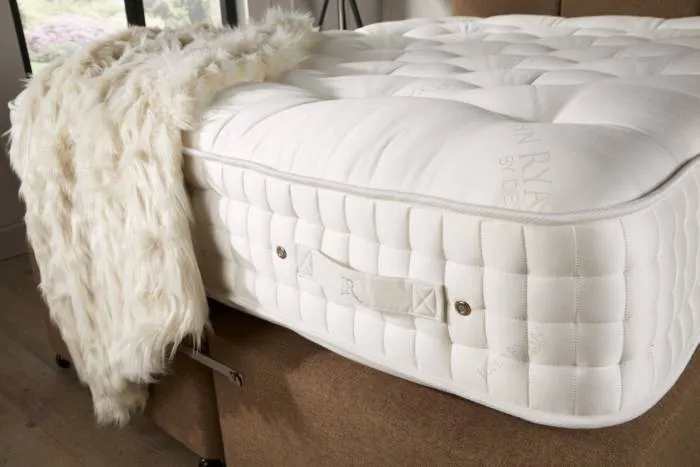
Synthetic duvets trap heat and moisture that natural fibre mattresses are designed to manage, essentially negating the benefits you’ve invested in. If your mattress contains wool, horsehair, silk, or other breathable materials, covering it with polyester bedding blocks the air circulation these materials require to perform optimally.
It’s analogous to buying an expensive breathable waterproof jacket then wearing a plastic raincoat over it; you’ve completely undermined the technology you paid for.
Synergistic Performance
Natural duvets permit the air circulation your mattress requires whilst adding their own temperature regulating properties to the system. The combined effect creates an environment where moisture wicks away efficiently, temperature stays regulated throughout the night, and you experience genuinely restorative sleep rather than waking repeatedly to adjust covers or flip pillows searching for cool spots.
What to Look for When Purchasing Natural Fibre Bedding
Quality Indicators for Wool Duvets
Not all natural fibre bedding offers equal quality or performance. Understanding what specifications matter helps you avoid expensive mistakes and ensures you receive genuine value for your investment.
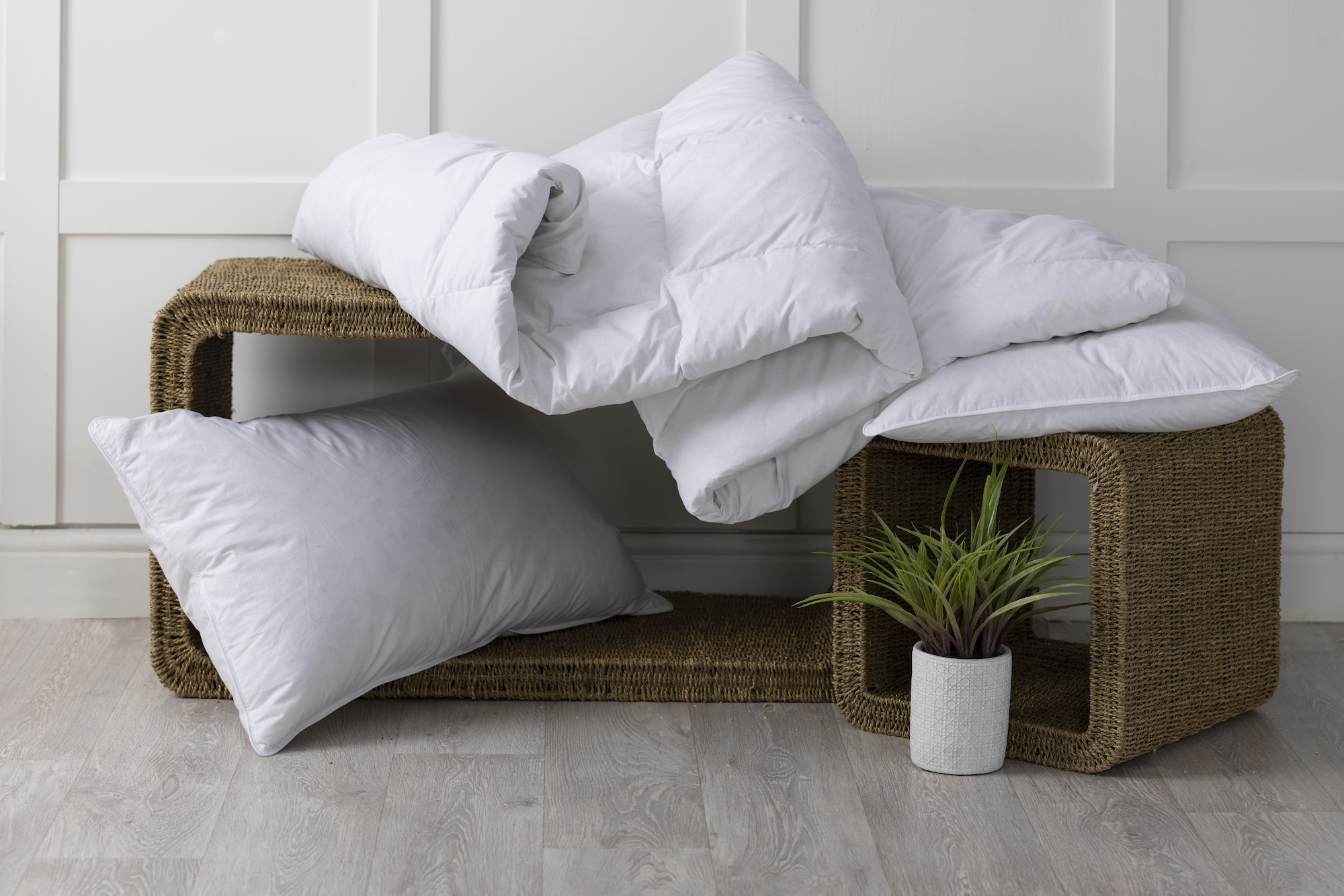
For Wool Duvets, look for:
• British wool with full traceability to specific farms rather than imported wool of unknown origin
• Minimal chemical processing with no bleaching or harsh treatments
• Pure cotton covers at approximately 230 thread count to permit breathability
• Appropriate tog ratings: lightweight (4-7 tog) for warm sleepers, medium weight (8-12 tog) for year round versatility, winter weight (13+ tog) for those who feel cold
Quality Indicators for Down and Feather Duvets
For Duck Down and Feather Duvets, look for:
• Sensible down to feather ratios (our 85/15 provides excellent warmth and structure at fair pricing)
• Baffle box construction that prevents fill migration and cold spots
• Down proof cotton covers at 230 to 250 thread count
• Appropriate tog rating: 4.5 tog for summer, 10.5 tog for autumn/spring, 13.5 tog for winter
Selecting Natural Fibre Pillows
For Natural Fibre Pillows, consider:
• Your sleeping position first (side sleepers need firmer, higher loft; back sleepers need medium; front sleepers need thin)
• Wool pillows for firm, consistent support with excellent temperature regulation
• Feather and down pillows for softer, adjustable comfort
• Cotton pillows for cool, breathable neutrality
Universal Quality Standards
General Quality Indicators:
• British manufacture supporting local craftsmanship whilst reducing carbon footprint
• Hand crafting ensuring quality control mass production cannot match
• Ethical sourcing with full traceability
• Comprehensive guarantees (five years minimum)
• Minimal chemical treatments, no flame retardants or synthetic covers
Making the Investment: Cost vs Value Over Time
Natural fibre duvets and pillows require higher initial investment than synthetic alternatives, causing some consumers to opt for cheaper options that seem like sensible economy. This thinking fails to account for replacement frequency and the cumulative cost of repeatedly purchasing inferior products.
20 Year Cost Comparison
A quality British wool duvet costs approximately £200 to £400 depending on size and weight. With proper care, this duvet lasts 15 to 20 years, potentially longer. That’s £10 to £26 per year for genuinely superior sleep quality.
A synthetic duvet costs £30 to £80 and requires replacement every two to three years as it compresses and loses effectiveness. Over 20 years, you’ll purchase six to ten synthetic duvets at £180 to £800 total cost whilst experiencing inferior temperature regulation and comfort throughout.
The Unquantifiable Value
The health and wellbeing benefits add value that’s difficult to quantify financially:
• Better sleep quality improves cognitive function, mood, immune response, and overall health
• Reduced exposure to dust mites benefits those with allergies or asthma
• Environmental impact matters if you care about sustainability and reducing plastic pollution
Our Natural Fibre Bedding Collection
Our lightweight British wool duvet delivers exceptional temperature regulation for warm sleepers or summer use, with 4 to 7 tog equivalency that adapts dynamically to conditions. For those seeking classic comfort with substantial warmth, our duck down and feather duvet in 10.5 tog provides autumn and spring perfection with traditional luxury feel.
Both options come with comprehensive five year guarantees and 60 day Love It or Return It trials, allowing you to experience the difference natural fibres make without risk.
Natural Fibre Pillows
We offer natural fibre pillows in wool, duck down and feather, and cotton options to suit different sleeping positions and preferences. Each is handcrafted to the same standards as our duvets, with breathable cotton covers and resilient fills that maintain support far longer than synthetic alternatives that compress disappointingly within months.
Summary
The bedding choices you make directly affect sleep quality, health, and environmental impact. Synthetic duvets and pillows might appear cost-effective initially, but their short lifespan, poor temperature regulation, heat-trapping properties, and environmental harm make them genuinely poor value.
The microplastic pollution, dependence on petroleum, and rapid deterioration that necessitates frequent replacement create cumulative costs (financial, personal, and environmental) that far exceed any initial savings.
Natural fibre duvets and pillows represent investments in genuinely better sleep. British wool’s temperature regulation and moisture wicking create comfortable conditions throughout the night. Duck down and feathers provide classic luxury with breathable warmth. Both options last years or decades rather than months, maintaining performance characteristics that synthetic alternatives lose quickly.
Dreaming of the perfect nights sleep?
Ask us a question
There are over 6000 questions and answers submitted by you on all questions about mattresses and bed problems. Enter a keyword such as Vi Spring, John Lewis beds, bad back or Memory Foam and see if your question has already been answered.
If you can’t find an answer in knowledge hub, ask a new question. We aim to respond to all questions within one working day.
Newsletter
Enter your email to join our newsletter. We’ll send you occasional news and mattress expertise.