







Mattress Tips
February 2026Reasons Why You Need to Get Yourself a King Size Bed!
This comprehensive guide examines everything you need to know about UK king-size beds in 2026.
We’ll cover precise dimensions and how they compare to double and super king sizes, room size requirements and planning considerations, the genuine sleep quality benefits supported by research, when upgrading makes sense (and when it doesn’t), mattress specifications that actually matter, bedding cost implications, and clear guidance on choosing the rightking-sizee mattress for your specific needs.
After 25 years of making mattresses here in the UK, we know the difference between marketing claims and genuine benefits, so this guide focuses on what actually matters for sleep quality rather than sales rhetoric.
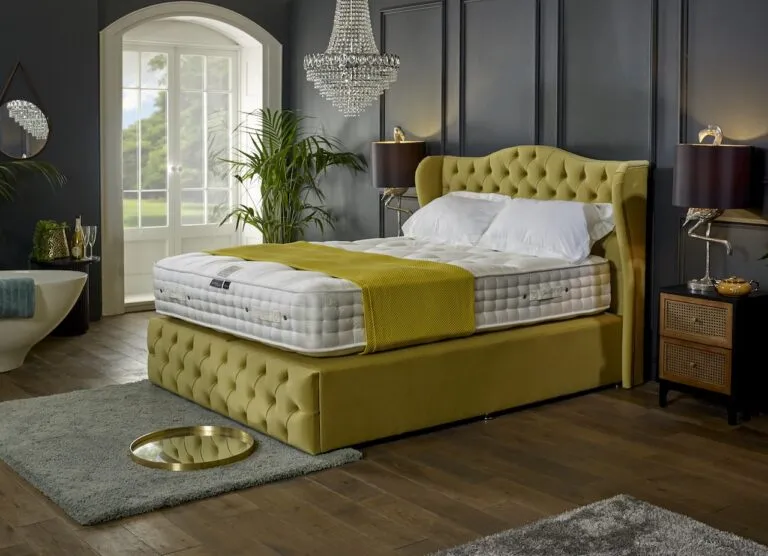
Most British couples still sleep in standard double beds measuring just 135cm x 190cm. That gives each person 67.5cm of width, which is the same space we allocate to babies in cots.
If you or your partner weighs over 12 stone, sleeps on your side with arms extended, or moves more than twice per hour during sleep (which research shows is entirely normal), then a double bed genuinely compromises sleep quality. The question isn’t whether kking-sizeoffers more space. Obviously, it does.
The questions are: does that extra space meaningfully improve your sleep, does it justify the additional cost, and will it actually fit in your bedroom?
UK king-size bed dimensions: exact measurements and size comparisons
A UK king-size bed measures precisely 150cm wide by 200cm long, which translates to 5 feet by 6 feet 6 inches in imperial measurements. This makes it 15cm wider and 10cm longer than a standard UK double bed (135cm x 190cm), whilst remaining 30cm narrower than a super king size bed (180cm x 200cm). The additional 15cm width is the critical measurement because it dramatically changes the sleeping experience for couples, whilst the extra 10cm length benefits anyone taller than 5’11”.
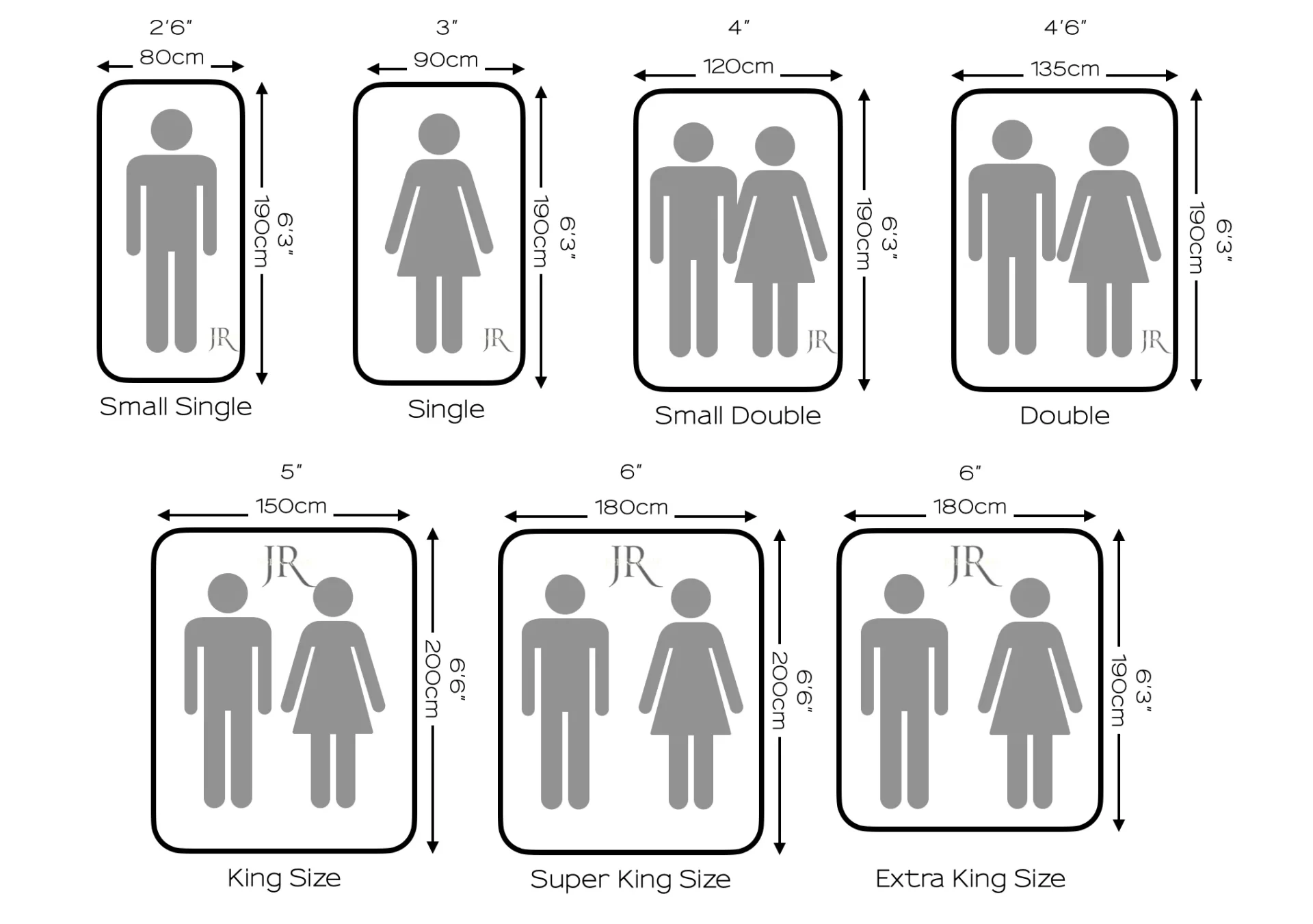
Understanding what these measurements actually mean for sleep quality requires breaking down the allocation of personal space. In a standard double bed measuring 135cm wide, each person receives just 67.5cm of personal width. That’s 2 feet 3 inches, which is genuinely the same space allocation we give babies in cots. For adults weighing 10-16 stone and measuring 5’4″ to 6’2″, this creates genuine spatial constraints.
When you sleep on your side with your arm extended (the most common UK sleeping position), you need approximately 70-75cm of width to avoid either touching your partner or hanging your elbow off the mattress edge. A double bed cannot provide this for two people simultaneously.
Why do you need a king-size bed?
A king-size bed fundamentally changes this equation. At a total width of 150 cm, each person receives 75cm of personal space. This might seem like a modest 7.5cm improvement per person (from 67.5cm to 75cm), but that additional space creates a buffer zone between sleepers that dramatically reduces disturbance from movement. Research conducted by the National Bed Federation in 1995 showed that couples sleeping in larger beds experienced fewer sleep disruptions and reported better rest quality.
More recent surveys in 2023-2024 found that couples who upgraded from a double to a king-size bed reported 55% fewer arguments, specifically about space and sleep disturbance.
The 10cm additional length (from 190cm to 200cm) matters particularly for taller sleepers. Sleep ergonomics research recommends that beds should be at least 10cm longer than the tallest person sleeping in them. Anyone over 5’11” (180cm) technically exceeds the comfortable length of a standard double bed. During sleep, the spine elongates by approximately 2cm as it decompresses from daytime gravitational pressure.
This means a 6’0″ person (183cm) effectively becomes 185cm during sleep, leaving just 5cm clearance at the foot of a 190cm double mattress. A 200cm king-size provides proper clearance without feet touching the footboard or requiring leg curling.

Visual size comparison: understanding the actual footprint
| Bed Size | Width | Length | Width Per Person (couple) | Total Sleep Area |
|---|---|---|---|---|
| UK Double | 135cm (4’6″) | 190cm (6’3″) | 67.5cm (2’3″) | 2.565 m² |
| UK King | 150cm (5’0″) | 200cm (6’6″) | 75cm (2’6″) | 3.0 m² |
| UK Super King | 180cm (6’0″) | 200cm (6’6″) | 90cm (3’0″) | 3.6 m² |
| UK Small Double | 120cm (4’0″) | 190cm (6’3″) | 60cm (2’0″) | 2.28 m² |
The king size offers 17% more total sleep area than a double (3.0 m² vs 2.565 m²), but more importantly, it provides that critical extra personal width that transforms the sleeping experience for couples. The super king takes this further, offering 20% more space than king size, but requires significantly larger bedrooms and comes with substantially higher costs for both the mattress and bedding.
Why UK dimensions differ from US and European sizing
If you’re shopping internationally or considering imported bed frames, understanding regional size variations is essential. A US king-size bed measures 193cm x 203cm (76″ x 80″), making it actually 43cm wider than a UK king but only 3cm longer. This creates fitting problems if you purchase an American king bed frame expecting it to accommodate a UK king mattress, as you’ll have significant gaps. Similarly, a US California King measures 183cm x 213cm, prioritising length over width, which suits very tall sleepers but doesn’t exist in standard UK sizing.
European sizing adds another layer of complexity. A European King (sometimes called a Continental King) measures 160cm x 200cm, sitting between a UK King and a UK Super King. France and Spain often use 140cm x 190cm as their standard double, whilst Germany and Scandinavian countries tend toward 160cm x 200cm or larger. If you’re purchasing from IKEA, be aware that they use European sizing conventions, so their “King” is 160cm wide, not the UK standard 150cm.

This matters particularly when buying bedding, frames, or complete bed packages. Always verify the actual centimetre measurements rather than relying on size names like “King” or “Queen,” as these vary dramatically between regions. For this article, all references to king size mean UK King at 150cm x 200cm unless specifically stated otherwise.
The ten compelling reasons to upgrade to a king-size bed
Marketing rhetoric aside, there are genuine benefits to upgrading to king size, but they’re specific and contextual rather than universal. Here’s what actually matters, based on sleep research, customer feedback from 25 years of mattress-making, and ergonomic studies, rather than sales pitches.
Reason 1: Dramatically reduced sleep disturbance for couples
The average person moves 60 to 70 times per night during normal sleep, changing position to relieve pressure points, adjust temperature, or transition between sleep stages. When you share a 135cm wide double bed, your partner is never more than 67.5cm away from you, which means many of those movements create disturbance through motion transfer, temperature changes from proximity, or direct physical contact.
Research by the National Bed Federation found that couples in double beds reported being woken by their partner’s movements an average of 3 to 5 times per week, with some experiencing nightly disruptions.

A king-size bed creates a buffer zone between sleepers, dramatically reducing these disturbances. The additional 15cm width means you can each occupy your 75cm personal space with a small gap between you, or you can choose to sleep closer together whilst still maintaining the option to move apart during the night without leaving the mattress entirely. Motion transfer reduction matters particularly if one partner is a restless sleeper, works night shifts (which require different sleep schedules), or has health conditions that cause frequent position changes, such as pregnancy, back pain, or restless leg syndrome.
The benefits of temperature regulation shouldn’t be underestimated either. Two bodies in proximity generate significant heat, and if you’re both moderate to hot sleepers, the lack of space for air circulation in a double bed can create genuine discomfort. A king-size allows you to maintain distance during warmer months or when you naturally sleep hot, whilst still permitting closeness during colder periods. This flexibility in proximity is what couples report as the most valuable benefit of upgrading, rather than just “more room” in abstract terms.
The relationship benefits extend beyond just sleep quality. Surveys of couples who upgraded from double to king size reported 55% fewer arguments specifically related to space, disturbance, or sleep quality. When you’re both sleeping well, you’re more patient, more emotionally regulated, and better able to navigate relationship stresses. Poor sleep, conversely, reduces emotional regulation, increases irritability, and makes conflict resolution more difficult. The connection between bed size and relationship harmony isn’t marketing fiction; it’s documented in relationship counselling research and sleep science studies.
Reason 2: Proper space for different sleeping positions without compromise
Sleep position preferences vary dramatically between individuals, and couples rarely share identical preferences. Side sleeping (the most common UK position, preferred by approximately 60% of sleepers) requires the most width because your shoulders and hips extend laterally when lying on your side. A side sleeper with arms extended forward needs approximately 70-75cm of width to maintain comfortable alignment without either touching a partner or hanging limbs off the mattress edge.
Back sleeping requires less width (approximately 60-65cm) but benefits from arm extension space. Many back sleepers naturally extend their arms overhead or out to the sides during deeper sleep stages. In a double bed with a partner, this arm extension either disturbs your partner or forces you to keep your arms close to your body, creating shoulder tension and restricting natural positioning. Stomach sleepers need the most length (as they often angle diagonally) and benefit from width for comfortable leg positioning.

The problem compounds when couples have different position preferences. If one partner is a side sleeper needing 70-75cm width and the other is a back sleeper with arms extended, a 135cm double bed literally cannot accommodate both simultaneously without compromise. One or both partners must constrain natural positioning, which reduces sleep quality by increasing muscle tension, causing pressure-point stress, and reducing comfort. A king-size bed at 150cm wide genuinely solves this geometric problem, allowing both partners to maintain their preferred positions throughout the night.
Combination sleepers (those who change positions multiple times per night, which research shows includes approximately 40% of adults) benefit even more dramatically. If you typically start on your side, transition to your back midway through the night, and wake up on your stomach, you’re moving through three different positions, each requiring a different space configuration. In a double bed with a partner, these transitions often wake either of you due to spatial constraints. A king-size provides adequate width and length for position changes without disturbance.
Reason 3: Better sleep quality equals measurable health benefits
Sleep quality isn’t a luxury or lifestyle preference; it’s a fundamental health requirement with measurable impacts on physical and mental wellbeing. When couples report better sleep after upgrading to king size, they’re not just enjoying more comfort. They’re experiencing genuine health improvements through deeper sleep, fewer disturbances, and more complete sleep cycles.
Research consistently shows that sleep disruption prevents progression through proper sleep stages, particularly REM (rapid eye movement) and deep sleep, which are essential for cognitive function, memory consolidation, emotional regulation, and physical recovery. When your partner’s movements wake you even briefly (often without full conscious awareness), your sleep cycle resets, preventing you from reaching or maintaining deep sleep stages. Chronic sleep disruption, even at sub-awakening levels, accumulates into what’s called “sleep debt” that impairs function and increases health risks.
The health impacts of inadequate sleep include increased cardiovascular disease risk, impaired immune function, weight gain through metabolic and hormonal changes, increased diabetes risk, accelerated cognitive decline, and significantly increased depression and anxiety risk. Whilst bed size alone doesn’t determine sleep quality (mattress comfort, room environment, stress levels, and health conditions all matter), it removes a specific, addressable obstacle to quality sleep for couples sharing a bed.
The benefits of spinal alignment deserve particular mention. When you’re constrained into uncomfortable positions due to a lack of space, your spine cannot maintain proper neutral alignment. This can cause or exacerbate back, neck, and joint pain. Proper space allows natural spinal positioning, reduces pressure points, and supports the spine’s natural overnight elongation and decompression. For anyone with existing back problems, shoulder issues, or joint pain, adequate sleeping space isn’t a luxury; it’s a therapeutic necessity.
Reason 4: Perfect accommodation for families with young children
If you have young children, the reality of family life includes kids climbing into your bed for morning cuddles, comfort during nightmares, or co-sleeping arrangements during illness. A double bed makes these moments cramped and uncomfortable for everyone involved. A king-size bed genuinely accommodates parents plus one or two young children without anyone feeling squashed or falling off the edges.
The morning cuddle scenario alone justifies king size for many families. Weekend mornings where children join parents for stories, snuggling, or just bonding time are precious, but they’re significantly less pleasant when everyone’s uncomfortably squeezed together. A king-size bed creates space for these family moments without the physical discomfort that can cut them short. Similarly, when a child has a nightmare at 2 am and needs parental comfort, bringing them into a king-size bed allows everyone to return to sleep rather than spending the rest of the night uncomfortably wedged together.

Co-sleeping considerations matter even for families who don’t routinely co-sleep. During illness, teething, developmental leaps, or stressful periods, many parents find bringing children into their bed for a night or two helps everyone rest better. Safe co-sleeping requires adequate space to prevent accidental rolling onto infants or toddlers. Whilst dedicated co-sleeping arrangements (bedside cribs, sidecar arrangements) are recommended for routine use, having a king-size bed provides space for occasional, safe co-sleeping when circumstances warrant.
As children grow older, the bedroom often becomes a family gathering space for weekend movie mornings, reading together, or simply spending downtime. A king-size bed provides a comfortable space for these activities that a double bed cannot match. The psychological comfort of having adequate physical space during bonding time shouldn’t be underestimated; cramped quarters create physical discomfort that distracts from emotional connection.
Pets present similar considerations. If you have dogs or cats that sleep on the bed (and research shows that approximately 45% of UK pet owners allow this), a king-size bed makes this arrangement significantly more comfortable for everyone. A large dog on a double bed with two adults creates genuine spatial problems. On a king-size, there’s room for everyone without constant position negotiation during the night.
Reason 5: Cost-per-night value makes the investment sensible
The initial price difference between double and king-size mattresses typically ranges from £100 to £300, depending on the quality tier and specifications. This might seem substantial, but analysing it on a cost-per-night basis over the mattress’s lifespan reveals the actual investment is minimal. Let’s examine realistic numbers rather than marketing hypotheticals.
Consider a quality double mattress priced at £1,095 compared to the king size at £1,295, a £200 difference. Over a 12-year lifespan (realistic for a quality two-sided natural fibre mattress with proper maintenance), that’s 4,380 nights of use. The £200 premium equals approximately 4.6 pence per night. If you want to analyse it per person for a couple, it’s 2.3 pence per person per night for an upgraded space and improved sleep quality. Even the most budget-conscious households spend more on daily coffees.
The value proposition strengthens when you consider alternatives. Many couples considering space issues consider buying a second mattress for a spare bedroom so each partner can escape when the other’s snoring or movement becomes intolerable. A second double mattress costs £600-£1,200, depending on quality, plus bedding, and requires dedicating an entire room to separate sleeping arrangements. Upgrading toa king-sizee mattress costs less whilst maintaining shared sleeping and relationship benefits.
Comparethe cost of a bed to other household purchases. Most people readily spend £800-£2,000 on living room sofas, £600-£1,500 on televisions, a nd £400-£1,000 on kitchen appliances, yet baulk at spending £1,200-£1,600 on a qualityking-sizee mattress despite using the mattress approximately 3,000 hours per year compared to 500-1,000 hours for the sofa. By pure usage time, mattresses represent extraordinary value even at premium prices.
The health cost savings from better sleep quality are difficult to quantify precisely, but very real. Poor sleep increases sick days, reduces work productivity, increases accident risk, and contributes to chronic health conditions that generate substantial medical costs over time. Whilst a king-size bed alone doesn’t guarantee perfect sleep, removing spatial constraints as a sleep quality obstacle provides a measurable benefit worth far more than the few pence per night investment.
Frame and bedding costs do increase proportionally, so factor these into total cost calculations. King-size bed frames typically cost £50-£150 more than equivalent double frames. -King-size bedding (sheets, duvet covers, mattress protectors) costs approximately 20-30% more than -ed bedddouble-sized. Over 12 years, this adds perhaps £300-£500 in accumulated bedding replacement costs. Total additional investment over 12 years: approximately £700-£950, including mattress, frame, and bedding, or 5.8 pence per night. For most households, this represents excellent value for improved sleep quality and reduced disturbance.
Reason 6: Proper accommodation for larger or taller sleepers
Sleep ergonomics recommendations specify that beds should be at least 10cm longer than the tallest person using them, and provide adequate width for comfortable positioning without constraint. Anyone over 5’11” (180cm tall) technically exceeds comfortable sleeping length on a standard 190cm double bed when you account for the spine’s natural 2cm elongation during sleep. For couples where one or both partners exceed 5’11”, a 200cm king size isn’t luxury, it’san ergonomic necessity.

Width considerations matter equally for larger body types. A person weighing 14-18 stone (89-114 kg) requires more space for comfortable side sleeping than someone weighing 9-12 stone, simply because of broader shoulders, a larger hip circumference, and greater lateral space occupation when lying down. When both partners fall into larger size categories, the 67.5cm personal width allocation in a double bed creates genuine spatial problems that no mattress comfort level can solve. You need more physical room.
The age and weight change factor should be considered when purchasing mattresses with 10-15 year lifespans. Many couples purchase their first shared mattress in their twenties or early thirties, when they are at a lower body weight, and maintain it into their forties. Natural weight gain that occurs with ageing (through metabolism changes, reduced activity levels, lifestyle changes) means the mattress that felt spacious at 25 may feel cramped at 40. Buying a king-size mattress from the start accommodates likely body changes over the mattress’s lifespan, rather than needing a replacement solely because of changed spatial requirements.
Pregnancy presents specific spatial needs that makea king-size valuable for couples planning families. During pregnancy, particularly in the third trimester, women often need substantial space to position pillows to support the bump, reduce pressure on the hips and back, and allow frequent position changes as comfort becomes increasingly difficult to achieve. Many pregnant women report that sharing a double bed with a partner during pregnancy doesn’t provide adequate space for the pregnancy support pillows and position adjustments needed. A king-size accommodates a pregnant person and a partner without forcing anyone off the mattress.

The spine elongation during sleep mentioned earlier deserves emphasis because it affects everyone, not just tall sleepers. During the day, gravity compresses the spine’s intervertebral discs, reducing overall height by up to 2cm. During horizontal sleep, the spine decompresses and returns to its natural length. This elongation requires adequate mattress length to occur properly. If your feet are already touching the footboard or hanging off the mattress end at your compressed daytime height, the overnight elongation means you’re sleeping in a constrained position that prevents proper spinal decompression and recovery.
Reason 7: Enhanced bedroom aesthetics and psychological luxury feel
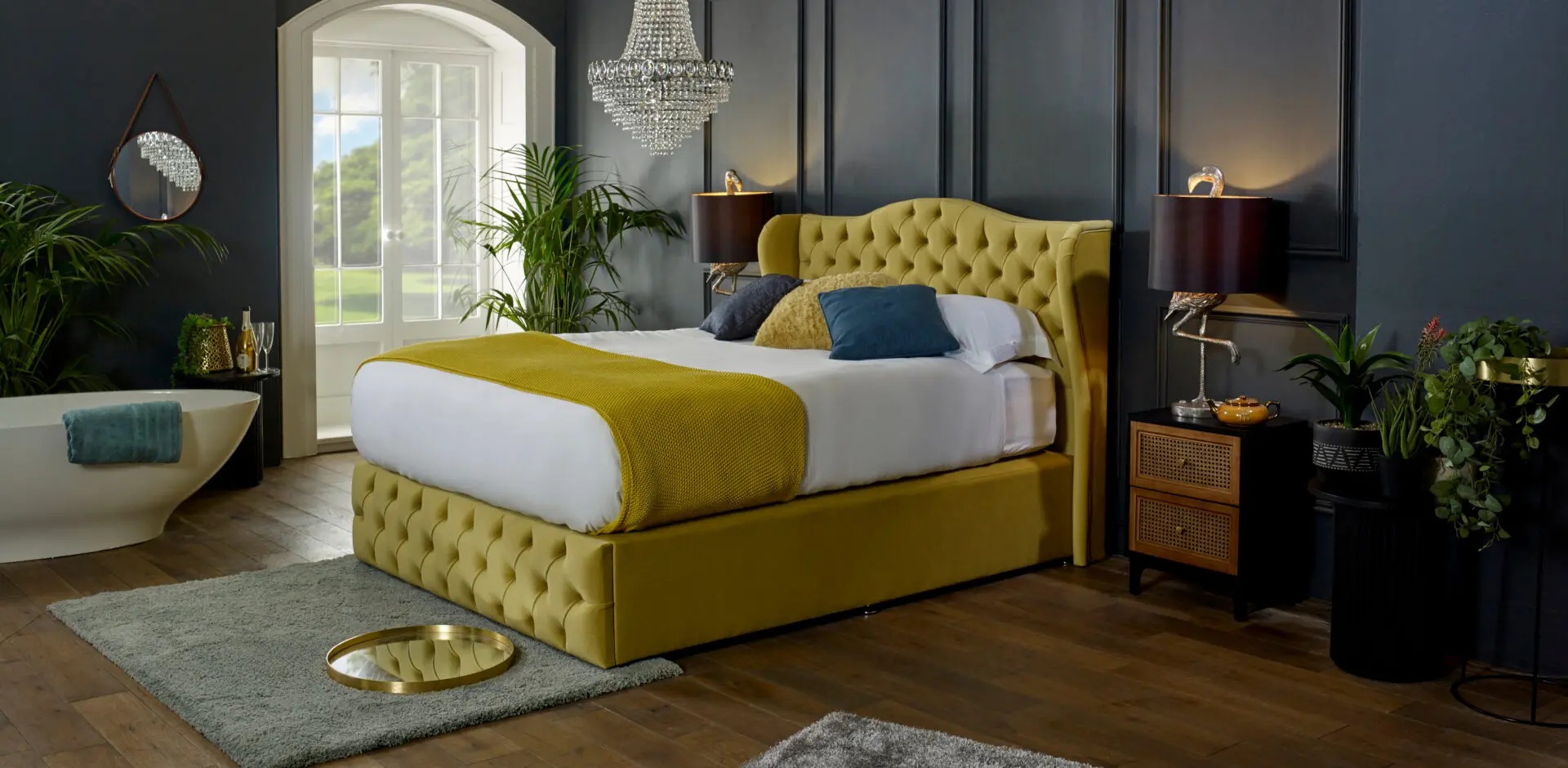
Bedroom proportions and visual balance matter more than many people initially consider. A king-size bed serves as the natural focal point of a main bedroom, creating a balanced, visually pleasing aesthetic that smaller beds cannot match in larger rooms. Supposef your bedroom measures 3.5m x 4m or larger, a double bed (135cm x 190cm) looks disproportionately small and creates awkward space that’s difficult to furnish cohesively. A king-size bed at 150cm x 200cm fills that space appropriately, whilst still leaving room for bedside tables, dressers, and circulation space.
The hotel room experience provides a useful reference here. Premium hotels almost exclusively use king-size beds in their standard rooms and super king-size beds in suites specifically because they understand the psychological impact of a substantial, luxurious-looking bed on guest satisfaction. Guests associate larger beds with quality, comfort, and value, regardless of the mattress’s specifications. Bringing that hotel-room luxury feel into your home doesn’t require thousand-pound-per-night room rates; it requires allocatingthe proper bed size to your main bedroom.
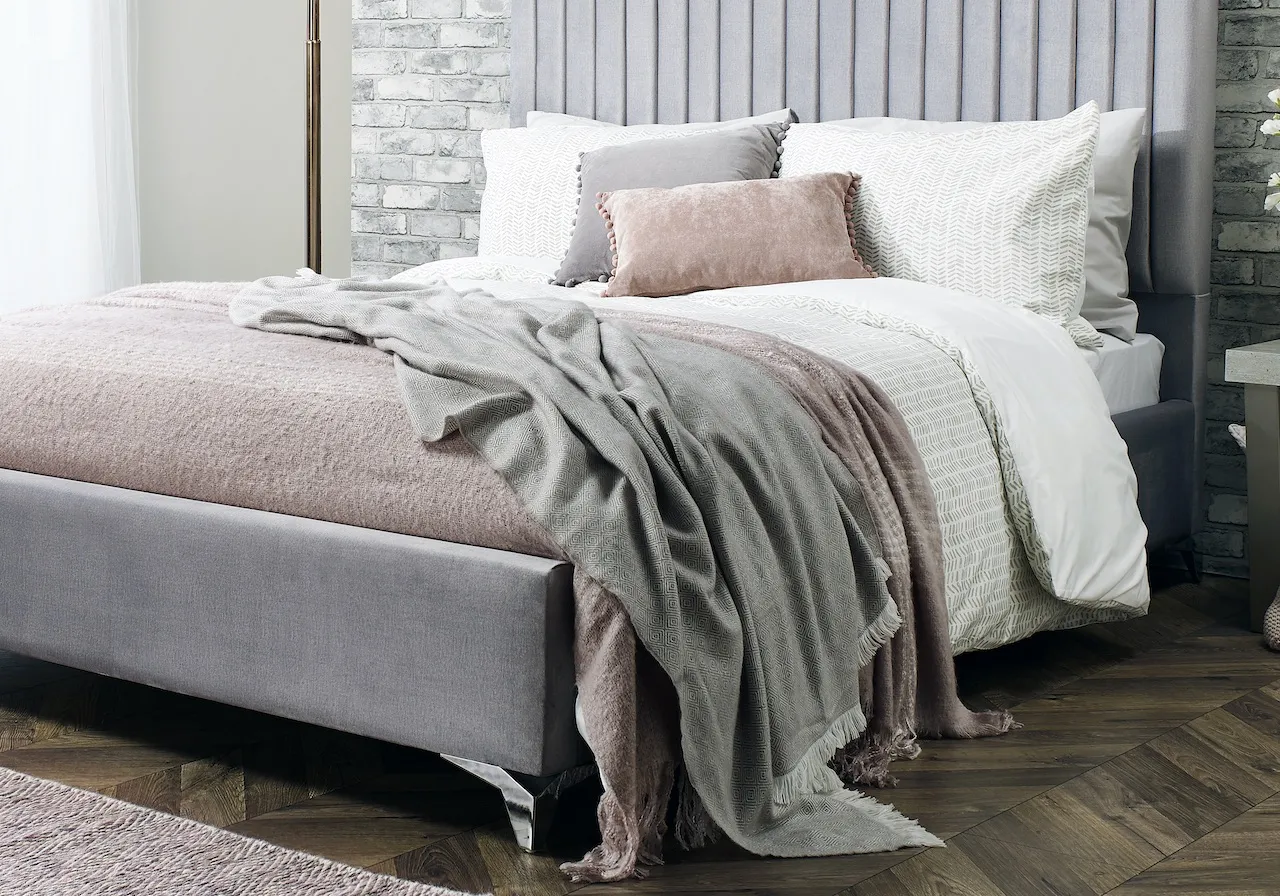
Styling opportunities expand significantly with kking-sizeproportions. Multiple pillow arrangements, decorative cushions, throws, and layered bedding that look cluttered and cramped on a double bed achieve balanced, magazine-worthy aesthetics on a king. If you enjoy creating a styled bedroom environment or want your bedroom to feel like a retreat rather than just a functional sleeping space, the larger canvas of a king-size bed makes that vision achievable without everything looking squeezed or forced.
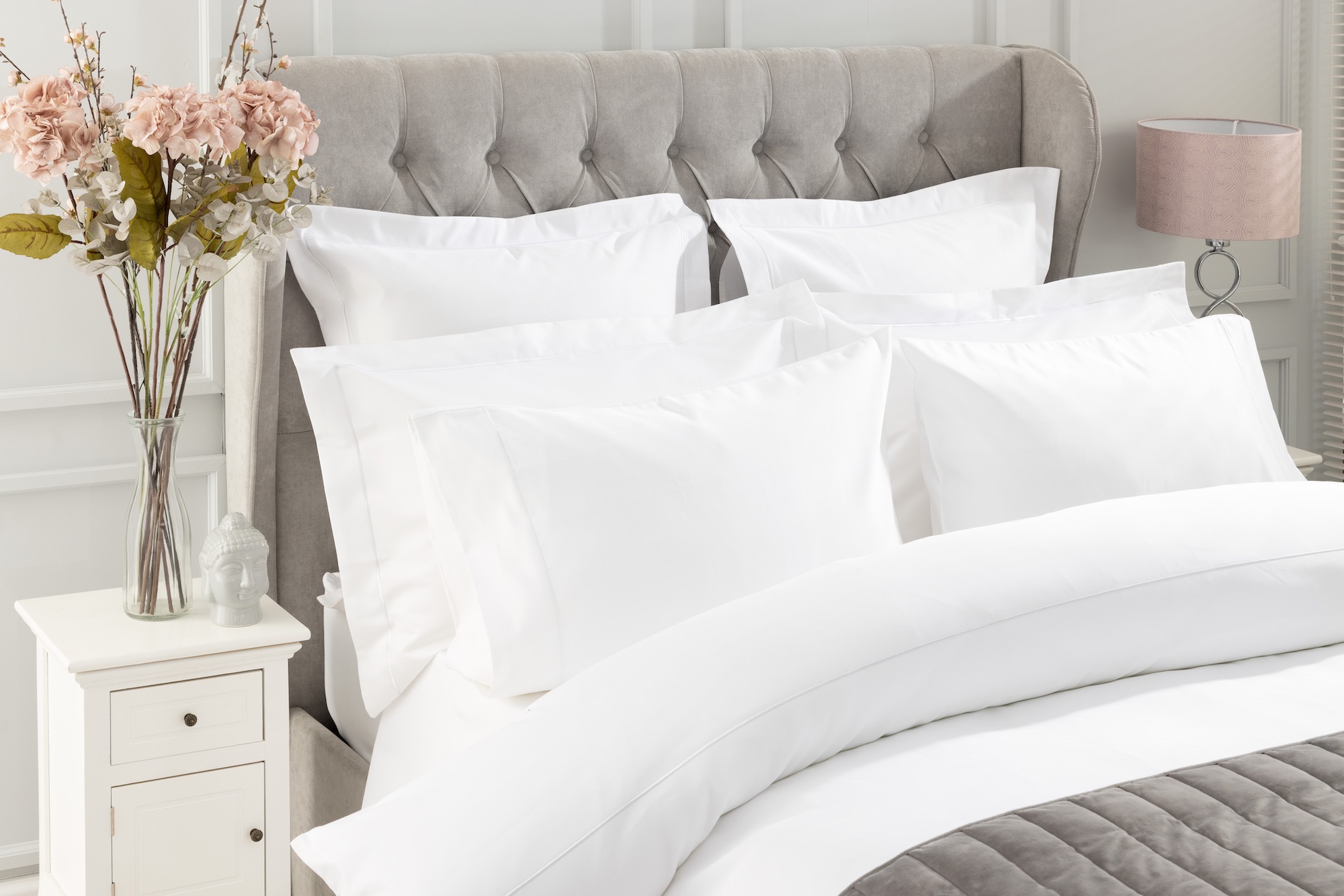
The psychological perception of space independently affects sleep quality, regardless of physical constraints. Studies in environmental psychology show that people report better rest and a more positive mood in environments they perceive as spacious, comfortable, and aesthetically pleasing compared to environments they perceive as cramped or cluttered. If you look at your bedroom and bed and think “this feels cramped,” that psychological perception may affect your sleep quality, independent of any physical spatial constraints. A king-size bed in an appropriately sized room creates a visual and psychological sense of spaciousness that supportsrelaxationt.
Reason 8: Alignment with European trends toward better sleep prioritisation
The UK has historically lagged behind other European nations in bed size preferences, but that trend is shifting rapidly. Countries including Holland, Belgium, Finland, Switzerland, and Germany have preferred 160cm or wider beds as standard for couples for decades, whilst the UK maintained 135cm doubles as the norm. Recent data shows UK preferences changing dramatically, with king-size mattresses now accounting for 28% of total mattress sales, up from just 12% in 2000. This represents a cultural shift toward prioritising sleep, aligning with broader European practices.
This trend reflects growing awareness of sleep science research demonstrating the health impacts of quality sleep and the specific benefits of adequate sleeping space for couples. As public health campaigns, medical research, and mainstream media coverage have emphasised sleep’s crucial role in physical, mental, and overall wellbeing, consumers have begun investing more appropriately in sleep environments. Choosing a larger bed isn’t keeping up with lifestyle trends; it’s making an evidence-based decision supported by research.
The acceleration of this trend in the 2020s connects to pandemic-related changes in home life. With more people working from home, bedrooms have become multi-functional spaces for work, relaxation, and sleep. Beds serve not just as sleeping surfaces but as locations for reading, working on laptops, watching television, and spending leisure time. This expanded bedroom usage has driven increased valuation of comfortable, spacious beds that accommodate these diverse uses rather than purely functional sleeping.
Economic prosperity patterns partly explain the historical prevalence of double beds in the UK. When housing sizes were smaller and disposable income lower, smaller beds made economic sense. As housing has expanded (particularly in new-build homes with larger master bedrooms) and household income has increased, the economic barriers to taking sizeable beds have diminished whilst the space to accommodate them has grown. You’re not falling for marketing or lifestyle inflation by choosing a king-size; you’re making a purchase that aligns with contemporary living standards and evidence-based sleep science.
Reason 9: Better accommodation for restless sleepers and frequent movement
Some people naturally move more during sleep than others, changing position frequently due to unconscious comfort-seeking, lighter sleep stages, or physical conditions like restless leg syndrome. If you or your partner are restless sleepers, the spatial constraints of a double bed turn every movement into a potential disturbance for the other person. The additional width in a king-sizebed creates sufficient space that even frequent position changes rarely disturb contact or significantly transfer motion.
Hot sleepers particularly benefit from the additional space. If you naturally sleep warm or experience night sweats, being close to another warm body in a double bed compounds the problems with temperature regulation. Maintaining physical distance on a king-size bed improves air circulation around each sleeper, reduces heat transfer between partners, and allows movement toward cooler areas of the mattress during the night. Natural fibre mattresses (Wool, Cotton, horsehair) that breathe effectively, combined with adequate space between sleepers creates optimal temperature regulation.
The edge-of-mattress risk reduction matters particularly for active sleepers. In a double, if you’re sleeping near the edge to maximise distance from a partner, there’s genuine risk of rolling off during deep sleep or when changing positions. This isn’t just uncomfortable; for elderly individuals or anyone with mobility issues, falling from bed height can cause serious injury. A king-size bed provides adequate width that neither partner needs to sleep near the edges, reducing fall risk whilst maintaining a comfortable distance from each other.
Combination sleepers who regularly cycle through side, back, and stomach positions throughout the night benefit particularly from additional space. Each position requires a different space configuration, and transitioning between positions in a constrained space often wakes you partially, even if you don’t fully wake. This prevents proper sleep cycle completion and reduces overall sleep quality. Adequate space allows position transitions without spatial constraint, supporting better sleep architecture and more restorative rest.
Reason 10: Relationship harmony benefits beyond just sleep quality
The connection between sleep quality and relationship satisfaction is well-documented in relationship research. When both partners sleep well, they exhibit better emotional regulation, greater patience, improved conflict-resolution skills, and a more positive mood overall. Poor sleep, conversely, increases irritability, reduces emotional control, impairs judgment, and makes minor disagreements more likely to escalate. The impact of bed size on relationship quality operates through this sleep quality mechanism.
Surveys of couples who upgraded from a double to a king-size consistently report improved relationship satisfaction, particularly regarding sleep arrangements. The most common reported benefits include reduced resentment about disturbed sleep, decreased arguments about space or comfort, improved mood in morning interactions, and paradoxically, increased intimacy despite having more space. The last point deserves emphasis: adequate space doesn’t reduce intimacy. It makes physical closeness a choice rather than an imposed condition, which many couples report as psychologically valuable.
The autonomy aspect shouldn’t be underestimated. When you have adequate space, you can sleep close to your partner for warmth and connection, or maintain distance for better temperature regulation or undisturbed sleep. This autonomy and choice feel fundamentally different psychologically from forced proximity in a too-small bed. Relationship researchers consistently find that autonomy within relationships (the ability to make choices rather than having conditions imposed) correlates with relationship satisfaction.
Physical contact preferences vvary amongindividuals and change over time aand indifferent circumstances. Some people prefer close physical contact during sleep, whilst others prefer proximity without touch. These preferences can vary based on season (wanting closeness in winter, distance in summer), stress levels (seeking comfort when stressed, wanting space when overstimulated), health conditions (pregnancy, illness, pain), and relationship phase. A king-size bed accommodates these varying preferences flexibly, rather than forcing a single arrangement that may not suit changing needs.
When king size isn’t the right choice: honest considerations
Despite their genuine benefits, king-size beds aren’tsuitable for everyone. Specific circumstances make smaller beds the better choice, and understanding these helps you make honest decisions rather than unthinkingly following trends. Here’s when you should genuinely consider alternatives.
Room size limitations create a practical problem.s
The minimum recommended room size for a king-size bed is approximately 3m wide by 3.5m long (10ft x 12ft), assuming the bed is positioned against one wall, and you need space for bedside tables and circulation. Rooms smaller than this can technically accommodate a king-size bed, but the result feels cramped, leaves inadequate circulation space, and creates a proportionally awkward feel.
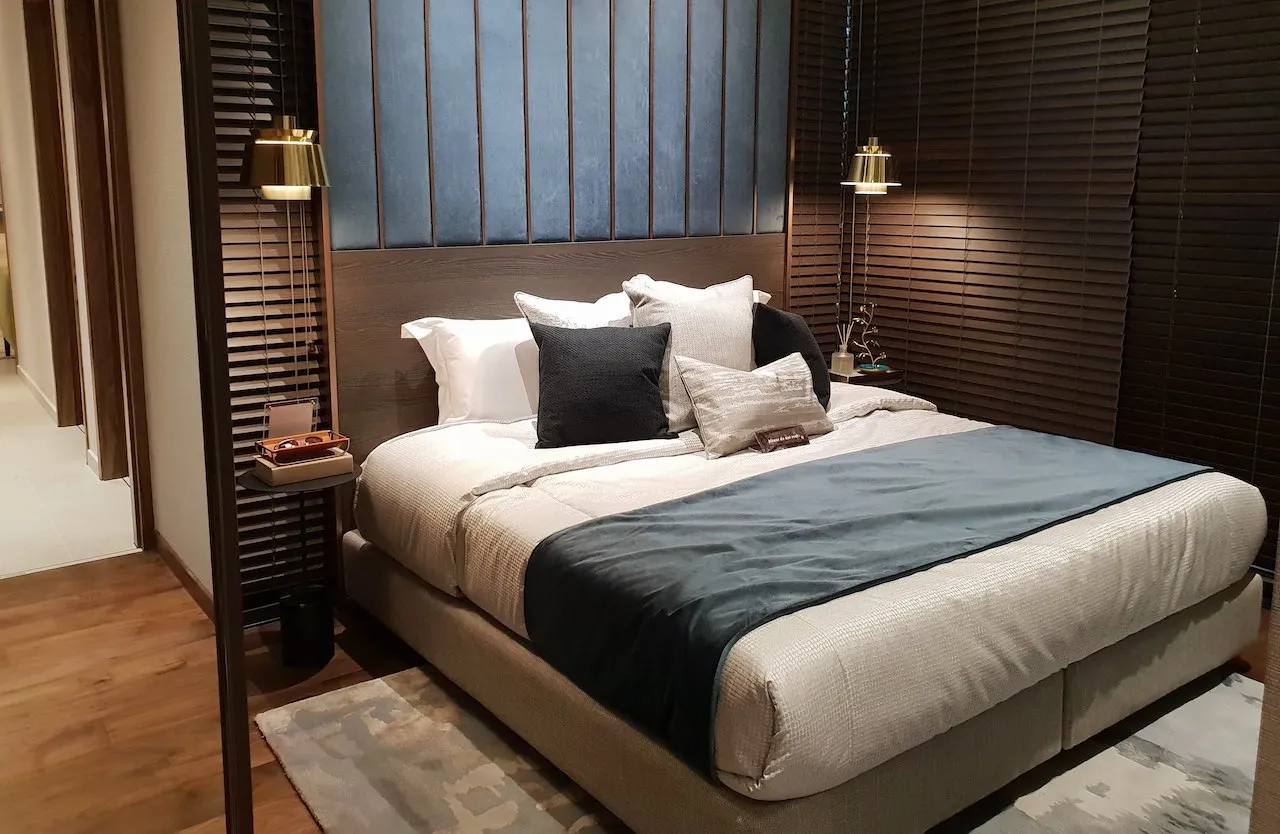
The specific concern is the circulation space around the bed. Sleep environment research and bedroom design guidelines recommend at least 60cm clearance on both sides of the bed for comfortable movement, dressing, and bed-making. At the foot of the bed, 75cm clearance allows comfortable passage. If your bedroom dimensions cannot provide these clearances whilst accommodating a 150cm-wide by 200cm-long bed, you’ll feel cramped and frustrated daily.
Wardrobe door clearance matters particularly. If you have fitted wardrobes or freestanding wardrobes with doors rather than sliding doors, those doors need opening space. Standard wardrobe doors project 45-60cm when fully opened. If positioning a king-size bed means wardrobe doors cannot open fully or require awkward navigation around the bed’s footboard, you’ve created a functional problem that outweighs the space benefits.
Visual proportions matter in bedroom design. A king-size bed that dominates a small room, leaving just narrow gaps on each side and minimal foot clearance, doesn’t look or feel right, regardless of the technical measurements. The room feels cluttered and overwhelmed by the bed rather than balanced and comfortable. If your room dimensions create this imbalance, a double or a small double might be the better choice.
Consider using painter’s tape or similar to outline the king-size bed dimensions on your bedroom floor, including side tables and other furniture. Live with this layout for a few days, walking around it, accessing wardrobes, and using the room normally. If the layout feels awkward or restrictive, trust that feeling rather than forcing a bed size that doesn’t suit your space.
Access and delivery challenges require consideration.n
UK properties, particularly older buildings, Victorian terraces, and conversions, often feature narrow staircases, tight turns, and doorways that create genuine access challenges for king-size beds. Mattresses can usually navigate these spaces when rolled and manoeuvred carefully (though they’re still heavy and awkward). Still, bed frames, particularly solid wooden or upholstered frames with headboards, can be physically impossible tomanoeuvrer through some access routes.

Standard UK doorways measure 762mm (30 inches) wide, but with frame thickness, the actual clearance is typically 720-740mm. A king-size bed frame measuring 150cm wide cannot physically pass through doorways; frames are designed to disassemble for this reason. However, headboards on upholstered or sleigh bed frames may not disassemble, and if they exceed doorway height when turned sideways, they cannot be accessed in upstairs bedrooms through standard doorways.
Staircase width, landing size, and turning radius matter equally. Properties with narrow staircases (less than 750mm wide), small landings, or tight 180-degree turns may make king-size bed delivery extremely difficult or impossible without removing windows or using external crane access. Professional delivery services can usually identify these problems based on the provided dimensions, but the additional cost and complexity may make king-size impractical for your specific property.
Zip-and-link beds offer a solution for difficult-access properties. These beds comprise two separate mattresses (typically two 75cm-wide singles zipped together to create a 150cm king) that can be delivered and manoeuvred as smaller units, then connected in the bedroom. We manufacture king-size zip-and-link mattresses across all our ranges specifically for this reason. The slight compromise of a barely perceptible central join is vastly preferable to being unable to access a king-size bed at all.
Budget considerations
The total cost increase for king size includes not just the mattress but also the frame, bedding, and ongoing bedding replacement costs. If your budget genuinely constrains these purchases, a double bed with a quality mattress provides better value than a king-size bed with a budget mattress. Sleep quality depends far more on mattress specifications (spring count, upholstery GSM, natural fibre content, two-sided construction) than on bed size alone.
Let’s examine realistic total costs. A quality double mattress (our Artisan Naturals at £1,065 for double size) plus a simple bed frame (£150-£300) plus bedding (£100-£150 for quality Cotton sheets, duvet cover, mattress protector) totals approximately £1,315-£1,515. The equivalentking-sizee setup costs £1,295 for the Artisan Naturals king, £200-£400 for the frame, £130-£200 for bedding, totalling £1,625-£1,895. That’s a £310-£380 difference.
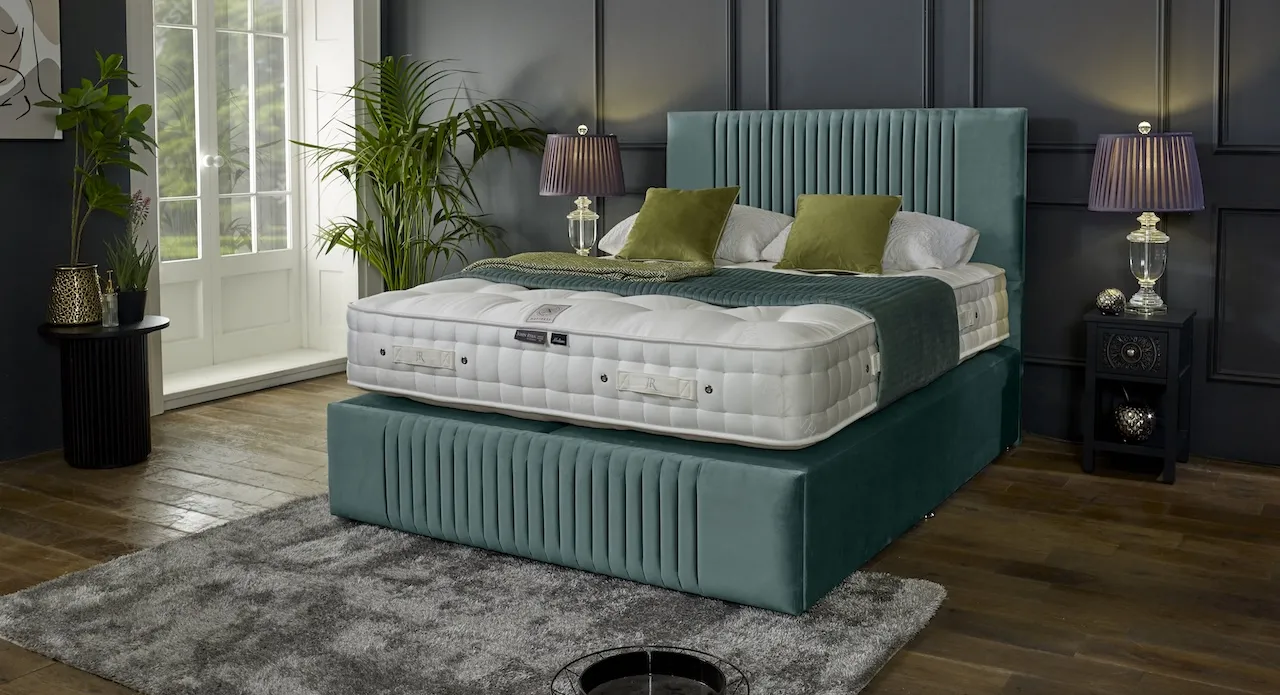
For households budgeting carefully, that £310- £380 difference might represent the margin between affording quality natural fibres and settling for synthetic materials, or between two-sided construction and one-sided budget mattresses. If that’s your situation, prioritise mattress quality over size. A quality double that provides proper support and lasts 12-15 years serves you better than a budget king-size mattress that sags within 5-7 years.
Bedding replacement costs accumulate over time. King-size sheets, duvet covers, and mattress protectors cost approximately 20-30% more than their equivalent double-size counterparts. Over a 12-year mattress lifespan, assuming you replace bedding every 3-4 years, that’s 3-4 replacement cycles. The additional cost of king-size bedding over the mattress lifespan totals approximately £200-£300. Factor this into long-term ownership cost rather than just comparing initial mattress prices.
When a double or super king makes more sense
Solo sleepers who don’t share beds regularly need a king-size unless you specifically want the space for lounging, working in bed, or accommodating occasional guests. A quality double bed provides ample space for solo sleeping whilst costing less for both mattress and bedding. The argument that “you move around a lot” or “you like to spread out” justifies double over single, but rarely justifies king over double for solo sleepers unless you’re particularly tall or large-framed.
Couples where both partners are petite (under 5’6″ and under 10 stone) may find double beds genuinely adequate for comfortable sleeping. If you’ve shared a double bed for years without disturbance, sleep quality issues, or space complaints, upgrading to a king-size bed offers only a marginal benefit. The money spent on a size upgrade could instead go toward better mattress specifications, proper pillows, or quality bedding that would improve sleep quality more meaningfully.
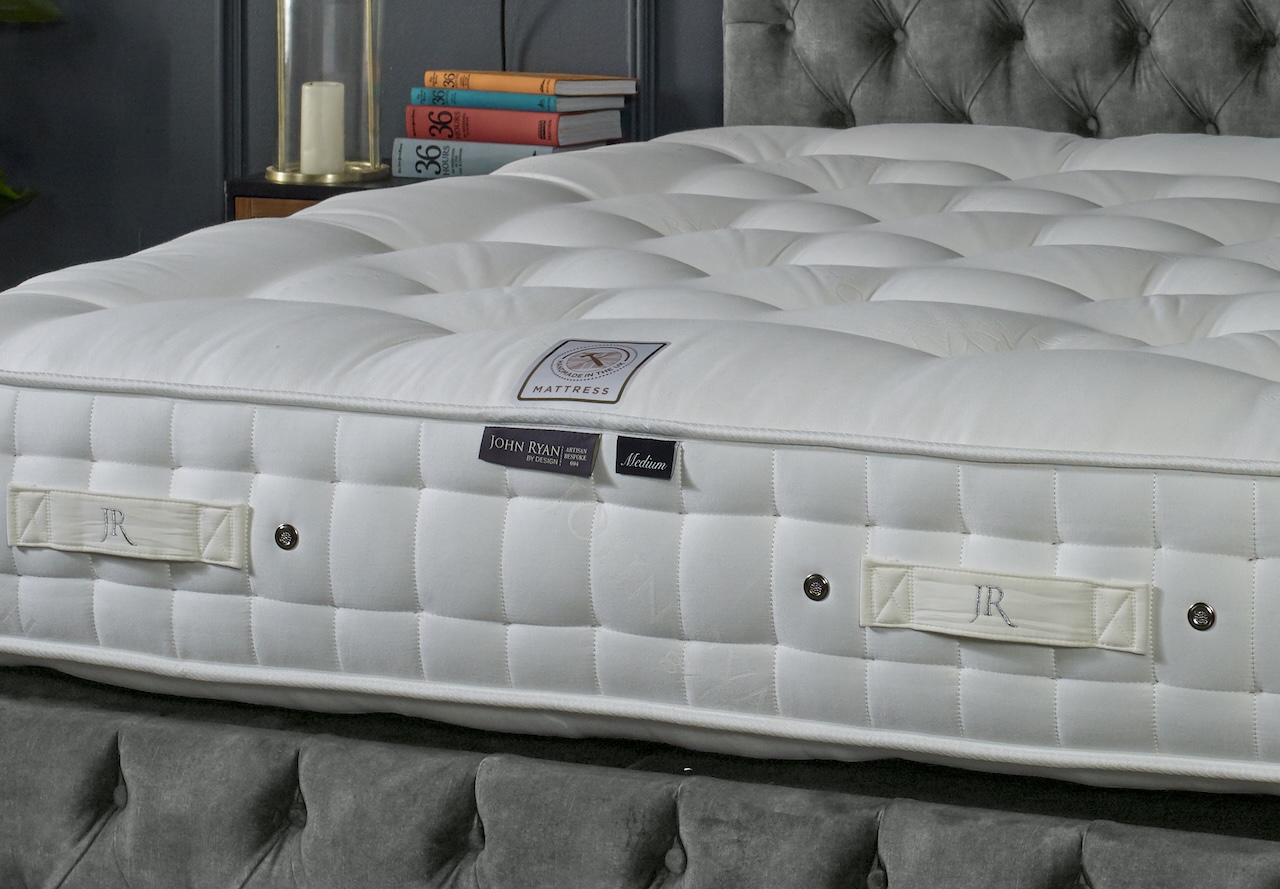
Very large bedrooms (4m wide or greater) may actually suit a super king size (180cm x 200cm) better than a king size for proportional reasons. Just as a king-size bed looks small in a very large room, if you have genuine space to accommodate a super king, the additional 30cm width provides meaningful benefit over a king-size bed for the same proportional reasons that a king benefits over a double. Super king gives each person 90cm of personal width (equivalent to a single bed each), providing maximum space for couples.
Temporary housing situations shouldn’t drive major bed purchases. If you’re renting short-term, living with parents temporarily, or in transitional housing before purchasing property, buying aking-sizee bed that might not fit your eventual permanent bedroom makes little sense. Wait until you know your long-term bedroom dimensions before investing in the larger size. A double bed provides an adequate interim solution whilst you determine your permanent needs.
Room planning and practical considerations for king-size beds
Successfully integrating a king-size bed requires careful planning beyond just confirming the mattress fits through your bedroom door. Here’s how to properly evaluate your space and avoid common planning mistakes that can create problems after purchase.
Minimum room size requirements and clearance guidelines
The 3m x 3.5m minimum room size guideline assumes specific layout conditions: bed positioned against one wall (typically the wall opposite the window or door), bedside tables on each side, and adequate circulation space for comfortable movement. Let’s break down why these specific dimensions matter and what you can compromise if needed.
A king-size bed measures 150cm wide, plus the bed frame edges (typically adding 3-5cm per side, for a total width of approximately 156-160cm). Adding bedside tables (typically 45-50cm wide each) brings total width requirements to approximately 246-260cm. In a 3m (300cm) wide room, this leaves 40-54cm of clearance between the bedside tables and the walls, which is adequate but not generous. If your room is 2.8m wide, you’re down to 20-34cm wall clearance, which feels tight and makes bed-making awkward from the sides.
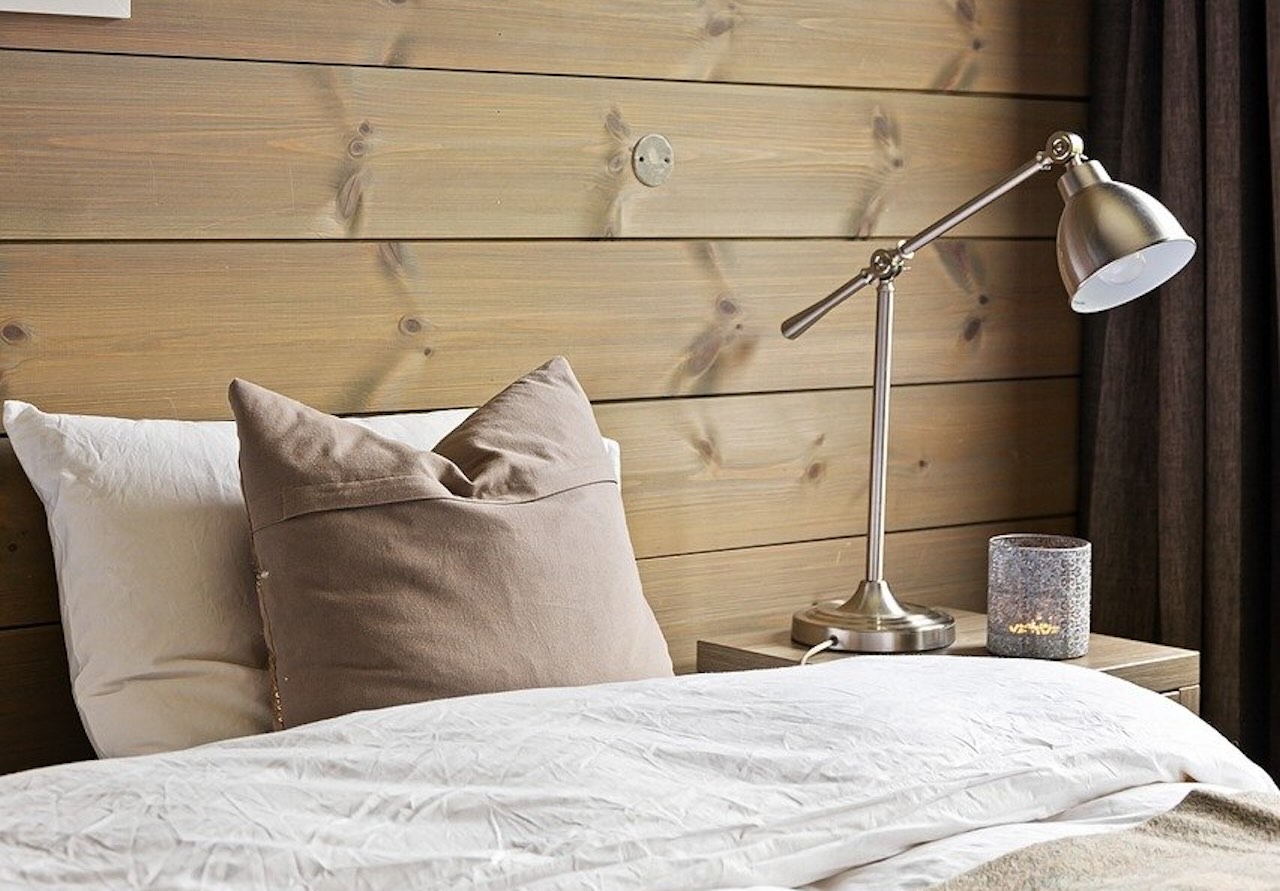
Length considerations are equally important. The 200cm mattress length plus headboard (if present, typically adding 5-8cm) brings total length to approximately 205-208cm. You need at least 75cm clearance at the foot of the bed for comfortable passage and access to wardrobes or other furniture. In a 3.5m-long room, this provides 135-137cm at the bed end for the bed and circulation, which accommodates standard requirements. Rooms shorter than 3.2m start to feel cramped, with inadequate foot clearance.
The circulation space guidelines aren’t arbitrary. 60cm side clearance allows comfortable walking space for one person, adequate room for bending to make the bed, and space to stand beside the bed when dressing. Less than 45cm side clearance creates daily frustration through awkward bed-making angles and cramped dressing space. Think carefully about whether you’re willing to accept reduced functionality for a larger bed.
Suppose your bedroom has fitted wardrobes with opening doors; factor in door projection when planning the space. Wardrobe doors project 45-60cm when opened, and that projection space cannot overlap with the circulation space around the bed. Map out your specific room with wardrobe doors in opened position to confirm adequate clearance exists. Sliding wardrobe doors eliminate this concern, but if you have conventional hinged doors, they need accommodation.
Measuring your space properly before purchasing
Proper room measurement goes beyond just total dimensions. You need to account for alcoves, radiators, sloped ceilings (in converted attics), bay windows, and any architectural features that impact usable space. Here’s a systematic measurement approach that prevents expensive mistakes.
Start by measuring total room dimensions: width, length, and height at the lowest point if you have sloped ceilings. Note these measurements on a rough sketch. Then measure and mark positions of doors (noting swing direction and clearance required), windows (including sill height, which affects bedside table positioning), radiators (you cannot position beds directly over radiators), power outlets (needed for lamps, phone charging), and any built-in features like alcoves or chimney breasts.
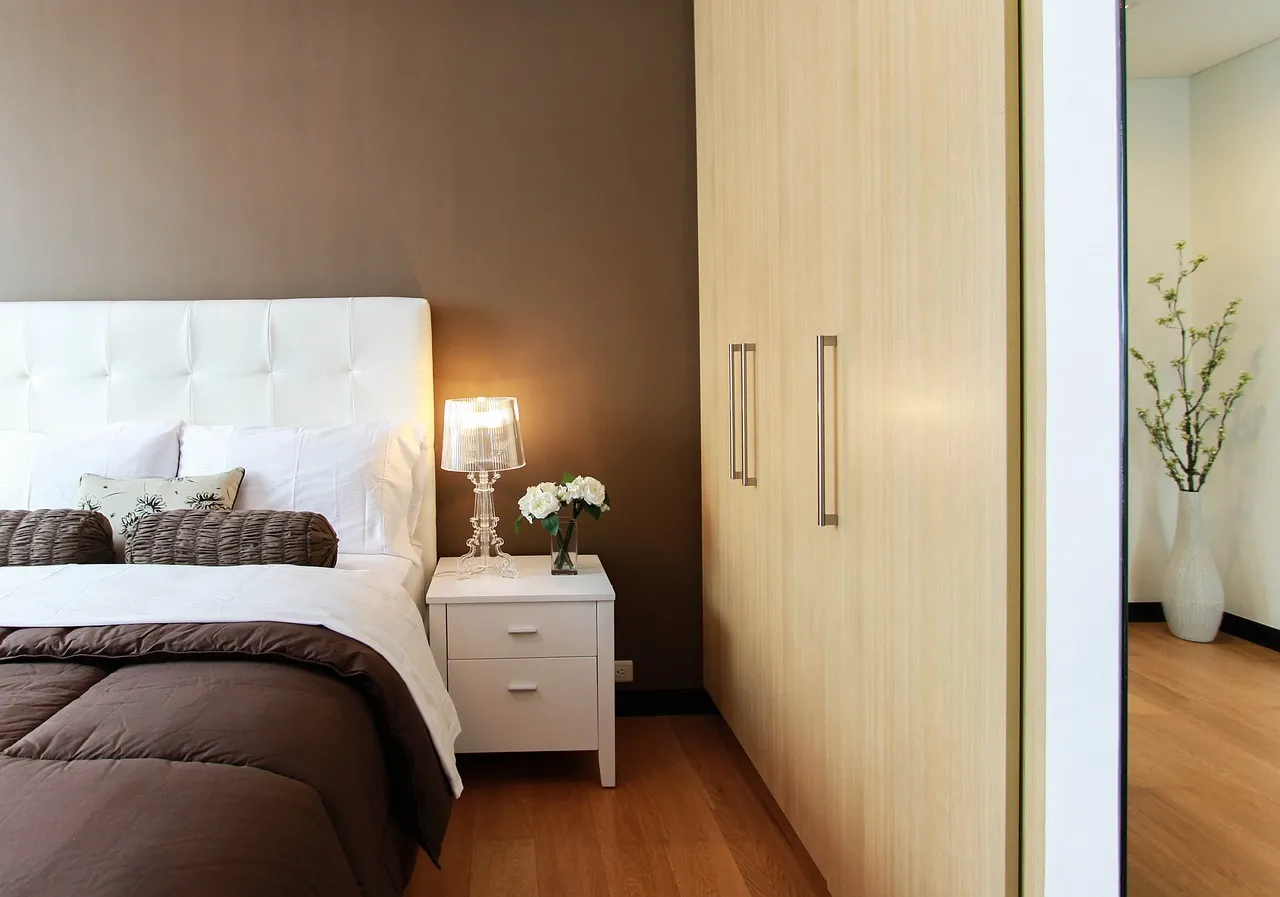
Use painter’s tape or a similar low-adhesion tape to mark the king-size bed footprint on your bedroom floor: 150 cm wide by 200 cm long, centred on where you intend to place the bed. Include tape lines for bedside tables (45cm wide is standard). Walk around this taped outline, accessing wardrobes, reaching windows, and performing normal bedroom movements. Does it feel comfortable, or are you constantly squeezing through gaps?
Sit on the floor within the taped bed outline at the approximate mattress height (typically 50-65cm from the floor to the mattress surface, depending on your chosen base). From this position, assess sightlines to the television (if you have one), window views, and a sense of proportion. Does the bed dominate the room oppressively, or does it feel balanced? This physical visualisation catches problems that measurements alone might miss.
Measure your access routes thoroughly: doorway widths, staircase width, landing dimensions, any 90-degree or 180-degree turns, and ceiling height on staircases. Note any obstacles, such as radiators on staircase walls, overhanging light fixtures, or narrow sections. Compare these measurements against king-size bed frame dimensions (not just mattress dimensions) to confirm delivery feasibility. Professional delivery services can guide you on borderline cases if you provide accurate measurements.
Furniture arrangement and functional bedroom layout
Once you’ve confirmed the size of the beds, ta houghtful furniture arrangement maximises functionality and aesthetics. The bed naturally serves as the room’s focal point, but the placement of supporting furniture significantly impacts daily usability.
Bedside table positioning requires approximately 45-50cm width per side for standard tables that accommodate a lamp, phone, book, and perhaps a water glass. If your room width is constrained, consider narrow wall-mounted floating shelves (20-30cm projection) instead of traditional bedside tables. These provide essential bedside surface area whilst consuming less floor space. Alternatively, a single substantial bedside table on one side may be more functional than two cramped, tiny tables.
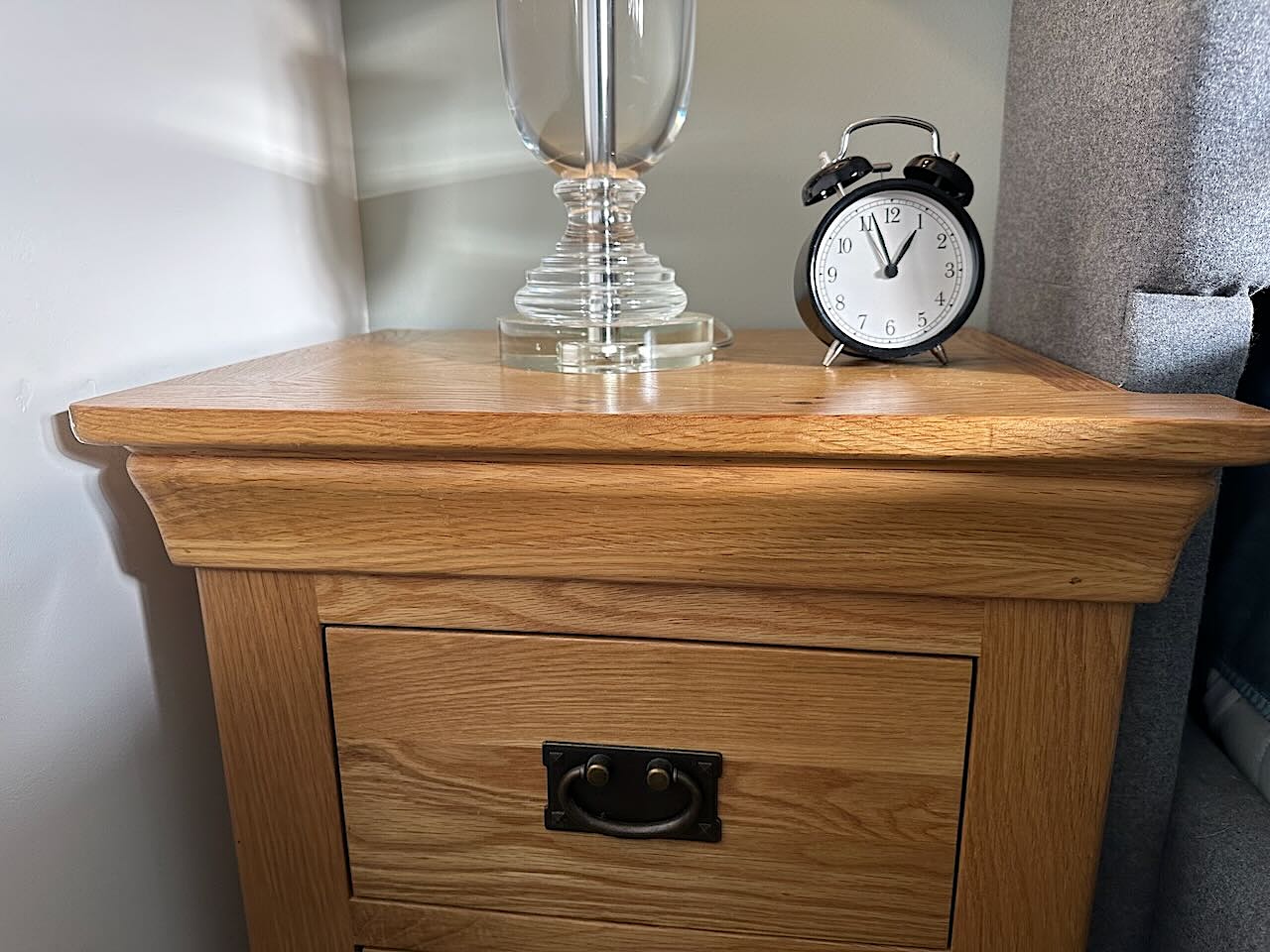
Wardrobe position relative to the bed matters for morning routines. If you dress in your bedroom, having the wardrobe opposite the bed with adequate space between the bed and the wardrobe allows you to use the bed as a temporary clothing staging area without feeling cramped. If wardrobe placement forces you to navigate around the bed to access your clothing, you’ll find this frustrating every day. Sometimes, a smaller bed size that allows better wardrobe access proves more functional than a larger bed that creates wardrobe navigation problems.
Window access impacts both natural light and ventilation. Ideally, bed positioning shouldn’t block window access or prevent windows from fully opening for ventilation. If your room layout forces you to choose between king size bed or easy window access, consider whether the sleep quality benefits of the larger bed outweigh the environmental benefits of convenient window opening and natural light access.
Television positioning (if you have a bedroom TV) needs to account for comfortable viewing angles from the bed. The ideal viewing angle positions the TV screen at approximately eye level when you’re sitting up in bed with pillows, directly opposite the bed atan appropriate viewing distance (typically 1.5-2.5m depending on TV size). If your room layout cannot accommodate these requirements with aking-sizee bed, you’re creating a viewing situation that strains necks or forces awkward positioning.
Consider storage solutions that work with rather than against your bed size choice. Ottoman beds with under-bed storage effectively use the footprint occupied by the bed itself, eliminatingthe need for separate storage furniture. For king-size beds, ottoman storage provides substantial capacity (our king-size ottoman bases offer approximately 0.75 cubic metres of storage) that can replace a chest of drawers, freeing floor space for better circulation.
Base and frame options for king-size beds
Bed bases serve critical support functions beyond aesthetics, and choosing the right base type for your king-size mattress impacts longevity, comfort, and functionality. Here’s what actually matters beyond marketing claims and style preferences.
Divan bases represent the traditional UK standard and remain popular for good reasons. A quality divan measures exactly 150cm x 200cm to match the king mattress, sits directly on the floor or short legs, and provides firm platform support. Divans with storage drawers (two or four drawers are standard in king configurations) offer practical storage without taking up additional floor space. The main advantages are precise sizing, proven support characteristics, and typically lower cost than decorative bedframes.
Wooden bedframes typically measure 3-5cm wider than the mattress on each side to accommodate the mattress within the frame rails. This means a total frame width of approximately 156-160cm rather than exactly 150cm. The visual aesthetic differs significantly from divans – wooden frames create more traditional or contemporary bedroom styling depending on design. Slatted wooden bases require slat spacing verification: maximum 7cm gaps between slats prevent mattress sagging between slats. Too-wide slat spacing voids many mattress warranties and causes premature upholstery compression.
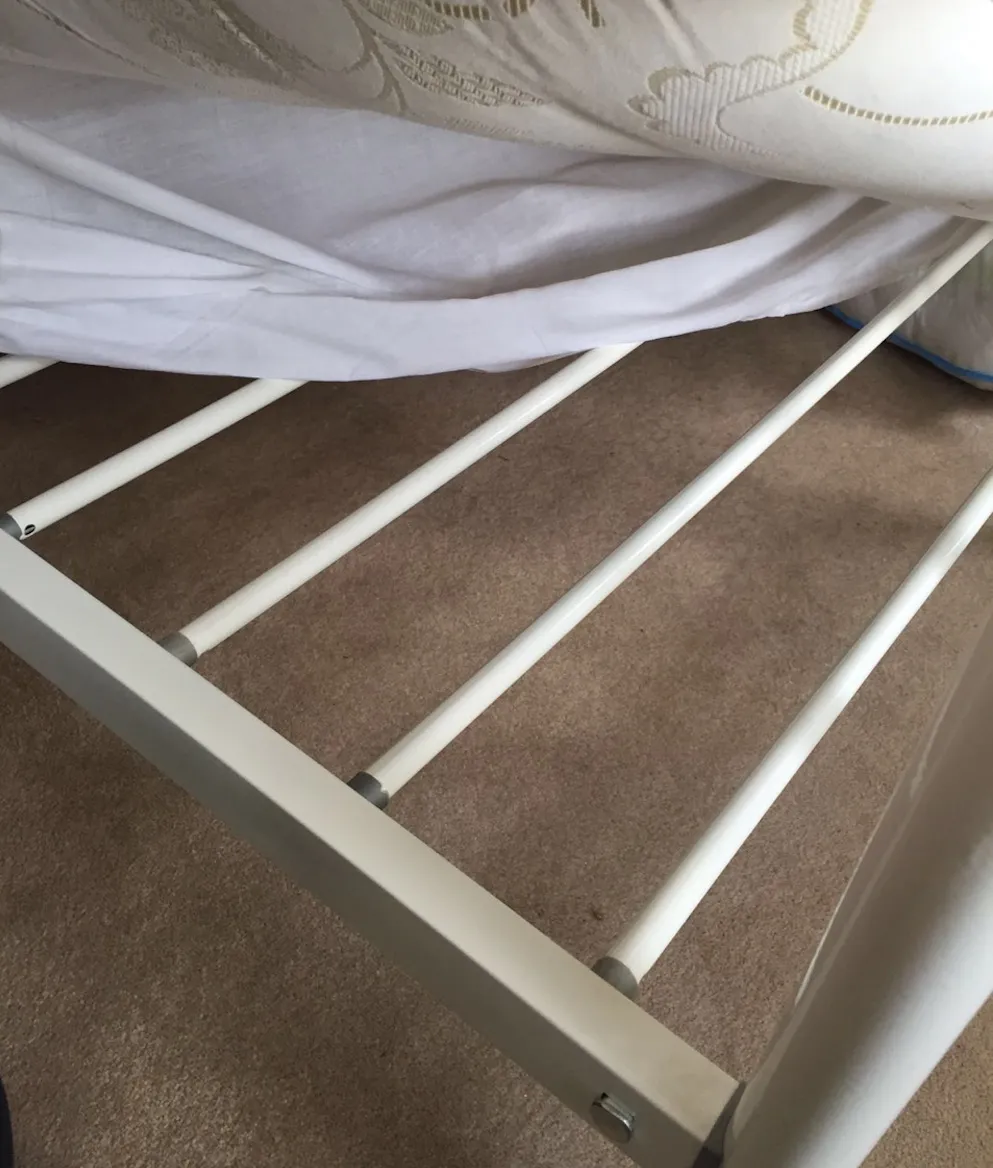
Metal bedframes follow similar sizing to wooden frames, typically 3-5cm wider than mattress dimensions. The key advantage is strength-to-weight ratio; metal frames support heavy king mattresses (our mattresses range 45-78kg in king size) without bulky construction. The disadvantage is potential squeaking at joints unless properly assembled and maintained. Quality metal frames use proper support rails and central legs for king-size mattresses due to the weight and span involved.
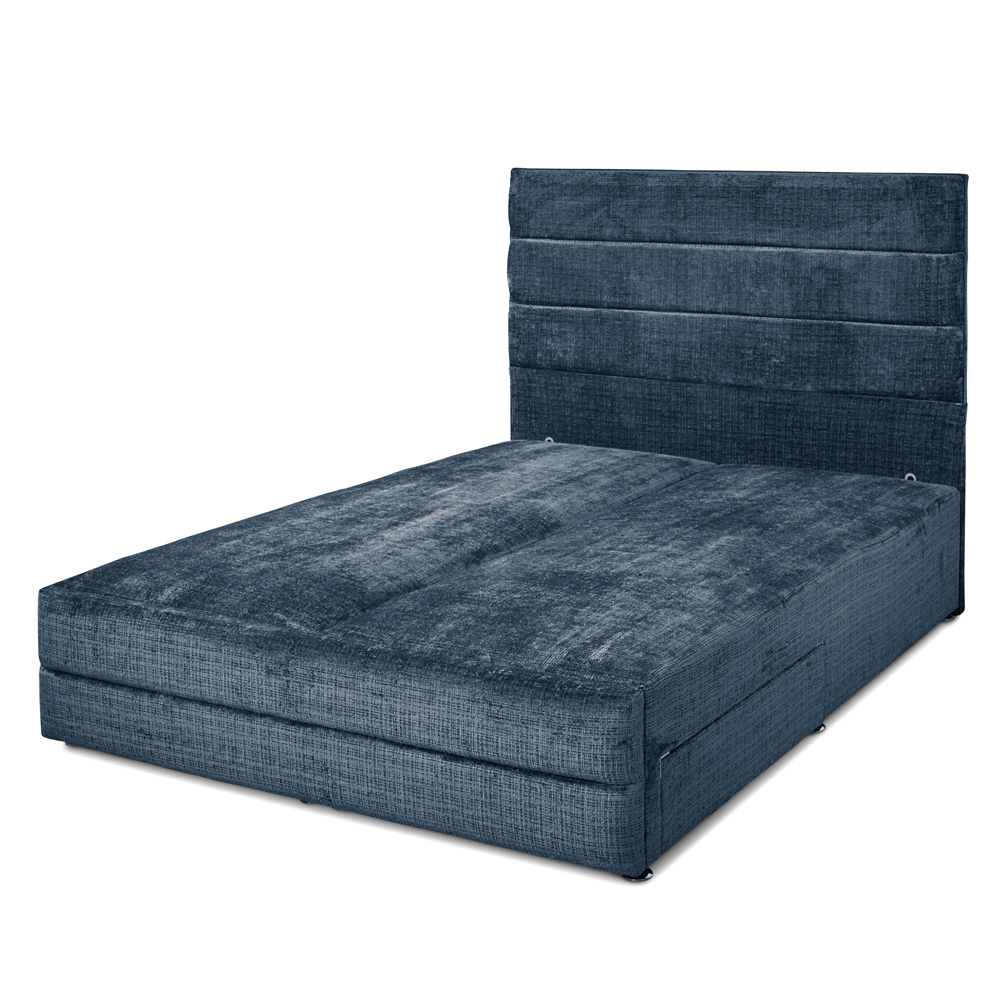
Upholstered frames, sleigh beds, and designer frames vary dramatically in dimensions and support quality. Always verify internal dimensions (the actual space the mattress sits within) rather than assuming standard sizing. Some upholstered frames have mattresses within deep side rails that effectively reduce the sleeping surface near the edges. Others provide minimal support infrastructure beneath attractive upholstery, relying entirely on the mattress for structure. For king-size mattresses specifically, central support (either a central rail or legs) is essential due to the 150cm span and substantial weight.
Ottoman bases deserve special mention for king-size beds. The storage capacity of a king-size ottoman (approximately 0.75 cubic metres) genuinely replaces multiple pieces of storage furniture. If your bedroom is constrained and you’re wondering whether you can fit a king-size bed and adequate furniture, an ottoman base may solve the problem by providing a bed and storage in a single footprint. Our storage bases are specifically engineered to handle the weight of king mattresses whilst providing reliable lifting mechanisms.
Choosing the right king-size mattress: specifications that actually matter
Once you’ve decided on a king-size mattress, your choice determines sleep quality far more than size alone. After 25 years of making mattresses in Yorkshire, we can tell you definitively what matters versus marketing noise. Here’s how to evaluate mattresses based on construction rather than brand names.
Spring types and counts: understanding support systems
The support layer determines how a mattress responds to your body weight, distributes pressure, and maintains proper spinal alignment. For king-size mattresses, spring count matters because you have more surface area to support. A double mattress with 1,000 springs provides approximately 7.4 springs per square meter. A king mattress with 1,000 springs provides only 6.7 springs per square meter because the total area is larger (3.0 m² versus 2.565 m²). This means minimum spring counts for adequate support increase with bed size.
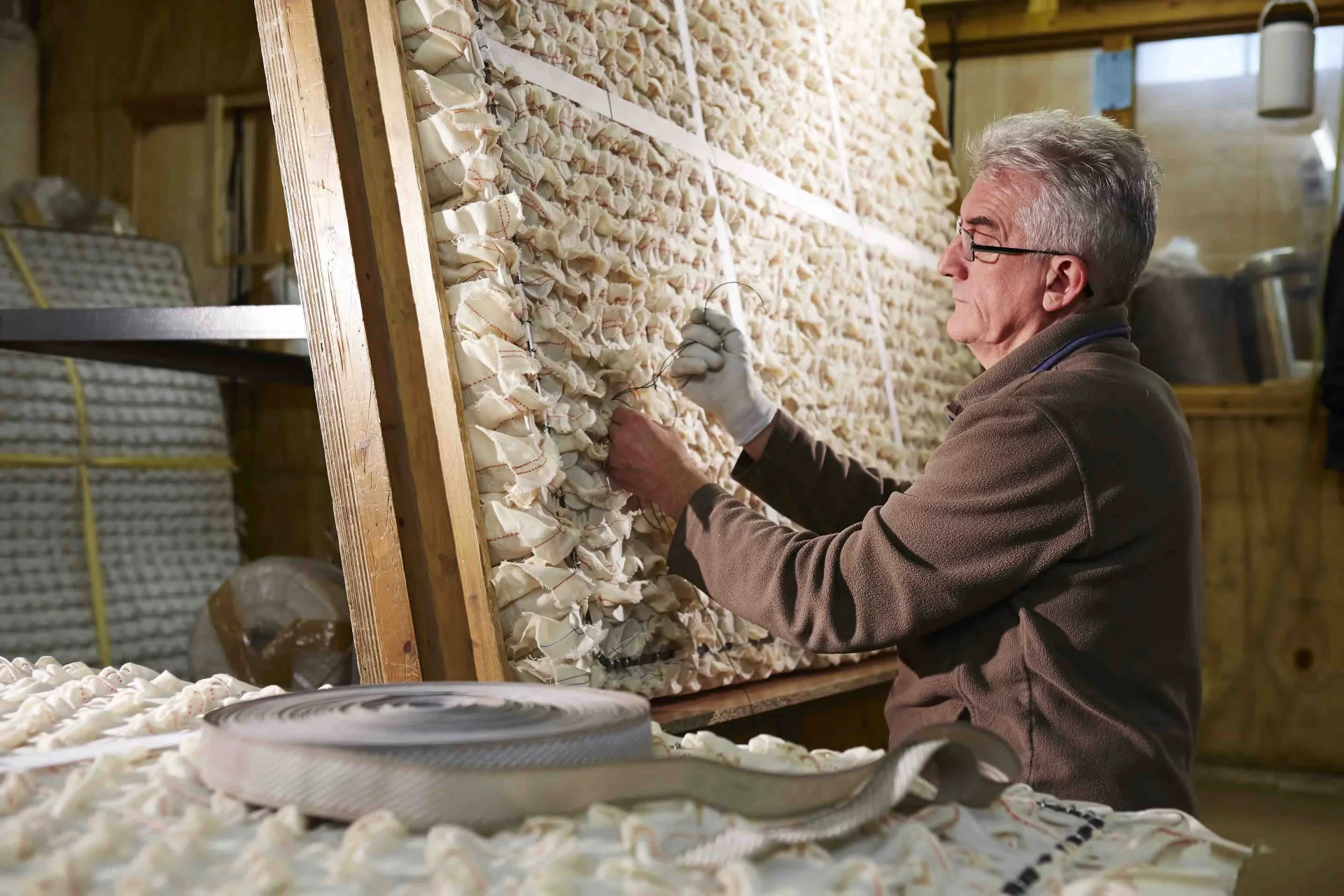
For king-size mattresses, we recommend a minimum of 1,400 pocket springs for adequate support. Better quality starts at 1,600 springs, and premium specifications use 2,000+ springs. This isn’t marketing inflation; it’sa geometric requirement. More springs provide finer support graduation, better weight distribution, and improved durability because each spring handles less load. Our Origins range uses 1,000 springs, which are adequate for lighter weights (under 12 stone per person), but it represents the minimum acceptable rather than the ideal. Our Artisan range uses 1,600 calico pocket springs, which provide proper support for typical couples (combined weight 22-32 stone) with appropriate spring tension.
Pocket spring types matter as much as count. Calico pocket springs (like we use in Artisan ranges) are individually wrapped in fabric pockets rather than synthetic mesh. This creates more durable springs, better motion isolation, and prevents the spring from pushing through upholstery layers over time. Spun-bond pocket springs wrap springs in heat-bonded synthetic mesh, which is cheaper but less durable. The mesh can degrade over 8-10 years, potentially making spring profiles palpable through worn upholstery.
Spring gauge (wire thickness) determines firmness. Standard gauges range from 1.2mm (soft) through 1.28mm and 1.4mm (medium) to 1.6mm (firm). For king-sized mattresses used by two people, spring tension matching becomes important. If one partner weighs 10 stone and the other weighs 16 stone, a single spring tension can’t optimally support both. This is where zip-and-link mattresses provide a functional benefit beyond just access: each side can use the appropriate spring tension for that person’s weight.
Open-coil or continuous-coil springs (older, cheaper spring types) should be avoided in king-size mattresses. These spring systems are interconnected, meaning movement on one side transfers across the entire mattress, defeating much of the disturbance-reduction benefit that king-size beds should provide. If you’re upgrading to a king-size for reduced partner disturbance, don’t undermine that benefit by choosing a mattress with interconnected springs that transfer all movement.
Natural versus synthetic upholstery materials
The comfort layers above the springs determine pressure relief, temperature regulation, and long-term comfort durability. Material choice here significantly impacts sleep quality and mattress lifespan, yet most retailers provide minimal specification details. Here’s what actually matters and why we insist on full GSM disclosure.
GSM (grams per square metre) measures upholstery density andindicatesu how much material the mattress contains. A budget king mattress might claim “Cotton and Wool comfort layers” at a total of 1,200 GSM. Our Artisan Naturals uses 3,950 GSM. That’s over three times the material quantity, which means three times the cushioning, dramatically better pressure relief, and far longer lifespan before compression becomes noticeable. When we publish complete GSM breakdowns by layer, we’re verifying that our natural fibre claims are real rather than marketing.

Natural fibres (Wool, Cotton, horsehair, Horsetail, mohair) provide superior temperature regulation compared to synthetic materials such as polyester or memory Foam. Natural fibres wick moisture away from your body, allow air circulation through the material, and maintain a relatively stable feel regardless of temperature. Synthetic materials retain heat, trap moisture, and often feel dramatically different in summer versus winter. If you or your partner sleep warm, natural fibre content isn’t a luxury; it’s a practical requirement.
Our Artisan Naturals includes 1,500 GSM of pure mohair (softer than Wool, extraordinarily durable, naturally temperature-regulating) plus 1,200 GSM blended British Wool and Cotton. That’s 85% natural fibre content by weight, which we verify and publish. Compare this to high-street retailers who describe “natural comfort layers” without specifying percentages, GSM weights, or verification. That vagueness typically indicates 20-40% natural content mixed with synthetic polyester padding.
Memory Foam deserves specific mention because it’s heavily marketed but creates significant problems for many sleepers. Memory Foam responds to body heat, becoming softer as it warms. This creates a temperature-dependent feel: firm and unsupported when first lying down (before the Foam warms), then progressively softer as it heats. For couples sharing a king bed where body heat accumulates, memory Foam can become excessively soft, creating that “stuck in the mattress” feeling. Additionally, memory Foam retains significant heat, compounding temperature regulation problems. If you sleep hot, avoid memory Foam entirely, regardless of marketing claims about “cooling gel infusions” or “breathable memory Foam.”
Two-sided versus one-sided construction: why this matters enormously
The shift from traditional two-sided (turnable) mattresses to one-sided (no-turn) mattresses represents one of the most significant quality reductions in the mattress industry, driven entirely by manufacturer profit margins rather than consumer benefit. Understanding this helps you avoid expensive mistakes.
Traditional mattress construction creates identical upholstery layers on both sides of the spring unit, allowing you to flip the mattress monthly and rotate it head-to-foot monthly. This means you sleep on four different sections of the mattress across a four-month cycle, distributing wear evenly across the entire upholstery. As comfort layers naturally compress under body weight over time, starting with two full sides of upholstery means compression occurs far more gradually than with one-sided alternatives.

One-sided mattresses place all comfort layers on the top surface, with a firm base layer beneath. The marketing claims that this allows “optimised comfort” because manufacturers can “precisely tune the top surface.” The reality is that it halves manufacturers’ material costs whilst forcing complete mattress replacement when the single comfort surface wears out. You cannot flip a one-sided mattress to distribute wear; rotation from head to foot provides minimal benefit because pressure points (shoulders and hips) concentrate in specific areas regardless of orientation.
For king-size mattresses specifically, two-sided construction matters even more because the total material quantity is already higher due to size. A two-sided king mattress effectively contains nearly double the upholstery of a comparable one-sided model, meaning compression takes proportionally longer to become noticeable. Our Artisan Naturals at 3,950 GSM two-sided provides effectively 7,900 GSM of upholstery material when you account for both sleeping surfaces. That’s 6-7 times what budget one-sided mattresses provide.
The industry has largely moved to one-sided construction (over 80% of mass-market mattresses sold in the UK now are one-sided). Hence, finding quality two-sided construction requires seeking out specialist manufacturers. We make exclusively two-sided mattresses across all ranges because we know the lifespan and comfort benefits genuinely serve customer interests. Yes, it costs us more in materials and labour. Yes, it makes mattresses heavier and more expensive. But it also means our customers get a 12-15-year lifespan rather than 5-7-year replacement cycles.
Firmness considerations for couples and weight differences
Firmness represents one of the most misunderstood mattress characteristics because it’s subjective, difficult to quantify, and varies with body weight. What feels medium to a 16 stone person feels firm to an 11 stone person. For king-size beds where two people share, this creates specific challenges.
Firmness should match body weight and sleeping position. Side sleepers need softer surfaces to relieve pressure on their shoulders and hips. Back sleepers typically prefer a medium-firm mattress for proper spinal support without excessive sinking. Stomach sleepers need firmer surfaces to prevent lumbar hyperextension. If you and your partner have a significant weight difference (5+ stone) or opposite position preferences, finding a single firmness that suits both becomes impossible.
This is another scenario where zip-and-link mattresses provide a genuine solution. Two 75cm wide mattresses zipped together allow each side to have appropriate firmness for that person’s weight and preferences. The central join is barely perceptible (proper zip-and-link systems create a virtually flat join line), whilst comfort improvement is substantial. We manufacture all our ranges in zip-and-link configurations specifically for this reason.
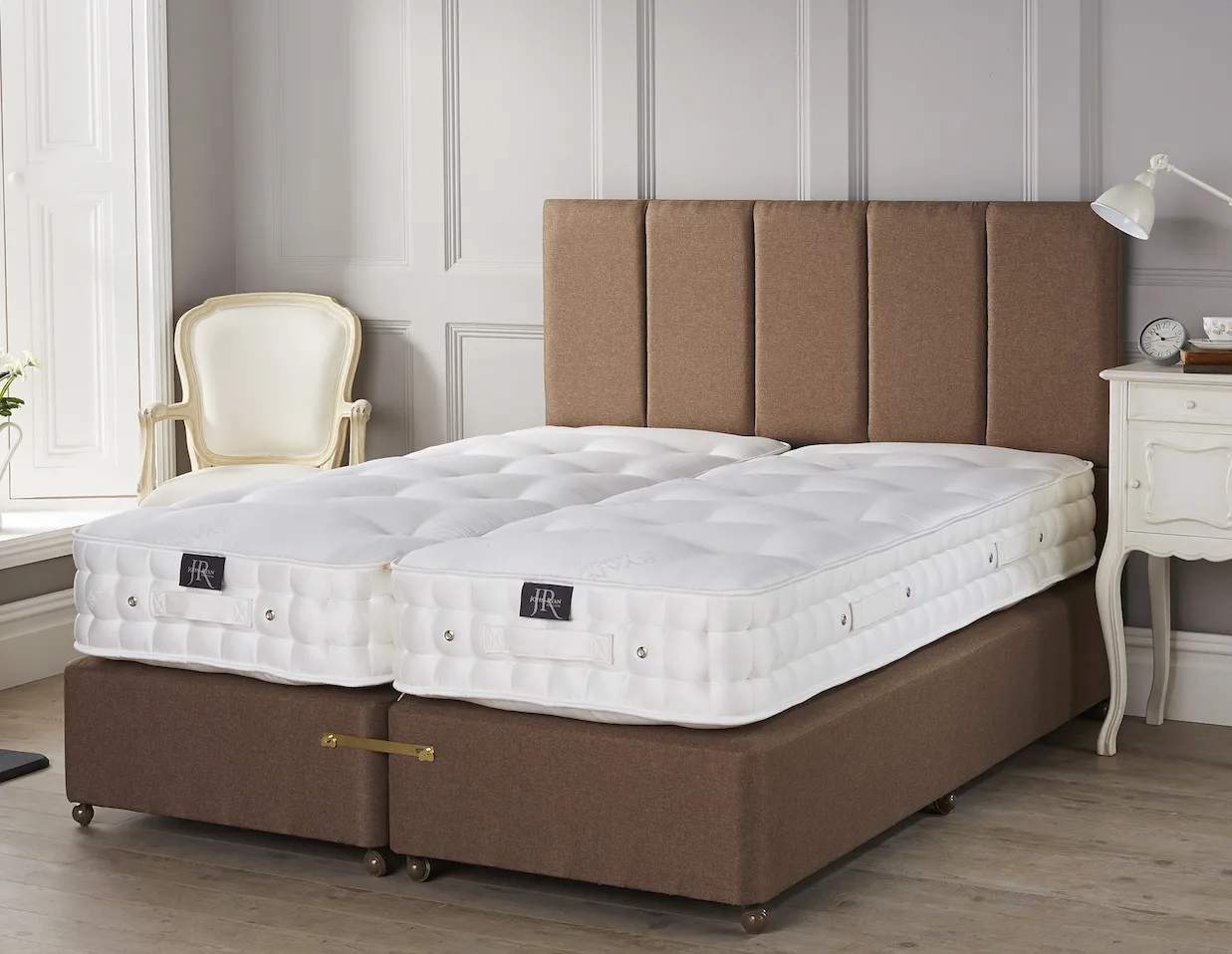
The common mistake couples make is compromising toward medium firmness,s hoping it suits both partners. This typically results in neither person being properly supported or comfortable. If the weight difference exceeds 5 stone, we strongly recommend either a zip-and-link configuration or separate mattresses. Your sleep quality matters more than the supposed romance of sharing an identical sleeping surface.
Firmness perception changes as mattresses age. All upholstery compresses over time, which softens the feel. A mattress that feels medium-firm when new may feel medium-soft after 5 years,s as upholstery compacts. This is normal wear rather than a defect. Still, it means the initial firmness selection should account for the mattress’s likely softening over its lifespan.
If you’re unsure about firmness levels, choosing the firmer option often provides better long-term satisfaction because it will soften toward your preference rather than becoming too soft.
John Ryan king-size mattress range: transparent specifications and pricing
We’ve discussed general mattress evaluation criteria, but here’s our specific king-size range with complete specifications and honest guidance on which suits different situations. All prices shown are for UK king size (150cm x 200cm) as of February 2026.
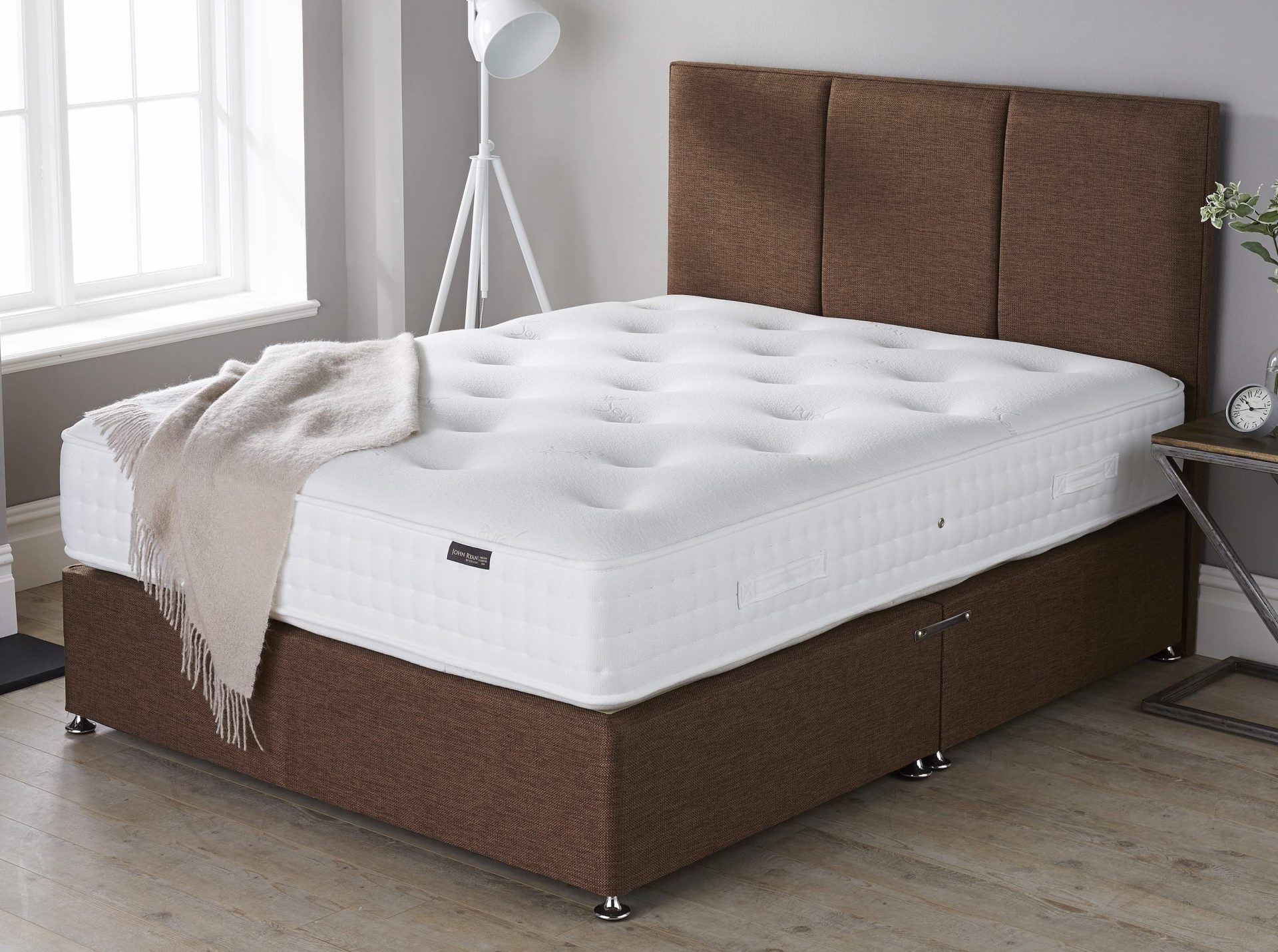
Origins Comfort 1000 (£890 King): accessible entry to natural fibres
Our Origins Comfort 1000 represents the entry point to proper natural fibre mattresses, priced to compete with mid-range high-street brands whilst delivering superior specifications. At £890 for king size, this costs less than many fashion-brand mattresses whilst providing genuine quality construction.
Specifications:
1,000 spun-bond pocket springs (1.4mm medium tension wire) provide the support layer. Whilst this represents our minimum spring count, it’s adequate for couples with a combined weight under 24 stone. The 1.4mm gauge offers a medium feel suitable for most sleeping positions. Total upholstery weight is 1,250 GSM, comprising natural Wool comfort layers that provide temperature regulation and pressure relief. The mattress is two-sided and fully turnable, meaning you flip and rotate monthly to distribute wear. Hand side-stitched edge support prevents edge compression. UK manufactured in our Yorkshire workshop with a two-year guarantee—free delivery throughout the UK mainland and a 60-day comfort trial.
Who this suits: Couples upgrading from budget high-street mattresses seeking natural materials at accessible prices, lighter couples (under 24 stone combined weigh), anyone wanting proper two-sided construction without a premium investment, first home buyers establishing quality bedding on realistic budgets, guest room use where quality matters but premium investment isn’t justified.
Honest limitations: The 1,000 spring count is our minimum specification. Heavier sleepers (over 12 stone per person) should consider our 1,600 spring Artisan range for better long-term support. The 1,250 GSM upholstery provides adequate comfort but compresses more quickly than our higher GSM Artisan models, sothe xpected lifespan is 10-12 years rather than 12-15 years.
Cost per night over 10 years: £0.24 per night, or £0.12 per person. This makes it a better value than budget mattresses, which are replaced every 5-6 years at £0.30-0.40 per night.
Artisan Naturals (£1,295 King): the best-seller for documented reasons
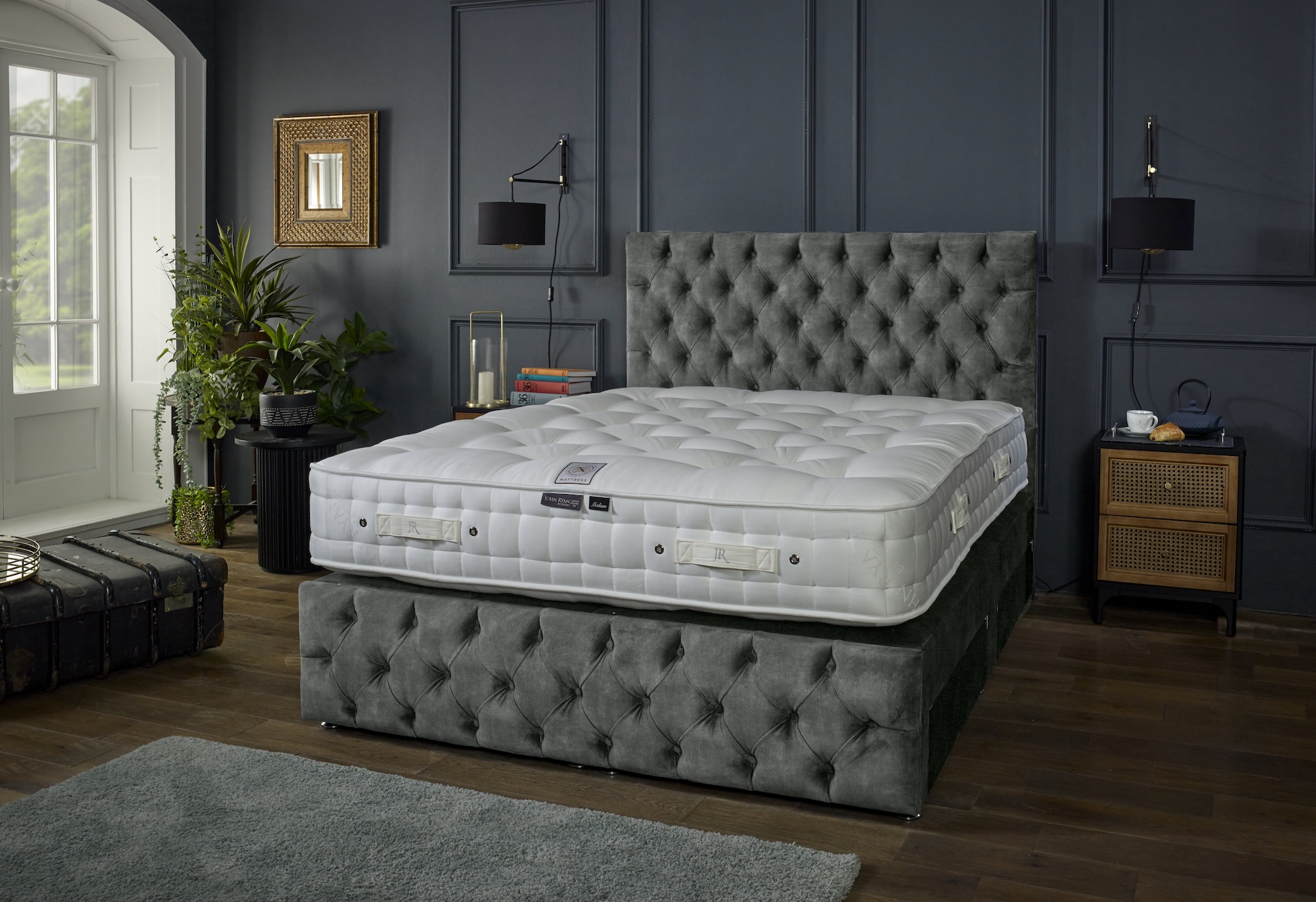
Our Artisan Naturals offer extraordinary value at £1,295 for the king size. This delivers specifications that embarrass mattresses costing £2,500-£3,500 from high-street retailers, whilst providing genuine natural fibre content that luxury brands would recognise as quality.
Specifications:
1,600 calico-encased pocket springs (1.28mm tension, suitable for up to 16 stone per person) provide superior support compared to entry-level models. The calico fabric wrap creates more durable, longer-lasting spring units than spun-bond mesh. Total upholstery is 3,950 GSM – more than three times what budget mattresses provide. Layer breakdown: 1,200 GSM blended British fleece Wool and Cotton for breathability and cushioning, 1,250 GSM rebound poly Cotton for support and shape retention, 1,500 GSM 100% pure mohair for exceptional softness and temperature regulation. This creates 85% natural fibre content by weight, which we verify and publish. The mattress is two-sided and fully turnable, hand-stitched with foredge support, UK-manufactured, and comes with a 1a 0-year guarantee. Free delivery and 60-day “Love It or Return It” trial period.
Why this represents exceptional value: The 3,950 GSM total upholstery means substantially more cushioning, better pressure relief, and crucially, longer-lasting comfort. As upholstery compresses over years of use, there’s vastly more material to start with, so comfort degradation occurs far more gradually with mattresses at 1,200-1,500 GSM. The mohair content (1,500 GSM) is a premium material typically only found in mattresses costing £2,000+. We include it at £1,295 because we manufacture direct rather than selling through retail markups.
Who this suits: Couples witha combined weightof 22-32 stone, side sleepers needing proper shoulder and hip cushioning, anyone who runs hot on memory Foam and wants breathable natural materials, customers wanting full specification transparency (we publish every layer’s GSM), households seekinga 12-15 year lifespan rather than 5-7 year replacement cycles. This suits 70% of couples who consult us about king-size mattresses, making it genuinely our “Goldilocks” option – not too budget, not excessively premium, properly specified for typical needs.
Expected lifespan: 12-15 years with proper maintenance (monthly turning and rotation). Cost per night over 12 years: approximately £0.30, or £0.15 per person. This compares extremely favourably to budget mattresses, which are replaced every 5-6 years at £0.35-0.50 per night.
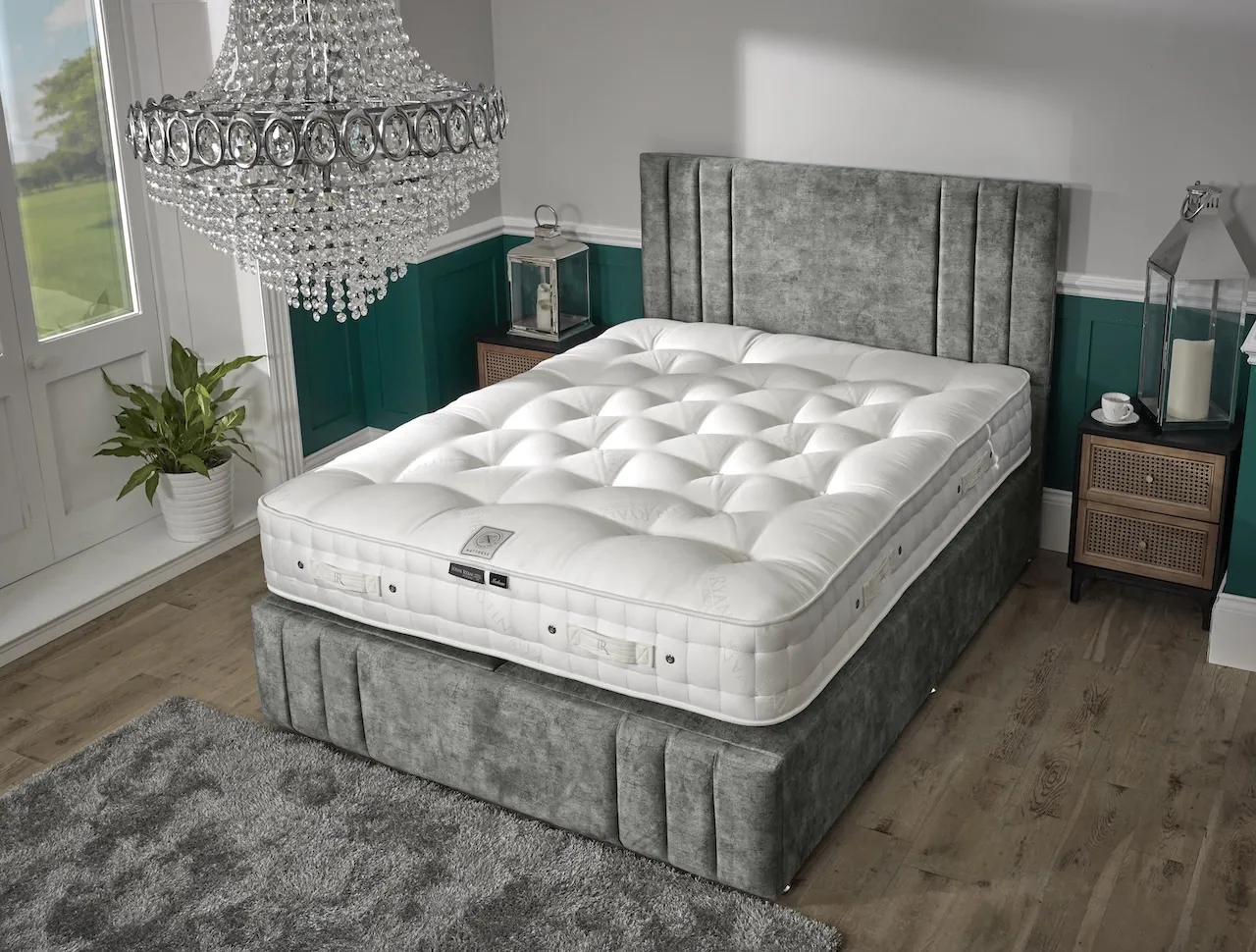
Artisan Bespoke 004 (£1,585 King): 100% natural construction with genuine Horsetail
Our Artisan Bespoke 004 representsther optimal value in the UK mattress market. At £1,585 king size, it delivers 100% natural construction with specifications that match Vispring’s £4,675 Regal Superb (as detailed in our Vispring comparison guide), whilst costing less than many high-street “premium” mattresses.
Specifications:
1,600 calico encased pocket springs (1.28mm tension) provide the same proven support as Artisan Naturals. Total upholstery is 3,600 GSM, comprising: 1,200 GSM British fleece Wool and Cotton blend for breathability and cushioning, 200 GSM softBambooo for additional temperature regulation and softness, 1,200 GSMpure Horsetaill (yes, genuineHorsetaill, not horsehair) providing resilient support and exceptional durability, 1,000 GSM bonded British fleeceWooll andCottonn for structure and comfort. This creates 100% natural fibre content – zero synthetics whatsoever. Two-sided fully turnable construction, hand side-stitched, UK manufactured wita h 10-year guarantee.
Why the Horsetail matters: Horsetail (not horsehair, which is different and less expensive) represents one of the premium natural fibres used in luxury upholstery for centuries. It’s extraordinarily resilient, coarser than horsehair, and provides firm, supportive characteristics that prevent excessive sinking whilst maintaining comfort. The 1,200 GSM of Horsetail we include would cost £150-180 just in raw material terms at wholesale prices. You’re getting genuine, premium, natural materials at accessible prices because we manufacture direct.
Who this suits: Buyers seeking Vispring or Savoir quality without their price; anyone with chemical sensitivities or a strong preference for all-natural materials; warm sleepers who overheat on memory Foam or synthetic padding; environmentally conscious customers seeking sustainable, biodegradable materials; and those seeking maximum longevity and willing to invest appropriately. This suits customers who value natural materials specifically,y rather than just wanting “a comfortable mattress.”
Expected lifespan: 15+ years with proper maintenance. The 100% natural content and Horsetail resilience mean this mattress maintains comfort characteristics longer than models with synthetic components.—costper night over 15 years: approximately £0.29, or £0.145 per person.
Why direct-from-workshop pricing matters forking-sizee buyers
The price differences between our Yorkshire workshop pricing and high-street retail become particularly pronounced at king size because material quantities increase substantially. A king mattress contains approximately 17% more material than a double due to the larger surface area (3.0 m² versus 2.565 m²). When retailers apply a 100-200% markup to wholesale costs, that markup scales with the quantity of material, resulting in dramatically inflated king-size prices.
Our direct-from-workshop model eliminates retail markup. The £1,295 you pay for Artisan Naturals king reflects material costs (springs, natural fibres, ticking fabric), manufacturing labour (hand side-stitching, upholstery construction), and workshop overhead, plus a reasonable margin. There’s no showroom rent, no retail staff commission, no marketing budget hidden in your mattress price. This is why we can deliver 3,950 GSM natural fibres with 1,600 calico springs at £1,295 whilst competitors charge £2,500-£3,500 for equivalent specifications.
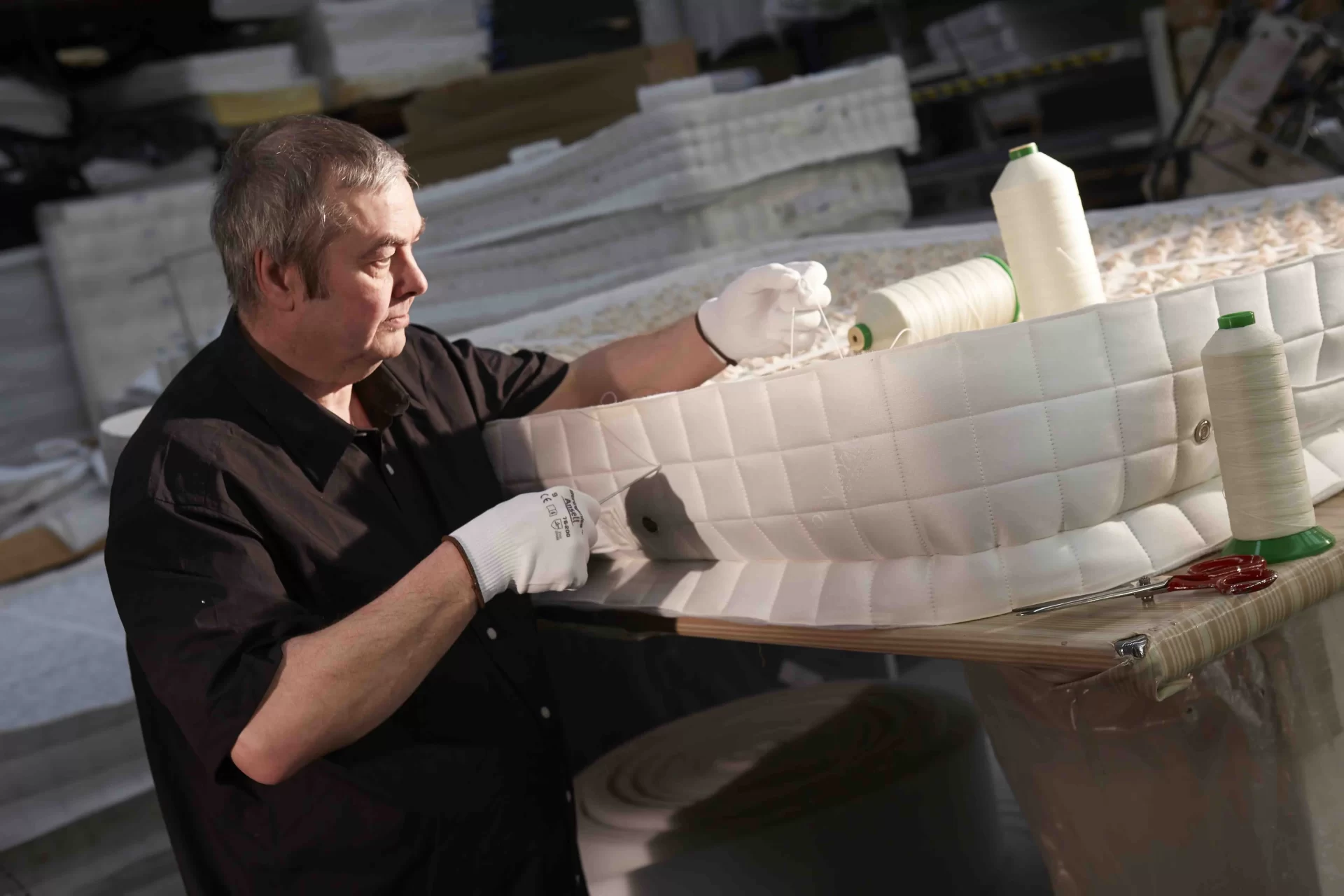
The 60-day trial period removes the risk of buying without in-store testing. You sleep on the mattress in your actual bedroom, with your actual pillows and bedding, for nearly two months. If it doesn’t suit you, we collect it free of charge and refunit d completely. This makes “buying without trying” a non-issue. The return rate across all our ranges is under 5%, which shows that specification-based purchasing (choosing a mattress based on disclosed GSM, spring count, and natural fibre content) works when manufacturers provide honest information.
King-size bedding and accessory considerations
The ongoing costs of king-size ownership primarily come from bedding replacement, so understanding realistic pricing helps budget appropriately. Here’s what you’ll actually spend, rather than optimistic marketing estimates.
Sheet sizing and quality considerations
Standard king fitted sheets measure 150cm x 200cm with elastic pockets, but you need to account for mattress depth. Our mattresses range from 26-31cmin dept,h depending onthe model, which requires fitted sheetslabelleds “deep” or “extra deep” (typically accommodating 30-35cm mattress depth). Standard fitted sheets designed for 25cm depth may not fit properly on deeper mattresses, creating pulling anda poor fit.
Quality Cotton sheet recommendations: minimum 200 thread count for durability, 300-400 thread count for good feel, 500+ thread count for luxury feel. Thread count isn’t everything fibrer quality matters equally), but it’s a useful proxy for quality at given price points. Expect to pay £30-50 for quality king fitted sheets, £40-70 for flat sheets, and £50-80 for complete sheet sets (fitted, flat, and two pillowcases).
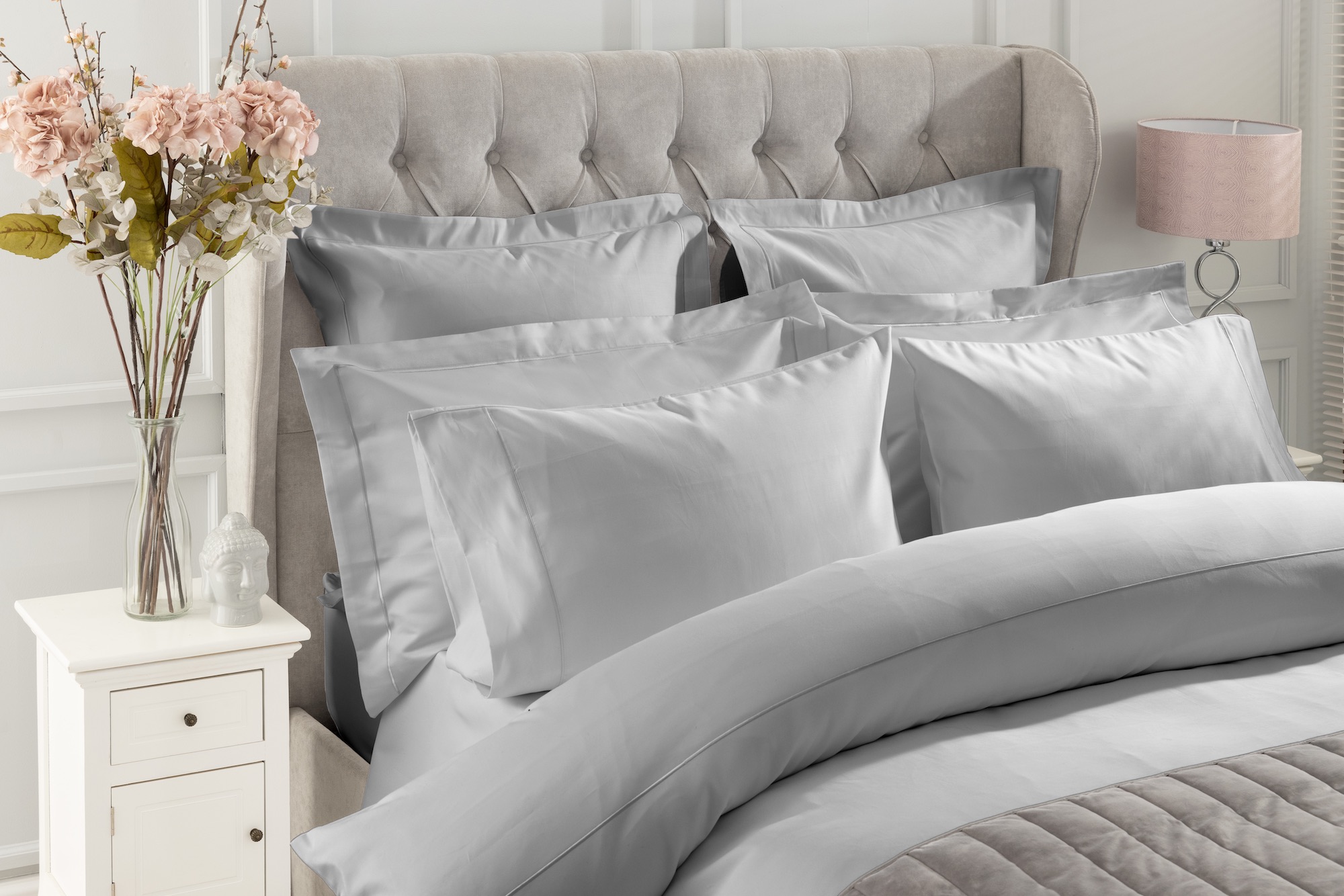
Natural fibre sheets (100% Cotton, linen, Bamboo) provide better temperature regulation than synthetic polyester or microfiber. If you’ve invested ina naturalfibrer mattress for breathability, undermining that with synthetic sheets defeats the purpose. Yes, natural fibresheets cost 30-50% more than synthetic equivalents, but they last longer, feel better, and actually support the temperature regulation your mattress provides.
Duvet and protector necessities
King-size duvets measure 225cm x 220cm (larger than mattress dimensions to provide proper coverage and drape). TOG ratings determine seasonal appropriateness: 4.5 TOG for summer, 10.5 TOG for winter, 13.5 TOG for very cold sleepers or unheated rooms. Many households use two duvets (summer and winter) and store the off-season duvet to maintain year-round temperature regulation.
King duvet prices range widely: £30-60 for synthetic hollowfibre budget options, £80-150 for quality natural fill (duck or goose down/feather blends), £200-400 for premium all-down duvets. Natural fill provides better temperature regulation, lighter weight for the same warmth, and a longer lifespan (8-12 years versus 4-6 years for synthetic).

Mattress protectors are non-negotiable for warranty maintenance and hygiene. Quality waterproof breathable protectors for king size cost £35-60. These need replacing every 2-3 years as the waterproof membrane degrades with washing. Cheaper vinyl-backed protectors create poor temperature regulation (trapping heat and moisture) whilst costing only £10-15 less; not worth the discomfort.
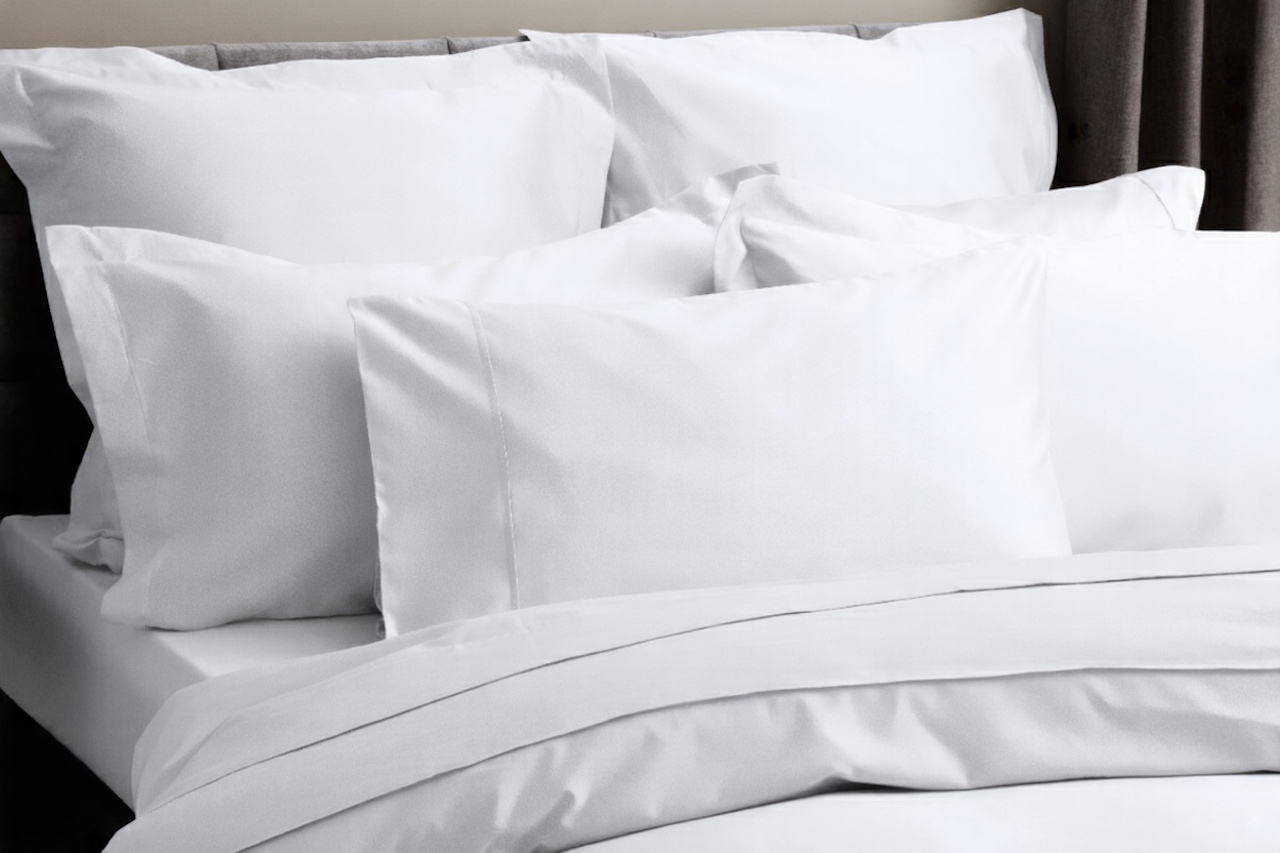
Pillow arrangements and storageKing-sizee beds accommodate 4-6 standard pillows (50cm x 75cm) or 2-3 European pillows (65cm x 65cm square) for sleeping, plus decorative cushions for stylin iff you enjoy hotel-bed aesthetic with multiple layered pillows, budget £120-200 for complete pillow setup including sleeping pillows (£25-45 each for quality) and decorative cushions (£15-30 each).
Storage for decorative pillows matters because you’re removing them nightly. If your bedroom lacks adequate storage (ottoman bench, wardrobe shelf, under-bed storage), those decorative pillows end up piled onthe floor or furniture, creating clutter. This is a minor point, but it creates daily frustration if overlooked during planning.
Common questions about king-size beds: honest answers from 25 years of experience
These are the most common questions customers ask when considering a king-size upgrade. Here are honest, practical answers rather than sales-optimised responses.
Will a king-size bed fit up my stairs?
This depends entirely on your specific property layout. King-size mattresses can be rolled, compressed, andmanoeuvredd through most standard UK doorways and up most staircases when handled by experienced delivery professionals. The critical measurements are staircase width (minimum 75cm clearance), doorway width (minimum 72cm clearance), and landing size for any 180-degree turns.
Problematic properties include Victorian conversions with very narrow staircases, properties with 90-degree turns on landings with minimal turning space, and some modern apartments with space-efficient staircase designs. If you measure your staircase and doorways and find them borderline, contact our delivery team with specific measurements. We can usually advise on feasibility based on experience.
Zip-and-link mattresses solve access problems definitively. Two 75cm-wide mattresses zip together to create the 150cm king-size. Each 75cm mattress navigates narrow spaces far more easily than a single 150cm mattress. We manufacture complete king-size zip-and-link ranges specifically for difficult-access properties. The central jjointis barely perceptible when properly installed.
How much more expensive is king-size bedding long-term? King-size bedding costs approximately 20-30% more than equivalentdouble-size beddingg across all product categories. A £40 double-fitted sheet becomes £50 for a king-size. A £120 double duvet becomes £ 150 for a king-size. This percentage holds relatively constant across quality tiers, so the absolute price difference scales with the quality level you choose.
Over a 12-year mattress lifespan, assuming you replace bedding every 3 years, the accumulated additional cost for a king-size mattress is approximately £200-300 compared to a double. These factors affect total ownership cost but don’t dramatically change the value proposition. As calculated earlier, this contributes approximately 4-5 pence per night tothe totalking-sizee ownership cost.
The practical impact is that you’ll notice the bedding cost difference each time you purchase replacement sheets or duvets. Still, the accumulated cost over the years is modest relative to the sleep quality benefits. If £50 versus £40 for fitted sheets creates a genuine budget strain, that might indicate an overall mattress budget needs adjustment rather than the king size specifically being inappropriate.
Can one person sleep comfortably in a king-size bed?
Absolutely. A king-size bed provides luxurious space for solo sleepers, accommodating any sleeping position, allowing unrestricted movement, and providing space for pets if desired. The counterargument that “it’s too much space for one person” reflects outdated attitudes aboutthe appropriatee allocationof resources for sleep. You spend approximately 3,000 hours per year in your bed. Having adequate space for comfortable rest isn’t wasteful; it’sa sensible priority.
Solo sleepers inking-size beds report particularly appreciating the ability to spread out without any spatial constraints, the freedom to position pillows for reading or working in bed, the ability to accommodate pets without feeling crowded, and guest accommodation when friends or family visit without needing a separate guest room setup.
The bedding cost consideration applies equally to solo sleepers (you still need king-size sheets and a duvet), so this isn’t a hidden economy versus couples. The value proposition for solo sleepers depends on whether you value sleeping space and comfort and prefer to allocate bedroom space and budget elsewhere. It is a personal preference, not a subjective right or wrong choice.
What’s the difference between king and super king size?
A UK super king measures 180cm x 200cm, compared to a king size at 150cm x 200cm. That’s an additional 30 cmh (approximately 12 inches of width), whilst the length remains identical. This gives each person 90cm personal width in a super king versus 75cm in a king. The 90cm width equals a standard single bed, so a super king effectively provides two single beds side by side.
Super king makes sense for very large bedrooms (4m+ width), heavier or larger-framed couples, anyone who particularly values maximum space, or couples with significant sleep disturbance issues where even king size hasn’t fully resolved proximity problems. The downsides are substantially higher costs (mattresses typically £300-500 more than the standard-size bedding, 30-40% more expensive than the standard-size, room-size requirements (minimum 3.5m x 4m bedroom), and limited frame selection (fewer designs available in superking-size).
Most couples find that a king-size provides adequate space improvements over a double, without the substantial cost increase and room requirements of a super king. Super king represents genuine luxury sizing that makes sense for specific situations rather than a standard recommendation for typical households.
Do I need a special frame for a king-size mattress?
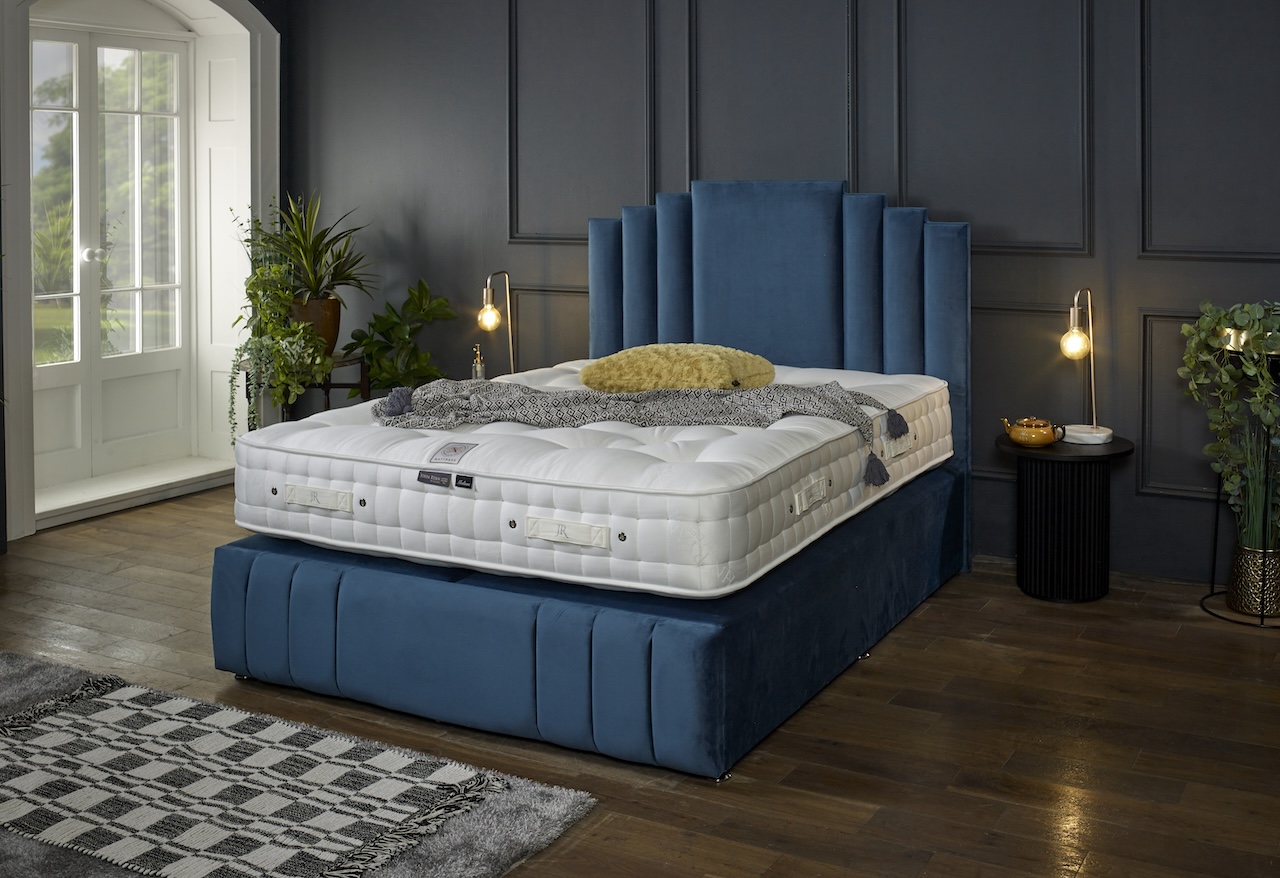
Standard king-size frames are widely available and don’t require special ordering for most styles. The key requirement is to verify that the internal dimensions match your mattress size (150cm x 200cm), as reputable retailers clearly specify. Antiques, imports, or custom frames may have non-standard internal dimensions, requiring verification before purchase.
The critical structural requirement for king-size frames is central support. Due to the 150cm span and substantial mattress weight (45-78kg), frames need either central support rails or central legs to prevent sagging. Quality frames include this support; budget frames may omit it, creating premature mattress sag and voiding warranties. When evaluating frames, specifically confirm central support exists rather than just perimeter rail support.
Slat spacing matters if you’re choosing slatted wooden frames. Maximum 7cm gaps between slatsprevents mattress sagging between slats and upholstery dropping through gaps. Too-wide slat spacing voids many mattress warranties. Measure the slat spacing or confirm the manufacturer’s specifications before purchasing slatted frames.
How often should I turn a king-size mattress?
For two-sided mattresses (like all our models), turn mont, y, alternating between flipping the entire mattress over, and rotating (turning the mattress head-to-foot). This creates four distinct sleeping surfaces over a four-month cycle, evenly distributing weight. The rotation schedule: Month 1 flip, Month 2 rotate, Month 3 flip, Month 4 rotate, then repeat. Mark your calendar or set phone reminders because consistent turning dramatically extends mattress lifespan. King-size mattresses weigh 45-78 kg, depending on specifications (our Artisan models weigh approximately 60-65 kg). This requires two people for safe turning or one person using proper lifting technique and taking time. Don’t attempt to turn heavy mattresses solo if you have back problems or mobility limitations. The weight is why professional mattress turning services exist for elderly or disabled customers, though most couples handle this themselves monthly.
One-sided mattresses require rotation only (no flipping), which is easier but provides less lifespan benefit because you’re always sleeping on the same upholstery surface. This is why we exclusively manufacture two-sided construction despite the additional cost and weight.
Summary
After 25 years of making mattresses, we’ve learned that “should we get a king size?” doesn’t have a universal answer. The decision depends on your specific bedroom dimensions, budget realities, relationship dynamics, sleep patterns, andan honesty assessmen of your priorities. Here’s how to decide confidently rather than second-guessing yourself.
Measure your bedroom properly using the guidelines provided earlier. If your room genuinely accommodatesa king-sizee without severe circulation compromise, that removes the main physical obstacle. If measurements are borderline, consider whether you’re willing to accept reduced circulation space for sleep quality benefits, or whether the compromise would create daily frustration.
The growth inking-sizee bed popularity from 12% to 28% of couple purchases over two decades isn’t fashion or marketing success. It reflects couples discovering through experience that adequate sleeping space genuinely matters for rest quality. You’re not following trends or being sold unnecessary upgrades. You’re making an evidence-based decision supported by sleep science research and practical experience from thousands of households.
If you need specific guidance about which John Ryan mattress suits your situation, call us on 0161 437 4419. We’ll ask about your weight, sleep position, any existing pain or comfort issues, your bedroom dimensions, and your budget parameters, andwe’ll recommend what actually works for your specific circumstances. We’re not going to pressure you toward our most expensive option or convince you to buy a king-size if a double genuinely suits you better. After 25 years making beds in Yorkshire, we know that honest advice builds better relationships than sales pressure, and satisfied customers are better for our business thanoversoldl,d disappointed ones.
Your sleep matters. Make the decision that genuinely serves your needs rather than checking boxes or following trends. Whether that’s king size, double, or super king depends on your specific situation – but now you have the information to decide confidently.

Dreaming of the perfect nights sleep?

Ask us a question
There are over 6000 questions and answers submitted by you on all questions about mattresses and bed problems. Enter a keyword such as Vi Spring, John Lewis beds, bad back or Memory Foam and see if your question has already been answered.
If you can’t find an answer in knowledge hub, ask a new question. We aim to respond to all questions within one working day.
Newsletter
Enter your email to join our newsletter. We’ll send you occasional news and mattress expertise.