







Mattress Science
January 2026Emma Mattress Pain Problems: Complete Troubleshooting Guide + Natural Alternatives (2026 Update)
Quick Self-Assessment: Is Your Emma Mattress the Problem?
Answer these questions honestly:
How long have you had the mattress?
Less than 30 days? Your body may still be adjusting.
1-3 months? This is when Emma problems typically emerge.
6+ months? Sagging and settlement are likely permanent.
What’s your bodyweight?
Under 70kg (11 stone)? Emma mattresses are often too firm for lighter sleepers.
70-90kg (11-14 stone)? You’re in the Emma sweet spot.
Over 90kg (14 stone+)? Emma won’t offer enough support long term.
What’s your sleep position?
Side sleeper? Emma’s slow-responding foam causes hip and shoulder pain.
Back sleeper? You might be okay if you’re average weight.
Front sleeper? Emma will likely force your spine out of alignment.
Are you overheating?
Yes? This is Emma’s biggest flaw and it won’t improve.
No? You’re one of the lucky ones.
Has the mattress sagged or dipped?
Yes? This is permanent with one-sided foam mattresses.
Not yet? It’s coming. Memory foam settles faster than traditional upholstery.
Which Emma Mattress is best?
The ongoing debate on which Emma Mattress is best continues; is it the Emma Original or the Emma Premium Hybrid? Ultimately, deciding which mattress is the best for you depends on what you want out of it. Is it softness? Support for back pain? Pressure relief? Good temperature regulation?
Emma Original (£449-£749)
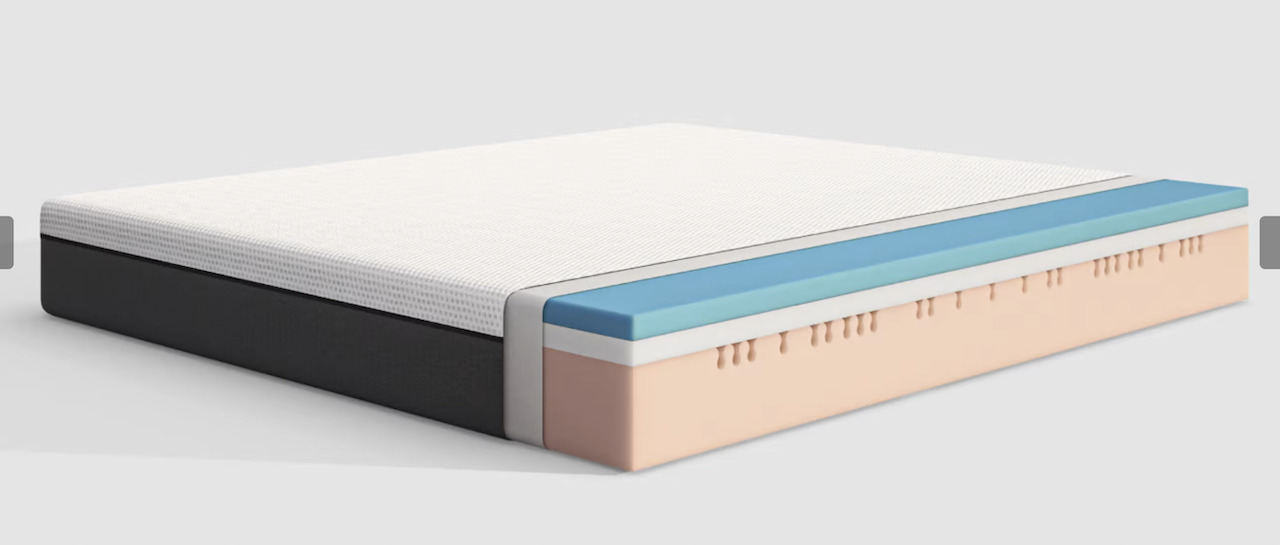
Construction: 3 layers of 100% synthetic foam
Feel: Medium-soft (but often feels firm for lighter sleepers)
Best for: Average weight back sleepers who sleep cool
Problems: Too firm for side sleepers under 11 stone, extreme heat retention, limited motion transfer
The Emma Original is the worst offender for holding you in place. The dense memory foam prevents you from shifting positions naturally, forcing your body into uncomfortable angles all night.
If you’re waking with lower back pain on an Emma Original, the mattress is offering too much support in the wrong places. Your spine needs to move naturally during sleep. Memory foam prevents this.
Emma Premium Hybrid (£699-£1,199)
Construction: 5 layers (3 foam + pocket springs + base foam)
Feel: Medium-firm
Best for: Heavier sleepers (14+ stone) who need extra support
Problems: Still heat-retentive, sagging in middle reported frequently, expensive for a one-sided mattress
The Premium Hybrid addresses some motion transfer issues with its pocket springs, making it slightly better for combination sleepers. However, it’s still topped with synthetic foam, so heat retention remains a problem.
Multiple customers report the Emma Hybrid sagging in the middle, with both partners rolling towards each other during the night.
Emma CliMax Hybrid & NextGen Premium
These newer models add more layers and zoned support but fundamentally haven’t solved Emma’s core issues: synthetic foam, heat retention, one-sided construction, and slow response times.
Understanding Why Your Emma Mattress Hurts
The Memory Foam Problem
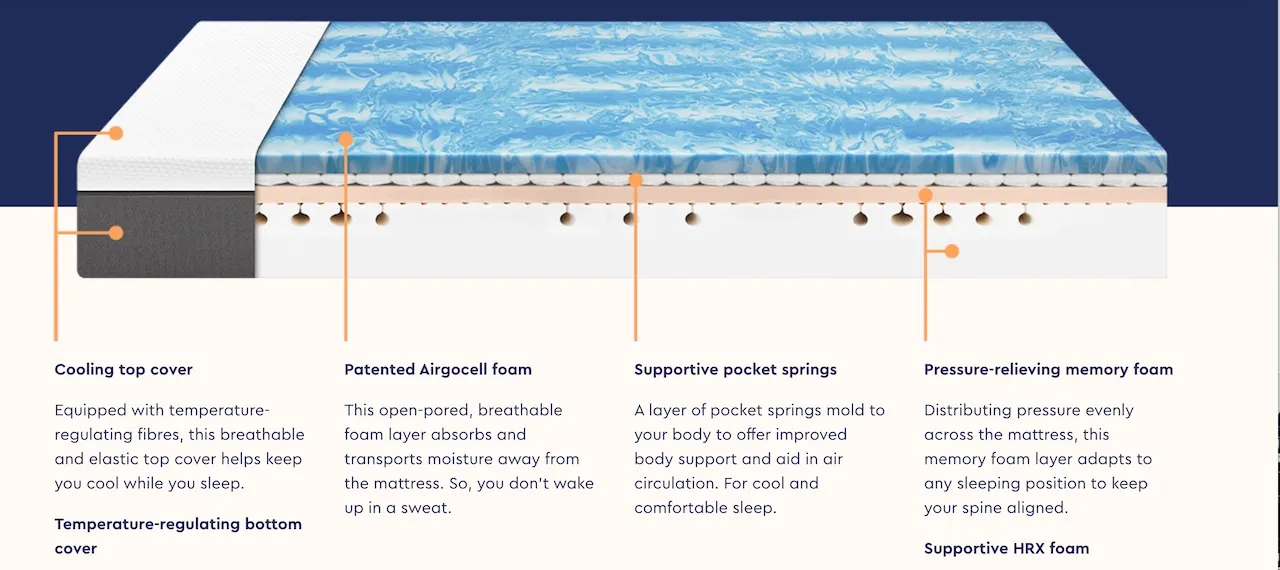
Emma mattresses are made entirely from synthetic foam: Airgocell foam, viscoelastic memory foam, and cold foam. Here’s what that means for your body.

Vasco-elastic foams require heat and pressure to work. They mould to you slowly, which feels plush initially. But when you need to shift position during the night, the foam holds you in place. Your body fights this restriction, leading to muscle tension and morning pain.
Side sleepers suffer most. Your shoulders and hips need immediate sink to prevent pressure buildup. Memory foam doesn’t give instantly; it waits for your body heat to soften it. By then, you’ve already spent hours with misaligned joints.

One density across the entire mattress. Traditional mattresses use softer layers on top with firmer support below. Emma uses the same density throughout, so pressure points like hips and shoulders have to force harder to sink in whilst other body parts sit on the surface.
This is why lighter sleepers (under 11 stone) and side sleepers particularly struggle with Emma mattresses. At your weight, you simply can’t generate enough pressure to compress the foam adequately.
Heat Retention: Why You’re Sweating
Memory foam is intrinsically heat-retentive. It needs heat to mould and then traps that heat. Emma mattresses might claim their covers remove heat, but the reality is the foam bulk underneath is still retaining warmth all night.
If you’re a naturally warm sleeper, no amount of tinkering will fix this. You can remove your duvet, lower the bedroom temperature, open windows, but the foam underneath you will still be trapping body heat.
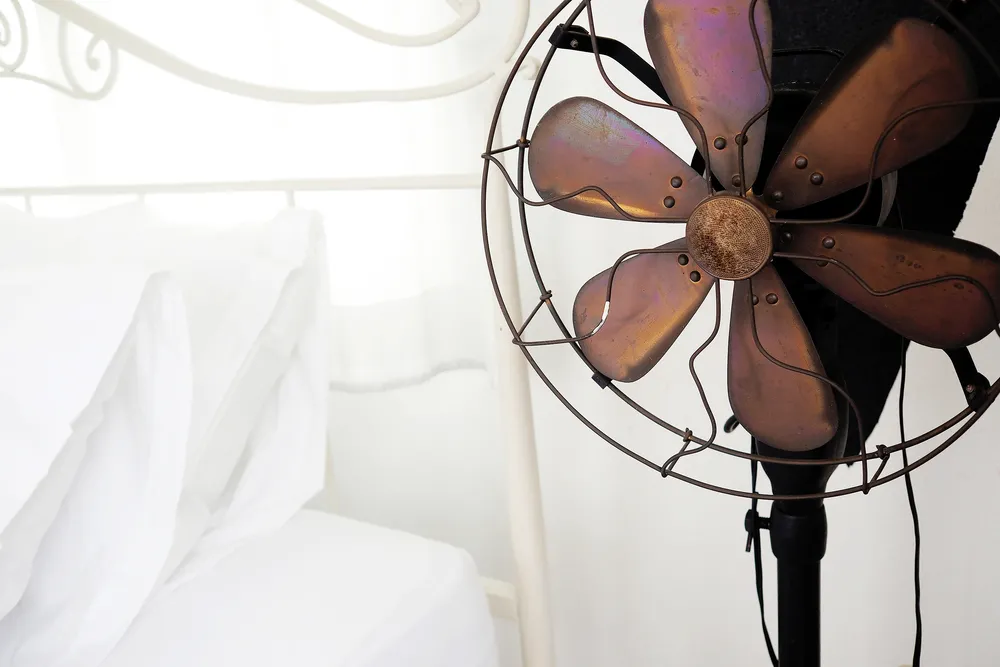
We’ve written extensively about Emma mattress heat problems and why they happen.
The One-Sided Settlement Issue
Emma mattresses are one-sided. You can rotate them head-to-foot but you cannot flip them over. This means one side bears all the wear, all the time.
Traditional two-sided mattresses let you turn them monthly, evening out settlement on both sides. When natural fibres compress on one side, you flip it and use the other whilst the first side recovers. You can’t do this with Emma.
Memory foam compresses faster than natural fibres. Within 6-12 months, bodily impressions form. Once they’re there, they’re permanent. You can search online and find thousands of complaints about Emma mattress sagging and dipping.
Read more about why one-sided mattresses are a fundamental design flaw.
DIY Fixes: What Actually Works (and What Doesn’t)
Fix 1: Check Your Base
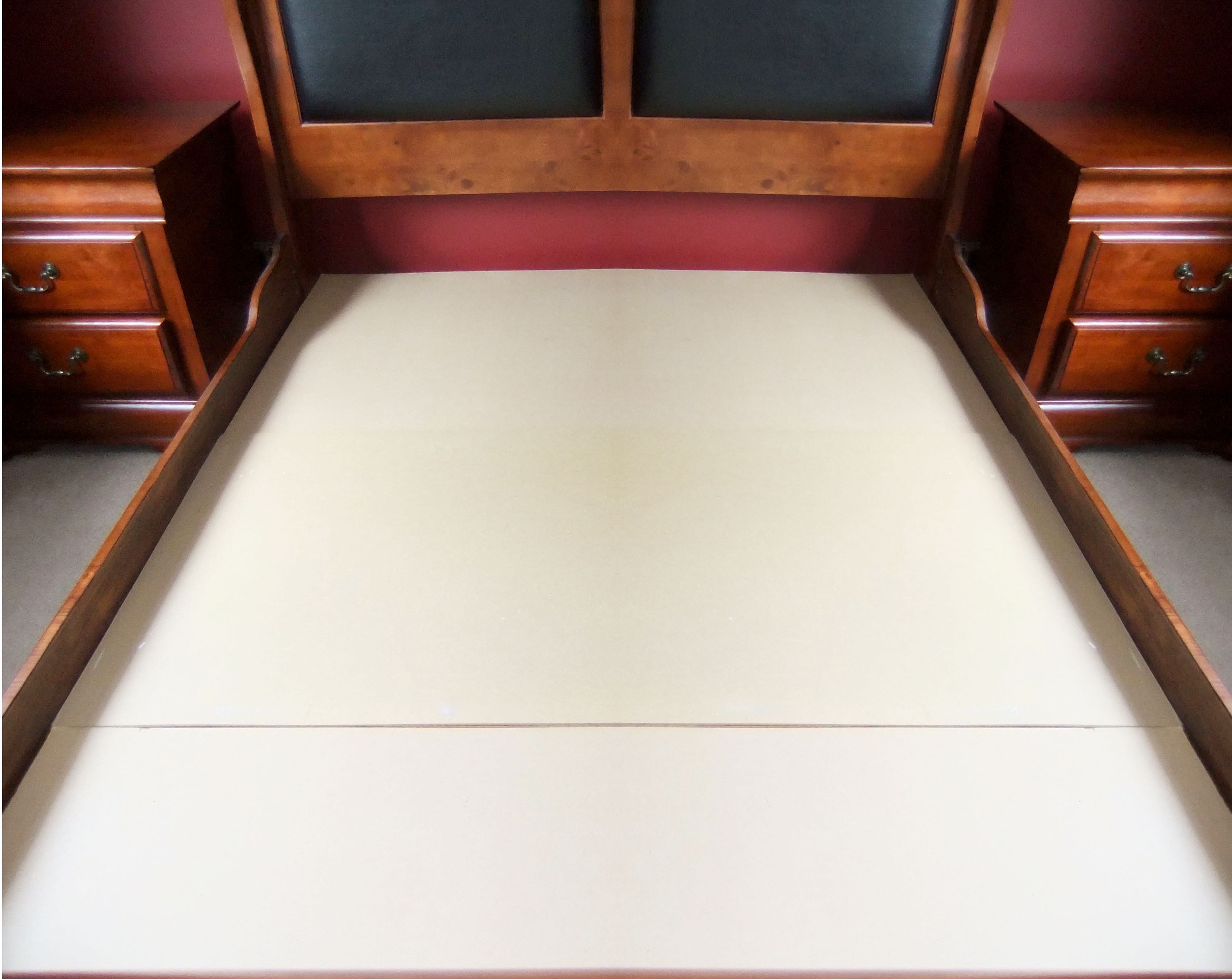
Problem: Emma mattresses on slatted bases with gaps over 2 inches develop dips and sags.
Why it happens: Synthetic foam bulges between wide slat gaps, creating undulations on the sleeping surface.
Fix: Board over your slats with 18mm plywood or MDF. Place an old duvet between the boards and mattress to prevent the slats damaging the mattress cover.
If you’re on a slatted base and experiencing dipping, this might actually solve your problem. Read more about suitable bases for Emma mattresses.
Effectiveness: High if slats are the culprit. Won’t fix heat or firmness issues.
Fix 2: Rotate Monthly
Problem: Bodily impressions forming where you sleep most.
Why it happens: One-sided foam compresses quickly without the ability to flip.
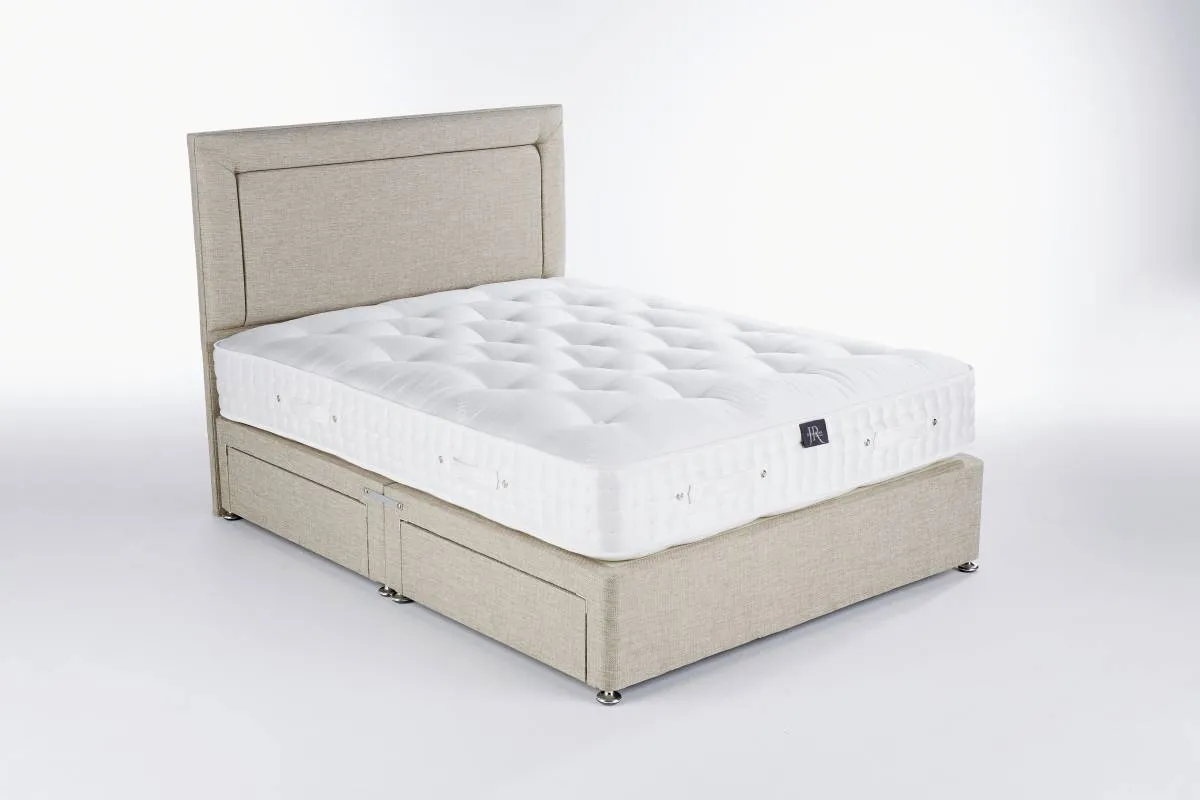
Fix: Rotate your Emma mattress 180 degrees (head to foot) every 30 days. This distributes wear more evenly.
Effectiveness: Medium. Slows down settlement but doesn’t prevent it. Won’t fix pain or heat issues.
Fix 3: Temperature Management
Problem: Waking up sweating, feeling overheated.
Why it happens: Vasco-elastic foam retains heat by design.
Attempted fixes:
- Lower bedroom temperature to 16-18°C
- Switch to a lower tog duvet (4.5 or summer weight)
- Use breathable cotton or linen sheets
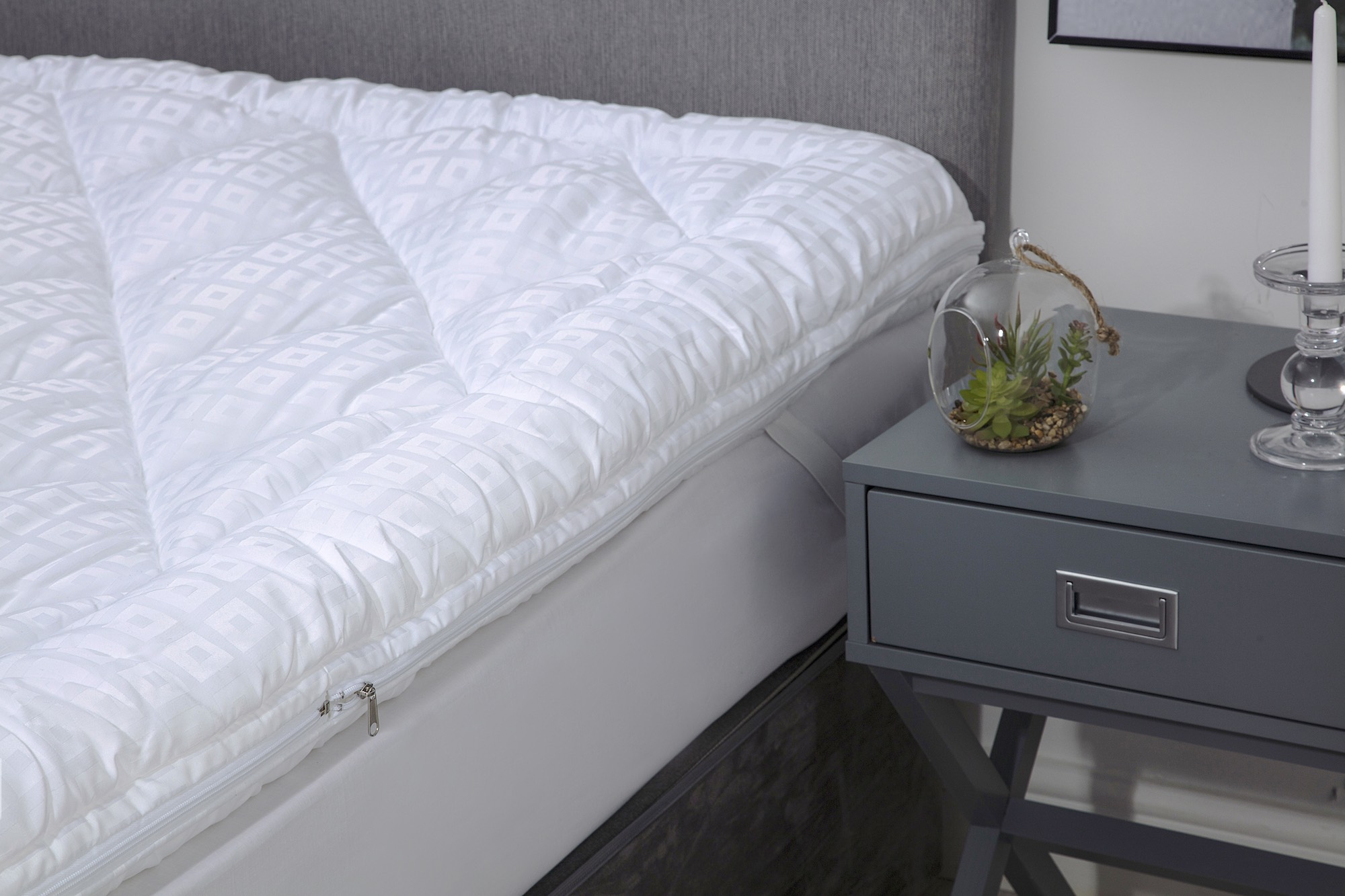
- Add a wool mattress topper to create distance from the foam
Effectiveness: Low. These might offer marginal improvement, but you’re fighting the fundamental nature of the material. If you’re a warm sleeper, Emma will always be too hot.
One customer tried adding a 100% wool topper to their Emma Hybrid and still woke up sweating. The foam bulk underneath simply overwhelms any cooling layer on top.
Fix 4: Adjustment Period (30 Days Minimum)
Problem: New mattress feels uncomfortable or painful.
Why it happens: Your body is accustomed to your old mattress. Any change requires adaptation.
Fix: Give your Emma mattress 30-45 days before making a decision. Keep a sleep diary noting pain levels and sleep quality.
Effectiveness: Medium. Genuine adjustment takes 4-6 weeks. However, if you’re still in pain after 45 days, the mattress isn’t right for you.
Emma offers a 200-night trial, but most people know within 6-8 weeks whether it’s working.
What Won’t Work: Don’t Waste Your Time
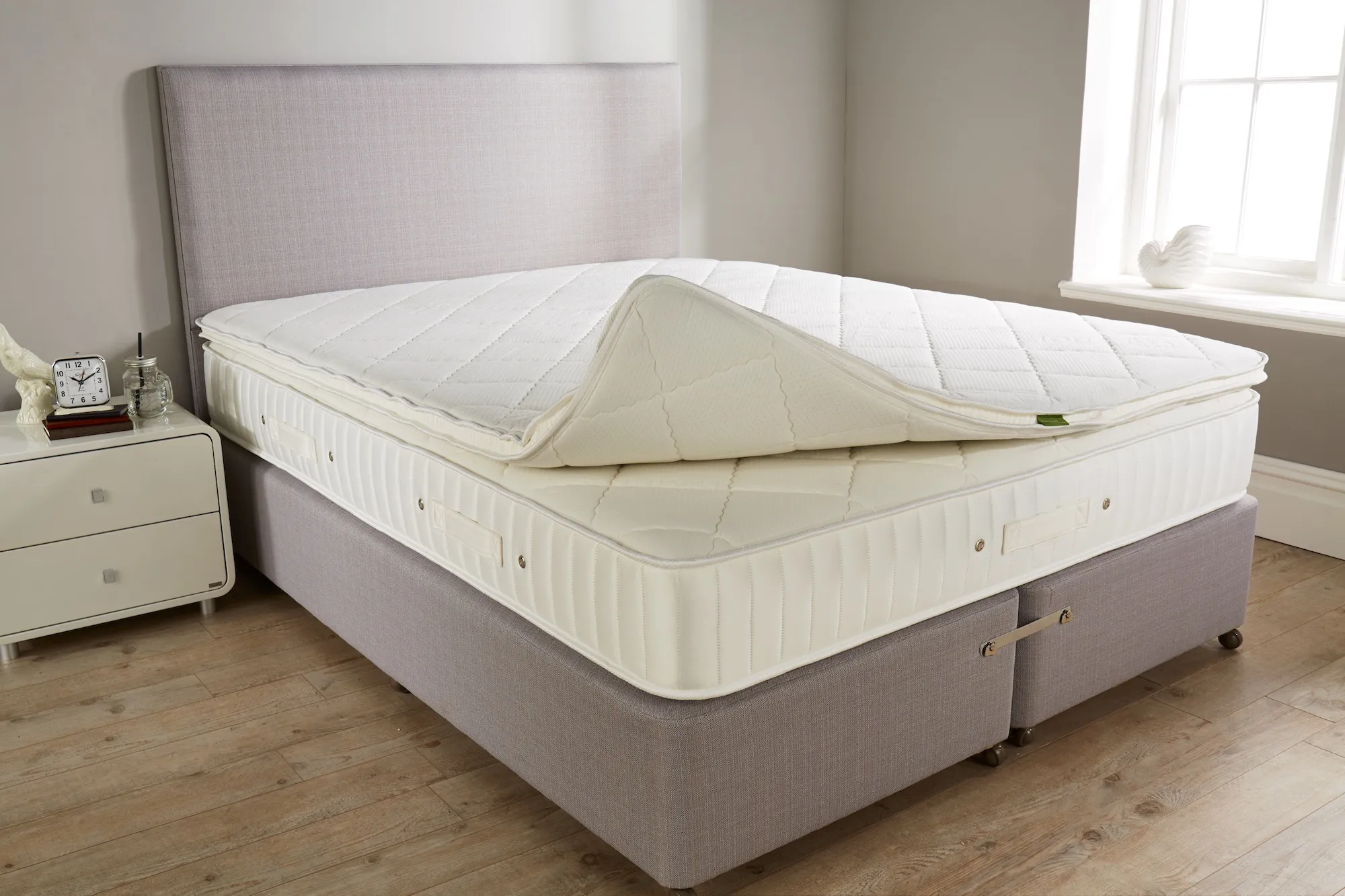
Adding a Firm Topper
If your Emma is too soft and causing lower back pain, adding a firm topper seems logical. Don’t bother. You’ll just create a hard layer on top of a soft sinking base, worsening spinal alignment.
Putting Emma on Top of Another Mattress
Some people think stacking mattresses reduces settlement. This doesn’t work with one-sided foam. You’re still sleeping on the same Emma surface every night. Plus, stacking foam on foam creates an unbearably hot, unsupportive sleep surface.
Read about why putting Emma on top of another foam mattress fails.
Waiting for the Foam to “Break In”
Memory foam doesn’t break in like leather or natural fibres. It compresses and stays compressed. If it feels too firm now, it will eventually feel too soft as it collapses. There’s no sweet spot coming.
The lifespan of an Emma Mattress
There is always a debate with these one-sided mattresses that relates to the longevity of the Emma Mattress. Given that traditional mattresses are always two-sided, so you can turn and rotate them, one-sided box mattresses mean you’re always sleeping on the same side each night. This leads to issues of faster settlement in a one-sided mattress, as one side is getting all the wear and tear.
What is the best bed base for an Emma Mattress?
The Emma Mattress is suitable for most bases, but we would advise that you board over the slats before putting the Emma Mattress (or another foam mattress) on such a base. The reason for this is that slatted bases with gaps of over 2 inches can cause dips and sags with Emma Mattresses. This is because the gaps are too far apart and the synthetic foam can then start to bulge between the gaps, causing undulations on the top sleeping surface. We always advise boarding over the slats for this reason.
Should I rotate my Emma Mattress?
As the Emma Mattress is one-sided, you cannot turn it over. Memory foam is notorious for compressing and settling really quickly, which is why rotating it monthly is key. Ideally, a two-sided mattress should always be chosen to avoid this drawback. This affects 99% of all boxed and rolled mattresses.
High end pocket springs cannot be crushed and rolled, meaning these boxed mattresses are all reliant on foams and micro springs, which in turn leads them to be a one-sided mattress. So, whilst they’re really convenient, it does limit your mattress choices and quality options significantly.
How to manage back or neck pain with an Emma Mattress
Emma Mattresses are made from dense memory foam and other synthetic foams that can be too firm for some sleepers. They can cause back and shoulder pain in bed during the night. This is because bed-in-a-box bed companies like Emma all use foams that are super slow to react: great for that slow sink feeling, but not so great when you need to turn and move in the night! This can lead the Emma Mattress to hold you in uncomfortable positions during the night or, in some cases, offer too much support. This can result in your body being held in an awkward position.
Memory foams are also the same density across the mattress, meaning that pressure points like hips, shoulders and backs are having to force the most pressure on the bed to sink in, whereas other body parts sit on the surface. This is fine for heavier sleepers, but for lighter sleepers and side sleepers it can lead to bad backs and sore shoulders each morning.
These synthetic foam boxed mattresses are also usually only one-sided, so the foams and materials in them are usually firmer to help prevent settlement. However, this settlement actually occurs far faster in one-sided mattresses as they can’t be turned to even it out.
If you are a front sleeper, it is more than likely that such a mattress doesn’t have enough of an initial sink to accommodate your shoulders and chest. This means you’re sleeping with your chest being pushed back and out of alignment with your neck. This can cause thoracic pain: the type of back pain which is usually caused by slouching, especially at office-seated desk jobs.
Why is the Emma Mattress so warm?
The Emma mattress is made entirely of synthetic foam. Memory foam and synthetic foam are incredibly heat retentive and often retain far more heat than their natural fibre counterparts.
Mouldable foams like memory foam are vasco elastic, meaning they respond to, retain and build up heat to work properly. This is why they feel cold at first and then warm up during the night as you sink into them. Great for cold sleepers, but they can cause issues with warmer sleepers or generate excess heat during the night. This hot sleeping can lead to discomfort and constant movement during the night. All that restless wiggling can also cause a bad back.
If you’re a warm sleeper you should try and avoid any of these foam boxed mattresses. They may claim that their covers remove heat, but in reality they do very little to remove the intrinsic heat build up. For a cooler night’s sleep, a mattress made from natural fibres is best.
If you like the idea of responsive support but want better breathability and temperature regulation, natural fibre pocket sprung mattresses offer an alternative that avoids the heat-retention issues commonly associated with all-foam designs.
When to Return Your Emma Mattress
You Should Return If:
You’re a side sleeper under 11 stone and experiencing shoulder or hip pain. Emma Original is fundamentally too firm for you. Moving to Premium Hybrid won’t fix this.
You’re overheating despite trying every temperature fix. This won’t improve. Memory foam is intrinsically heat-retentive.
You’re a front sleeper experiencing upper back or neck pain. The foam isn’t giving enough initial sink for your chest and shoulders, forcing your spine into a slouch position.
The mattress has visible sagging or dipping after 6+ months. This is permanent settlement. Emma’s 10-year guarantee has strict criteria that often don’t cover early settlement.
You’ve genuinely tried it for 45+ days and still wake up in pain. Your body has had time to adjust. The mattress simply isn’t suitable for you.
Understanding Emma’s 200-Night Trial
Emma offers a 200-night trial (previously 100 nights). Here’s what you need to know:
- Minimum trial period: 30 nights before you can request a return
- Collection: Emma arranges free collection
- Refund: Full refund within 14 days of collection
- Condition: Must be in clean, unstained condition (use a mattress protector)
One important detail: Emma will ask why you’re returning. Be honest. “Too firm causing shoulder pain” or “overheating every night” are perfectly valid reasons.
For comparison, we offer a 60-day Love It or Return It guarantee on all our handmade mattresses. We understand that buying a mattress sight unseen requires a proper trial period.
Natural Alternatives That Solve Emma’s Problems
If you’re returning your Emma, what should you buy instead? We recommend moving away from synthetic foam entirely and choosing natural fibre pocket spring mattresses. Here’s why.
What Makes Natural Fibres Different?
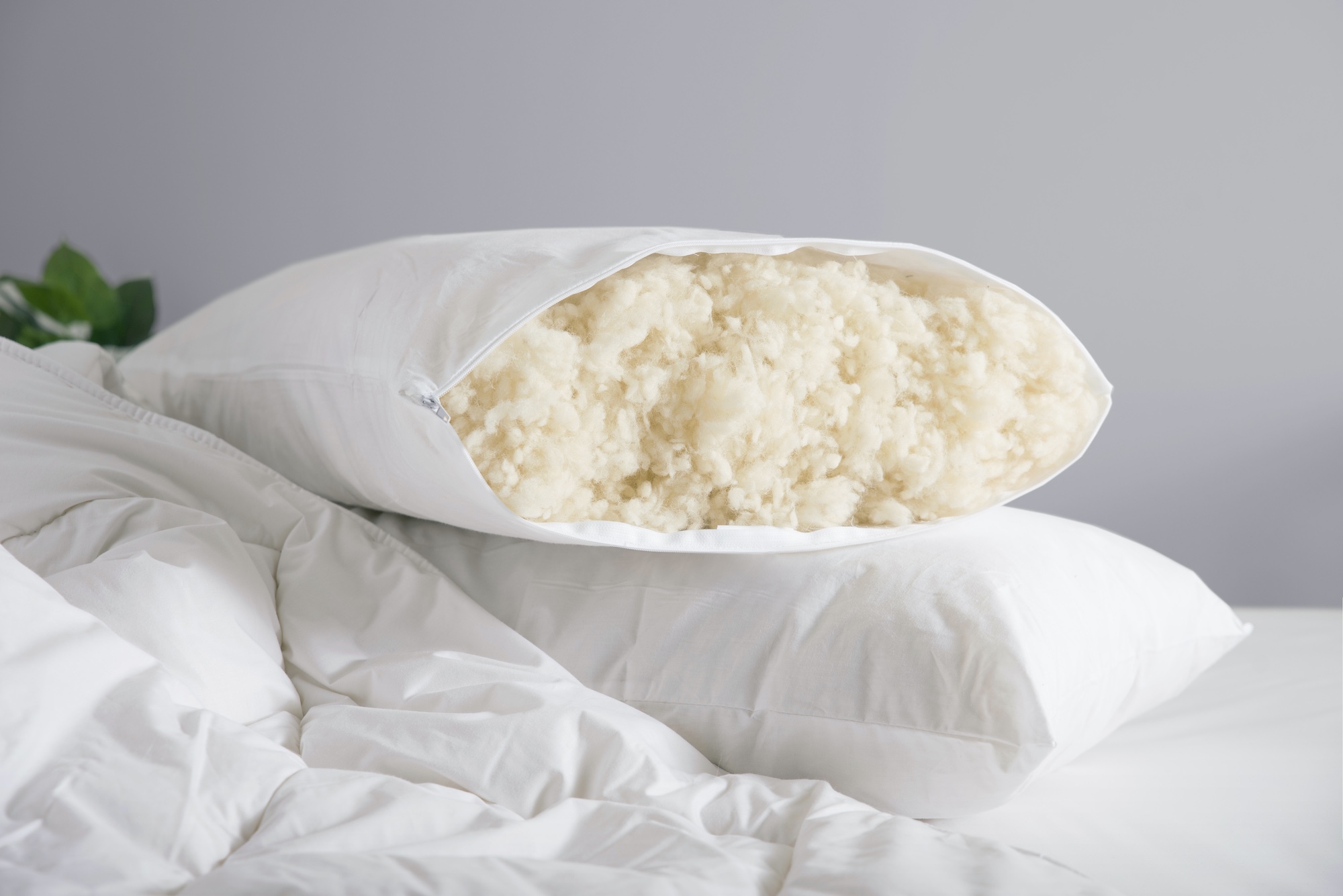
British wool, cotton, and horsehair breathe naturally. They don’t trap heat like foam. Wool can absorb up to 30% of its weight in moisture without feeling damp, wicking it away from your body as you sleep.
Natural fibres respond instantly. When your shoulder presses into wool or cotton upholstery, it gives immediately. You don’t wait for heat to soften the material. This eliminates the pressure point pain side sleepers experience with Emma.
Two-sided construction doubles lifespan. Turn your mattress monthly and you’re evening out wear on both sides. When one side settles, flip it and use the other whilst the first recovers naturally.
You can read more about natural fibre mattresses and why they solve foam problems here.
John Ryan Alternatives by Emma Problem
If you’re looking for an alternative to an Emma mattress thats causing you problems or you’re just not getting on with, as a hot sleeper or someone who finds their mattresses too firm then we have some natural fibre alternatives for you to consider below.
A) If Your Emma Original is Too Firm (Under 11 Stone, Side Sleeper)
Origins Pocket 1500
Price: £695 (Single) to £995 (Super King)
Spring count: 1500 pocket springs
Comfort layers: 300 GSM wool + 750 GSM very soft polyester + 500 GSM polyester pad
Feel: True medium with progressive cushioning
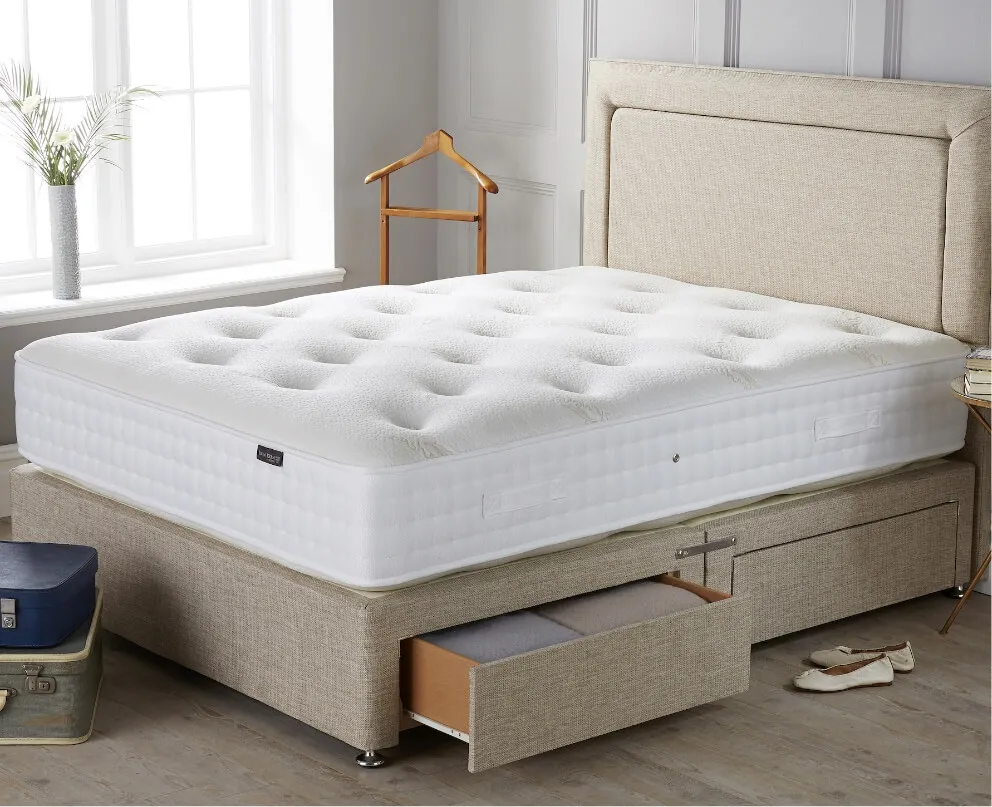
This mattress gives you immediate sink in the top wool layer for your shoulders and hips, with medium support underneath so you don’t bottom out. It’s two-sided, so turn it monthly to prevent settlement.
Why it solves Emma pain: The 300 GSM wool top layer responds instantly to pressure. No waiting for heat. Side sleepers get proper cushioning without the restrictive hold of memory foam.
One customer switching from Emma to Origins 1500 noted: “The Emma was too firm and left me with shoulder and hip pain. The Origins 1500 has cushioning in the top layers for side sleepers but is supportive underneath.”
B) If Your Emma is Overheating
Artisan Naturals
Price: £999 (Double) to £1,395 (Super King)
Spring count: 1500 calico-encased pocket springs
Comfort layers: 85% natural fibres (British wool, cotton, horsehair)
Feel: Medium
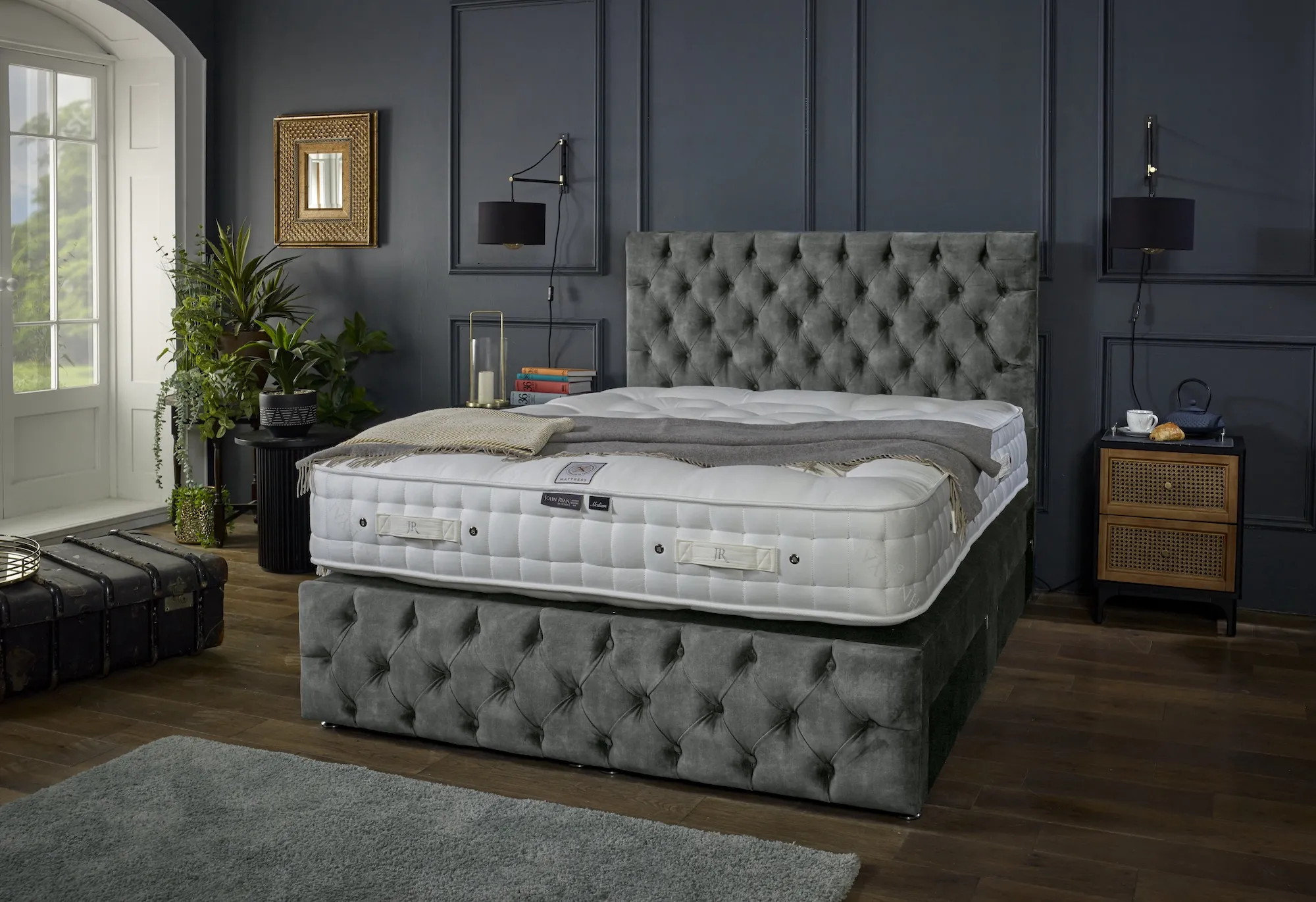
This is our coolest mattress. The calico-encased pocket springs (not spunbond) allow maximum airflow. 85% natural fibres means genuine breathability, not marketing claims.
Why it solves Emma heat: British wool is naturally temperature-regulating. It wicks moisture 2x better than cotton and doesn’t trap heat like foam. Customers moving from Emma Hybrid due to sweating report dramatic temperature improvements.
C) If Your Emma Premium Hybrid is Sagging
Origins Naturals Support
Price: £1,050 (Double) to £1,395 (Super King)
Spring count: 1000 or 2000 pocket springs (choose based on bodyweight)
Comfort layers: 65% natural fibres – 500 GSM British wool + 1800 GSM rebound polycotton pads + 250 GSM wool/cashmere/silk/cotton insulator
Total GSM: 2550 (exceptionally deep upholstery)
Feel: Medium/firm

For sleepers over 14 stone or those who’ve experienced sagging with Emma, the Origins Naturals Support delivers proper support without the harsh surface feel of foam. The exceptionally deep 2550 GSM upholstery provides a forgiving sleep surface despite the medium/firm feel. With 65% natural fibres, you get genuine breathability that memory foam simply cannot match.
Why it solves Emma sagging: Choose between 1000 pocket springs (for lighter sleepers) or 2000 pocket springs (for heavier sleepers or firmer support). The higher spring count distributes weight far more evenly than foam layers, with each spring handling less individual load. This dramatically extends mattress life. Being two-sided, you can turn it monthly to prevent the permanent impressions Emma develops. The multiple rebound polycotton layers create responsive support that bounces back rather than staying compressed like memory foam.
D) If You Need Different Tensions (Couples)
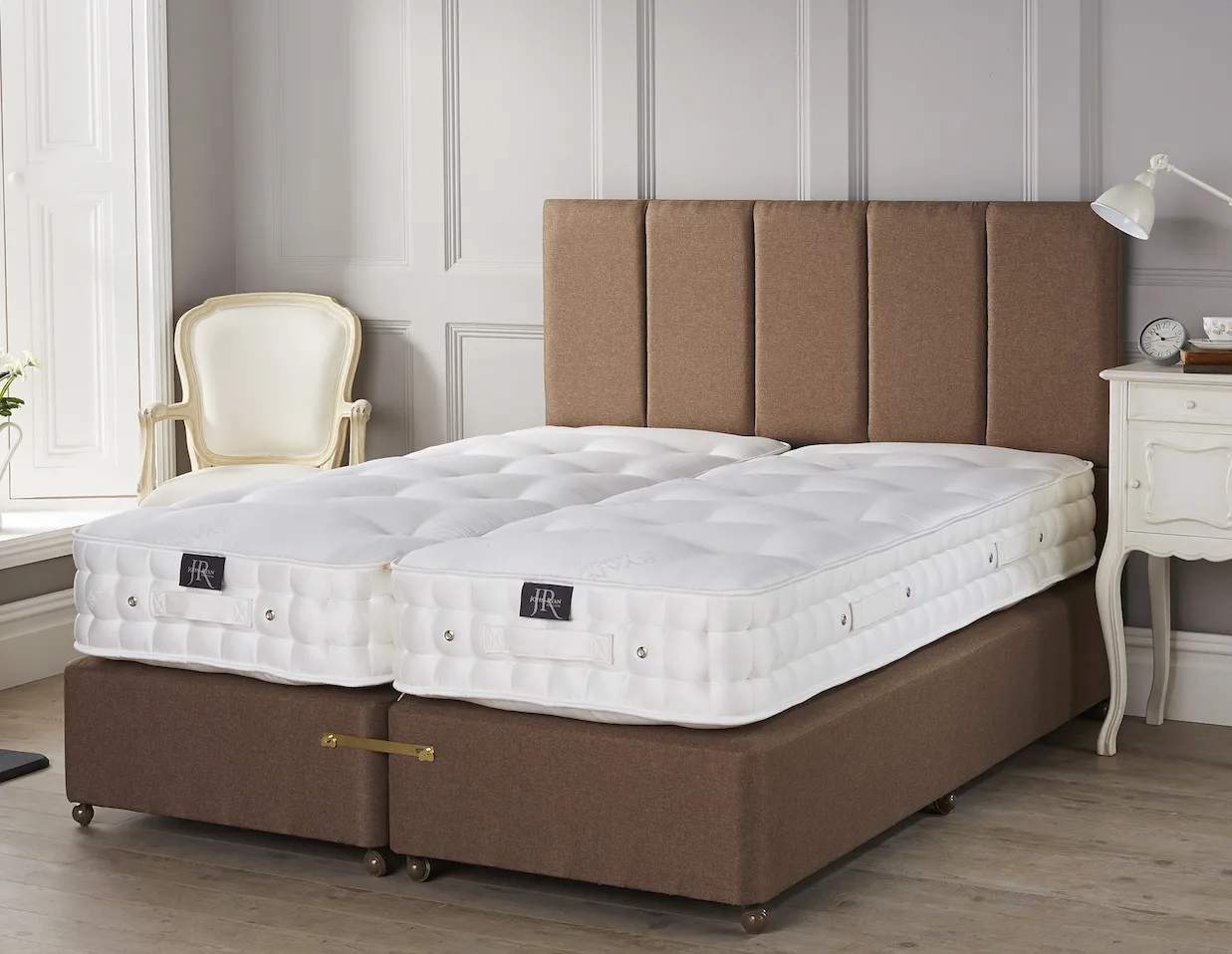
Zip & Link Option
One partner 9 stone, the other 13 stone? We can do a zip and link mattress with 1.4mm medium springs on one side and 1.6mm firm on the other.
Emma’s “one size fits all” approach means one partner is always compromising. With split tension, both of you get the right support for your individual bodyweight.
Comparison: Emma vs John Ryan Natural Fibre
| Feature | Emma Original | Emma Premium Hybrid | John Ryan Origins 1500 | John Ryan Artisan Naturals |
|---|---|---|---|---|
| Price (King) | £649 | £949 | £895 | £1,295 |
| Materials | 100% synthetic foam | Foam + pocket springs | Wool + polyester + pocket springs | 85% natural (wool, cotton, horsehair) |
| Heat Retention | Very high | High | Low | Very low |
| Response Time | Slow (requires heat) | Slow on surface | Instant | Instant |
| Two-Sided | No | No | Yes | Yes |
| Spring Count | 0 | Unknown micro springs | 1500 or 2000 | 1500 calico |
| Trial Period | 200 nights | 200 nights | 60 nights | 60 nights |
| Guarantee | 10 years (strict criteria) | 10 years (strict criteria) | 10 years full repair/replace | 10 years full repair/replace |
| Best For | Back sleepers 11-14 stone who sleep cool | Heavy sleepers 14+ stone | All positions, all weights (choose spring tension) | Side sleepers, warm sleepers, natural materials priority |
Cost per night over lifespan:
Emma Original (5-7 year realistic lifespan): £0.25-£0.36 per night
Origins 1500 (10-12 year lifespan): £0.20-£0.25 per night
Artisan Naturals (12-15 year lifespan): £0.24-£0.30 per night
When you factor in actual usable lifespan, handmade natural fibre mattresses offer better value than one-sided foam alternatives.
Real Customer Stories: Emma to John Ryan
Sarah, Side Sleeper, 9.5 Stone
“I tried the Emma Original for 3 months. Every morning I woke up with shoulder pain and my hips aching. I thought maybe I just needed time to adjust, but it never improved. I called John Ryan and they recommended the Origins 1500 in a medium spring. The difference was immediate. The wool top layer cushioned my shoulders without that restrictive feeling the Emma had. I’ve been sleeping on it for 8 months now and turn it every month like they said. No more morning pain.”
Tim & Linda, Mixed Weights
“We bought an Emma Hybrid because my wife (9 stone) and I (13 stone) had different needs. Big mistake. It was too hot for both of us and sagging in the middle within 6 months. We returned it and got a John Ryan zip & link—medium springs on her side, firm on mine. She says it’s like sleeping on clouds, I get proper support, and neither of us are sweating anymore. Wish we’d done this first.”
Read more customer experiences switching from Emma to natural fibres.
Graham, Serial Bed-in-a-Box Returner
“I’ve tried 10 boxed mattresses since 2018. Emma, Eve, Simba, Nectar—returned every single one during the trial period. The Emma Premium was my last attempt. When I unzipped it to look inside, the foam edges were torn in multiple places. That was it for me. I bought a John Ryan Artisan Naturals and I’m done with foam forever.”
Full story about Emma Premium damage and the problems with rolled mattresses.
Frequently Asked Questions
How long should I try my Emma mattress before deciding?
Minimum 30 days, ideally 45-60 days. Your body needs time to adjust to any new mattress. However, if you’re still in significant pain after 6 weeks, the mattress isn’t right for you.
Can I fix Emma’s heat problem?
Not really. You can make marginal improvements with temperature management (lower room temp, lighter duvet, breathable sheets), but vasco-elastic foam is intrinsically heat-retentive. If you’re a warm sleeper, you’ll always struggle with Emma.
Will a topper help my Emma mattress?
Only if you’re trying to add a slight cooling layer. A thin wool topper might distance you from the foam heat. However, toppers won’t fix firmness issues or structural sagging. And they’re expensive—you’re spending £150-300 trying to fix a £600 mattress.
Is Emma Premium Hybrid better than Emma Original?
For some people. The Premium Hybrid has pocket springs which provide better edge support and make it easier to move around. However, it’s still topped with heat-retentive foam, still one-sided, and significantly more expensive. Many customers find both the Original and Premium cause the same back pain problems.
What if I’m over 14 stone?
Emma won’t provide enough support long term. At your weight, you need either a firmer spring gauge or a higher spring count. Memory foam compresses too quickly under heavier weights, leading to back pain within months. Consider the Origins 1500 with 2000 firm springs or Artisan Naturals.
Do I have to return my Emma to use the 200-night trial?
No. Emma collects it from your home for free. Keep it in clean condition with a mattress protector. They’ll arrange collection once you’re within the trial period (after 30 nights minimum use).
Will John Ryan mattresses last longer than Emma?
Yes. Our mattresses are two-sided, so you can turn them monthly to even out settlement. Natural fibres are more resilient than synthetic foam—they bounce back after compression rather than staying compressed. Realistic lifespan for Emma is 5-7 years. For our two-sided natural fibre mattresses: 10-15 years with proper care.
How do I know which spring tension I need?
It’s based primarily on bodyweight:
- 1.4mm (Medium): Under 16 stone
- 1.6mm (Firm): 14-20 stone
- 1.9mm (Extra Firm): Over 18 stone
Call us on 0161 437 4419 and we’ll calculate the right tension based on your weight, height, and sleep position. We don’t guess.

Summary: The Emma Decision
Emma mattresses work for some people. If you’re an average-weight back sleeper who naturally sleeps cool and doesn’t mind replacing your mattress every 5-7 years, Emma might suit you fine.
For everyone else—side sleepers, warm sleepers, lighter sleepers, heavier sleepers, couples with different weights—Emma’s one-size-fits-all approach with heat-retentive synthetic foam creates more problems than it solves.
The good news? There are better alternatives that cost roughly the same and last twice as long. Natural fibre pocket spring mattresses breathe properly, respond instantly to pressure, and can be turned monthly to extend lifespan dramatically.
We’ve helped hundreds of Emma owners transition to natural fibre mattresses and solve their pain, heat, and settlement problems permanently. We can help you too.
Questions about whether your Emma is salvageable or which natural alternative suits your specific situation?
Ring us on 0161 437 4419 or email us. We’ll give you honest advice, even if that means recommending something other than our most expensive option.
Additional Reading: Emma Mattress Articles
- Full Emma Mattress Review: All Models Compared
- Emma Mattress Nightmare: Heat & Smell Issues
- Emma Mattress Causing Neck and Back Pain: How to Fix
- Sore Back from Emma Mattress: Solutions
- Emma Hybrid Making Me Sweat: Cooler Alternatives
- Emma vs Nectar: Too Hard or Saggy Problems
- Emma Mattress Too Hot: Natural Fibre Replacement
- Emma Premium Damage When Unboxed
- Best Base for Emma Mattress
- Unwrapping Your New Boxed Mattress Guide

Dreaming of the perfect nights sleep?
Ask us a question
There are over 6000 questions and answers submitted by you on all questions about mattresses and bed problems. Enter a keyword such as Vi Spring, John Lewis beds, bad back or Memory Foam and see if your question has already been answered.
If you can’t find an answer in knowledge hub, ask a new question. We aim to respond to all questions within one working day.
Newsletter
Enter your email to join our newsletter. We’ll send you occasional news and mattress expertise.