







Mattress Care
March 2026Bed bugs and how to treat them
Bed Bugs are pests which can be found in any area of your home and can affect furniture, carpets, cracks in floors and, of course, mattresses. They are not a sign of dirt or bad hygiene, as some may believe. More often than not, they are hitchhikers that have found their way to your bedroom via various carriers and into your mattress.

These carriers could be old, second-hand furniture, relic mattresses, or even other people who may unknowingly transport them during travel. Hitching a ride on clothing, furniture or other upholstery. They are opportunistic creatures!
The UK is facing a bed bug epidemic, with widespread reports in the news and on social media causing a frenzy. Reports of bed bugs being spotted on the London Underground in October this year sent many into a panic, and now the question on everyone’s minds is: how do I get rid of bed bugs?
It was reported that Paris had a major bedbug outbreak, as many had travelled for fashion week. Some reports said it was so bad that streets were filled with discarded mattresses. It is believed that this outbreak has now spread to the UK through travellers, leading to an increase in reports of bed bug infestations.
However, bed bugs in the UK aren’t something new. According to pest control experts Rentokil, there has been a 65% increase year-on-year in bedbug infestations in the UK. Reports tend to increase between August and September as they like the warmer weather. However, the warmer-than-usual October has meant that they have stuck around longer.
The increase in travel post-pandemic has also contributed to the spread of bed bugs, and they are becoming more resistant to insecticides used to kill them. With these pesky critters on the rise, we wanted to help put your mind at rest by detailing everything you need to know about bed bugs, how to prevent getting bed bugs and how to get rid of bed bugs. Read on to find out our top tips for getting rid of bed bugs.
- What are bed bugs?
- Where do bed bugs come from?
- How do I know if I have bed bugs?
- Physical signs of bed bugs
- How do I treat bed bug bites?
- Bed bug facts
- How do I prevent bed bugs?
- How to prevent a bed bug infestation in your home
- Bed bugs and pets
- How do I get rid of bed bugs in the UK?
- Is it time to replace your mattress?
- Frequently asked questions
What are bed bugs?
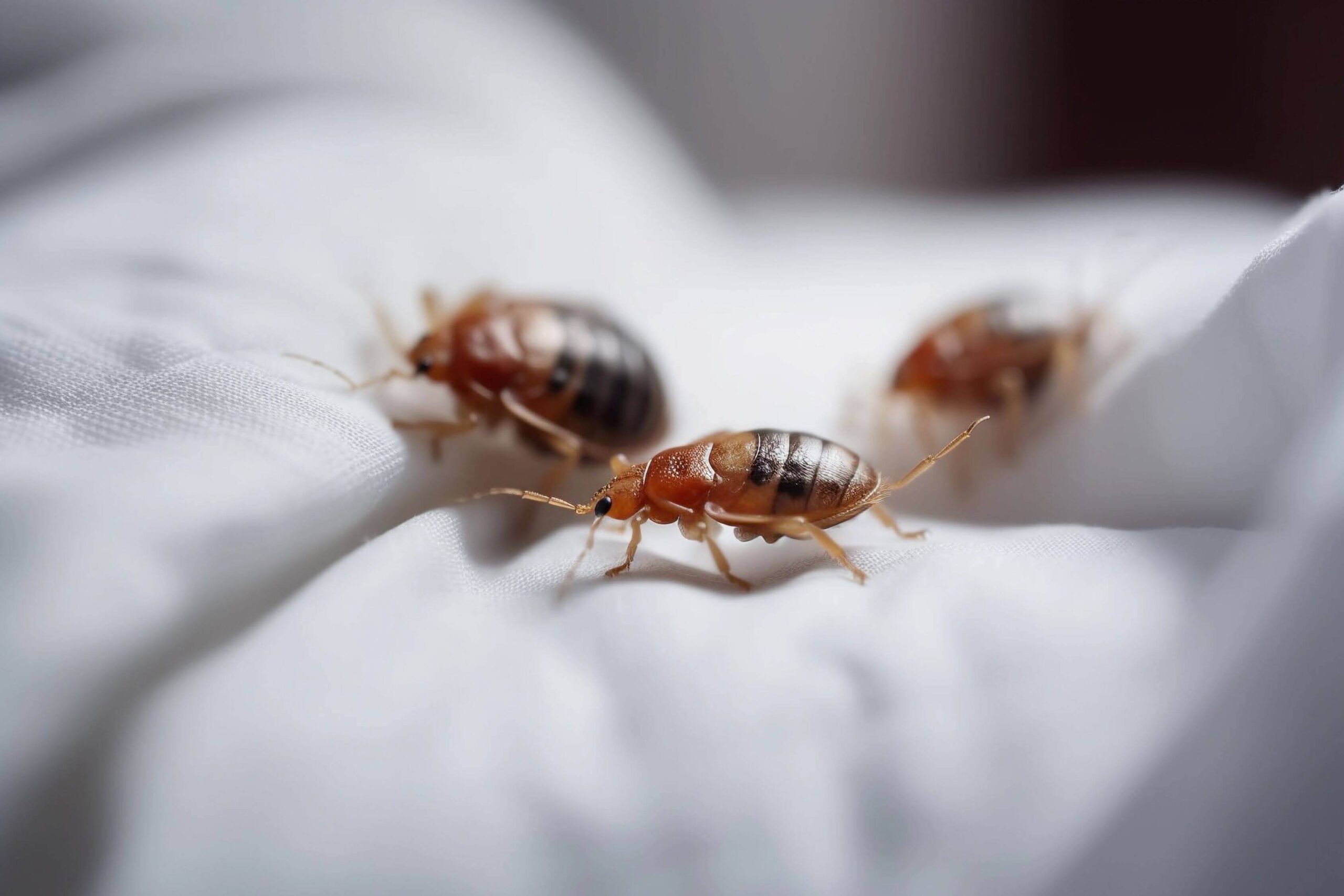
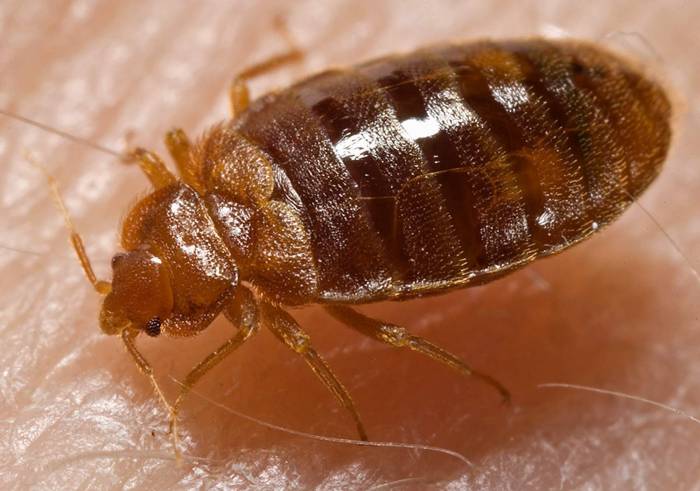
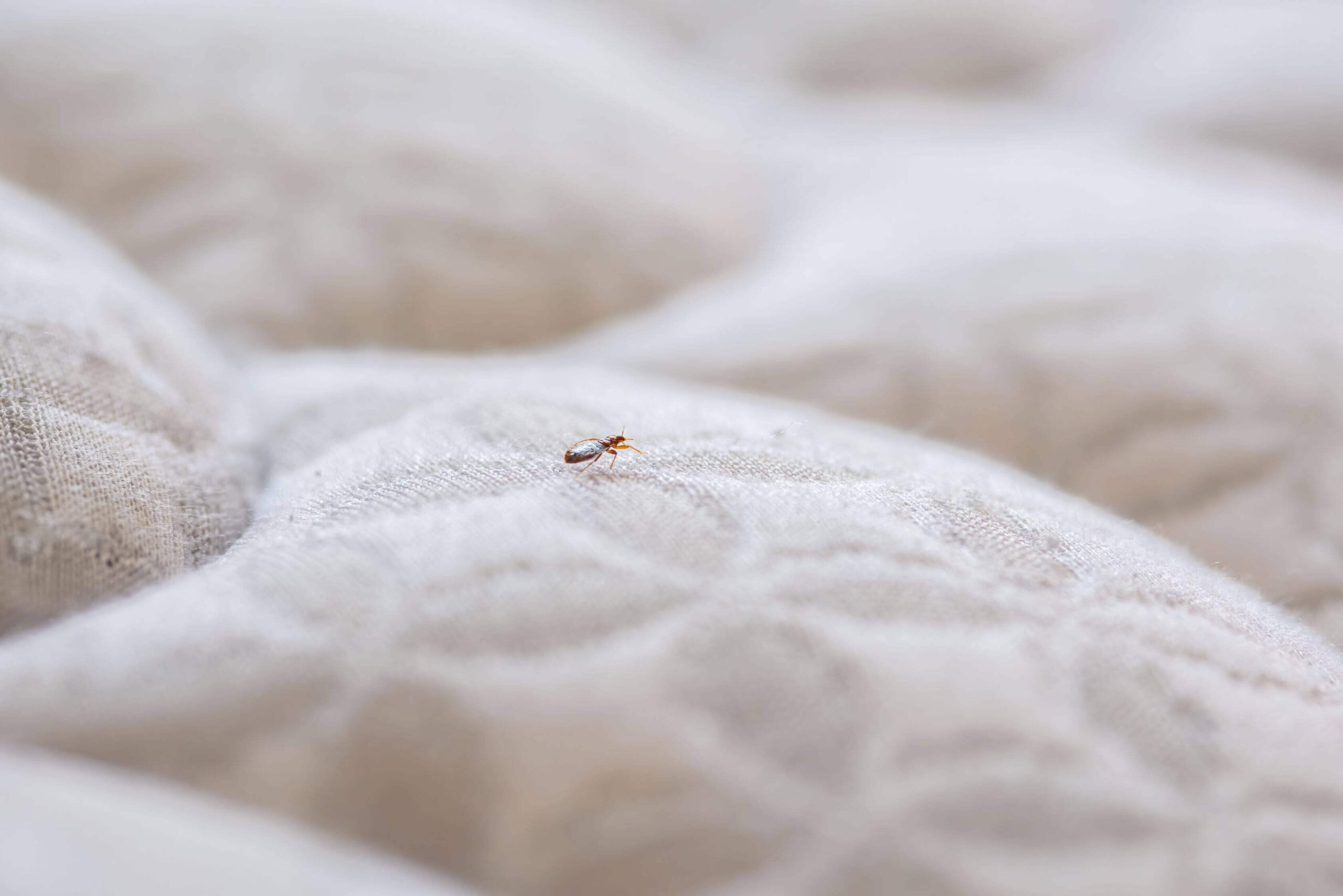
Bed bugs are small, oval-shaped insects that tend to live on furniture, bedding, and mattresses. They’re usually dark yellow, red, or brown in colour, and adult bed bugs are around 5mm long. Their bites often cause red, itchy spots to appear on the skin, but they do not usually cause other health problems.
Bedbugs can hide in all kinds of places, including mattresses, bed frames, bedding, clothing, furniture, behind pictures, under loose wallpaper, carpets, or in cracks in your skirting boards.
Bed bugs are nocturnal creatures, only coming out at night to feed, drawn to the warmth of human or animal bodies. Bed bugs can live up to a year without food, lying dormant and waiting for a food source, which is why they can persist in an empty property between tenancies and reappear seemingly from nowhere when new occupants arrive.
Bed bugs can spread rapidly, with female adults laying up to 10 eggs per day and 200-500 in their lifetimes. Nymphs, the juvenile stage, are smaller than adults and appear almost translucent or pale yellow, making them genuinely difficult to spot with the naked eye. Their flat profile allows them to squeeze into spaces as thin as a credit card, which is part of what makes them so hard to find and eradicate.
Where do bed bugs come from?
The question on many people’s minds is, “Where do bed bugs come from?” It’s a common misconception that bed bugs only infest dirty homes. When people find they have bed bugs, they often feel ashamed, but there is no need to; bed bugs can enter clean homes just as easily.
Bed bugs tend to enter homes through travel. They can be found in any environment where humans tend to be in large groups. Hotels are a common place to come into contact with bed bugs because of the large number of people coming and going. It takes just one person to unknowingly bring a bed bug in on their luggage or clothing, and the room could get infested.
Frequent travellers are more at risk of bringing bed bugs into their homes. To prevent this from happening to you, make sure you thoroughly check the bed you’re staying in and the room around it. Avoid placing your suitcase on the bed; use the luggage racks provided instead. Using hard-shell luggage can also help, as it is harder for bugs to latch onto a rigid case than to work their way into fabric.
Another common way bed bugs enter your home is through second-hand furniture. Before buying any used furniture, we suggest you give it a thorough examination and even consider cleaning it before bringing it into your home.
It’s important to remember that a bed bug infestation can happen to anyone in any home. It could be as simple as getting on a train and having one transfer to your clothes, which can then be carried back home. With this in mind, there are a few things you can do which may help prevent bed bug infestations in your home.
How do I know if I have bed bugs?
Knowing whether you have bed bugs is relatively simple, as you can visually inspect your mattress and bedding. To ascertain as to whether you have bed bugs, you would find dark blood spots on sheets and bedding. This is because they feed at night, a bit like vampires. Crawling out from cracks and crevices in and around your bed. Bed bugs sometimes excrete while feeding, resulting in dark reddish or brownish spots.
Bed bugs typically cluster in out-of-the-way areas, but to determine whether you have these little pests, look on and around the bases, mattresses, and bed frames, and in and around the tufts and buttons on the mattress. They are absolutely tiny, and you’re more likely to see their exoskeletons, which they shed as tiny brown scales. They can survive months without feeding, which means they can survive in properties between tenants, allowing them to pass from carrier to carrier.
These insects are only about ¼” and very flat so that they can move into very tight corners and cracks. Please see the image below:
An individual insect can lay between 200 and 250 eggs in its lifetime. The eggs hatch in about 6 to 10 days, and the newly emerged bed bug nymphs seek a tasty meal, which, sadly, is either a feast from you or a pet! Adult bed bugs will live for about 4 months; however, they can survive without feeding for up to a month.
Physical signs of bed bugs include:
- Brown rusty coloured small stains on your mattress or bedding
- Shed skins in crevices, creases in upholstery or around the mattress edge
- A musty odour in the bedroom with no obvious source
- Itchy lumps or bite marks on people or pets, often appearing in clusters or a roughly linear pattern on skin exposed during sleep.p
- Live bugs are visible in mattress seams or along bed frame joints on close inspection with a torch.
How do I treat bed bug bites?
Although these insects will bite you, they are not known to spread diseases; they are more of a nuisance, causing an itchy red rash on your skin. It is advised that antihistamines can be used to reduce the itching, but the best treatment is to stop bed bugs in their tracks and remove them from your bedroom.
You may see bites as track marks in the same places; this is because bedbugs are known to feed in the same spot sequentially. The bites often appear as small lumps, and the act of being bitten is painless. Most people only notice the bites a day or two afterwards as itchy spots. It’s key to spot these early so you can remove these bedbugs from your mattress and bedroom.
Although they can be uncomfortable, bed bug bites are not usually dangerous. They can get very itchy, and you may get painful swelling, but they should usually clear up on their own in about a week. If bites are causing blisters, significant swelling, or an unusually severe reaction, it is worth speaking to your GP, as some people with existing skin sensitivities can have a more pronounced allergic response.
To help soothe bed bug bites, you could try:
- Putting something cool on it, like a cold compress or a damp cloth
- Keep the affected area clean and apply a mild steroid cream like hydrocortisone
- Take antihistamines, as these can help ease the itching, particularly at night when symptoms tend to worsen
If you find you have bed bug bites and need help treating them, the NHS has some useful advice.
Bed Bug Facts
- They can’t fly, but move quickly across floors, walls and ceilings
- Feed exclusively on blood
- They can travel in other people’s luggage or furniture
- They can survive months without feeding — tenacious things!
- Bedroom clutter increases the risk of bedbugs making your bedroom their home.
- Bed bugs are becoming increasingly resistant to many common insecticides, which is one reason infestations have risen in recent years and why professional heat treatment is now the most reliable eradication method.
How to prevent bed bugs?
To avoid bringing these unwanted pests into your home, you’ll need to take some minor precautions, particularly when travelling. There have been reports of increased bed bug infestations even in high-end hotels. It seems more a result of the increasing trend for people to travel more. The availability of short-term holiday rental properties and locations with high visitor turnover has enabled bed bugs to thrive. Even cinemas have been known to house bed bugs in the upholstery of the seats.
A good rule of thumb is to check suitcases when you are travelling and before leaving the hotel to make sure nothing has crawled into the suitcase whilst on the floor. Alternatively, why not use the suitcase stand often found in hotel rooms to help elevate the suitcase? When returning home from any trip, unpack on a hard floor outside the bedroom, put clothing straight into a hot wash at 60°C, and vacuum the suitcase before storing it away.
They can also hitch a ride on clothing, which often allows them to infest multiple rooms in a house. They really are savvy creatures!
Check second-hand furniture before bringing it into the house; it is often a carrier for the blighters. If the furniture can be washed down and cleaned, then this can help. Upholstered furniture is harder to inspect, so make sure you check any creases in the fabric, the titching, the older stitching, second-hand headboards, and bugs.
- Remove and wash your bedding each week on a 60-degree wash
- Turn and rotate your mattress each month
- Air your room daily
- Vacuum the bedroom at least once a week
- Deep clean any second-hand furniture you may bring into the bedroom
How to prevent a bed bug infestation in your home
Minimise clutter
Clutter in your bedroom, particularly around your bed, will make it easier for bedbugs to set up shop there. It gives them more places to hide out of sight and nest, so keeping a clean, tidy bedroom is important for preventing bed bug or other bug infestations.

Keep your bedroom and mattress clean and hygienic
Good bedroom hygiene is incredibly important. Many people overlook cleaning their mattresses or their rooms, which is strange, considering we spend around 8 hours a day in there sleeping each night.
You should keep your mattress clean by vacuuming it monthly to remove dead skin, dust, and dander, and by flipping, turning, and rotating your mattress monthly if you have one that allows you to do so.
Using a mattress protector can also help protect your mattress in the long run, preventing stains from sweat and other bodily fluids from getting onto it during the night, and creating a washable outer layer that you can put through a 60°C cycle alongside your bedding each week.
Our 100% Cotton Quilted Mattress Protector is made from breathable natural Cotton, so it works with your mattress rather than trapping heat, and it is designed for regular machine washing. Paired with our 100% Cotton Pillow Protectors, you have a washable layer across the entire sleep surface, making weekly hygiene genuinely straightforward.
Remember to clean underneath your bed, as this can be a breeding ground for dust, moisture and debris. Pull your bed out and clean underneath it regularly, and make sure you clean the bedframe and headboard often, too.
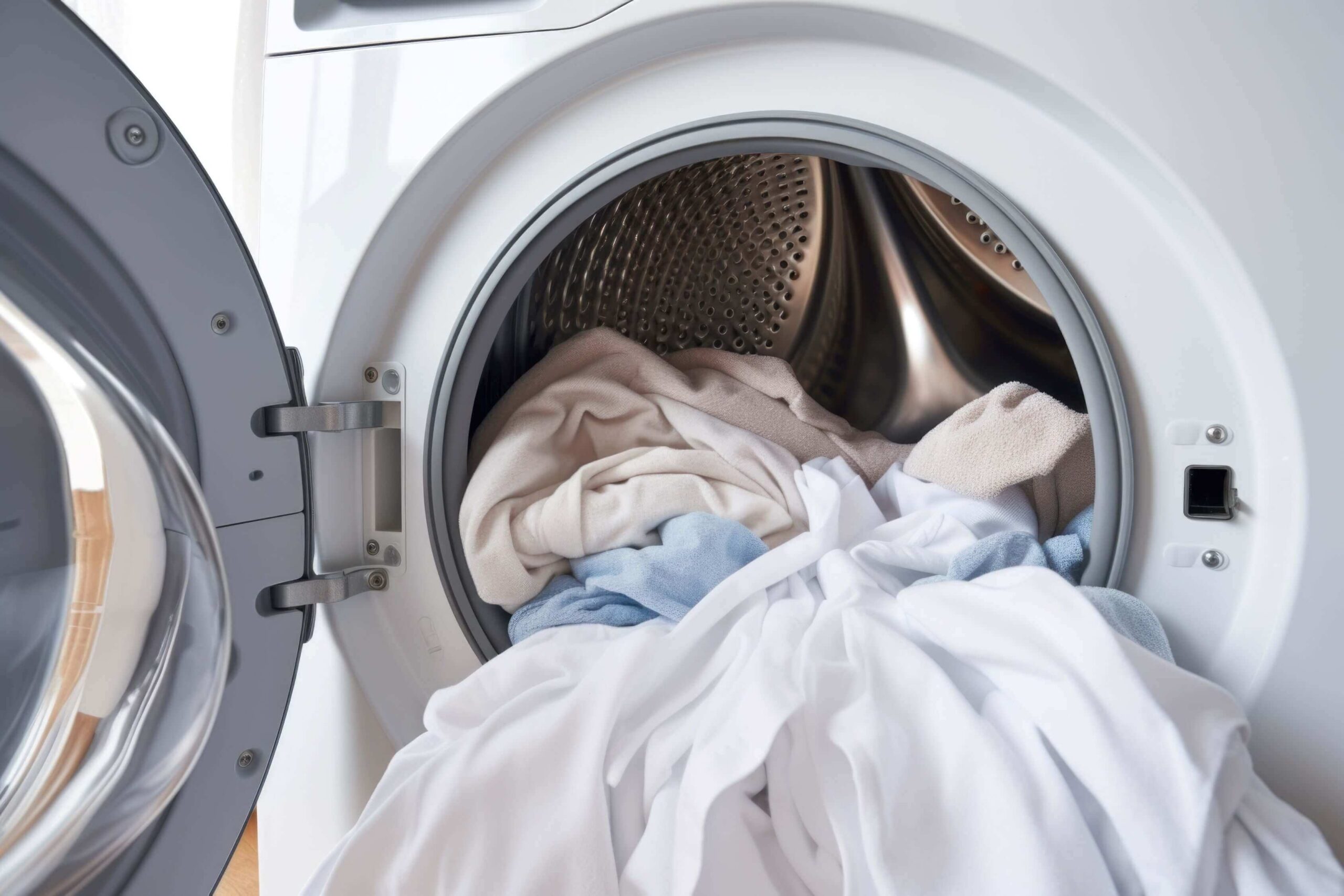
Wash your bedsheets regularly on a high-heat setting.
The average person spends 7 to 9 hours in bed each night. Over a week, that adds up to 49 to 63 hours where you’re lying on the same sheets. To keep your bed clean and hygienic, we recommend washing your bedding on a 60-degree long wash every 7 days. Sixty degrees is the temperature at which both bed bugs and their eggs are reliably killed, making this single habit one of the most effective prevention steps you can take.
Investing in quality bedding that can withstand regular high-temperature washing without deteriorating makes this routine sustainable in the long term. Our Origins Cotton Bedding Pack at 500 thread count and our Artisan Cotton Bedding Pack in 450 thread-count Pima Cotton are both built with durability in mind, designed to be laundered regularly and maintain their quality for years. For those who want the very finest, our Luxury Artisan Bedding Pack uses 1000 thread-count 100% Egyptian Cotton that only improves with washing.

For more detailed information on how to clean your bedsheets, mattress and bedroom effectively, read our “Bedsheets and the best temperature to kill bugs” blog.
Be careful when travelling.
When travelling, be extra vigilant of bed bugs. Thoroughly check the bed, mattress, sheets, and room you’re staying in for signs of bed bugs before sleeping in them. Try to keep your suitcase off the bed and store it on the luggage rack provided in the room,m or away from the bed if there isn’t one. Using hard-cased luggage can help, too, as it’s harder for bed bugs to latch onto the hard casing than to get into fibres.
When returning home after travelling, we suggest removing all your clothes from your suitcase outside your bedroom, preferably on a hard floor and putting them straight on a hot wash (60°C). Then, inspect your suitcase for signs of bed bugs and vacuum and clean it thoroughly.
Bed bugs and pets
Though bed bugs will feed on pets, they do not live or travel on their hosts’ skin, and pets are not believed to be a factor in their spread. If pets are allowed to sleep on your bed, it may be worthwhile to check them for bites and their bedding.

How to get rid of bed bugs in the UK?
If you have come across any signs that you may have bed bugs, you’re probably thinking, how do I get rid of bed bugs? The best thing to do is take action immediately. In the UK, you can contact your local council, which may be able to help and treat your home for free. Alternatively, you can consult a pest control company that is a member of the British Pest Control Association.
It is highly recommended to contact a professional Pest Control Company. They will need to conduct a detailed survey of the property to determine where the insects have become a problem.
Most Pest Control Companies will use a heat treatment, which requires specialised equipment to raise the temperature in specific areas to 118°F and maintain it for about 70 minutes. All bed bugs and their eggs should be killed if this treatment has been performed properly. Chemical treatments may be used alongside heat as a complementary measure. Still, bed bugs are becoming increasingly resistant to many common insecticides, which is why heat treatment is now considered the most reliable method.
Clutter is also a great hiding place for bed bugs. Another tip is to try to reduce the amount of bedroom clutter and hiding places for them. Regular mattress maintenance will also aid in preventing or early identifying any unwanted visitors.
It’s best to consult the experts as bed bugs are notoriously hard to get rid of yourself, and they are even becoming immune to many of the insecticides used to exterminate them, which is part of the reason infestations have increased in recent years. We’d always advise getting professional help to get rid of bed bugs if you think you have an infestation, but here are a few things that could help if you do want to try it yourself.
Strip your bed and wash all bedding on a high-heat setting
As previously mentioned, strip all bedding and any soft furnishings, soft toys, pyjamas, and clothes from the affected area, and wash them on a 60-degree long wash. This should kill all bed bugs and their eggs. Follow this by high-temperature drying in a tumble dryer, if possible.
For items that cannot be washed at high temperatures, you could also place them in a sealed plastic bag and freeze them at below -17°C for at least 4 days. This is an effective alternative that also kills both bugs and eggs.
Vacuum your mattress
After stripping your bed, thoroughly vacuum your mattress, bedframe, headboard, and floor in your bedroom to remove any bed bugs. Vacuuming your mattress and bed is something you should do regularly anyway. Focus on getting into all the seams, folds and crevices of your mattress.
Once you’ve finished vacuuming, immediately put the contents of the vacuum into a sealed bag and place it in a bin outside your home. Bed bugs can live inside the vacuum bag, so you must dispose of it properly and immediately.
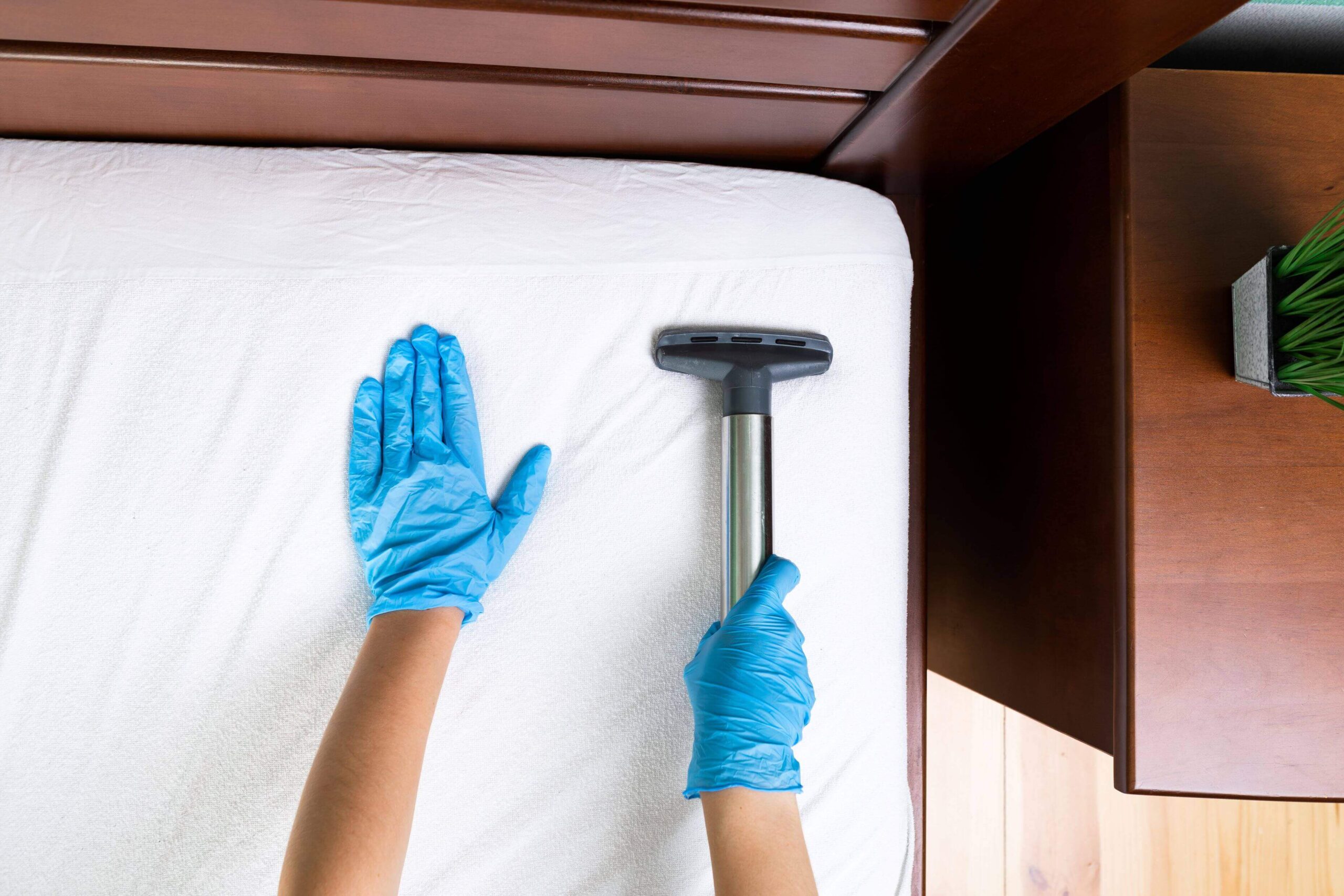
Steam clean
Many experts agree that very hot temperatures and steam cleaning can instantly kill bed bugs. Using an upholstery-safe steam cleaner on your mattress or furniture can help clean and kill the bed bugs. Steam slowly and make sure you cover all areas of the bedding and mattress, the bed frame, and the headboard.
Treat the area with a bed bug spray.
There are many different bed bug sprays on the market. After thoroughly cleaning your mattress or furniture, you can apply bed bug spray to it to kill any remaining bugs and prevent another infestation. Spray the mattress thoroughly, ensuring your room is well-ventilated, and leave it to work according to the instructions on the bottle.
Always ensure you read the label and follow the instructions when using an insecticide spray. Bear in mind that consumer-grade sprays should be treated as a supplementary step rather than a complete solution, given the increasing resistance of bed bugs to common insecticides.
It may sound obvious, but bedroom hygiene, cleanliness and proper mattress care can really make all the difference. For more details on how to properly care for your mattress to ensure it lasts as long as possible and remains clean, read our mattress care maintenance guide.
Is it time to replace your mattress?
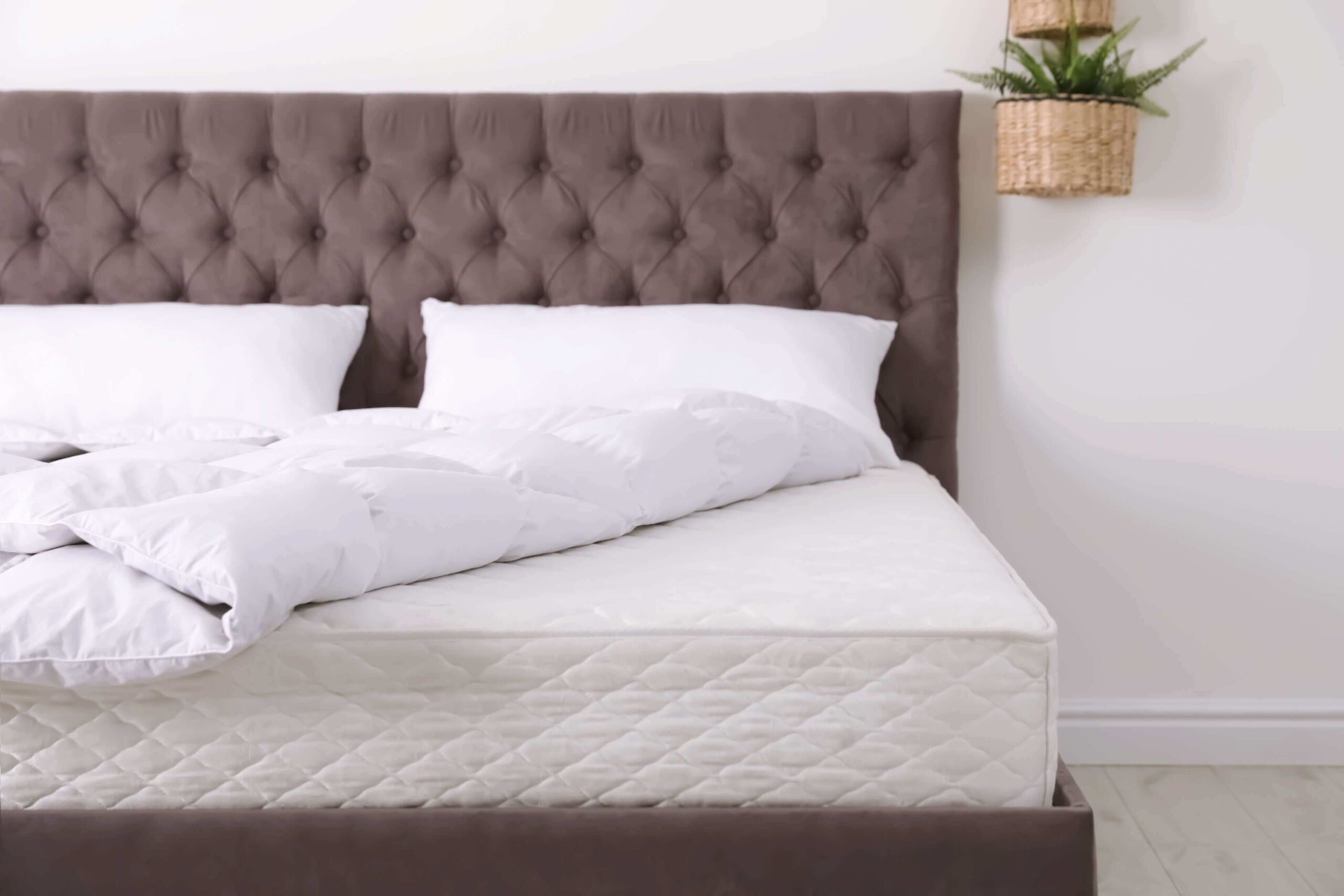
Heavily infested mattresses may have to be thrown away. Often, even when their mattress and bed have been treated, people find it hard to sleep on them because they were once infested and worry they still may be. If you’re losing sleep over your mattress, it could be time to replace it.
As long as your bed bug infestation has been treated effectively, and you’re sure that they have all been exterminated, it should be safe to replace your mattress. Don’t put a new mattress on your bed or bring it into the house until you’ve fully treated a bed bug infestation, as this could just lead to your new mattress becoming infested as well.
At John Ryan by Design, we are experts in mattresses. We’ve written many guides on how to choose the perfect mattress and which are the best-quality mattress components. When you do replace your mattress, fitting a breathable Cotton mattress protector from the very first night makes ongoing hygiene maintenance much easier and helps protect your new investment long term.
So, if you are looking to replace your old mattress and find one that works for you, helping you achieve the perfect night’s sleep, get in touch with a member of our friendly team today. We’re more than happy to help!
Frequently asked questions about bed bugs.
What are the first signs of bed bugs?
The first signs of bed bugs are usually dark rusty-brown spots on the mattress or bedding caused by bug excrement, shed skin casings found in seams and crevices, a faint musty odour in the bedroom, and small itchy bite marks appearing in clusters or lines on the skin. You may also spot the bugs themselves on close inspection of the mattress seams, particularly in the morning before they retreat fully into hiding.
How do you get rid of bed bugs in the UK?
The most reliable method is to contact a professional pest control company registered with the British Pest Control Association. Professional heat treatment, raising affected areas to around 118°F for 70 minutes, is the most effective eradication method currently available. Your local council may also offer a treatment service, sometimes free of charge. In the meantime, strip and wash all bedding at 60°C, thoroughly vacuum the mattress and bed frame, seal and dispose of the vacuum contents immediately, and reduce clutter in the bedroom.
Can bed bugs live in a clean home?
Yes, entirely. Bed bugs have no interest in mess or food waste; they are attracted solely by the presence of a human host. They are equally at home in a spotlessly clean bedroom as in a cluttered one. Their presence is not a reflection of hygiene standards, and there is no reason for anyone to feel embarrassed about finding them.
How long can bed bugs survive without feeding?
Adult bed bugs can survive for up to a year without feeding under cool conditions. This is one reason they are so persistent and why thorough professional treatment is so important. A single surviving batch of eggs can restart an infestation weeks or months after you believe the problem to have been resolved.
Does a mattress protector help with bed bugs?
A mattress protector will not prevent bed bugs from entering your bedroom. Still, a good, breathable Cotton protector makes the mattress surface easier to inspect, reduces the number of hiding places, and is washable at 60°C alongside your bedding each week. This makes it a practical part of a sensible prevention routine. Our 100% Cotton Quilted Mattress Protector is designed for regular maintenance use.
Should I throw away my mattress if I have bed bugs?
Not necessarily. Heavily infested mattresses may need to be disposed of, but in many cases, a professional heat treatment will successfully eradicate the infestation without requiring a full replacement. If you do dispose of a mattress, seal it in plastic and label it clearly before removal. Most importantly, do not bring any new mattress into your home until you are completely certain the infestation has been fully treated and eradicated.
Summary
It’s never the nicest subject to talk about, bed bugs or other creepy crawlies, especially in your bedroom. However, we have detailed why you may end up with bed bugs, mainly as opportunistic hitchhikers who accidentally enter your home. Clearing clutter in the bedroom and regularly checking furniture are the best ways to control it.
If you’re buying second-hand furniture, a quick inspection of the seams for telltale signs can help reduce the risk of bed bug infestations. The same goes for hotel stays with your luggage. If you do end up with these unwanted guests, we always recommend hiring the professionals.
Do you have questions about mattress care and maintenance? Wanting to swap your old, uncomfortable mattress for a more suitable new mattress? Then why not get in touch with our friendly team of experts on 0161 437 4419.
You can also browse our online shop of handmade luxury mattresses and our full range of natural fibre bedding.

Dreaming of the perfect nights sleep?

Ask us a question
There are over 6000 questions and answers submitted by you on all questions about mattresses and bed problems. Enter a keyword such as Vi Spring, John Lewis beds, bad back or Memory Foam and see if your question has already been answered.
If you can’t find an answer in knowledge hub, ask a new question. We aim to respond to all questions within one working day.
Newsletter
Enter your email to join our newsletter. We’ll send you occasional news and mattress expertise.