







Mattress Upholstery, Mattress Care
December 2025All about pillows: which pillow is best & should I invest?
Mattress protecttors do exactly what their name suggests: they protect your investment and provide years more lifespan to your mattress than if you just jump straight into bed!
After 25 years of manufacturing mattresses in Yorkshire and helping thousands of customers protect their sleep investments, we’ve seen what works and what doesn’t. This guide cuts through the confusion to help you choose a protector that genuinely protects whilst maintaining your mattress’s performance.
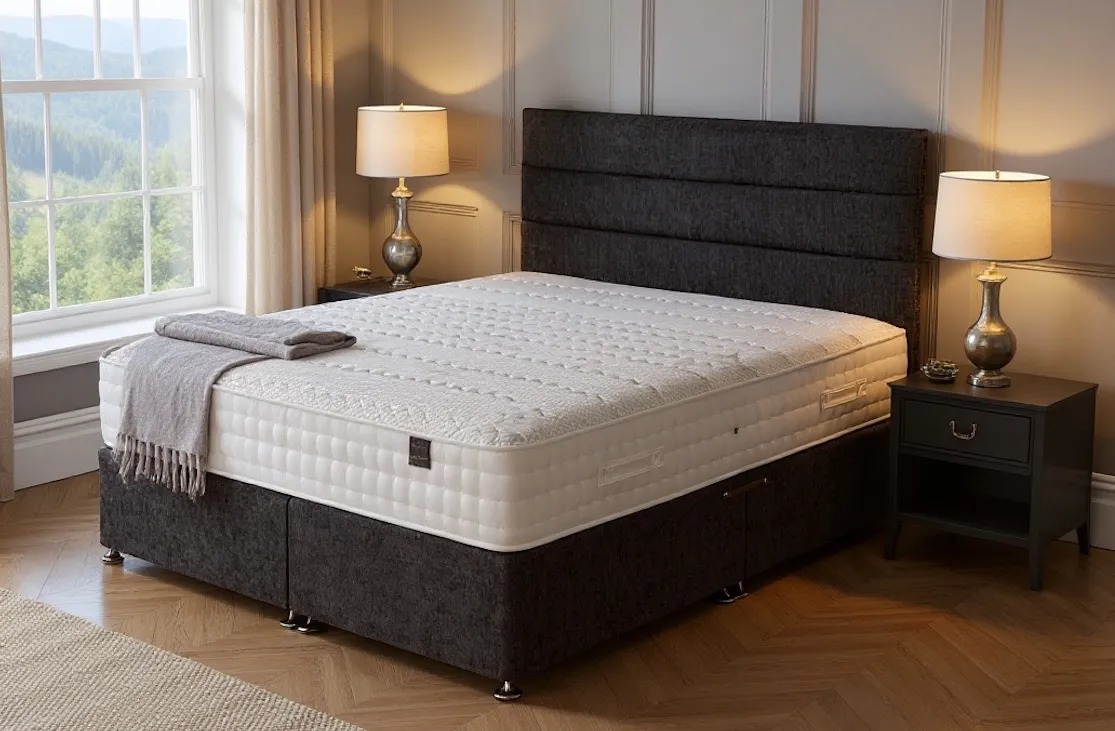
Why Your Mattress Actually Needs Protection
Before we discuss how to choose a protector, let’s address what you’re protecting against.
Every night, the average person loses approximately half a pint of perspiration. Over a year, that’s over 90 litres of moisture your mattress absorbs. Add body oils, dead skin cells (around 1.5 grams per day), dust mites feeding on those skin cells, and occasional spills, and you’re looking at significant contamination over time.

Without protection, this accumulation penetrates deep into your mattress’s upholstery layers. Natural fibre mattresses filled with wool, cotton, cashmere, or horsehair are particularly vulnerable because, whilst these materials excel at moisture management and temperature regulation, they also provide excellent environments for dust mites if not properly maintained. Even the best mattress deteriorates faster without proper protection.
The question isn’t whether you need a protector. You do. The question is which type of protector protects effectively without ruining your sleep quality.
Material Choice: Cotton Versus Waterproof Synthetics
This is where most people make their crucial mistake. They assume waterproof protection is automatically superior because it blocks everything. It’s a logical assumption. It’s also completely wrong for most households.
The Waterproof Protector Problem
Waterproof mattress protectors use synthetic barriers, typically polyurethane membranes, to create an impermeable layer between you and your mattress. Yes, they block liquids completely. They also block air circulation completely. For natural fibre mattresses engineered specifically for breathability and moisture management, this is catastrophic.
When you trap moisture against your mattress surface, you create exactly the humid environment dust mites thrive in. Your expensive wool or cotton layers can’t breathe. Temperature regulation suffers noticeably. Many sleepers report feeling warmer and clammier with waterproof protectors, which defeats the entire purpose of investing in natural fibre mattresses designed for superior temperature control.

The synthetic materials themselves often have an unpleasant plastic feel and can make rustling noises with movement. Some people adapt to this. Many don’t. After spending considerable money on a mattress chosen for its comfort, introducing a synthetic barrier that changes how it feels seems counterproductive at best.
Why Cotton Protection Works Better for Most People
Pure cotton protectors defend against the threats that actually matter for mattress longevity: body oils, perspiration, skin cells, and dust mites. These are the primary culprits in mattress deterioration. Cotton protection handles these threats effectively whilst maintaining the breathability your natural fibre mattress requires.
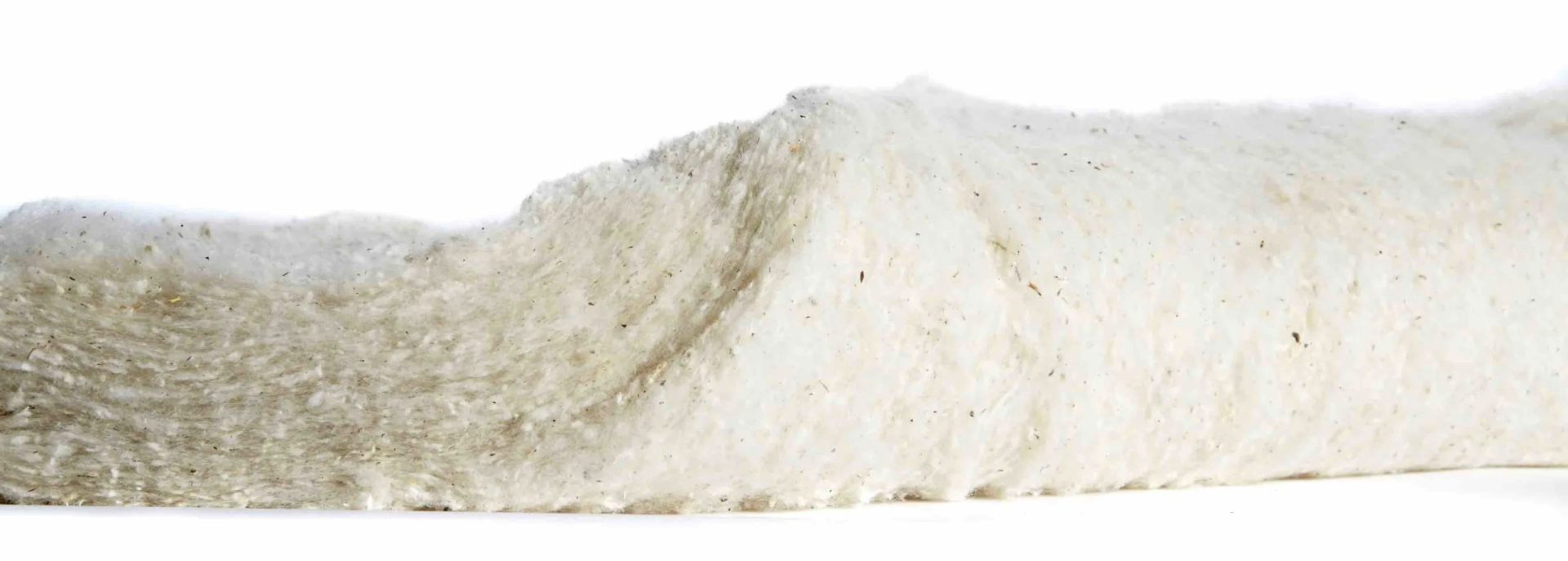
Cotton is one of nature’s most breathable materials. It permits excellent air circulation, wicks moisture away from your body, and doesn’t trap heat. Your mattress continues performing exactly as designed. You’re adding protection without compromising function. For households without young children, pets, or specific medical conditions requiring waterproofing, cotton offers superior daily protection without the trade-offs.
The key is understanding that protection and waterproofing aren’t synonymous. Most mattress damage comes from accumulated body oils and perspiration, not catastrophic liquid spills. Cotton protectors excel at managing the former without creating the breathability problems waterproof barriers introduce.
Machine Washability: An Absolute Essential
Here’s something that seems obvious but needs emphasising: if your mattress protector isn’t machine washable, it’s essentially useless. The entire purpose of a protector is defending your mattress against contamination. If you can’t wash that protector regularly and easily, you’re simply transferring the contamination problem from your mattress to your protector. You haven’t solved anything. You’ve just added an extra unwashed layer.

Why Regular Washing Actually Matters
Mattress protectors should be washed monthly at a minimum.
For allergy sufferers, fortnightly washing makes considerable difference to sleep quality and respiratory comfort. If you’re washing a protector monthly, that’s twelve wash cycles per year. Over a five year period, that’s sixty washes. Your protector needs to withstand this regular laundering without degrading, shrinking excessively, or losing its protective properties.
Many cheaper protectors use materials that deteriorate rapidly with regular washing. The elastic perishes. The fabric thins. The fit becomes loose and the protector shifts during the night, creating uncomfortable bunching. You’re replacing protectors every year or two, which costs more long term than investing in quality upfront.
Quality cotton protectors improve with washing. The fabric softens naturally. Unlike synthetic materials that can develop unpleasant odours or lose their structure, cotton maintains integrity through dozens of wash cycles. You’re investing once rather than replacing repeatedly.
Practical Washing Requirements
Your protector should be machine washable at 40°C minimum. This temperature kills dust mites effectively whilst being gentle enough for cotton fabrics. Some protectors claim they’re washable but recommend 30°C or hand washing. That’s impractical for monthly maintenance and insufficient for proper hygiene.
The protector should also be suitable for tumble drying on low heat settings, though line drying works excellently for cotton. Being able to wash and dry a protector in a single day means you’re not without protection whilst waiting for it to dry. This practicality matters when you’re maintaining regular cleaning schedules.

Construction Quality: Why Box Quilting Prevents Lumpy Sleep Surfaces
The construction method seems like a minor detail. It absolutely isn’t. This single feature determines whether your protector remains comfortable and protective or becomes a frustrating impediment to good sleep.
The Box Quilting Advantage
Box quilting (also called box stitching or cassette construction) divides the protector into individual pocketed sections. The cotton fill is contained within these separate compartments, preventing migration during use and washing. Each quilted box maintains its fill independently.
Without box quilting, protector fill shifts and bunches. You’ll notice this particularly after washing and drying. The fill accumulates in certain areas, creating thick lumps, whilst other sections become thin and offer minimal protection. You’re constantly trying to redistribute fill manually, which is tiresome and rarely works effectively. Within months, you’ve got an uneven protector that feels lumpy beneath you and no longer protects uniformly.

Box quilting eliminates this entirely. The fill stays exactly where it belongs. Your protector maintains consistent thickness across the entire surface. You’re not sleeping on redistributed lumps or thin patches. The comfort and protection remain uniform wash after wash.
Even Distribution Matters for Support
Your mattress has been carefully engineered with specific support characteristics. Adding an unevenly distributed layer on top interferes with this carefully designed support. Lumps create pressure points. Thin areas offer no cushioning. Box quilted construction preserves your mattress’s intended feel by maintaining consistent, minimal padding that enhances comfort without altering support characteristics.
The quilting also prevents the protector fabric from ballooning or bunching during the night. Everything stays flat, smooth, and properly tensioned against your mattress surface. You’re not fighting with your bedding. You’re sleeping comfortably.

Depth and Fit: Why Extra Deep Matters for Modern Mattresses
Mattress protectors traditionally came with 20-25cm skirts designed for conventional mattresses. If you’ve purchased a handmade natural fibre mattress, particularly one with generous upholstery layers, your mattress likely measures 28-35cm deep. Standard protectors simply don’t fit properly.
The Problems With Insufficient Depth
When a protector’s skirt depth is insufficient, several problems emerge immediately. The elastic struggles to stretch over your mattress depth, creating excessive tension. This tension pulls the protector upwards at the corners, causing it to slip off during the night. You’re constantly refitting the protector, which is frustrating and defeats the purpose of having protection.
The excessive stretching also damages the elastic faster. What should last five years barely makes it through two before the elastic perishes and the protector becomes unusable. You’ve wasted money on a protector that never fit properly in the first place.

Extra Deep Skirts for Proper Protection
Protectors with 38cm skirts accommodate mattresses between 25-35cm deep comfortably. The extra depth means the elastic isn’t overstretched. The protector fits securely without excessive tension. Full perimeter elastication keeps everything in place through the night without shifting or bunching.
This proper fit matters for protection too. A protector that shifts exposes portions of your mattress surface. You’re not getting complete protection. Gaps develop where body oils and perspiration penetrate directly to your mattress. Extra deep skirts with quality elastic eliminate these vulnerabilities entirely.
Breathability: Maintaining Your Mattress’s Natural Performance
We’ve discussed breathability regarding cotton versus synthetic materials, but it warrants additional emphasis because it’s so frequently overlooked. Your mattress’s breathability isn’t a minor feature. It’s fundamental to how natural fibre mattresses regulate temperature and manage moisture.
Natural fibres like wool, cotton, and horsehair create millions of tiny air channels throughout the mattress. Heat and moisture escape through these channels, preventing the humid, uncomfortable environment that synthetic materials create. This is why natural fibre mattresses remain noticeably cooler and more comfortable than memory foam or synthetic alternatives.
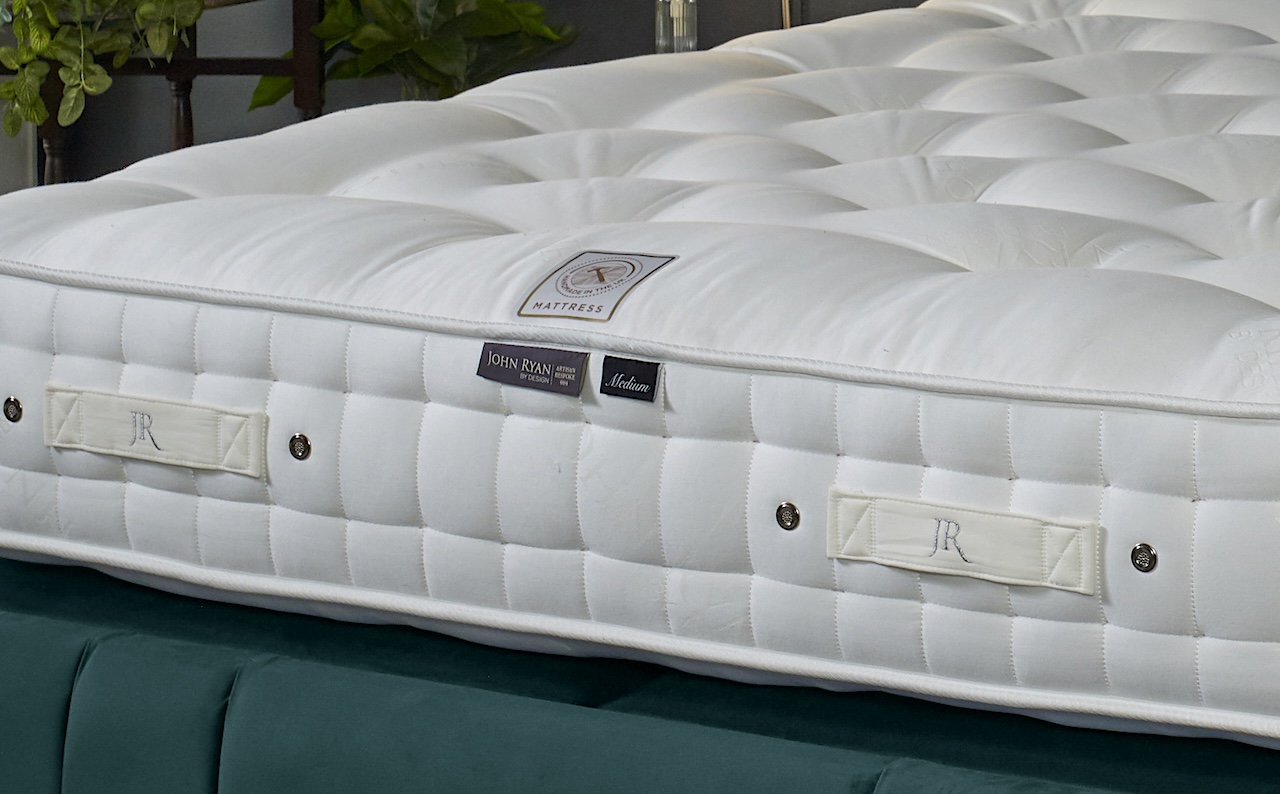
Adding a non-breathable barrier destroys this carefully engineered system. All that moisture you lose nightly gets trapped against the mattress surface. Temperature regulation fails. You sleep warmer and more restlessly. The very properties you’ve paid premium prices for are negated by your protector choice.
Cotton protectors maintain this breathability completely. Air continues circulating through your mattress as designed. Moisture management works exactly as intended. You’re protecting without compromising, which should be the fundamental goal of any mattress protector.
Anti-Allergy Treatment: Protection Beyond Physical Barriers
Quality protectors include anti-allergy treatments that create hostile environments for dust mites and allergens. This isn’t marketing nonsense. For allergy sufferers and asthma patients, this feature significantly impacts sleep quality and respiratory comfort.
Dust mites feed on dead skin cells and thrive in warm, humid environments. Your bed provides both abundantly. Anti-allergy treatments reduce dust mite populations significantly when combined with regular washing. You’re not just protecting your mattress. You’re protecting your health.
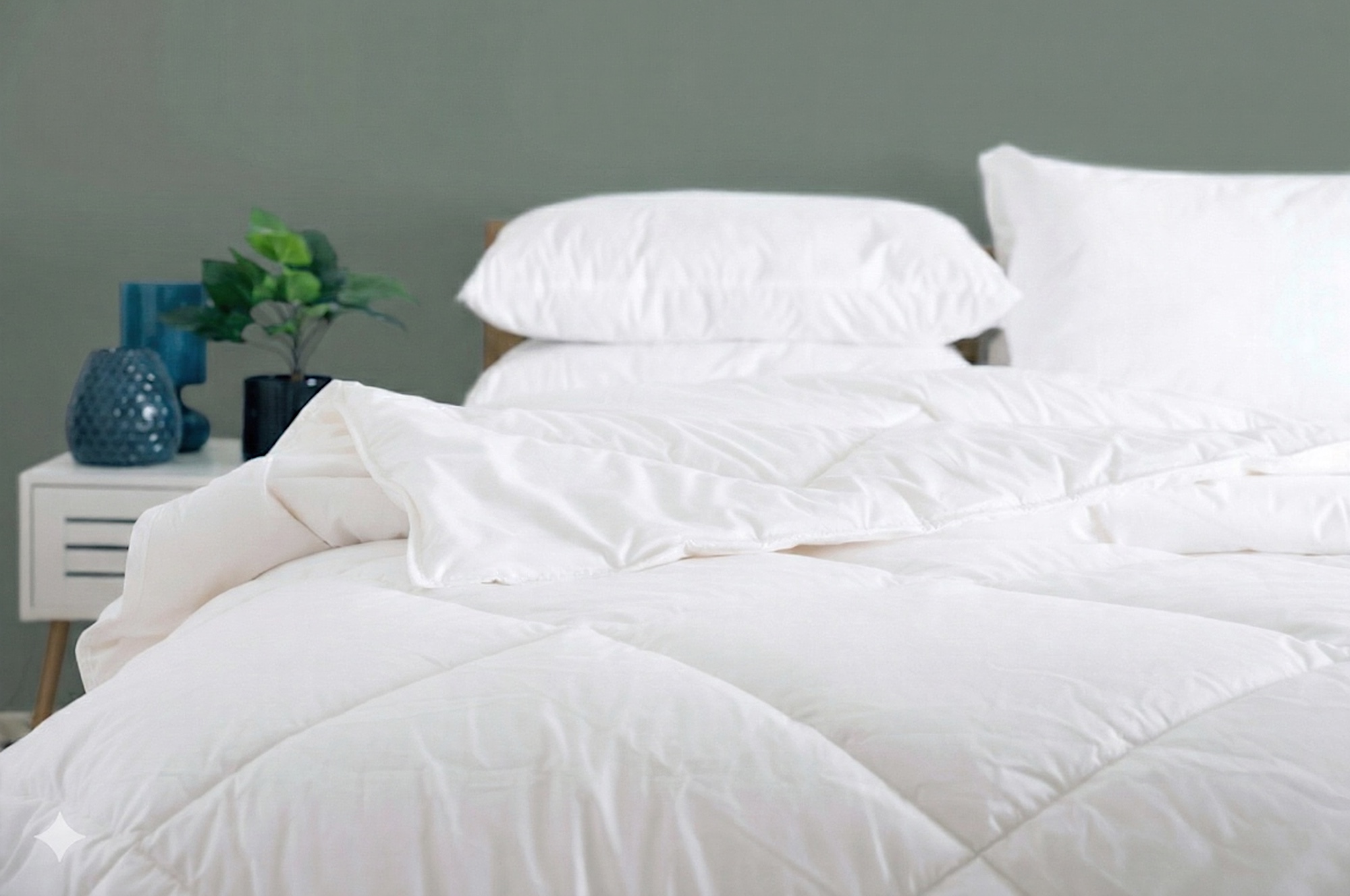
The treatment should be applied without harsh chemicals that off-gas or irritate sensitive skin. Quality cotton protectors achieve this balance effectively, offering genuine allergy protection that works wash after wash.
Our Recommendation: The 100% Cotton Quilted Mattress Protector
After explaining what matters in mattress protectors, our recommendation becomes straightforward. We manufacture our 100% Cotton Quilted Mattress Protector specifically to address every point discussed above.
Key features that matter:
- 100% cotton fill and 100% cotton top layer for complete breathability
- Box quilted construction preventing fill migration and lumpy surfaces
- 38cm extra deep skirt fitting mattresses 25-35cm deep securely
- Full perimeter elastication maintaining secure, shift-free fit
- Machine washable at 40°C with tumble dry compatibility
- Anti-allergy treatment for dust mite and allergen reduction
- Durable construction lasting five years with monthly washing
This protector maintains your mattress’s natural performance whilst defending effectively against the contamination that actually shortens mattress life. You’re adding subtle quilted comfort without altering your mattress’s carefully designed support characteristics.
The extra deep skirt accommodates our handmade Origins and Artisan mattresses perfectly, though it fits any deep mattress from any manufacturer. The cotton construction means you’re not compromising breathability or temperature regulation. The box quilting ensures consistent, even comfort wash after wash.
Final Thoughts
Choosing a mattress protector shouldn’t require complicated decisions. You need quality cotton for breathability, box quilting for consistent comfort, machine washability for practical hygiene, and extra deep construction for proper fit. Waterproof protection sounds appealing but creates problems for most households that outweigh the benefits.
Protect your mattress investment with materials that enhance rather than compromise its performance. Your mattress was engineered for comfort and durability. Your protector should maintain both whilst defending against the contamination that genuinely threatens mattress longevity. Cotton protection achieves this balance perfectly.
Do you have questions about mattress care, pillow and maintenance? If you now need to swap your old uncomfortable mattress for a more suitable new mattress then why not get in touch with our friendly team of experts on 0161 437 4419. You can also browse our online shop of handmade luxury mattresses.
Sleep well
John & Ryan

Dreaming of the perfect nights sleep?
Ask us a question
There are over 6000 questions and answers submitted by you on all questions about mattresses and bed problems. Enter a keyword such as Vi Spring, John Lewis beds, bad back or Memory Foam and see if your question has already been answered.
If you can’t find an answer in knowledge hub, ask a new question. We aim to respond to all questions within one working day.
Newsletter
Enter your email to join our newsletter. We’ll send you occasional news and mattress expertise.