






Mattress Science
February 2026The Science Behind Pocket Sprung Mattresses
The truth is simpler and more useful than the marketing suggests. Pocket springs revolutionised mattress design by solving two specific mechanical problems that cage-sprung systems couldn’t address. Understanding how they actually work, which specifications matter, and why most spring count claims are deliberately misleading helps you avoid costly mistakes. This guide cuts through the nonsense and explains the real science behindpocket-sprungg comfort.
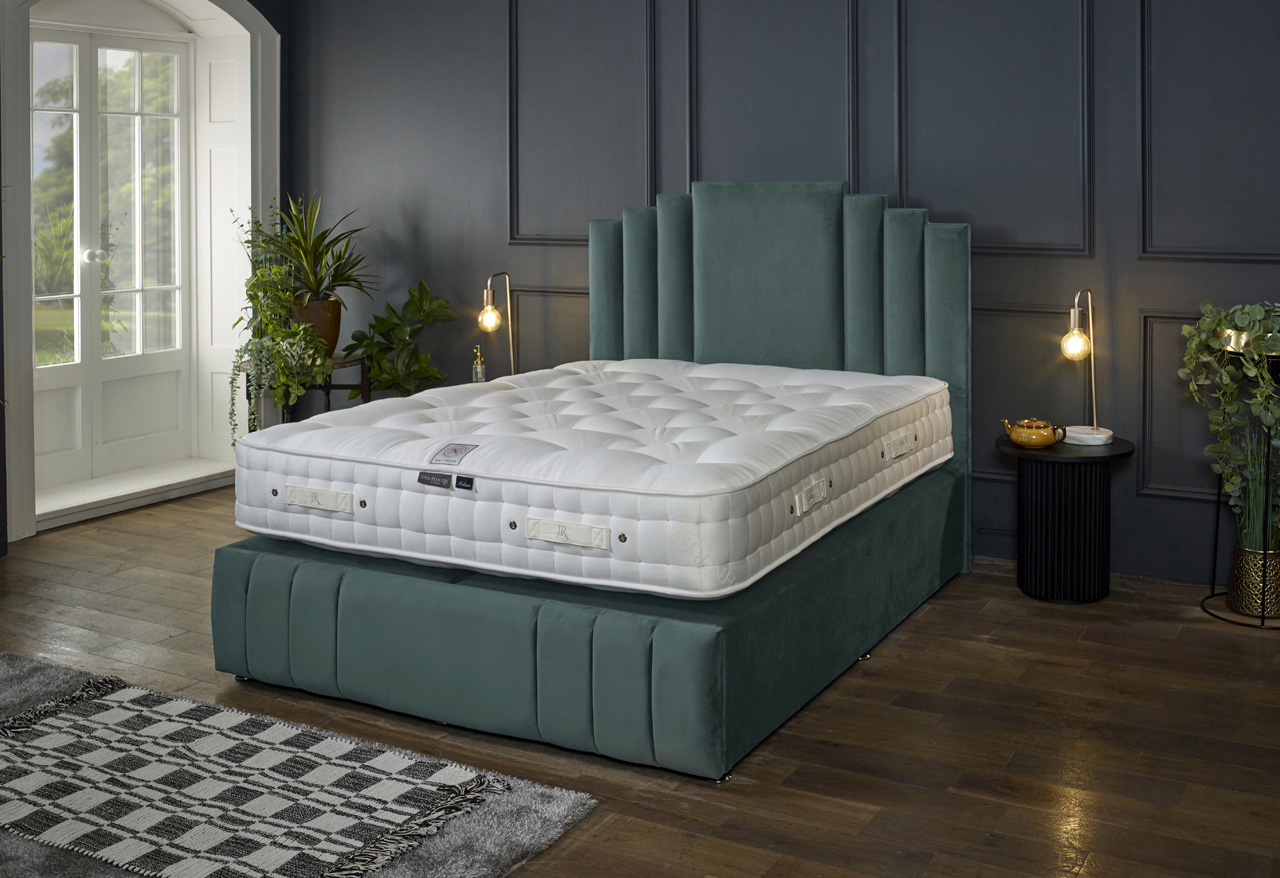
What are pocket springs, and why do they matter?
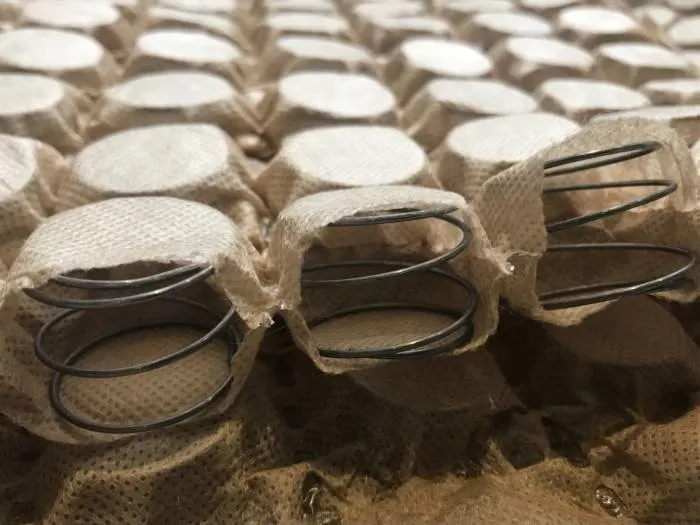
Pocket springs are individual coil springs, each wrapped in its own fabric pocket, that work independently within your mattress. Unlike traditional open-coil or cage-sprung systems, where hundreds of interconnected springs move as a single rigid unit, each pocket spring responds only to pressure applied directly to it.
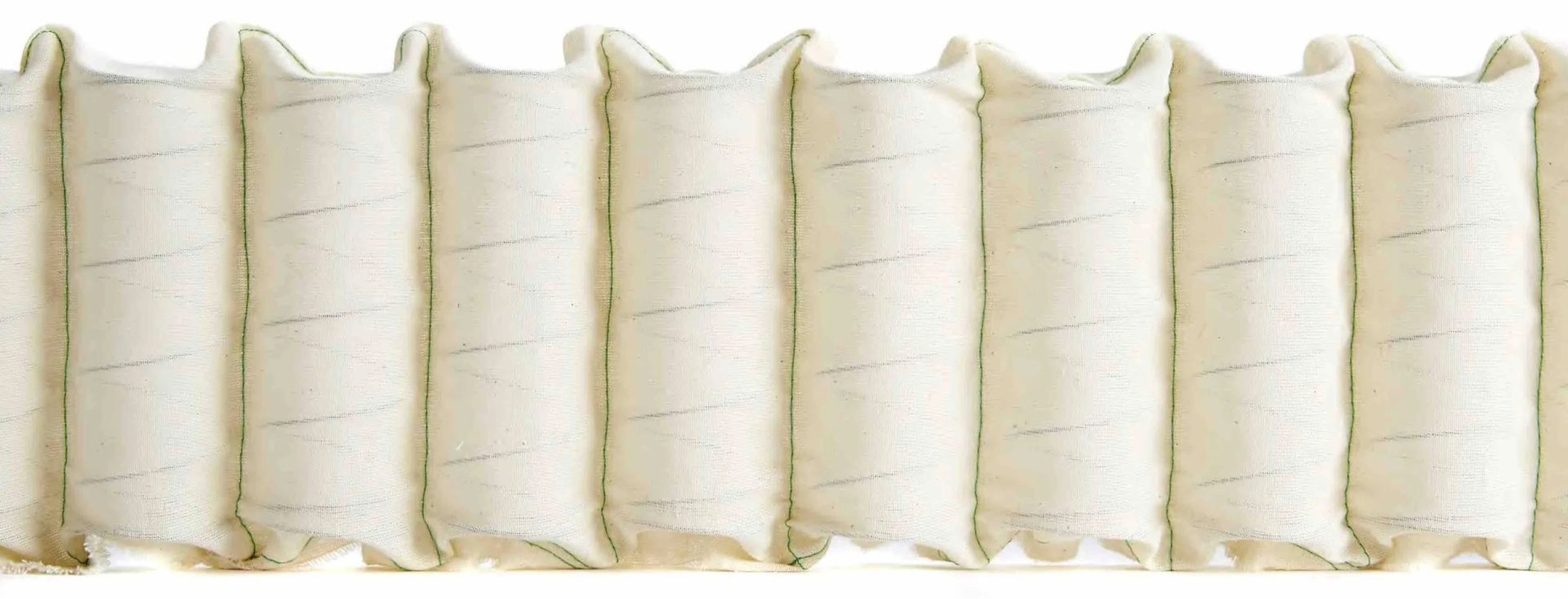
This independent movement creates what sleep specialists call “zoned support”. Your shoulders might sink deeper whilst your hips receive firmer resistance, maintaining proper spinal alignment.
When you share a bed, your partner’s movement affects only the springs directly beneath them, rather than rippling across the entire mattress. It’s the mechanical solution to two fundamental sleep problems: inadequate body contouring and partner disturbance.
How pocket springs actually work
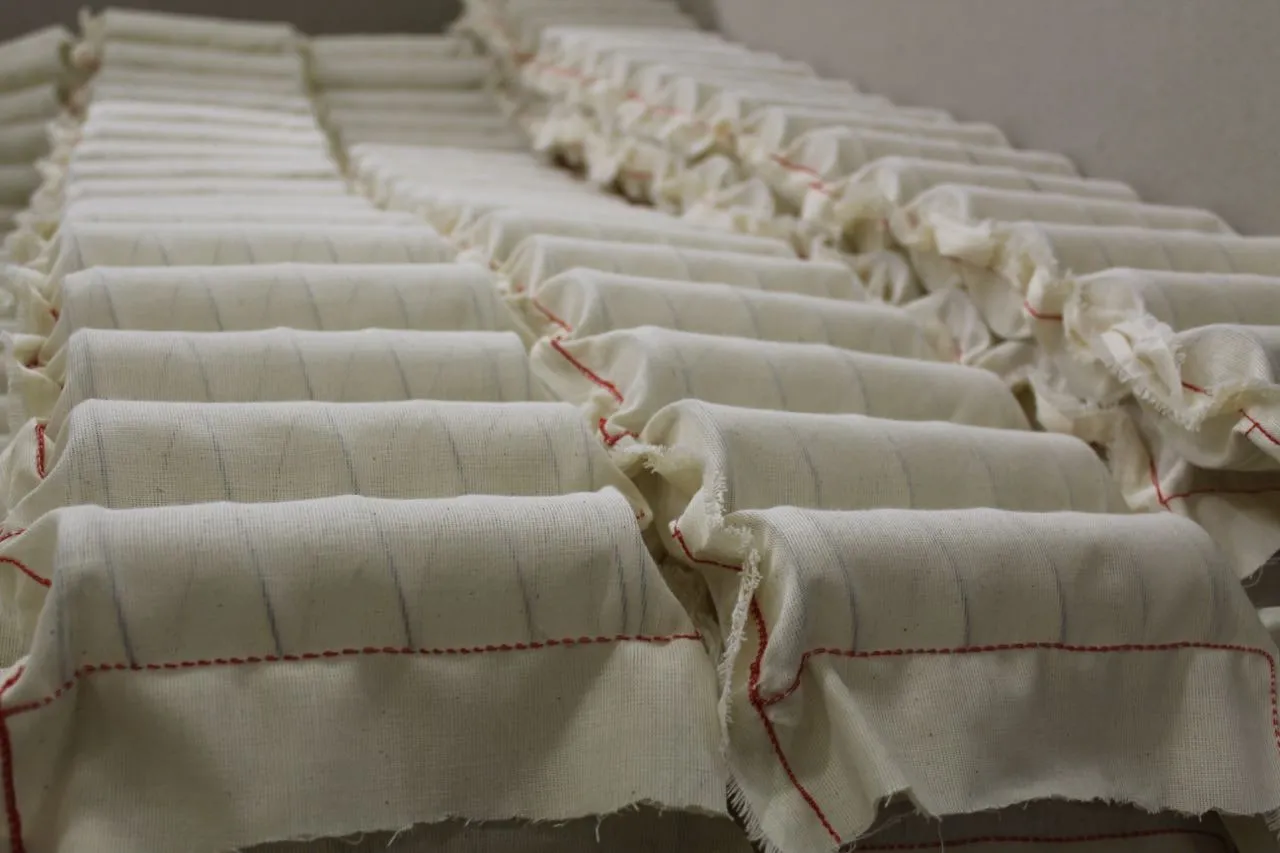
The engineering is deceptively simple but remarkably effective. Each spring sits inside a fabric pocket, typically made from spunbond polyester for budget models or breathable calico for premium construction.
These pockets are stitched or glued together side by side, forming rows of springs that can compress vertically while remaining separated horizontally.
When you lie down, the springs beneath your body compress in proportion to the pressure applied. Heavier areas, like your hips, compress springs more deeply, whilst lighter areas, like your waist, allow less compression. This creates a sleep surface that follows your body’s natural contours rather than forcing your spine into unnatural positions.
The fabric pocket itself serves three purposes:
- It contains the spring
- Prevents lateral movement
- Provides friction that dampens motion transfer
In higher quality mattresses using calico pockets, the natCotton weave allows air circulation whilst providing superior durability compared to synthetic alternatives. It’s why calico encased springs remain the gold standard in premium mattress construction after more than a century.

Spring count: what the numbers actually mean
Walk into any mattress retailer, and you’ll be bombarded with spring counts: 1000, 2000, 3000, sometimes exceeding 10,000 springs. Understanding what these numbers actually represent prevents expensive buying mistakes.
Spring counts are always quoted for king-size mattresses (150cm x 200cm or 5’0″ x 6’6″). A “1000 pocket spring” single mattress doesn’t contain 1000 springs; it contains fewer, proportionate to its smaller surface area.
Conversely, super king sizes contain a proportionally greater number of springs than the quoted count. This standardisation allows meaningful like-for-like comparison, but only if you’re comparing the same size category.
The critical insight most retailers won’t share: spring count alone reveals almost nothing about mattress quality or comfort. A mattress with 600 properly engineered calico pocket springs can outperform a 3000-spring model if those 3000 springs are low-quality spunbond construction or, worse, padded with mini coils that provide negligible support.
The specifications that actually matter:
- Spring gauge (wire diameter)
- Spring height
- Pocket material (calico vs spunbond)
- Total upholstery GSM
Spring count is the easiest number to manipulate, which is precisely why it dominates mattress marketing.
For most sleepers, anything between 800 and 2000 individual pocket springs in a king-size mattress provides excellent support when paired with quality upholstery layers. Beyond 2000 springs, you’re typically paying for marketing rather than measurable comfort improvements.
Pocket springs vs cage springs: the differences that matter
Cage spring systems (marketed under various names such as Bonnell, Open Coil, Miracoil, or Continuous Coil) connect all springs via a wire frame. When one spring compresses, the interconnection transmits force throughout the spring unit.
This creates three significant problems that pocket springs solve completely:
| Problem | Cage Springs | Pocket Springs |
|---|---|---|
| Partner disturbance | Movement ripples across the entire mattress | Motion isolated to compressed springs only |
| Body contouring | Generic support, springs move as one unit | Personalised support, each spring is independent |
| Durability | Stress concentrates at connection points | Even wear distribution across springs |
Cage-sprung mattresses serve one purpose: keeping retail prices low. They’re inexpensive to manufacture, lightweight to transport, and satisfy consumers who prioritise initial cost over long-term value.
If a manufacturer uses quality pocket springs, they’ll prominently disclose this specification because it’s a genuine selling point. When you see vague terms like “orthopaedic” or “firm support” without specific mention of pocket springs, you’re looking at cage-sprung construction.
Spring gauge and tension: the specifications retailers hide
Spring gauge refers to wire diameter, typically measured in millimetres. Standard pocket springs range from 1.28mm (soft) through 1.4mm (medium) to 1.6mm (firm), though variations exist.
Thicker wire creates firmer springs that resist compression, whilst thinner wire allows easier compression for a softer feel.
This specification matters enormously for comfort and longevity, yet most high street retailers won’t disclose it. You’ll see “medium tension” or “firm support” without the underlying data to verify these claims.
It’s deliberate opacity designed to prevent informed comparison shopping.
Why spring gauge matters more than tension labels:
Proper spring tension matching depends primarily on body weight, not sleeping position. A 60kg side sleeper and a 100kg side sleeper require completely different spring gauges to achieve the same “medium” feel.
When retailers hide gauge specifications, they’re selling generic tension ratings that may suit 40% of customers, whilst disappointing the other 60%.
Premium manufacturers, including John Rya, publish exact spring gauges and offer multiple tension options. Our Artisan range uses 1.28mm, 1.4mm, or 1.6mm gauge springs depending on specified tension, allowing precise customisation. This transparency extends to spring count, pocket material, and total upholstery GSM.
Why upholstery layers matter more than springs
Here’s the uncomfortable truth thspring-obsessedsed marketing doesn’t want you to know: you never actually touch the springs. Every ounce of direct comfort comes from the layers of upholstery above the spring unit.
A mattress with premium calico pocket springs but thin, llow-qualityupholstery will feel uncomfortable. A mattress with adequate springs and generous natural fibre layers will feel luxurious.
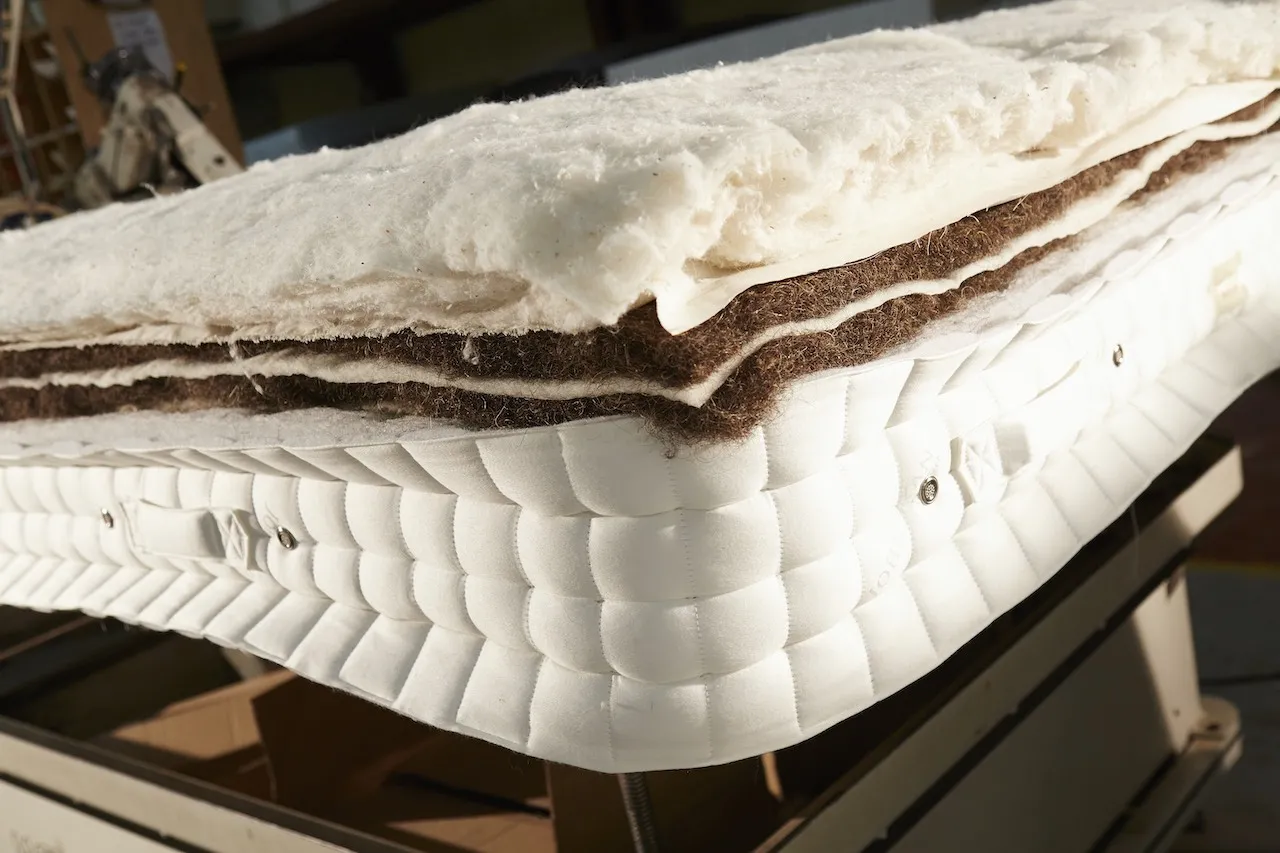
Total upholstery GSM (grams per square metre) quantifies the combined weight of all comfort layers.
What GSM means in practice:
- 800-1200 GSM: Budget mattresses, thin polyester pads that compress quickly
- 1500-2500 GSM: Mid-range models, potentially including some natural fibres
- 3500-6000+ GSM: Premium natural fibre mattresses with Wool, Cotton, Mohair, Horsetail
Natural fibres offer three advantages that synthetic materials cannot match: superior temperature regulation through moisture wicking, resilience that resists compression, and inherent breathability.
A mattress with 3950 GSM of natural upholstery (like our Artisan Naturals) will sleep cooler, feel more supportive, and last longer than a 2000 GSM synthetic equivalent. This remains true regardless of spring count differences.
The industry’s fixation on spring count distracts from upholstery specifications, where cost-cutting most frequently occurs. A retailer can proudly advertise “3000 pocket springs” whilst using 900 GSM of cheap polyester, knowing most consumers won’t question the quality of the comfort layer.
We publish total GSM alongside spring specifications because both are equally important.
Calico vs spunbond pocket springs
The fabric encasing each spring affects durability, breathability, and motion isolation. Two materials dominate: spunbond polyester and calico Cotton.
Spunbond pocket springs:
- Machine-manufactured polyester fabric
- Glued together during production
- Less expensive to produce
- Adequate performance for 7-10 years
- Glued construction eventually degrades
- May develop squeaking as springs age
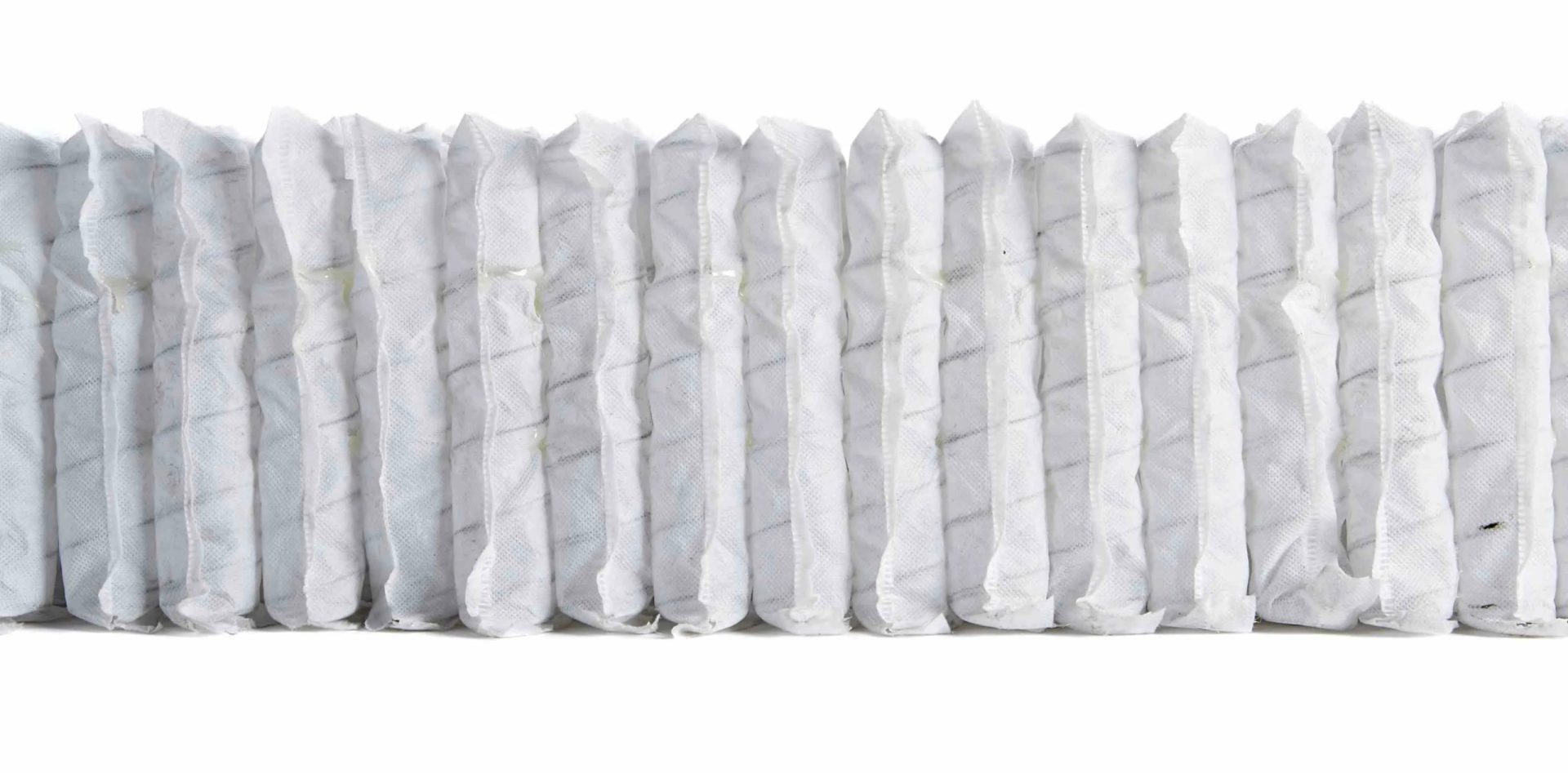
Calico pocket springs:
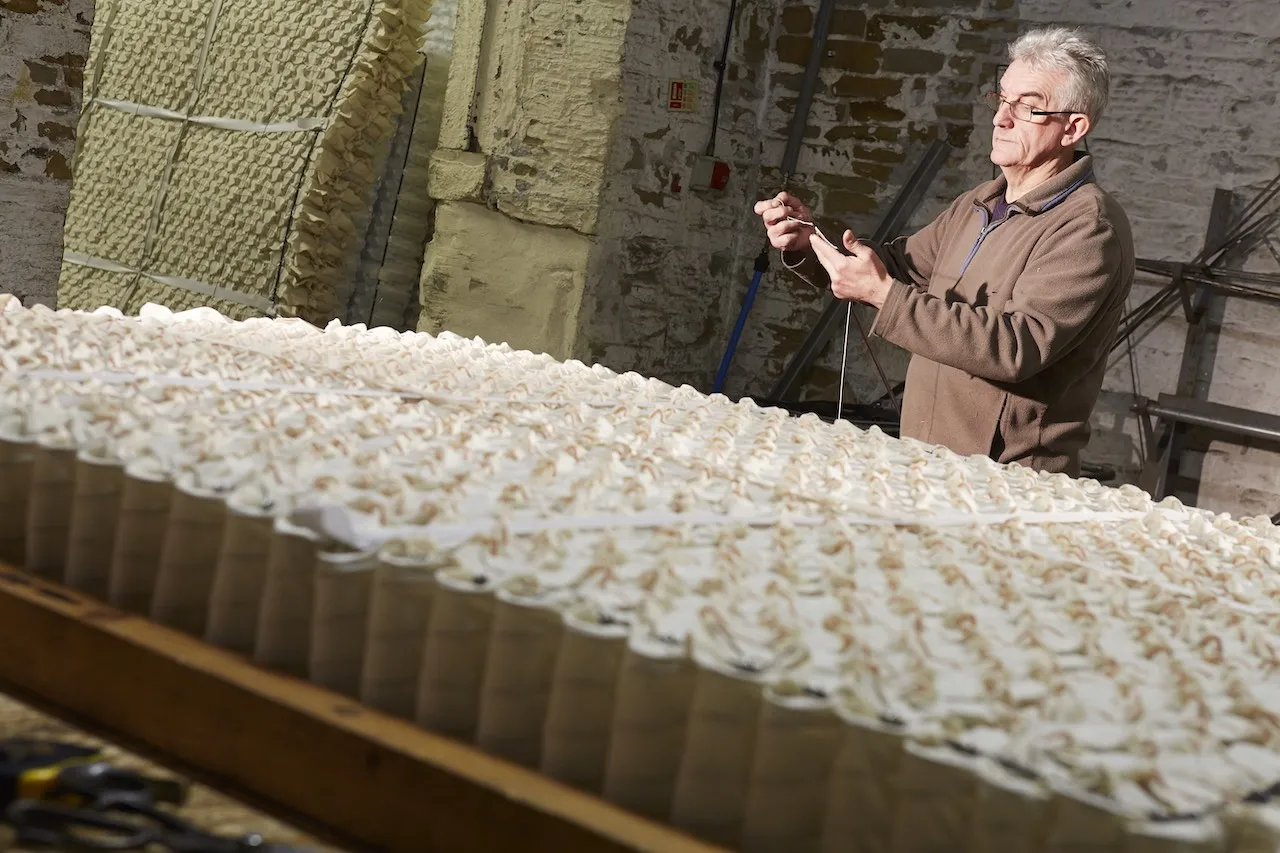
- Natural Cotton fabric
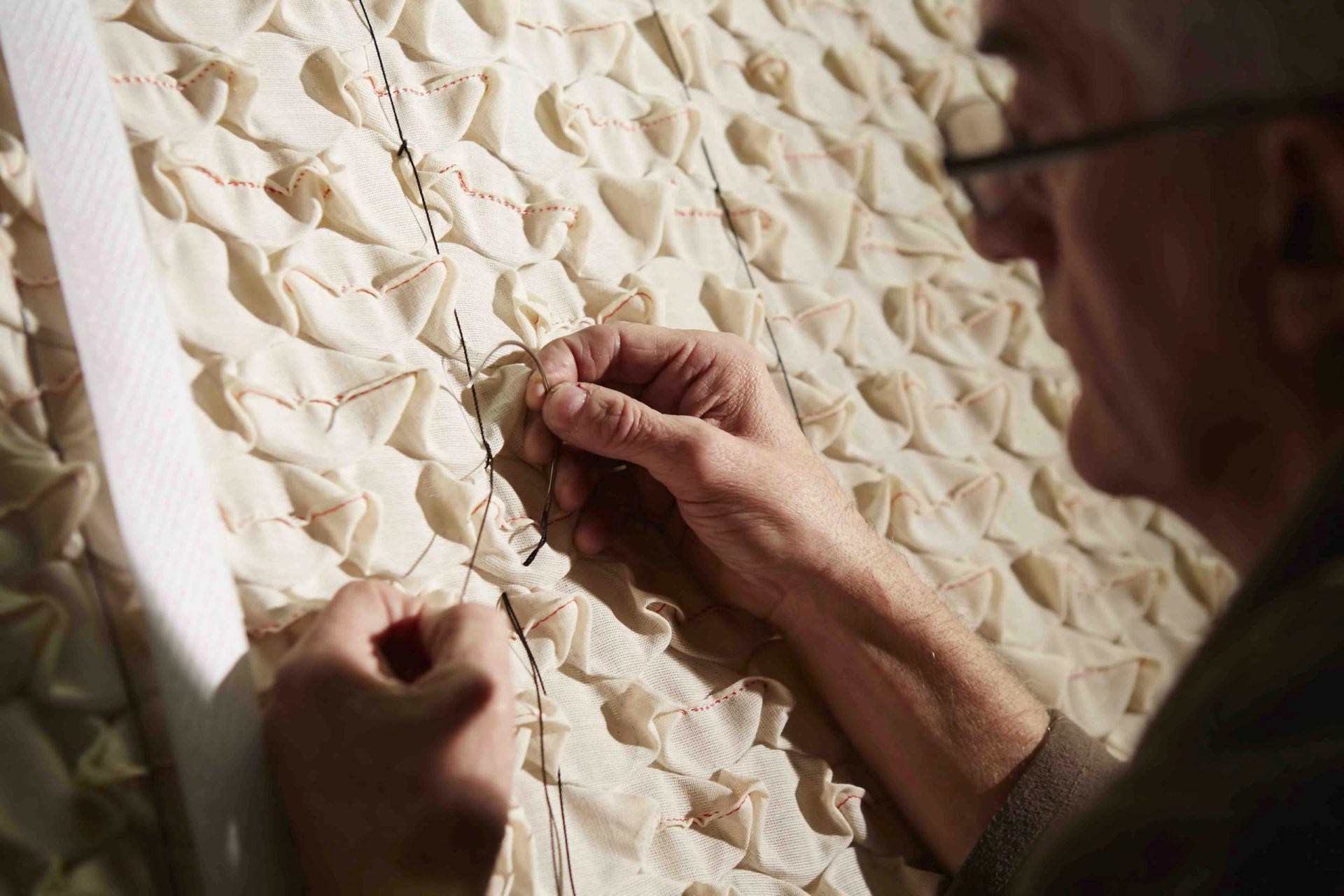
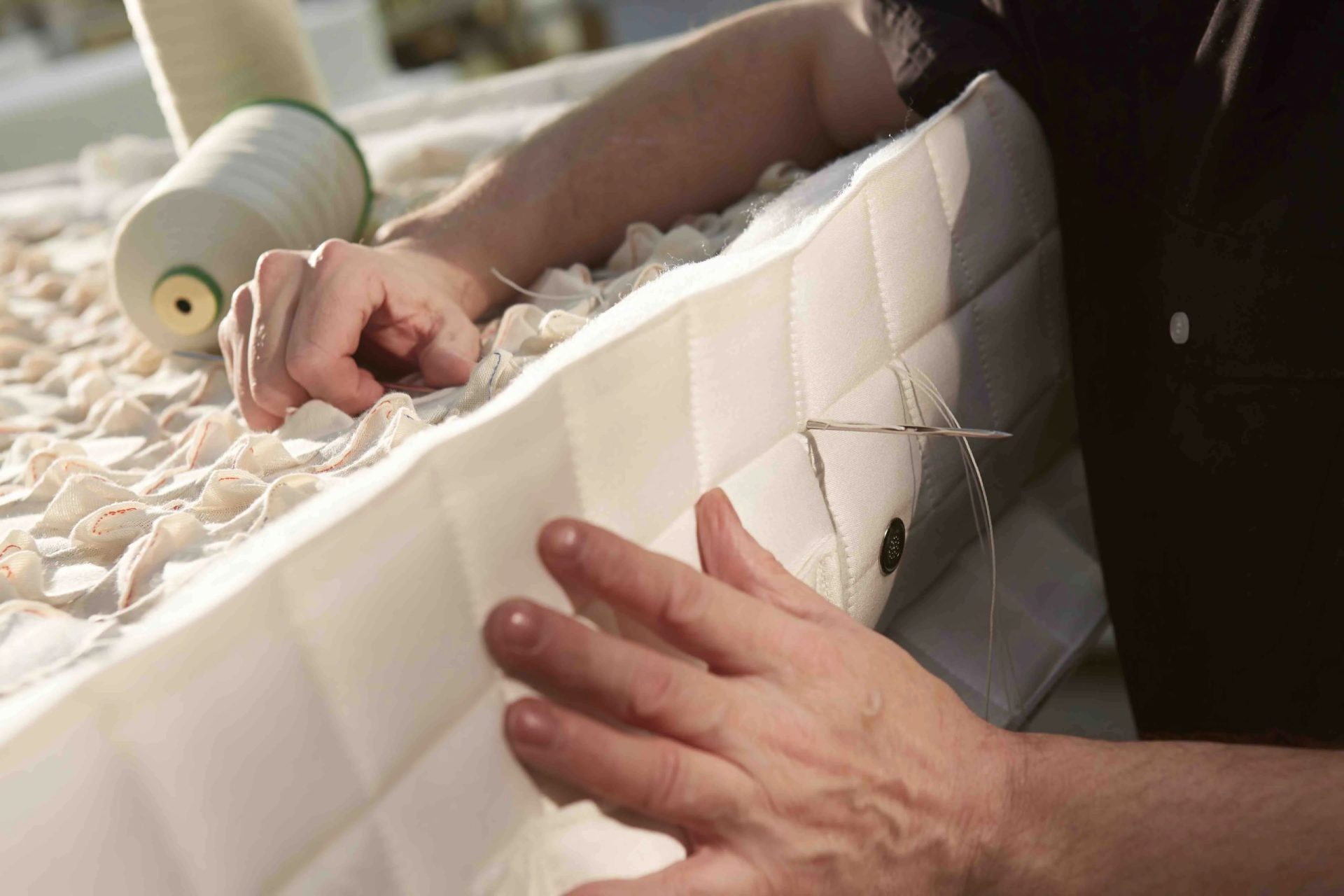
- Hand tied with twine (labour-intensive)
- Superior air circulation
- No glue means no degradation
- Eliminates squeaking
- Typically lasts 12-15+ years
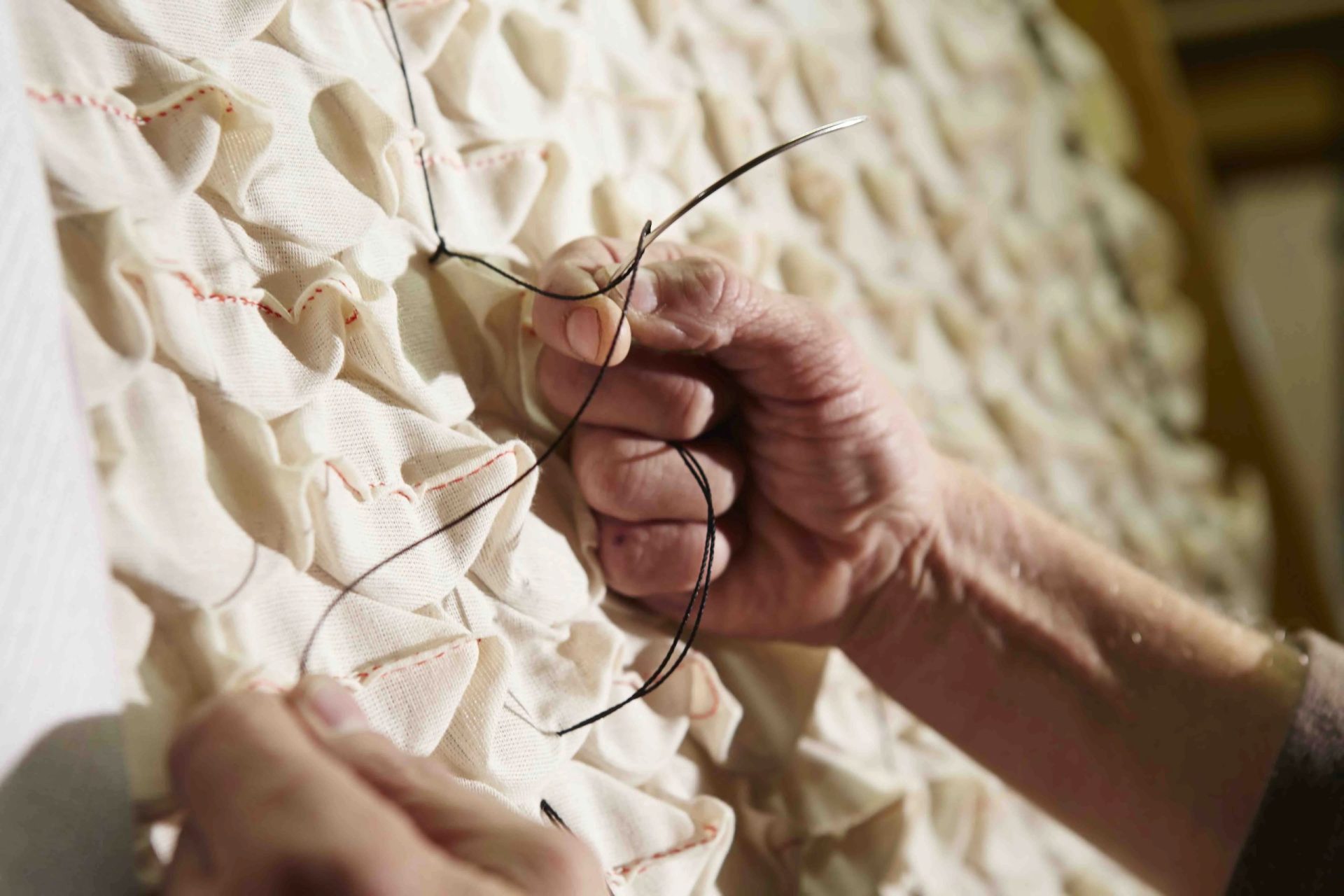
The cost difference is substantial, which is why calico springs appear almost exclusively in higher-end construction. Our Artisan Naturals, Artisan Bespoke, and Artisan Luxury all use calico-encased springs.
Our Origins range uses quality spunbond construction to reach more accessible price points. Both perform well; calico performs better for longer.
Why two-sided construction matters
A mattress specification that dramatically affects lifespan but receives minimal marketing attention: sided construction.
Traditional mattresses were always two-sided, allowing regular rotation and flipping to distribute wear evenly. Most modern mattresses, including virtually all Foam and many Hybrid models, use one-sided construction with a thin, no-flip base.
The longevity mathematics:
| Construction | Typical Lifespan | Sleeping Surfaces | 10-Year Cost |
|---|---|---|---|
| One sided | 5-8 years | One surface only | Original + replacement |
| Two sided | 10-15 years | Four surfaces (flip + rotate) | Original only |
Two-sided (also called double-sided or turnable) mattresses have upholstery layers on both sides. You can flip the mattress top-to-bottom and rotate it head-to-foot, giving you four sleeping surfaces to cycle through.
This quadruples the time before visible settlement appears in your usual sleeping position.
-One-sided mattresses save manufacturers significant material costs whilst appearing similar to two-sided alternatives. They sleep well initially but develop permanent impressions more quickly because all compression occurs within the same layers.
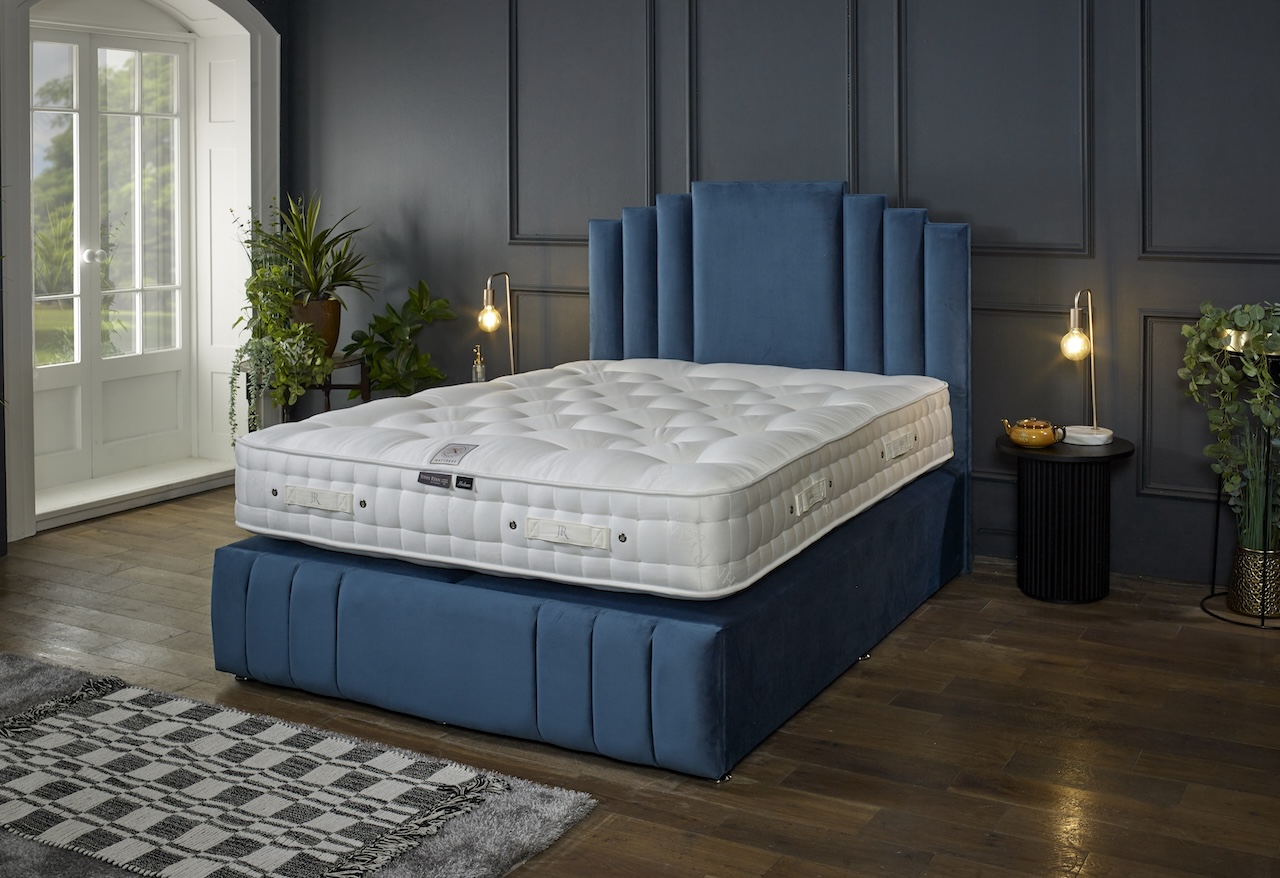
Most retailers don’t prominently disclose side construction, allowing one-sided models to sit next to two-sided alternatives at similar prices.
Over a decade, you’ll replace the one-sided mattress once, whilst the two-sided mattress remains serviceable. This makes the two-sided version substantially cheaper despite the higher initial cost.
Every mattress in the John Ryan range uses two-sided construction because we believe this is non-negotiable for quality and value. It increases our manufacturing costs but delivers the longevity our customers expect.
Three John Ryan pocket-sprung mattresses we recommend
Based on the principles explained above, here are three mattresses that exemplify proper pocket-sprung construction at different price points. All use genuine pocket springs with published specifications, two-sided construction, and transparent upholstery disclosure.
Origins Pocket 1500 (£1,050 King)
Our most accessible pocket sprung mattress combines 1500 spunbond pocket springs with carefully selected upholstery for medium comfort. It’s the mattress we recommend when budget constraints prevent investing in natural fibres, but you refuse to compromise on fundamental construction quality.
What’s inside:
- 1500 spunbond pocket springs (1.4mm medium gauge)
- 300 GSM Wool
- 750 GSM very soft polyester
- 500 GSM polyester pad
- One-inch Foam insulator layer
- Total: 1550 GSM upholstery
- Two-sided, fully turnable construction
- 30-33cm depth
- Medium feel
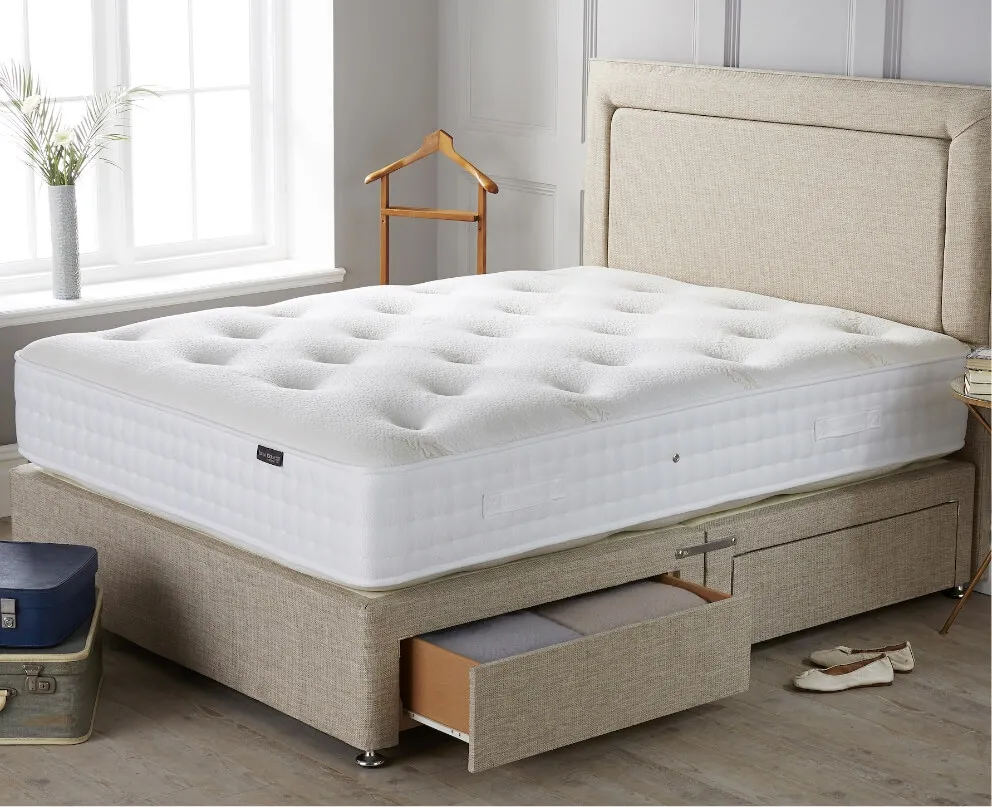
Why we recommend it:
The Origins Pocket 1500 delivers transparent specifications and two-sided construction at a price point where competitors offer vague “comfort layers” and one-sided builds.
The 300 GSMWooll layer provides natural temperature regulation, whilst the generous polyester padding creates immediate comfort. It’s honest, well-made, and built to last 10-12 years with proper rotation.
For couples on a budget or guest room use, it’s an excellent value.
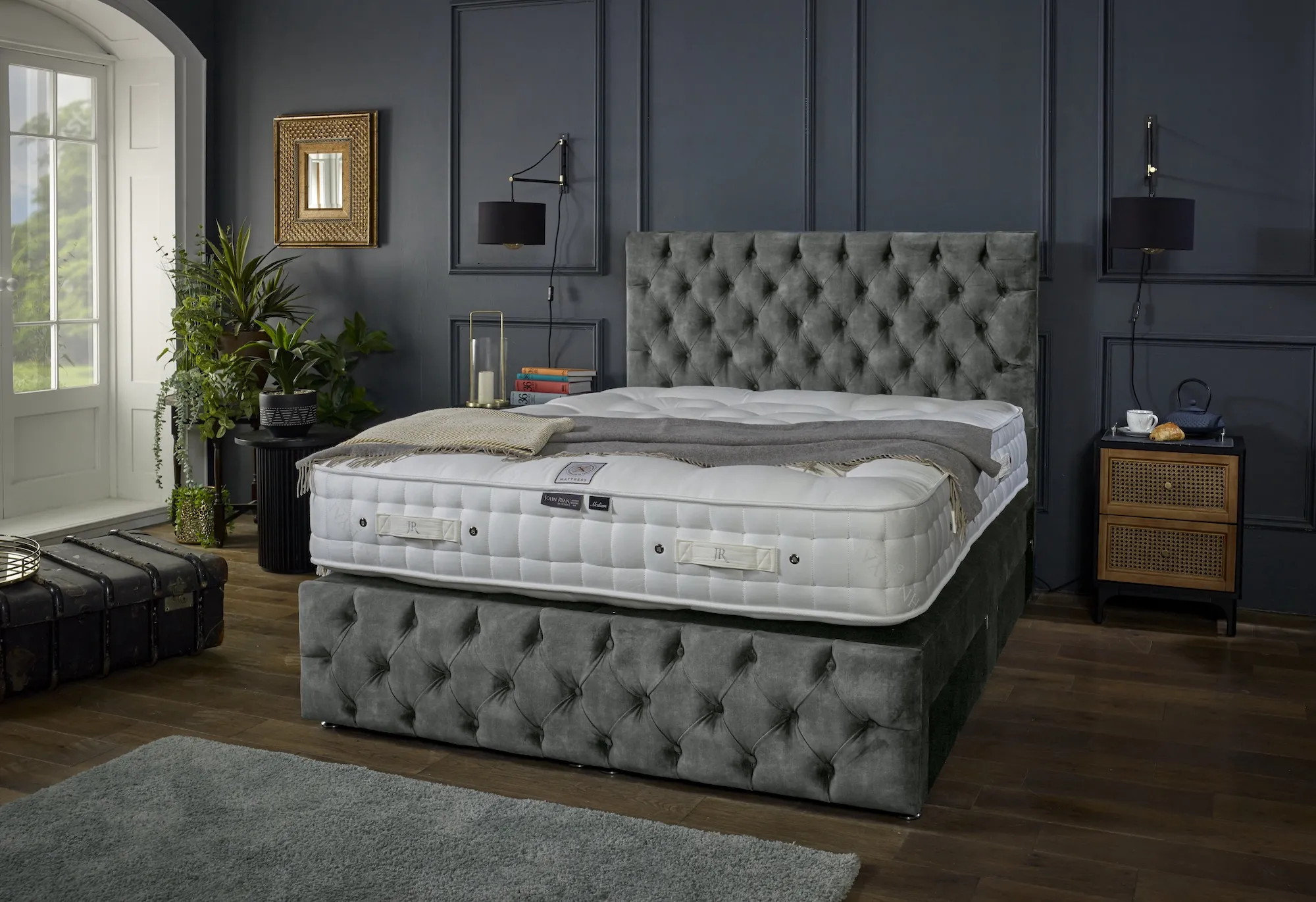
Artisan Naturals (£2,180 King)
Our best-selling mattress for five consecutive years, the Artisan Naturals represents the sweet spot between natural fibre luxury and attainable pricing.
At 85% natural fibre content, it’s genuinely natural, unlikee mostcompetitors’e synthetic blendsthat useh misleading “natural” branding.
What’s inside:
- 1600 calico encased pocket springs (1.28mm gauge, soft/medium feel)
- 1200 GSM blended British fleece Wool and Cotton
- 1250 GSM rebound poly Cotton
- 1500 GSM 100% pure mohair
- Hairproof cambric covers
- Total: 3950 GSM upholstery (85% natural fibre)
- Two-sided, fully turnable construction
- 27-30cm depth
- Medium feel
Why we recommend it:
The combination of calico pocket springs and substantial natural fibre upholstery creates a mattress that sleeps cooler, feels more supportive, and lasts longer than synthetic alternatives at this price point.
The 1500 GSM pure mohair layer is particularly noteworthy, offering exceptional durability and moisture-wicking. Customer feedback consistently praises temperature regulation and llong-termcomfort.
If you’re buying one mattress to last 12-15 years, this is where we’d invest our own money.
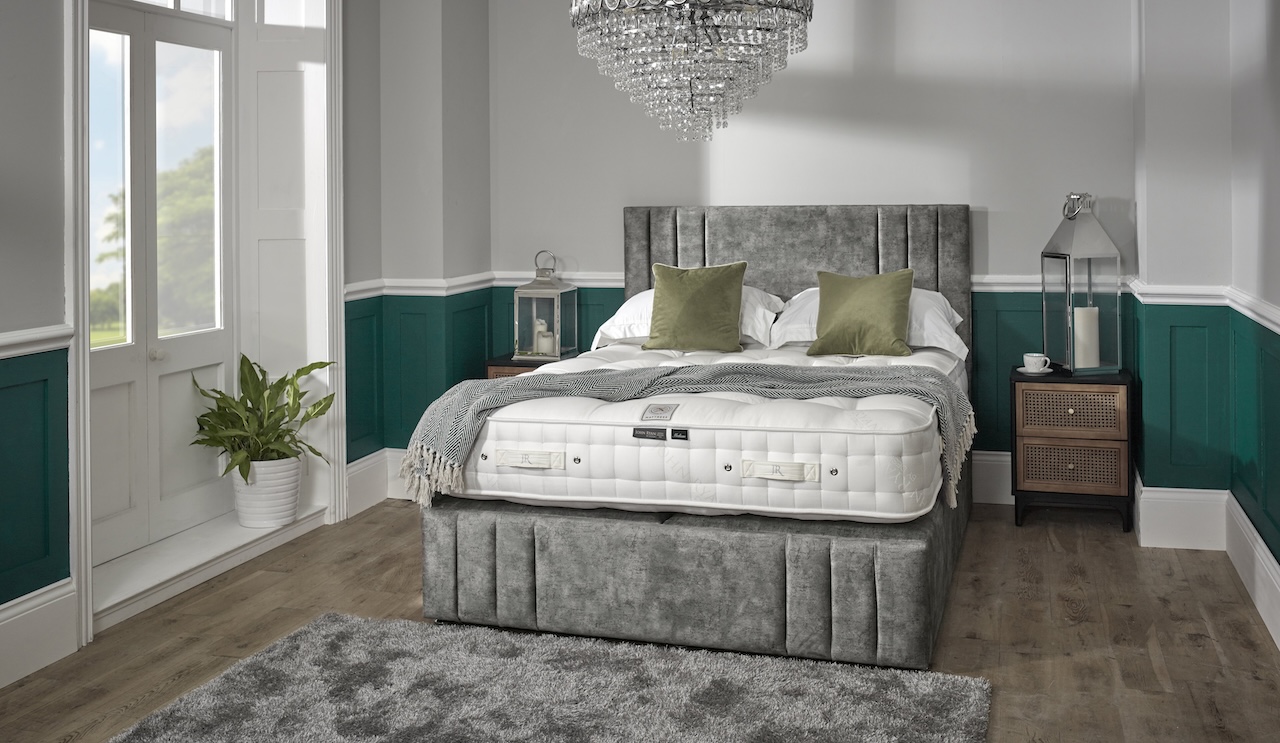
Artisan Bespoke 004 (£2,860 King)
For customers who want 100% natural fibre content without compromise, the Artisan Bespoke 004 delivers Horsetail, organic flax, British Wool, Alpaca, and coir coconut fibre in a dual-layer spring system.
It’s the mattress for people who’ve researched materials thoroughly and refuse synthetic substitutes.
What’s inside:
- 2508 calico encased pocket springs in two tiers (1.40mm gauge, 56mm height)
- 1000 GSM British Alpaca fibres
- 1200 GSM Swaledale Wool
- 1200 GSM Horsetail
- 1000 GSM organic flax
- Hairproof cambric covers
- Total: 4400 GSM upholstery (100% natural fibre)
- Two-sided, fully turnable construction
- 30-33cm depth
- Firm feel
Why we recommend it:
The dual-tier spring system provides exceptional edge-to-edge support, whilst the 100% natural upholstery creates an exceptionally breathable sleep surface.
Horsetail and organic flax both offer outstanding resilience and moisture management. This mattress suits heavier individuals, those with back problems requiring firm support, or anyone prioritising natural materials above initial cost.
Expected lifespan with proper care: 15-18 years.
Common pocket spring myths debunked
Myth 1: Higher spring counts always mean better mattresses
Reality: A spring count above 2000 in a king-size mattress rarely delivers measurable comfort improvements unless you’re adding genuine dual-layer construction.
Manufacturers inflate spring counts by adding mini coils or micro springs that provide negligible support. The quality metrics that actually matter are spring gauge, pocket material, and total upholstery GSM.
Myth 2: Memory Foam over pocket springs creates the perfect Hybrid
Reality: Memory Foam creates heat retention problems that contradict pocket springs‘ natural breathability advantage.
If you want contouring comfort without heat buildup, Latex Foam or natural fibre upholstery provides better results. Genuine hybrids use Latex or high-density polyfoam, not memory Foam.

Myth 3: Pocket spring mattresses need frequent rotation
Reality: Two-sided pocket spring mattresses with quality upholstery benefit from quarterly rotation and biannual flipping, but the practice takes five minutes.
The minimal maintenance of two-sided construction is vastly outweighed by its longevity benefits. One-sided pocket spring mattresses cannot be flipped and wear out faster as a result.

Myth 4: All pocket springs are basically the same
Reality: Calico pocket springs hand-tied with twine last significantly longer and perform better than spunbond pocket springs glued together.
Similarly, 1.28mm gauge springs feel completely different from 1.6mm gauge springs, despite both being labelled “medium” by some retailers. Specification transparency reveals these differences; vague marketing language conceals them.
Buying pocket sprung mattresses: what actually to check
When comparing pocket spring mattresses, demand these specifications before considering any purchase:
Spring specifications:
- Spring count for your size (quoted as king size standard)
- Pocket material (calico or spunbond)
- Spring gauge in millimetres
- Spring height is disclosed
Retailers who refuse to provide a spring gauge are hiding important information.
Upholstery specifications:
- Total GSM of all upholstery layers combined
- Breakdown of materials used (Wool, polyester, Cotton, mohair, etc.)
- Natural versus synthetic content percentage
Vague terms like “luxury comfort layers” or “premium fillings” without a GSM disclosure signal specification.
Construction details:
- Two-sided or one-sided construction
- Mattress depth in centimetres
- Hand-tufted or machine-tape edge
- Chemical content in fire retardancy treatment
Manufacturer transparency:
- Company location
- Manufacturing location (UK, EU, or imported)
- Membership in trade organisations (National Bed Federation, Guild of Master Craftsmen)
- Written specifications rather than just verbal claims
Legitimate manufacturers provide this information readily because transparency builds trust and repeat business. Companies that dodge specification questions or claim “proprietary technology” as justification for secrecy are generally hiding quality shortcuts.
The science behind the comfort
Pocket springs revolutionised mattress design by solving two fundamental problems: inadequate body contouring and partner disturbance during sleep.
The independent movement of each spring allows proper spinal alignment whilst isolating motion, creating demonstrably better sleep conditions than cage-sprung alternatives.
But pocket springs alone don’t create a comfortable mattress. The upholstery layers, spring quality, sided construction, and material transparency all contribute equally to long-term satisfaction.
Marketing focuses relentlessly on the spring count because it’s the easiest number to manipulate and the hardest for consumers to verify through testing.
Understanding the actual engineering helps you see through marketing claims and focus on specifications that genuinely affect comfort and longevity. A mattress with 1600 calico pocket springs, 3950 GSM natural upholstery, and two-sided construction will outperform a 3000 spring one-sided model with 1200 GSM synthetic padding.
We’ve built our reputation on complete specification disclosure, two-sided construction, and natural fibre content that delivers measurable advantages. Every mattress we make starts with proper pocket springs because the engineering works, then surrounds those springs with upholstery that actually deserves the support system beneath it.
That combination is what the science of sleep actually requires.
We want to be sure you’re happy with your mattress, which is why we offer a 60-day ‘Love It or Return It’ guarantee. We’ll come and collect the mattress free of charge and offer a full refund if you’re not satisfied within the first 60 days.
For more information on pocket sprung mattresses, get in touch on 0161 437 4419.

Dreaming of the perfect nights sleep?

Ask us a question
There are over 6000 questions and answers submitted by you on all questions about mattresses and bed problems. Enter a keyword such as Vi Spring, John Lewis beds, bad back or Memory Foam and see if your question has already been answered.
If you can’t find an answer in knowledge hub, ask a new question. We aim to respond to all questions within one working day.
Newsletter
Enter your email to join our newsletter. We’ll send you occasional news and mattress expertise.