







Sleep & Well Being
November 2025Can a Bad Mattress Cause Anxiety? How To Choose A Good One
If you’ve been waking up feeling irritable, struggling to concentrate during the day, or finding your stress levels increasingly challenging to manage, your mattress might be contributing to the problem in ways you hadn’t considered. This is where sleep anxiety can start.
The Link Between Bad Mattresses and Anxiety
The relationship between a bad mattress and anxiety works through multiple interconnected sleep pathways.
When your mattress fails to provide adequate support, your body cannot achieve the deep, restorative sleep cycles necessary for proper mental health regulation. Research has demonstrated that lack of quality sleep can intensify stress markers in the body by around 30%, creating a vicious cycle where poor sleep leads to increased anxiety, which in turn makes it harder to achieve restful sleep the following night.

A worn out or unsuitable mattress forces your body into unnatural positions throughout the night. This physical discomfort triggers the release of cortisol, the body’s primary stress hormone. When cortisol levels remain elevated due to chronic poor sleep, your nervous system stays in a heightened state of alert, making you more susceptible to anxiety and less able to cope with daily stressors. Your body essentially remains in “fight or flight” mode even when you’re trying to rest, which is the opposite of what sleep should provide.
The physical symptoms manifest in recognisable ways:
- You might wake up with a stiff back or achy shoulders
- Toss and turn, trying to find a comfortable position
- or wake multiple times during the night without understanding why
Each of these disruptions prevents you from reaching the deeper stages of sleep where your brain processes emotional experiences and regulates mood. Over time, this sleep deprivation compounds, affecting your ability to manage anxiety effectively.
Temperature regulation plays a crucial role that’s often overlooked.
Memory foam and synthetic mattresses retain body heat, which can cause night sweats and frequent waking. When your body overheats during sleep, it struggles to reach and maintain the cooler core temperature necessary for quality rest. This thermal discomfort adds another layer of physical stress that feeds into anxiety symptoms. Many people experiencing sleep anxiety don’t realise that their mattress materials are actively working against their body’s natural cooling mechanisms.
I recall a customer from Leeds who contacted us after struggling with increasing anxiety for nearly two years. She’d been to her GP multiple times, tried various relaxation techniques, and was convinced her anxiety was purely psychological. During our conversation, I asked about her sleep, and she mentioned waking up hot and uncomfortable most nights on her memory foam mattress.
Within a month of switching to a pocket sprung mattress with natural fibres, she rang back to tell me her anxiety symptoms had reduced dramatically. Her GP was astounded by the improvement. Sometimes the solution is more straightforward than we think, and it starts with addressing the physical environment where we’re supposed to rest and recover.
How Sleep Deprivation Amplifies Anxiety
The impact of a bad mattress extends well beyond the bedroom.
When you’re sleep deprived, your prefrontal cortex (the part of your brain responsible for rational thinking and emotional regulation) becomes less effective, whilst your amygdala (the fear and anxiety centre) becomes hyperactive. This neurological shift means you’re more likely to perceive neutral situations as threatening and struggle to regulate your emotional responses to stressors.
Studies have shown that people who consistently experience poor sleep quality are significantly more prone to developing anxiety disorders. The relationship works both ways, creating what sleep researchers call a bidirectional relationship. Anxiety can certainly cause sleep problems, but equally, chronic poor sleep caused by an unsuitable mattress can trigger or worsen anxiety symptoms.
This is particularly relevant for people dealing with generalised anxiety disorder, panic disorder, or post-traumatic stress disorder, where sleep disturbances often feature prominently.
The cumulative effect of poor sleep on an inappropriate mattress manifests in numerous ways throughout your waking hours. You might find yourself feeling increasingly irritable, experiencing difficulty concentrating on tasks, making poor decisions, or feeling emotionally fragile. Your immune system weakens, making you more susceptible to illness, which adds yet another source of stress. The compounding nature of these effects means that what started as a mattress problem can spiral into a complex web of physical and mental health challenges.
What Makes a Mattress Bad for Anxiety?
Not all mattresses affect anxiety in the same way, but certain characteristics consistently correlate with increased stress and sleep disturbance. Understanding these factors helps you identify whether your current sleep surface might be contributing to your symptoms.
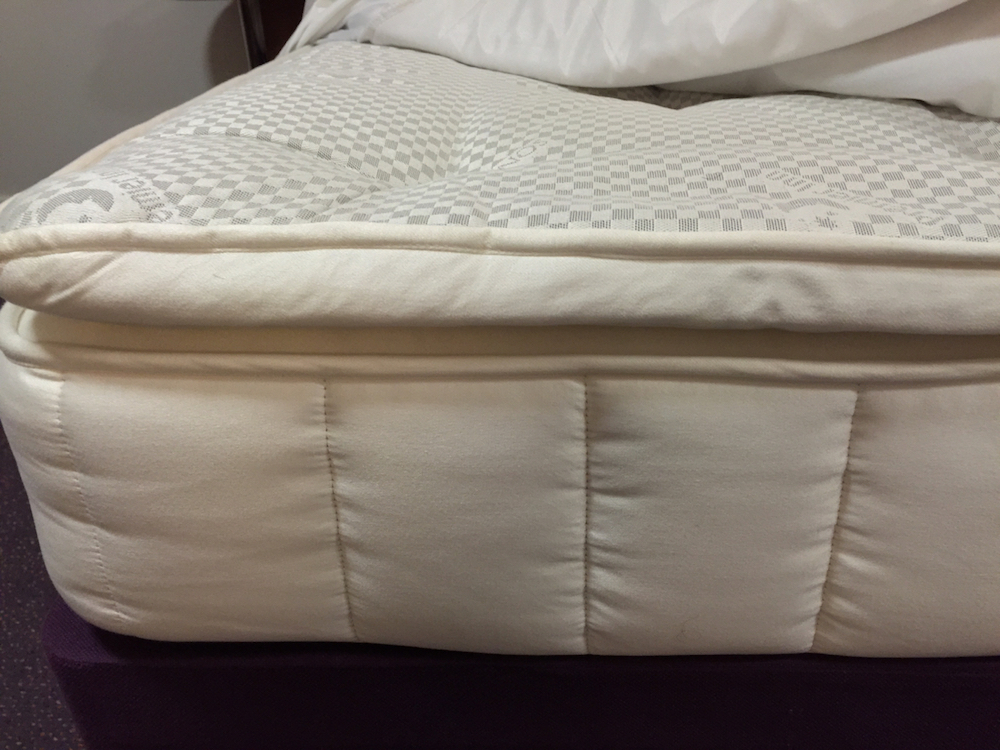
Sagging and settlement represent one of the most common issues with older mattresses. When the support layers compress unevenly, your spine cannot maintain its natural alignment during sleep. This creates pressure points and forces your muscles to work throughout the night to compensate for the lack of proper support. The physical strain translates directly into elevated stress hormones and disrupted sleep cycles. Most mattresses begin showing significant settlement after seven to eight years of use, though one sided models and those with pillow tops often develop problems much sooner.
The Wrong Firmness
Firmness mismatches cause considerable problems for anxiety-prone sleepers. The outdated advice that firm mattresses suit everyone, particularly those with back problems, has been thoroughly debunked by modern sleep research and chiropractic professionals. A mattress that’s too firm for your body weight creates pressure points at your shoulders and hips, particularly if you sleep on your side. Conversely, a mattress that’s too soft fails to provide adequate support, allowing your spine to bow out of alignment. Both scenarios prevent proper rest and increase physical stress on your body.
One gentleman from Manchester springs to mind who’d convinced himself he needed the firmest mattress possible because he’d read online that firm meant supportive. He’d been sleeping on what was essentially an orthopaedic plank for three years, waking with shoulder pain and feeling increasingly anxious and irritable. His wife had started sleeping in the spare room because his constant tossing and turning kept her awake.
When we discussed his body weight and sleeping position, it became clear he needed a medium spring tension with softer comfort layers, not the punishing firmness he’d been enduring. Six weeks after switching to our Origins Pocket 1500, his wife moved back into their bedroom, and he admitted he’d forgotten what it felt like to wake up without that knot of tension in his chest. The “firm is best” myth had cost him years of decent sleep and put unnecessary strain on his marriage.
Heat Retention Matters
Heat retention in synthetic and memory foam mattresses significantly impacts sleep quality and anxiety levels. These materials require and retain your body heat to function, which can cause you to overheat during the night. When your core body temperature rises, it disrupts your natural sleep cycles and can trigger anxiety symptoms. Night sweats, restlessness, and frequent waking often stem from this thermal incompatibility between your body and your mattress materials. For anyone already experiencing sleep anxiety, overheating compounds the problem substantially.

Poor motion isolation matters particularly for couples. If your partner’s movements wake you throughout the night, you never achieve the continuous deep sleep necessary for mental health regulation. Interconnected spring systems like open coil mattresses transfer movement across the entire sleep surface, meaning you feel every shift your partner makes. This constant disruption keeps your nervous system on alert and prevents the deep restorative sleep that helps regulate anxiety.
Allergens accumulating in older mattresses create another pathway between bad mattresses and anxiety. Dust mites, their waste products, and the breakdown of mattress materials over time can trigger allergic responses that disrupt sleep. Sneezing, congestion, itchy eyes, and breathing difficulties all interfere with sleep quality. When you’re already dealing with anxiety, these additional physical symptoms further compromise your ability to rest properly.
The Best Mattress for Anxiety: What To Look For
Choosing the best mattress for sleep anxiety requires moving beyond marketing claims and understanding what your body actually needs for restorative rest. The right sleep anxiety mattress provides proper support tailored to your body weight, comfort layers appropriate for your sleeping position, and materials that work with your body’s natural processes rather than against them.
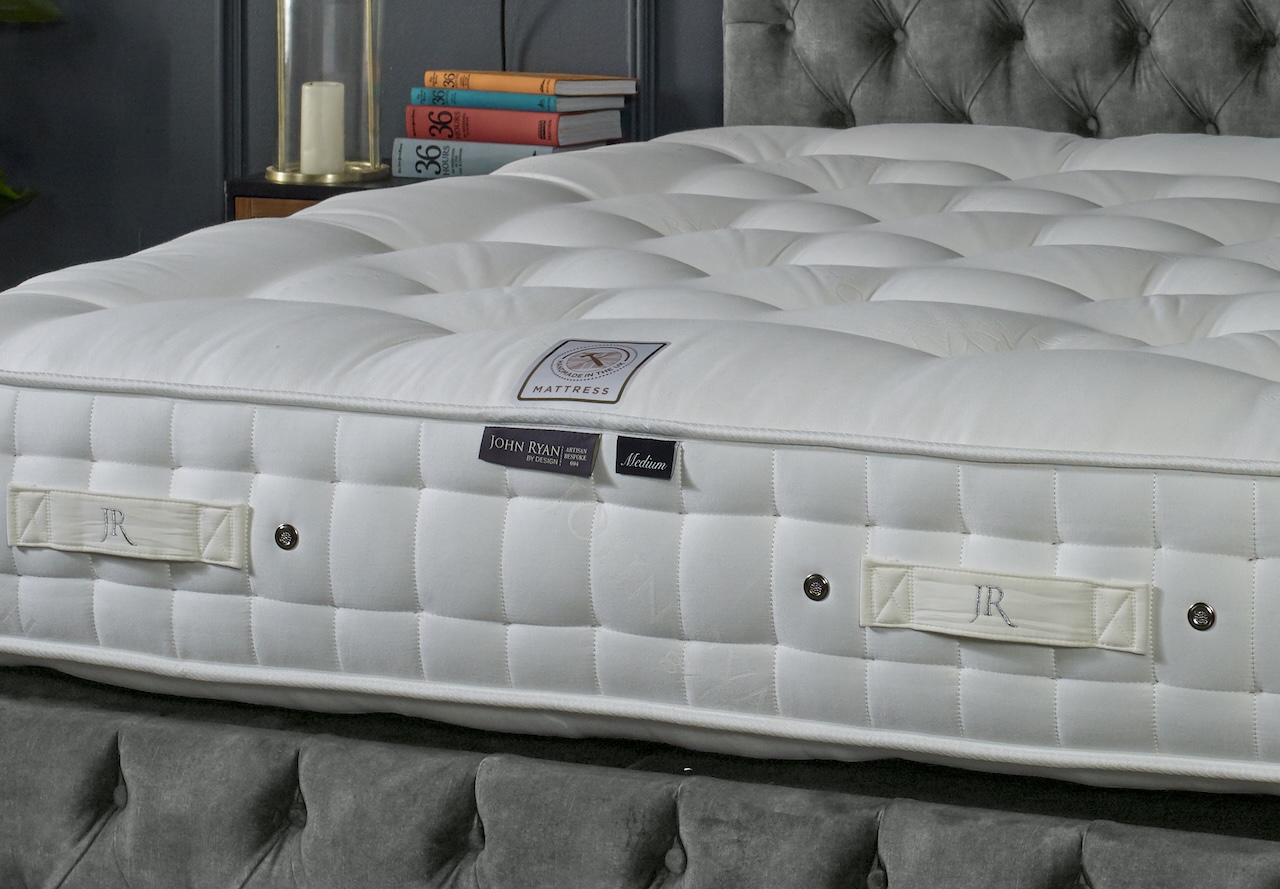
Pocket sprung mattresses represent the gold standard for proper support because each spring works independently. Unlike open coil systems where all springs move together, pocket springs contour individually to your body shape and weight distribution. This means your shoulders can sink in appropriately whilst your lower back receives firm support simultaneously.
The independence of pocket springs also prevents motion transfer, so your partner’s movements don’t disturb your sleep. When selecting a pocket sprung mattress, the spring tension must match your body weight properly. Too firm and you’re essentially sleeping on a table; too soft and you lack adequate support. This tailored approach to support forms the foundation of any anxiety mattress worth considering.
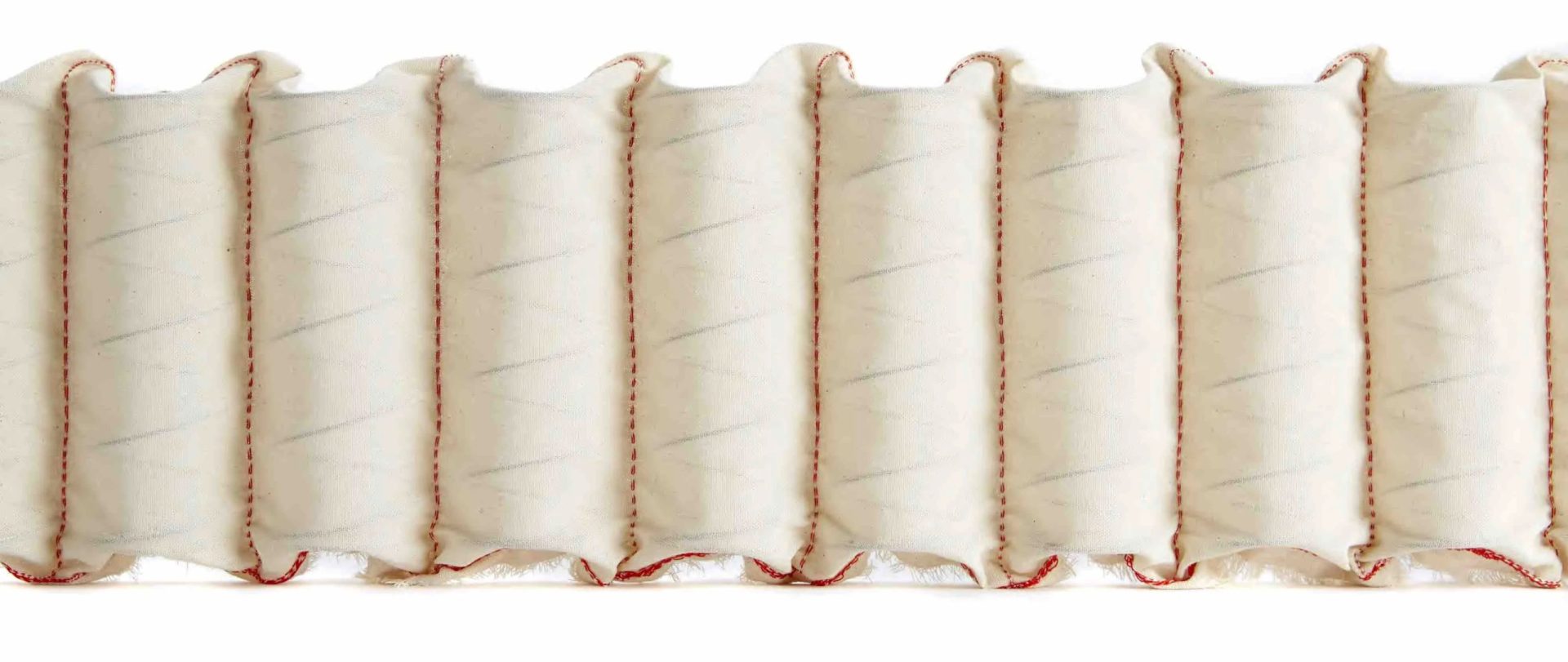
Natural fibre upholstery layers make an enormous difference for anxiety prone sleepers. Materials like British wool, cotton, horsehair, and cashmere provide breathability that synthetic foams simply cannot match. These natural materials wick moisture away from your body and allow air to circulate freely through the mattress layers, helping maintain the cooler core temperature necessary for quality sleep.
The temperature-regulating properties of natural fibres reduce night sweats and overheating, eliminating a major source of sleep disruption for anxious sleepers. Additionally, natural materials offer a responsive comfort that allows you to move and adjust position easily during the night, unlike memory foam which can feel restrictive and slow to respond.
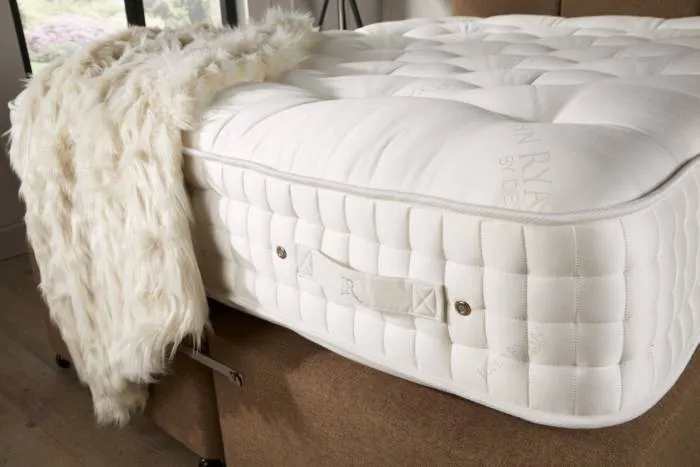
Two-sided mattresses that can be turned regularly prove essential for maintaining consistent support over time. One-sided mattresses (often marketed as “no turn” models) develop settlement and dipping far more rapidly because you’re constantly sleeping on the same surface. This settlement creates the uneven support that triggers physical stress and disrupts sleep.
With a two-sided mattress, you can turn it monthly to distribute the natural compression evenly across both surfaces, significantly extending its supportive lifespan and maintaining proper spinal alignment, which helps reduce anxiety symptoms.
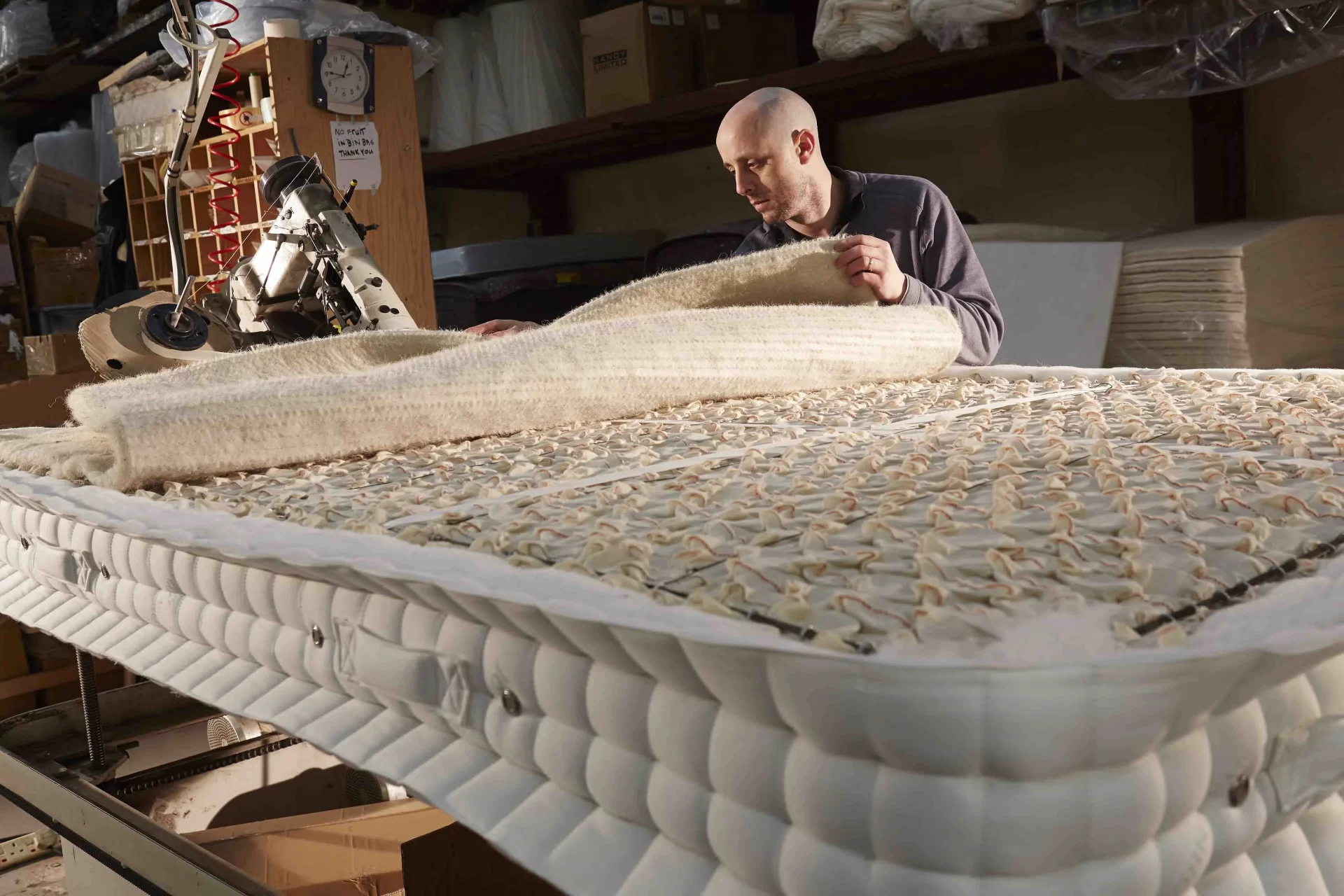
Medium comfort layers typically work best for the majority of sleepers, particularly those dealing with anxiety and stress. The old recommendation of “go firm” for anyone with sleep issues has been thoroughly contradicted by modern research. What you actually need is comfort layers that allow a slight sink for pressure relief whilst still providing adequate support beneath.
This is especially crucial for side sleepers, who need their shoulders and hips to nestle into the top layers to maintain spinal alignment. Back and stomach sleepers typically require slightly firmer upholstery to prevent excessive sinking, which could strain the lower back. Understanding your sleeping position helps guide you towards the right comfort level.
Why You Should Avoid Memory Foam
For anyone experiencing significant sleep anxiety, avoiding memory foam mattresses makes practical sense. Memory foam requires your body heat to soften and mould to your shape, which means it actively retains heat. This heat retention can trigger or worsen night sweats and overheating, both of which disrupt sleep and heighten anxiety.

Additionally, memory foam responds slowly when you try to move or adjust position during the night, which can feel restrictive and uncomfortable for anyone who needs to shift frequently. The synthetic nature of memory foam also means it lacks the breathability of natural materials, creating a less optimal sleep environment for managing anxiety symptoms.
Our Recommendation: The Origins Pocket 1500
For most sleepers dealing with anxiety and stress-related sleep issues, we recommend the Origins Pocket 1500 as the best all-arounder and exceptional value mattress. This model strikes the ideal balance between quality construction, proper support, and affordability, making it our best selling mattress across all sleep needs.
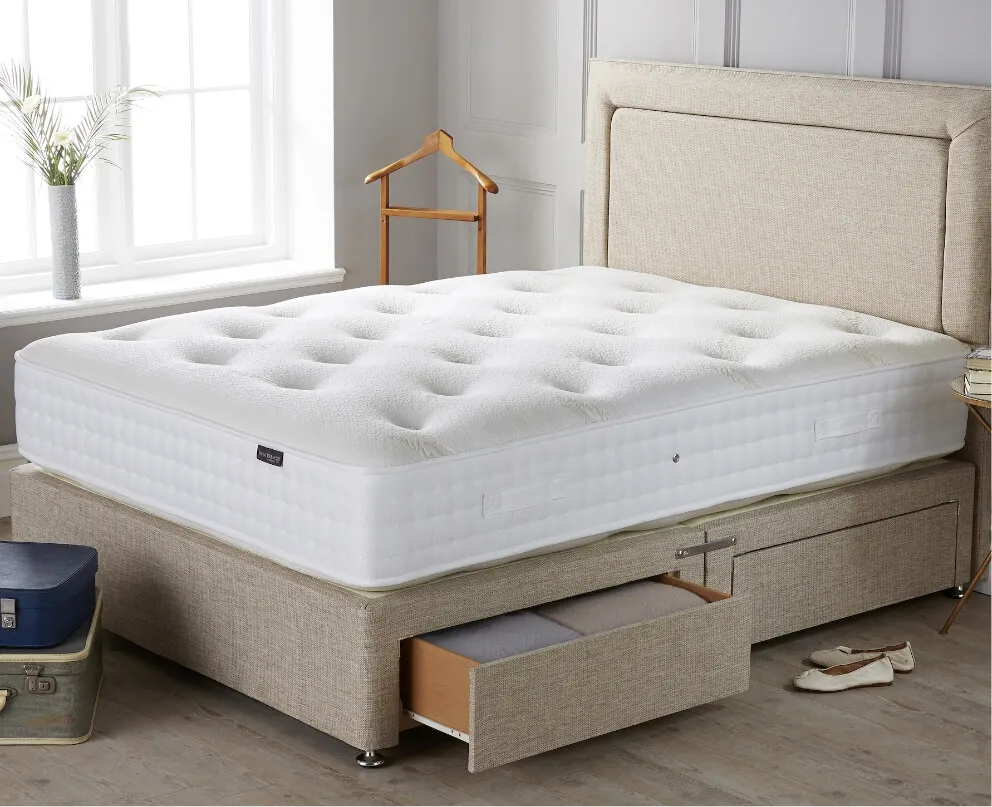
The Origins Pocket 1500 provides everything you need in a sleep anxiety mattress without the inflated price tags of heavily marketed brands. It’s a genuine two-sided mattress that you can turn monthly to maintain even support and prevent the settlement that triggers anxiety symptoms.
This is crucial because one-sided mattresses develop dips and sags far more quickly, compromising the very support your body needs for anxiety reduction.
Key Features of the Origins Pocket 1500:
- 1500 individual pocket springs working independently to contour to your body
- Medium spring tension suitable for the majority of sleepers (up to 16 stone)
- True medium comfort feel that allows slight sink before support
- Fully two sided construction for turning and longevity
- Hand tufted using traditional methods
- 1550 GSM total upholstery for substantial comfort
- 30 to 33cm depth providing generous support layers
- Exceptionally competitive pricing compared to equivalent mattresses
- 60 night love it or return it guarantee
Upholstery Layers:
- 300 GSM wool blended with silk for a soft, temperature regulating surface layer
- 750 GSM very soft polyester providing cushioning comfort
- 500 GSM polyester pad acting as a dampening cushion layer
- One inch high density foam insulator protecting from the spring unit whilst allowing springs to respond
- 1500 spun bond pocket springs providing the core support system
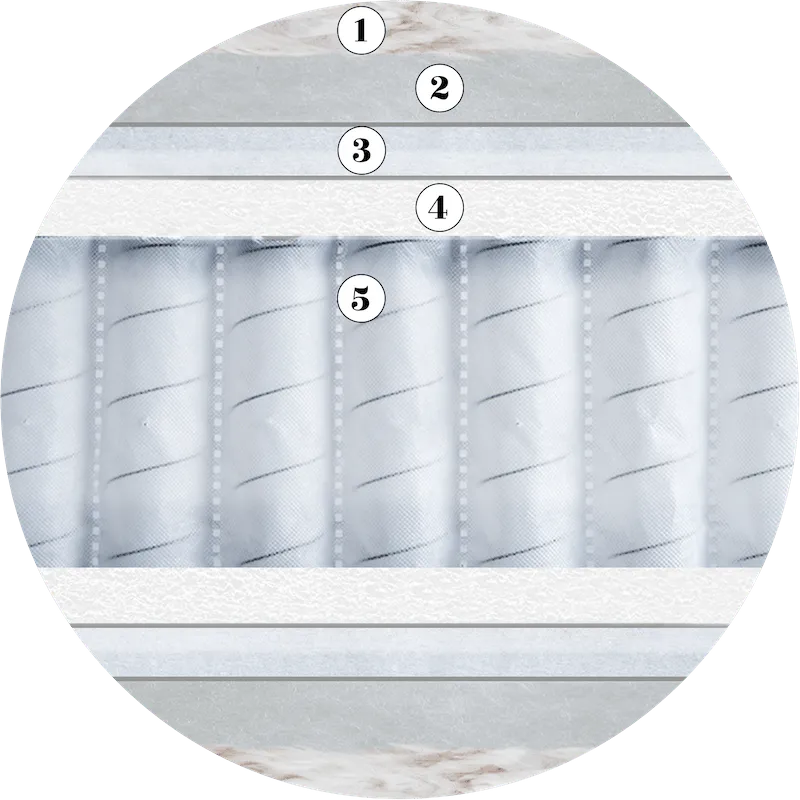
The Origins Pocket 1500 delivers a medium overall feeling that works brilliantly for anxiety prone sleepers. The comfort layers provide enough give to relieve pressure points at your shoulders and hips, which is essential for side sleepers who might otherwise pivot and create lower back strain. Meanwhile, the 1500 pocket springs underneath ensure your spine maintains proper alignment throughout the night, preventing the physical stress that elevates cortisol levels and disrupts restorative sleep.
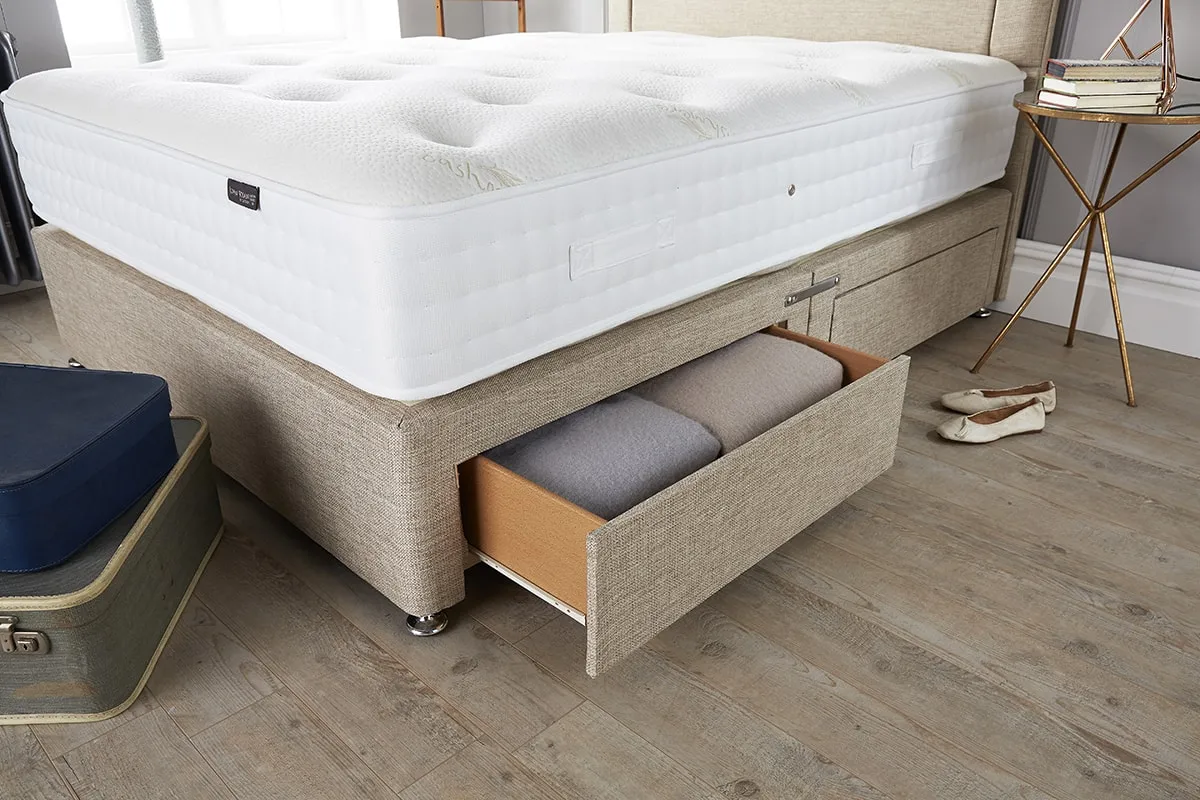
This mattress proves particularly effective because it addresses multiple anxiety-triggering factors simultaneously. The medium comfort prevents the punishing firmness that keeps many anxious sleepers tossing and turning, whilst the pocket spring independence means partners won’t disturb each other. The generous depth and quality construction mean you’re getting a mattress that will maintain its supportive properties for many years when turned regularly, making it excellent long-term value.
For anxious sleepers weighing under 16 stone, the Origins Pocket 1500 offers the support, comfort, and reliability you need at a price point that doesn’t add financial stress to your existing concerns. You can explore the full specifications and current pricing at our Origins Pocket 1500 product page.
Practical Steps for Choosing Your Anxiety Mattress
When you’re ready to invest in a mattress that supports rather than undermines your mental health, a systematic approach helps ensure you make the right choice. Start by honestly assessing your body weight and preferred sleeping position, as these factors determine the spring tension and comfort layers you need. If you’re a couple with different weights or preferences, consider a zip and link configuration that allows each side to have appropriate support and comfort levels.
Natural fibre mattresses from reputable manufacturers who specialise in traditional construction methods offer the best value for managing anxiety through better sleep. Look for mattresses containing British wool, cotton, horsehair, and other natural materials in substantial quantities (measured in GSM or grams per square metre). The higher the GSM of natural fibres, the better the comfort and breathability you’ll experience. Avoid mattresses with excessive polyester padding or synthetic comfort layers, as these materials cannot match natural fibres for temperature regulation and responsiveness.
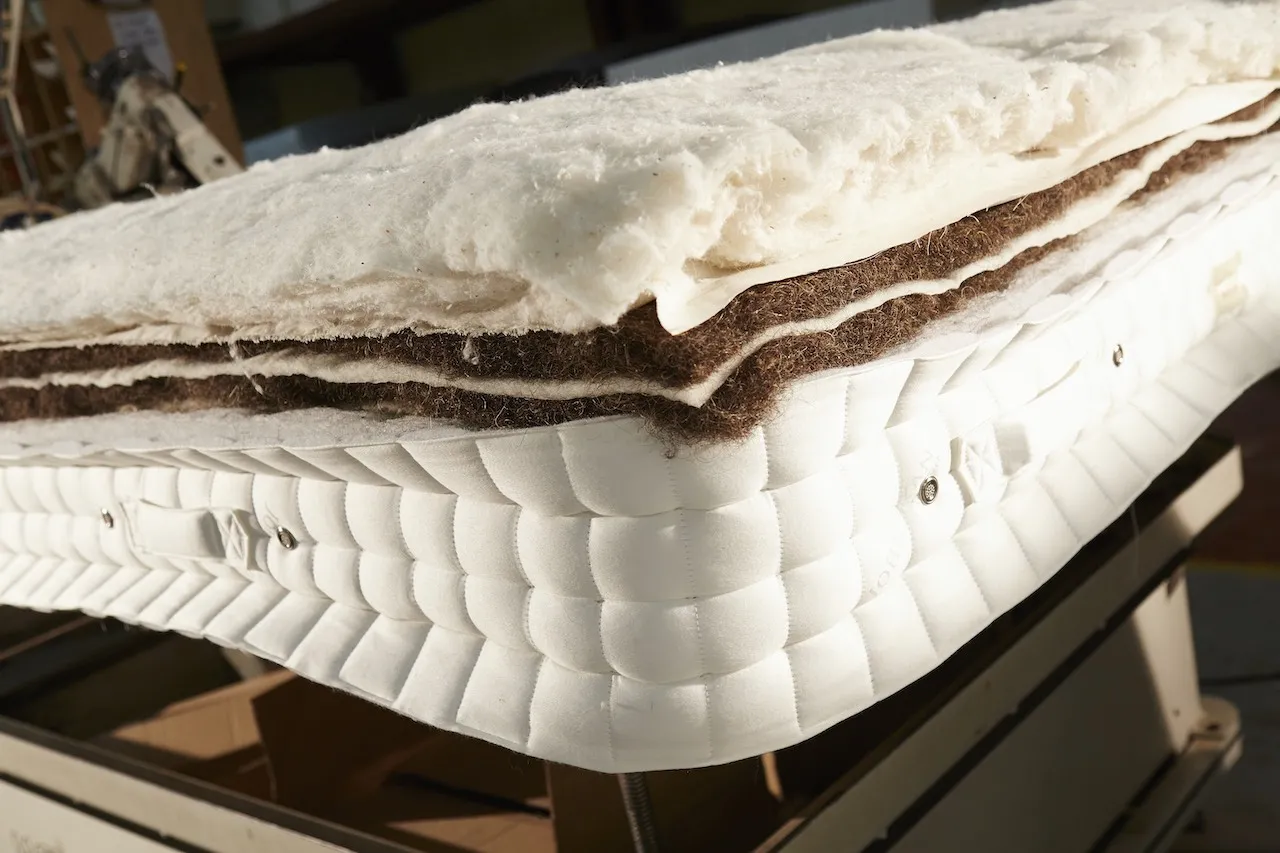
Pay attention to the pocket spring specification. A higher spring count generally provides better contouring and support, though the spring gauge (thickness) matters more for determining the right tension for your weight. Look for mattresses with at least 1000 pocket springs in a double size, though 1500 to 2000 springs offer superior support and durability. The spring gauge should match your body weight: lighter sleepers need softer 1.2mm springs, average weight sleepers suit 1.4mm medium springs, and heavier sleepers require firmer 1.6mm springs for proper support.
Consider the mattress depth as well. A quality pocket sprung mattress with natural fibre upholstery typically measures 25 to 30 centimetres deep. This depth allows for substantial comfort layers over properly supportive springs.
Avoid ultra thin mattresses or those that achieve depth primarily through pillow tops, as these configurations compromise support and longevity. The best mattresses for anxiety and sleep quality combine deep spring units with generous natural fibre upholstery, creating both comfort and lasting support.
Beyond the Mattress: Supporting Better Sleep
Whilst addressing your mattress forms the foundation for managing sleep-related anxiety, several complementary factors deserve attention. Your bedroom environment has a significant impact on sleep quality. Keep your room cool (around 16 to 18 degrees Celsius is ideal), dark, and quiet. Remove electronic devices that emit blue light in the hours before bedtime, as this light disrupts your body’s natural melatonin production.
Establishing a consistent sleep routine helps regulate your circadian rhythm and reduce anxiety around bedtime. Going to bed and waking at similar times each day, even on weekends, trains your body to expect sleep at specific times. Create a wind-down routine that signals to your nervous system that it’s time to shift into rest mode. This might include a warm bath, gentle stretching, reading, or meditation practices that help quiet racing thoughts.
A mattress protector and regular cleaning maintain the hygiene and performance of your sleep surface. Using a natural fibre mattress protector (avoid waterproof ones that don’t breathe) creates a washable barrier against sweat and skin cells whilst still allowing air circulation. Turn your mattress monthly if it’s two sided, and vacuum it regularly to remove dust and debris. These simple maintenance steps extend your mattress’s lifespan and ensure it continues supporting healthy sleep.
If anxiety continues disrupting your sleep despite addressing your mattress and bedroom environment, consulting with a healthcare professional remains essential. Whilst a quality mattress provides the physical foundation for better sleep, clinical anxiety disorders often require professional treatment including therapy or medication. Your mattress should support your overall treatment plan, not replace proper medical care.
Making the Investment in Better Sleep
The relationship between your mattress and anxiety symptoms deserves serious consideration. When you understand that your sleep surface directly impacts cortisol levels, sleep quality, physical comfort, and ultimately your mental health, investing in a proper mattress becomes less about luxury and more about essential self-care. A quality pocket-sprung mattress with natural fibres typically costs more upfront than budget alternatives, but the investment pays dividends in improved sleep, reduced anxiety, and better overall health over its lifespan.
Most people spend approximately one-third of their lives in bed, making your mattress one of the most used items you’ll ever own. When viewed through this lens, spending appropriately on a mattress that properly supports your body and promotes restful sleep makes economic sense beyond the immediate health benefits. A mattress that helps you sleep better reduces anxiety, improves concentration, strengthens your immune system, and enhances your quality of life in measurable ways.
For personalised guidance on selecting the right mattress for your specific needs and circumstances, our experienced team at John Ryan By Design can help. We’ve spent decades helping people understand what they truly need from a mattress, cutting through marketing hype to focus on what actually matters for quality sleep.
You can reach us on 0161 437 4419 or explore our guides in the knowledge hub to learn more about choosing a mattress that supports your health rather than undermining it.
Dreaming of the perfect nights sleep?
Ask us a question
There are over 6000 questions and answers submitted by you on all questions about mattresses and bed problems. Enter a keyword such as Vi Spring, John Lewis beds, bad back or Memory Foam and see if your question has already been answered.
If you can’t find an answer in knowledge hub, ask a new question. We aim to respond to all questions within one working day.
Newsletter
Enter your email to join our newsletter. We’ll send you occasional news and mattress expertise.