







Mattress Science
October 2025Why Does My Mattress Feel Too Hot at Night, and What to Do About It?
Understanding why your mattress retains heat and what you can do about it is essential for achieving the cool, comfortable sleep you deserve. After 25 years in the mattress industry and as members of both the Guild of Master Craftsmen and the Institute of Spring Technology, we’ve helped thousands of hot sleepers finally get a proper night’s rest. Let’s explore the science behind mattress heat retention and discover practical solutions to transform your sleep environment from an inferno into a cool, comfortable sanctuary.
The Science Behind Mattress Heat Retention
Your body naturally regulates its temperature throughout the night, and this process is crucial for achieving deep, restorative sleep. When you lie down, your body temperature drops slightly to initiate sleep, and maintaining this cooler temperature is essential for staying asleep. However, when your mattress traps heat instead of allowing it to dissipate, it works against your body’s natural cooling mechanisms, leading to disrupted sleep, night sweats and that awful feeling of waking up hot and bothered.
The materials used in your mattress play the most significant role in temperature regulation. Synthetic materials, particularly memory foam and polyester, are notorious for creating what we call the “heat trap effect. These materials have a dense cellular structure that prevents air from circulating freely through the mattress. Instead of allowing heat and moisture to escape, they essentially reflect your body heat back towards you, creating an increasingly uncomfortable sleeping surface as the night progresses.
The Memory Foam Heat Problem
Memory foam mattresses deserve special attention when discussing heat retention because of the way they actually work. Originally designed for NASA aeroplane seats, memory foam is engineered to soften and mould to your body shape in response to heat. Whilst this creates that characteristic “hugging” sensation many people initially find comfortable, it also means the foam needs to heat up to function properly. As you can read in our comprehensive Memory Foam Mattress Ultimate Buyers Guide, this heat-reactive property is fundamental to how memory foam operates, but it creates a significant problem for temperature regulation.

Every time you sleep on memory foam, the material is actively warming itself around your body, causing your own body temperature to increase in response. The foam’s dense structure prevents adequate air circulation, which means heat and moisture have nowhere to escape. For more details about this specific issue, our article What To Do If Your Memory Foam Mattress is Too Hot explores the problem in depth and offers immediate solutions if you’re currently struggling with a memory foam mattress.
The situation is exacerbated by the fact that memory foam cannot effectively manage moisture. When you start sweating in response to the heat buildup, that moisture remains on the surface rather than being wicked away. You’re left lying in a hot, damp environment that becomes increasingly uncomfortable as the night progresses. Even if your bedroom temperature is quite cool, excessive sweating is almost inevitable if you’re a hot sleeper on a memory foam mattress. As we explain in our Memory Foam Mattress: Top 5 Tips article, if you already know you’re a warm sleeper, we would always advise choosing a natural fibre breathable mattress instead of any foam model.
Other Heat-Retaining Materials
Whilst memory foam is the most problematic material for hot sleepers, it’s not the only culprit.
Polyester fillings and synthetic covers create similar issues by preventing proper air circulation and moisture management. Gel foam mattresses, often marketed as a cooler alternative to memory foam, can provide some initial cooling sensation but ultimately face the same breathability challenges as traditional memory foam once your body heat warms the gel layer. The more synthetic materials present in your mattress construction, the more likely you are to experience heat retention problems.
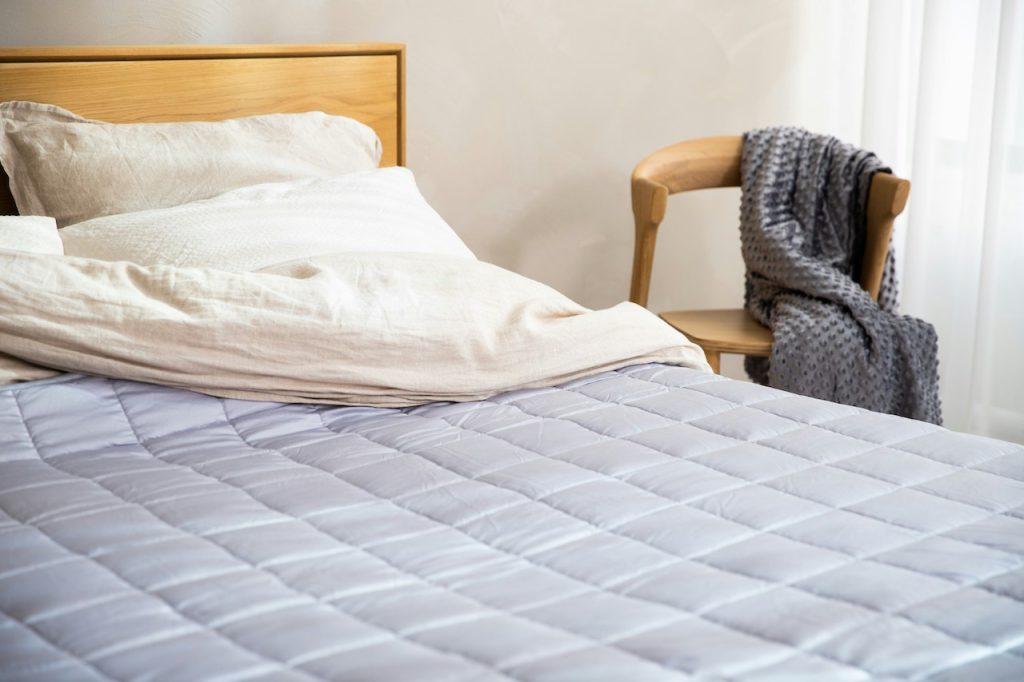
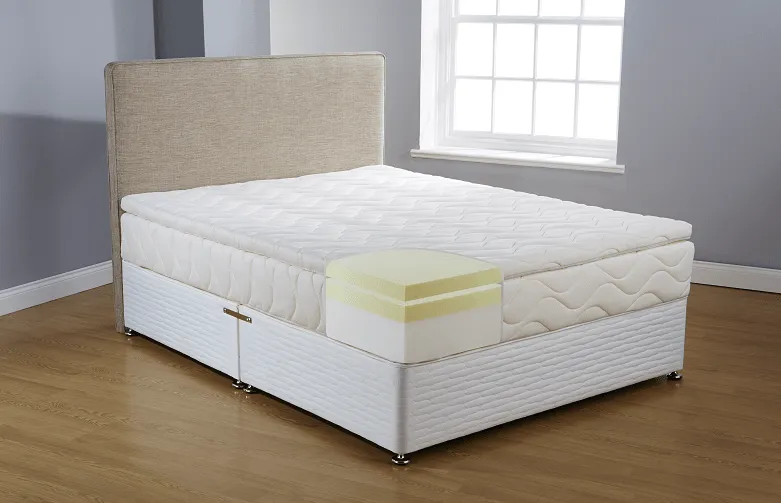
Hybrid mattresses that combine pocket springs with foam layers can offer slightly better temperature regulation than pure foam mattresses, particularly if they incorporate newer foam technologies with heat-dispersing properties. However, these solutions still don’t match the natural temperature regulation capabilities of traditional natural fibre mattresses. The fundamental issue remains that synthetic materials simply cannot replicate the three-dimensional breathability and moisture-wicking properties of natural fibres.
Immediate Solutions for Your Current Mattress
If you’re currently sleeping on a mattress that’s making you overheat, there are several steps you can take immediately to improve your situation whilst you consider longer-term solutions. These approaches won’t completely solve the underlying problem if your mattress is fundamentally heat-retentive, but they can make your nights more bearable in the short term.
A) Add a Natural Fibre Topper
One of the most effective immediate interventions is adding a high-quality natural fibre mattress topper made from wool or bamboo. Natural fibres are exceptionally breathable and have excellent moisture-wicking properties, meaning they can absorb perspiration from your body and allow it to evaporate rather than pooling on the surface. A wool topper, in particular, can act as a buffer between your body and the heat-retentive foam below, providing a cooler sleeping surface whilst still maintaining comfort.
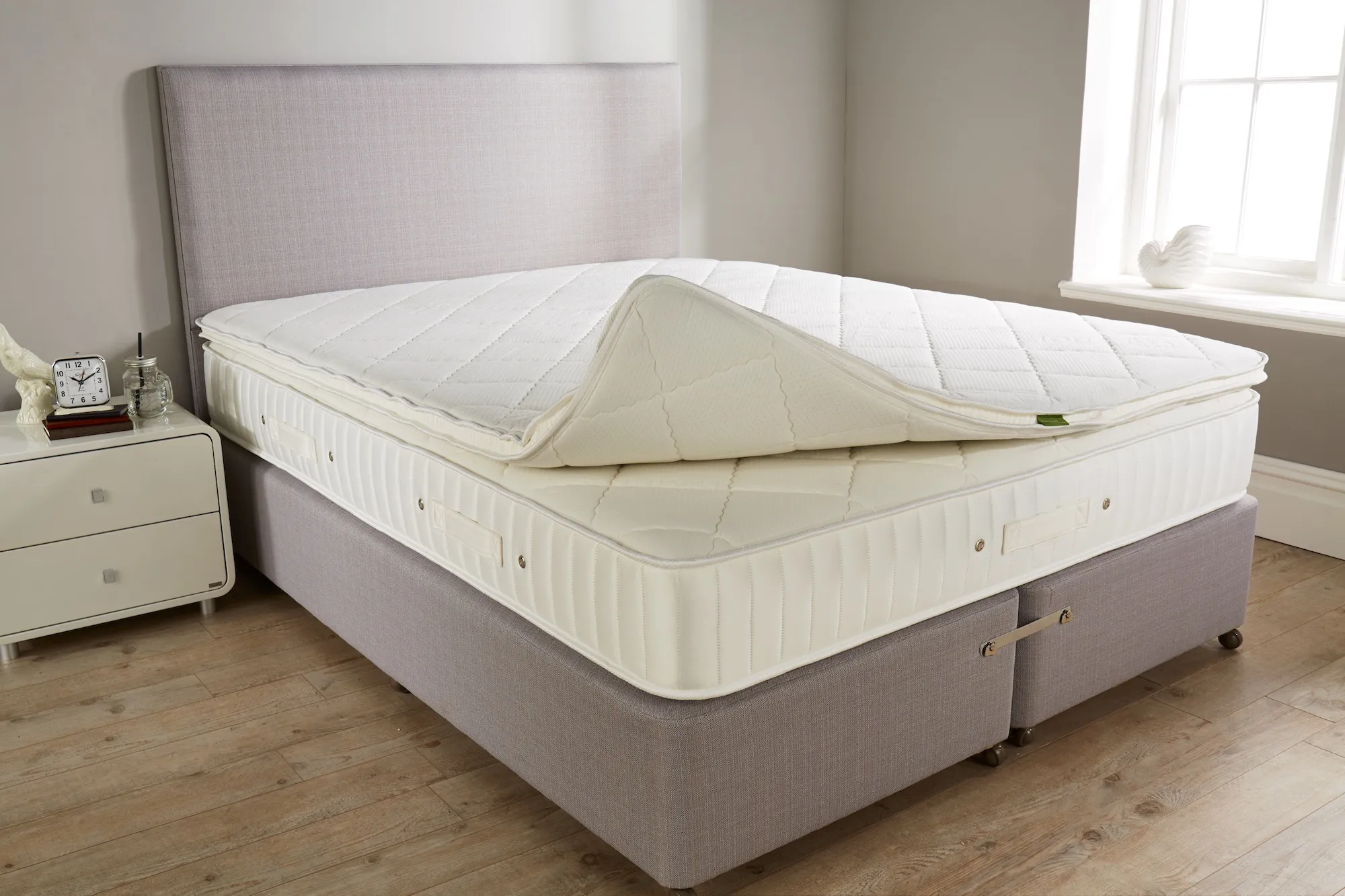
When selecting a topper, look for substantial GSM (grams per square metre) ratings, as this indicates the density and quality of the natural fibres. A wool topper with at least 1000-1500 GSM will provide meaningful temperature regulation benefits.
Bamboo toppers are also excellent choices, offering natural antibacterial properties alongside their cooling capabilities. Avoid synthetic toppers or those with memory foam, as these will only compound your heat retention problems.
B) Upgrade Your Bedding
Your bedding choices can significantly impact your sleeping temperature. Synthetic duvets, pillows and sheets create additional barriers that trap heat and moisture, multiplying the problems caused by your mattress. Replace synthetic bedding with natural fibre alternatives wherever possible. Cotton sheets are a good starting point, but consider upgrading to linen sheets, which offer superior breathability and moisture management. Linen naturally becomes softer with each wash and provides excellent cooling properties, making it ideal for hot sleepers.
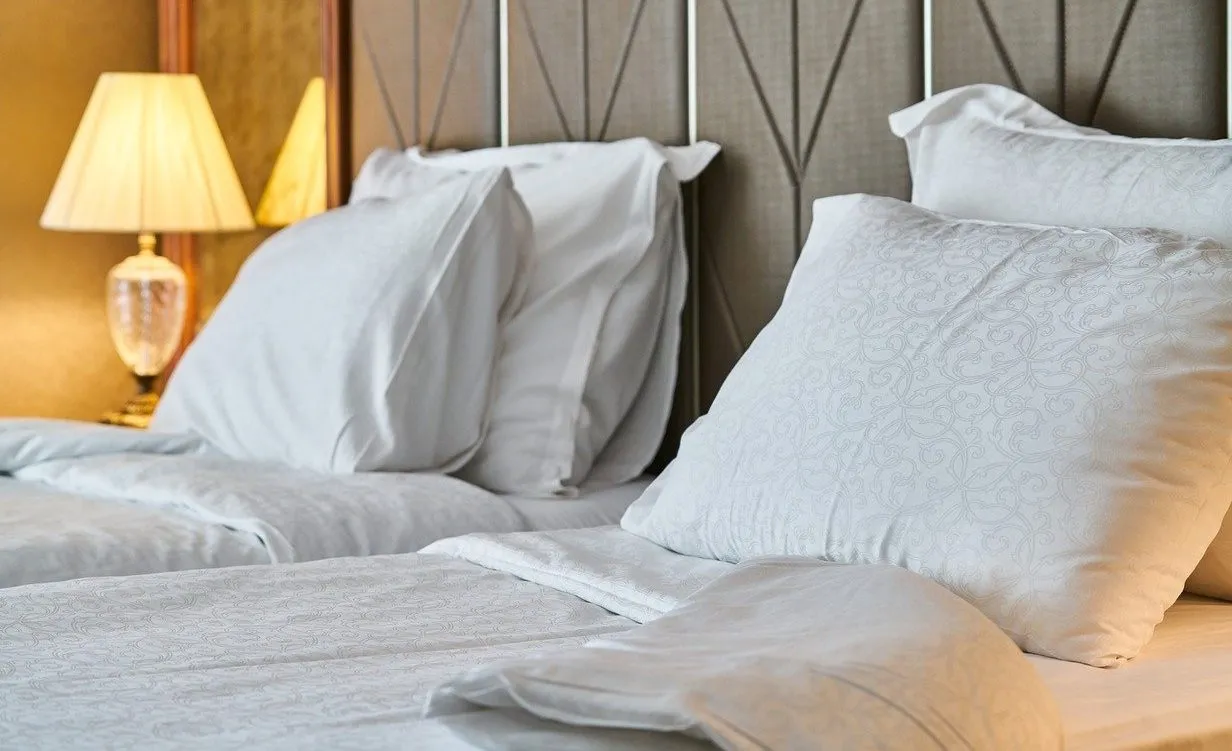
Your duvet choice is equally important. Wool-filled duvets might seem counterintuitive for hot sleepers, but wool’s natural temperature-regulating properties actually keep you cooler in summer and warmer in winter. Consider having separate summer and winter duvets with different tog ratings rather than trying to use one duvet year-round. For pillows, look for natural latex or wool-filled options rather than memory foam or polyester alternatives. Creating a completely natural fibre sleep environment around your mattress can help mitigate some of the heat retention issues, though it won’t fully compensate for a fundamentally heat-retentive mattress.
C) Environmental Adjustments
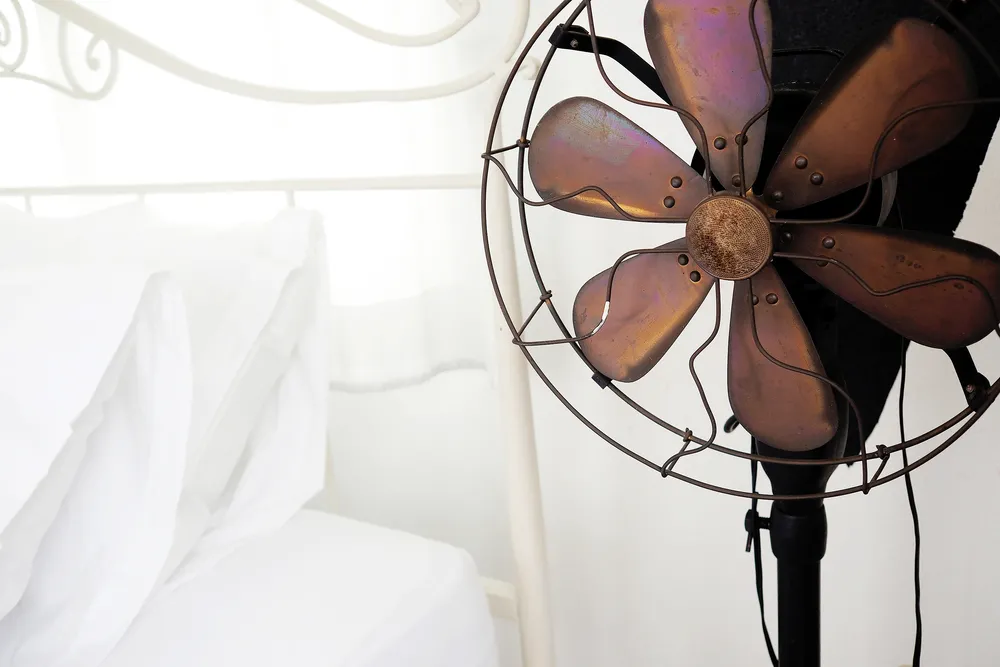
Whilst addressing your mattress and bedding should be your primary focus, optimising your bedroom environment can provide additional relief. Keep your bedroom temperature between 16-18 degrees Celsius, which is considered the optimal range for sleep. Use blackout curtains or blinds during the day to prevent your room from heating up, and open windows in the evening to allow cooler air to circulate. A bedroom fan can help with air circulation, though be mindful of noise levels that might disturb your sleep.

Consider your evening routine as well. Taking a warm bath or shower an hour or two before bed can help regulate your body temperature. As your body cools down after the warm water, it signals to your system that it’s time for sleep. Avoid eating large meals close to bedtime, as digestion generates heat that can contribute to nighttime overheating. Similarly, limit alcohol consumption in the evening, as whilst it might make you feel sleepy initially, it disrupts temperature regulation and can lead to night sweats.
The Natural Fibre Solution
Whilst the immediate solutions above can provide some relief, the most effective long-term answer to mattress heat retention is investing in a properly constructed natural fibre mattress. Natural fibres possess sophisticated ventilation systems that synthetic materials simply cannot replicate. As detailed in our comprehensive guide Why Natural Fibres Are Ideal For Hot Sleepers, materials such as wool, horsehair, cotton, bamboo and alpaca offer exceptional breathability and moisture management that creates an entirely different sleep experience.
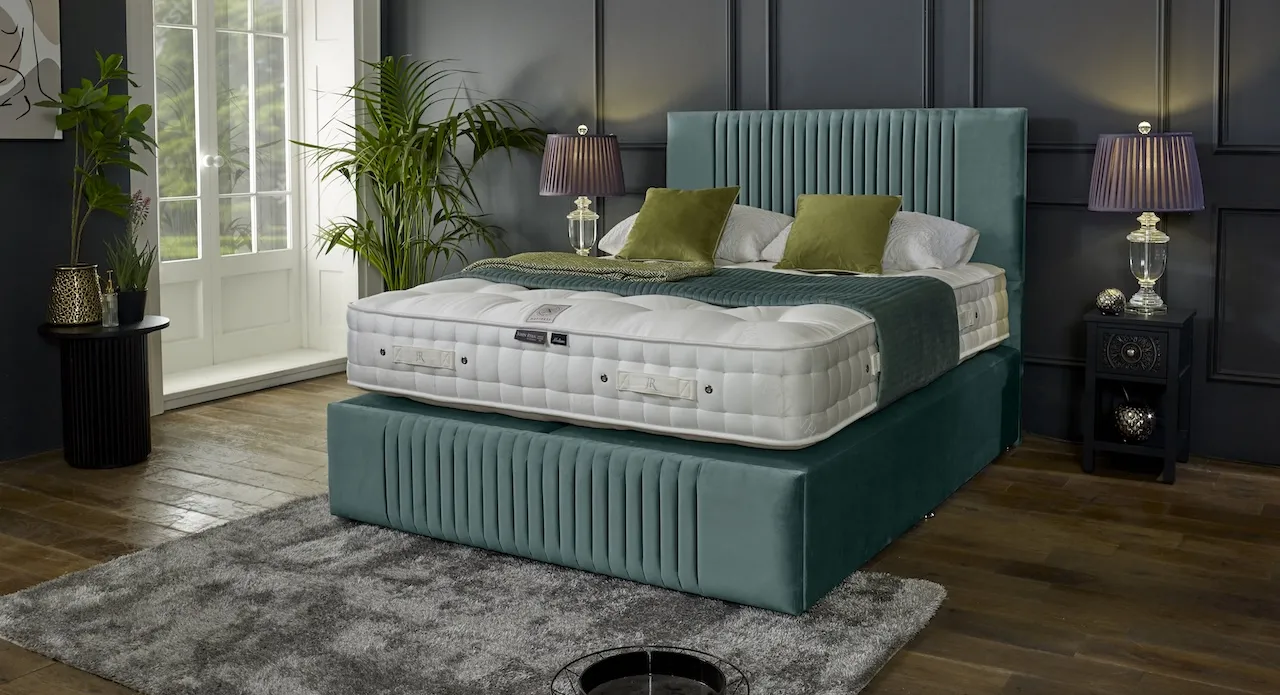
How Natural Fibres Regulate Temperature
Natural fibres work through multiple mechanisms to keep you cool throughout the night. Wool fibres, for example, have a natural crimp that creates tiny air pockets throughout the material. These air pockets allow for constant air circulation, preventing the heat buildup that occurs with dense foam. Horsehair strands are naturally hollow, creating miniature air channels throughout the mattress that facilitate even more airflow. This three-dimensional breathability allows your body heat to dissipate naturally rather than being trapped against your body.
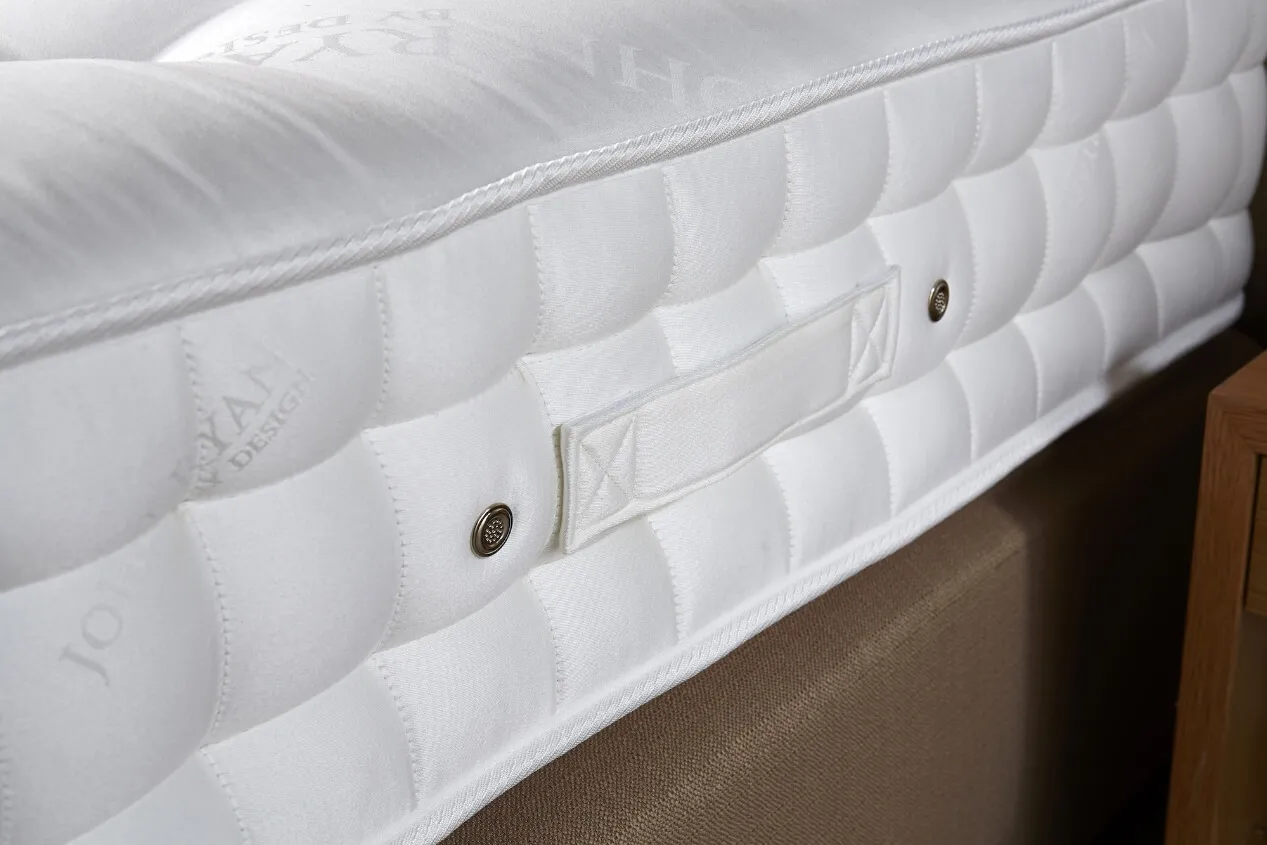
Beyond breathability, natural fibres excel at moisture management through their unique cellular structures.
Wool can absorb up to 30% of its weight in moisture without feeling damp, whilst materials like bamboo and alpaca offer exceptionally high wicking properties that actively draw moisture away from your body. This three-stage process of absorption, transportation and release prevents the moisture buildup that creates uncomfortable, clammy sleeping conditions. The result is a sleep surface that actively works to keep you dry and comfortable rather than trapping heat and moisture against your skin.
Natural fibres also provide automatic temperature regulation. Materials such as wool and alpaca contain air pockets that expand when warm and contract when cool, creating a natural thermostat effect. This means the mattress adapts to your body temperature and the ambient room temperature throughout the night, maintaining comfortable sleeping conditions regardless of seasonal changes. In winter, these same materials provide gentle insulation without overheating, whilst in summer they facilitate cooling airflow.
Specific Natural Fibres and Their Benefits
Different natural fibres offer distinct advantages for hot sleepers. British wool is exceptionally versatile, providing excellent temperature regulation, natural fire resistance and durability. It’s often used in multiple layers within a mattress construction, from comfort layers to insulation layers, each serving a specific purpose in the overall sleep system. Horsehair is particularly prized for its resilience and springiness, offering a responsive sleeping surface whilst its hollow structure provides superb ventilation.
Bamboo fibre, Cotton and Alpaca
Has gained popularity for its naturally antibacterial properties and exceptional breathability, making it ideal for those who sweat heavily during the night. Cotton provides a familiar, comfortable feel whilst offering good moisture absorption and breathability. For those seeking the ultimate in luxury and temperature regulation, alpaca represents the pinnacle of natural fibre comfort. Alpaca is extraordinarily soft whilst being the most highly wicking of all breathable fibres, keeping you warm in winter and remarkably cool in summer. As we explain in our article about alpaca mattresses, this rare and expensive fibre is reserved for our highest specification models due to its exceptional properties and limited availability.
Flax (linen) fibre, Flax and Coir
This deserves special mention for hot sleepers due to its superior cooling properties. Flax offers some of the best moisture-wicking capabilities of any natural fibre, helping to draw perspiration away from your body efficiently. Coir (coconut husk) is often used in support layers, providing firm support whilst offering excellent ventilation. When these natural fibres are layered together in a properly constructed mattress, they create a sophisticated sleep system that manages temperature and moisture far more effectively than any synthetic alternative.
Understanding Quality and Construction
Not all natural fibre mattresses are created equal, and understanding quality indicators is crucial for making an informed decision. One of the most important factors is GSM (grams per square metre) specification, which tells you the actual quantity of natural fibres present in each layer. Many manufacturers use vague marketing terms like “contains natural fibres” or “includes natural fibres” without specifying how much natural fibre is actually present. A few token fibres mixed with predominantly synthetic materials won’t provide the temperature regulation benefits you need.
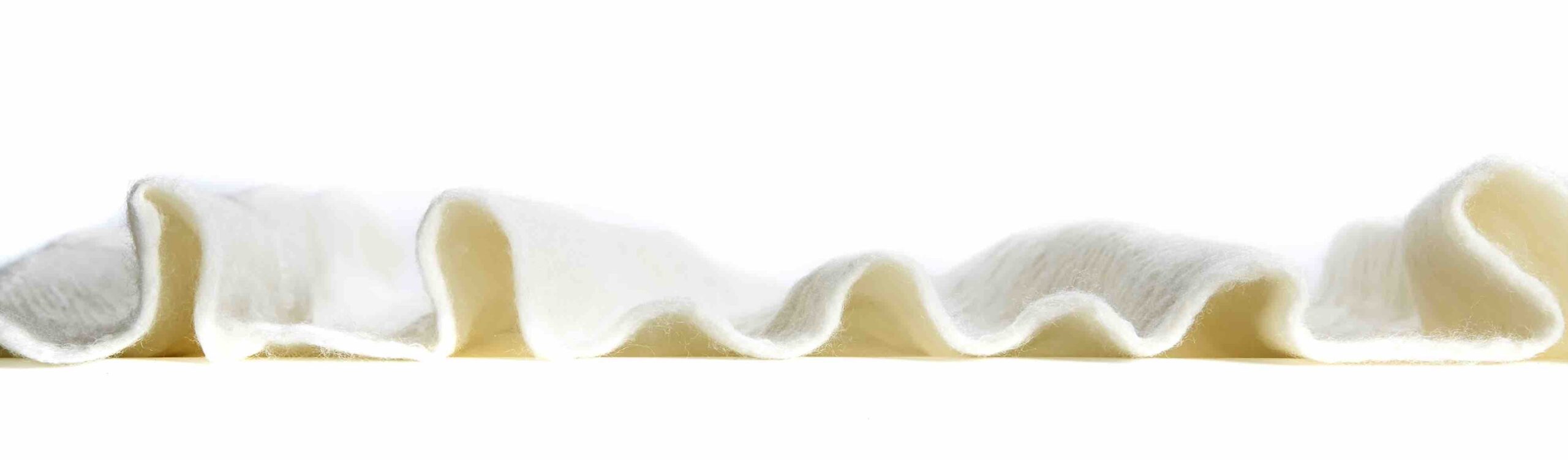
At John Ryan By Design, we’re committed to transparency in our specifications. We publish detailed GSM ratings for every layer in our mattresses because we believe you have the right to know exactly what you’re paying for. A quality natural fibre mattress should have substantial upholstery weights, typically ranging from 2000 GSM to 5300 GSM or more across all comfort and support layers. These significant quantities of natural fibres are what provide genuine temperature regulation benefits, durability and comfort.
The spring system also plays a crucial role in overall temperature regulation. Calico-encased vanadium pocket springs are the highest quality option, offering both superior support and breathability. Each spring is individually wrapped in a breathable calico fabric sleeve, allowing air to circulate freely through the mattress whilst providing independent support that adapts to your body contours. This combination of natural fibre upholstery layers and breathable pocket springs creates a sleep system where air can flow three-dimensionally, preventing heat buildup from any angle.
The Importance of Two-Sided Construction
Another crucial factor often overlooked is whether the mattress is two-sided (turnable) or one-sided. Many modern mattresses, particularly foam models, are one-sided, meaning you can only sleep on one surface. This design inevitably leads to faster wear and compression in the areas where you sleep most frequently. A two-sided natural fibre mattress allows you to turn and rotate it regularly, distributing wear evenly across all surfaces and significantly extending the mattress’s lifespan.
The ability to turn your mattress also has implications for temperature regulation. By regularly turning and rotating your mattress, you expose different areas to air circulation, helping to refresh the natural fibres and maintain their moisture-wicking capabilities. This maintenance routine, combined with the inherent breathability of natural fibres, ensures your mattress continues to regulate temperature effectively throughout its entire lifespan, typically 10-15 years or more for a quality natural fibre mattress compared to 5-7 years for foam alternatives.
Making the Investment
Investing in a quality natural fibre mattress represents a significant financial commitment, but it’s important to consider the cost per night of quality sleep over the mattress’s lifespan. A £2000 mattress that lasts 12 years costs approximately 45 pence per night, whilst a £600 foam mattress that needs replacing after 5 years costs 33 pence per night. When you factor in the dramatic improvement in sleep quality, the reduction in night sweats and overheating, and the absence of synthetic chemicals, the value proposition becomes even more compelling.
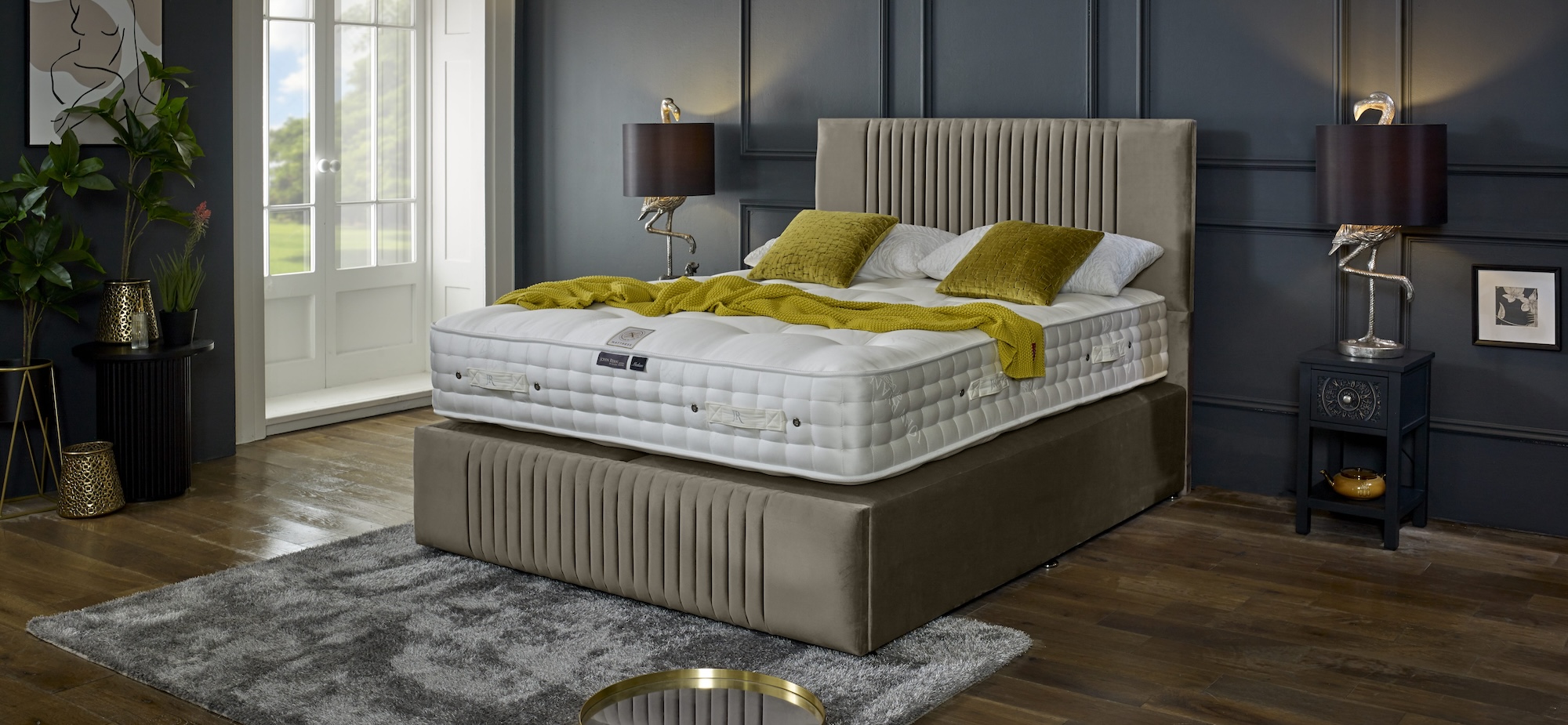
For hot sleepers specifically, the difference is transformational. Moving from a heat-retentive memory foam mattress to a natural fibre alternative isn’t just an incremental improvement; it’s a fundamental change in your sleeping experience. Customers regularly tell us they’re amazed at how much cooler they sleep, how they no longer wake up drenched in sweat, and how much more refreshed they feel in the morning. The investment pays dividends not just in better sleep, but in improved daytime energy, mood and productivity.
Choosing the Right Mattress for Your Needs
Selecting the appropriate natural fibre mattress involves considering several factors beyond just cooling properties. Your body weight determines the spring tension you need, as too soft a spring won’t provide adequate support, whilst too firm a spring will feel uncomfortable. We offer tailored spring tensions to match your weight, ensuring you get optimal support regardless of your size. You can even specify different tensions for each side of a double mattress if you and your partner have significantly different weights.
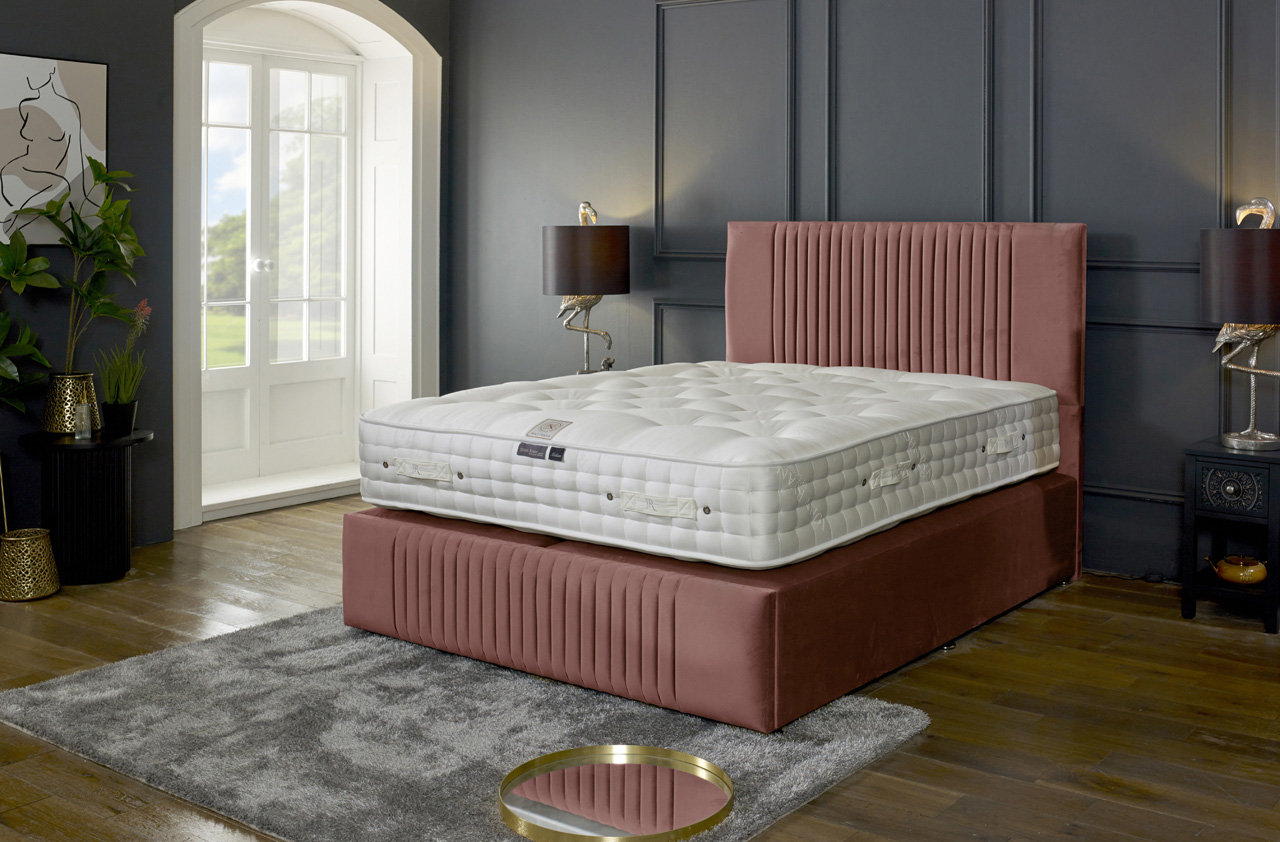
Your preferred sleeping position and personal comfort preferences also matter. Side sleepers typically need slightly softer comfort layers to accommodate shoulder and hip pressure points, whilst back and stomach sleepers often prefer firmer support. If you’re particularly sensitive to overheating, models with higher proportions of bamboo, flax or alpaca in the upper comfort layers will provide enhanced cooling properties. Our range spans from entry-level natural fibre options through to our finest bespoke models with exceptional natural fibre specifications.
We understand that choosing a mattress online can feel daunting, which is why we offer a 60-day ‘Love It or Return It’ guarantee. This gives you ample time to experience the difference a natural fibre mattress makes to your sleep quality without any risk. Our customer service team is available to discuss your specific requirements and help you navigate our range to find the perfect solution for your needs.
Our Top Recommendations for Hot Sleepers
Based on our 25 years of experience helping hot sleepers find their perfect mattress, we’ve identified three models that consistently deliver exceptional temperature regulation and comfort. Each offers a different feel and natural fibre specification to suit various preferences and budgets, but all are specifically engineered to keep you cool throughout the night.
Artisan Naturals – The Perfect Balance
Our best-selling Artisan Naturals delivers outstanding value with 85% natural fibre content and a supremely comfortable medium feel. This handmade mattress features British fleece wool and cotton in the comfort layers, providing excellent breathability and moisture management without breaking the bank.
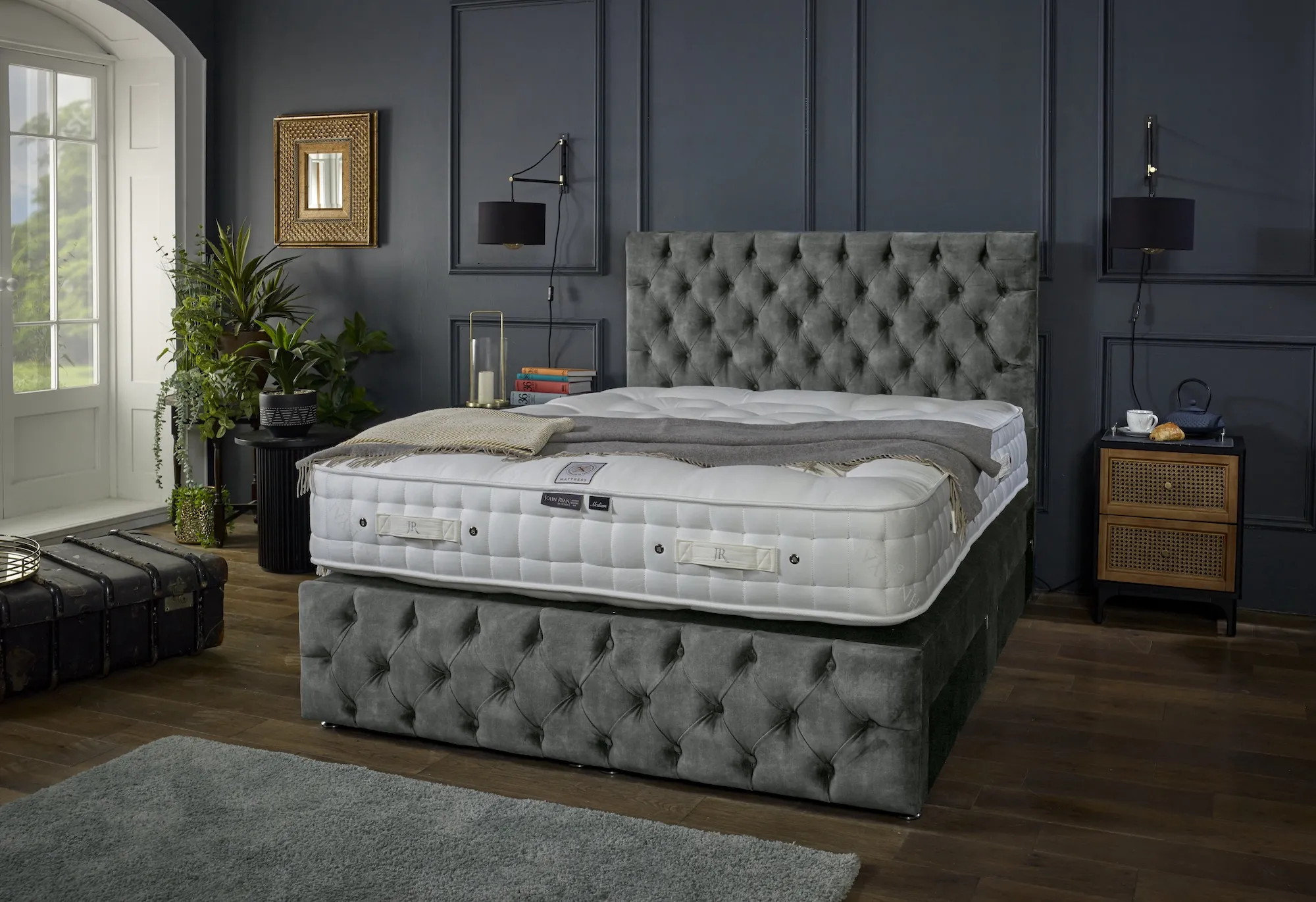
The 1600 calico-encased vanadium pocket springs offer responsive support that facilitates easy movement during the night, whilst the natural fibres actively regulate your temperature. Ideal for couples with average body weights who want proven cooling performance at a sensible price point. With over 3000 GSM of upholstery, this mattress punches well above its price tag for hot sleepers seeking relief from synthetic foam alternatives.
Artisan Bespoke 002 – Ultimate Luxury Cooling
For the discerning hot sleeper who demands the absolute finest, the Artisan Bespoke 002 represents the pinnacle of natural fibre mattress engineering. This 100% natural fibre masterpiece combines 1200 GSM of blended British wool and cotton with soft bamboo layers, pure horsetail and a dual-layer pocket spring system totalling 3600 GSM of breathable luxury.
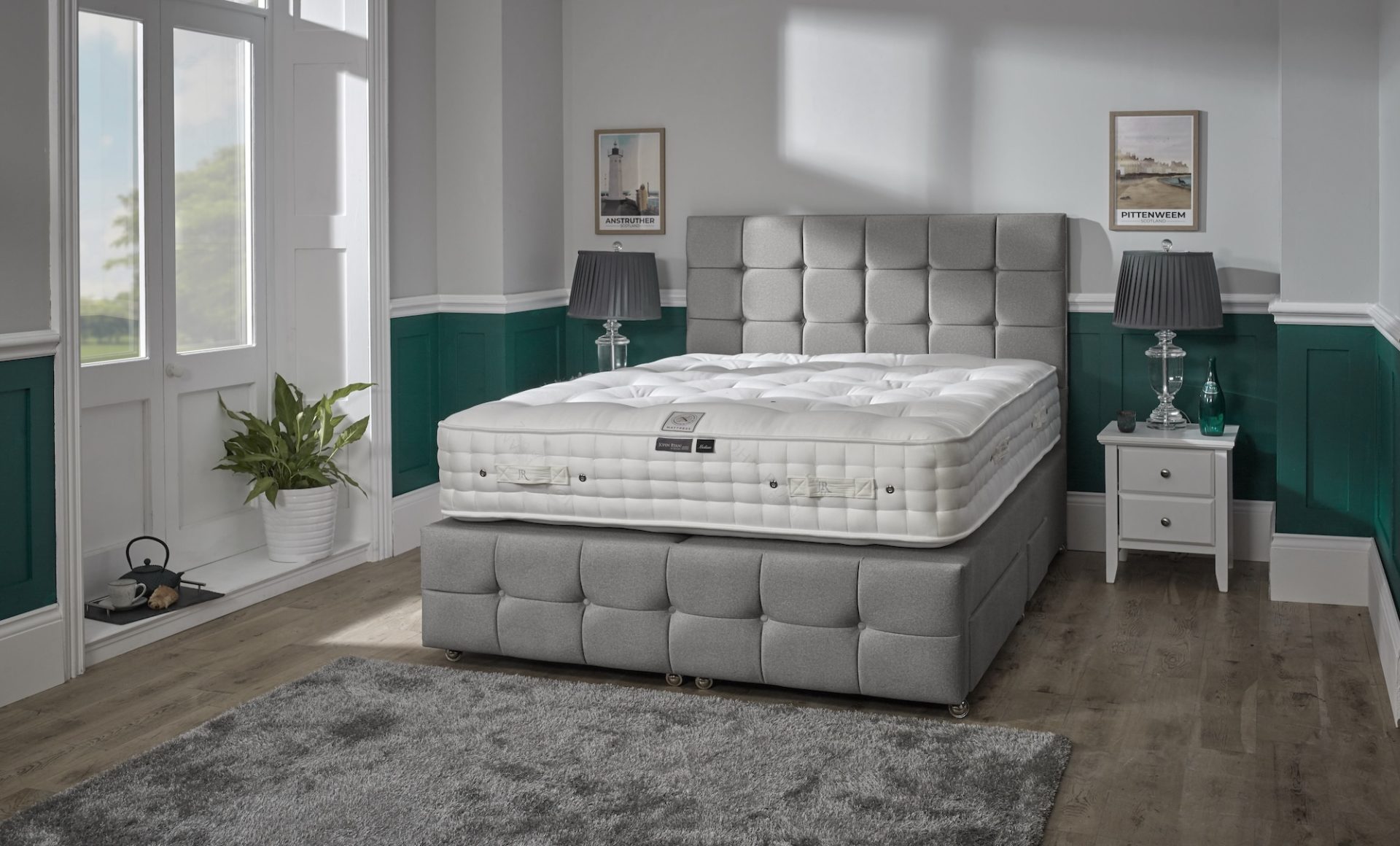
The bamboo provides exceptional moisture-wicking properties, whilst the horsetail adds resilience and further enhances air circulation. The highly responsive dual spring system makes this particularly suitable for restless sleepers who turn frequently, as the lively springs facilitate movement without disturbing your partner. If you’re serious about eliminating night sweats and want to experience what truly luxurious natural fibres can achieve, this medium feel mattress is your answer.
Artisan Bespoke – Premium Firm Support
Hot sleepers who prefer a firmer sleeping surface will find their ideal match in the Artisan Bespoke. This 100% natural fibre mattress offers all the breathability and temperature regulation benefits you need, with a firmer comfort profile that provides robust support for back and stomach sleepers or those with higher body weights.
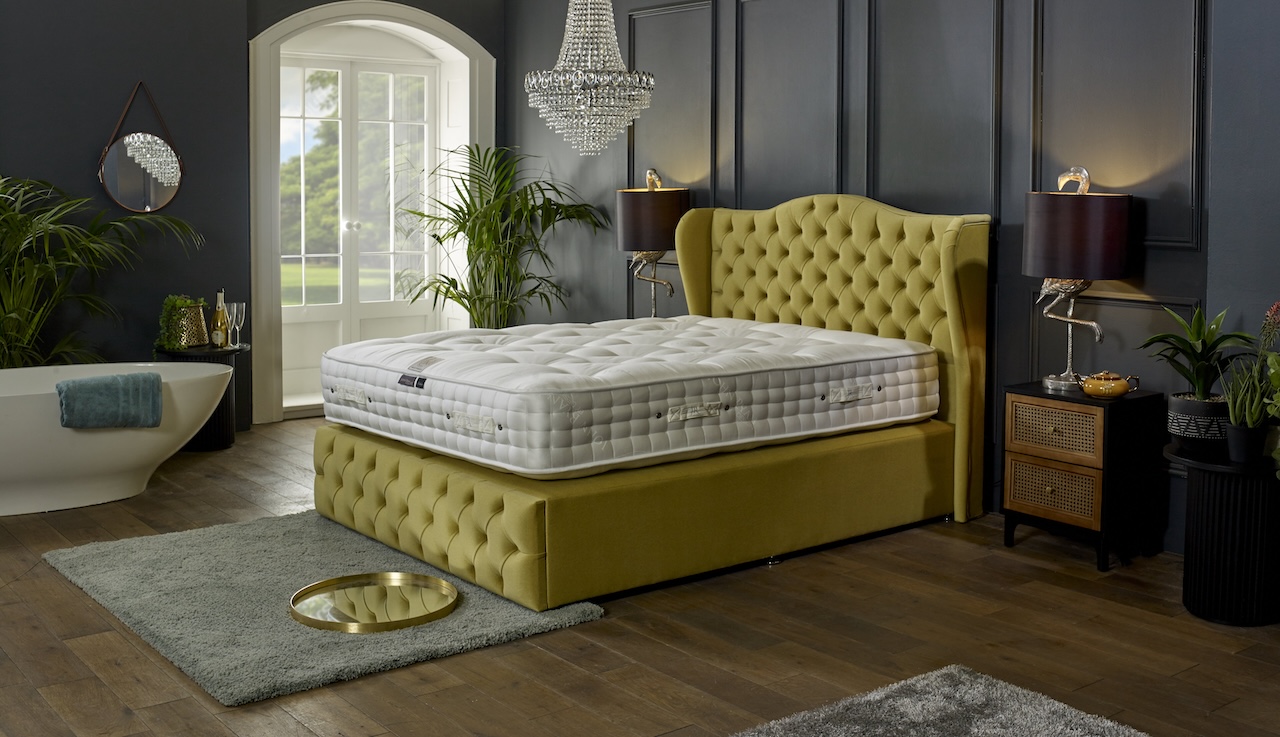
The natural fibres maintain exceptional air circulation throughout the mattress structure, whilst the firmer upholstery layers prevent excessive sink that can sometimes increase heat retention. Don’t mistake firmness for discomfort—the carefully layered natural fibres provide supportive comfort that moulds gently to your body without the memory foam heat trap. Perfect for those who need proper spinal alignment alongside superior cooling performance.
Additional Considerations for Hot Sleepers
Whilst your mattress choice is the primary factor in nighttime temperature regulation, it’s worth mentioning that persistent overheating can sometimes indicate underlying health conditions. If you experience severe night sweats, particularly if accompanied by other symptoms such as unexplained weight loss, fever or fatigue, it’s advisable to consult your GP. Conditions such as hyperthyroidism, menopause-related hormonal changes, certain medications and other medical issues can contribute to nighttime overheating.
For women experiencing perimenopausal or menopausal symptoms, a natural fibre mattress can provide significant relief from hot flushes during the night. The superior temperature regulation and moisture management of natural fibres help mitigate the impact of hormonal temperature fluctuations, though they won’t eliminate them entirely. Many of our customers who are going through menopause report that switching to a natural fibre mattress, combined with appropriate bedding choices, has made a substantial difference to their sleep quality during this challenging time.
The Role of Mattress Protectors
If you use a mattress protector, ensure it’s made from breathable natural materials rather than waterproof synthetic fabrics.
Whilst waterproof protectors shield your mattress from spills and accidents, many create a plastic barrier that completely negates the breathability benefits of a natural fibre mattress. Instead, look for wool or cotton mattress protectors that offer a degree of liquid resistance whilst maintaining breathability. These natural protectors can handle minor spills and will dry naturally without creating the sweaty, uncomfortable conditions associated with plastic-backed protectors.
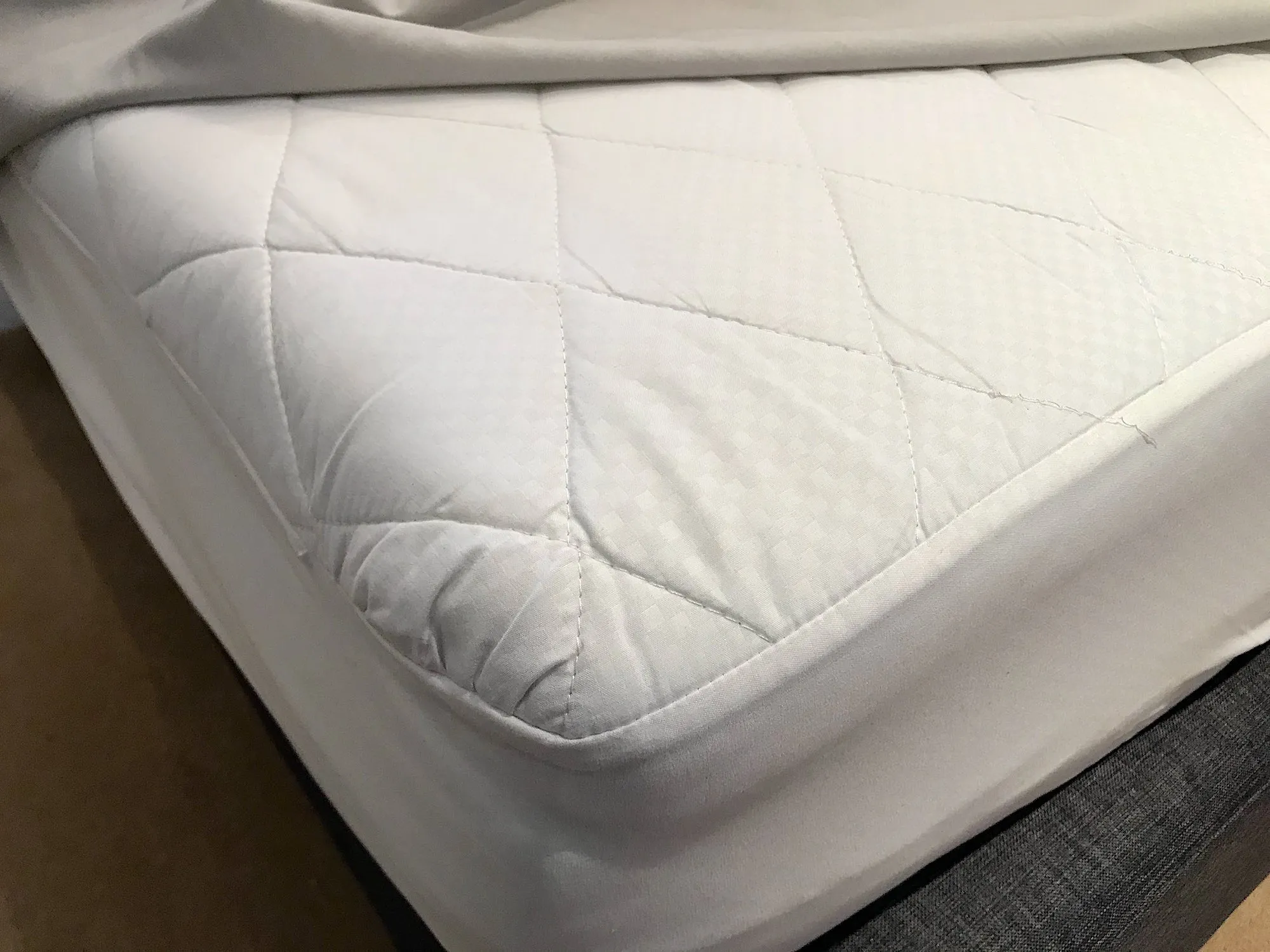
For those who absolutely must use waterproof protection due to medical needs or young children, choose the most breathable waterproof technology available, and consider whether you can use it only when necessary rather than permanently. The goal is to minimise barriers between your body and the temperature-regulating natural fibres of your mattress, allowing the materials to do their job effectively.
Why Choose John Ryan By Design
As an independent business with over 50 years of experience in mattress manufacturing, we’ve dedicated ourselves to creating the finest natural fibre mattresses available in the UK. Our membership in the Guild of Master Craftsmen and the Institute of Spring Technology reflects our commitment to exceptional craftsmanship and technical expertise. We’re also proud to be an NBF (National Bed Federation) Premier Retail Champion, demonstrating our adherence to the highest industry standards.
Every mattress we create is handmade in our Yorkshire workshop by skilled craftspeople who take pride in their work.
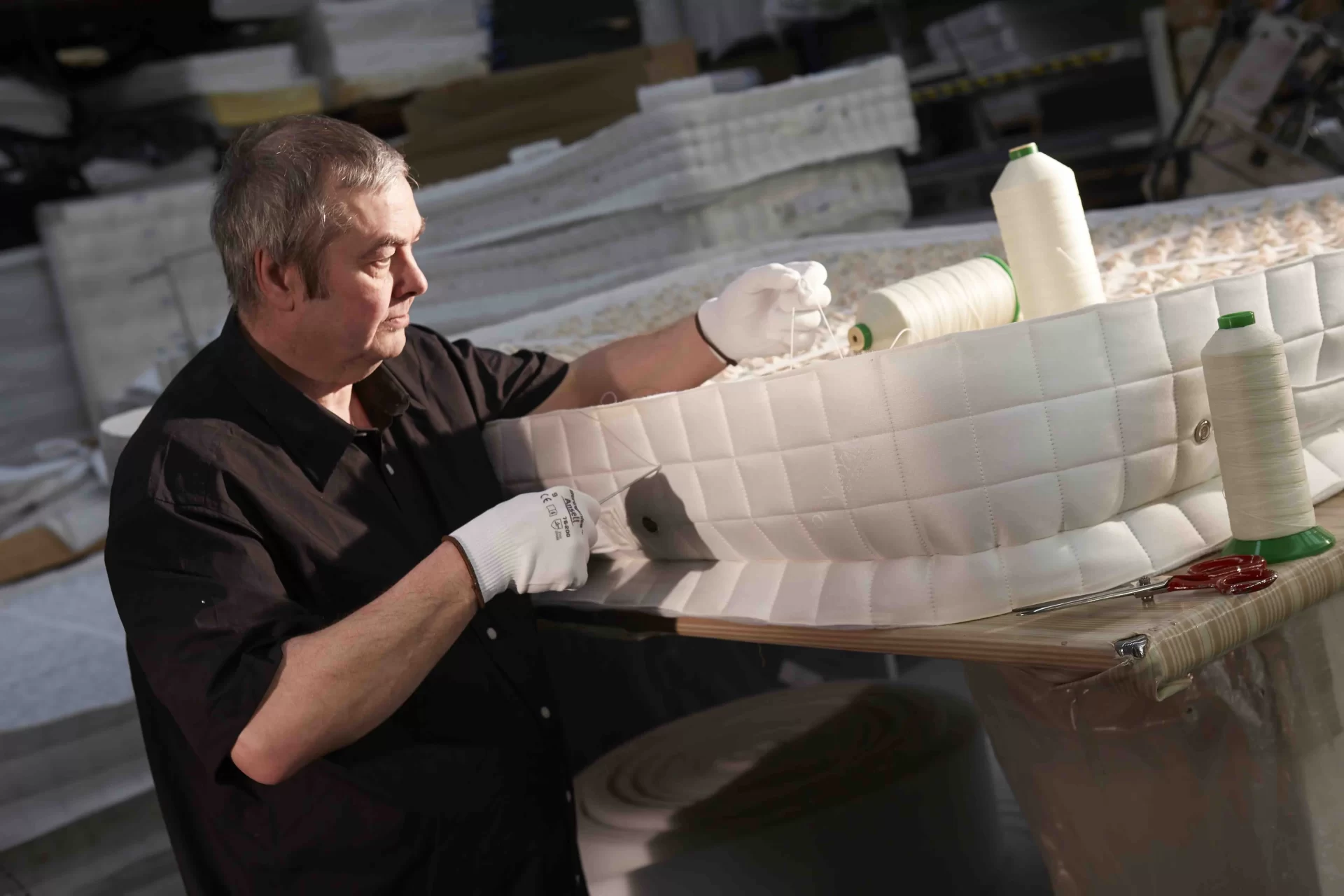
We source our natural fibres from reputable UK suppliers wherever possible, including Wool Board Assured wool, ensuring traceability and quality throughout our supply chain. Our commitment to ethical, environmentally conscious sourcing means you can sleep soundly knowing your mattress was produced responsibly.
What truly sets us apart is our transparency and willingness to educate our customers. We’ve answered over 6000 questions about mattresses on our website, building one of the most comprehensive resources for mattress information available online. We believe an informed customer makes better decisions, which is why we publish detailed specifications including GSM ratings, spring counts and exact natural fibre content for all our mattresses. You’ll never find vague marketing language or hidden specifications in our product descriptions.
Taking the Next Step
If you’re tired of waking up hot, sweaty and uncomfortable every night, it’s time to address the root cause of the problem rather than continuing to struggle with ineffective solutions. Whilst adding a natural fibre topper, upgrading your bedding and optimising your bedroom environment can provide some relief, the only truly effective long-term solution is investing in a properly constructed natural fibre mattress that’s designed specifically to regulate temperature and manage moisture effectively.
Our team of sleep specialists is here to help you find the perfect mattress for your specific needs. Whether you’re certain about what you want or still trying to navigate the options, we can provide expert guidance based on your sleeping preferences, body weight, and budget. We’re available by telephone on 0161 437 4419, where our friendly team can answer your questions and help you make an informed decision.
Don’t resign yourself to another night of uncomfortable, sweaty sleep!
Further Reading:
Memory Foam Mattress Ultimate Buyers Guide
What To Do If Your Memory Foam Mattress is Too Hot
Memory Foam Mattress: Top 5 Tips for a Better Night Sleep
Dreaming of the perfect nights sleep?
Ask us a question
There are over 6000 questions and answers submitted by you on all questions about mattresses and bed problems. Enter a keyword such as Vi Spring, John Lewis beds, bad back or Memory Foam and see if your question has already been answered.
If you can’t find an answer in knowledge hub, ask a new question. We aim to respond to all questions within one working day.
Newsletter
Enter your email to join our newsletter. We’ll send you occasional news and mattress expertise.